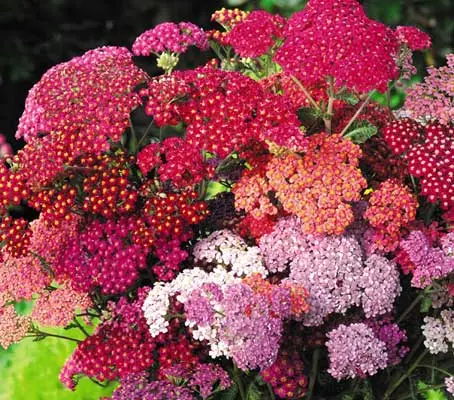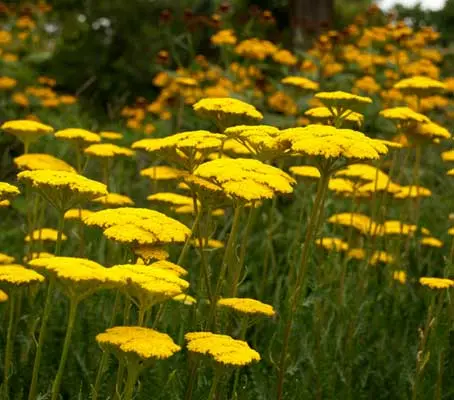
Achillea filipendulina ‘Cloth of Gold’ is an easy to grow plant which tolerates a fair amount of neglect which makes it a very versatile plant for use in many situations. It does require full sun for best flower production, but this is little to ask for such a grand reward. Achillea ‘Cerise Queen’ is a carefree and generously blooming perennial which requires little maintenance to create an explosion of late summer colour. Irresistible to butterflies they also make excellent cut flowers.
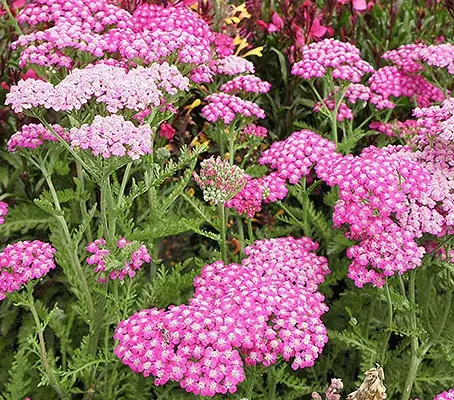
Achilleas are traditional border flowers valued for their feathery foliage and striking flat, circular heads of flowers ‘F2 Summer Berries’ is a compact variety growing to only 60cm tall at maturity. This beautiful improved mixture includes the richer tones of red, cerise and pink in addition to many pastel shades.
A favourite of garden designer Gertrude Jekyll. The ‘Pearl’ is excellent for the middle of a sunny, well-drained border, especially when planted as a large drift. A unique, easy and reliable plant to add to any border.
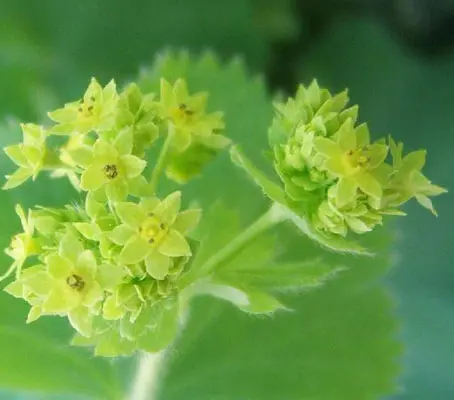
The unpretentious lady’s mantle is extremely useful for both its foliage and its flowers. The foliage has the additional virtue of looking especially beautiful after a rain, when it holds water droplets in the pleats of its surface like many pearls of liquid mercury.
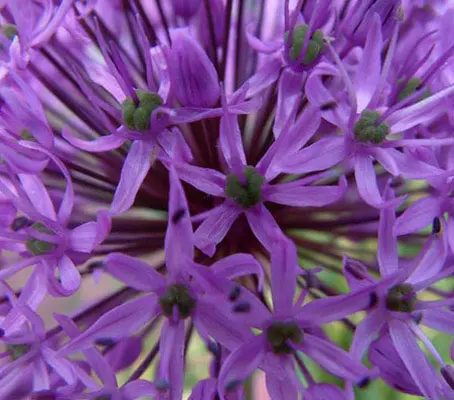
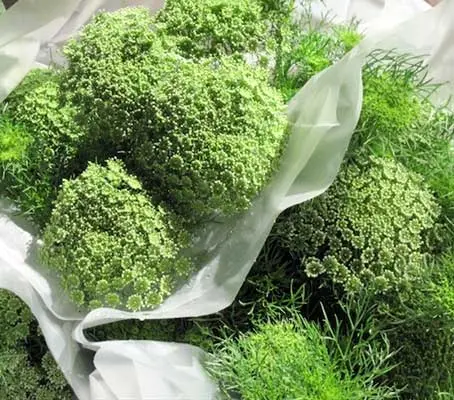
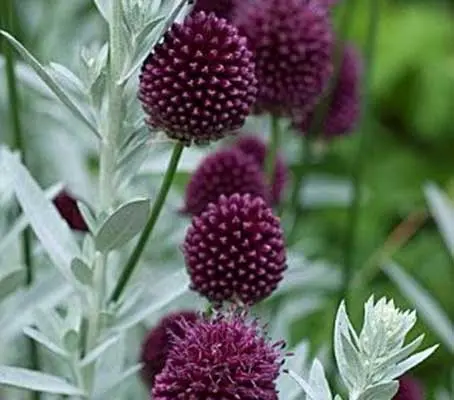
This is a stunning fashionable plant, with globes of rosy-purple crowded spherical umbels, and strap shaped leaves. The flowers are very long lasting and help fill that awkward gap between the later spring bulbs and the perennials.Ammi visnaga ‘Green Mist’ is a new variety of Queen Annes Lace, with larger, darker green and more mounded umbels than its cousin Ammi majus. It flowers from June to September the blooms are initially flattened and lime green, turning white. The textured flower heads are a flower arrangers dream.
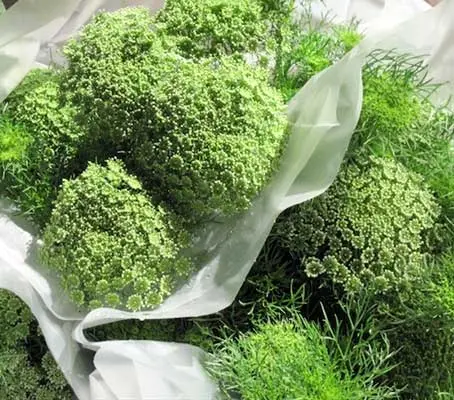
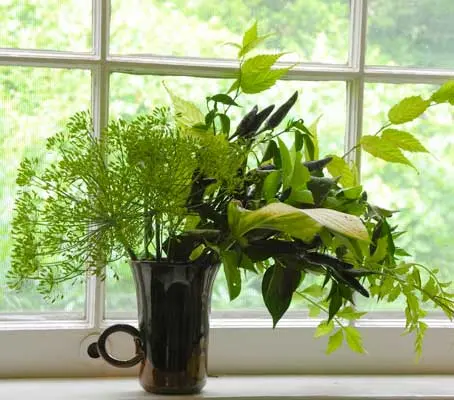
Ammi lends a delicate airiness to any border and is often used to create a cohesive flower bed. It associates well with both annuals and perennials and makes an excellent addition to wildlife gardens, luring bees and butterflies to the nectar rich flowers. Organic Seed.‘Mariska’ is a little known compact variety of Dill often referred to as ‘Florist’s Dill’. With starry bright yellow flower heads and abundant foliage it is an excellent variety for use as a cut flower, yet is still a great variety for the kitchen.
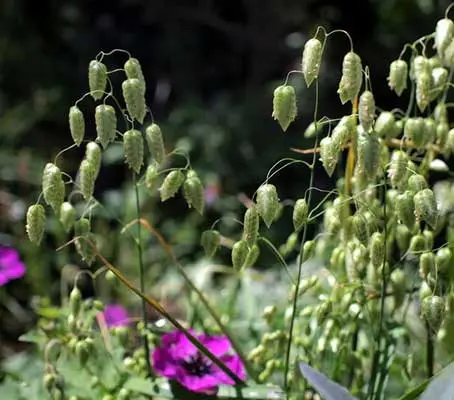
Ornamental Grass Briza maxima has blue green leaves and flower heads that hang like scaly little heart shaped lockets that are tinged with pink from late spring to mid summer. They make a wonderful cut flower and flowering in 10 to 12 weeks from spring sowing, they are very easy to grow to perfection.
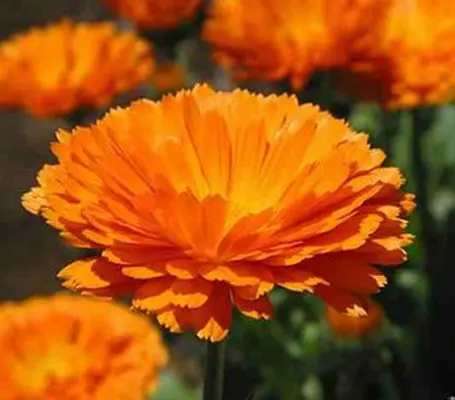
Cheerful and bright, use Calendula in beds, borders or containers. Calendula is prolific and durable, and like most hardy annuals it is easy to grow, simply sow where it is to flower. It is currently one of the top herbs used for medicinal use. Sprinkle salads and decorate cakes with the edible tangy petals.
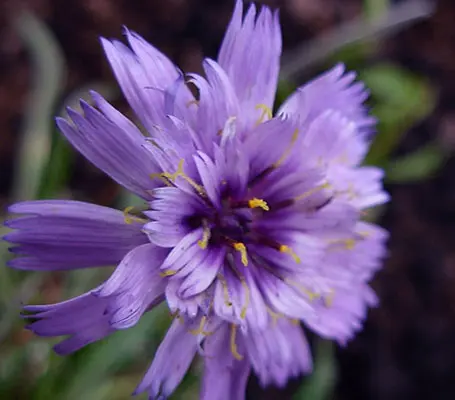
Catananche caerulea ‘Amor Blue’ is a charming plant, with blue, star like flowers each with a dark eye and unique papery petals. They look best when grown in groupings, rather than one or two plants and don’t mind crowding. Plant en-masse in prairie style or meadow plantings, mix them up a little with other hardy perennials and grasses.
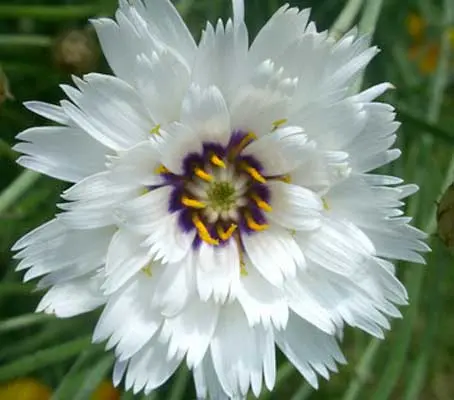
Catananche caerulea ‘Amor White’ produces stunning blooms of white, star like flowers each with a dark purple-blue eye and unique papery petals. The blooms rise on single stems above neat clumps of grey-green foliage. Super when planted the border, they also make a wonderful, long lasting cut or dried flowers.
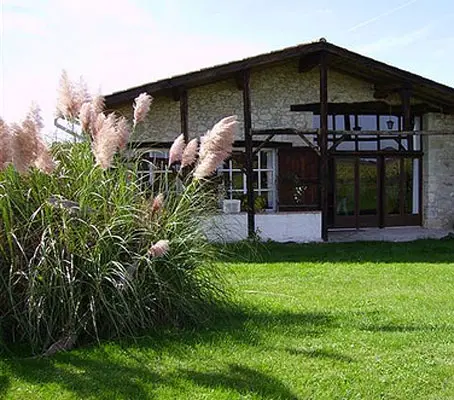
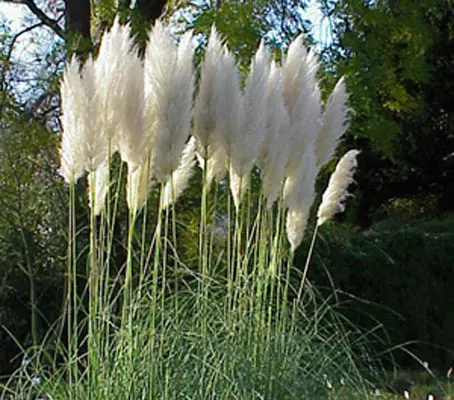
This unusual pink form of pampas grass with tall, pink-flushed, feathery plumes is a real show stopper. In midsummer spectacular plumes erupt above the foliage. The show continues into winter as the feathery plumes persist and the foliage turns golden brown when touched by frost.
Cortaderia selloana ‘White Feather’ – Pampas Grasses are the ultimate architectural plant, adding texture, autumn colour and winter shapes in the landscape. Relatively easy to grow, this plant flowers throughout late summer and autumn. It will provide colour and interest for many years.
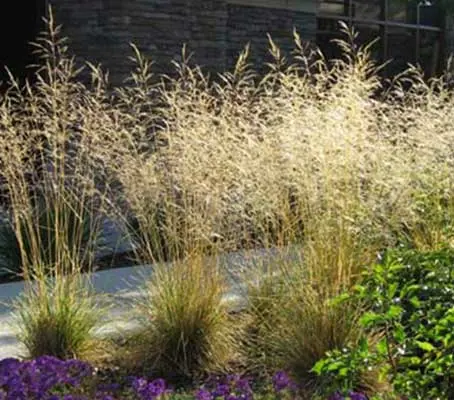
Deschampsia cespitosa is a lovely variety of ornamental grass especially valued for it’s tall flower plumes. The sprays of airy delicate flowers, eventually changing to bronze add texture and colour to the winter garden and deliver a knock-out punch to cut-flower arrangements.
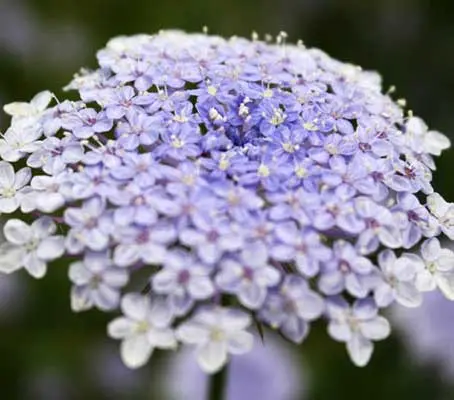
Didiscus caerulea is known as the Blue Lace Flower for its unusual colour. The delicate lavender-blue flowers, each composed of tiny, star-shaped, sweetly fragrant flowers are perfect for the cutting garden.
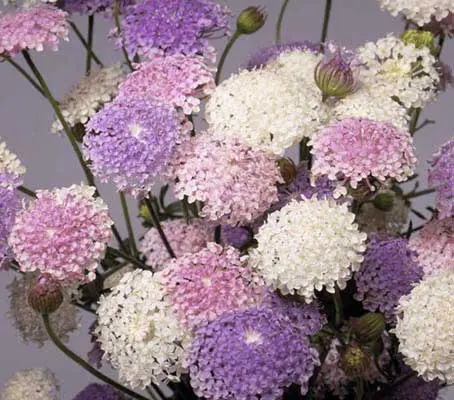
Recent developments of Didiscus caerulea have broadened the colour range. Didiscus ‘Lacy Mix’ produce the same lacy umbel shaped domes and finely cut foliage. In a pastel blend of powder-blue, lavender, soft pink and white, the plants branch freely, filling borders with a light, floaty feel and masses of stems for cutting.
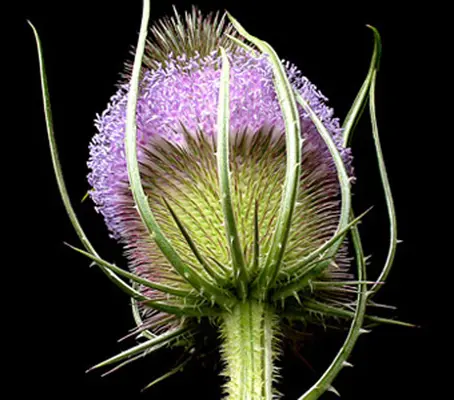
Fullers Teasel a sub-species of the common teasel. The bristly flower heads were cultivated, matured and dried. Inserted into wooden frames, they were used to bulk up the pile on woolen cloth. The variant name ‘fullonum’ refers to the name of the trade of the ‘fullers’ to raise the nap on woolen cloth – to ‘tease’ it. Teasel is still used today by some who weave wool by hand.
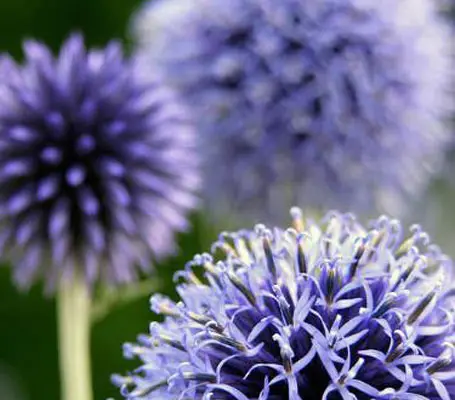
One of my favourites for the back row. The rounded, violet-blue flower heads on silvery, branched, leafy stems are actually much softer than they look. An unusual colour and structure, so a great conversation piece and an excellent dried flower.Eryngium alpinum Superbum is an elegant species, with metallic stems and large flowers that mature to an intense steel blue/purple in summer and autumn. A fascinating architectural plant for the border.
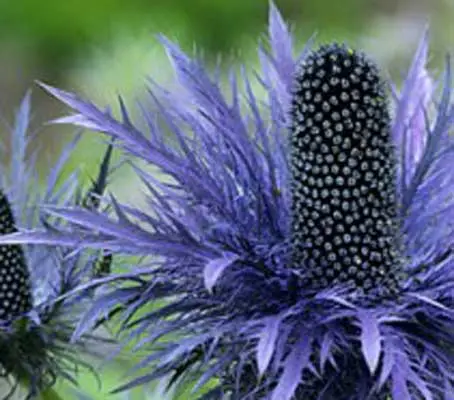
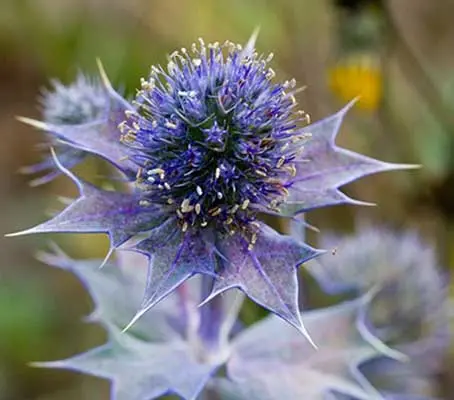
Eryngium maritimum is an evergreen perennial plant native to Europe. Often found on sea shores, it is a protected species in many parts of the world. Highly ornamental, it is grown in gardens for its metallic bluish flowers and intensely whitish-glaucous leaves, it is very attractive to bees and butterflies.
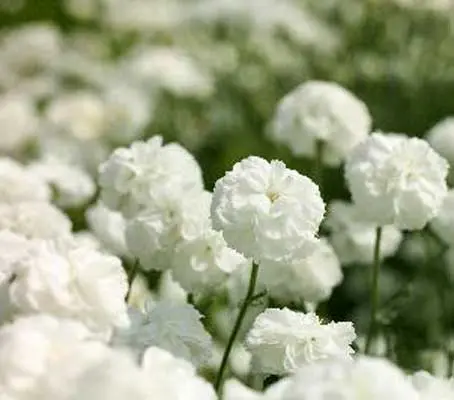
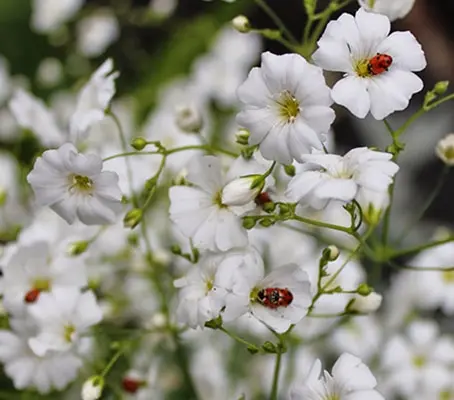
Gypsophila has been cultivated since 1759 in England, so its use by florists has a long pedigree. It has recently become rather trendy among celebrity and designer florists, even taking centre stage as the main flower focus of bouquets and arrangements.
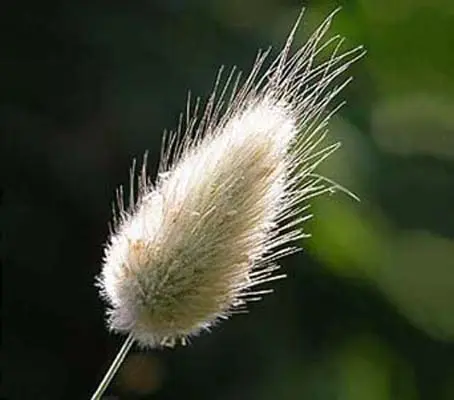
Lagurus ovatus is probably the most appealing of all the ornamental grasses. The name ‘Hare’s Tail’ perfectly accurately describes the creamy-white flower heads, which are hare’s tail-shaped, fur-like and soft to the touch!
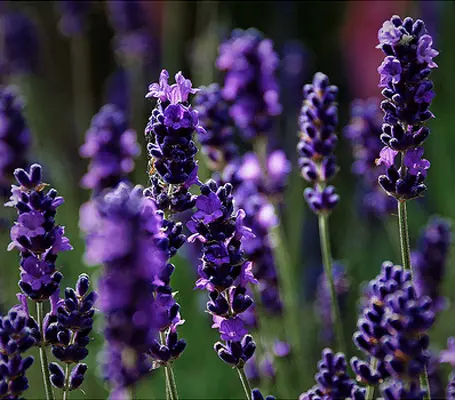
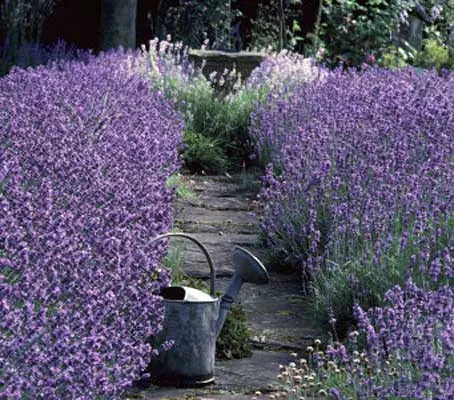
The deepest purple of all and one of the most popular lavenders is ‘Hidcote Blue’. A compact variety, suitable for growing in borders or as dwarf hedging, with dense silver-grey foliage covered in fragrant, dark purple-blue flower spikes in mid-summer.Lavendula angustifolia is an excellent plant for low informal hedging and as a specimen evergreen for borders and formal gardens. Flowering generally begins from mid to late June to early July. The flowers have a rich sweet scent and are highly attractive to bees and other beneficial insects.
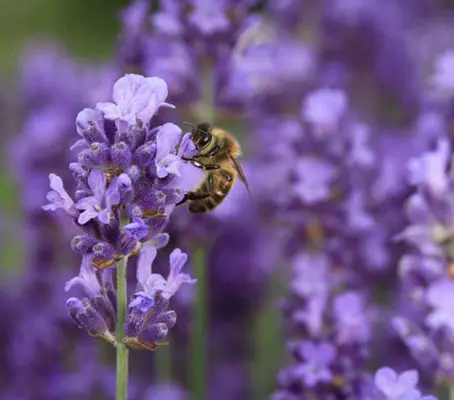
Munstead Lavender is a fragrant robust English lavender that, due to its short size and tightly held blooms, makes a great hedge. It flowers profusely in the spring, after which a good pruning will provide an attractive grey bush with highly aromatic leaves.
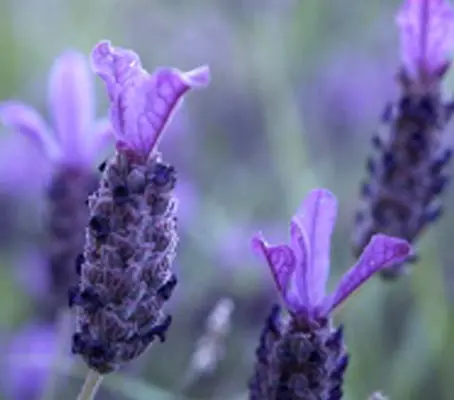
Lavender stoechas is an old variety, cultivated for more than 400 years, it is a favourite both for its intense fragrance and for the short dense flower spikes. French Lavender blooms from spring to frost and has a good clean scent. Honesty is a dual purpose plant, grown partly for its fragrant purple – pink flowers in spring and summer, but also for its unique seed-heads. Oval and translucent, gleaming with an eerie silver light and coveted by flower arrangers. It is a vital nectar plant and therefore popular with bees and butterflies.
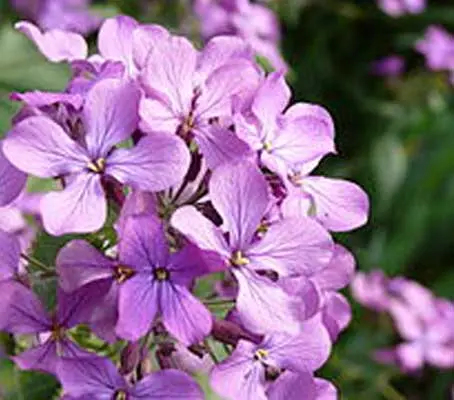
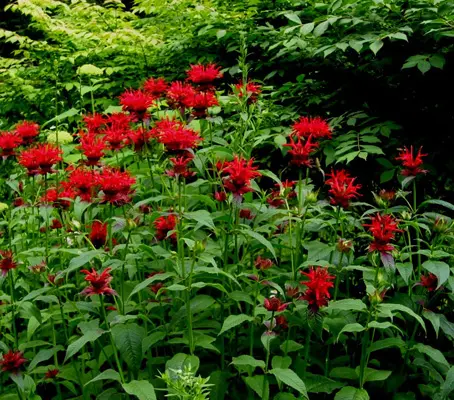
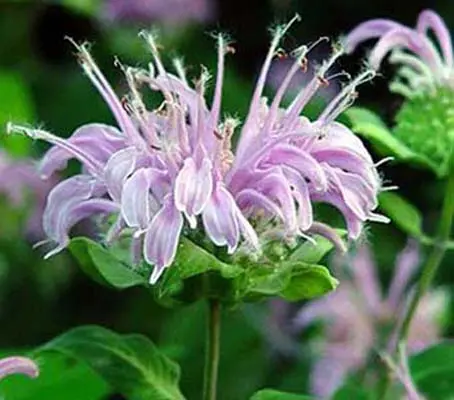
Monarda ‘Panorama Red Shades’ is the first separate colour available from seed. This foolproof plant is trouble-free and a joy for the garden and vase. They bloom profusely with very distinctive flower-heads, each plant bearing up to 20 long stems and are as long-lasting as they are dramatic.
Monarda fistulosa, also known as Bergamot is famed for its medicinal qualities. While in the perennial border these lovely plants produce a mass of mauve-purple blooms (even in their first year from an early sowing) and have uniquely scented foliage. Highly attractive to bees and butterflies.
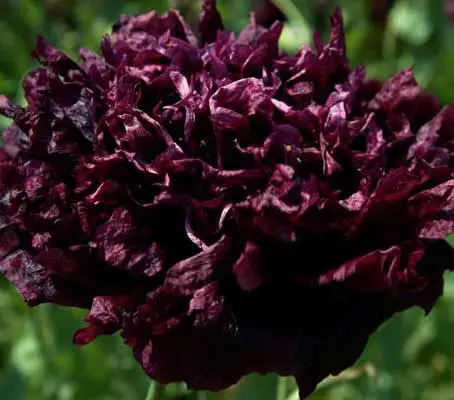
Papaver ‘Black Peony’ has fascinating, large, fully double, dark purple-maroon, almost black flowers, with lovely crinkled petals. When the flowers do burst, overnight, from their casings, the gardener is treated to some of the most dramatic flowers in the plant kingdom.
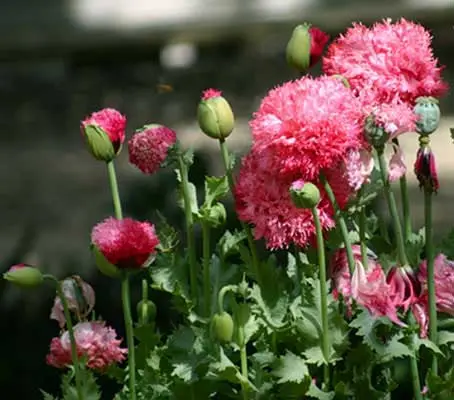
Also known as Peony poppies, Papaver paeoniflorum producing a summer-long succession of fascinating, heavily doubled, large flowers with lovely crinkled petals. Their spectacular blooms, in a multitude of colours are one of the easiest ways to add a bit of architecture and a lot of colour to your garden.
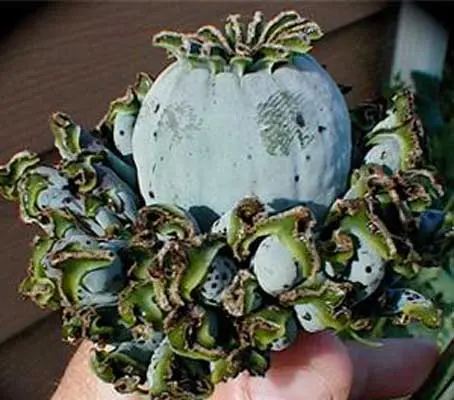
This ancient form of cultivated poppy produces the most unusual seed pod of all poppies. The main pod is surrounded by masses of smaller pods. Primarily grown for their curious seed pods which are extremely decorative, they are much in demand for cut and dried flower arrangements.
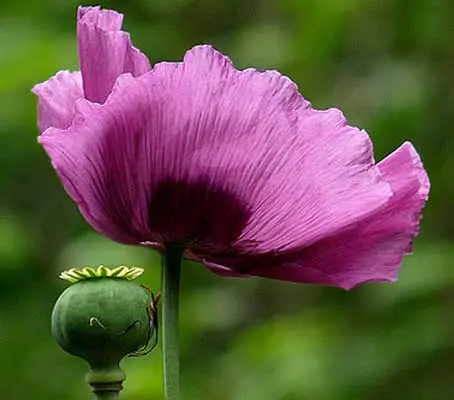
With their impressive variety, spectacular blooms and strange seed pods, ‘Pepperbox’ poppies are one of the easiest ways to add a bit of architecture and a lot of colour to your garden. The glorious, papery-textured flowers bloom in a multitude of colours, rich purples, deep reds to pale lilac-pinks.
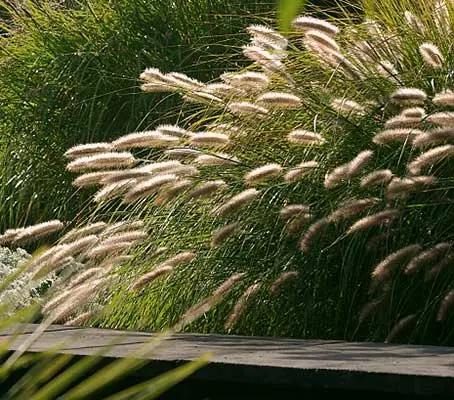
Pennisetum alopecuroides is an especially appealing species, it changes its appearance and colour throughout the growing season. In late summer graceful fountain-like plumes emerge in profusion, they slowly change colour to a blend of green, soft pinks and light-colored maroons before maturing to light tan.
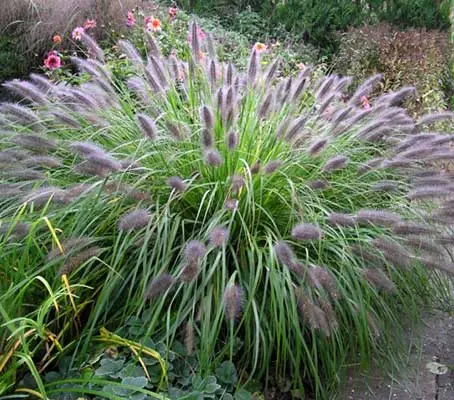
Pennisetum alopecuroides is one of the easiest and most visually stunning grasses you can grow. Fountain-like smoky purple-black plumes contrast nicely with the slender arching, glossy, deep green foliage.
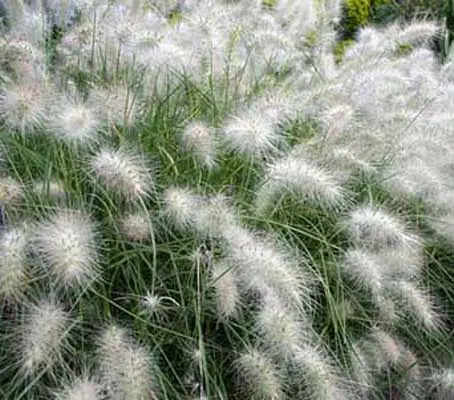
Pennisetum villosum is one of the easiest and most visually stunning grasses to grow. Brilliant white, rabbit-tail spikes are produced in abundance from bushy, clump-forming plants.
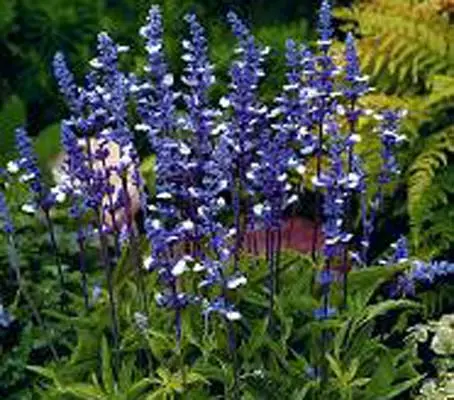
Salvia farinacea ‘Fairy Queen’ is an attractive new variety that bears multiple spikes of bicolour blue and white flowers on dark distinctive flower stems from June to October. With a bushy, compact habit and thick stems. A small white spot on each sapphire blue flower creates the illusion of fairy dust.
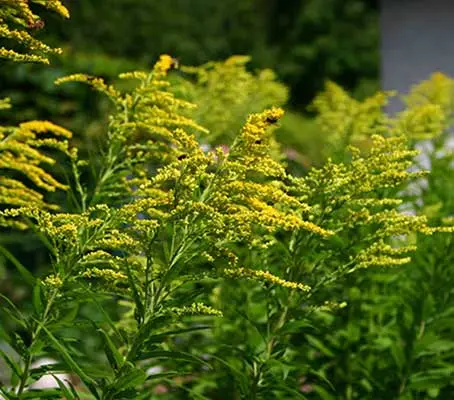
Solidago canadensis ‘Golden Baby’ is an easy to grow hardy perennial that bears flat-topped clusters of golden-yellow plumes. Growing to around 60cm tall they are perfect for borders or containers and provide end-of-season colour. Given an early sowing they will bloom in their first year.
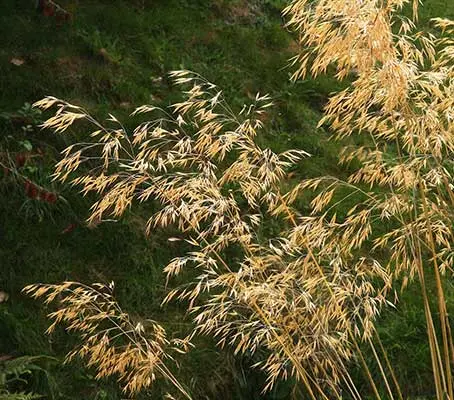
Stipa gigantea is the most dramatically beautiful of all grasses. It has the wonderful and fashionably transparent quality of providing height without bulk, tall stems of golden oat-like flowers allow glimpses into the garden beyond.Xeranthemum ‘Lumina’ is a hardy annual, one of the prettiest of everlasting flowers; they are simply charming in borders with an abundance of dainty blossoms in white, lilac, rose-purple and violet. A Fleuroselect Award winner.
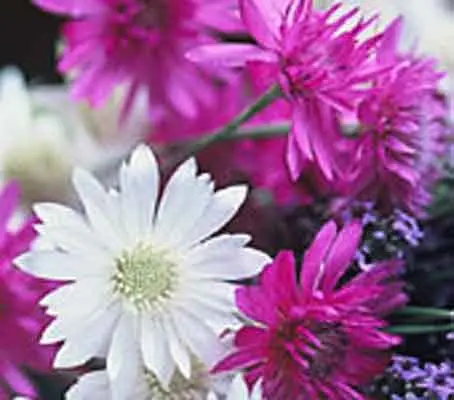
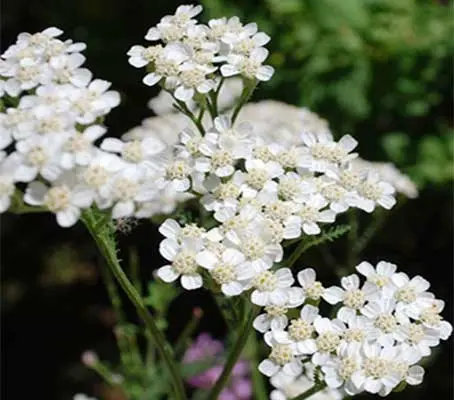
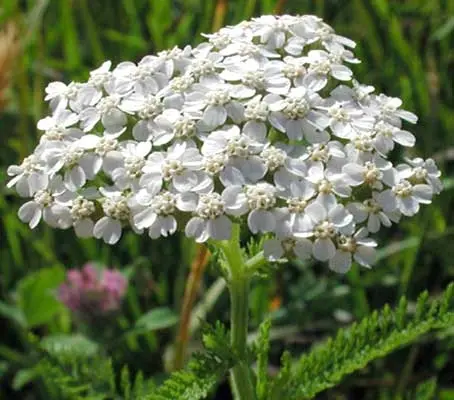
Achillea millefolium ‘Proa’ is an improved yarrow, a selected form that is higher yielding, with higher essential oil content, better flower production, and the flowers are more uniformly white. Preferred by those who use yarrow medicinally.
These native wildflowers have clustered flower heads of tiny white flowers that from a distance look like little patches of snow resting on the grass. This famous herb is terrific as a wildflower clump in a blooming meadow, they are also a favourite for cut and dried flower arrangements.
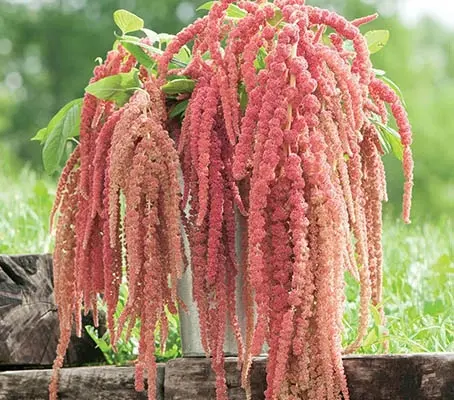
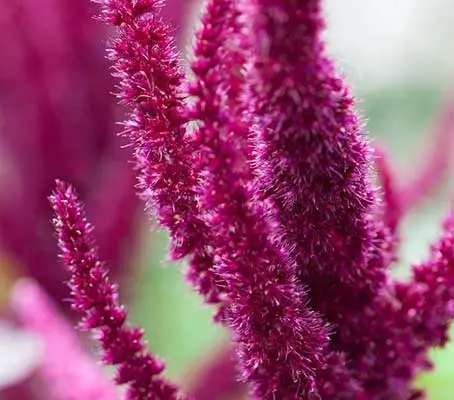
With cascading tassels of the most wonderful coral-pink. Amaranthus ‘Coral Fountain’ is a great addition to the garden and a superb filler for the vase. With generous treatment, specimens three or four feet or more with enormous drooping tassels of flowers can be obtained.
This ever-popular annual is perhaps more versatile than you might imagine – good in the border, most effective as a cut flower in arrangements, a good pot-plant and, not often appreciated – if carefully dried, the colour of the spikes remains unchanged for a considerable time.
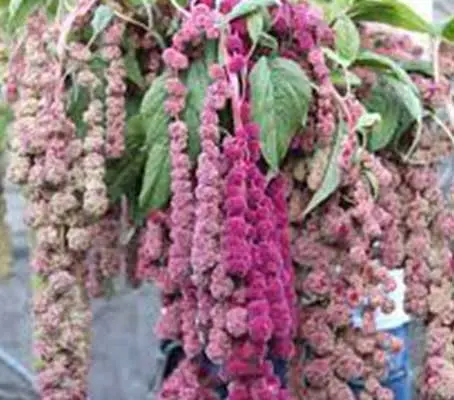
The blooms of Amaranthus caudatus ‘Mira’ have a unique ombre colour that transitions from light sage green, to lilac, to deep purple. The trailing locks are like jeweled necklaces, thick, pendulous tassels that extend 60 to 90cm long. They add exceptional texture and visual interest to gardens and floral designs alike.
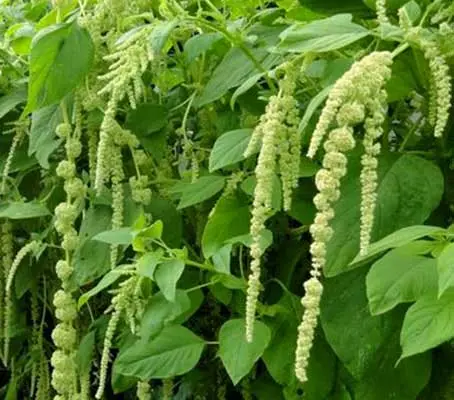
Amaranthus caudatus viridis is the green form of the popular drooping amaranthus. The lime green flowers, which slowly fade to cream as they age, form dramatic tassel-like panicles which can grow to 60cm long and seem to drip from the branches in profusion throughout summer and early autumn.
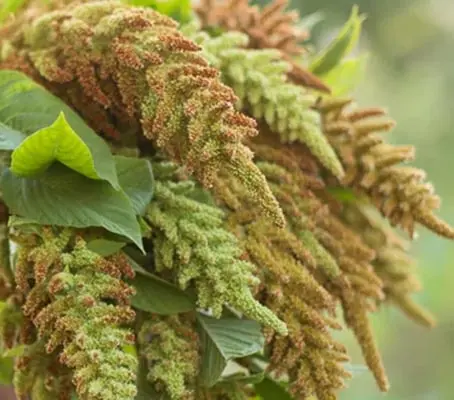
Blending perfectly into the late summer and autumn landscape, the large plumes atop Amaranthus cruentus ‘Autumn’s Touch’ combine soft pistachio-green and bronze tones to create restful, airy beauty in the sunny annual bed. They make exciting vase material that hold their colour longer than other amaranths and delight the songbirds who flock to feast on their seeds throughout autumn.
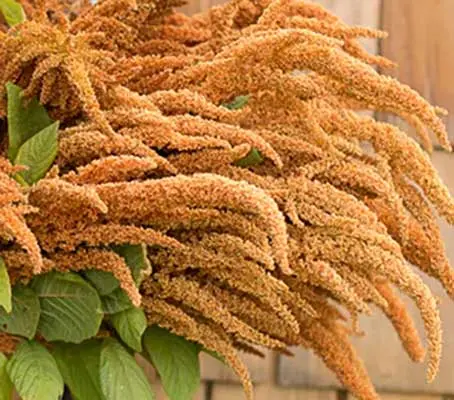
Amaranthus cruentus ‘Bronze’ is a tall, upright amaranth with fresh green leaves topped by dense bronze to chestnut plumes. Very autumnal, it’s a beauty for texture in borders and especially for cutting, where the plumes add instant drama to arrangements.
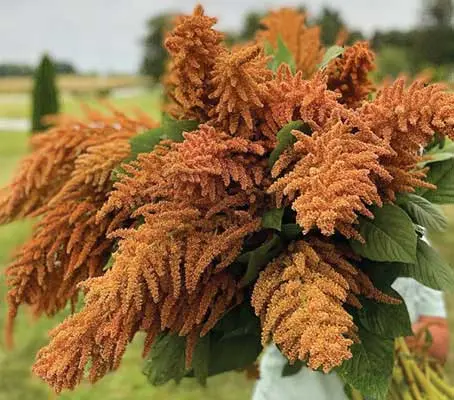
Amaranthus ‘Hot Biscuits’ is a rather splendid ornamental addition to the garden and the vase. This gorgeous and graceful amaranth feature bold spikes of coppery-bronze branching plumes. They make an excellent cut flower and make exciting vase material that hold their colour longer than other amaranths.
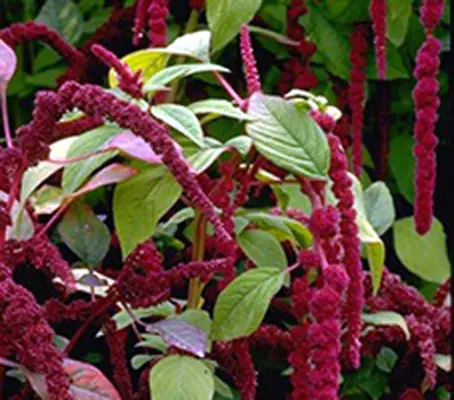
Amaranthus cruentus ‘Velvet Curtains’ provides intense crimson foliage and inflorescence. The dramatic plants with large plumes of flowers, ideal for a sunny, sheltered border. Flower heads will turn to seed and retain their colour for a long season of interest. The gluten free, protein rich seeds can be eaten as a grain, perfect for vegetarians and vegans.
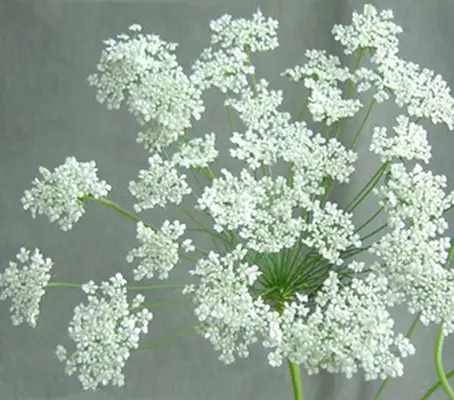
Ammi majus is tall, branching flower, with finely divided, feathery foliage. In summer, it bears an abundance of large round blooms made up of clusters of tiny white florets on tall, branched, slender stems. The delicate clusters add beauty and depth to bouquets and meadows alike.A fun addition to the cutting garden, Mounds of fresh green foliage give rise to upright, wiry stems topped with starlike blooms. The papery white ray-florets of Ammobium alatum are both charming and unique.
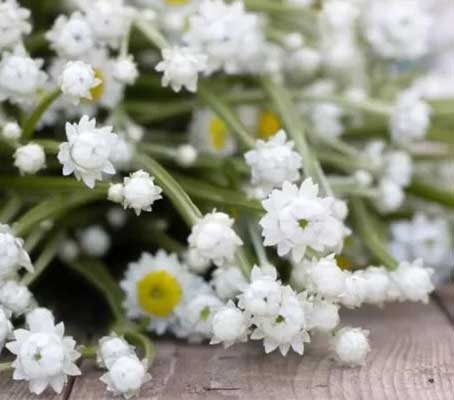
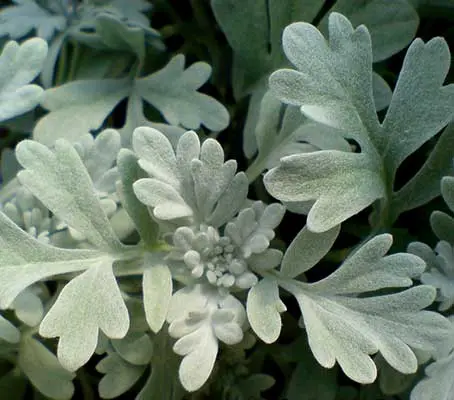
Prized for its beautiful foliage, Artemisia ludoviciana bear soft, silvery-white leaves. They add a different element to the garden, the texture and leaf form setting them apart from those other garden plants with rather less refined foliage.
Artemisia stelleriana ‘Mori’s Strain’ is a superior, dense, mat-forming selection. Uniquely shaped silver-white felted leaves with deeply divided, rounded lobes, it forms very attractive low mounds, giving an attractive ground-hugging carpet. Its foliage makes a wonderful foil for more colourful flowering plants.
€2.95
€2.25 – €7.95Price range: €2.25 through €7.95
€1.95
€3.25
€2.75
€2.25
€2.75
€4.25
€2.95