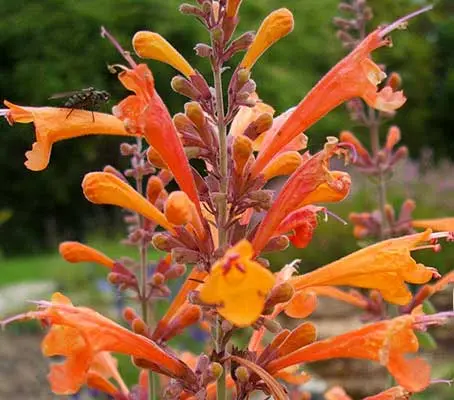
A favourite of garden designer Gertrude Jekyll. The ‘Pearl’ is excellent for the middle of a sunny, well-drained border, especially when planted as a large drift. A unique, easy and reliable plant to add to any border.It is only within the past decade that a number of new noteworthy members of the genus Agastache have emerged from botanical obscurity. ‘Apricot Sprite’ is an outstanding perennial that provides a sizzling blast of tubular, peachy-apricot flowers. Compact and quick growing, they flower in the first year from seed.
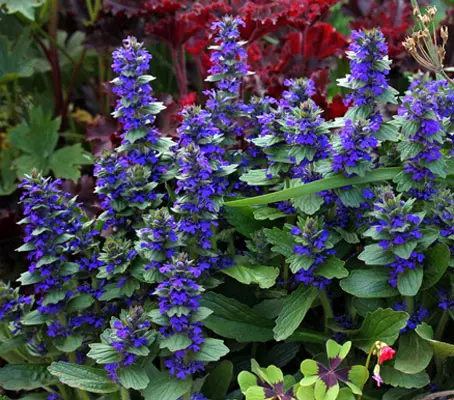
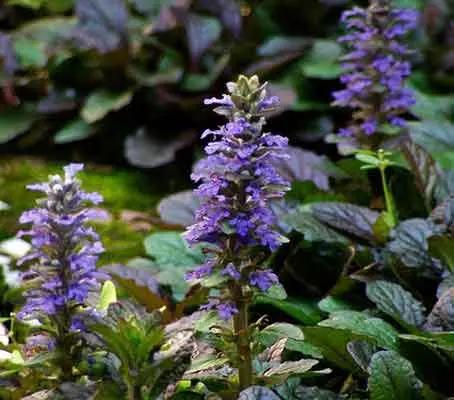
Ajuga genevensis is used throughout the world yet this relatively uncommon form is less well known. This very well behaved, evergreen groundcover has deep gentian blue flower spikes and is by far the showiest of the species. It is often the plant of choice for smaller areas or along edges and pathways.
For most of the year Ajuga is a pleasant, quiet achiever, a very versatile low growing ground cover, with evergreen, rosette-like foliage that hugs the ground like an evergreen carpet but those weeks in spring when the blue flowers appear are simply quite magical.
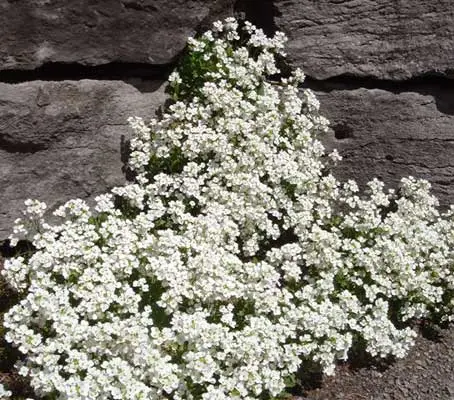
One of the earliest spring flowers to appear, Arabis ‘Snowcap’ with dense masses of snow-white flowers looks wonderful in containers or under spring-blooming bulbs, the pretty white flowers will fill the void when yearning for blooms is tugging at your core. Catananche caerulea ‘Amor Blue’ is a charming plant, with blue, star like flowers each with a dark eye and unique papery petals. They look best when grown in groupings, rather than one or two plants and don’t mind crowding. Plant en-masse in prairie style or meadow plantings, mix them up a little with other hardy perennials and grasses.
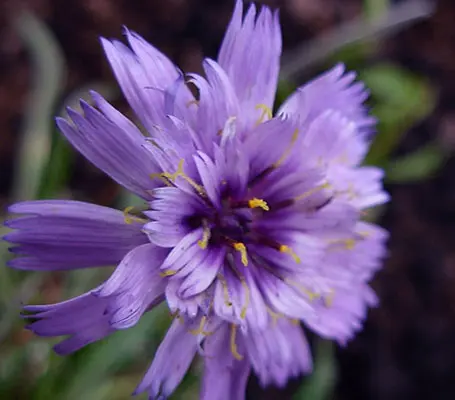
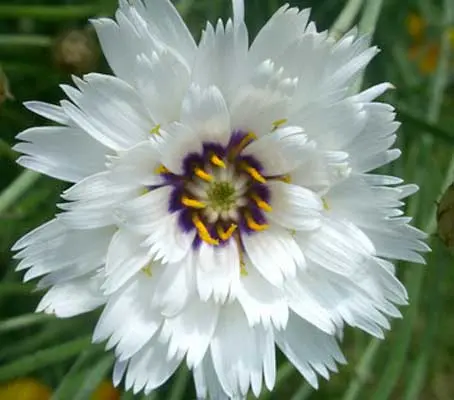
Catananche caerulea ‘Amor White’ produces stunning blooms of white, star like flowers each with a dark purple-blue eye and unique papery petals. The blooms rise on single stems above neat clumps of grey-green foliage. Super when planted the border, they also make a wonderful, long lasting cut or dried flowers.
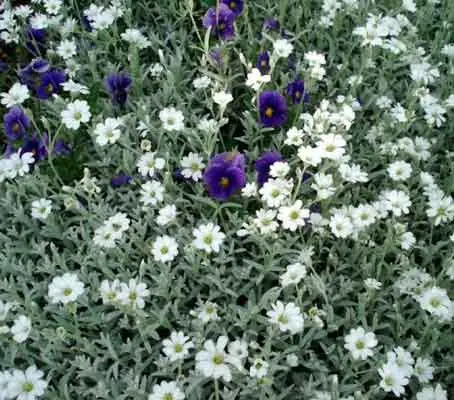
‘Snow in Summer’ lives up to its name in late spring when the foliage is smothered in luminous white flowers. Beautiful used as a path edging, in a stone wall or cascading over containers. Try it amongst your spring bulbs – tall lily flowering tulips above a dense carpet of white Cerastium… Breathtaking!
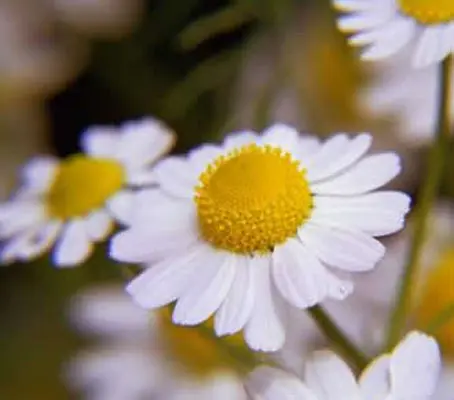
Camomile is a most useful plant. It can be used to make beautiful lawns and raised beds, an infusion of the plant is an ideal family remedy, calming and sedative, perfect for restlessness or travel sickness, while for gardeners the tea is effective as a spray to prevent ‘damping-off’ of seedlings
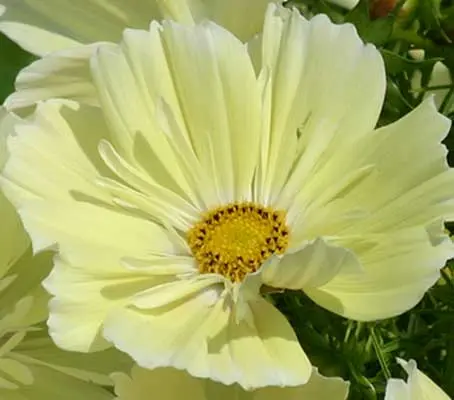
Introduced for the 2016 season, Cosmos bipinnatus ‘Xanthos’ is causing rather a stir in horticultural circles. Unique soft-yellow blooms are produced in profusion on compact dwarf plants.
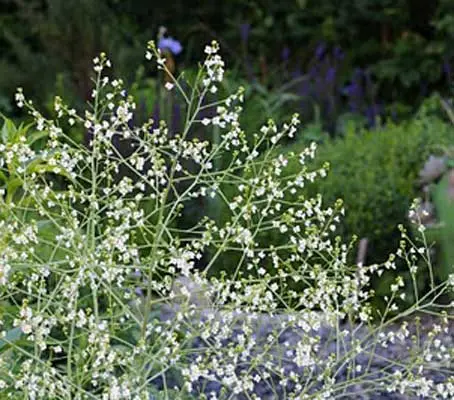
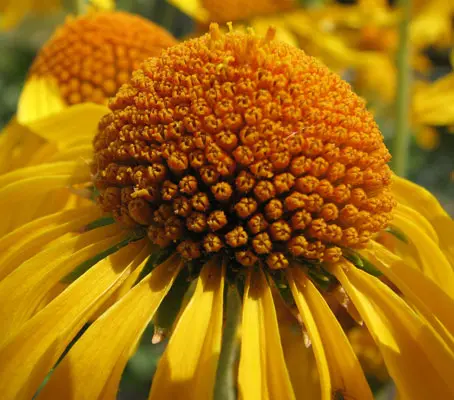
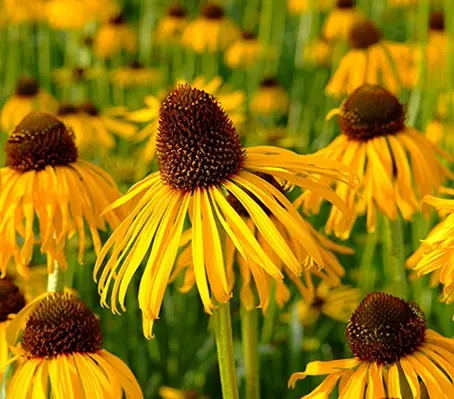
I like magnificence in the garden. Either those plants which over perform, or those which are so rare that they stop one in ones tracks, or those that designers call ‘statement plants’. Crambe cordifolia is one such plant. All about stature, plant them and stand well back. Echinacea paradoxa is a true paradox – a rare and highly unusual yellow variety of the much loved “Purple Coneflower”. With large, yellow ray flowers and the classical raised cone, the blooms are slightly fragrant and make excellent cut flowers. Echinacea paradoxa is a beautiful, elegant and easy plant to grow.
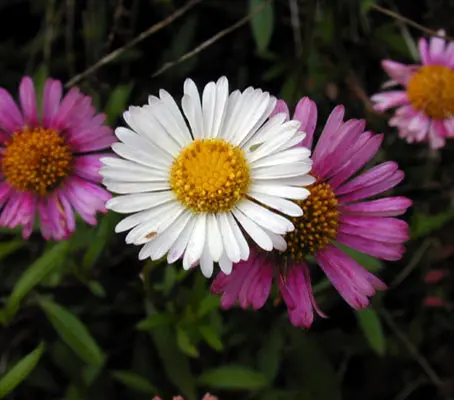
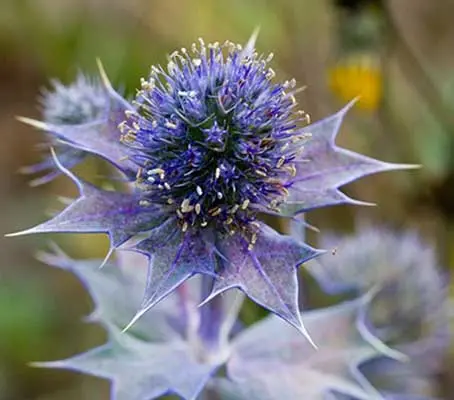
Producing a profusion of daisy like blooms from May right through till November, Erigeron is easy to grow and an amazingly versatile plant, being low-growing, happy in sun or partial shade and thriving in any well-drained soil. Eryngium alpinum Superbum is an elegant species, with metallic stems and large flowers that mature to an intense steel blue/purple in summer and autumn. A fascinating architectural plant for the border.
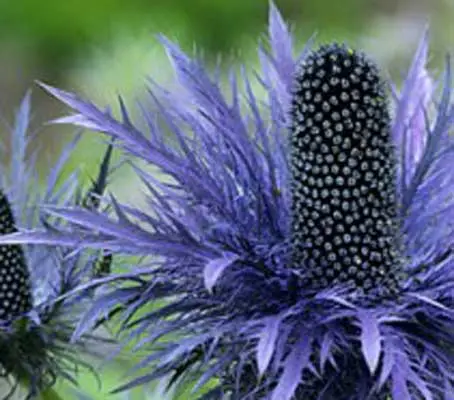
Eryngium maritimum is an evergreen perennial plant native to Europe. Often found on sea shores, it is a protected species in many parts of the world. Highly ornamental, it is grown in gardens for its metallic bluish flowers and intensely whitish-glaucous leaves, it is very attractive to bees and butterflies.
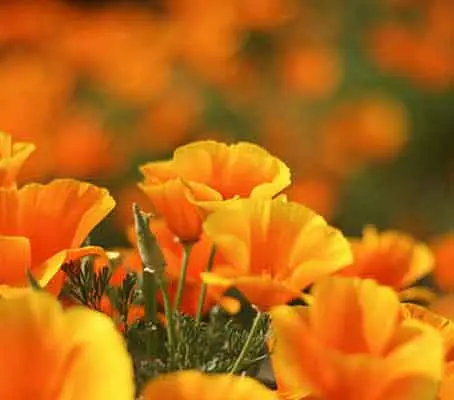
Eschscholzia are of the easiest and most colourful annuals to grow, with masses of beautiful silky flowers in shades of gold. They bloom profusely over a very long season, succeed in all soils and garden positions and are heat and drought-resistant. They give a garden performance second to none!
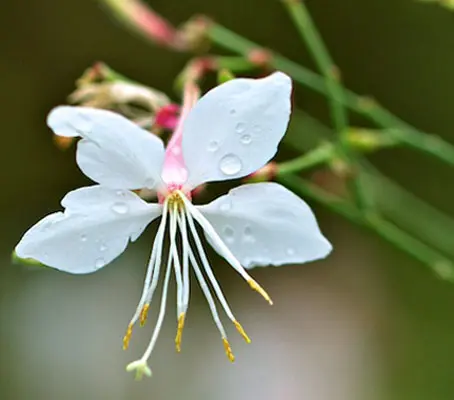
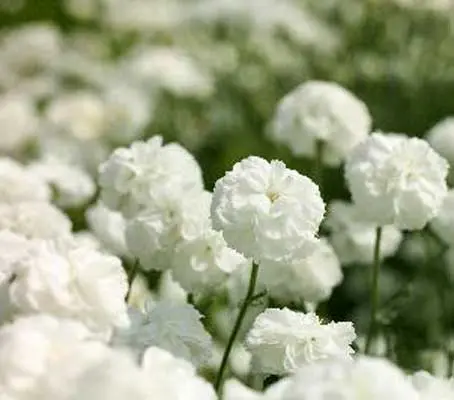
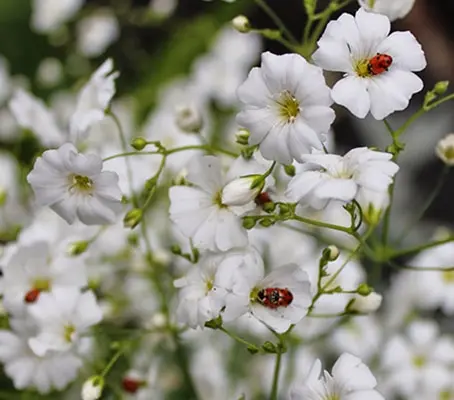
In the last decade, Gaura ‘The Bride’ has skyrocketed to popularity among gardeners.A graceful, hazy plant with airy spikes of white, star-shaped flowers with long anthers like daddy long-legs, held on slender stems from May to September. RHS AGMGypsophila has been cultivated since 1759 in England, so its use by florists has a long pedigree. It has recently become rather trendy among celebrity and designer florists, even taking centre stage as the main flower focus of bouquets and arrangements.
Helenium hoopesii is considered by some to be the most valuable of the species. It blooms with bright golden yellow disk florets that each form a kind of rounded knob that transforms the flower from your typical two-dimensional daisy into something much more interesting and sculptural.
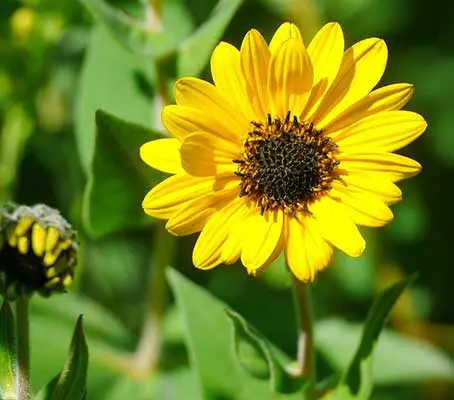
Perennial sunflowers typically don’t grow quite as tall as their annual friends, however Helianthus maximiliani is a wonderful exception. They grow slowly until late summer when the flowers bolt and head for the sky!
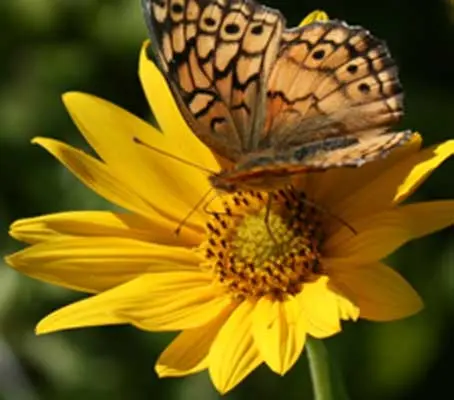
Most gardeners are familiar with the annual sunflower, however, it is the perennial varieties that coexist most happily with other garden plants. Helianthus mollis is a lovely perennial with butter-yellow flowers. It grows 120cm tall and requires little more attention than an annual cutting to the ground.
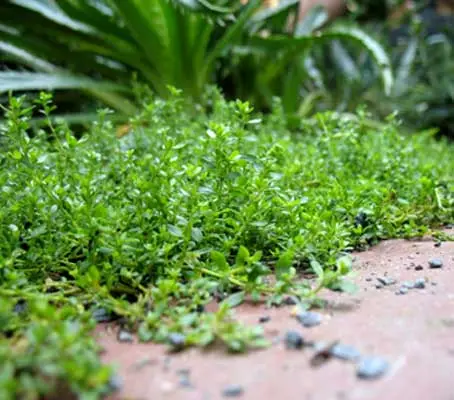
Herniaria glabra is a relatively unknown perennial that deserves to be used more often in our gardens. The nursery industry calls it ‘Green Carpet’ and well they should. This lovely bright green creeper spreads effortlessly in all directions. An excellent choice for between flagstones or as a lawn substitute.
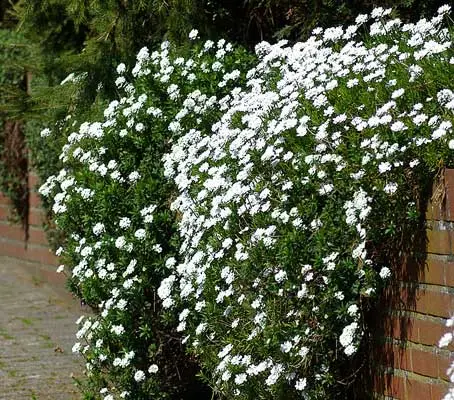
Iberis sempervirens is an early season favorite. This low bushy plant produces mounds of blinding white flowers in spring to early summer. An all round tough plant suitable for problem areas, use for containers, for pathways and crevices of ornamental walls. Knautia arvensis is an attractive native perennial herb of well drained grassland. It can be found throughout Europe in meadows, rough pasture, hedgerows and verges. Though it is by nature a perennial, it will flower and produce seed the first year if grown as an annual, either autumn or spring sown.
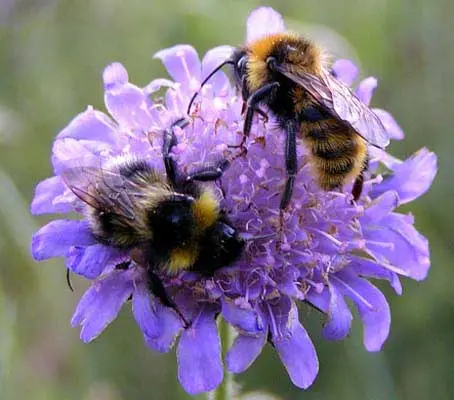
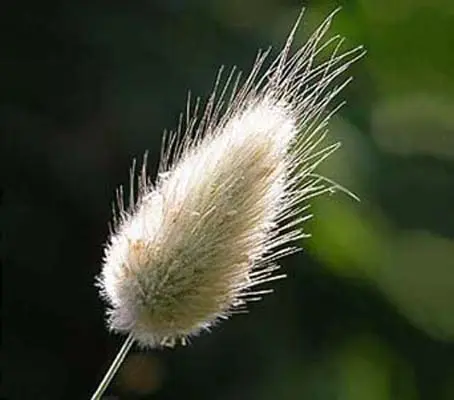
Lagurus ovatus is probably the most appealing of all the ornamental grasses. The name ‘Hare’s Tail’ perfectly accurately describes the creamy-white flower heads, which are hare’s tail-shaped, fur-like and soft to the touch!
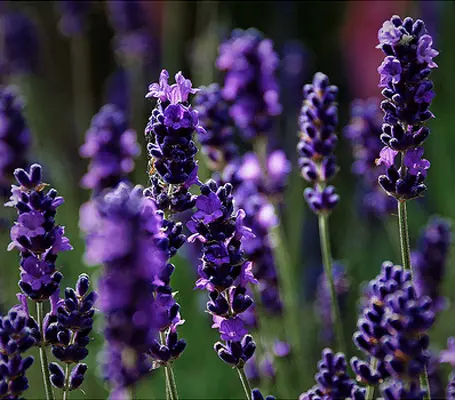
The deepest purple of all and one of the most popular lavenders is ‘Hidcote Blue’. A compact variety, suitable for growing in borders or as dwarf hedging, with dense silver-grey foliage covered in fragrant, dark purple-blue flower spikes in mid-summer.Lavendula angustifolia is an excellent plant for low informal hedging and as a specimen evergreen for borders and formal gardens. Flowering generally begins from mid to late June to early July. The flowers have a rich sweet scent and are highly attractive to bees and other beneficial insects.
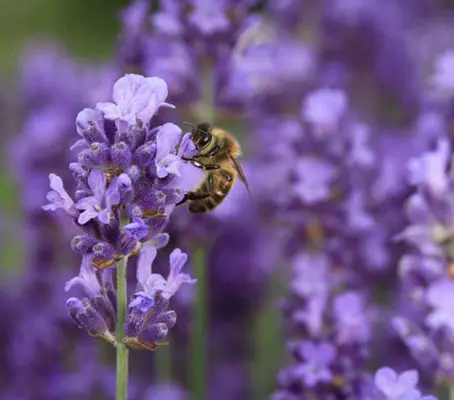
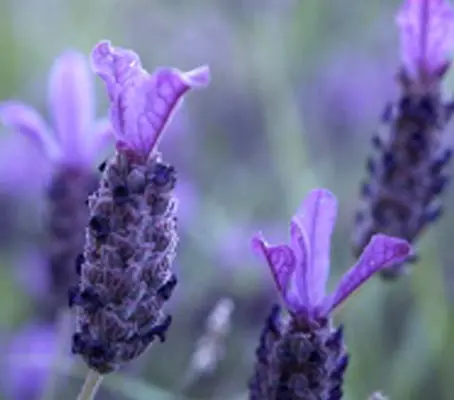
Lavender stoechas is an old variety, cultivated for more than 400 years, it is a favourite both for its intense fragrance and for the short dense flower spikes. French Lavender blooms from spring to frost and has a good clean scent.
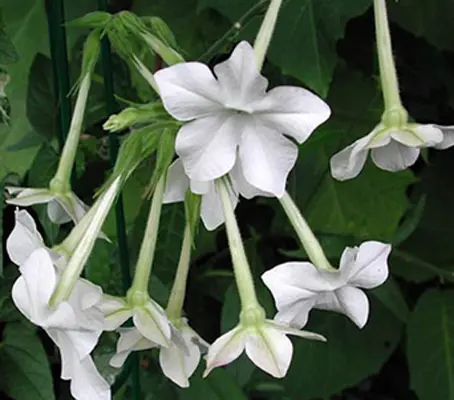
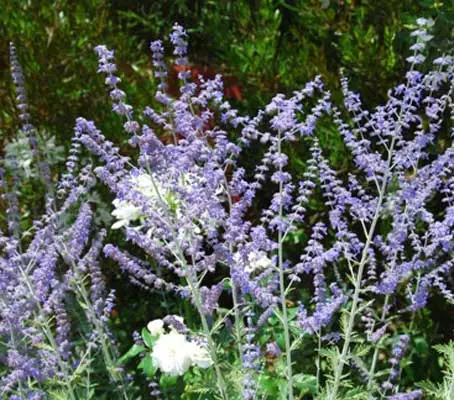
Nicotiana affinis, also known as N. alata, is a classic tobacco plant with a delicious evening scent. It has been justly popular for over a century and a firm favourite with generations of gardeners: it is far lovelier than the modern improved forms of Nicotiana alata. Russian Sage is one of the great garden plants of all time, but if you’ve been frustrated by their floppy nature, this new variety will be a welcome addition. Growing to about 60 to 75cm tall, Perovskia atriplicifolia ‘Taiga’ is also the first Russian sage available as a first year flowering perennial.
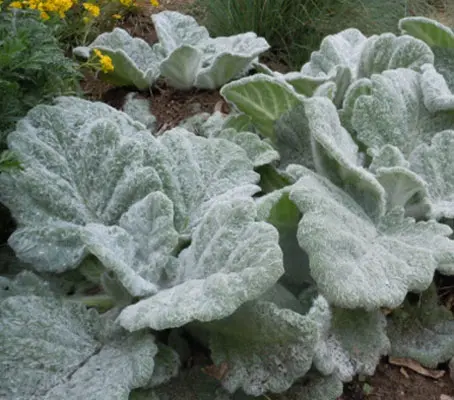
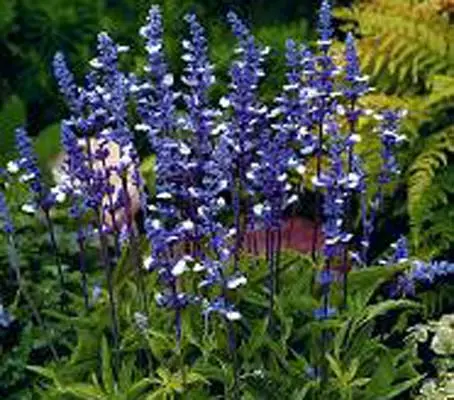
Salvia argentea is prized for its spectacular, large, furry silver-grey leaves. The plants form an attractive mound that provide a dramatic background for colourful summer flowers. It complements purple or magenta flowers and looks gorgeous in a ‘white’ garden.Salvia farinacea ‘Fairy Queen’ is an attractive new variety that bears multiple spikes of bicolour blue and white flowers on dark distinctive flower stems from June to October. With a bushy, compact habit and thick stems. A small white spot on each sapphire blue flower creates the illusion of fairy dust.
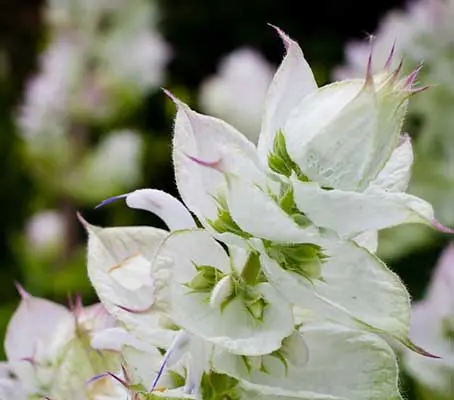
Salvia sclarea var. turkestanica ‘Vatican White’ is a choice white cultivar that is not that easy to find. A nobly architectural Sage, each of its branched stems is topped with a profusion of blossoms with brilliant white bracts. The flowers are attractive and are boosted in impact by the large petioles that surround them.
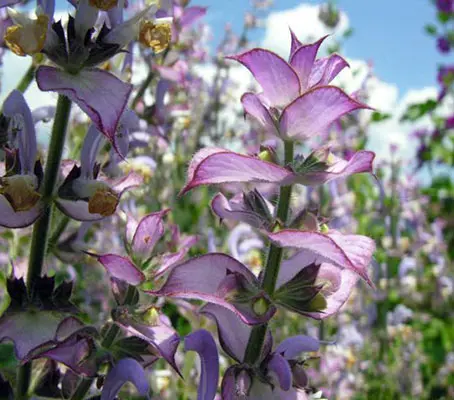
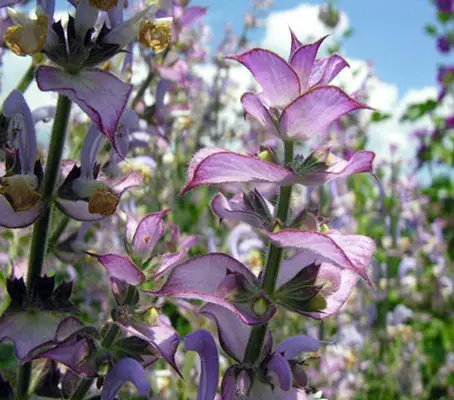
This hardy biennial Sage has been grown in almost every botanical sanctuary in human history and has many plus points: it grows well in poor soil resists slugs and other beasties, and doesn’t slump or need staking. It copes well in sun or light shade and the blooms are a magnet for bees and butterflies.
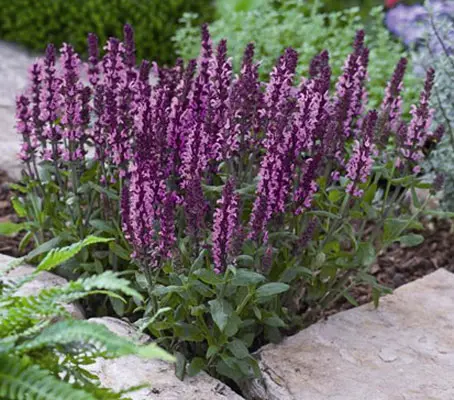
This hardy biennial Sage has been grown in almost every botanical sanctuary in human history. Each stem is topped with a profusion of pale blue blossoms and large pinkish white bracts. A truly architectural plant. Organic Seed.Salvia x superba ‘Blue Queen’ is one of the finest Salvias we know. This plant is a spectacular source of dark, intense colour and narrow, vertical form. Masses of pencil-thin, vibrantly colourful bloom spires, so densely set that they present a solid wall of colour in the border.
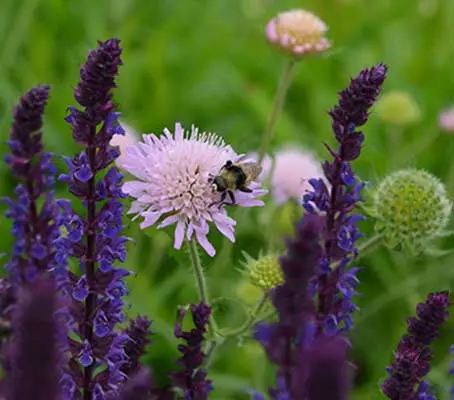
The royal sister of ‘Blue Queen’, ‘Rose Queen’ is a wonderful, long-blooming cultivar with slender spires and beautiful mulberry-rose flowers, which open from dark pink buds in early and mid-summer. This tall, easy-to-grow variety with lance-shaped green leaves possess a pleasant aromatic scent.
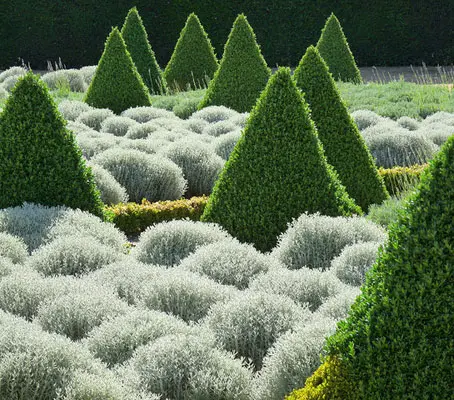
Santolina, commonly known as Lavender Cotton is a small shrub with soft, woolly, finely divided foliage, that make neat, rounded bushes. They are valuable for mass planting, ideal for knot gardens and small hedging around herb gardens etc. It will stand any amount of clipping and shaping – a perfect plant for control freaks.
Sedum Ruben’s Lizard is a low-growing sedum that has tight, rosy-green cushion of needles with reddish tips. Throughout the summer the plant is covered with many tiny, star-shaped white flowers. Drought and heat tolerant or low maintenance, whatever you want to call it, ‘Lizard’ takes a lot of abuse.
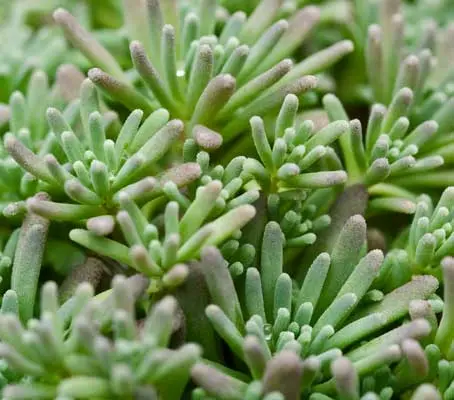
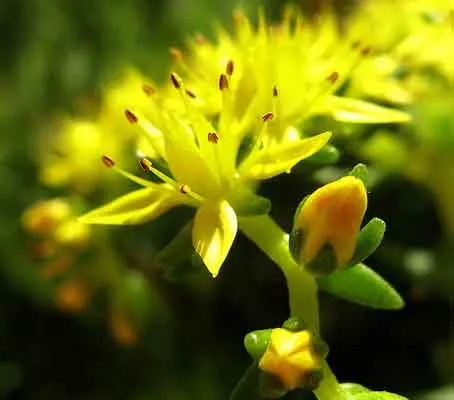
Delicate in appearance and yet very cold hardy, Sedum acre is beautiful from the first stirrings of early spring to the twilight of autumn. Hardy and very easy to grow. Started early it will form a nice dense ground cover the very first season. If the weather is favourable it will flower within six months.
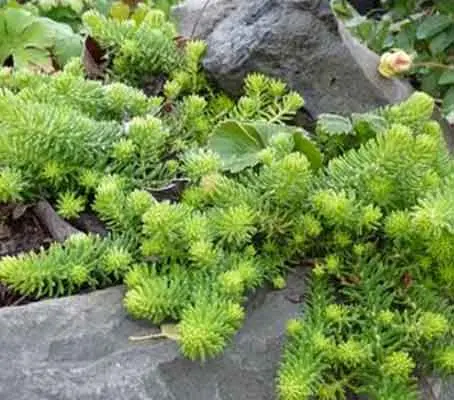
If you’re looking for a beautiful plant that thrives with virtual neglect, Sedum reflexum just might fit the bill. The small bushes spread over the ground and the foliage resembles mini spruce branches. They are at their loveliest spilling over edges of walls and rocks to create the illusion of a living waterfall.
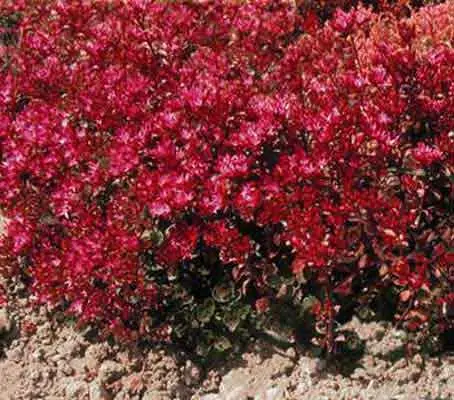
Sedum spurium coccineum is the most robust sedum, with deep crimson blooms and bronze-green leaves. Low maintenance, durable and interesting, they enhance the appearance of green roofs, rockeries and containers. In July, dense clusters of showy crimson blooms smother the evergreen plants.
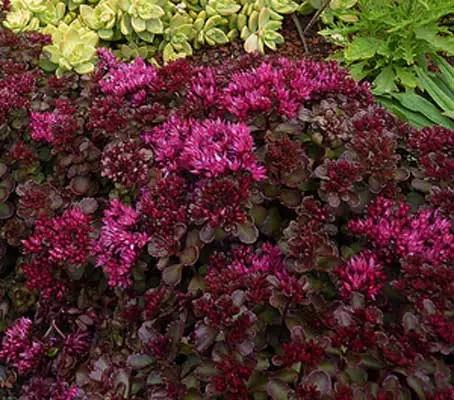
Sedum spurium ‘Voodoo’ is a stunning little perennial groundcover for hot, sunny locations. The intense dark mahogany foliage that provides a stunning contrast to the almost neon, luminous rosy-red flowers which appear June through August.
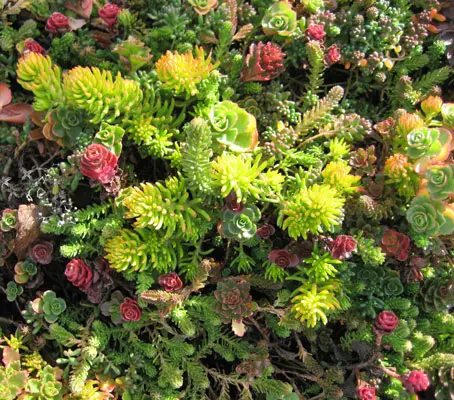
A mixture of many attractive low-growing sedum varieties representing a wide range of foliage types and flower colours. Low maintenance, durable and interesting, grow them on walls or banks, as a ground cover or as a green roof. Sedum strut their stuff where many other plants dare not venture!
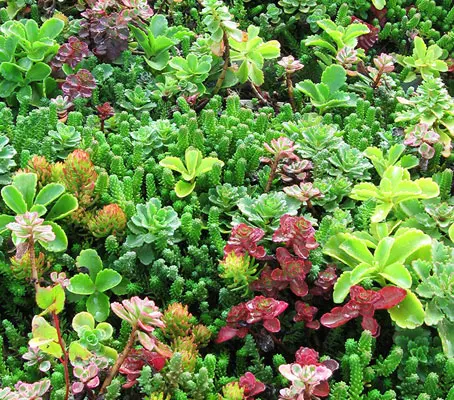
Sedum Roof Garden Mix is a formula mixture of many important varieties for roof gardens in full foliage and flowering colour range. Low maintenance, durable and interesting, grow them on walls or banks, as a ground cover or as a green roof. Sedum strut their stuff where many other plants dare not venture!
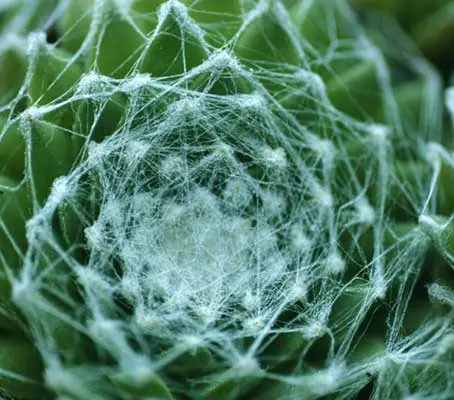
Always an interesting plant, Sempervivum arachnoideum is an exotic and interesting variation which forms small green rosettes of fleshy leaves, the tip of each leaf connected to another by a network of silvery filaments that resemble a spider’s web.
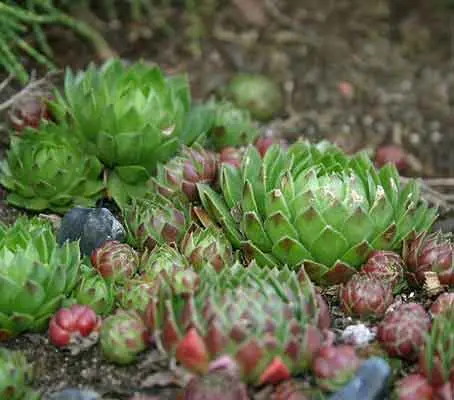
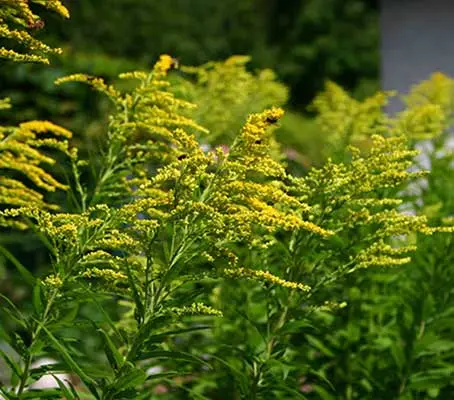
Whether planted in large numbers or used as a single specimen Sempervivum are both beautiful and enduring. Their rosettes are fascinating, their colour hues are stunning and their tendency to produce offsets makes for easy increase.Solidago canadensis ‘Golden Baby’ is an easy to grow hardy perennial that bears flat-topped clusters of golden-yellow plumes. Growing to around 60cm tall they are perfect for borders or containers and provide end-of-season colour. Given an early sowing they will bloom in their first year.
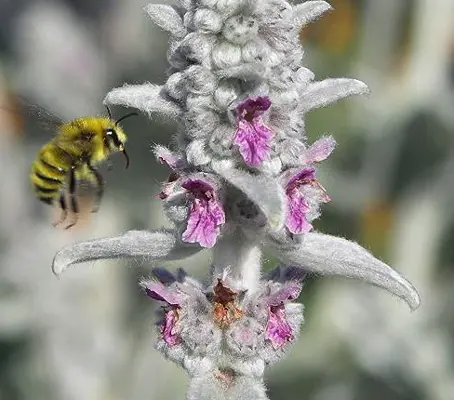
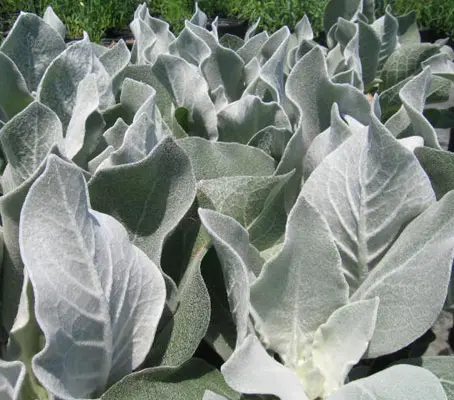
What can I say? Its a plant you can pet!…Bees love it…children love it….and you just have to stoke it on the way past! Lambs’ ears is a well-known ground-covering perennial, popular for its soft, fluffy foliage, plus, it’s a great silver accent in between all the green going on in the garden.
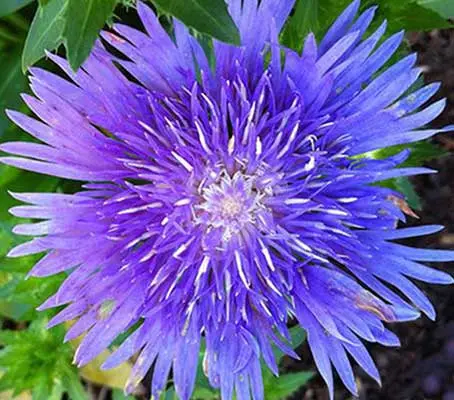
Stokesia laevis is an adaptable and easy to grow perennial. With electric blue fringed petals and shaggy cornflower-like flower heads. It is considered by many as one of the most attractive late-flowering perennials.
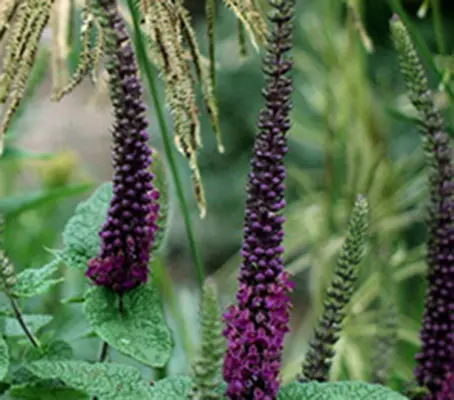
Summer-blooming spiky flowering plants – in garden design parlance ‘the verticals’. We all need some, and there are lots of contenders, but a plant that can go just about anywhere in the garden, cope with almost all situations and bloom with copious plush spikes over several weeks is a very rare treat.
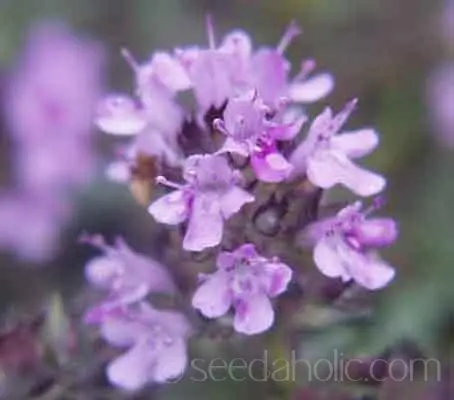
Thymus serpyllum is one of the most versatile groundcovers. Forming dense evergreen cushions of flowers these low maintenance plants don’t require mowing, watering or care, and can take a lot of abuse. Its leaves can be used as a culinary herb and its uses in the garden are almost unlimited.
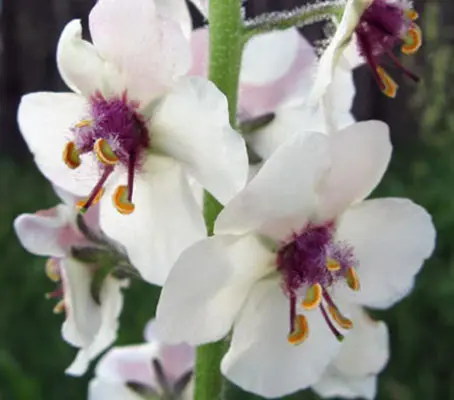
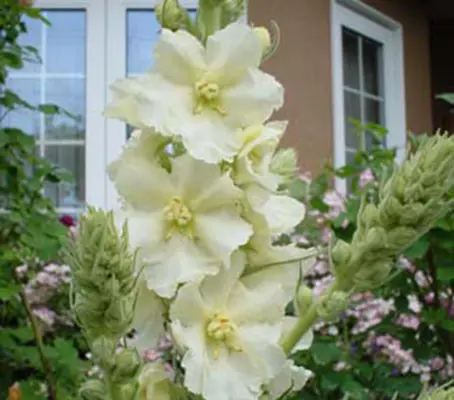
Verbascum are a wonderful plant for making a garden feel uncontrived, producing masses of flowers without taking up lots of space on the ground. ‘White Blush’ is one of the most popular varieties. Growing to just 100cm, the dark crimson buds open to reveal large white flowers with deep purple stamens.
One look at this species of Verbascum and you will realise why it is also called ‘Arctic Summer’. Tall, white, fleecy flower stems emerge from felted evergreen leaves in early summer. Its stems and leaves are covered in a silvery down that gives it an appearance of being permanently covered with frost.
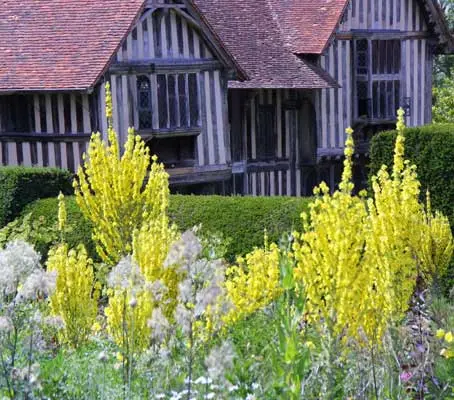
Verbascums are statuesque in both foliage and flower. This elegant species, native to the Olympus mountains is arguably the finest of the genus. Tall flower spikes rise from the centre of the foliage, each are weighted heavily with bright, golden-yellow blooms giving the effect of an enormous candelabra.
Verbascum ‘Snow Maiden’ is an incredibly beautiful mullein that grow to just 36 to 48cm tall. With masses of soft white flowers each with delicate yellow filaments they flower in June and continue to appear over a long summer, often right through to September. Very easy to grow from seed.
€2.55
€2.65
€2.65 – €7.95Price range: €2.65 through €7.95
€2.75
€2.75
€3.25
€1.95
€2.80
€2.65
€2.45
€2.95
€2.75
€3.40
€2.75
€3.95
€2.10
€2.95
€2.25
€2.75 – €9.75Price range: €2.75 through €9.75