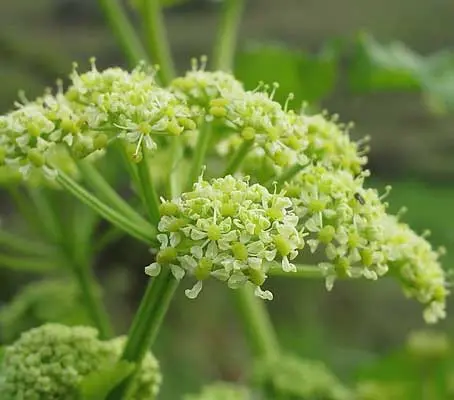
Alexanders are an ancient food source, cultivated for many centuries. This biennial wild flower, with dark green, shiny leaves and umbels of yellow-green flowers can be grown as an ornamental or can be put to use as a culinary herb or spice, the flavour is said to be similar to myrrh.
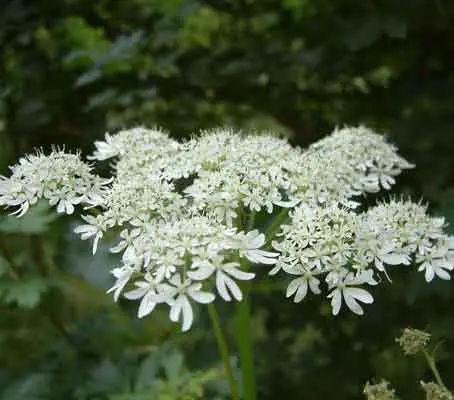
Anthriscus sylvestris is most characteristic of hedgerows, road verges and woodland edges. Our native Cow Parsley has a sophisticated form, with delicate, open, white lacy umbels, that from mid-spring to early summer look as though they’re erupting from a well shaken champagne bottle!
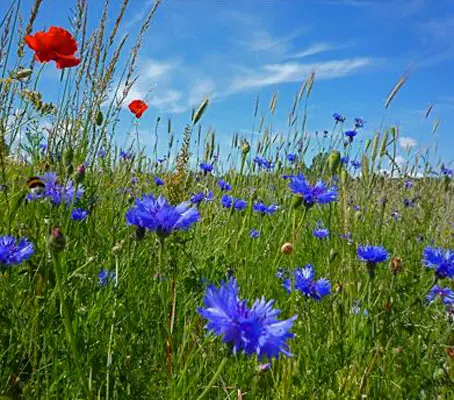
Today cornflowers are rare in the wild, they flourish instead in our gardens. They are the most splendid of annuals. Aside from their electric blue, which is breathtaking when they’re grown in dense drifts, they are easy to grow, they flower all summer, make great cut flowers and bees adore them.
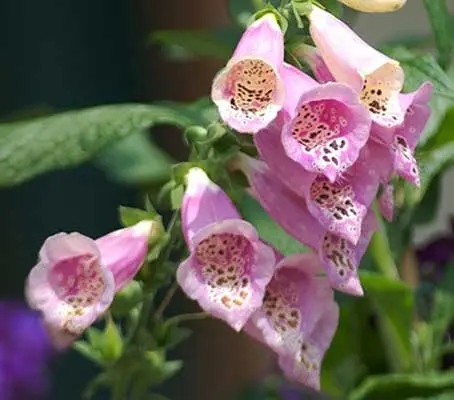
This lovely native European woodland plant is a beauty to add to any garden and a popular biennial for shaded places. Plants form rosettes of lance shaped leaves, the second year the rosette begins to shoot skyward with beautiful large spikes and drooping bell shaped blooms that are spotted inside.
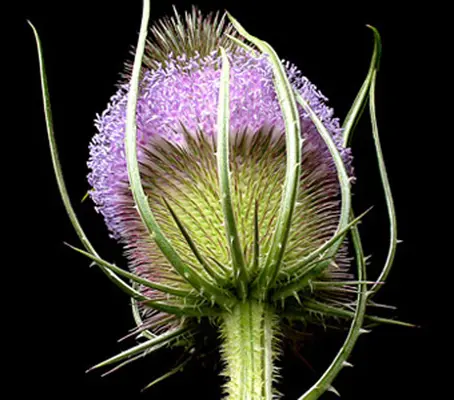
Fullers Teasel a sub-species of the common teasel. The bristly flower heads were cultivated, matured and dried. Inserted into wooden frames, they were used to bulk up the pile on woolen cloth. The variant name ‘fullonum’ refers to the name of the trade of the ‘fullers’ to raise the nap on woolen cloth – to ‘tease’ it. Teasel is still used today by some who weave wool by hand.
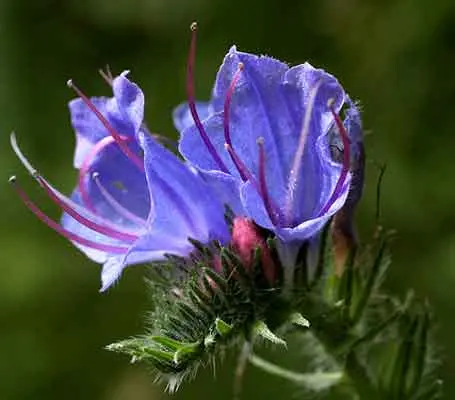
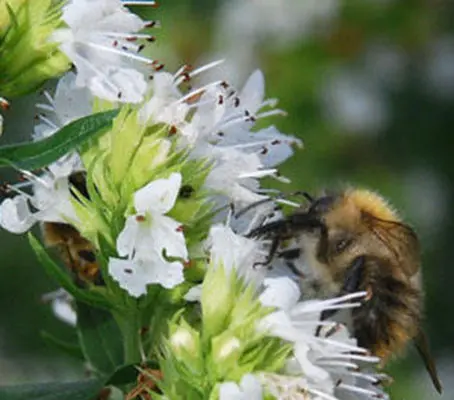
Echium vulgare is a valuable native plant and is exotic enough to earn a place in a flower border. The plant is much loved by almost all bee species. If you don’t want plants that honeybees simply visit, but want to select plants that honeybees clearly love, choose Echium for your garden.
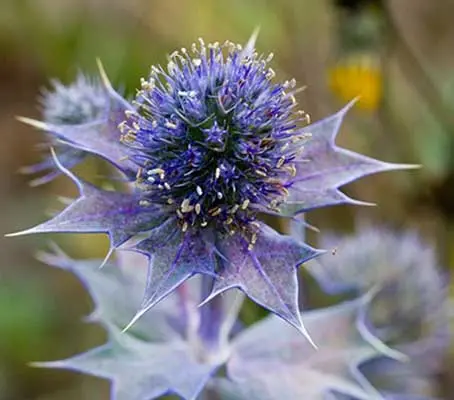
Eryngium maritimum is an evergreen perennial plant native to Europe. Often found on sea shores, it is a protected species in many parts of the world. Highly ornamental, it is grown in gardens for its metallic bluish flowers and intensely whitish-glaucous leaves, it is very attractive to bees and butterflies.
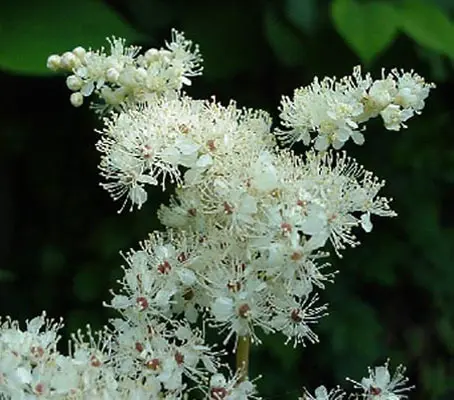
Our native Meadowsweet is a familiar sight, with fernlike foliage and tufts of graceful, fragrant creamy-white flowers, which are in blossom from June to almost September. It has been used as a medicinal plant since ancient times, it makes a delicious and healthy tea.
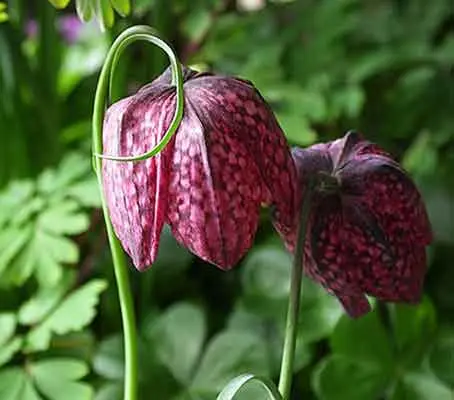
Snake’s head fritillaries always excite attention wherever they are seen. None of the other lovely members of the fritillaria genus can match this native wildflower for the bizarre and unmistakable colouring of its bell-shaped flowers.
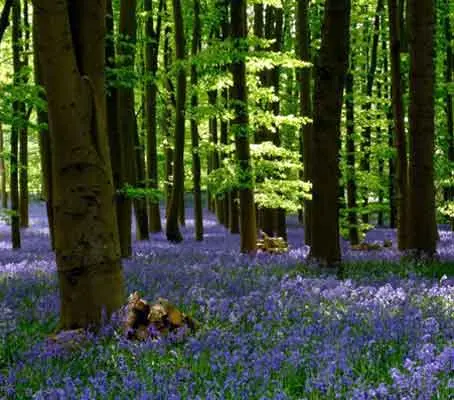
A deep blue carpet of bluebells is an unforgettable sight to anyone visiting many of our native woodlands. The spring spectacle of seeing a wood not only greening, but also ‘blueing’ is one of the joys of the year. When bluebells are in flower, spring has truly arrived.
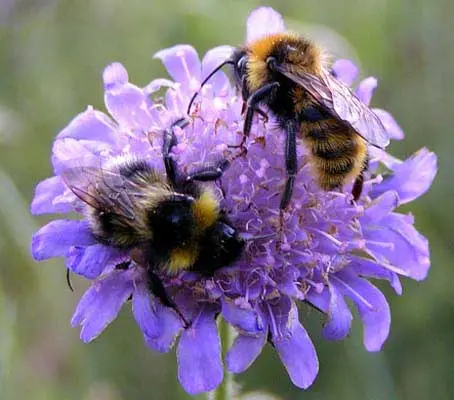
Knautia arvensis is an attractive native perennial herb of well drained grassland. It can be found throughout Europe in meadows, rough pasture, hedgerows and verges. Though it is by nature a perennial, it will flower and produce seed the first year if grown as an annual, either autumn or spring sown.
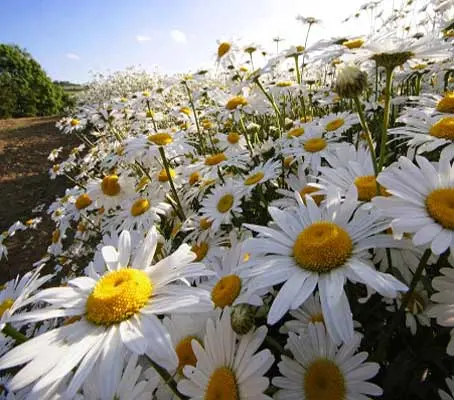
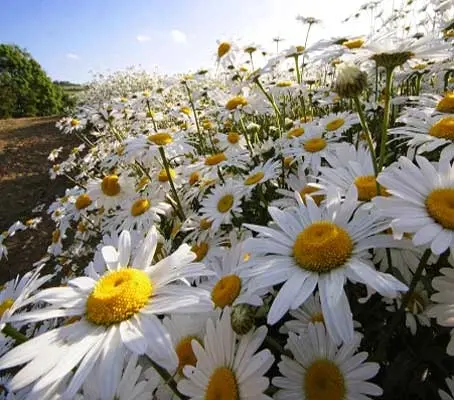
The Ox-eye Daisy is one of the most familiar of all summer flowers. They can be planted at almost any time of year. When seen naturalised in drifts in a sunny wildflower meadow, adorning roadside and meadows or even in a little corner of the garden they are spectacular.
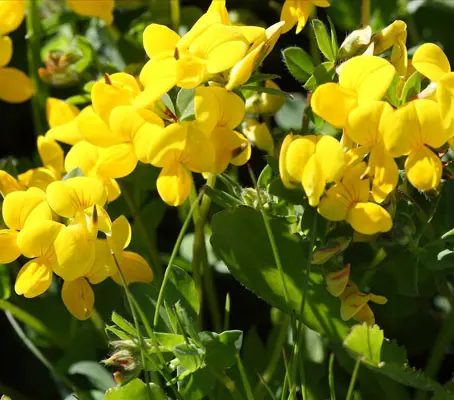
The more I see of this rather attractive little plant, the more I grow to appreciate it. Now I seem to spot it all over the place, in meadows, woodland, road verges and gardens. The bright yellow fragrant flowers can be seen in blossom from the end of April through until mid September.
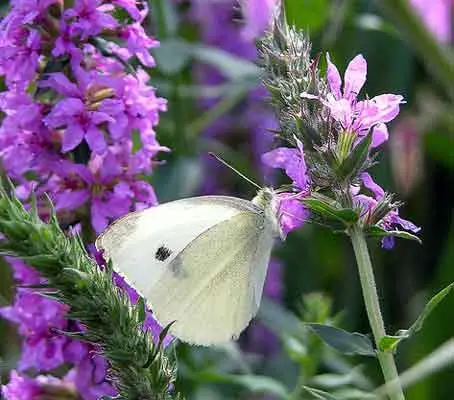
Magnificent and spectacular spikes of rose-purple flowers, which last from June throughout the summer distinguish this tall wetland plant. Purple loosestrife is an easy garden plant, thriving in any soil. It is a beautiful subject for late summer colour in a border, shrubbery, large pond or slow-moving water.
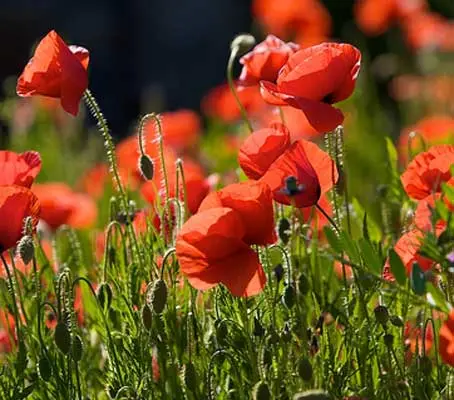
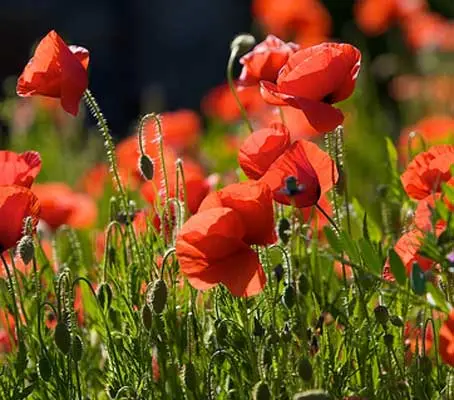
With its brilliant scarlet flowers, this native wild flower needs no introduction. Single, red, cup-shaped flowers usually with a black blotch at the base of the petals. It is the classic poppy bloom that paint a road verge or embankment a brilliant hue in their first year.
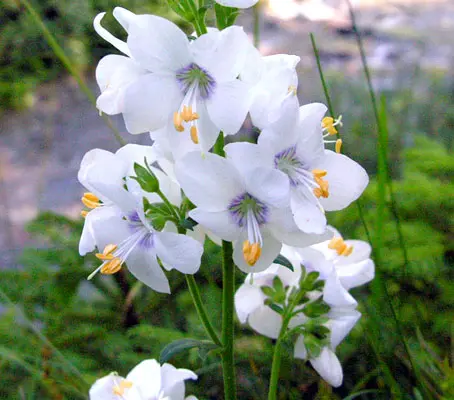
The white form of the lovely Jacobs Ladder, named after the slender, fresh green leaflets arranged like the rungs of a ladder. Blooming in late spring to early summer, the bright foliage and white flowers will brighten shady locations. Both the flowers and the attractive ferny foliage are excellent for cutting.
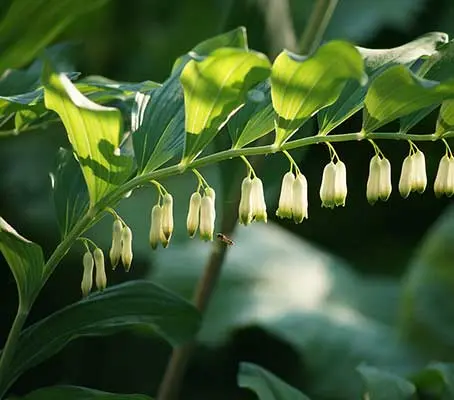
Whether you know this plant by its scientific name Polygonatum, or the more poetic variant Solomon’s Seal, this plant is a welcome addition to the shade garden. The bright green elliptical leaves look wonderful amongst native ferns.
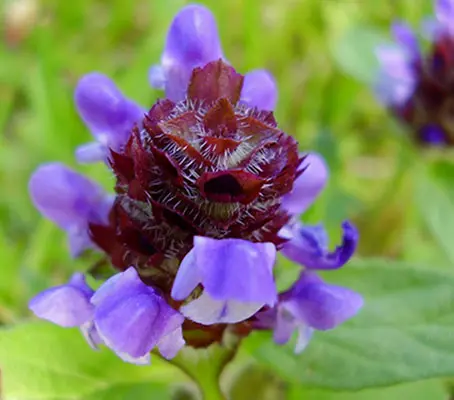
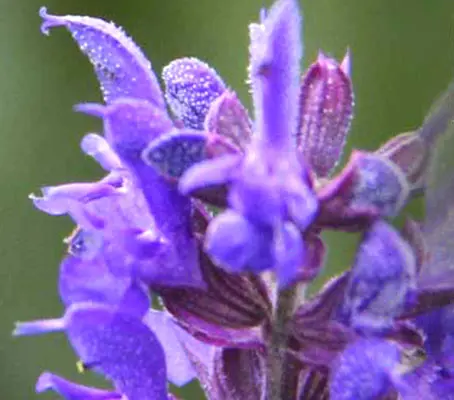
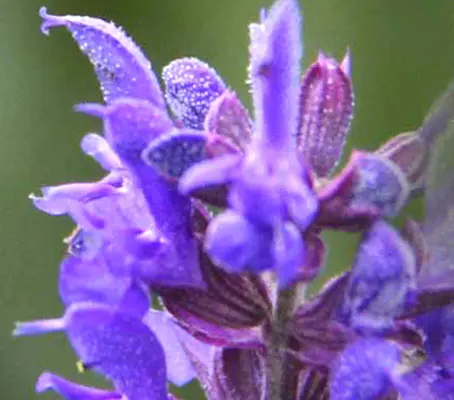
Prunella vulgaris is an interesting and quite beautiful little wildflower plant. The plants produce pretty blue-violet flowers in summer, the flowers freely produce nectar and are highly attractive to bees. If you’re looking for something to add to a meadow garden, or something for those shady areas this is the plant for you.
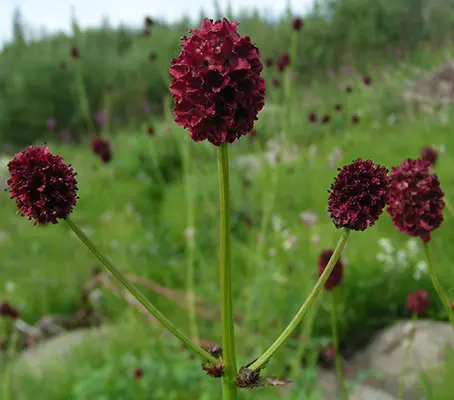
Sanguisorba convey a relaxed feel to the garden, indispensable to the modern gardener, but it is the summer when the unusual red flowers top the slender, upright stems that it really becomes a head-turner.
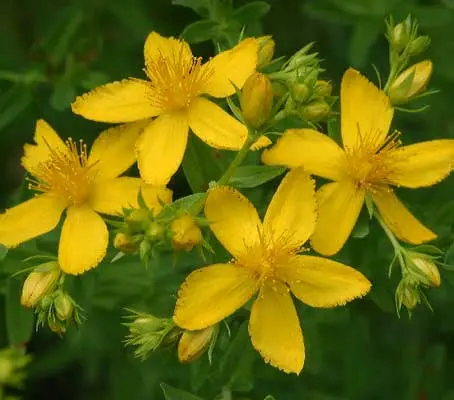
St. John’s Wort, Hypericum perforatum is native to Europe and Asia and has a long history of herbal use. The most notable feature is the presence of wide bright yellow flowers. The flowers consist of five petals surrounding a dense tuft of protruding yellow stamens that resemble an old fashioned shaving brush.
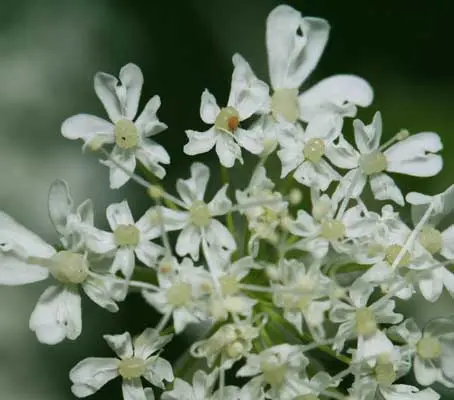
Sweet Cicely is an attractive plant that is a striking component of herb gardens and hedgerows. Growing to around 90cm, umbels of tiny white flowers appear from spring to early summer. Formerly a widely cultivated culinary herb, the fern-like leaves are deeply divided and smell of aniseed when crushed.
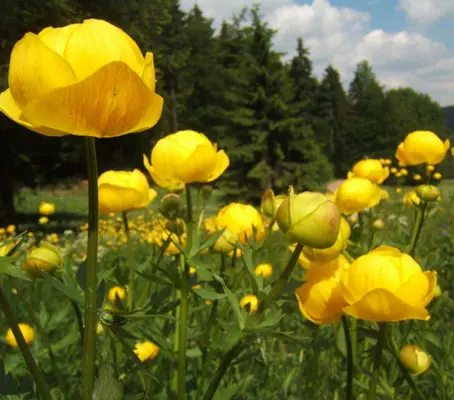
Trollius europaeus is a beautiful native wild flower of Europe and Western Asia. Found in damp ground in shady areas, it is a most attractive plant with dark green, deeply cut leaves and bears flowers, best described as egg-yolk yellow in colour.
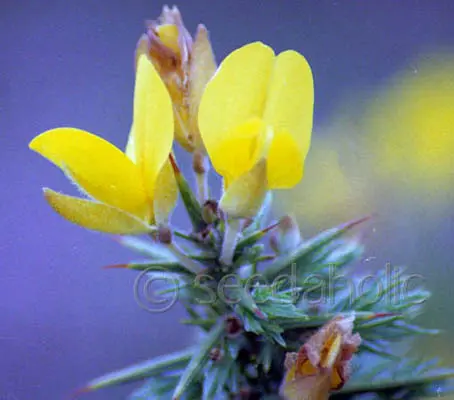
Gorse are usually associated with western Britain and Ireland. At its best in spring, it blooms with an explosion of yellow, the flowers have a distinctive strong coconut scent. Gorse bears some flowers year round, hence the old country phrase: “When gorse is out of blossom, kissing is out of fashion”.
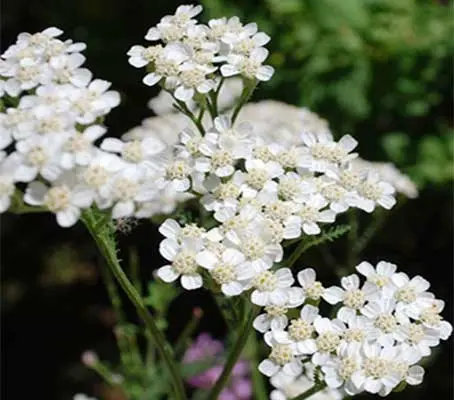
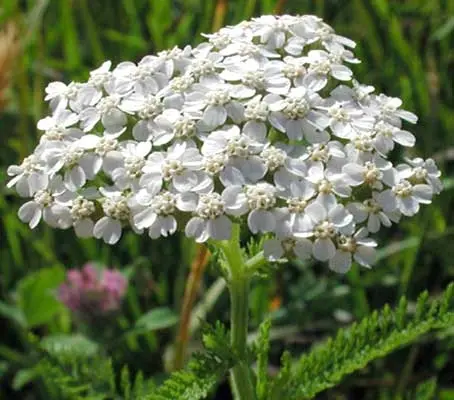
Achillea millefolium ‘Proa’ is an improved yarrow, a selected form that is higher yielding, with higher essential oil content, better flower production, and the flowers are more uniformly white. Preferred by those who use yarrow medicinally.
These native wildflowers have clustered flower heads of tiny white flowers that from a distance look like little patches of snow resting on the grass. This famous herb is terrific as a wildflower clump in a blooming meadow, they are also a favourite for cut and dried flower arrangements.
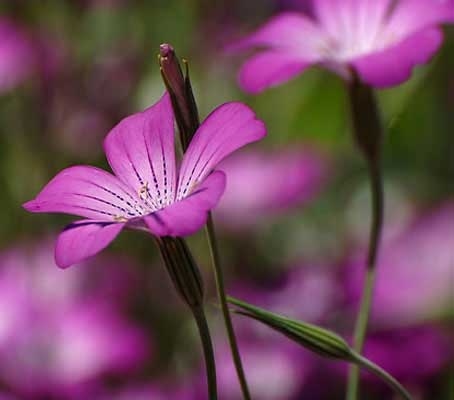
An attractive cornfield plant with pale purple flowers. Corncockle makes a great wildflower or cottage garden selection
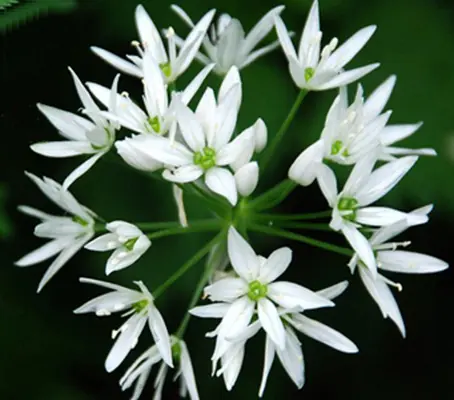
Until a few years ago you would never have seen wild garlic on a menu, but these days is definitely a chefs’ favourite. The whole plant is edible, the flavour is softer, more pleasant than cloves from garlic bulbs. The leaves have a vibrant colour that brings food to life, use sparingly in salads, or add to sauces and dressings. It also makes splendid pesto.
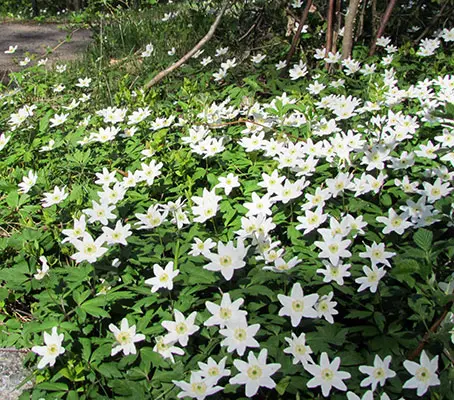
On a sunny day at the end of winter, when the branches of the trees are still bare, the sight of shady banks and glades lit by the white stars of the Wood Anemone leave you in no doubt that spring is truly here.
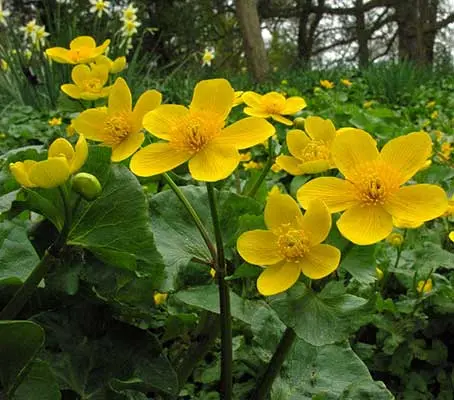
‘Caltha palustris, commonly called Marsh Marigold is one of the most cheerful native plants to adorn the edges of a pond or stream and possesses the added benefit of flowering in the shade. The plant’s yellow flowers and dark green shiny leaves cheer up the otherwise barren landscape as winter recedes.
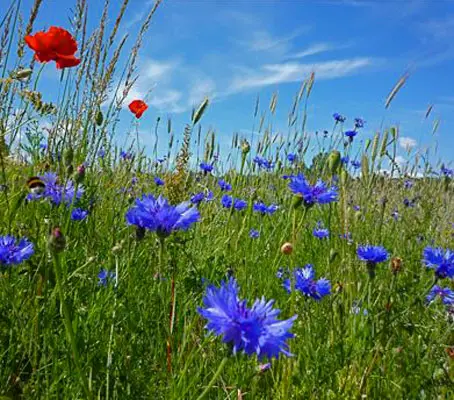
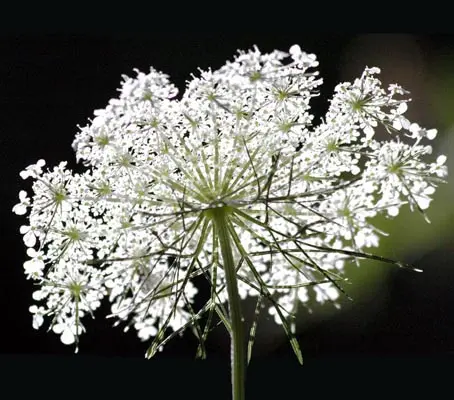
Today cornflowers are rare in the wild, they flourish instead in gardens. Aside from their electric blue flowers, breathtaking when grown in dense drifts, they are easy to grow, flower all summer, make great cut flowers and bees adore them. Organic Seed.Queen Anne’s Lace has up to a thousand tiny white flowers are produced in delicate, lacy, flat-topped, two- to four-inch clusters, sometimes with a solitary dark, purple flower in the centre. As the seeds ripen, the seed head curls inward to form a “bird’s nest” shape and turns brown. A small bristly seed is produced at the end of each flower stalk, and once dry they readily latch onto fur or feathers to be disseminated beyond where the seeds would otherwise fall.
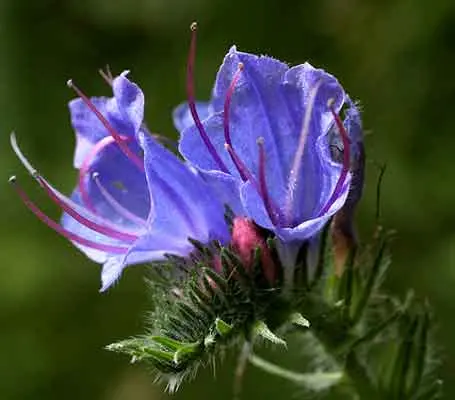
Viper’s bugloss is one of, if not THE very best plant to attract bees to your garden. Along with Borage and Phacelia, the plant is much loved by almost all bee species, especially bumblebees. For months this plant is a stable source of nectar. Organic Seed.
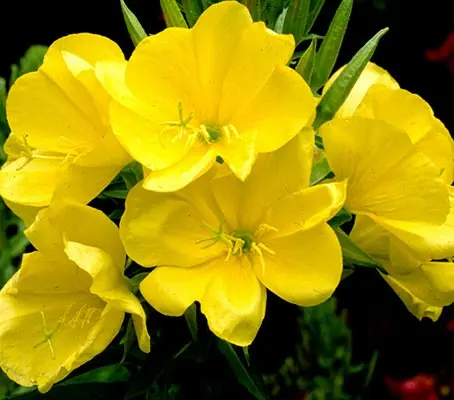
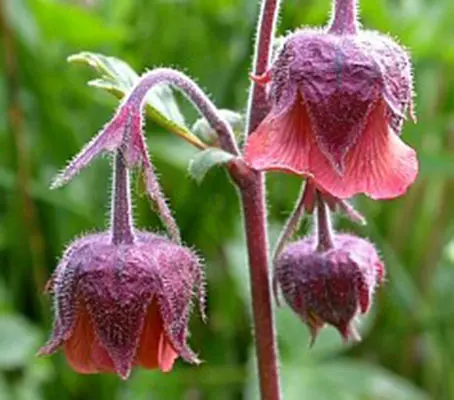
Evening Primrose is a classic plant, with its beautiful yellow flowers is a feast for the eyes as well as the belly. The whole plant is edible: the leaves can be cooked as greens, and the nutty-flavoured roots can be boiled and eaten like parsnips. The flowers make a lovely salad garnish.Geum rivale, the Water avens is a native perennial of slow-draining or wet soils. Flowering prolifically it is particularly useful in damp soils and makes a good show besides ponds. It produces both nectar and pollen and is an excellent plant for attracting pollinators and amphibians to the garden.
Hyssop famously attracts bees, hover-flies and butterflies. It makes excellent honey and is a must for any wildflower garden. Some beekeepers rub the hive with it to encourage the bees to keep to their home. In cooking, use the same way you would Rosemary. Organic Seed.Hyssopus officinalis ‘Alba’ is a much less well known variety of hyssop. Also known as ‘White Hyssop’ the plants sport bright white flowers from July to October. Widely used as a ‘taste enhancing’ herb or wildlife plant, the plants are a dark, vibrant green with a spiky, upright habit and narrow tongue-like leaves which have a peppery scent when stroked.
Hyssop is a strong-flavoured aromatic herb which is enjoying a revival with home gardeners. An ideal plant for use in containers or as a low hedge or border within the herb garden. Highly attractive to bees, it makes excellent honey and is a must for any wildflower garden.
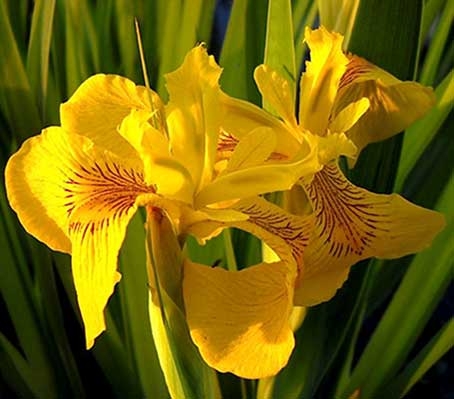
Yellow Flag Iris is a common and widespread native plant. This good-looking plant is a wetland plant that is especially showy in bloom and has been transplanted into well-watered gardens all over the world.Woad has been grown for its indigo-blue pigment and for its medicinal properties since the 13th century, recently capturing popular imagination as the blue dye for body paint used by the Celts. This fashionable plant has a fresh wildflower appearance that can brighten any garden.
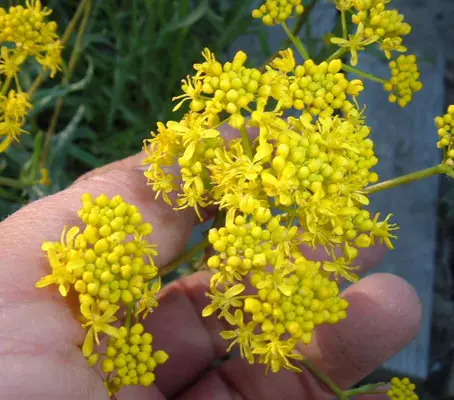
This native wildflower loves well-drained grassland with a neutral soil. It is quite at home in pastureland and meadows which are cut or moderately grazed. It can often colonize open ground if left to its natural devices and is particularly rampant in fertile soil.
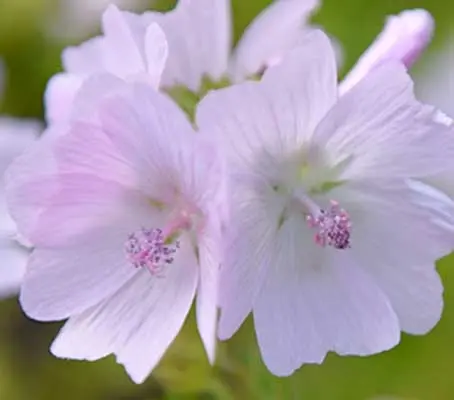
Shorter than the species, Malva moschata ‘Appleblossom’ grows 45 to 60cm in height. The satiny, single flowers in a lovely soft shade of silver-pink, are textured and striated like crepe, they have a lustrous lacquered quality in sunlight. Wonderfully appealing to bees and other pollinators, they also make a good cut flower.
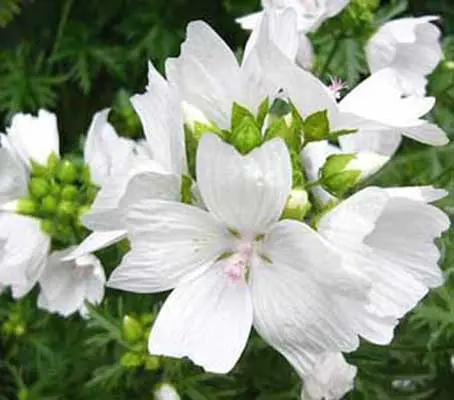
Considered by many gardeners to be the most desirable of the Malva species, this rare white-flowered form is even lovelier than the normal rose-pink Musk Mallow. Flowering throughout the summer, the pure white, scented flowers contrast beautifully with the ferny foliage.
With its brilliant scarlet flowers, this native wild flower needs no introduction. Papaver rhoeas offer a profusion of flowers and are a good choice for naturalising in a meadow garden or anywhere for a splash of colour. Organic Seed.Pennyroyal is a cottage garden plant of old. This highly aromatic herb has a strong peppermint scent to its dark green leaves, even more so than other mints.With attractive whorls of lilac-blue flowers, it can be used to carpet a shady corner or make a ‘lawn’ smelling deliciously of peppermint.
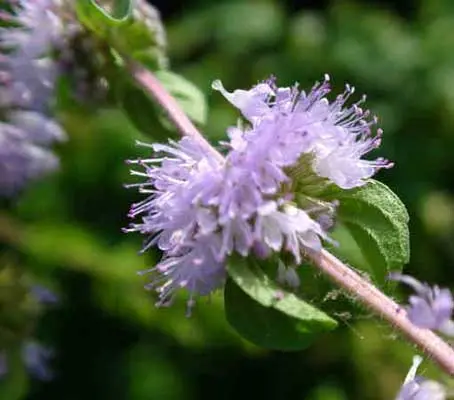
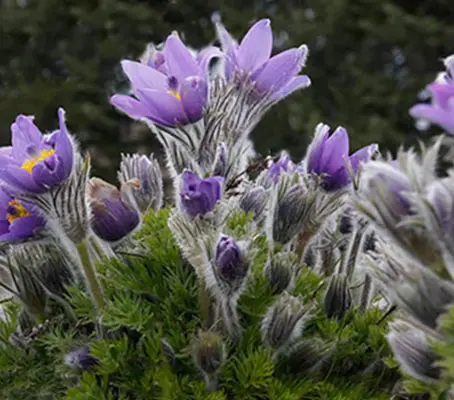
The Pulsatilla genus includes some of the loveliest of all flowering plants. From the time in early spring when their woolly, hairy flower buds first appear; through the time their enchanting, hairy, feathery seed-heads are formed, these plants are always a delight.
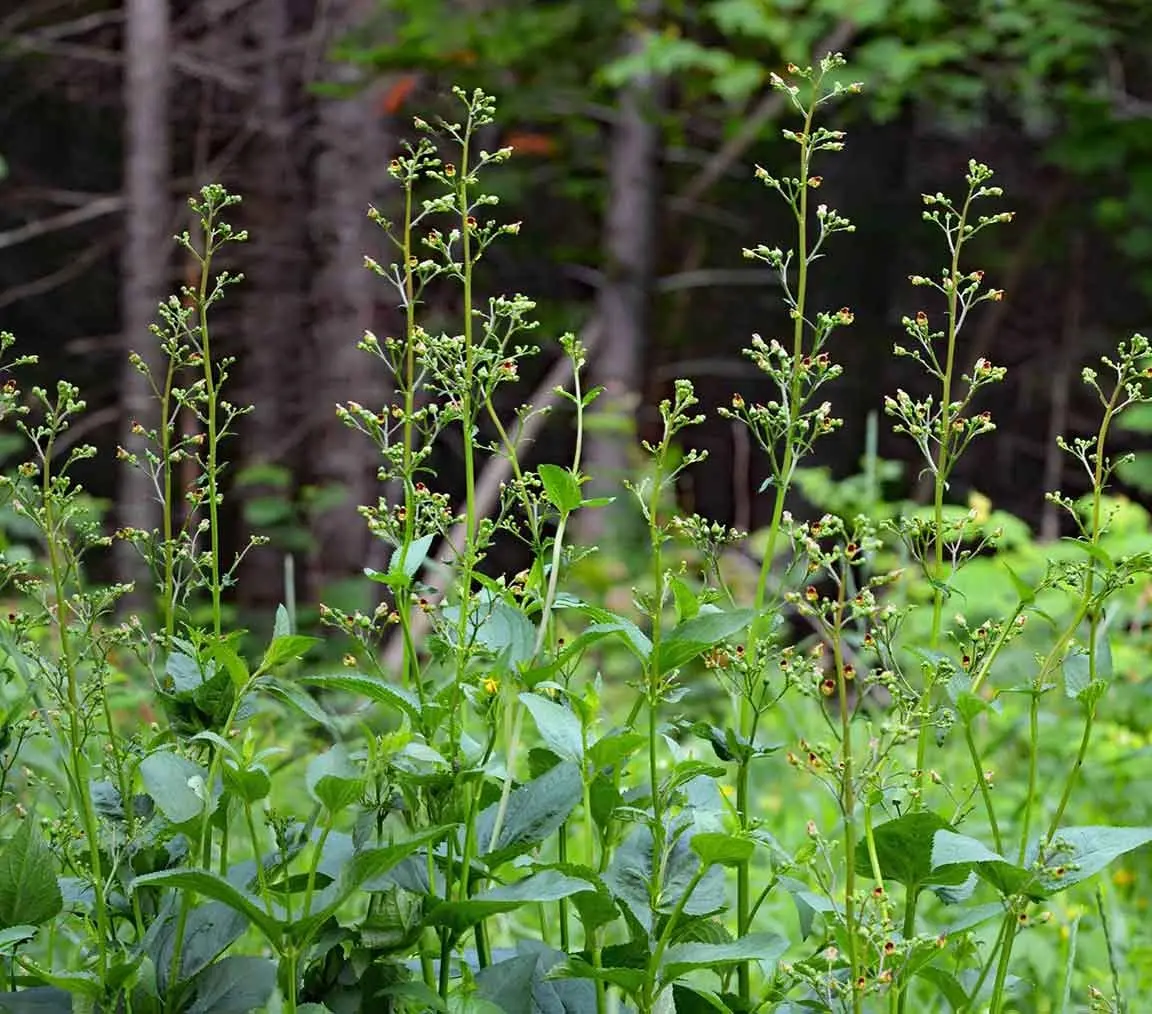
Our native Figwort is one of the most prolific nectar producers in the plant world, the long-lasting flowers attract more pollinators than any other plant around. The flowers, similar to tiny snapdragons ripen into egg-shaped seed pods, which are just the perfect bouquet filler for interest and movement!
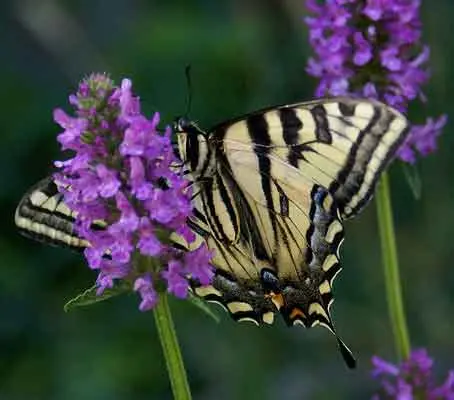
This pretty little wildflower is a slow growing, long-lived plant with attractive spikes of rich pink-mauve flowers that are very attractive to bees and butterflies as a nectar source. The flowers, which rise from dark green crinkly leaves, keep their colour throughout summer and look stunning when growing en-masse.
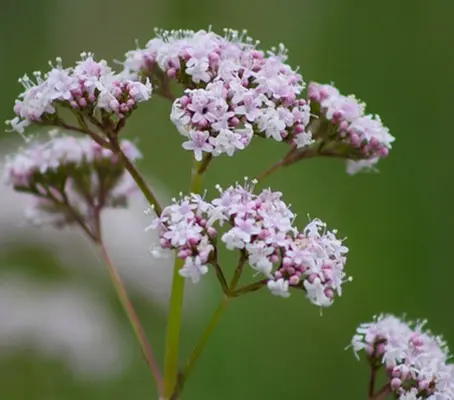
Valeriana officinalis is a graceful wildflower that is native to Europe and Western Asia. The tall, branched flower stalks are held atop a low mound of foliage, the densely clustered flowers are sweetly scented and usually white with a hint of pink.
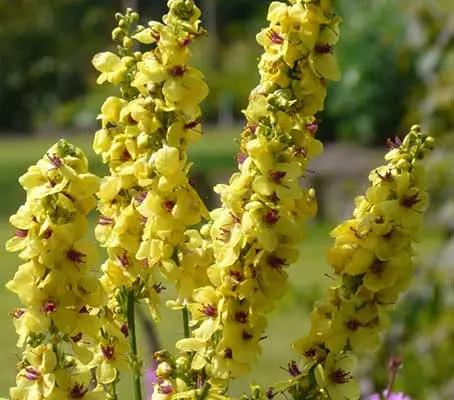
Verbascum nigrum is one of the most reliable and long-flowering verbascum, it is also one of the truly perennial species. This European native bloom profusely with masses of golden-yellow flowers. First thing in the morning, the flowers are alive with bees getting on with their day’s work. Take time to stand and admire them for a few minutes. They will pay you no heed, they’re far too busy.
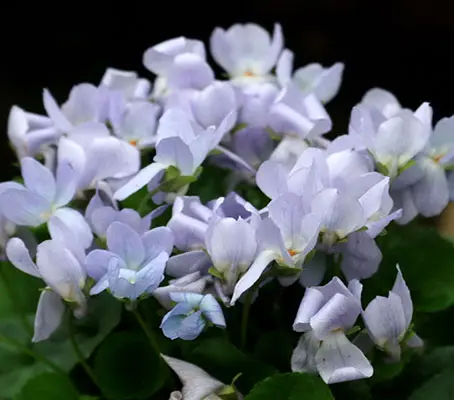
Cultivated in Switzerland in 2004 from the famous ‘Queen Charlotte’, One would think that ‘Reine de Neiges’, or ‘Snow Queen’ would be a white bloomer. The flowers are almost white, a clear crisp ice-blue. Long blooming and upward facing, their fragrance is intense.
€1.95 – €7.95Price range: €1.95 through €7.95
€2.10 – €5.95Price range: €2.10 through €5.95
€3.25
€2.95
€1.95 – €25.95Price range: €1.95 through €25.95
€2.45
€2.45
€2.35
€2.45
€2.95
€2.95
€2.65
€2.25
€2.85
€2.25
€2.25