No. of Varieties: 147
Blue Hyssop
Wildflower of Britain and Ireland

Hyssop is a strong-flavoured aromatic herb which is enjoying a revival with home gardeners. An ideal plant for use in containers or as a low hedge or border within the herb garden. Highly attractive to bees, it makes excellent honey and is a must for any wildflower garden.

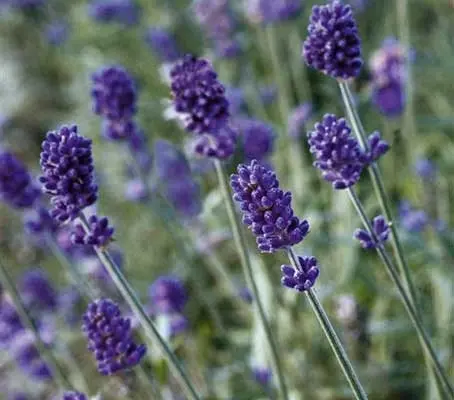
True English Lavender, Old English Lavender
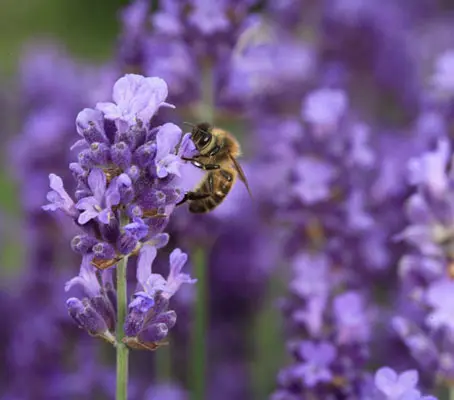
Lavandula angustifolia, also called Lavender vera is the best Lavender for medicinal and aromatherapy purposes. It is a staple plant for the herb garden, the fragrant flowers have been used in perfumes, poultices and potpourris for centuries. Organic Seed.
English Lavender

Fragrant, free flowering and heat and drought tolerant. Lavandula angustifolia ‘Vicenza Blue’ bloom the first year from seed. This especially fine lavender has bold clustered flower spikes of deep lavender-blue from mid July to early September.

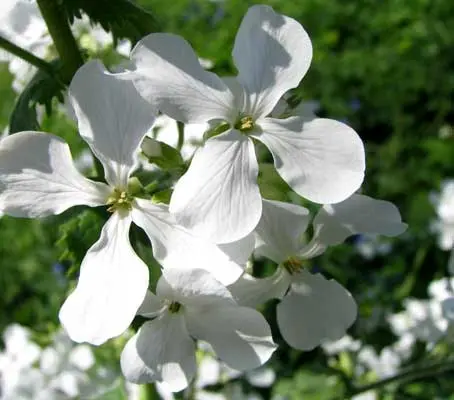
Silver Dollars, Silver Pennies

Lunaria annua alba has pure white starry blooms which are almost fluorescent at sunset. Over a long season it produces masses of silvery pods. It is properly grown as a biennial, and makes large, well-branched plants in its second year. Very easy to grow it is also a vital nectar plant.

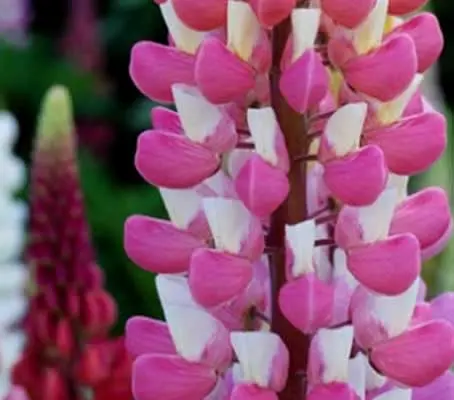
Lupin Russell Hybrids, Aka 'Schlobfrau'

Bred for a long flowering period with unbeatable garden performance, George Russell developed one of the most popular and distinctive plants in history, the ever popular ‘Russell Hybrids’. Magnificent vertical stems of densely packed soft pink flowers each with a white flag. The Chatelaine’ is one of the prettiest in the series.

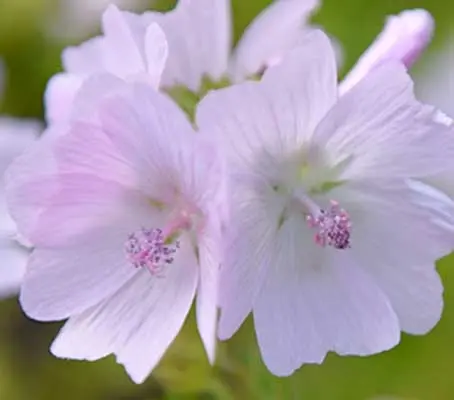
Musk Mallow

Shorter than the species, Malva moschata ‘Appleblossom’ grows 45 to 60cm in height. The satiny, single flowers in a lovely soft shade of silver-pink, are textured and striated like crepe, they have a lustrous lacquered quality in sunlight. Wonderfully appealing to bees and other pollinators, they also make a good cut flower.

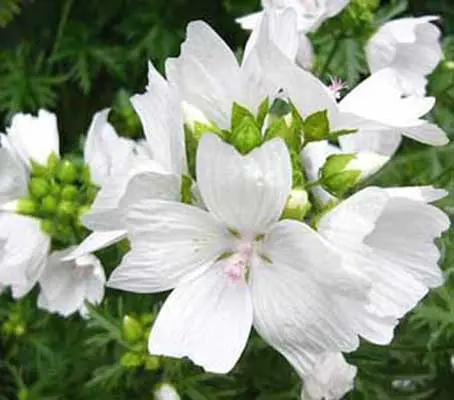
White Musk Mallow

Considered by many gardeners to be the most desirable of the Malva species, this rare white-flowered form is even lovelier than the normal rose-pink Musk Mallow. Flowering throughout the summer, the pure white, scented flowers contrast beautifully with the ferny foliage.

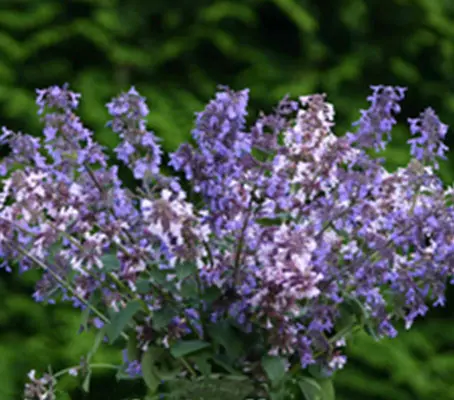
Caucasus Catmint

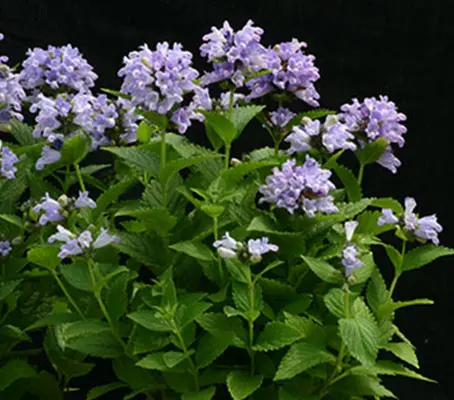
Nepeta grandiflora is a superb catnip garden performer and one of the best garden plants in this family. ‘Border Ballet’ is a striking new catmint, lusher than true catnip, with dark green leaves. It flowers in shades of blue and pink in perfect harmony. This easy to sow and grow perennial flowers in the first year of sowing.

Misogawo-so, Japanese Catmint

Nepeta ‘Dark Blue Panther’ is the dark blue flowered variety and sister to ‘Pink Panther’ and the beautiful white ‘Snow’ Panther. This award winning variety starts to flower just 15 weeks after sowing and can be can be grown as an annual or as a flowering perennial.

Misogawo-so, Japanese Catmint

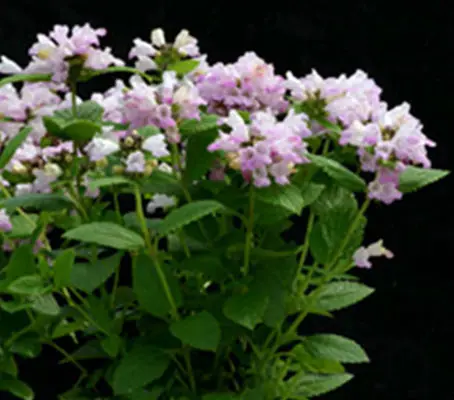
Nepeta subsessilis ‘Pink Panther’ is a bright pink form of large-flowered Nepeta which is grown from seed and flowers during the first year. It can be grown as an annual or as a flowering perennial. Flowering from June until the end of September, they work well as an informal low hedge or mixed in with other larger plants.

Misogawo-so, Japanese Catmint

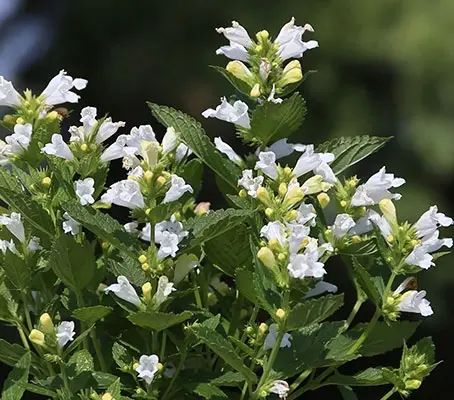
Recognised as having the largest flowers of all the nepetas and only one with white flowers, Nepeta subsessilis ‘Snow Panther’ flowers during the first year and can be grown as an annual or as a flowering perennial. This award winning variety is extremely attractive to bees and butterflies they are also excellent for containers.

Minoan Lace or French Meadow Parsley

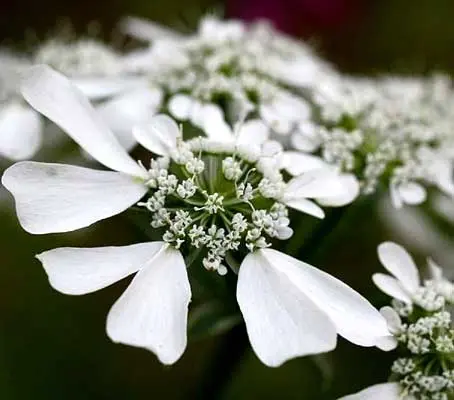
Orlaya grandiflora ‘White Finch’ is a true flower show star. This outstanding plant displays stunning pure white flowers that form in large, flat-topped clusters which resemble lace-cap hydrangeas. The plants bloom for a remarkably long period and mix easily with others in the garden or bouquet.

Pudding Grass, Pulegium
Wildflower of Britain and Ireland, Ancient Crop

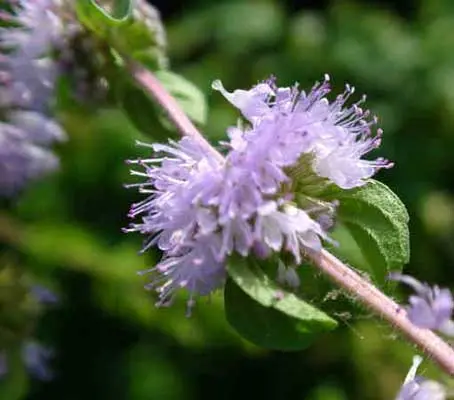
Pennyroyal is a cottage garden plant of old. This highly aromatic herb has a strong peppermint scent to its dark green leaves, even more so than other mints.With attractive whorls of lilac-blue flowers, it can be used to carpet a shady corner or make a ‘lawn’ smelling deliciously of peppermint.

Dwarf Kiss Me Over the Garden Gate

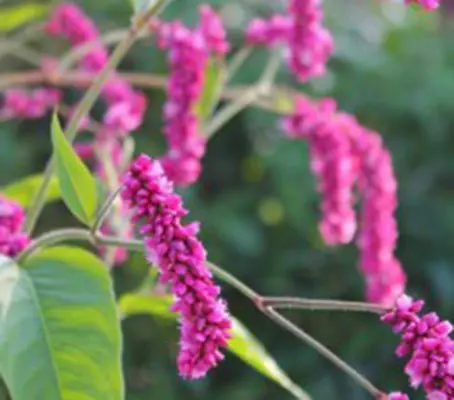
Spectacularly draped with long, velour-like cerise tassels. Persicaria ‘Cerise Pearls’ is a modern-day, low growing variety. Tall enough to give the same airy effect, yet so much easier to place in the garden.

Wildlife, Set-aside, Cover Crop or Green Manure
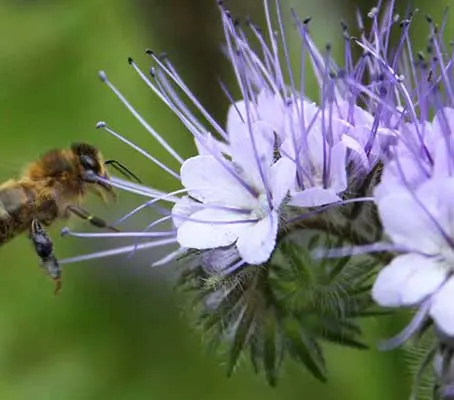
Listed as one of the top 20 honey-producing flowers for honeybees, Phacelia is rich in both nectar and pollen and attracts bees, butterflies and other pollinating insects to the garden. The flowers have strong stems and also make an excellent cut flower. Organic Seed.
Herb Rosemary

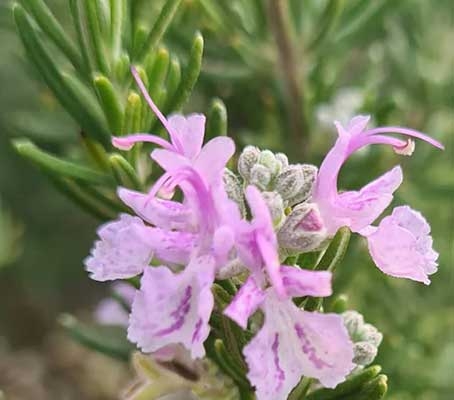
A fresh twist on a classic, Rosemary ‘Rosy’ keeps all the familiar virtues of this herb garden favourite but dresses them in soft pink. Neatly branching plants carry slender, aromatic leaves and, from early spring, are studded with clouds of small rose-pink flowers that hum with bees and other pollinators.

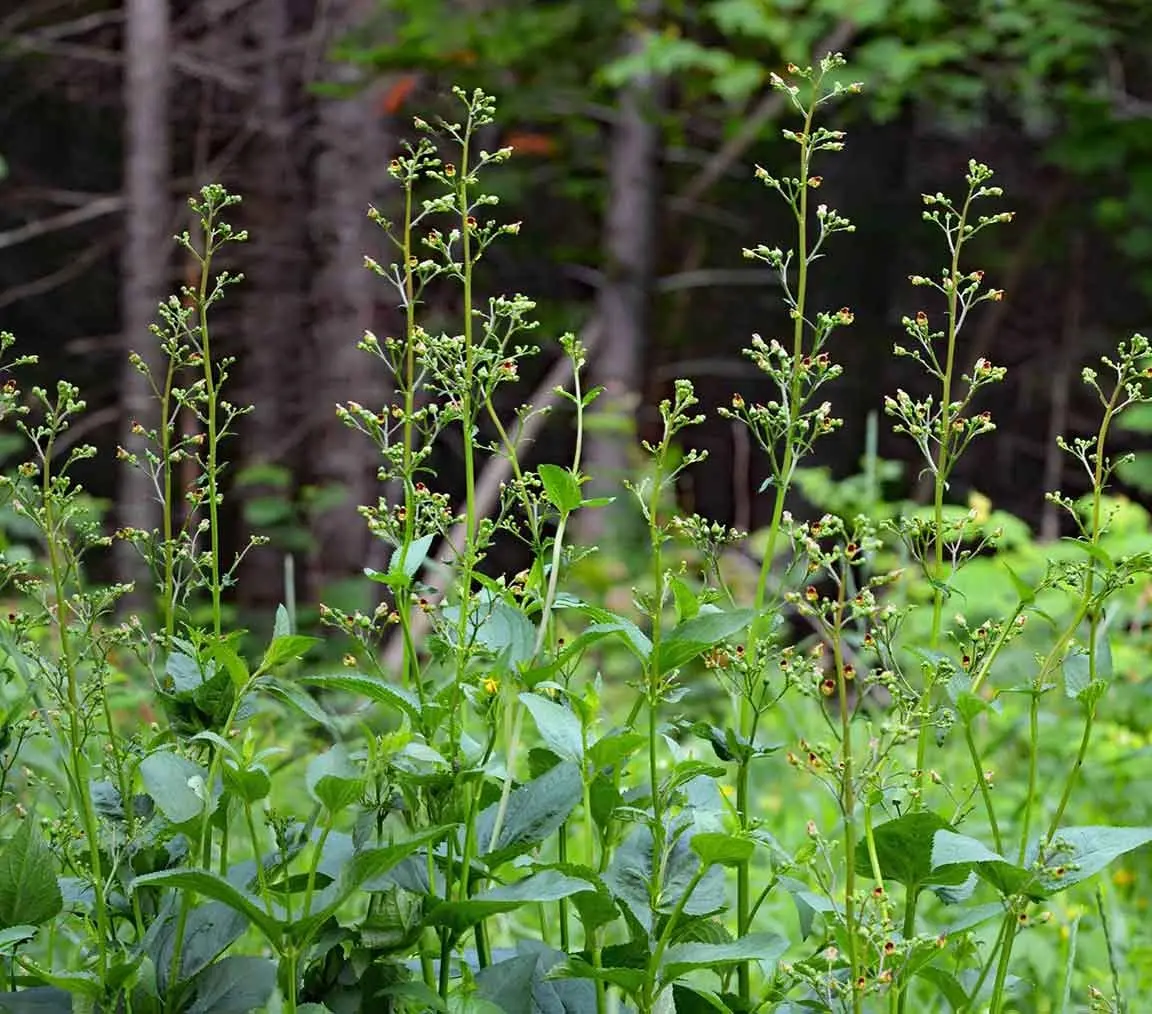
Wildflower of Britain and Ireland

Our native Figwort is one of the most prolific nectar producers in the plant world, the long-lasting flowers attract more pollinators than any other plant around. The flowers, similar to tiny snapdragons ripen into egg-shaped seed pods, which are just the perfect bouquet filler for interest and movement!

Betonica officinalis, Wood Betony, Bishopswort.
Wildflower of Britain and Ireland

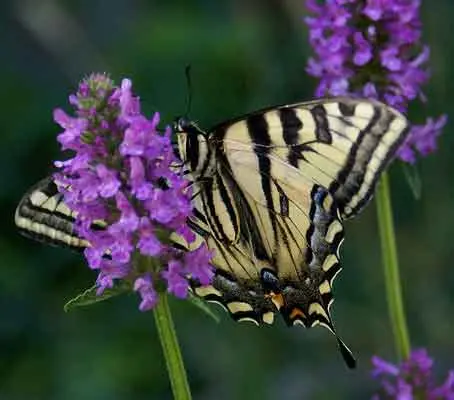
This pretty little wildflower is a slow growing, long-lived plant with attractive spikes of rich pink-mauve flowers that are very attractive to bees and butterflies as a nectar source. The flowers, which rise from dark green crinkly leaves, keep their colour throughout summer and look stunning when growing en-masse.

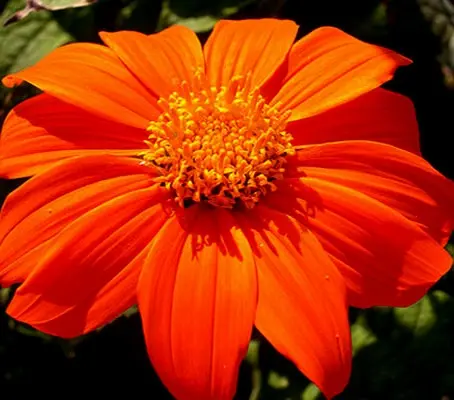
The Mexican Sunflower

Brilliant sizzling, orange-scarlet flowers cover this vibrant ornamental plant, Tithonia produces one of the best flowers for attracting butterflies to the garden. Very easy and rewarding and perfect for new gardeners and children, sow direct in May and June for fast and furious, fabulous flowers.

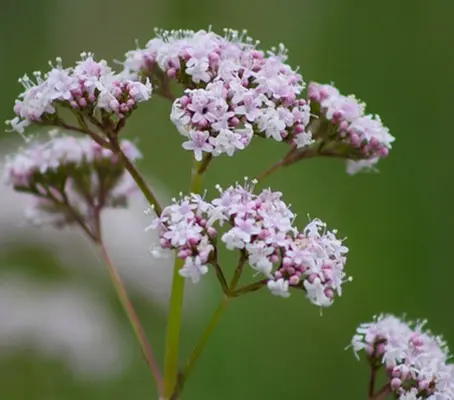
Valerian, Wildflower of Britain and Ireland

Valeriana officinalis is a graceful wildflower that is native to Europe and Western Asia. The tall, branched flower stalks are held atop a low mound of foliage, the densely clustered flowers are sweetly scented and usually white with a hint of pink.

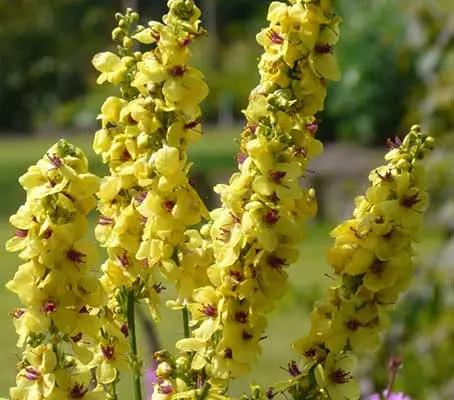
Dark Mullein

Verbascum nigrum is one of the most reliable and long-flowering verbascum, it is also one of the truly perennial species. This European native bloom profusely with masses of golden-yellow flowers. First thing in the morning, the flowers are alive with bees getting on with their day’s work. Take time to stand and admire them for a few minutes. They will pay you no heed, they’re far too busy.

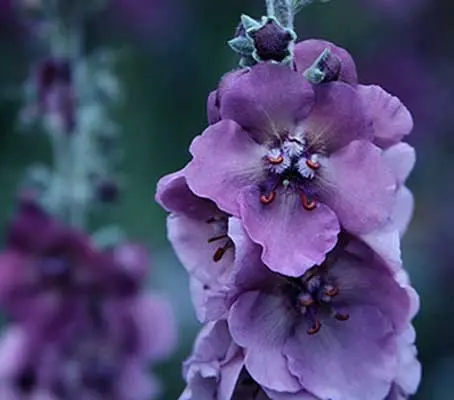
Purple Mullein

English gardeners are very familiar with this plant and consider it essential for a well-structured garden. Verbascum phoeniceum ‘Hybrids Mix’ flower freely, giving a glorious plethora of colours from delicate salmon to rich claret. A true perennial which can flower the first year given an early sowing.

Compact Verbena

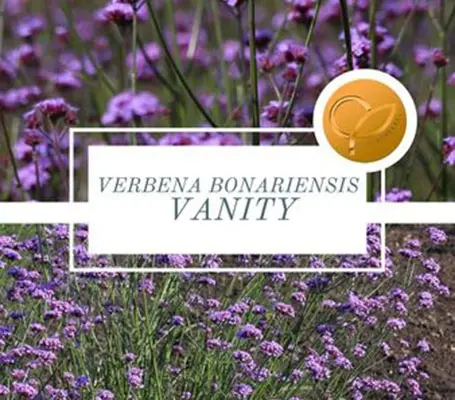
Verbena bonariensis ‘Vanity’ is a new compact cultivar of a perennial favourite. This award-winning variety has an open habit with gorgeous, intense purple-blue clusters atop branching thin, wiry stems. Its garden friendly neat habit makes it sturdier and easier to maintain while you create a pollinator paradise in your garden.

Slender vervain
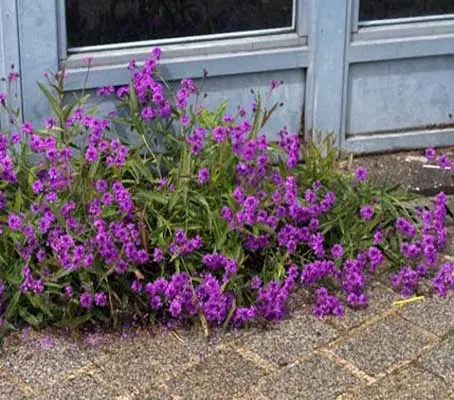
Named Verbena rigida after its upright habit, this front-of-the-border performer, although only a foot or two in height, can outshine almost everything else. Polaris is a dazzling, low-growing verbena that produces a candelabra of silver-blue flowers.
Slender vervain

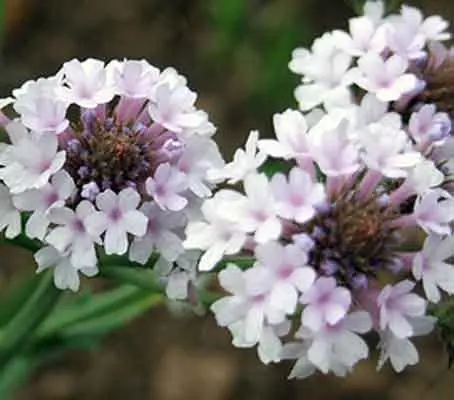
Verbena venosa is a small and densely flowered version of Verbena with clusters of purple-pink fragrant flowers that are held in domed heads. A brilliant addition to the garden that will bloom from mid-spring right until the first cold of winter.