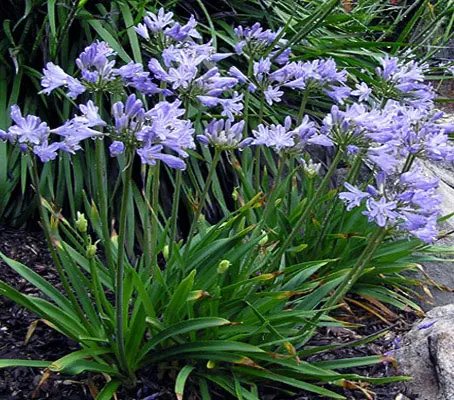
The Agapanthus is one of the aristocrats of the late summer garden. ‘Peter Pan Blue’ is a fine dwarf hybrid with neat clumps of leaves and large clusters of light- blue flowerheads. The exotic combination of graceful foliage and stunning flowers is equally impressive in the border or container.
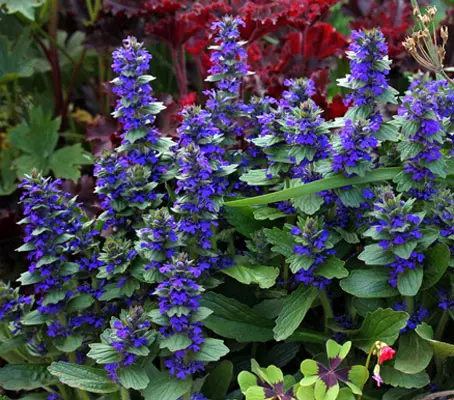
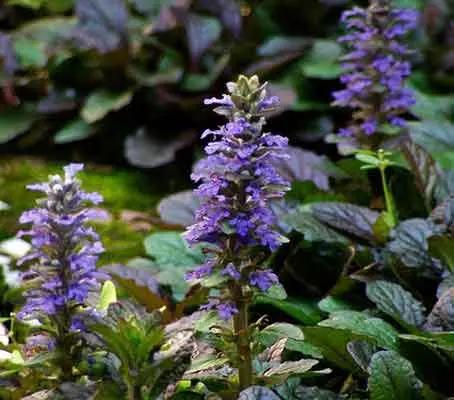
Ajuga genevensis is used throughout the world yet this relatively uncommon form is less well known. This very well behaved, evergreen groundcover has deep gentian blue flower spikes and is by far the showiest of the species. It is often the plant of choice for smaller areas or along edges and pathways.
For most of the year Ajuga is a pleasant, quiet achiever, a very versatile low growing ground cover, with evergreen, rosette-like foliage that hugs the ground like an evergreen carpet but those weeks in spring when the blue flowers appear are simply quite magical.
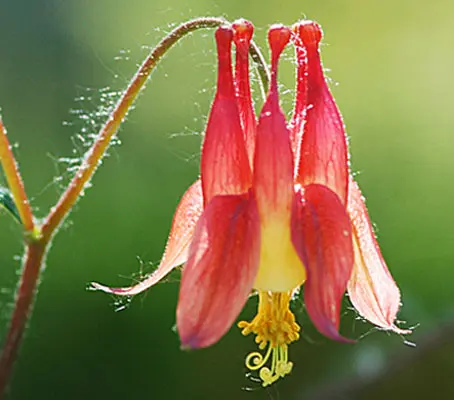
Native to Canada and the US in all states east of the Rockies, this superb variety is quite unlike the usual Aquilegia. Growing just twelve to eighteen inches tall, with dark-green foliage and eye-catching, scarlet and lemon-yellow flowers which hang like drifts of softly illuminated lanterns.
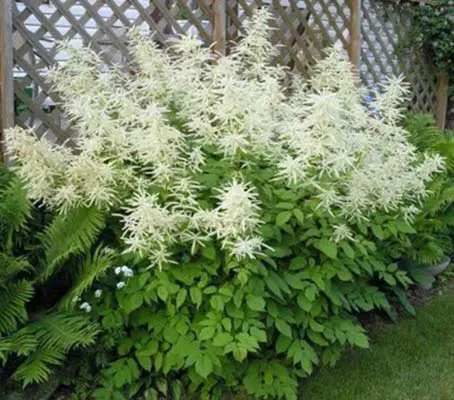
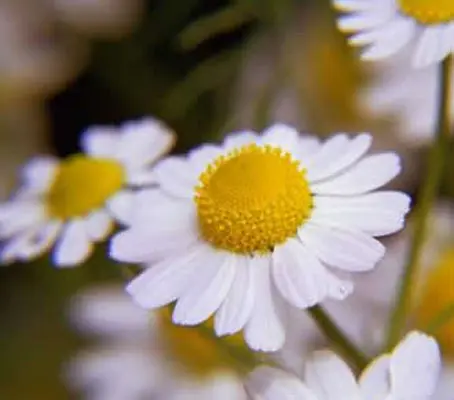
Aruncus dioicus’ commonly known as Goat’s Beard or Bride’s Feathers is one of the most handsome plants for the perennial bed. Its leaves are large and it has an abundance of flowers and in the autumn it turns an impressive, autumnal yellow colour. Camomile is a most useful plant. It can be used to make beautiful lawns and raised beds, an infusion of the plant is an ideal family remedy, calming and sedative, perfect for restlessness or travel sickness, while for gardeners the tea is effective as a spray to prevent ‘damping-off’ of seedlings
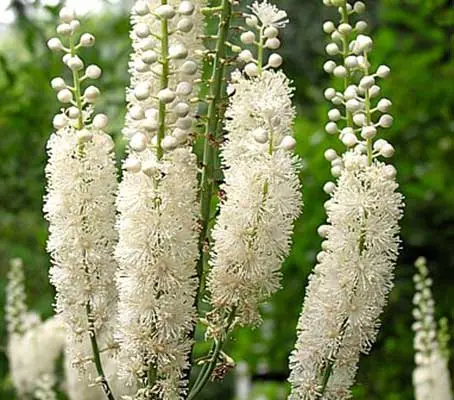
Actaea cordifolia comes into its own late in the season, when multiple stiff and stout stems emerge from the base of the plant. It displays impressive long racemes of chalky-white blooms that are composed of numerous, tiny individual star-like, fragrant flowers.
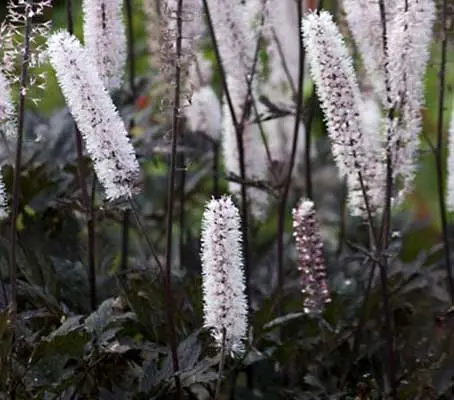
Valued for its large purple-black leaves, Cimicifuga simplex ‘Atropurpurea’ is an exceptionally beautiful selection. The long, fluffy spires seem to float in mid-air, each flower studded with feathery stamens.
Coleus has enjoyed a resurgence in popularity over the past few years. The new breeding has taken a handful of series and exploded them into hundreds of wild and crazy types of colours and forms. Overwhelmingly the favourite is the Kong series for its sheer presence, each leaf is easily as big as your palm, and probably twice as large as the next biggest Coleus you can buy.
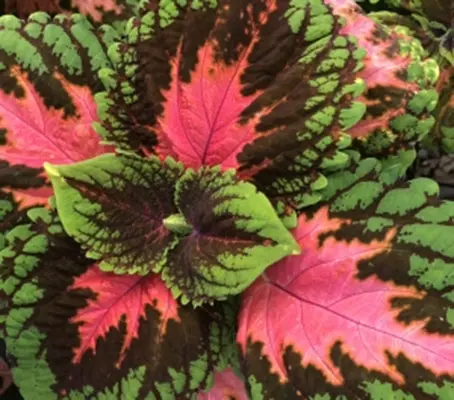
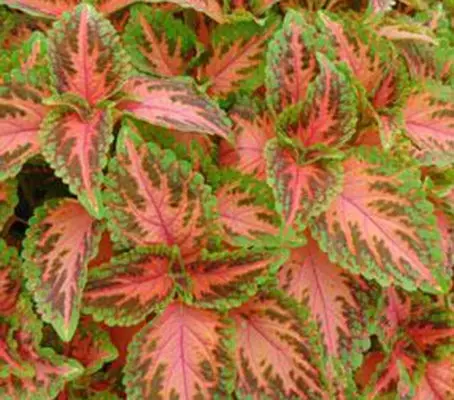
Featuring huge leaves that are coral in the centre and edged in bright green, Coleus ‘Kong Salmon-Pink’ is a ‘Premium Shade’ variety, that are great for large containers and mass plantings, performing best and showing the most intense colour in full shade, they also work well for indoor plant programs. It’s hard to go wrong with this plant.
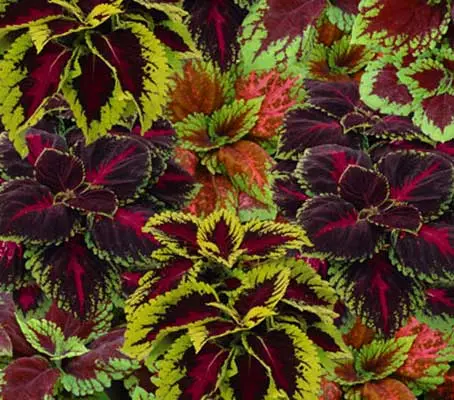
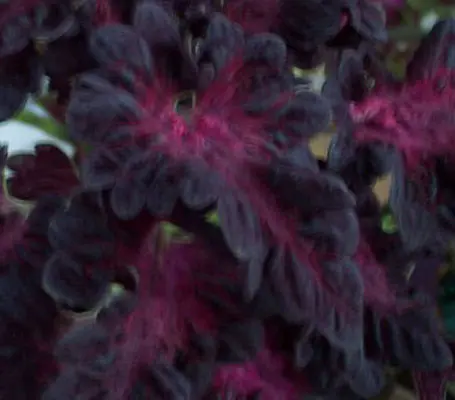
This wonderful Victorian type coleus ‘Black Dragon’ forms a riot of rumpled leaves in velvety purplish black leaves, each bordered by frilly edges. The ruby red centres are sometimes flecked with violet or pink. Easy to grow from seed, they will show their first colours in as little as two weeks.
Coleus have been perfected, the new varieties have colours that intensify in sun, but can also thrive in shade. “Coral Sunrise” is an excellent example of the new developments, The beautiful coral pink heart-shaped leaves have neatly serrated edges, with shades of olive and intense bright green margins.
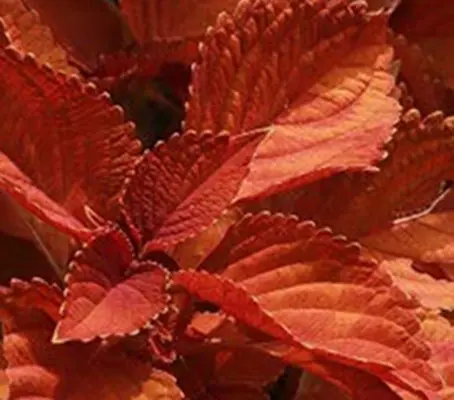
Ten years back coleus were gaudy relics from Grandmother’s generation, but now coleus are back and teetering on the cutting edge. “Wizard Sunset” is one of the softer colours from the Wizard series, with heart-shaped leaves in beautiful shades of bronze – apricot. Excellent in full sun.
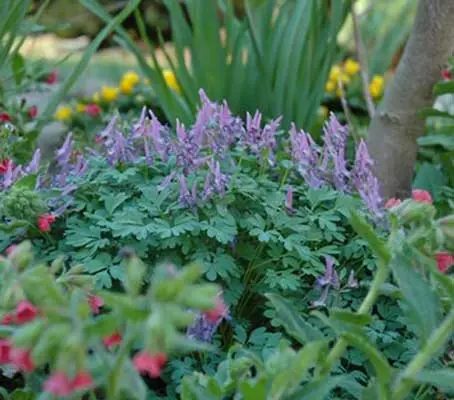
What gardener with a heart and soul could resist the spring flowers of Corydalis, whose winged petals with upswept spurs suggest a flight of elfin butterflies. These woodland ephemerals are highly useful at the front of the border, with miniature bulbs such as crocus, muscari or scillas.
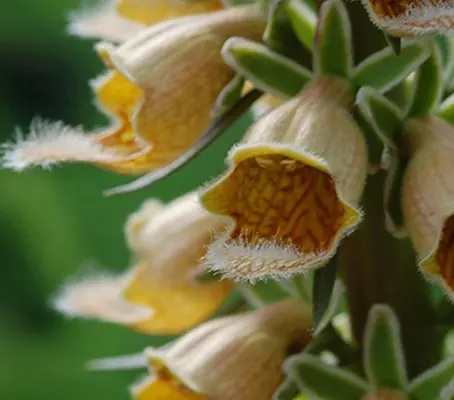
Digitalis ferruginea is an interesting and exotic looking foxglove. With elegant, leafy spires and closely packed golden blooms, each orchid-like flower has an interior of rich red-brown veins.
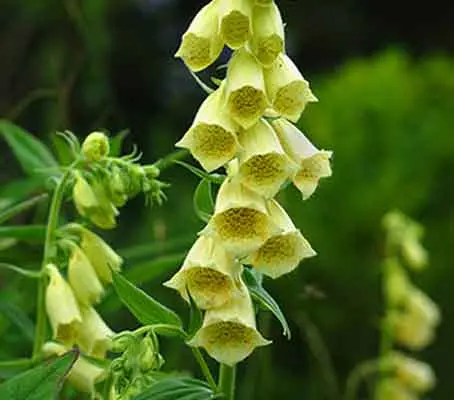
Digitalis grandiflora is one of the few truly perennial foxgloves. Extremely hardy and one of the best performers. Bearing upright stalks of beautiful creamy-yellow bells through the summer, the lovely soft shade allows this plant to blend with almost anything in the garden.This lovely native European woodland plant is a beauty to add to any garden and a popular biennial for shaded places. Plants form rosettes of lance shaped leaves, the second year the rosette begins to shoot skyward with beautiful large spikes and drooping bell shaped blooms that are spotted inside.
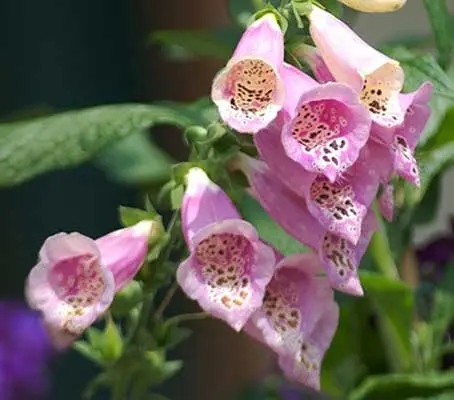
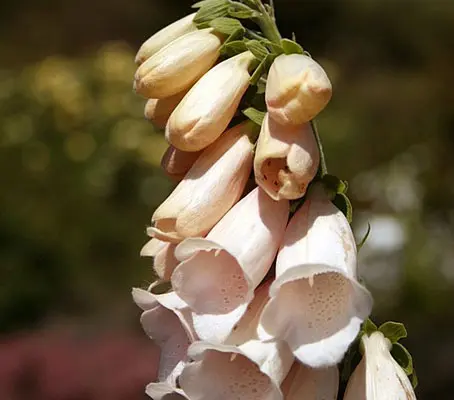
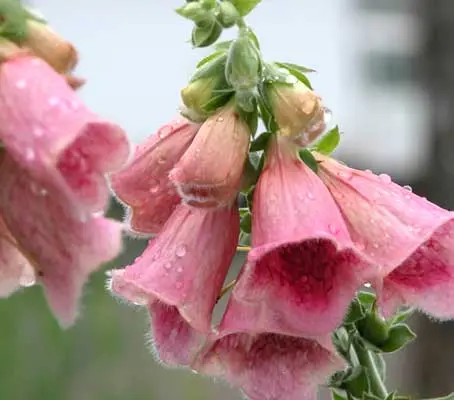
Digitalis purpurea ‘Apricot’ produces large spikes in the most beautiful shade of coral-apricot. One of its greatest assets is the ability to mingle, a quality particularly important in contemporary gardens where the accent is on informality.
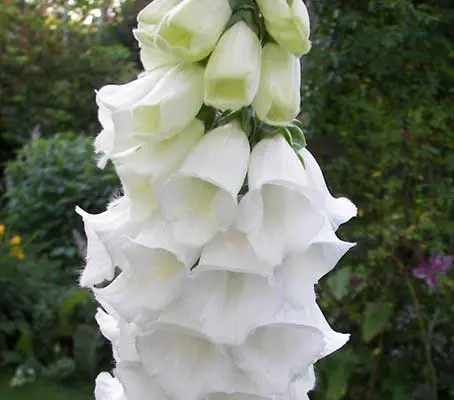
Digitalis purpurea ‘Snow Thimble’ is bred for its large pure-white, bell-shaped blooms, born on short spikes only 100cm tall. It is one of the most elegant dwarf Foxgloves, easy to place in the garden it is especially suited to cottage gardens, shade gardens, wildflower and cutting gardens.
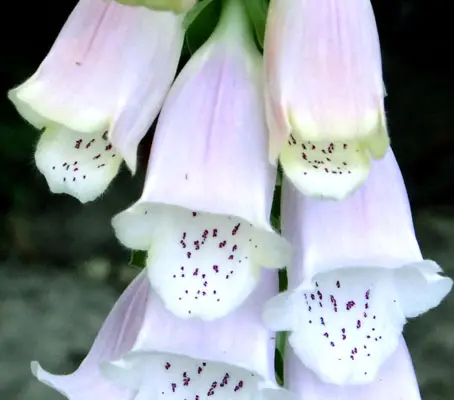
Digitalis ‘Silver Fox’ is one of the most beautiful dwarf Foxgloves for the cottage garden and border. Growing to just 60 to 70cm tall, the creamy-white speckled bells are flushed with soft lavender-pink. An elegant and rare foxglove that is ideal for borders or containers.
This striking and robust foxglove, a hybrid between the pink flowered D. purpurea and the yellow flowered D. grandiflora produces a beautiful mix of the two shades. Warm pink, speckled flowers that are larger than the traditional foxglove.
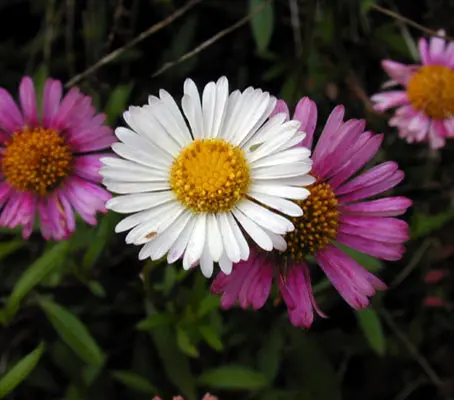
Producing a profusion of daisy like blooms from May right through till November, Erigeron is easy to grow and an amazingly versatile plant, being low-growing, happy in sun or partial shade and thriving in any well-drained soil.
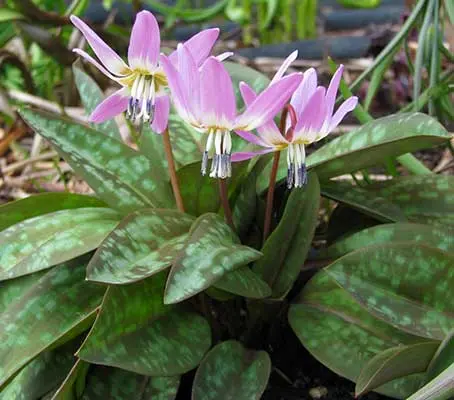
Erythronium dens-canis is attractive from the moment it pokes up from the soil in early spring. The oval pointed leaves with bronze patterns appear in early spring and are followed shortly by nodding rose pink to purple, elfin-cap flowers that bloom for several weeks.
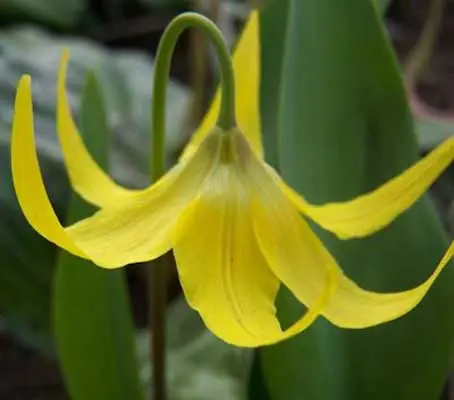
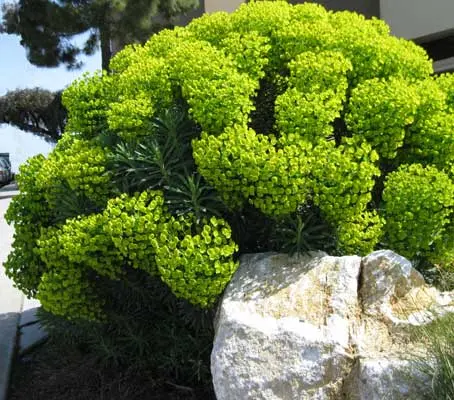
Erythronium grandiflorum is a rarely offered species. Native to west North America, it is one of the largest of the genus. Blooming in early spring, each flower stem has up to ten golden yellow, nodding, star-shaped flowers with reflexed petals.One of the grandest of plants, Euphorbia characias ‘Wulfenii’ has upright stems clothed with whorls of fleshy, mat grey-green leaves that lend the whole plant a textural quality that is unparalleled. From March to June the plants are topped with intense chartreuse-green flowers’.
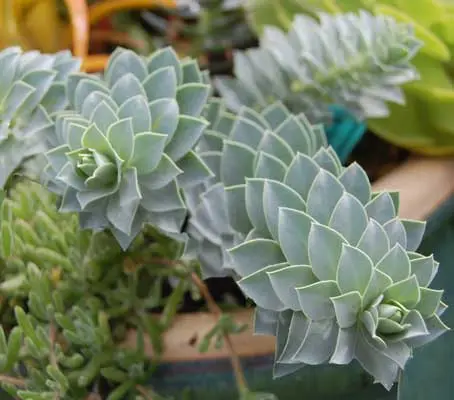
Euphorbia myrsinites is a charming plant, a prostrate-growing evergreen with trailing stems that are clad in spiraling grey-blue leaves. An easy, tough, tidy groundcover and one of the most useful and highly ornamentally plants to grow in the garden.
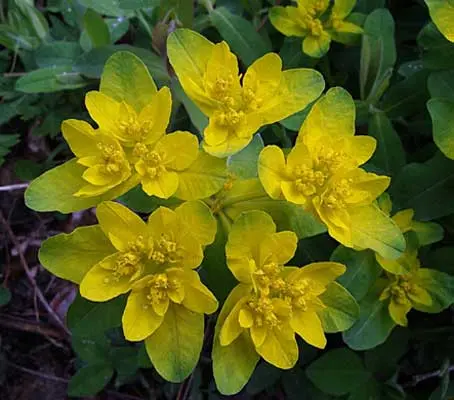
Euphorbias give us some of the best early spring herbaceous colour, but Euphorbia polychroma has the most impact. This compact variety grows to only 50cm with a great mound of yellow-green flowers in spring and echoes the daffodils. Hardy geraniums are undoubtedly one of the most popular groups of plants. Today’s hybrids are the modern flag bearers, they are beautiful, reliable and endlessly various produces jewel-tone, saucer-shape flowers for months at a time. Exceptionally good value this mix always contain a few real rarities.
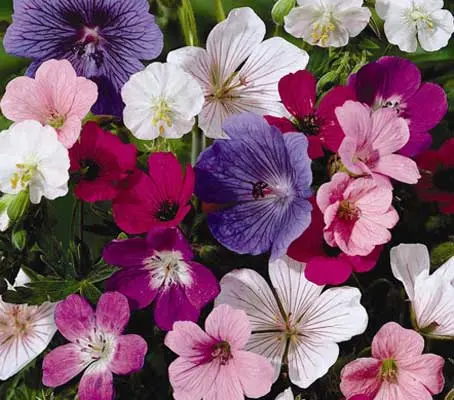
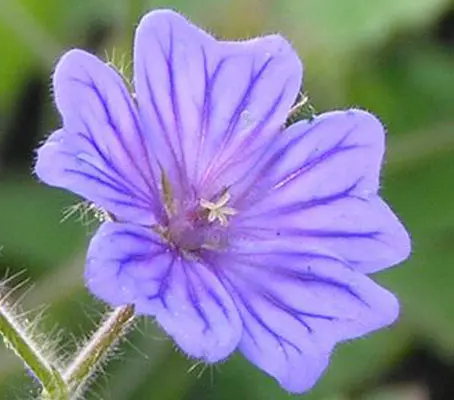
Geranium ‘Orchid Blue’ is a simply stunning plant, producing clusters of saucer shaped flowers of a rarely seen shade of pure orchid-blue, each with purple-violet veins. This new-on-the-scene plant soon spreads to form low hummocks of deeply cut soft green, leaves.
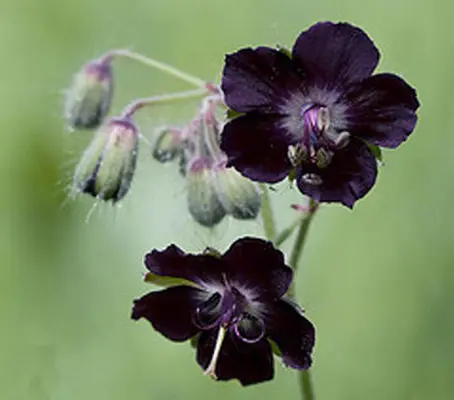
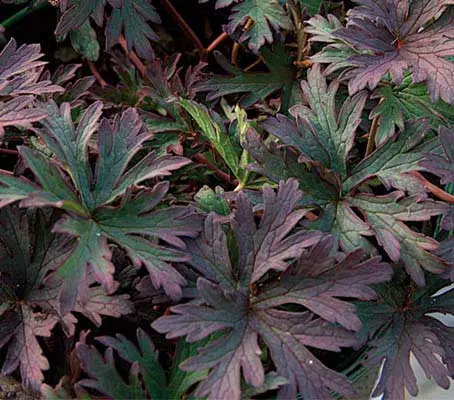
Geranium phaeum ‘Samobor’ has considerable charm, with luxurious, deep maroon-black flowers which are held high on upright slender stems in late spring to early summer. This beautiful and useful hardy geranium is loved for its amazing deeply scalloped foliage with beautiful dark markings
‘Dark Reiter’, is a fairly new cultivar originating from ‘Victor Reiter’ whose namesake was the legendary California nurseryman. What sets this plant apart is the new leaves that emerge a light maroon colour then fade to a purple-flushed deep green, it produces violet-blue flowers in spring.
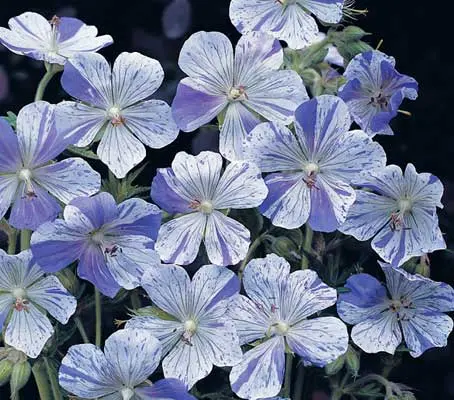
“Splish Splash” is a fascinating, rare and prized border plant and one of the most beautiful, striking and unusual perennial geraniums. Very easy to grow, the clumps of divided foliage are topped with mauve-blue splashes and flecks on pure white petals, each petal appearing to be individually designed and painted.
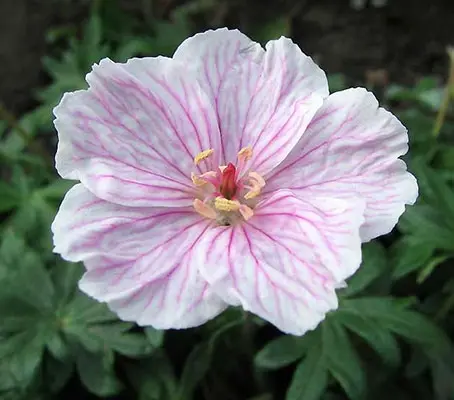
‘Vision Light Pink’ produces masses of large luminescent light pink flowers with red veins from early spring through to late summer. This long-lived, drought-tolerant perennial is useful as a small scale groundcover and in mixed borders. Use it in rock gardens, stone walls or even in container plantings.
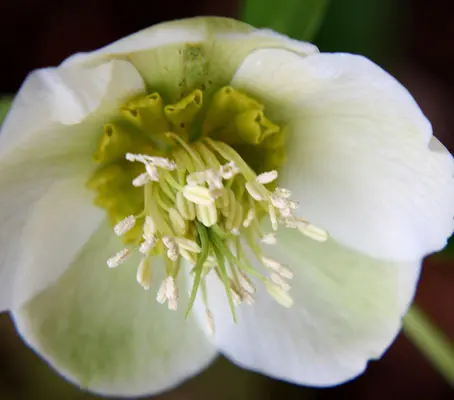
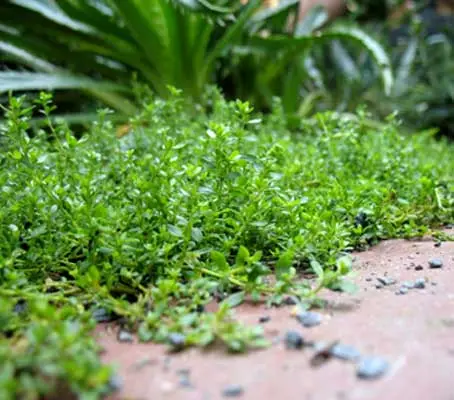
Helleborus niger is smaller and more compact than any of its relatives and is the first in bloom, producing a succession of delicate white flowers throughout winter. It is a welcome sight when the snow thaws to see something so pretty in bloom.Herniaria glabra is a relatively unknown perennial that deserves to be used more often in our gardens. The nursery industry calls it ‘Green Carpet’ and well they should. This lovely bright green creeper spreads effortlessly in all directions. An excellent choice for between flagstones or as a lawn substitute.
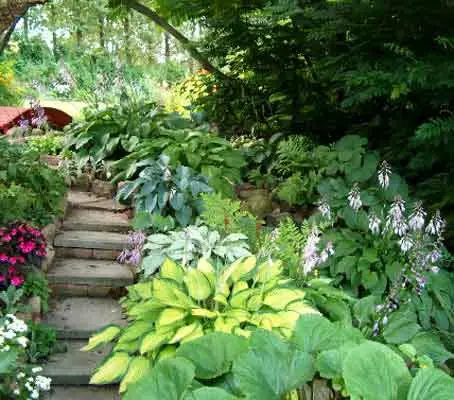
Hosta are grown predominantly for their outstanding foliage, from leaves as small as a teaspoon up to those larger than a dinner plate, colours range from deep blues to silvers, darkest shiny greens to bright yellows, from a single solid hue to the myriad of variegations the choice is almost overwhelming.
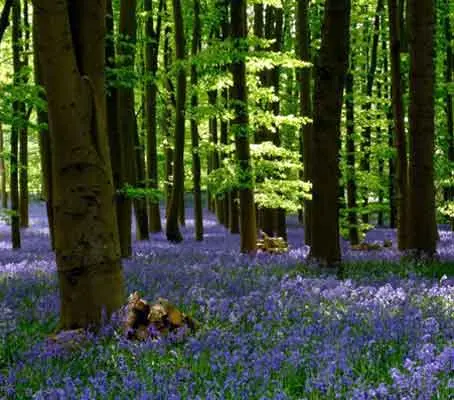
A deep blue carpet of bluebells is an unforgettable sight to anyone visiting many of our native woodlands. The spring spectacle of seeing a wood not only greening, but also ‘blueing’ is one of the joys of the year. When bluebells are in flower, spring has truly arrived.
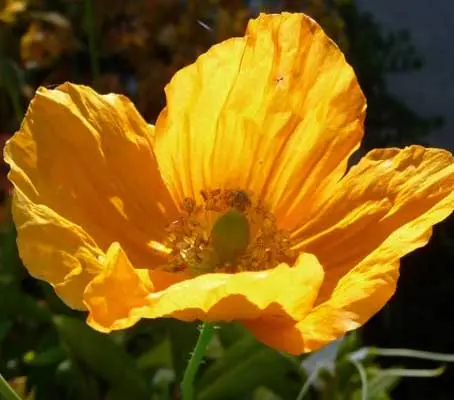
The Meconopsis genus contains some of the most exquisitely beautiful of all flowering plants. M. cambrica is the easiest to grow, and is reliably perennial. The delicate cup-shaped, golden-yellow flowers are borne in abundance from late spring to early autumn.
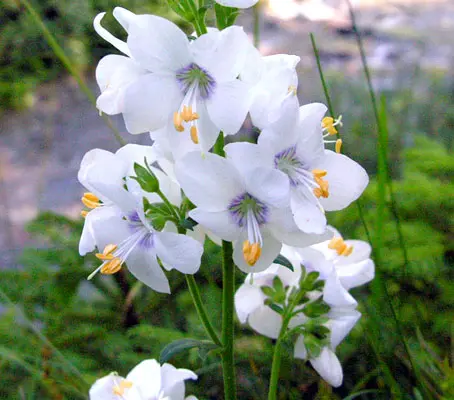
The white form of the lovely Jacobs Ladder, named after the slender, fresh green leaflets arranged like the rungs of a ladder. Blooming in late spring to early summer, the bright foliage and white flowers will brighten shady locations. Both the flowers and the attractive ferny foliage are excellent for cutting.
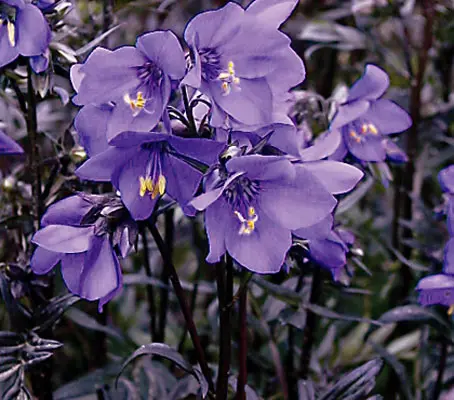
Collected at altitude in Japan and introduced in 2006, Polemonium yezoense ‘Purple Rain’ is one of the best new introductions in recent years. With bronze-purple lacy foliage, dark stems and violet-blue flowers, it is the darkest flower form of Polemonium available.
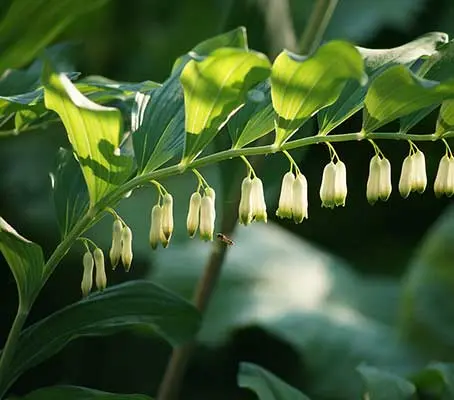
Whether you know this plant by its scientific name Polygonatum, or the more poetic variant Solomon’s Seal, this plant is a welcome addition to the shade garden. The bright green elliptical leaves look wonderful amongst native ferns.
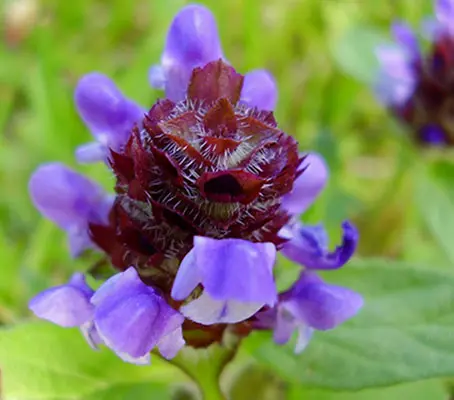
Prunella vulgaris is an interesting and quite beautiful little wildflower plant. The plants produce pretty blue-violet flowers in summer, the flowers freely produce nectar and are highly attractive to bees. If you’re looking for something to add to a meadow garden, or something for those shady areas this is the plant for you.
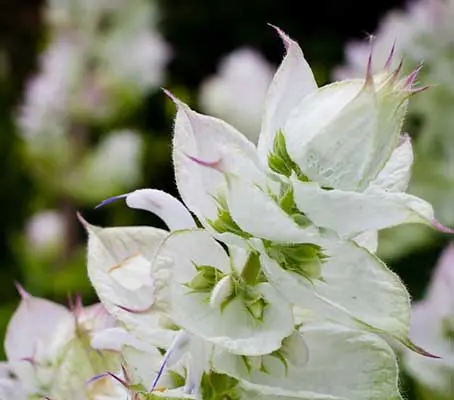
Salvia sclarea var. turkestanica ‘Vatican White’ is a choice white cultivar that is not that easy to find. A nobly architectural Sage, each of its branched stems is topped with a profusion of blossoms with brilliant white bracts. The flowers are attractive and are boosted in impact by the large petioles that surround them.
This hardy biennial Sage has been grown in almost every botanical sanctuary in human history and has many plus points: it grows well in poor soil resists slugs and other beasties, and doesn’t slump or need staking. It copes well in sun or light shade and the blooms are a magnet for bees and butterflies.
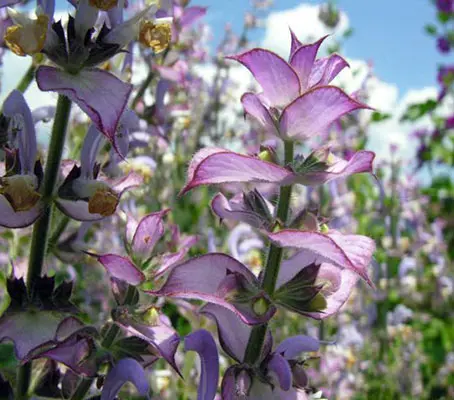
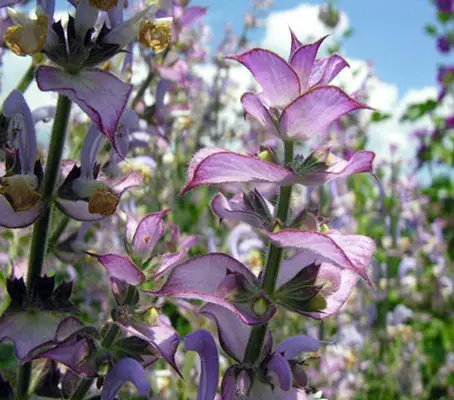
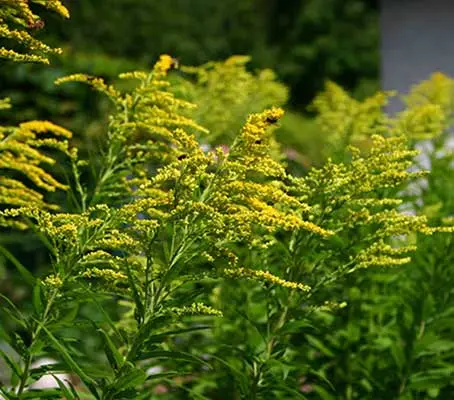
This hardy biennial Sage has been grown in almost every botanical sanctuary in human history. Each stem is topped with a profusion of pale blue blossoms and large pinkish white bracts. A truly architectural plant. Organic Seed.Solidago canadensis ‘Golden Baby’ is an easy to grow hardy perennial that bears flat-topped clusters of golden-yellow plumes. Growing to around 60cm tall they are perfect for borders or containers and provide end-of-season colour. Given an early sowing they will bloom in their first year.
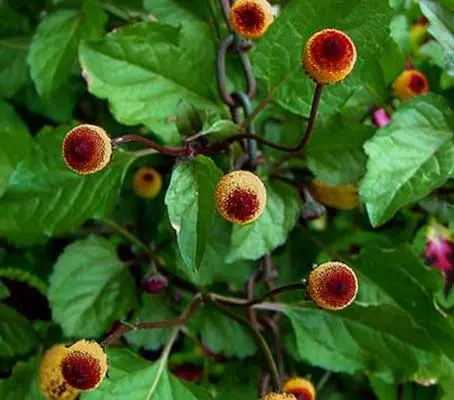
Spilanthes acmella is a unique and versatile plant that will add texture and interest to your garden. Used by herbalists, the pretty yellow and red cone-shaped flowers and leaves have properties similar to Echinacea and has numbing properties when the leaves and flowers are chewed.
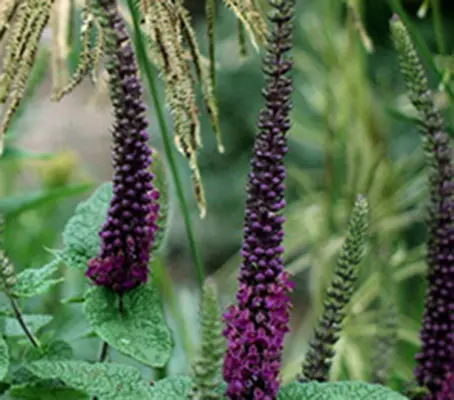
Summer-blooming spiky flowering plants – in garden design parlance ‘the verticals’. We all need some, and there are lots of contenders, but a plant that can go just about anywhere in the garden, cope with almost all situations and bloom with copious plush spikes over several weeks is a very rare treat.
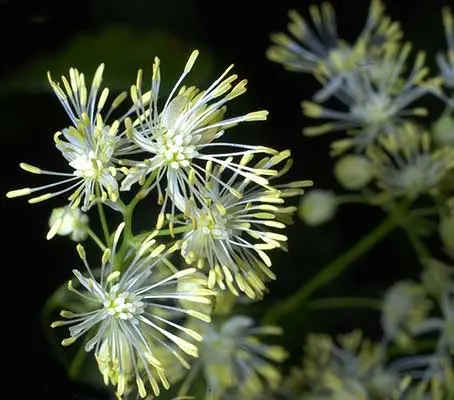
Thalictrum lucidum is a less well known species of meadow rue, it sports luscious deep green, fern-like foliage. In mid-summer the plant is festooned with a superb array of fragrant flower stems, topped with airy puffs of soft cream flowers each with bright yellow stamens.
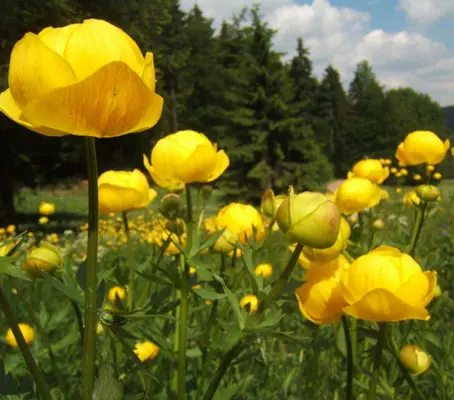
Trollius europaeus is a beautiful native wild flower of Europe and Western Asia. Found in damp ground in shady areas, it is a most attractive plant with dark green, deeply cut leaves and bears flowers, best described as egg-yolk yellow in colour.
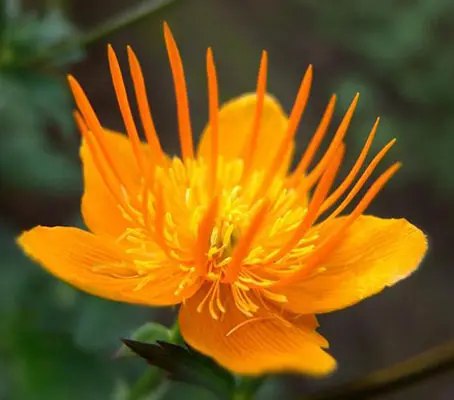
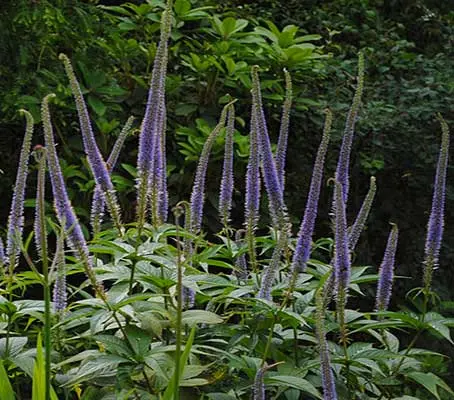
Trollius ‘Golden Queen’ has strong erect stems, rising up to three feet from out of its clump of serrated foliage. Each stem is topped by the largest brightest tangerine blossoms. Excellent for bouquets and magnets for butterflies and bees.Gardeners are often looking for good solid perennials that will have attractive flowers, be easy to take care of, grow nicely but not take over the garden. One group of plants that should be considered is the Veronicas.
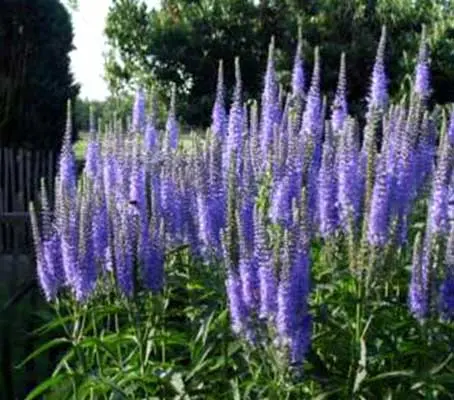
Veronicastrum is one of the most fashionable plants around. It is an excellent genus, full of hardy, trouble-free plants. The multiple tapering, soft spikes of white flowers look like elegant, living candelabras.
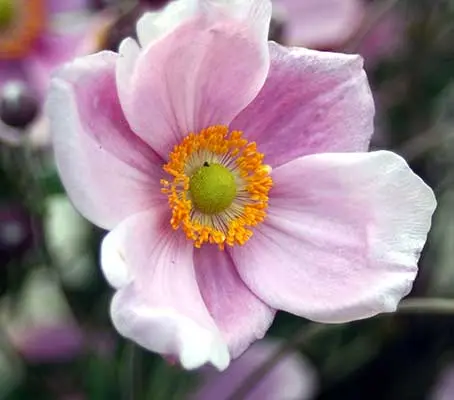
Japanese Anemones bloom with gently cupped flowers in white through pale pink into pinkish purple. Blooming from August to late October, they help push the show into autumn and provide colour when most gardens begin to fade.
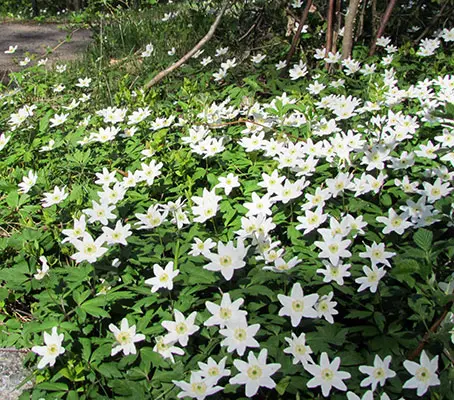
On a sunny day at the end of winter, when the branches of the trees are still bare, the sight of shady banks and glades lit by the white stars of the Wood Anemone leave you in no doubt that spring is truly here.
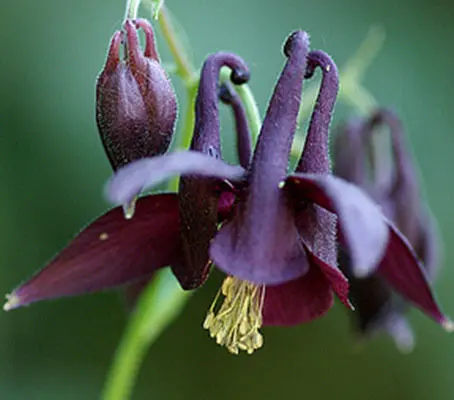
Aquilegia atrata is native to the alpine meadows and forests of Switzerland and Northern Europe. With many branching stems of deepest coloured, almost black flowers it is an outstanding, highly sought species which would be a showstopper in any garden.
€2.55
€2.65
€2.35
€2.65 – €7.95Price range: €2.65 through €7.95
€2.25
€2.10 – €5.95Price range: €2.10 through €5.95
€2.95
€2.95
€3.45
€2.75
€3.75
€2.95
€2.75
€2.25
€2.20
€2.45
€2.35
€2.65