 Skip to content
 Sort by:
Sort by:
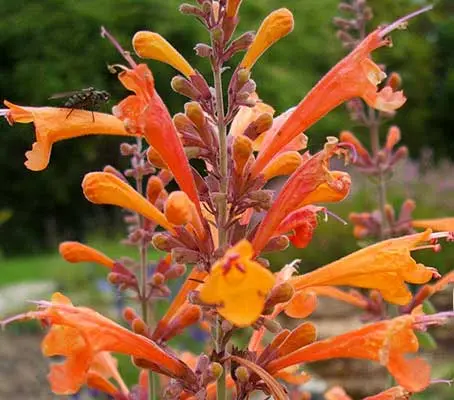
Jewel of the Sierra Madre
It is only within the past decade that a number of new noteworthy members of the genus Agastache have emerged from botanical obscurity. ‘Apricot Sprite’ is an outstanding perennial that provides a sizzling blast of tubular, peachy-apricot flowers. Compact and quick growing, they flower in the first year from seed.
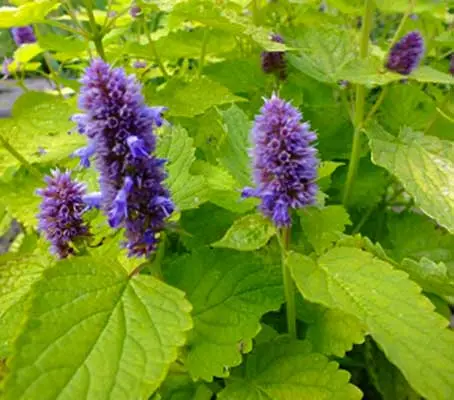
Mexican Hyssop, Hyssop-Anise
Originally bred by and developed in Japan, Agastache ‘Golden Jubilee’ was named to honour Queen Elizabeth II’s 50th year of rule, celebrating the Golden Jubilee in 2002. This bright gold-chartreuse beauty has one of the most remarkable leaf colour of any plant. Offering late season punctuation the flowers are a powerhouse source of nectar and pollen for bees, butterflies and other beneficial insects.
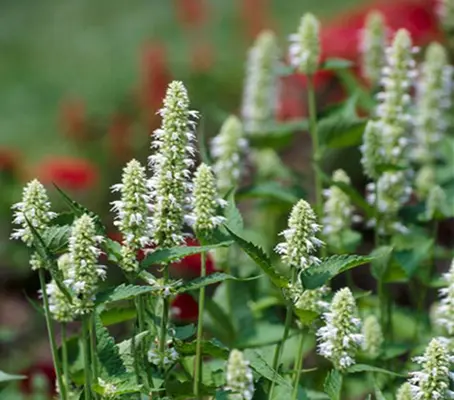
Korean Mint, Huo Xiang
Agastache ‘Liquorice White’ has tall spikes of white lipped flowers and like all Agastache produces copious amounts of nectar for bees and butterflies to feast upon. Flowering late in the season, it is a boon for building up bees’ honey reserves before winter and will produce a honey surplus where drifts are grown.
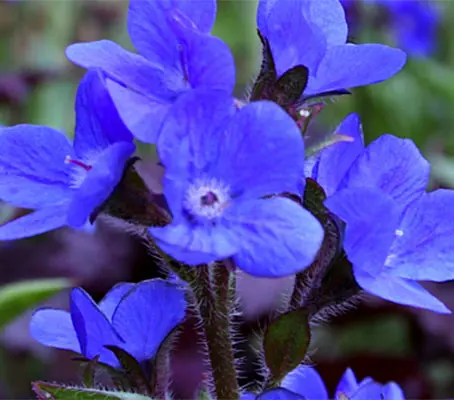
Aka Anchusa azurea or Italian Bugloss
Anchusa ‘Dropmore’ is a 1905 selection that is still available today. They will thrive in a sunny border, are much loved by almost all bee species and make a great companion to rich plums and purple tones.
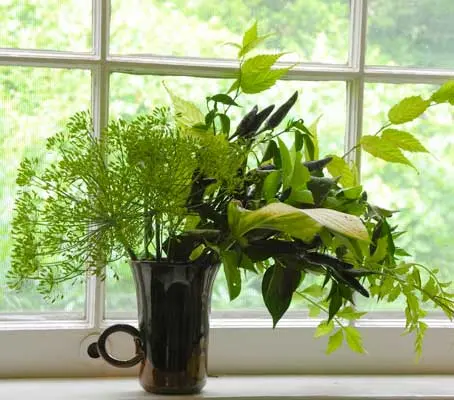
Florists Dill or Compact Dill
‘Mariska’ is a little known compact variety of Dill often referred to as ‘Florist’s Dill’. With starry bright yellow flower heads and abundant foliage it is an excellent variety for use as a cut flower, yet is still a great variety for the kitchen.
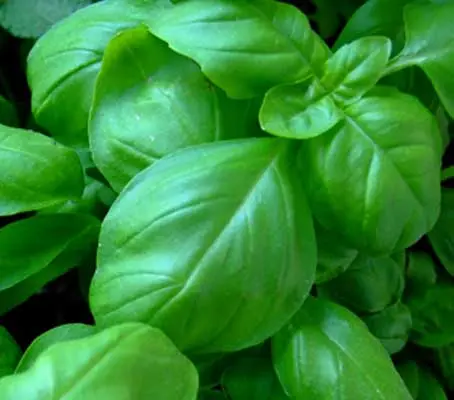
Basil, Heritage (Italian, Pre 1879)
Sweet Genovese is often associated with Italian cuisine. Basil is native to the region surrounding the Mediterranean Sea. This delicate herb has with an intense, spicy-sweet, aroma and a slight anise-like undertone. It is THE Basil for pesto and a wonderful companion plant.
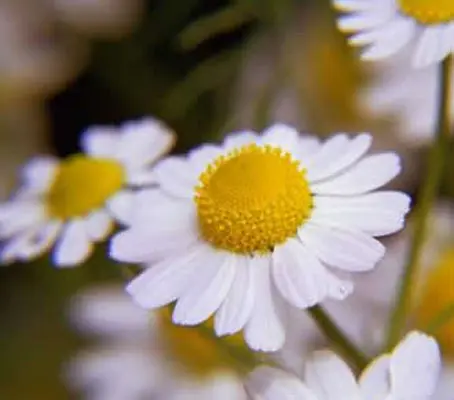
English or Lawn Chamomile
Also spelt Camomile
Camomile is a most useful plant. It can be used to make beautiful lawns and raised beds, an infusion of the plant is an ideal family remedy, calming and sedative, perfect for restlessness or travel sickness, while for gardeners the tea is effective as a spray to prevent ‘damping-off’ of seedlings
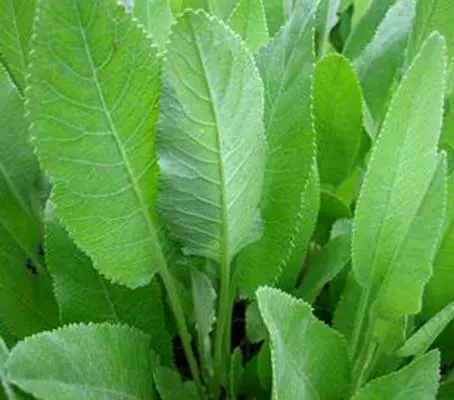
Herbe Sainte-Marie, Alecost
Costmary is one of the most interesting and complex of all herbs. With an aroma which has been described as like garden mint with hints of balsam it can be used for many purposes, culinary, medicinal or ornamental.
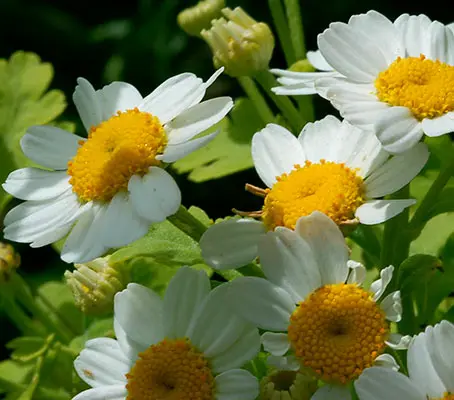
Whether your interest lies in medicinal herbs or simply its decorative qualities, growing Feverfew can be a welcome addition to any garden or allotment. Feverfew is a good companion plant and a natural insect repellent. Ideal for planting around outdoor seating areas and pathways
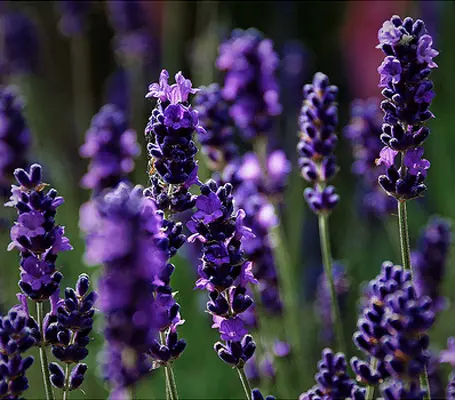
English Lavender
 The deepest purple of all and one of the most popular lavenders is ‘Hidcote Blue’. A compact variety, suitable for growing in borders or as dwarf hedging, with dense silver-grey foliage covered in fragrant, dark purple-blue flower spikes in mid-summer.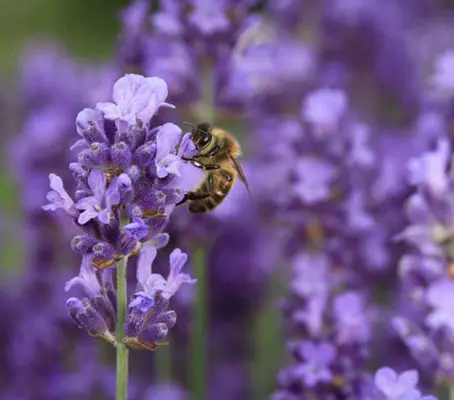
True English Lavender, Old English Lavender
Lavendula angustifolia is an excellent plant for low informal hedging and as a specimen evergreen for borders and formal gardens. Flowering generally begins from mid to late June to early July. The flowers have a rich sweet scent and are highly attractive to bees and other beneficial insects.
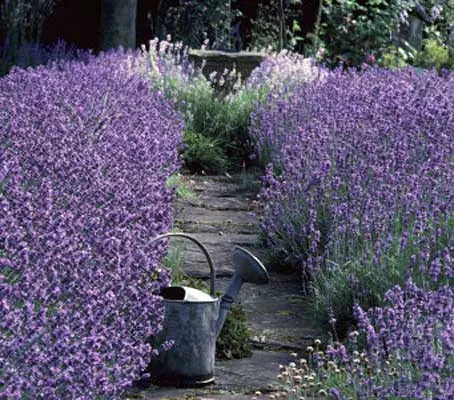
Dwarf English Lavender, Hedge Lavender
Munstead Lavender is a fragrant robust English lavender that, due to its short size and tightly held blooms, makes a great hedge. It flowers profusely in the spring, after which a good pruning will provide an attractive grey bush with highly aromatic leaves.
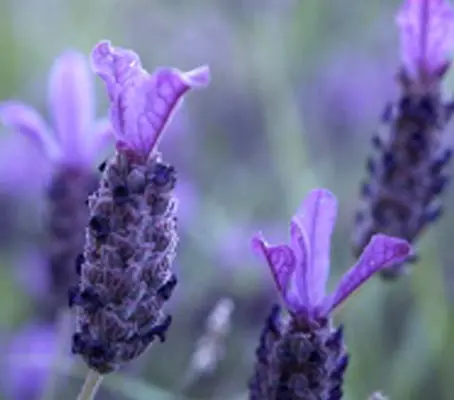
Butterfly Lavender, Spanish Lavender (US)
Lavender stoechas is an old variety, cultivated for more than 400 years, it is a favourite both for its intense fragrance and for the short dense flower spikes. French Lavender blooms from spring to frost and has a good clean scent. 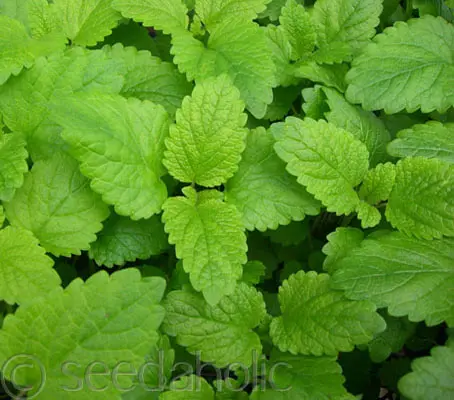
Bee Balm Sweet Balm, Balm Mint, Blue Balm.
Melissa officinalis or ‘Lemon balm’ is a highly-scented herb, best known for its use in tea, but this very special herb has a number other uses. If you enjoy the liquors Benedictine and Chartreuse you may find the taste familiar as lemon balm is an ingredient in both.
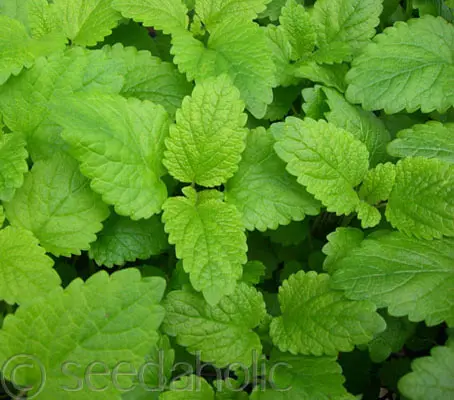
Bee Balm, Sweet Balm, Balm Mint, Blue Balm.
 Lemon balm is a very special herb with a number other uses. The leaves have the scent of lemon with a hint of mint. It is refreshing served in summer drinks such as Pimms or lemonade, use to flavour fruit, in sorbets and deserts or with a green salad. Organic Seed.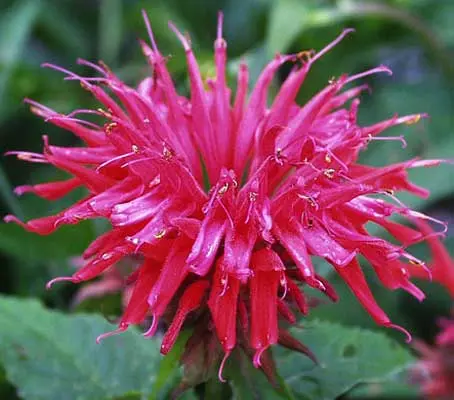
Bee Balm, Bergamot. Oswego Tea, Horsemint
‘Panorama’ must be rated a marvelous achievement in the perfection of the whorls of flowers and the brilliance of the colours. In many shades of scarlet, bright red, pink, salmon and crimson, each plant bears up to 20 long stems. They are as long-lasting as they are dramatic and excellent for cutting.
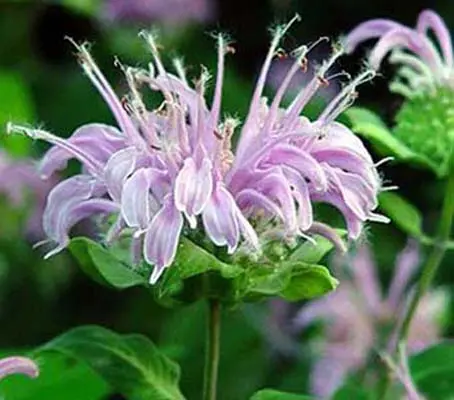
Bee Balm, Oswego Tea, Horsemint
Monarda fistulosa, also known as Bergamot is famed for its medicinal qualities. While in the perennial border these lovely plants produce a mass of mauve-purple blooms (even in their first year from an early sowing) and have uniquely scented foliage. Highly attractive to bees and butterflies.
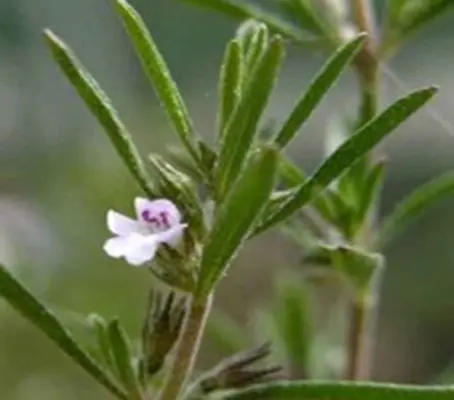
Summer Savory, Garden Savory
‘Midget’ is an excellent compact variety of Summer savory. This fast-growing annual provides an abundant supply of leaves that are so tender they can be added fresh to salads. It shines as a seasoning for roasting meats, fowl and fish.
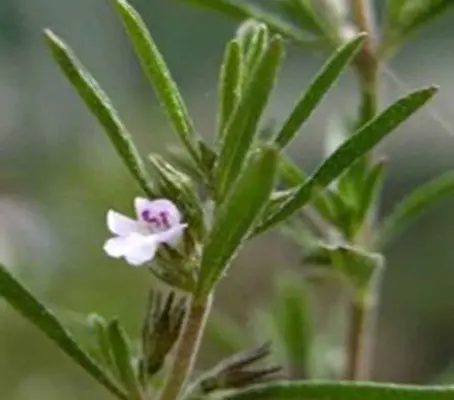
Summer Savory, Garden Savory
The leaves of Summer savory are so tender that they can be added fresh to salads or used as a garnish. Used in herb combinations it brings out the best in stews and vegetable dishes, and shines as a seasoning for roasting meats, fowl, and fish. Organic Seed.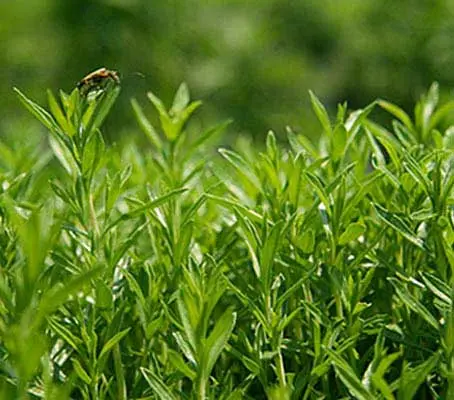
Mountain Savory, Garden Savory
Winter savory, the perennial savory has the same properties as its summer relative Summer savory, although it has a heavier aroma and a sharper pine type flavour. The small perennial shrubs are semi-evergreen, retaining their leaves in all but the coldest gardens and remain useful all year round.
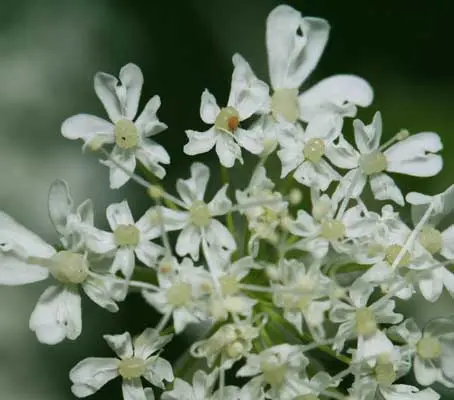
Garden Myrh, Anise
Sweet Cicely is an attractive plant that is a striking component of herb gardens and hedgerows. Growing to around 90cm, umbels of tiny white flowers appear from spring to early summer. Formerly a widely cultivated culinary herb, the fern-like leaves are deeply divided and smell of aniseed when crushed.
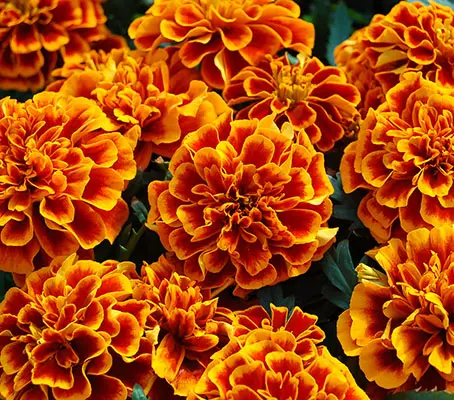
French Marigold
 Tagetes patula ‘Queen Sophia’ is an extremely popular, award winning variety that was introduced in the early 1900’s. Gorgeous to the point of excess, it produces semi-double blooms. Deep orange-to-russet petals that are intricately edged with russet and gold.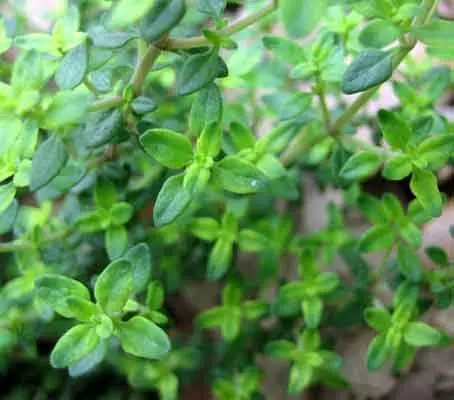
English Winter Thyme, Garden Thyme
Thymus vulgaris ‘Winter Thyme’ is one of the savory herbs, which are main course herbs used to flavour hardy meals, bone warming soups, and piquant sauces. They blend their essence with other savory herbs like Tarragon and Savory to create some memorable flavours.
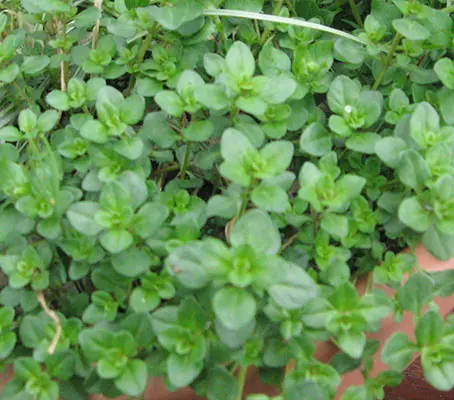
Thyme de Provence
Aromatic French Summer Thyme has more narrow, pointed leaves with a bit of a grey tint. The famed culinary thyme from France, it is higher in essential oil content than other varieties and reputedly the most flavoursome Thyme you can grow with a stronger and sweeter taste.
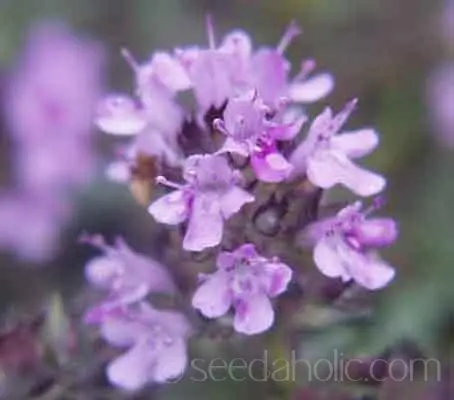
Wild thyme
Thymus serpyllum is one of the most versatile groundcovers. Forming dense evergreen cushions of flowers these low maintenance plants don’t require mowing, watering or care, and can take a lot of abuse. Its leaves can be used as a culinary herb and its uses in the garden are almost unlimited.
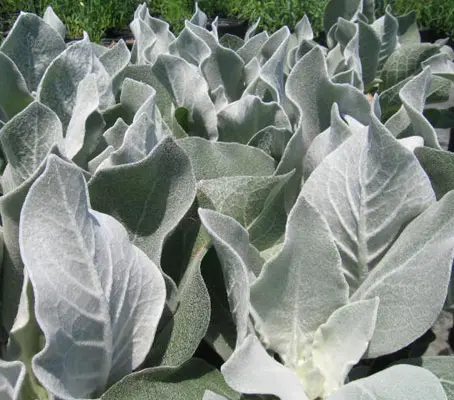
'Polar Summer', 'White Bride' or 'Silver Lining'
One look at this species of Verbascum and you will realise why it is also called ‘Arctic Summer’. Tall, white, fleecy flower stems emerge from felted evergreen leaves in early summer. Its stems and leaves are covered in a silvery down that gives it an appearance of being permanently covered with frost.
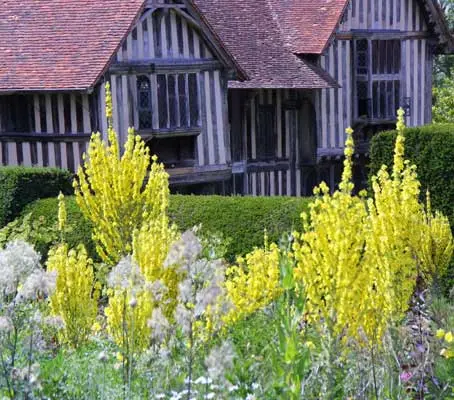
Mullein
Verbascums are statuesque in both foliage and flower. This elegant species, native to the Olympus mountains is arguably the finest of the genus. Tall flower spikes rise from the centre of the foliage, each are weighted heavily with bright, golden-yellow blooms giving the effect of an enormous candelabra.
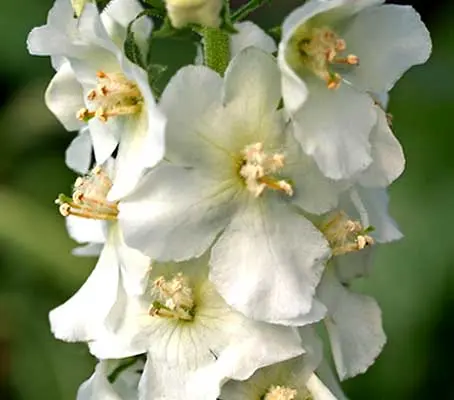
Also marketed as 'White Bride'
The poise of the lovely Verbascum phoeniceum ‘Flush of White’ makes this plant a natural candidate for the front of the border, even though its height might suggest, that it should go at the back. In summer winds, which snap off delphiniums and toss sunflowers awry, the Verbascum stands defiant.
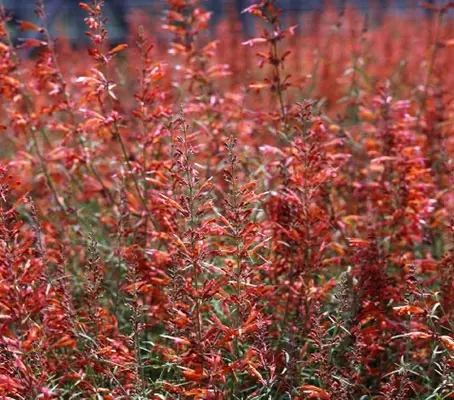
Aka Navajo Sunset. The Sunset Hyssop
Agastache are very seductive. You start with one, and the next thing you know, you’ve got ten and are wondering how you can sneak another one in. ‘Apache Sunset’ with coral-peach blooms and rose and violet buds is just gorgeous and, of course, extremely tempting.
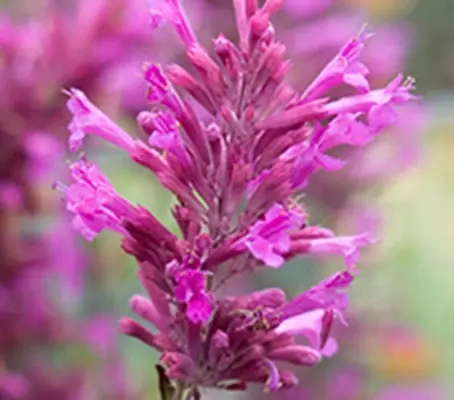
Mosquito Plant, Hummingbird Mint.
Agastache ‘Heather Queen’ is a dynamic landscape plant and a particularly beautiful form. Dark pink tubular flowers on tall stiff stems from mid-summer until late autumn. Pollinators are drawn to the fragrance, the intense coloration and their sweet nectar.
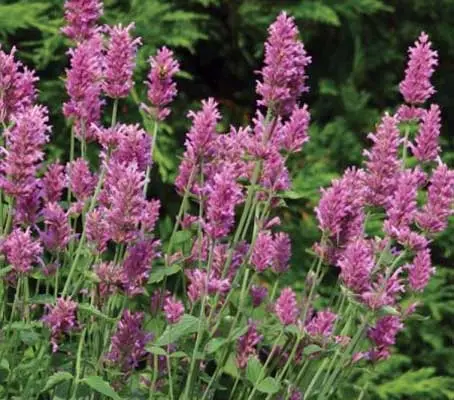
Agastache ‘Arcado Pink’ is a magnificent first year flowering perennial. An extremely floriferous variety with lovely purple-pink flower spikes and fresh green aromatic foliage. This Fleuroselect Novelty Award Winner is both vibrant in colour and stamina. The aromatic leaves are edible, young growth can be sprinkled in salads, used to decorate cakes, to make a tea or floated in drinks. Agastache added to your Pimms lifts it to a higher sphere altogether.
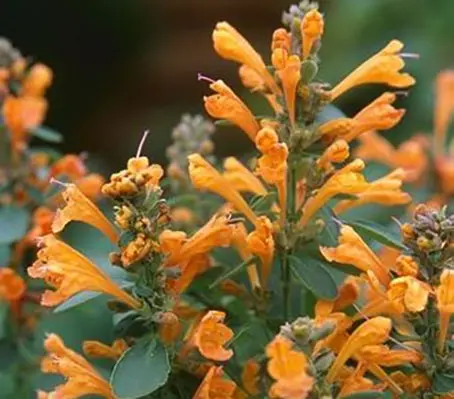
The Arizona Agastache Collection
The Arizona Agastache Collection has been specially bred for their compact habit, extensive flowering time and strong heat tolerance. In three fabulous colours, ‘Arizona Sandstone’ produces delicate golden yellow flowers. The elegant spires and delicate foliage create a haze of colour all summer and into autumn.
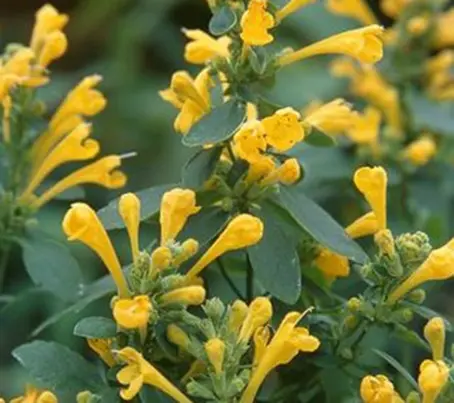
The Arizona Agastache Collection
The Arizona Agastache Collection has been specially bred for their compact habit, extensive flowering time and strong heat tolerance. ‘Arizona Sun’ produces elegant spires of golden yellow. Pick a sprig or two and bring indoors to enjoy in a vase. The flowers are also edible, and will colour a salad beautifully.
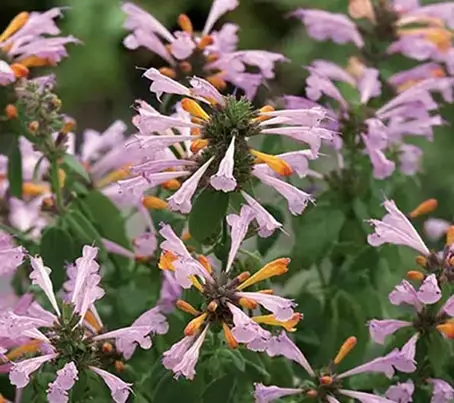
The Arizona Agastache Collection.
The Arizona Agastache Collection has been specially bred for their compact habit, extensive flowering time and strong heat tolerance. ‘Arizona Sunset’ produces delicate blooms in sunset colours of pink, lavender and peach. The elegant spires are ideal for providing long lasting colour and act like magnets to bees and butterflies.
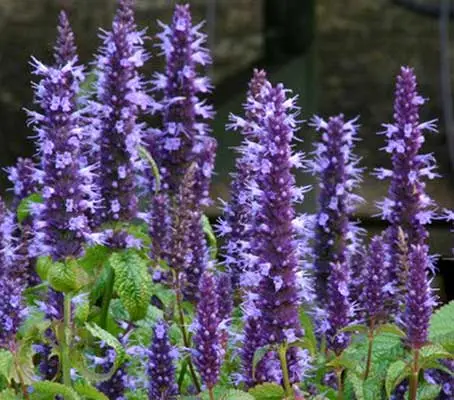
‘Astello Indigo’ is the most exciting breakthrough in Agastache yet. Awarded Europe’s coveted Fleuroselect Gold Medal, it is ideal for Northern European-type climates, they are at their best in more temperate conditions.
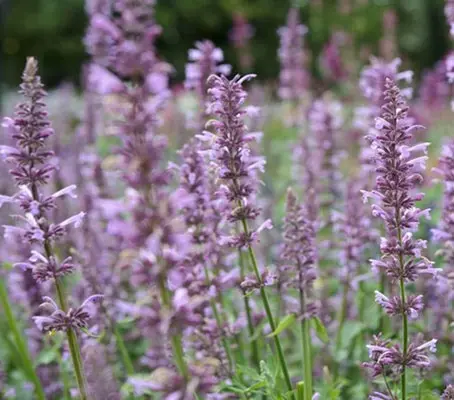
Rose Mint, New Mexico Giant Hyssop
Agastache pallidiflora produces a continual mass of lavender-rose, scented flowers from June to September. The soft, touchable flower spikes must be one of the prettiest flowers of all this pretty family. Exceptionally long-flowering, they will flower in the same year given an early sowing and can be used as an annual.
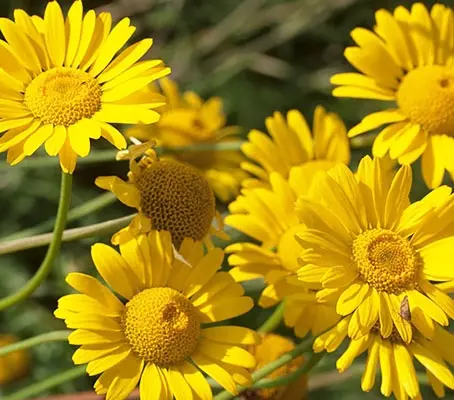
Golden Marguerite or Golden Chamomile.
In horticulture Cota tinctoria is still widely referred to by its synonym Anthemis tinctoria. This beautiful aromatic, hardy perennial that is fast to flower and often used as a biennial produces masses of golden yellow daisies from June through to September. Historically used for natural dyeing, this is an ideal plant for naturalised and pollinator friendly plantings. Organic Seed. 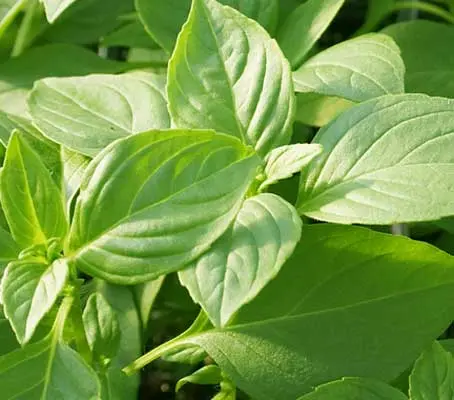
Mrs. Burn's Lemon Basil
Mrs Burns’ Lemon Basil is a legendary heirloom, nothing short of an idol among fine chefs and gardeners alike. With the strongest aroma and flavour of all the lemon basils, the scent is powerful, resinous, and oily, followed by spicy cinnamon, with a strong floral note. It has a concentrated lemon oil taste, with mild spice and mint. 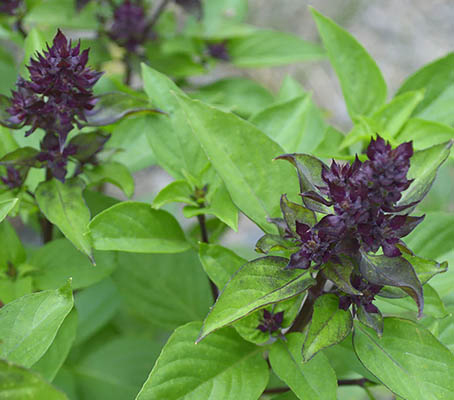
Basil
Part of the ornamental Spice Boys range, Basil ‘Queen of Sheba’ is one of the most ornamental varieties available. Intense purple flowers on tall flowering spikes rise above bright green, highly aromatic foliage. In the kitchen it is particularly well suited to Thai and Asian cooking, though it works just as well stirred through a simple pasta or tomato sauce.
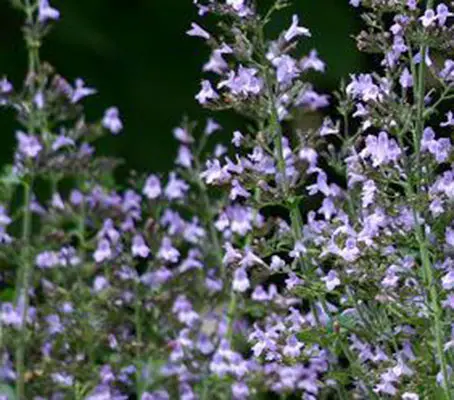
Calamint, Mountain Balm, Nepitella
Calamintha nepeta is a very attractive bushy, perennial that should be in every garden. Easily grown from seed with clouds of tiny, lilac-mauve flowers that bloom until late September. The leaves exude a lovely minty scent when crushed and the flowers are true bee pasture.
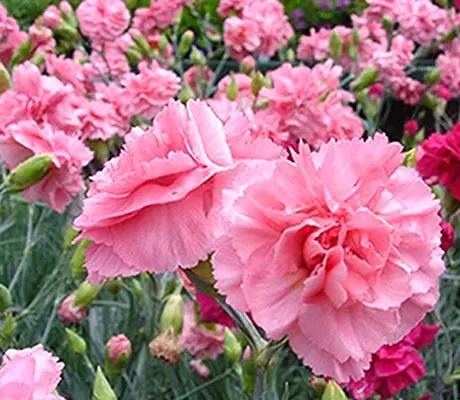
Vintage Florists, Scented Carnation
Developed for florists for use as a cut flower, the super tall stems of Dianthus ‘Chabaud Aurora’ display the most beautiful range of coral, salmon, blush, pink and cherry flowers. They will provide a continuous harvest of blooms for cutting from the end of April until the end of September.
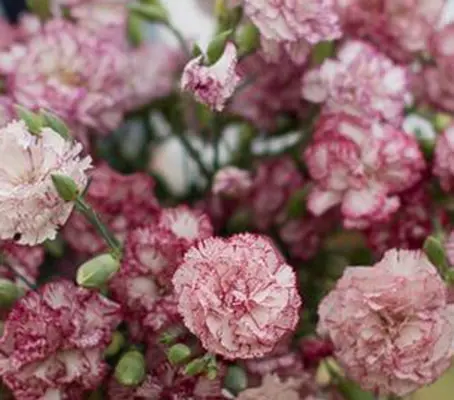
Vintage Florists, Scented Carnation
Dianthus Chabaud is a vintage carnation, developed for florists around 1904. With long stems, they are famously scented and provide a continuous harvest of blooms from April until September. Deliciously coloured, the creamy white petals of ‘Benigna’ are outlined with the fruitiest of plums and raspberry reds.
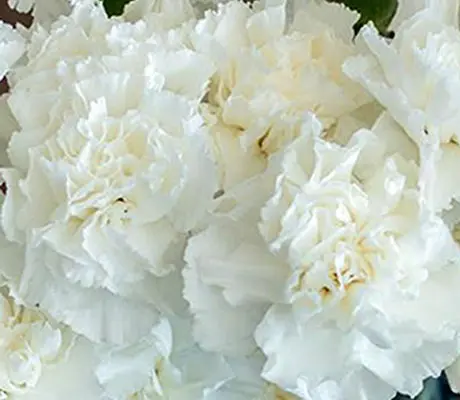
Vintage Florists, Scented Carnation
Boasting ruffled white petticoat-like blooms on strong stems, Dianthus ‘Chabaud Jeanne Dionis’ has the fullest of flowers. An ideal cut flower and perfect for wedding work, they will bloom all summer long from an early sowing.
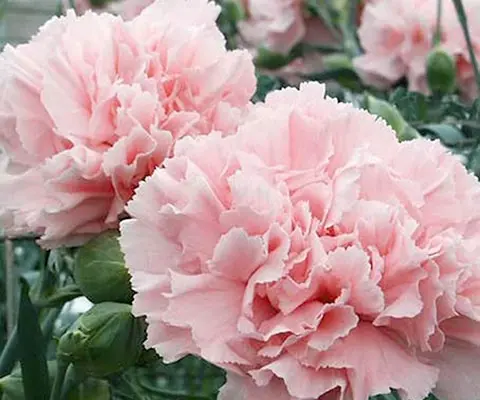
Vintage Florists, Scented Carnation
Developed for florists for use as a cut flower, the super tall stems of Dianthus ‘Chabaud La France’ are topped with blooms in the most delicate shades of seashell pinks to creamy blush. They will provide a continuous harvest of blooms for cutting from the end of April until the end of September.
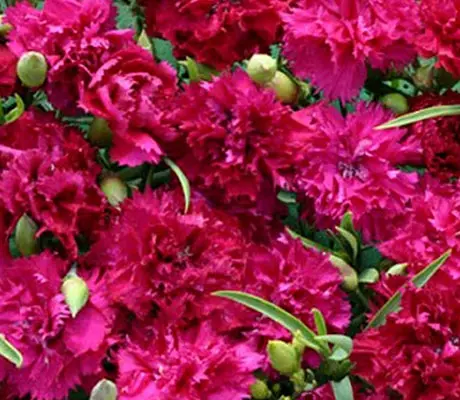
Vintage Florists, Scented Carnation
‘Chabaud Magenta’ provides armfuls of deep magenta, frilly double blooms with the spicy fragrance of clove. Pronounced shab-o, they were developed specifically for florists for use as a cut flower. With a heavenly scent, tall stems and an extremely long vase life.
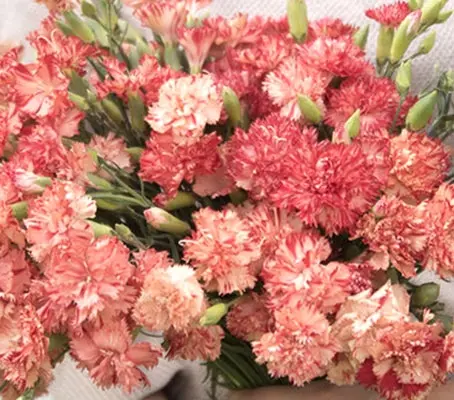
Vintage Florists, Scented Carnation
Developed for florists for use as a cut flower. Dianthus Chabaud is a vintage carnation that dates back as early as 1904. Displayed profusely on slender, sturdy stems, the apricot and soft orange blushing petals of Chabaud ‘Orange Sherbet’ are striped with dark raspberry red and coral.
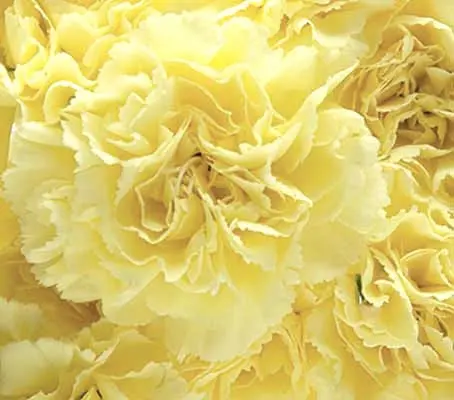
Vintage Florists, Scented Carnation
Hardy, tough and very easy to grow, Dianthus Chabaud were developed for florists for use as a cut flower and will provide a continuous harvest of blooms for cutting. ‘Marie Chabaud’ provides armfuls of delicate, pale lemon yellow, frilly double blooms.
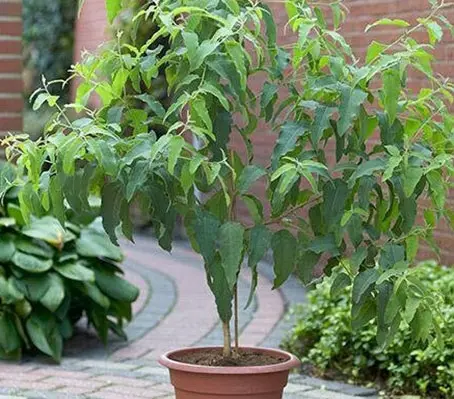
Syn: Corymbia citrodora
Eucalyptus citriodora is a beautiful, fast growing species with sword shaped leaves that have an amazing citrus fragrance when crushed. the essential oils mainly consist of 80-90% citronella – at outdoor events a lush garland helps keep insects at bay.
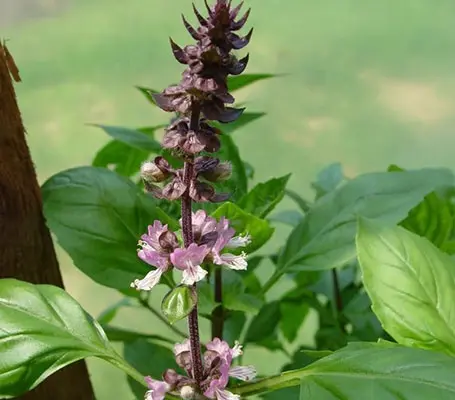
Sacred Basil, Purple or Red Holy Basil
Holy basil, also called Tulsi or Sacred Basil has highly aromatic, narrow oval leaves and pink flowers with a perfumed fragrance. This reddish-purple tinted plant exudes a delicious, sweet, clove-like aroma. The hotter the summer, the deeper the purple.
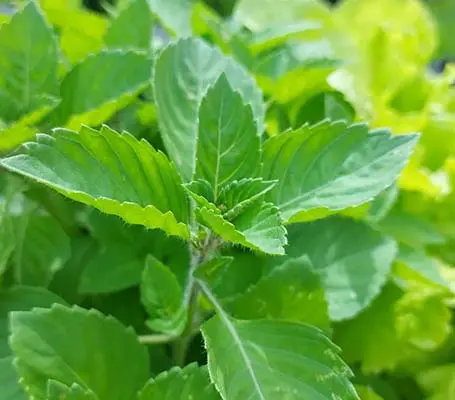
Sacred Basil, White or Green Holy Basil
Regarded as one of the most important plants used in Ayurvedic medicine, the ‘Light’ or ‘Rama Tulsi’ produces lots of flower spikes very early in the season, making it a nice ornamental plant as well as edible. The sweet aroma is very strong, even walking past it you can clearly smell its delicious scent.
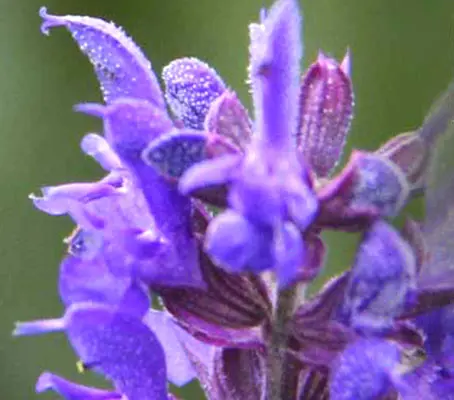
Blue Hyssop
Wildflower of Britain and Ireland
Hyssop famously attracts bees, hover-flies and butterflies. It makes excellent honey and is a must for any wildflower garden. Some beekeepers rub the hive with it to encourage the bees to keep to their home. In cooking, use the same way you would Rosemary. Organic Seed.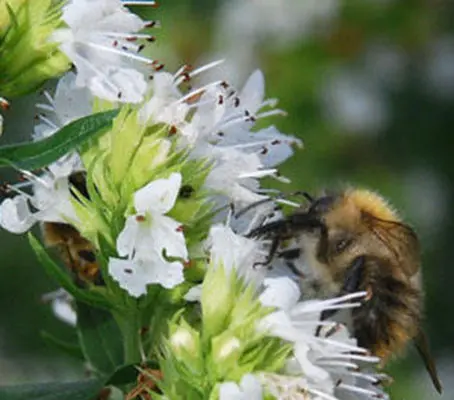
Pink Hyssop
Hyssopus officinalis ‘Alba’ is a much less well known variety of hyssop. Also known as ‘White Hyssop’ the plants sport bright white flowers from July to October. Widely used as a ‘taste enhancing’ herb or wildlife plant, the plants are a dark, vibrant green with a spiky, upright habit and narrow tongue-like leaves which have a peppery scent when stroked.
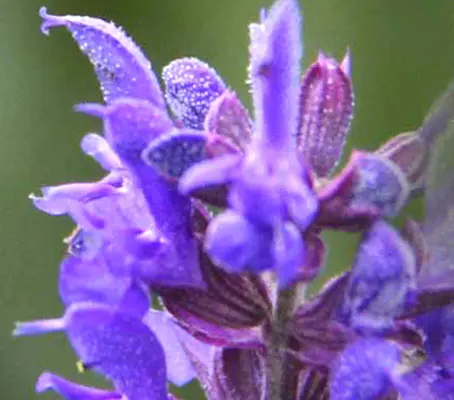
Blue Hyssop
Wildflower of Britain and Ireland
Hyssop is a strong-flavoured aromatic herb which is enjoying a revival with home gardeners. An ideal plant for use in containers or as a low hedge or border within the herb garden. Highly attractive to bees, it makes excellent honey and is a must for any wildflower garden.
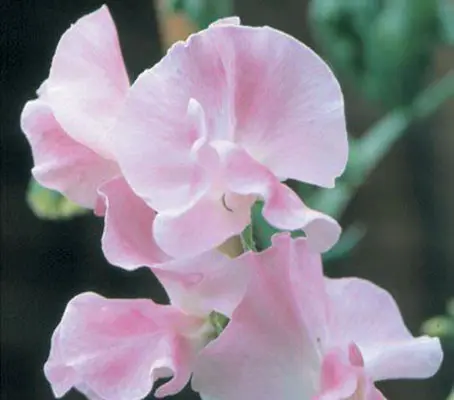
Grandflora Sweet Pea. 1901
Originally bred and introduced by a Mr Viner in 1901, Sweet Pea ‘Nellie Viner’ produces long stemmed blooms that have nicely rounded clear pink flowers and is also blessed with the most superb fragrance and make exceptionally fine cut flowers.
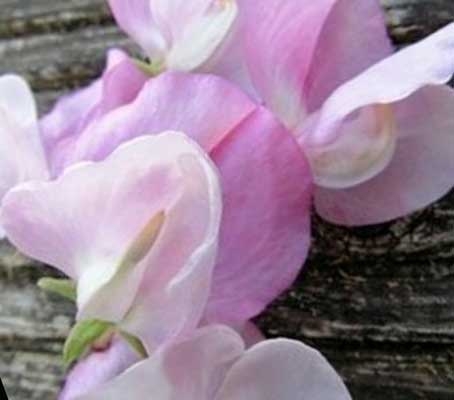
Grandflora Sweet Pea. 1896
Lathyrus odoratus ‘Prima Donna’ is a classic Grandiflora sweet pea introduced by Henry Eckford in 1896, during the golden age of sweet pea breeding. It bears rosy-pink blooms that deepen as they mature, each flower beautifully proportioned and carried two or three to a stem.
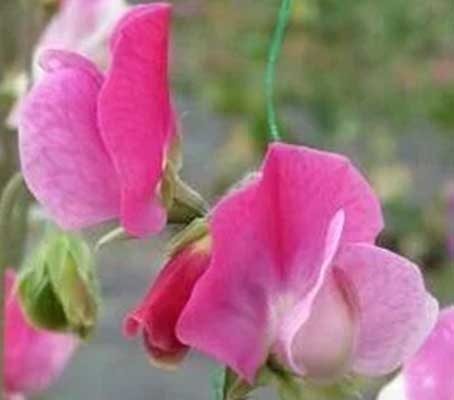
Grandflora Sweet Pea, Aka Sicilian Pink
An elegant Grandiflora sweet pea prized for its refined blooms, long graceful stems and heady perfume, Lathyrus ‘Sicilian Fuchsia’ shows a vivid cerise standard, flanked by paler pink wings, while the keel quietly remains a gentle, soft pink. The colours create a subtle, layered effect.
€2.50
€2.65 – €7.95Price range: €2.65 through €7.95
€1.95
€1.85
€1.95
€1.95
€2.75 – €9.75Price range: €2.75 through €9.75
€2.45
€2.45