 Skip to content
 Sort by:
Sort by:
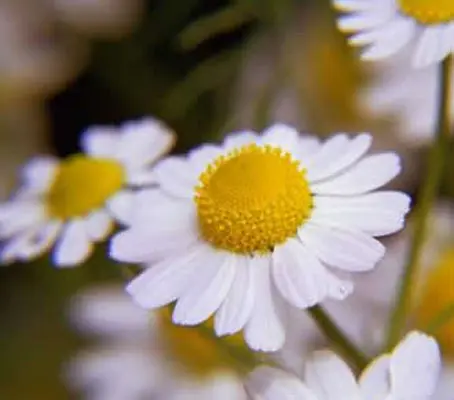
English or Lawn Chamomile
Also spelt Camomile
Camomile is a most useful plant. It can be used to make beautiful lawns and raised beds, an infusion of the plant is an ideal family remedy, calming and sedative, perfect for restlessness or travel sickness, while for gardeners the tea is effective as a spray to prevent ‘damping-off’ of seedlings
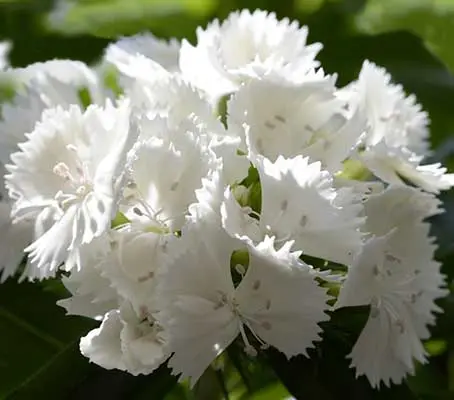
Poet's Pink, Sweet John, Sweet William
Intensely fragrant, with a delicious, sweet perfume, Dianthus barbatus ‘Alba’ is a pure white form of Sweet William. Absolutely beautiful and easy to grow, everybody can grow them to perfection.
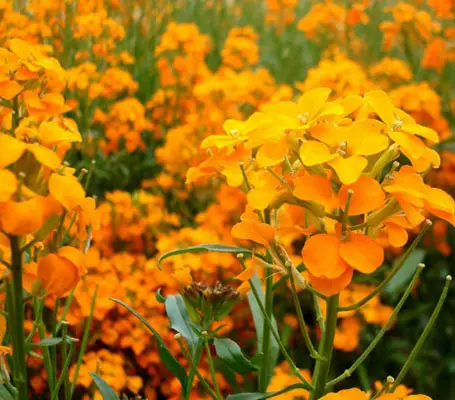
Siberian Wallflower
Siberian wallflowers are at their best in early to mid-May. With cheerful deep orange blooms, they are very easy to grow and combine well with other plants; indeed wallflowers demand companions and set the mind racing regarding potential planting combinations.
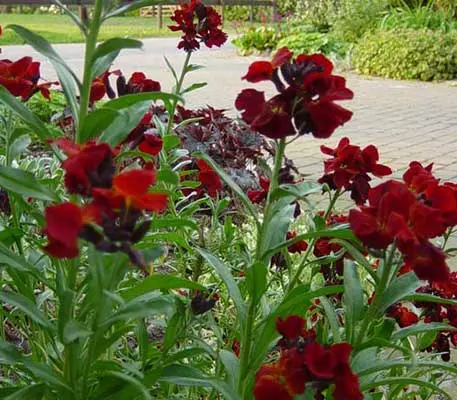
English Wallflower. Also known as 'Covent Garden'
This old English cottage plant is making a comeback, and no wonder. Blood Red’ is a favourite with gardeners, the astonishing, deep crimson, velvety red flowers they are sure to be a focal point. Ideal for borders and edging, they could also be used in large containers….and of course, walls!
English Wallflower
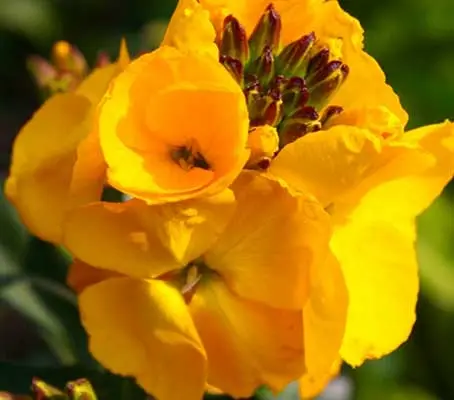
‘Cloth of Gold’ is a favorite with gardeners, each plant wears a cloak of the finest gold and the large golden-yellow flowers are filled with a sweet fragrance, from mid-spring and throughout summer. They are a perfect foil for daffodils and many other spring bulbs.
English Wallflower
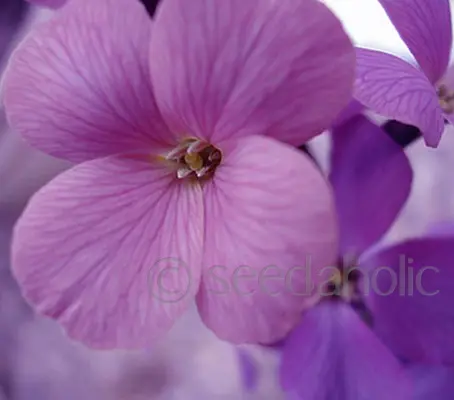
‘Fair Lady Mixed’ is a classic tried and trusted variety. Reliably hardy, this uniform mixture blooms in a wide range of colours, both pastels and bright colours and includes the more unusual dusky-pink shades. This marvellous; fragrant, floriferous flower is extremely easy to grow and very rewarding.
English Wallflower
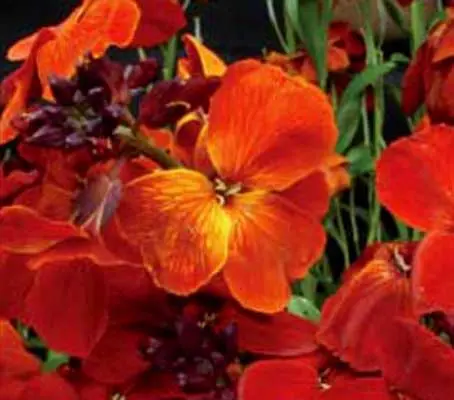
Erysimum (formerly Cheiranthus) cheiri ‘Fire King’ is another old and tried variety, with striking, flame-like, glowing orange-scarlet flowers. A compact variety with a bushy habit and a rich fragrance, they will supply the household with an abundance of cut flowers for many weeks.
English Wallflower
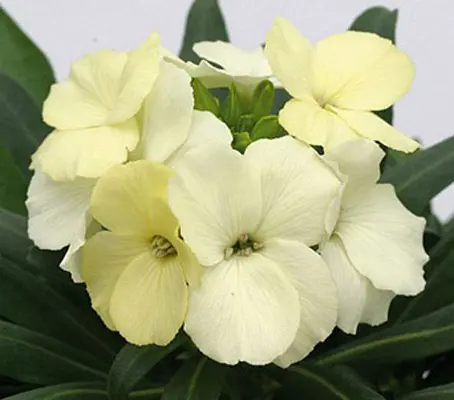
What spring garden would be complete without a bed of delightful, sweet-scented Wallflowers, harbingers of warmer weather to come? Erysimum cheiri, formerly Cheiranthus cheiri ‘Ivory-White’ is a fabulous form. A compact variety with a bushy habit which is ideal as an underplanting to tulips and other spring bulbs.
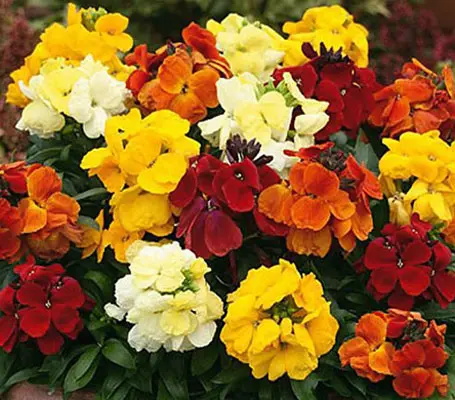
English Wallflower
 This is a classic Wallflower mixture, with the super rich colours you’d expect to see in a Persian Carpet (at a fraction of the cost!) purple, gold, orange, rose, cream and apricot. It is not without reason that this bushy variety so impressed the RHS judges.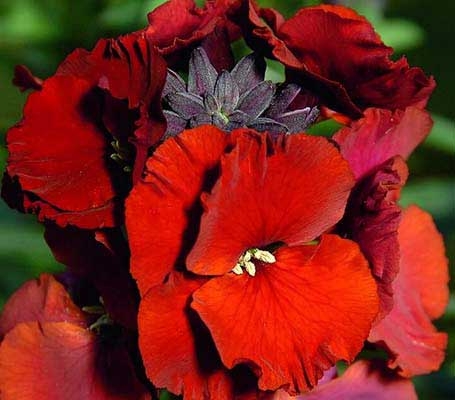
Wallflower, Siberian Wallflower
A favourite with gardeners, Erysimum cheiri ‘Scarlet Emperor’ is a classic wallflower with bold, fiery blooms in shades of rich scarlet and glowing crimson. Strongly scented, the flowers carry the sweet, spicy perfume that wallflowers are famed for.
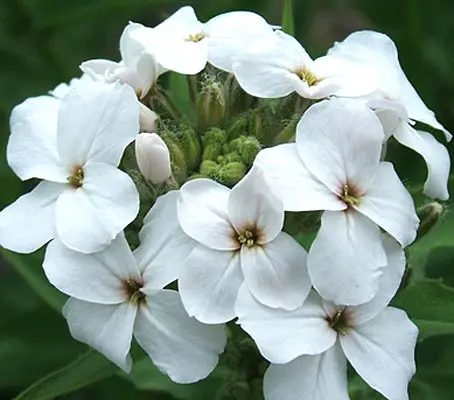
White Sweet Rocket, Dames Violet, Summer Lilac.
Gorgeously scented pure white flowers are held above rosettes of dark green leaves. Like all sweet rockets it is highly attractive to bees and other beneficial insects, the fragrant flowers perfume the air in late spring and early summer evenings. The night-scented stock is a close relative.
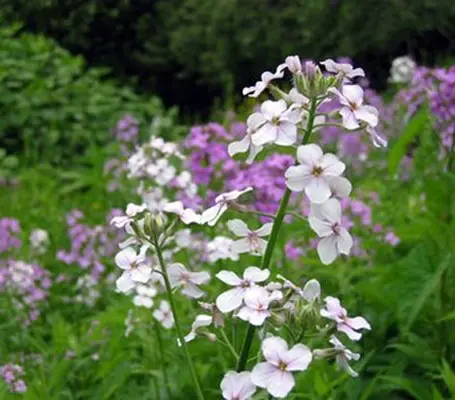
Sweet Rocket, Dames Violet, Summer Lilac.
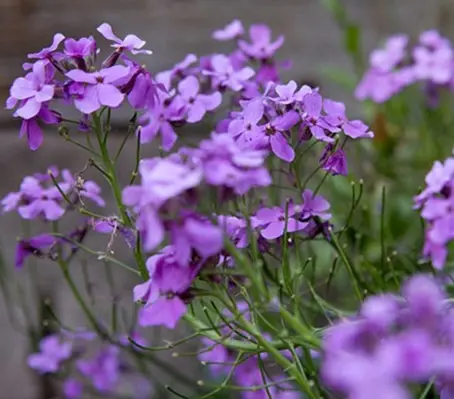
Dames Rocket produce flowers varying in colour from deep rich purple, through all the paler lilac shades to white. Highly attractive to bees and other beneficial insects, the fragrant flowers perfume the air in late spring and early summer evenings.
Sweet Rocket, Dames Violet, Summer Lilac.
In spring, Dame’s Rocket lights up the woodland edges with her blossoms, providing nectar for hummingbirds, moths and butterflies, and fragrance for the soul. Sow seeds directly where they are to flower in early summer
Grandflora Sweet Pea. 1907
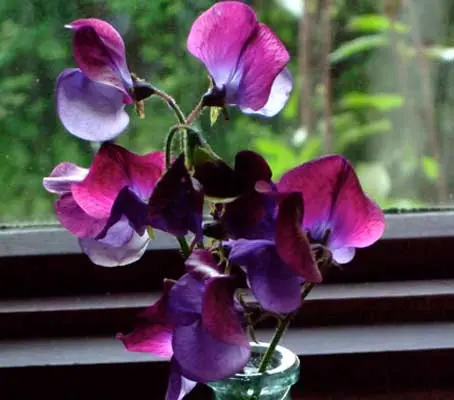
‘Matucana’ was first introduced into this country from Sicily in 1699, this delightful heirloom dates back at least three centuries, highly valued for its wonderfully strong, sweet scent as well as its brilliant bicoloured blooms of richest purple and violet .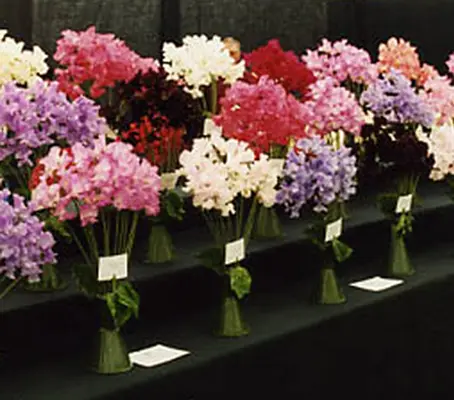
Early Multiflora Gigantea Sweet Pea
Extra early, extra large blooms are the feature of this award winning sweet pea, an excellent choice for early spring colour and the best strain for producing early cut flowers. If you have never seen this kind of sweet pea on long stems before, and don’t quite understand what all the fuss is all about…they are marvellous …guaranteed to make you fall completely in love with them.
Grandflora Sweet Pea. 1600 to 1800's
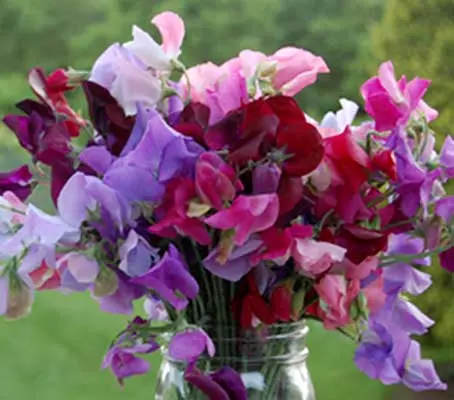
The Heirloom Mixture is a wonderful mixture of the Heirloom Grandiflora Sweet Peas. Representing most of the colours of this type and containing varieties that date back to the 16th century. Fabulous flowers in great colours that grow on vigorous plants, each have an intense full bodied perfume.
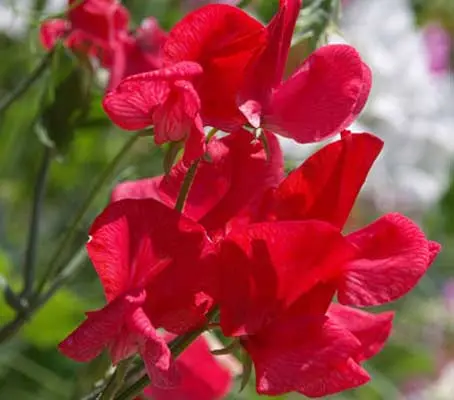
Grandflora Sweet Pea. 1905
A highly scented heirloom sweet pea introduced by Henry Eckford in 1905 and named in honour of Queen Alexandria, wife of King Edward VII. Lathyrus odoratus ‘Queen Alexandria’ has bright scarlet-pink blooms with three flowers per stem. Strongly scented too.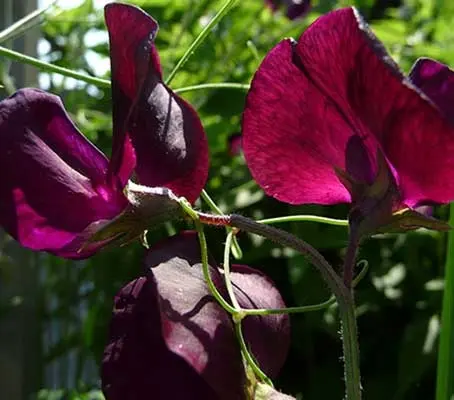
Sweet Pea
“Midnight” is very special variety. Seed of which is seldom available. Beautifully formed scented blooms of dark crimson, almost black. An amazing colour. The flowers are almost twice the size of a regular sweet pea and its stems are almost twice the length and so are perfect for cutting.
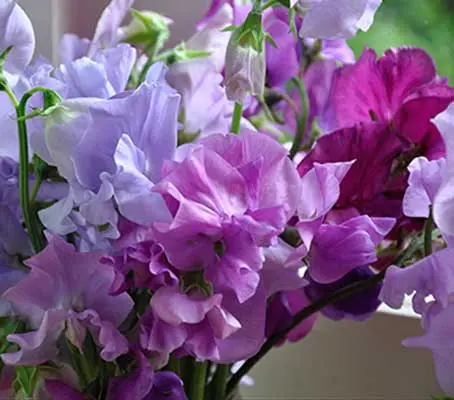
Sweet Pea
A blended mixture of outstanding quality. Composed of over 40 colours and shades of the Spencer Waved sweet peas. Large flowered and fragrant with an excellent colour range – with so many having such a beautiful scent … who could resist?
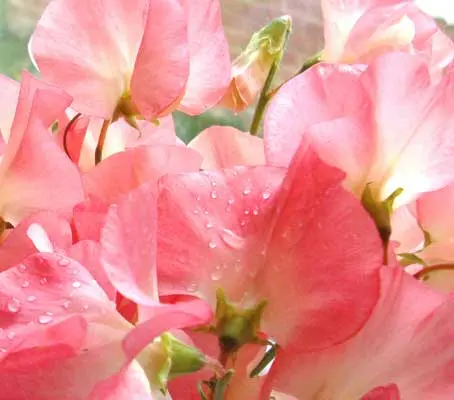
Spencer Traditional Sweet Pea
Sweet Pea ‘Princess Elizabeth’ was first introduced in 1945. It was on display when the Queen first visited Chelsea Flower Show in 1947. In 2008 the Queen was delighted to be presented with a new bouquet and to hear that hear her namesake has been grown continuously for more than 60 years.
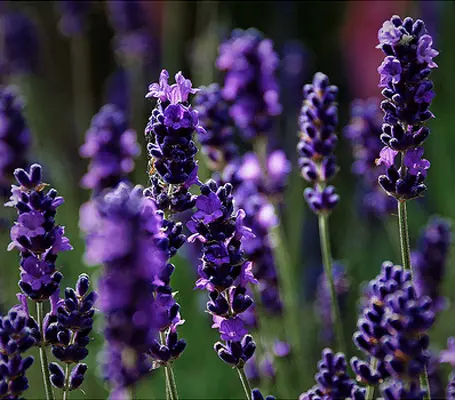
English Lavender
The deepest purple of all and one of the most popular lavenders is ‘Hidcote Blue’. A compact variety, suitable for growing in borders or as dwarf hedging, with dense silver-grey foliage covered in fragrant, dark purple-blue flower spikes in mid-summer.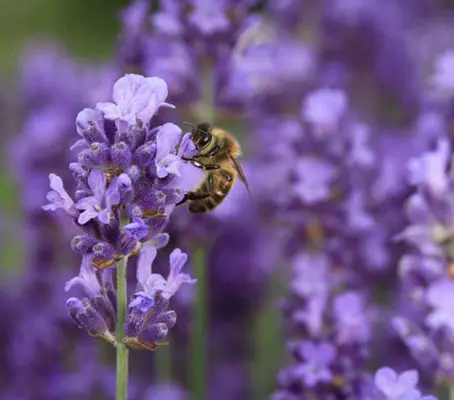
True English Lavender, Old English Lavender
Lavendula angustifolia is an excellent plant for low informal hedging and as a specimen evergreen for borders and formal gardens. Flowering generally begins from mid to late June to early July. The flowers have a rich sweet scent and are highly attractive to bees and other beneficial insects.
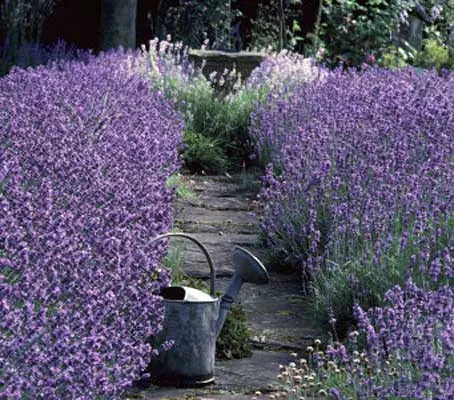
Dwarf English Lavender, Hedge Lavender
Munstead Lavender is a fragrant robust English lavender that, due to its short size and tightly held blooms, makes a great hedge. It flowers profusely in the spring, after which a good pruning will provide an attractive grey bush with highly aromatic leaves.
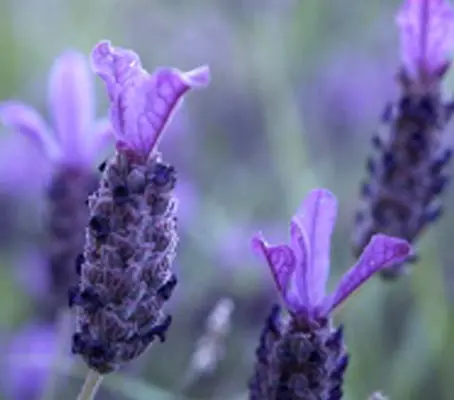
Butterfly Lavender, Spanish Lavender (US)
Lavender stoechas is an old variety, cultivated for more than 400 years, it is a favourite both for its intense fragrance and for the short dense flower spikes. French Lavender blooms from spring to frost and has a good clean scent. 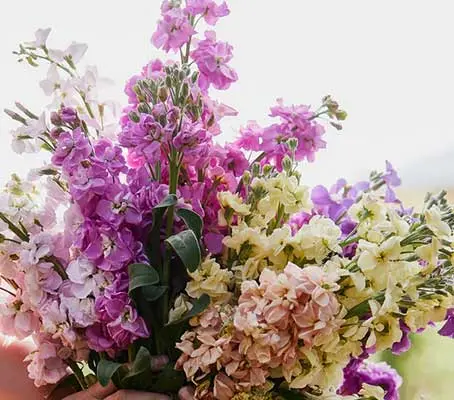
Brompton Stocks, Winter Stocks
Classic and richly scented, Brompton Stocks are the aristocrats of the stock family. These tall, elegant biennials produce dense spikes of double and single blooms in a sumptuous mix of colours. The flowers are extremely fragrant, in bloom from late spring and are excellent for cutting.
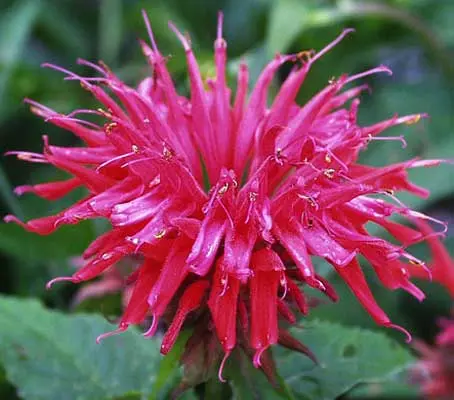
Bee Balm, Bergamot. Oswego Tea, Horsemint
‘Panorama’ must be rated a marvelous achievement in the perfection of the whorls of flowers and the brilliance of the colours. In many shades of scarlet, bright red, pink, salmon and crimson, each plant bears up to 20 long stems. They are as long-lasting as they are dramatic and excellent for cutting.
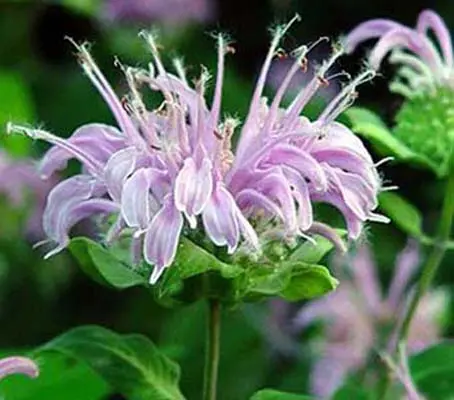
Bee Balm, Oswego Tea, Horsemint
Monarda fistulosa, also known as Bergamot is famed for its medicinal qualities. While in the perennial border these lovely plants produce a mass of mauve-purple blooms (even in their first year from an early sowing) and have uniquely scented foliage. Highly attractive to bees and butterflies.
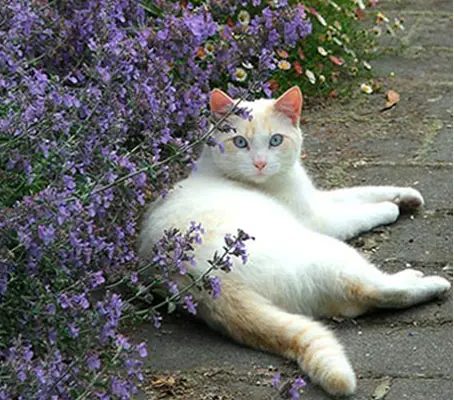
Catnip, Catmint
Veteran gardeners are probably already aware of nepeta’s versatility in the garden. From its popular partnering with roses to the softening effect it has on hard edges. Nepeta is an ideal perennial for new gardeners and, of course, cats adore it.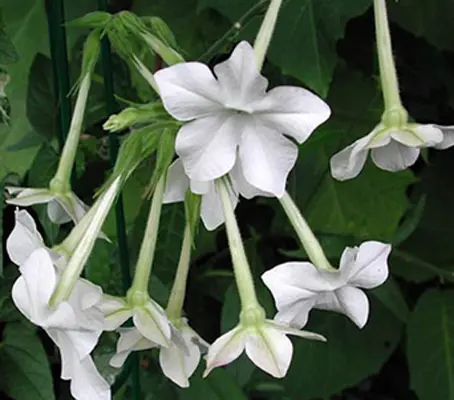
Jasmine Tobacco, Flowering Tobacco
Also known as Nicotiana alata var. grandiflora
Nicotiana affinis, also known as N. alata, is a classic tobacco plant with a delicious evening scent. It has been justly popular for over a century and a firm favourite with generations of gardeners: it is far lovelier than the modern improved forms of Nicotiana alata. 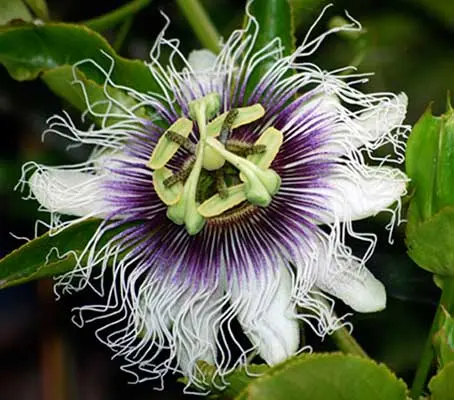
Passionflower, Passionfruit, Granadilla
A Passiflora that produces very fragrant, unusual flowers. The flowers are white, except the base of the corona which is purple; the filaments are curly, as long as the petals, 5 to 7cm across. The edible fruits possess pleasant flavour, kind of sweet and a little tart.
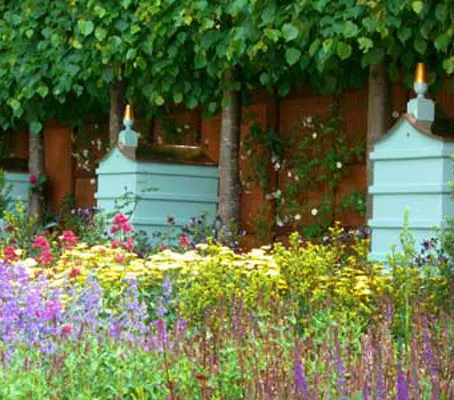
Rich in both pollen and nectar.
The Bees and Butterflies Mix of flowers is a carefully chosen range of over 30 annual flowers that are rich in both nectar and pollen that both bees and butterflies adore. They will flower within six to eight weeks and provide you with pleasure throughout the summer.
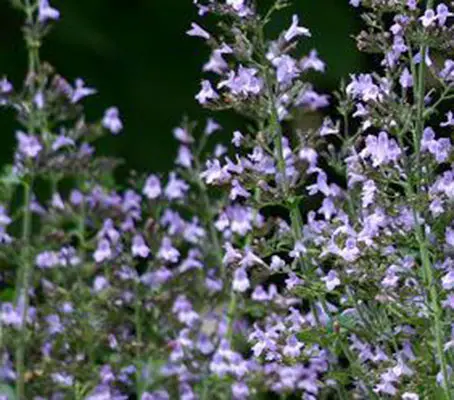
Calamint, Mountain Balm, Nepitella
Calamintha nepeta is a very attractive bushy, perennial that should be in every garden. Easily grown from seed with clouds of tiny, lilac-mauve flowers that bloom until late September. The leaves exude a lovely minty scent when crushed and the flowers are true bee pasture.
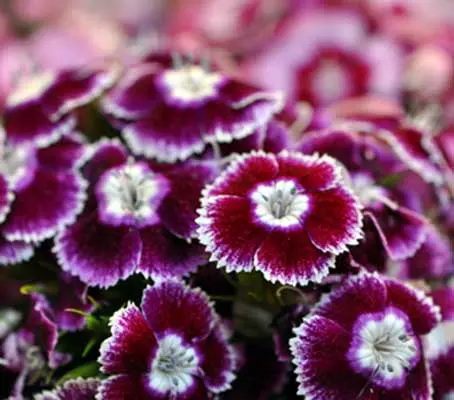
Poet's Pink, Sweet John, Sweet William
Sweet Williams are one of those lovely old-fashioned flowers, easy to grow and famous for their delicious spicy-scent. The Auricula-eyed Group are irresistible, dense clusters of flowers in dark tapestry rubies, fuchsia, scarlet, purple and white.
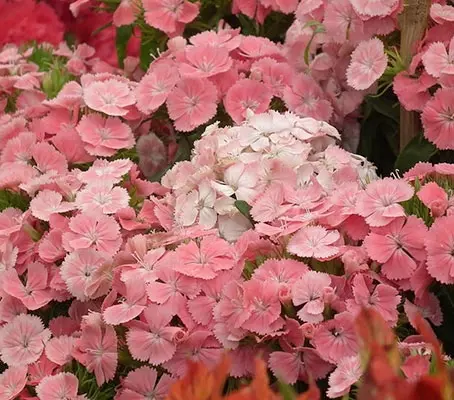
Poet's Pink, Sweet John, Sweet William
Sweet Williams are one of those lovely old-fashioned flowers, easy to grow and famous for their delicious scent. They are biennial, sown in May to July and will flower in late spring to early summer the year after sowing. ‘Newport Pink’ are irresistible, coral-pink flowers with delicately fringed petals.
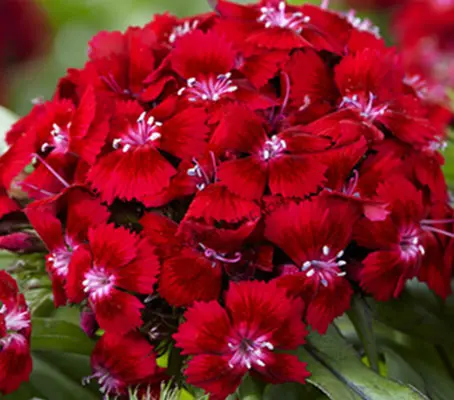
Poet's Pink, Sweet John, Sweet William
Treasured in the garden for their bright colour and strong fragrance, Dianthus barbatus ‘Scarlet Beauty’ flower all summer from May to August with clusters of single, brilliant scarlet red flowers, and best of all, they are intensely fragrant, with a delicious rich perfume.
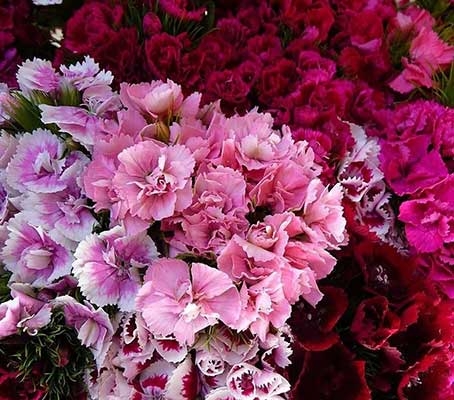
Poet's Pink, Sweet John, Sweet William
A striking strain of Sweet William, Dianthus barbatus ‘Super Duplex Mix’ has been bred for its exceptionally large, fully double blooms. The flowers form dense, rounded clusters, with ruffled petals in a very wide colour range. Easy to grow, with a light, sweet clove scent, everybody can grow them to perfection.
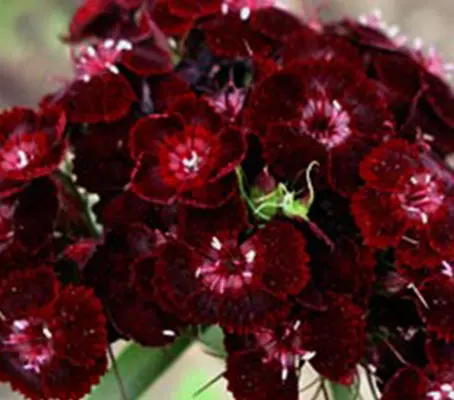
Back Sweet William
‘Sooty’ is one of the most unique of all Sweet Williams. It bears multiple densely packed heads of darkest ruby, almost black, fragrant blooms on red stems, and leaves that mature to a shimmering metallic mahogany.
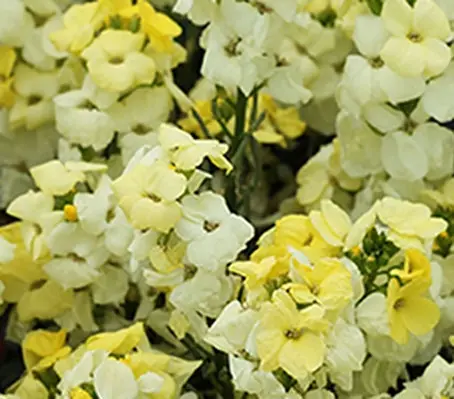
Wallflower, formerly Cheiranthus Cheiri
Erysimum cheiri ‘F1 Sugar Rush Primrose’ produce a pale primrose, cream-yellow blooms in both autumn and spring. With multiple side branches that accompany the main flower spike, they create a dense, mounded display, 30cm tall. Perfect for borders, containers, or window boxes
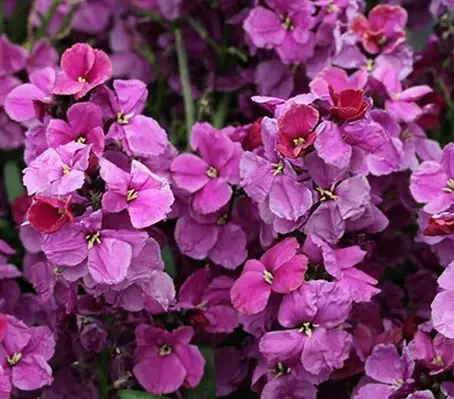
Wallflower, formerly Cheiranthus Cheiri
Renowned for its striking, jewel-like hues ‘Sugar Rush’ is ultra-fast in production. Emerging with an apricot/burgundy flush, the spicily scented, bi-coloured flowers of ‘Sugar Rush Purple’ turn lilac/purple as they mature.
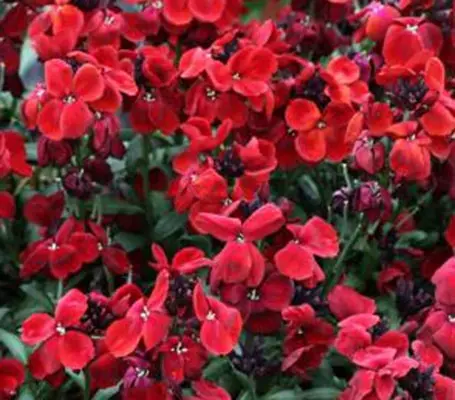
Wallflower, formerly Cheiranthus Cheiri
Erysimum cheiri ‘F1 Sugar Rush Red’ has upright clusters of deep, bright red blooms that fill the air with delicious scent. Tough and easy to grow, they are hardy enough to overwinter in many regions and will often flower over several months from spring and right through to early summer.
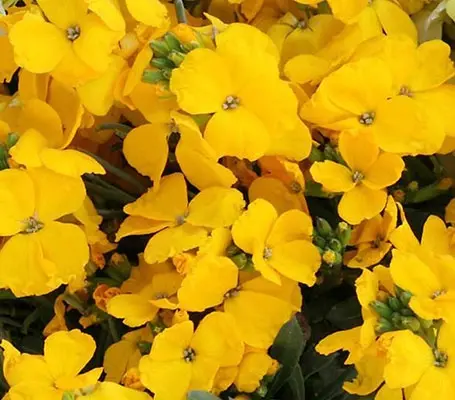
Wallflower, formerly Cheiranthus Cheiri
One of the most notable features of the ‘Sugar Rush’ series is its unique dual-season flowering. Unlike traditional wallflowers that primarily bloom in spring, ‘Sugar Rush’ flowers in both autumn and spring. ‘Yellow’ produces upright clusters of bright, golden-yellow blooms that fill the air with delicious scent.
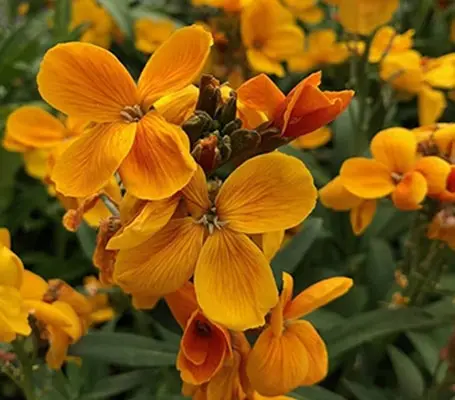
Wallflower, formerly Cheiranthus Cheiri
Renowned for its striking, jewel-like hues that stand out even in cooler weather. ‘Sugar Rush Orange’ produce bright orange, spicily scented blooms on compact plants. With multiple side branches that accompany the main flower spike, they create a dense, mounded display perfect for borders, containers, or window boxes.
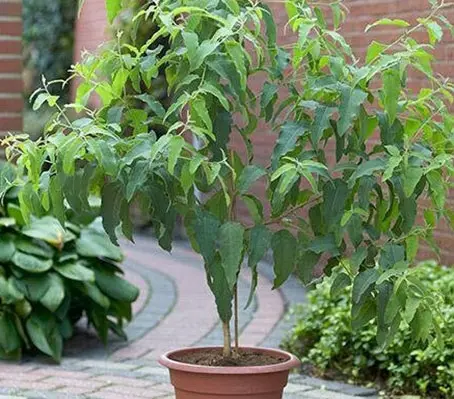
Syn: Corymbia citrodora
Eucalyptus citriodora is a beautiful, fast growing species with sword shaped leaves that have an amazing citrus fragrance when crushed. the essential oils mainly consist of 80-90% citronella – at outdoor events a lush garland helps keep insects at bay.
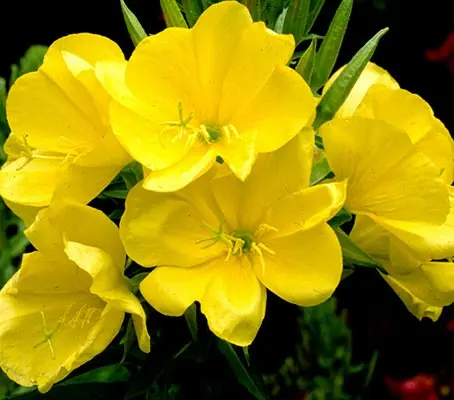
Evening Primrose, Herb Primrose, King's cure-all
Wildflower of Europe
 Evening Primrose is a classic plant, with its beautiful yellow flowers is a feast for the eyes as well as the belly. The whole plant is edible: the leaves can be cooked as greens, and the nutty-flavoured roots can be boiled and eaten like parsnips. The flowers make a lovely salad garnish.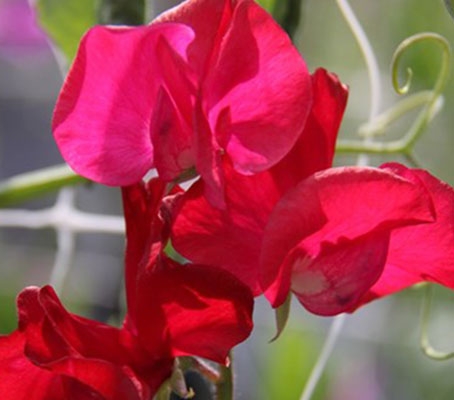
Early Multiflora Gigantea Sweet Pea
Mammoth Sweet Peas belongs to a type of sweet pea called an ‘Early Multiflora Gigantea’. Marked by the longest stems, and large fragrant blooms, they are very popular with commercial cut flower growers. ‘Mammoth Crimson’ produce large crimson-red flowers that are borne on beautifully long stems.
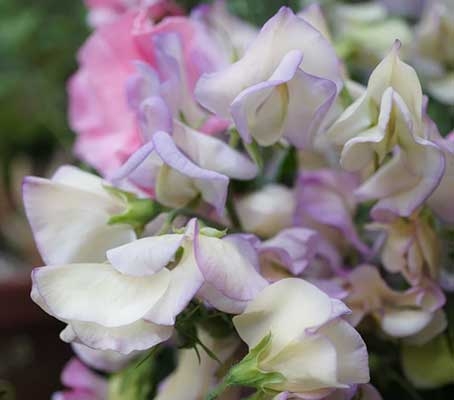
Also marketed as 'Goddess Mix'
‘Mammoth Pastel Mix’ also known as ‘Goddess Mix’ is a dreamy grandiflora blend in blush, shell-pink, cream, peach and lavender, all richly scented. Extra-early with extra-large blooms, the vigorous plants carry long, strong stems packed with fragrant flowers. It’s one of the best strains for producing early cut flowers.
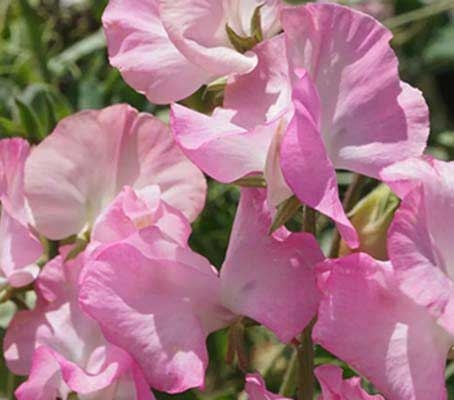
Early Multiflora Gigantea Sweet Pea
‘Mammoth Rose Pink’ produces blooms in a clear, mid rose-pink, fresh and flattering rather than hot or cerise. Buds open a shade deeper, then the petals soften to shell-pink with a faint silvery bloom on the wings. Extra early, extra large blooms and an excellent choice for early spring colour and for producing early cut flowers.
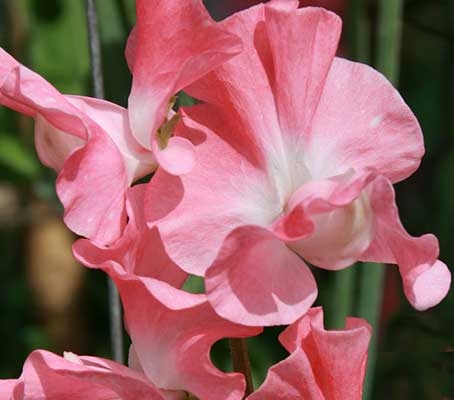
Early Multiflora Gigantea Sweet Pea
Mammoth Sweet Peas belongs to a type of sweet pea called an ‘Early Multiflora Gigantea’. Marked by the longest stems, and large fragrant blooms, they are very popular with commercial cut flower growers. ‘Mammoth Salmon Cream’ produce large crimson-red flowers that are borne on beautifully long stems.
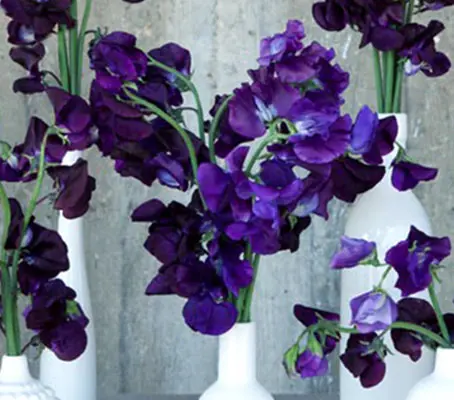
Grandflora Sweet Pea. 1907
Sweet Pea ‘Lord Nelson’ is an old fashioned variety that received an RHS Award of Merit in 1907. With beautiful, rich dark blue flowers and a powerful scent, it combines magnificently with white or with lighter blue shades.
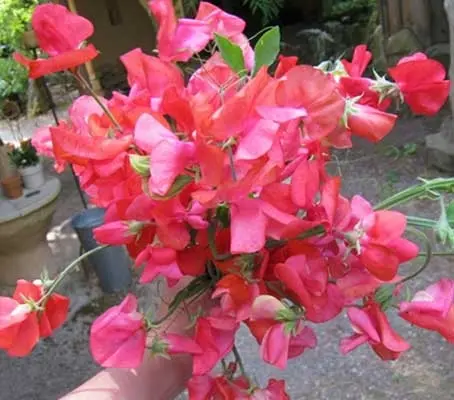
Grandflora Sweet Pea. 1901
A striking heirloom variety that creates a big impact, Sweet Pea ‘Miss Willmott’ dates back to 1901 but remains as attractive as ever, in the garden or as a cut flower. Attractive pale orange and salmon pink, unusual bicoloured flowers have a superb fragrance.
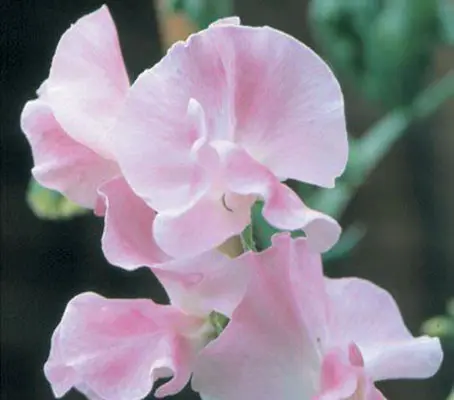
Grandflora Sweet Pea. 1901
Originally bred and introduced by a Mr Viner in 1901, Sweet Pea ‘Nellie Viner’ produces long stemmed blooms that have nicely rounded clear pink flowers and is also blessed with the most superb fragrance and make exceptionally fine cut flowers.
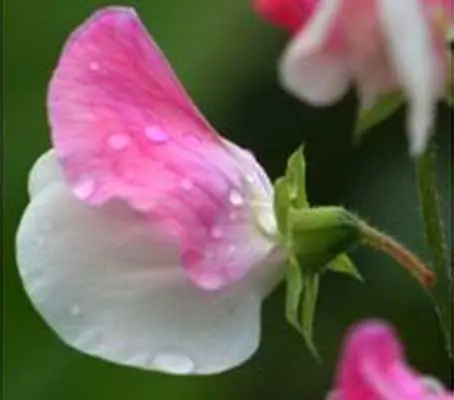
Grandflora Sweet Pea. 1730
The original ‘Painted Lady’ sweet pea arose as a sport from ‘Cupani’ in about 1730. It was the very first named sweet pea cultivar. Recently reselected, this modern form produces larger, more numerous flowers and retains the distinctive colour combination of lotus-pink and white petals with a rich, old-time sweet scent.
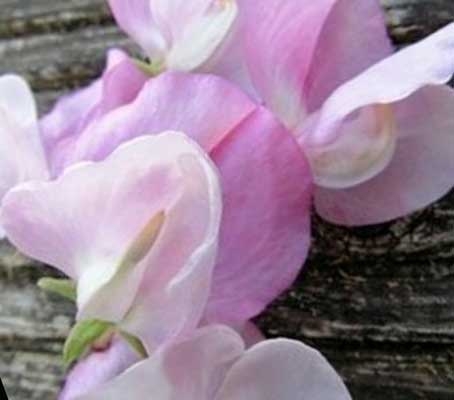
Grandflora Sweet Pea. 1896
Lathyrus odoratus ‘Prima Donna’ is a classic Grandiflora sweet pea introduced by Henry Eckford in 1896, during the golden age of sweet pea breeding. It bears rosy-pink blooms that deepen as they mature, each flower beautifully proportioned and carried two or three to a stem.
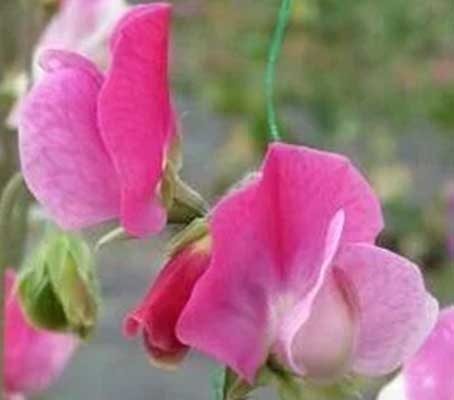
Grandflora Sweet Pea, Aka Sicilian Pink
An elegant Grandiflora sweet pea prized for its refined blooms, long graceful stems and heady perfume, Lathyrus ‘Sicilian Fuchsia’ shows a vivid cerise standard, flanked by paler pink wings, while the keel quietly remains a gentle, soft pink. The colours create a subtle, layered effect.
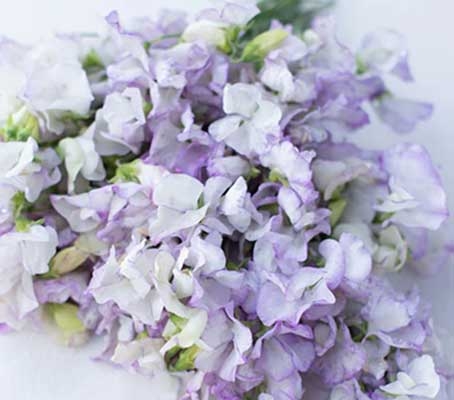
Sweet Pea
A delicate beauty that stands out among the bolder varieties, Lathyrus odoratus ‘Butterfly’ bears pale cream blooms softly flushed and veined with lilac and lavender Superb for cutting and a striking presence in the garden or the vase.
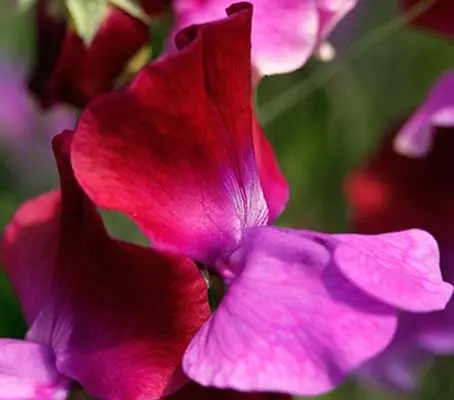
Keith Hammett introductions 2009.
Three varieties - 'North Shore', 'Cocktail' and 'Big Blue'
Dr Keith Hammett has bred many incredible new varieties of Sweet Pea. These new ‘Modern Grandiflora’s’ feature larger petal sizes and longer stem lengths. Importantly, the scent has been retained. ‘Moody Blues’ combines three of the most popular varieties. ‘North Shore’ , ‘Cocktail’, and ‘Big Blue’.
€2.65 – €7.95Price range: €2.65 through €7.95
€1.95
€2.10
€2.25 – €7.95Price range: €2.25 through €7.95
€1.75
€3.75 – €21.75Price range: €3.75 through €21.75
€2.45