 Skip to content
 Sort by:
Sort by:
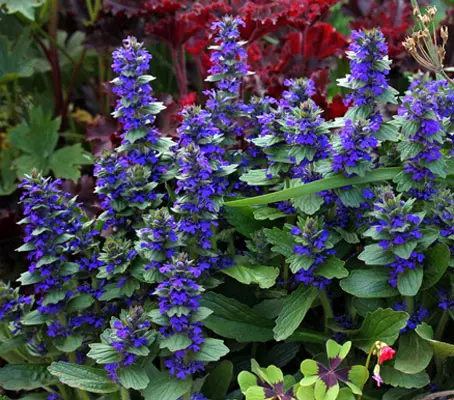
Geneva Bugle
Ajuga genevensis is used throughout the world yet this relatively uncommon form is less well known. This very well behaved, evergreen groundcover has deep gentian blue flower spikes and is by far the showiest of the species. It is often the plant of choice for smaller areas or along edges and pathways.
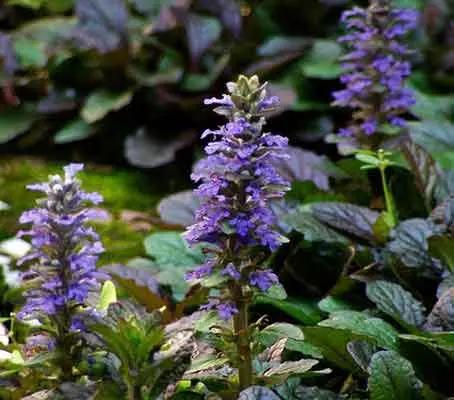
Bugle. Thunder and Lightning,
For most of the year Ajuga is a pleasant, quiet achiever, a very versatile low growing ground cover, with evergreen, rosette-like foliage that hugs the ground like an evergreen carpet but those weeks in spring when the blue flowers appear are simply quite magical.
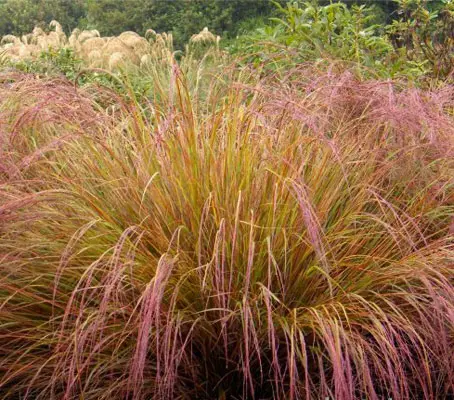
formerly Stipa arundinacea
 In summer Anemanthele lessoniana produces open, airy panicles of purple-green flowers that give the plant a pleasing overall arching habit. The leaves become bronzed and turn orange-red in winter – This is still one of the most beautiful of all light grasses.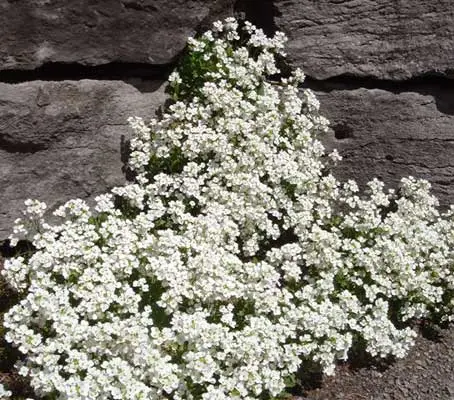
syn A. alpina 'Schneehaube'
Wall, White or Mountain Rockcress
One of the earliest spring flowers to appear, Arabis ‘Snowcap’ with dense masses of snow-white flowers looks wonderful in containers or under spring-blooming bulbs, the pretty white flowers will fill the void when yearning for blooms is tugging at your core. 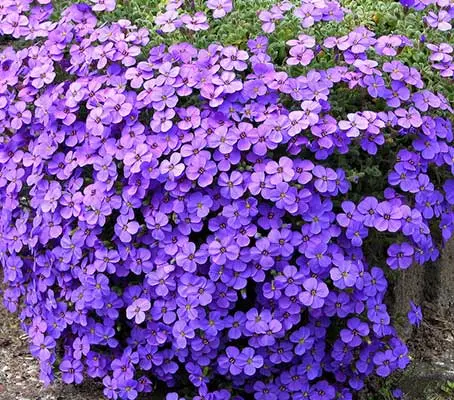
False Rockcress, Large-flowered Aubrieta
Aubrieta ‘Hendersonii’ is a vigorous variety that is smothered by rich lilac-purple flowers for several months in spring. It grows to only 10 to 15cm tall at maturity, but with a spread of around 45cm it makes a lively edging to a sunny border, growing over rock walls or placed in stonewalls.
False Rockcress, Large-flowered Aubrieta
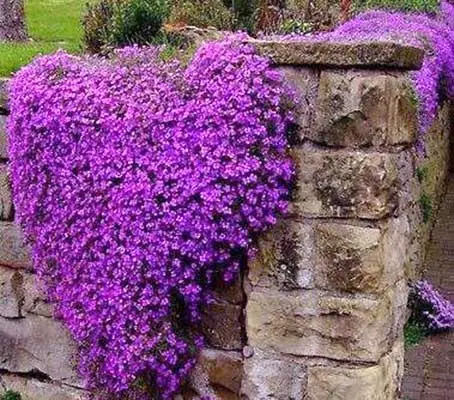
Aubrieta has long been treasured for its delightful spring show of brightly coloured flowers. ‘Whitewell Gem’ is smothered by large, intense reddish-purple flowers for several months. Lovely spilling out of crevices or over rock walls, the plants can also be used in paving with other ground hugging plants.
Snow in Summer
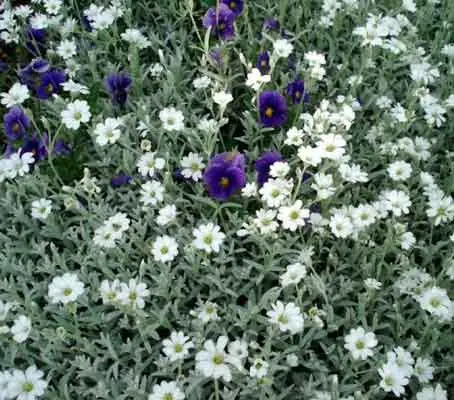
‘Snow in Summer’ lives up to its name in late spring when the foliage is smothered in luminous white flowers. Beautiful used as a path edging, in a stone wall or cascading over containers. Try it amongst your spring bulbs – tall lily flowering tulips above a dense carpet of white Cerastium… Breathtaking!
Umbrella Plant
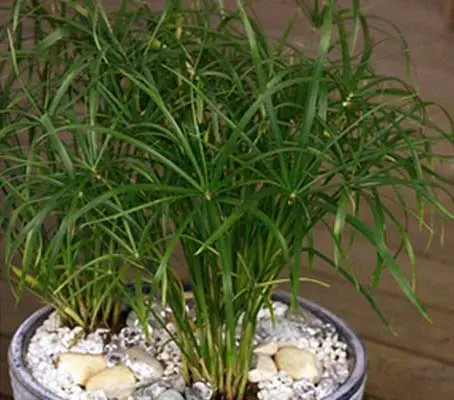
Cyperus alternifolius is a very popular both as a house plant and pond plant. The bracts are symmetrically arranged in an umbrella formation and held atop elegant stems that sway with the breeze, giving a tropical touch to the garden. They are also excellent when used in fresh or dried floral arrangements.
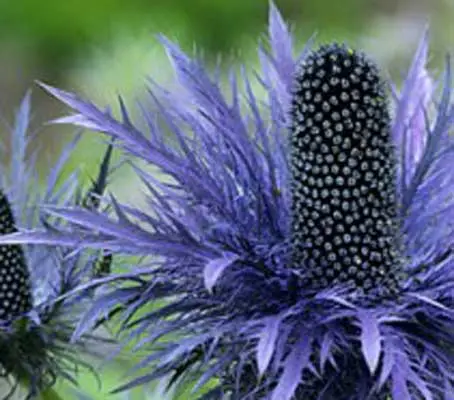
Alpine Sea Holly, Queen of the Alps
Eryngium alpinum Superbum is an elegant species, with metallic stems and large flowers that mature to an intense steel blue/purple in summer and autumn. A fascinating architectural plant for the border.
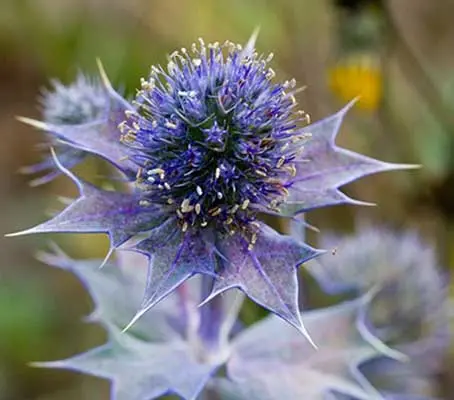
Seaside Eryngo, Sea Holly.
Ancient Crop. Wildflower of Britain and Ireland
Eryngium maritimum is an evergreen perennial plant native to Europe. Often found on sea shores, it is a protected species in many parts of the world. Highly ornamental, it is grown in gardens for its metallic bluish flowers and intensely whitish-glaucous leaves, it is very attractive to bees and butterflies.
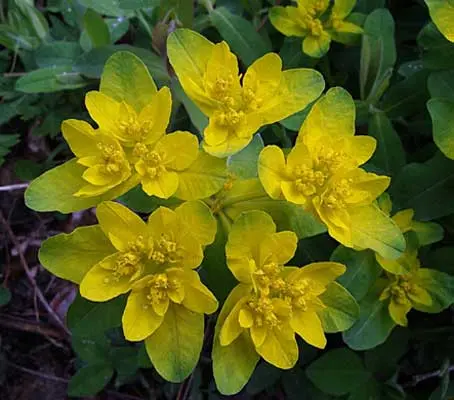
Cushion spurge, Many-coloured spurge.
Euphorbias give us some of the best early spring herbaceous colour, but Euphorbia polychroma has the most impact. This compact variety grows to only 50cm with a great mound of yellow-green flowers in spring and echoes the daffodils. 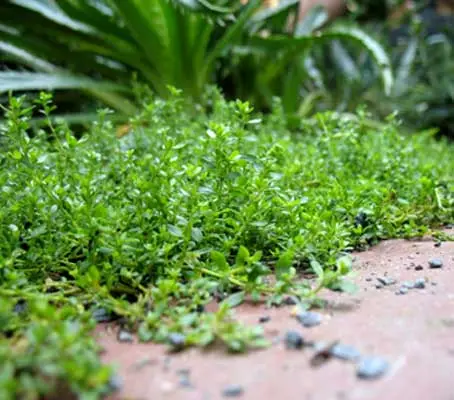
Smooth Rupturewort
Herniaria glabra is a relatively unknown perennial that deserves to be used more often in our gardens. The nursery industry calls it ‘Green Carpet’ and well they should. This lovely bright green creeper spreads effortlessly in all directions. An excellent choice for between flagstones or as a lawn substitute.
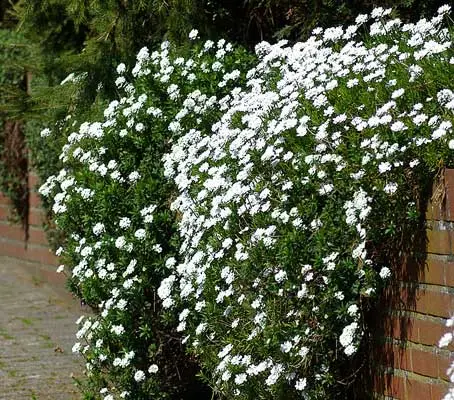
Perennial or Evergreen Candytuft
Iberis sempervirens is an early season favorite. This low bushy plant produces mounds of blinding white flowers in spring to early summer. An all round tough plant suitable for problem areas, use for containers, for pathways and crevices of ornamental walls. 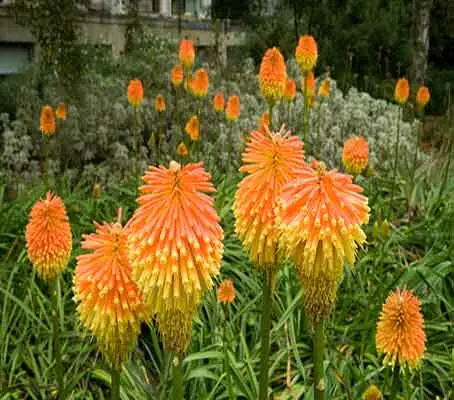
Red Hot Poker, Torch Lily
The Kniphofia hybrids have extended both the flower colour and height range. The usual fiery reds and oranges work particularly well in a planting scheme based on ‘hot’ colours – use them to light up sultry August borders. The cooler yellow, cream, ivory and sometimes green flowers is more restful.
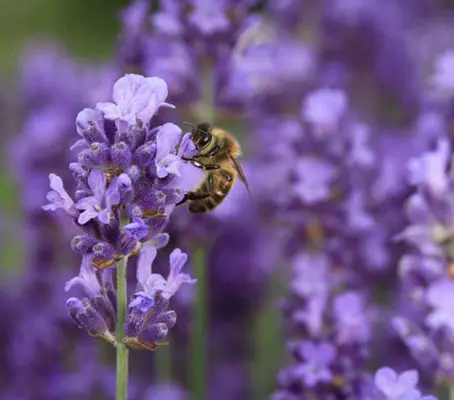
True English Lavender, Old English Lavender
Lavendula angustifolia is an excellent plant for low informal hedging and as a specimen evergreen for borders and formal gardens. Flowering generally begins from mid to late June to early July. The flowers have a rich sweet scent and are highly attractive to bees and other beneficial insects.
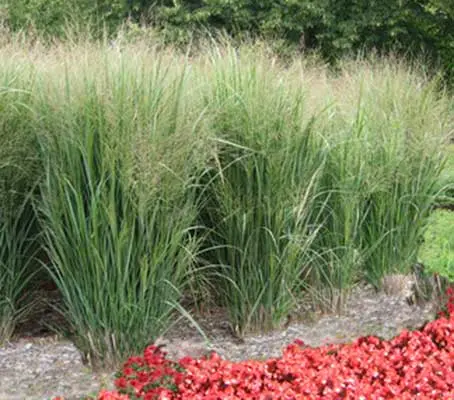
Panic Grass, Switchgrass
Despite its American provenance Panicum virgatum was originally taken up by German landscapers and gardeners. Renowned for its steely coloured blue-grey to blue-purple leaves, but it is the contrast between the rigid, stainless-steel foliage and purple-pink froth that really charms.
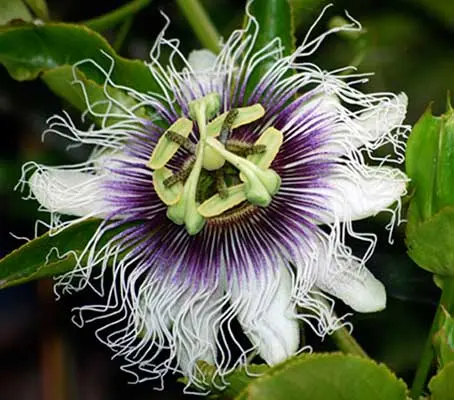
Passionflower, Passionfruit, Granadilla
A Passiflora that produces very fragrant, unusual flowers. The flowers are white, except the base of the corona which is purple; the filaments are curly, as long as the petals, 5 to 7cm across. The edible fruits possess pleasant flavour, kind of sweet and a little tart.
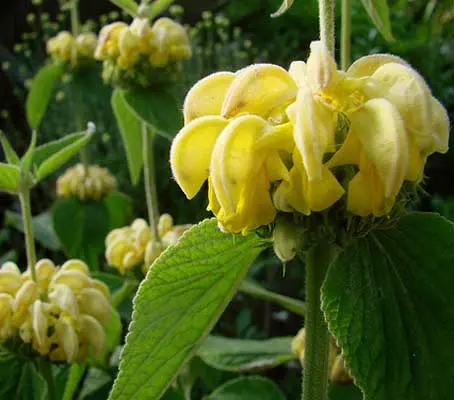
Jerusalem Sage, Turkish Sage
A justifiably popular plant. Phlomis russeliana blooms with dramatic whorls of hooded, soft yellow flowers on tall, erect stems. Each plant can contain as many as fifty individual blooms creating a magnificent candelabra effect.
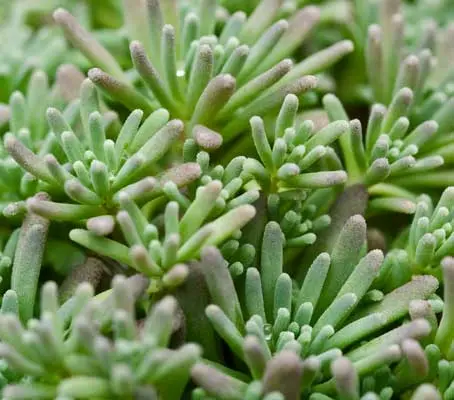
Sedum Ruben’s Lizard is a low-growing sedum that has tight, rosy-green cushion of needles with reddish tips. Throughout the summer the plant is covered with many tiny, star-shaped white flowers. Drought and heat tolerant or low maintenance, whatever you want to call it, ‘Lizard’ takes a lot of abuse.
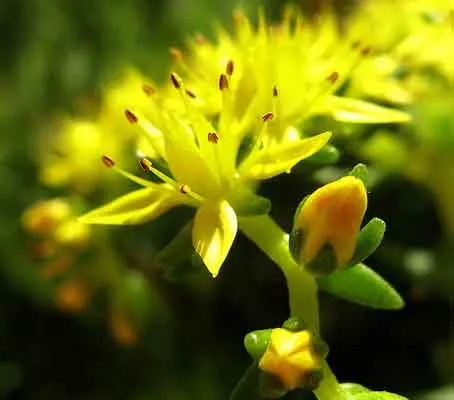
Biting Stonecrop, Wallpepper
Delicate in appearance and yet very cold hardy, Sedum acre is beautiful from the first stirrings of early spring to the twilight of autumn. Hardy and very easy to grow. Started early it will form a nice dense ground cover the very first season. If the weather is favourable it will flower within six months.
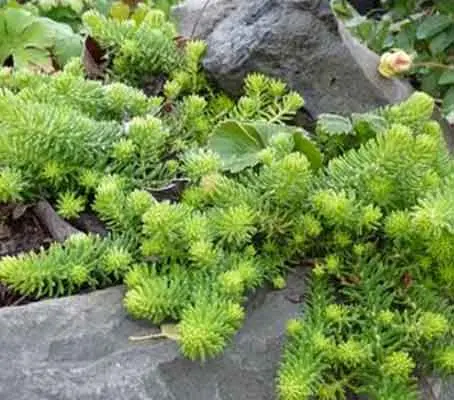
Reflexed Stonecrop, Love Links
If you’re looking for a beautiful plant that thrives with virtual neglect, Sedum reflexum just might fit the bill. The small bushes spread over the ground and the foliage resembles mini spruce branches. They are at their loveliest spilling over edges of walls and rocks to create the illusion of a living waterfall.
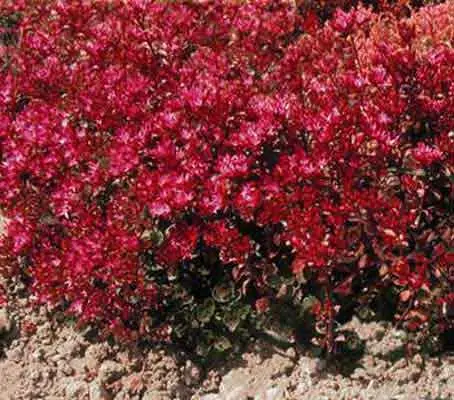
Dragon's Blood, Crimson or Causican Stonecrop
Sedum spurium coccineum is the most robust sedum, with deep crimson blooms and bronze-green leaves. Low maintenance, durable and interesting, they enhance the appearance of green roofs, rockeries and containers. In July, dense clusters of showy crimson blooms smother the evergreen plants.
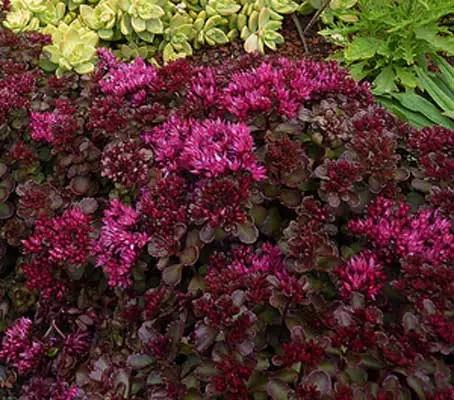
Phedimus spurius
Sedum spurium ‘Voodoo’ is a stunning little perennial groundcover for hot, sunny locations. The intense dark mahogany foliage that provides a stunning contrast to the almost neon, luminous rosy-red flowers which appear June through August.
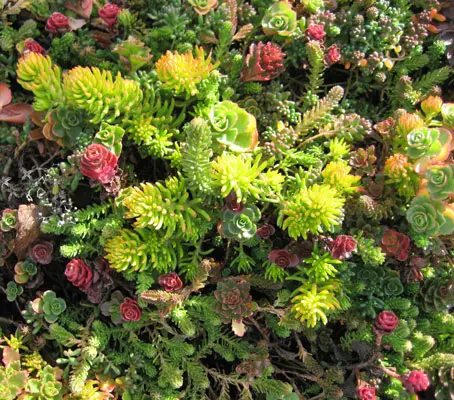
Stonecrop,
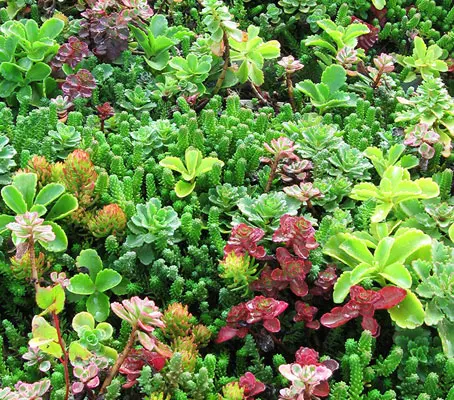
A mixture of many attractive low-growing sedum varieties representing a wide range of foliage types and flower colours. Low maintenance, durable and interesting, grow them on walls or banks, as a ground cover or as a green roof. Sedum strut their stuff where many other plants dare not venture!
Stonecrop
Sedum Roof Garden Mix is a formula mixture of many important varieties for roof gardens in full foliage and flowering colour range. Low maintenance, durable and interesting, grow them on walls or banks, as a ground cover or as a green roof. Sedum strut their stuff where many other plants dare not venture!
The Cobweb Houseleek
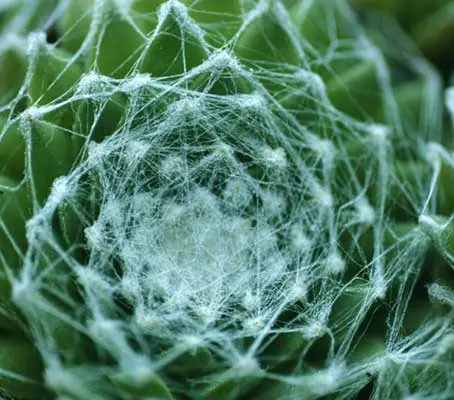
Always an interesting plant, Sempervivum arachnoideum is an exotic and interesting variation which forms small green rosettes of fleshy leaves, the tip of each leaf connected to another by a network of silvery filaments that resemble a spider’s web.
Winter Hardy Varieties. Hens and Chicks or 'Hippy Chicks'
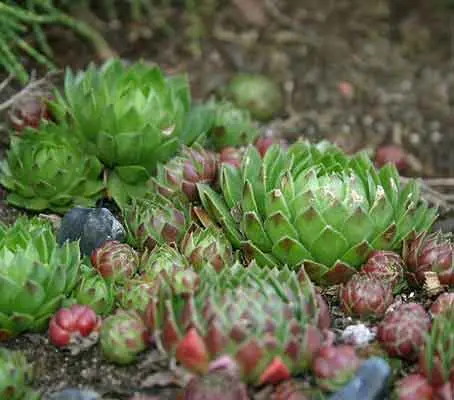
Whether planted in large numbers or used as a single specimen Sempervivum are both beautiful and enduring. Their rosettes are fascinating, their colour hues are stunning and their tendency to produce offsets makes for easy increase.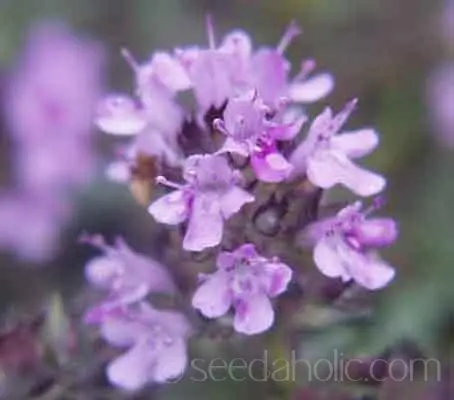
Wild thyme
Thymus serpyllum is one of the most versatile groundcovers. Forming dense evergreen cushions of flowers these low maintenance plants don’t require mowing, watering or care, and can take a lot of abuse. Its leaves can be used as a culinary herb and its uses in the garden are almost unlimited.
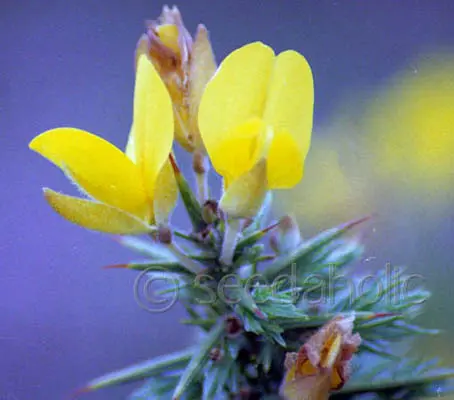
Gorse, Whin, Furze, Prickly Broom.
Wildflower of Britain and Ireland
Gorse are usually associated with western Britain and Ireland. At its best in spring, it blooms with an explosion of yellow, the flowers have a distinctive strong coconut scent. Gorse bears some flowers year round, hence the old country phrase: “When gorse is out of blossom, kissing is out of fashion”.
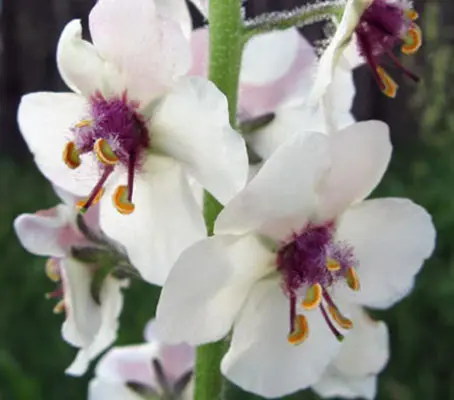
Moth Mullein
Verbascum are a wonderful plant for making a garden feel uncontrived, producing masses of flowers without taking up lots of space on the ground. ‘White Blush’ is one of the most popular varieties. Growing to just 100cm, the dark crimson buds open to reveal large white flowers with deep purple stamens.
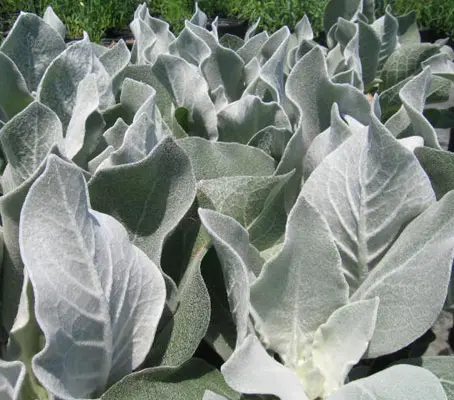
'Polar Summer', 'White Bride' or 'Silver Lining'
One look at this species of Verbascum and you will realise why it is also called ‘Arctic Summer’. Tall, white, fleecy flower stems emerge from felted evergreen leaves in early summer. Its stems and leaves are covered in a silvery down that gives it an appearance of being permanently covered with frost.
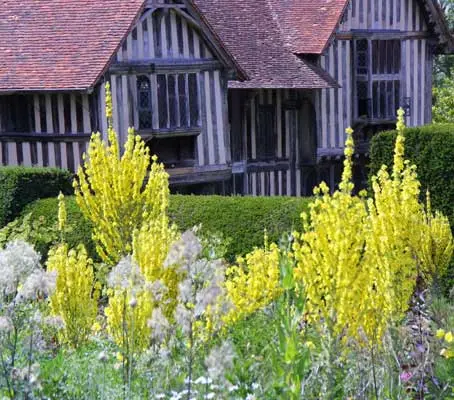
Mullein
Verbascums are statuesque in both foliage and flower. This elegant species, native to the Olympus mountains is arguably the finest of the genus. Tall flower spikes rise from the centre of the foliage, each are weighted heavily with bright, golden-yellow blooms giving the effect of an enormous candelabra.
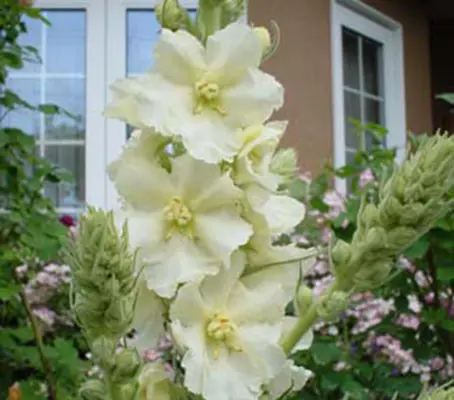
Verbascum hybridum or 'Spica'
Verbascum ‘Snow Maiden’ is an incredibly beautiful mullein that grow to just 36 to 48cm tall. With masses of soft white flowers each with delicate yellow filaments they flower in June and continue to appear over a long summer, often right through to September. Very easy to grow from seed.
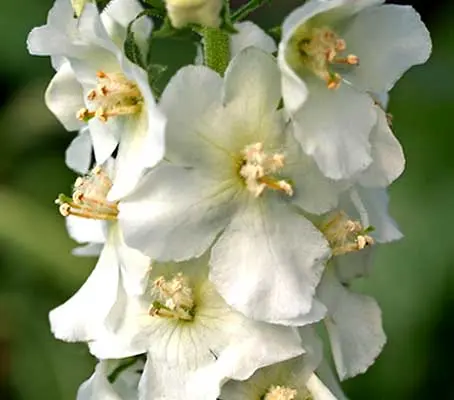
Also marketed as 'White Bride'
The poise of the lovely Verbascum phoeniceum ‘Flush of White’ makes this plant a natural candidate for the front of the border, even though its height might suggest, that it should go at the back. In summer winds, which snap off delphiniums and toss sunflowers awry, the Verbascum stands defiant.
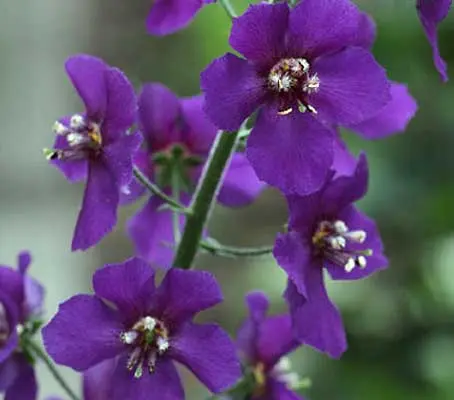
Purple Mullein, aka Temptress Purple
Relatively new to cultivation Verbascum phoeniceum ‘Violetta’ is the smallest growing of the perennial Verbascums. Soundly perennial and drought tolerant it produces delicate flower spikes with whorls of tissue thin purple blooms that ascend to the finest point. It is by far the darkest flowered mullein available.
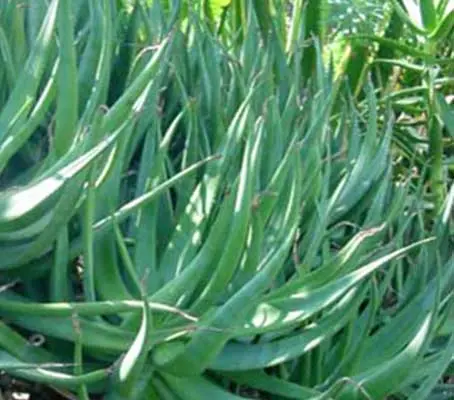
Cat's Tail Aloe
Aloe striata, commonly known as the Coral Aloe is one of the prettiest of all succulents. The smooth blue-green leaves are edged with a pink or red margin and no teeth.
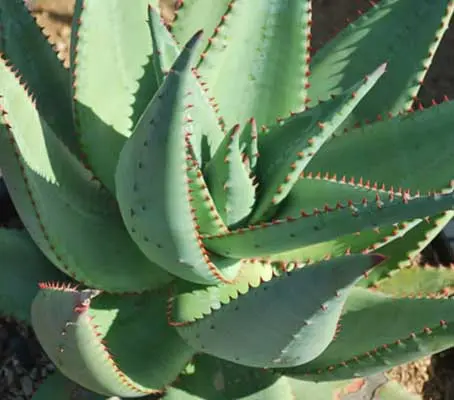
Ferocious Aloe, Cape Aloe
The Cape Aloe is a distinctly handsome plant, with broad, lance-shaped, fleshy leaves and a large candelabra-like flower-head. There are usually between five and eight branches, each carrying a spike-like head of many flowers.
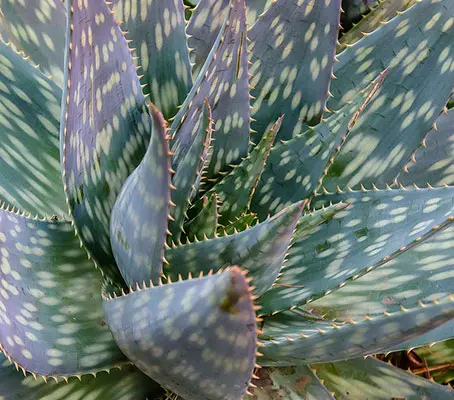
Cape Speckled Aloe
One of the most attractive and floriferous of Aloes of South Africa, Aloe microstigma, forms solitary or small clumps of beautiful rosettes of blue green leaves. The leaves are adorned with conspicuous white spots, which contrast nicely with the reddish teeth along the margins.
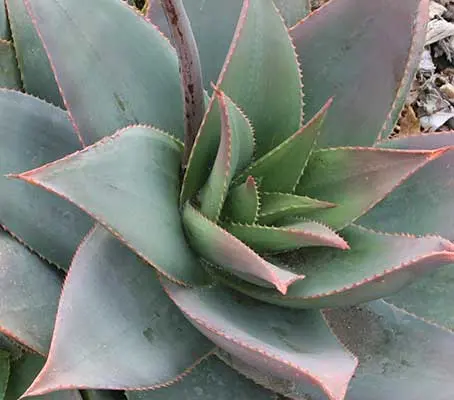
Coral Aloe
Aloe striata, commonly known as the Coral Aloe is one of the prettiest of all succulents. The smooth blue-green leaves are edged with a pink or red margin and no teeth.
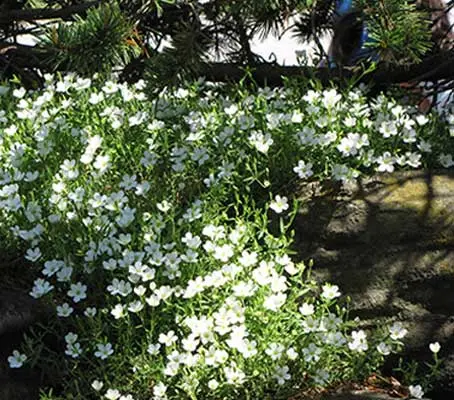
Sandwort.
Arenaria montana is a classic little alpine or rock garden plant, still relatively unknown to many gardeners. The plant forms prostrate mats of evergreen foliage, blanketed by large white flowers. They are at their loveliest spilling over walls and will quickly fill in the spaces between stepping stones.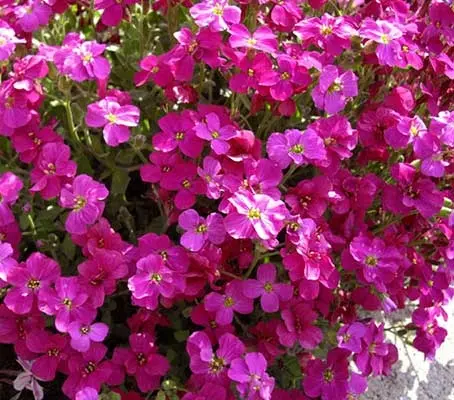
False Rockcress, Large-flowered Aubrieta
Aubrieta is a traditional rock garden plant that is lovely growing over rock walls or spilling out of crevices. ‘Leichtlinii’ forms a low cushion of leaves that is smothered by wonderful deep-carmine flowers.
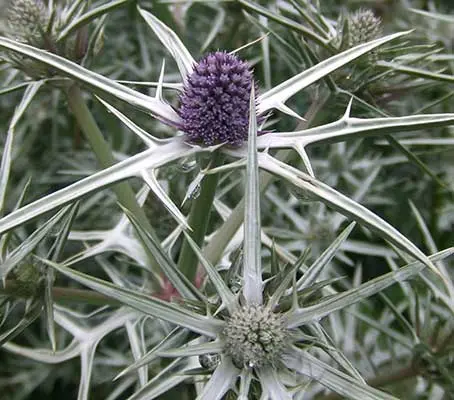
Variable-Leaved Sea Holly, Moroccan Sea Holly
Eryngium variifolium ‘Miss Marble’ is a spectacular evergreen perennial. The neat mound of basal leaves are attractively marbled with silver veining. In summer upright stems bear silvery-blue flowers, each thimble is surrounded by long, slender bracts which splay outwards, adding to the prickly appearance.
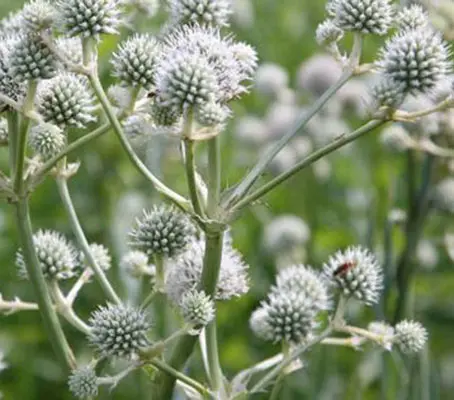
Button Sea Holly, Rattlesnake Master
Long sword-shaped leaves, tight set white spheres and ivory-white bracts on smooth stiff stems. Eryngium yuccifolium have a unique structure that make it highly desirable.
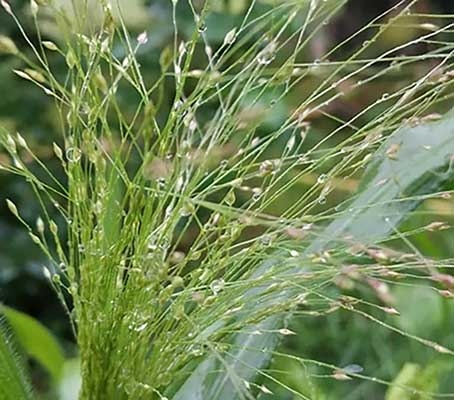
Fountain Grass, Fiber Optic Grass
Panicum elegans is a graceful annual grass grown for its glittering silvery seed heads. Easy and reliable to grow, in the garden it softens plantings Much loved by florists, the feathery sprays are quick to grow and prized for cutting. Its airy seed heads retain their sparkle when dried.
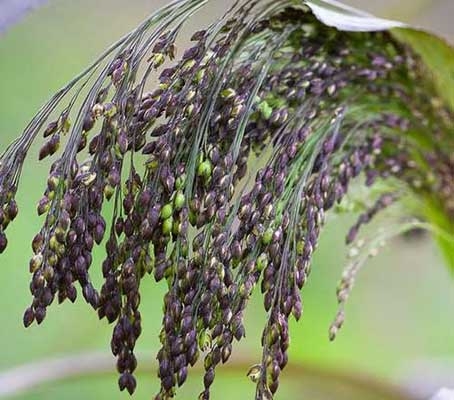
Violet Panic Grass
With arching panicles densely packed with glossy, violet-black seeds, Panicum miliaceum Violaceum is highly prized by florists. They brings structure, movement and colour to both fresh and dried arrangements and hold their seeds well without shedding, and have an excellent vase life of around 10 to 14 days.
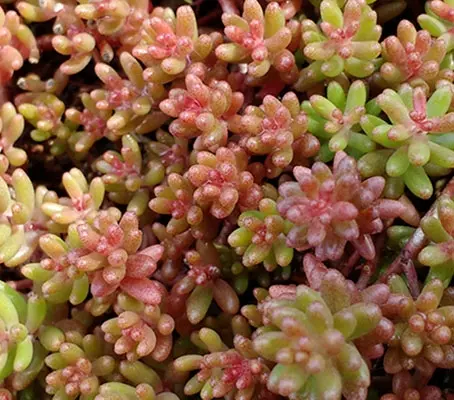
Coral Carpet Sedum
Sedum album is one of the most popular forms of sedum, known for its dense foliage as it changes colour throughout the seasons. The leaves emerge a coral-salmon in spring, change to bright green in summer and then to reddish bronze with the arrival of cooler temperatures. In summer the plants explode in masses of tiny, white star-shaped flowers.
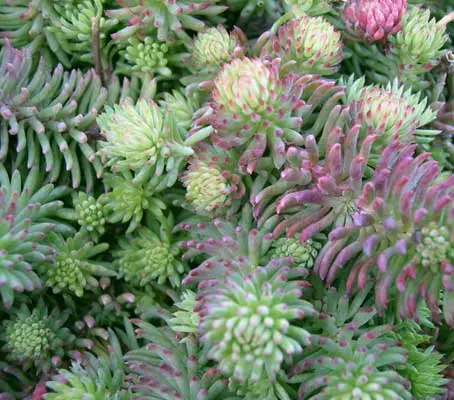
Stonecrop
Sedum forsterianum ‘Silver Stone’ is one of the more unusual textured species, with whorls of silver-green foliage. In late summer bright yellow star shaped flowers appear. This low-growing succulent plant grows to a height of 15 to 20cm, extremely hardy it can cope with temperatures down to minus 34°C.
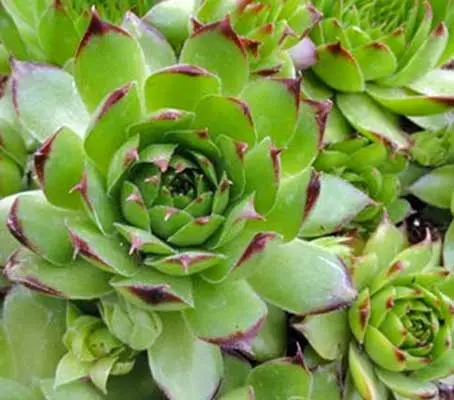
Hens 'n' Chicks, Houseleek
Native to Europe, Sempervivum tectorum is a widely-planted succulent that has been grown in and around human settlements for millennia. Their rosettes are fascinating with their succulent leaves radiating around the centre, their colour hues are stunning and their tendency to produce offsets makes for easy increase.
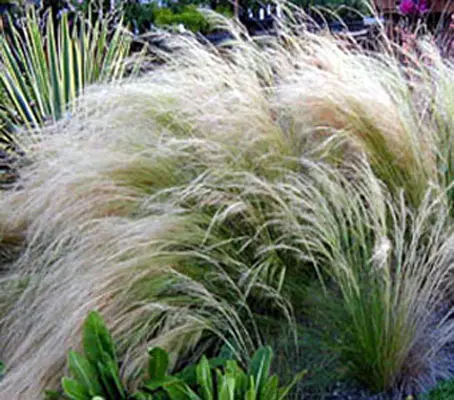
Recently renamed 'Nassella tenuissima'. Mexican Feather Grass
Stipa tenuissima ‘Pony Tails’ is wonderfully impressive. In summer, plants are covered with masses of elegant pale feathery seed-heads which are held a little above the foliage. These can be cut for use in arrangements indoors. Alternatively they make a useful winter food source for finches and other seed-eating birds.
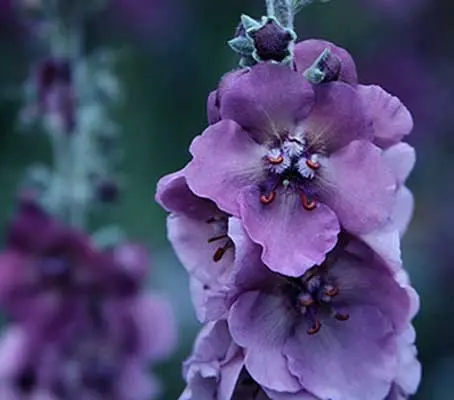
Purple Mullein
English gardeners are very familiar with this plant and consider it essential for a well-structured garden. Verbascum phoeniceum ‘Hybrids Mix’ flower freely, giving a glorious plethora of colours from delicate salmon to rich claret. A true perennial which can flower the first year given an early sowing.
€2.55
€2.65
€3.25
€2.75
€3.45
€2.65
€2.95
€2.75
€3.95
€2.25
€2.95
€2.75 – €9.75Price range: €2.75 through €9.75
€2.35
€2.35
€2.25
€2.35
€2.45
€3.50
€2.10