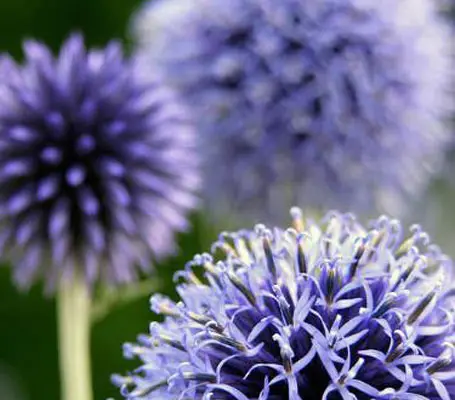
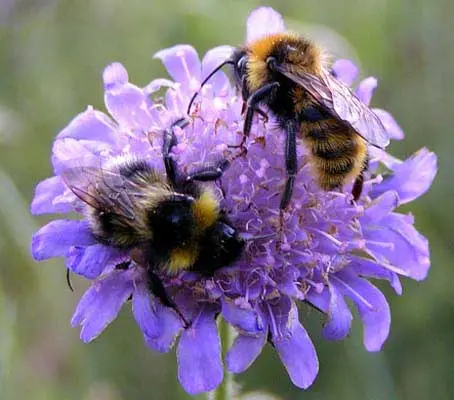
 One of my favourites for the back row. The rounded, violet-blue flower heads on silvery, branched, leafy stems are actually much softer than they look. An unusual colour and structure, so a great conversation piece and an excellent dried flower.
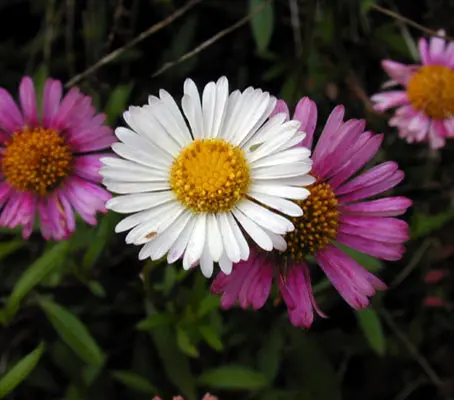 Producing a profusion of daisy like blooms from May right through till November, Erigeron is easy to grow and an amazingly versatile plant, being low-growing, happy in sun or partial shade and thriving in any well-drained soil.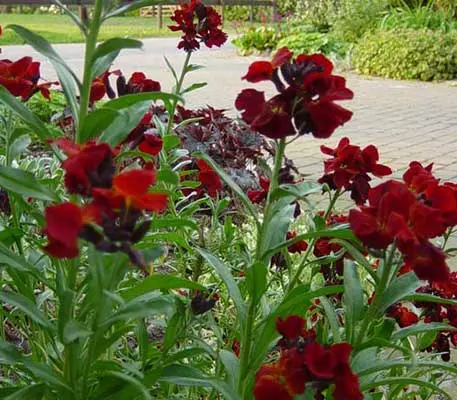
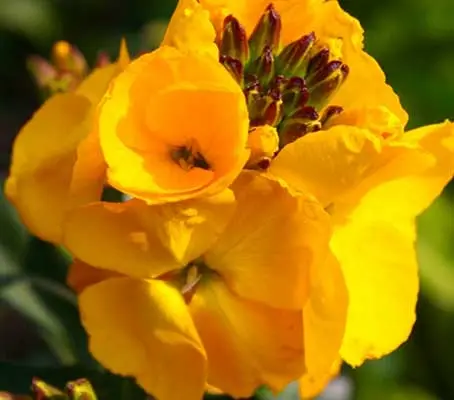
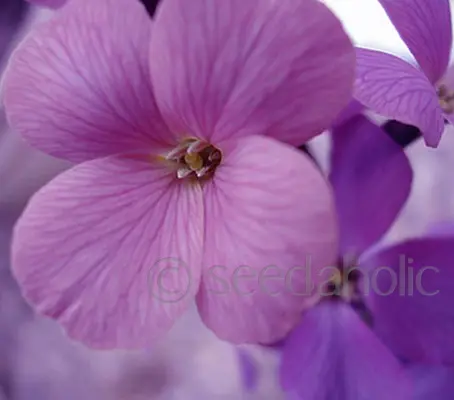
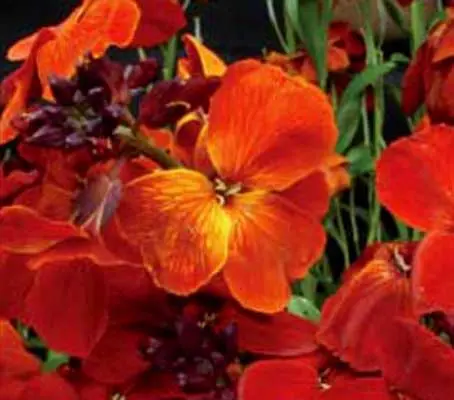
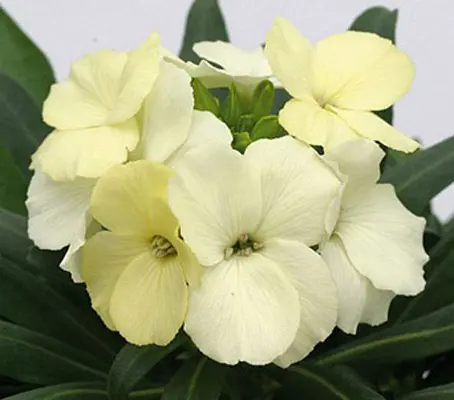
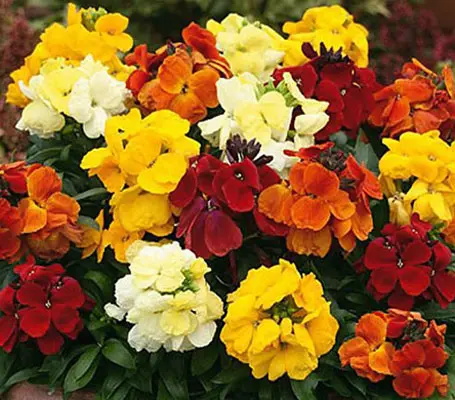 This is a classic Wallflower mixture, with the super rich colours you’d expect to see in a Persian Carpet (at a fraction of the cost!) purple, gold, orange, rose, cream and apricot. It is not without reason that this bushy variety so impressed the RHS judges.
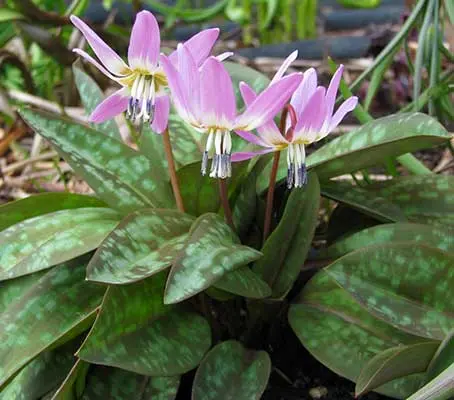 Erythronium dens-canis is attractive from the moment it pokes up from the soil in early spring. The oval pointed leaves with bronze patterns appear in early spring and are followed shortly by nodding rose pink to purple, elfin-cap flowers that bloom for several weeks.
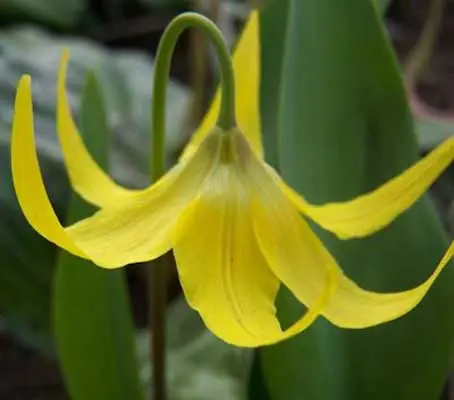 Erythronium grandiflorum is a rarely offered species. Native to west North America, it is one of the largest of the genus. Blooming in early spring, each flower stem has up to ten golden yellow, nodding, star-shaped flowers with reflexed petals.
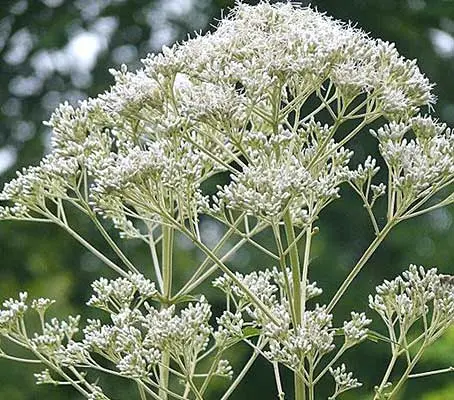 Introduced in 2010, Eupatorium ‘Ivory Towers’ is relatively new to our gardens. This architectural plant bears generously clusters of ivory-white blooms which are long-lasting and beloved by butterflies. Given an early sowing, will flower the first year.
 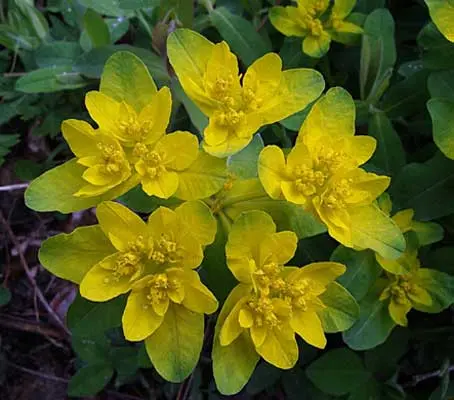 Euphorbias give us some of the best early spring herbaceous colour, but Euphorbia polychroma has the most impact. This compact variety grows to only 50cm with a great mound of yellow-green flowers in spring and echoes the daffodils.
 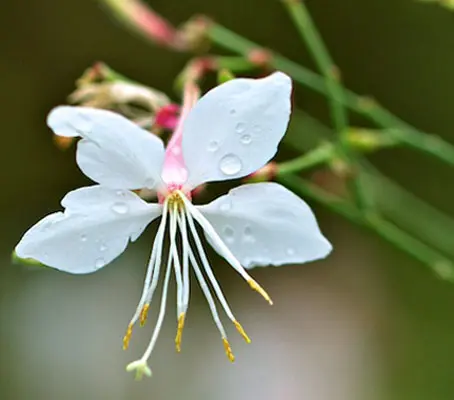 In the last decade, Gaura ‘The Bride’ has skyrocketed to popularity among gardeners.A graceful, hazy plant with airy spikes of white, star-shaped flowers with long anthers like daddy long-legs, held on slender stems from May to September. RHS AGM
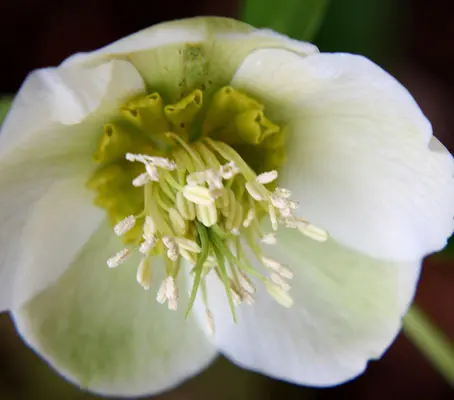 Helleborus niger is smaller and more compact than any of its relatives and is the first in bloom, producing a succession of delicate white flowers throughout winter. It is a welcome sight when the snow thaws to see something so pretty in bloom.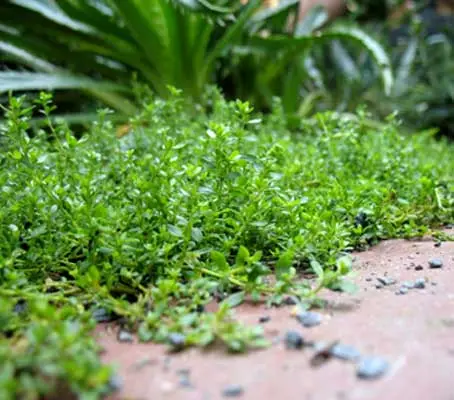
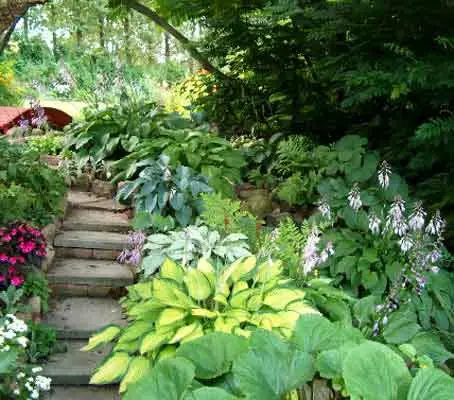
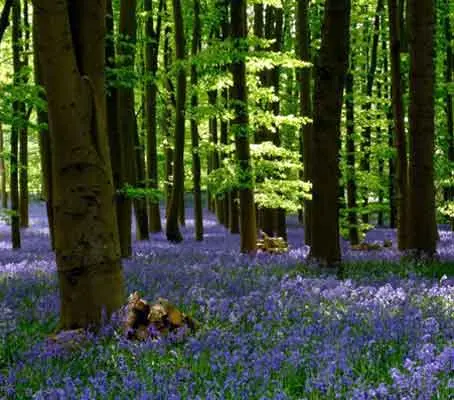
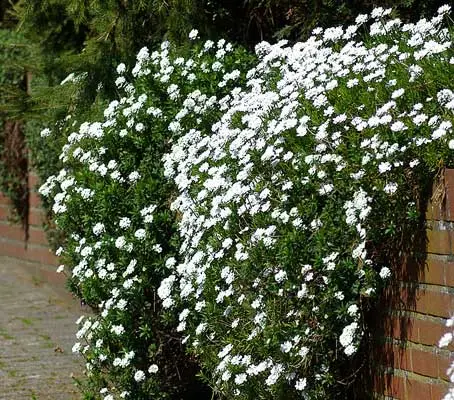 Iberis sempervirens is an early season favorite. This low bushy plant produces mounds of blinding white flowers in spring to early summer. An all round tough plant suitable for problem areas, use for containers, for pathways and crevices of ornamental walls.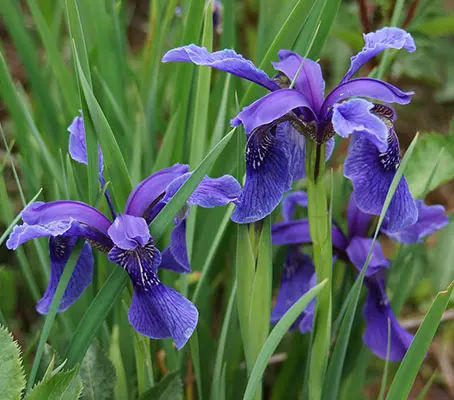
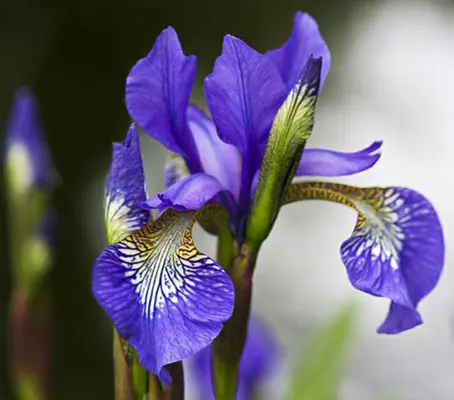
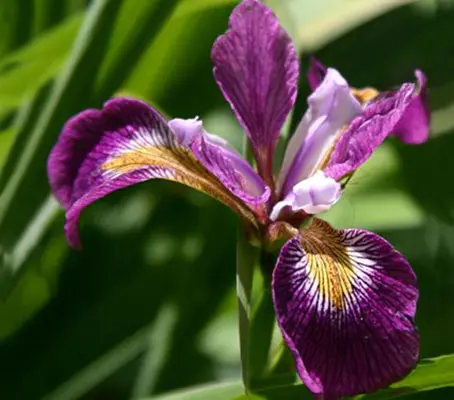
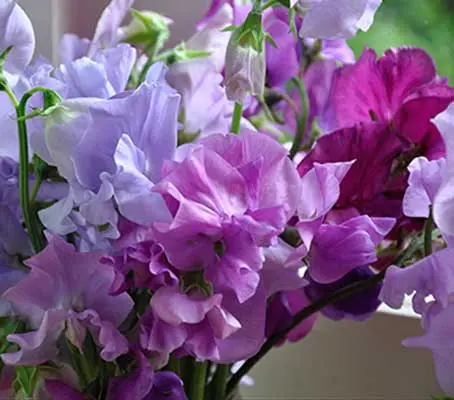
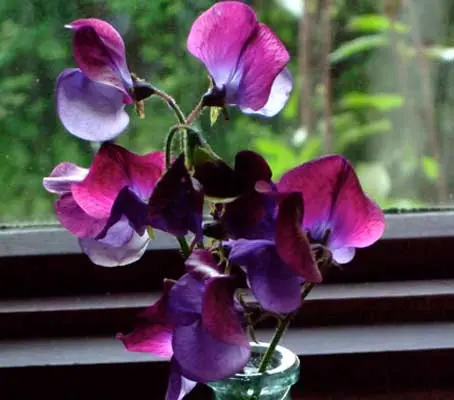 ‘Matucana’ was first introduced into this country from Sicily in 1699, this delightful heirloom dates back at least three centuries, highly valued for its wonderfully strong, sweet scent as well as its brilliant bicoloured blooms of richest purple and violet .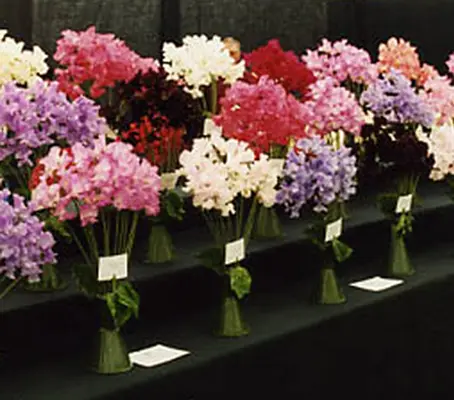
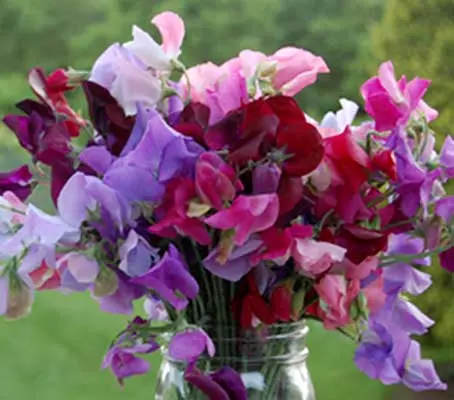
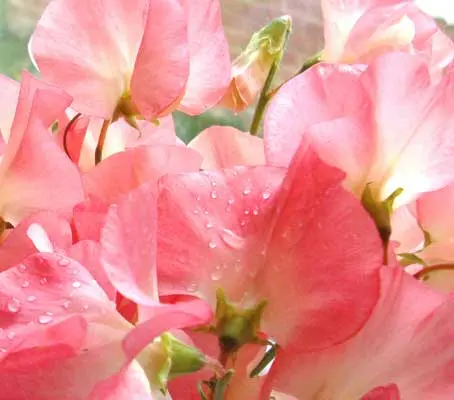
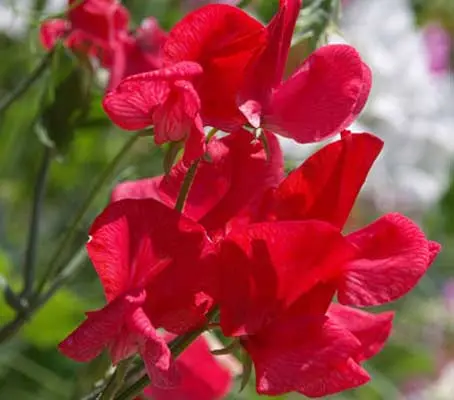 A highly scented heirloom sweet pea introduced by Henry Eckford in 1905 and named in honour of Queen Alexandria, wife of King Edward VII. Lathyrus odoratus ‘Queen Alexandria’ has bright scarlet-pink blooms with three flowers per stem. Strongly scented too.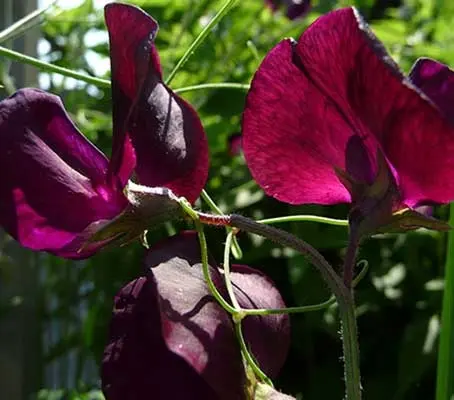
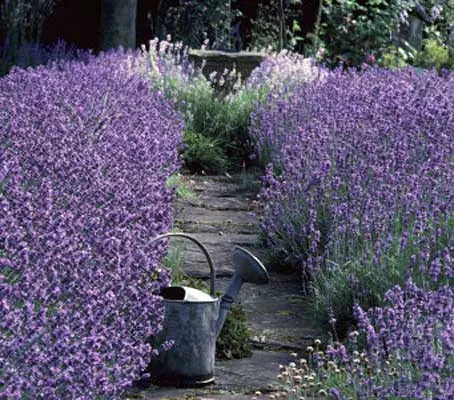
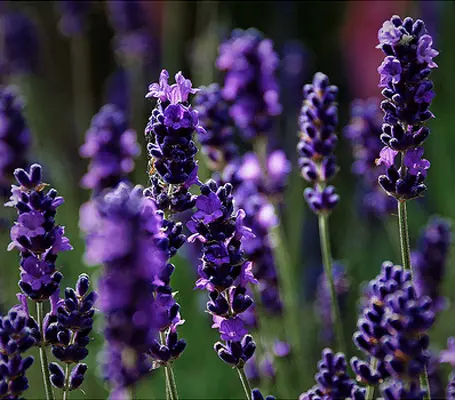 The deepest purple of all and one of the most popular lavenders is ‘Hidcote Blue’. A compact variety, suitable for growing in borders or as dwarf hedging, with dense silver-grey foliage covered in fragrant, dark purple-blue flower spikes in mid-summer.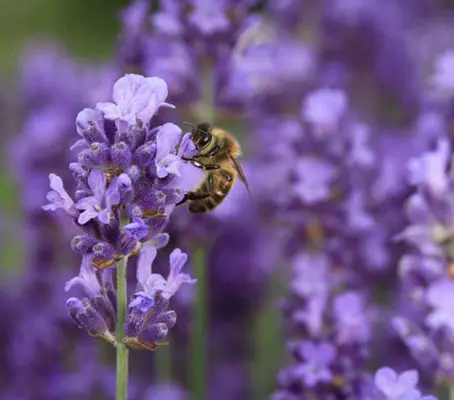
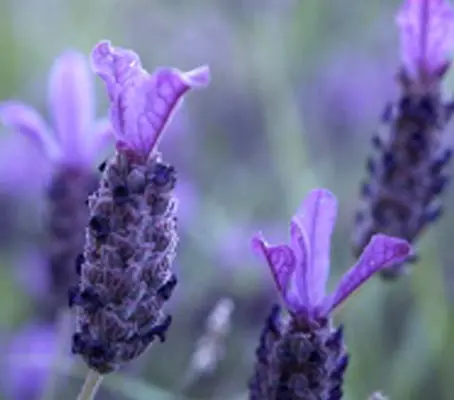 Lavender stoechas is an old variety, cultivated for more than 400 years, it is a favourite both for its intense fragrance and for the short dense flower spikes. French Lavender blooms from spring to frost and has a good clean scent.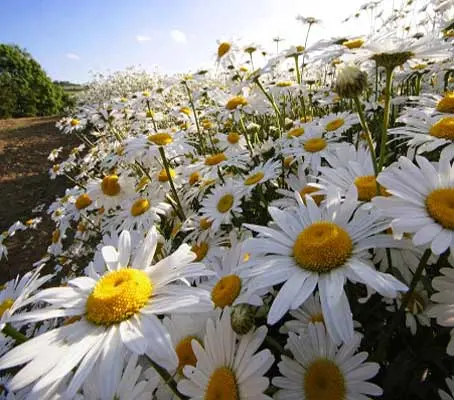
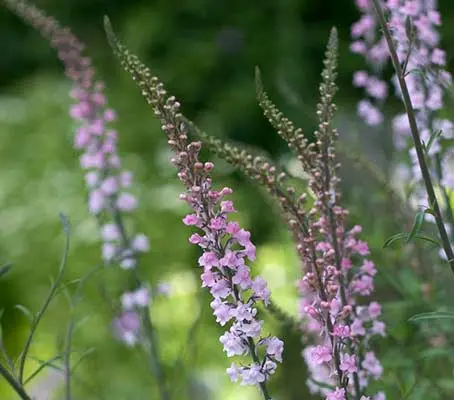
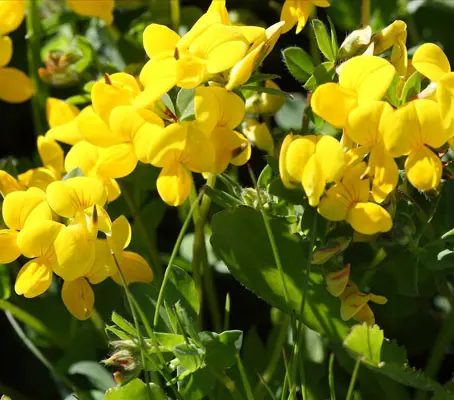
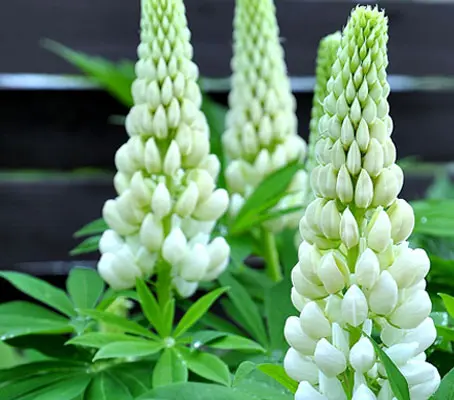 Lupin ‘Noble Maiden’, occasionally called Fraülein, feature soft ivory white buds that open to pure clean white. The flowers open from the bottom up making for a longer blooming period. Stunning in the border or in a vase.
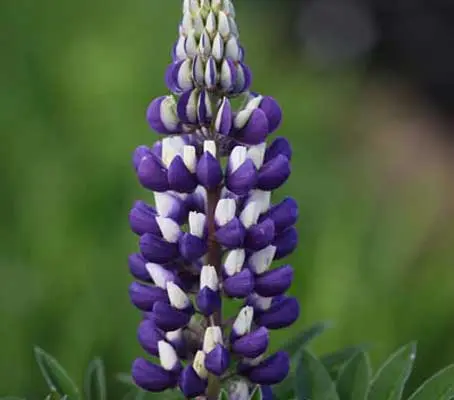 George Russell developed his Lupins aiming for, and achieving a central stalk or spike totally obscured by colourful flowers. ‘The Governor’ is one of the most popular from the series and features deep ultramarine blue blooms each with white flag.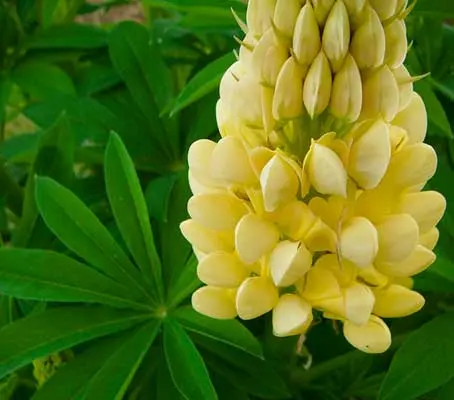
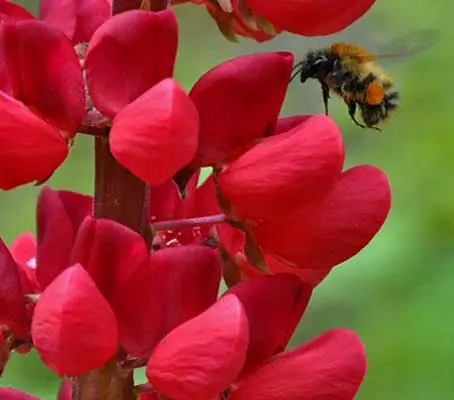 The magnificent vertical stems of Lupin ‘My Castle’ produce vibrant red blooms bringing height and grandeur to summer borders. The intense colour of this robust variety makes a real statement when planted in drifts, or dotted among other perennials.