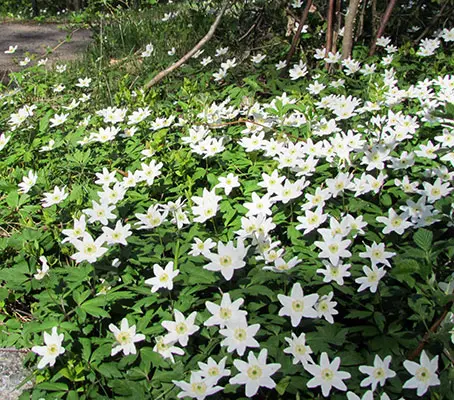
Monarda fistulosa, also known as Bergamot is famed for its medicinal qualities. While in the perennial border these lovely plants produce a mass of mauve-purple blooms (even in their first year from an early sowing) and have uniquely scented foliage. Highly attractive to bees and butterflies.
Veteran gardeners are probably already aware of nepeta’s versatility in the garden. From its popular partnering with roses to the softening effect it has on hard edges. Nepeta is an ideal perennial for new gardeners and, of course, cats adore it.Despite its American provenance Panicum virgatum was originally taken up by German landscapers and gardeners. Renowned for its steely coloured blue-grey to blue-purple leaves, but it is the contrast between the rigid, stainless-steel foliage and purple-pink froth that really charms.
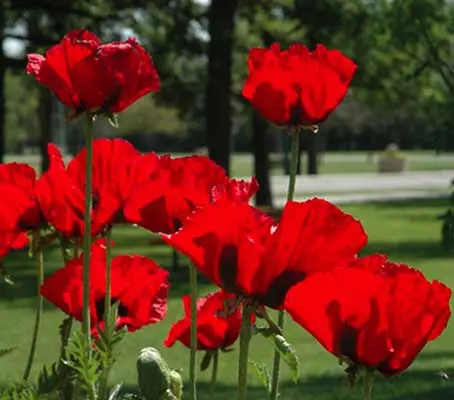
Papaver orientale ‘Brilliant’ exhibits immense scarlet red satiny blooms, each boasting intricately decorated, deep purple-black hearts. A good border plant, as well as an eye catching cut flower, they are very long-lived and virtually care-free, these undemanding plants provide a real spectacle year after year.
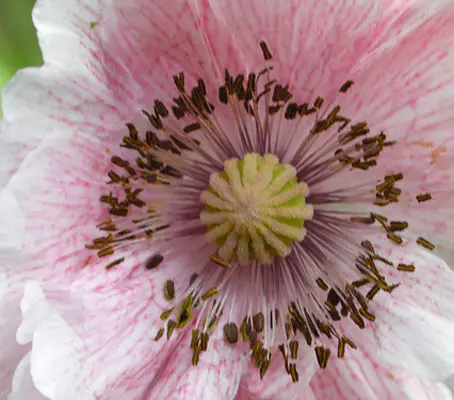
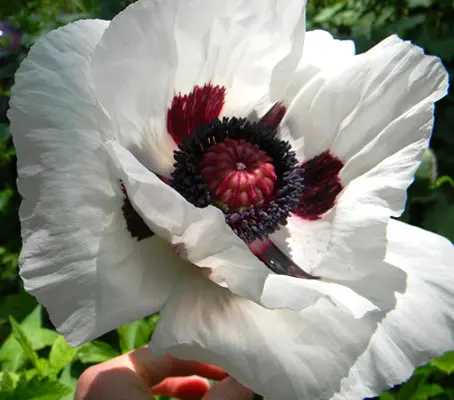
Nothing compares to the grace of the Oriental poppy, and ‘Royal Wedding’ is perhaps one of the most striking examples. It exhibits immense pure white satiny blooms with intricately decorated, deep purple-black hearts. They provide a real spectacle year after year. Papaver ‘Black Peony’ has fascinating, large, fully double, dark purple-maroon, almost black flowers, with lovely crinkled petals. When the flowers do burst, overnight, from their casings, the gardener is treated to some of the most dramatic flowers in the plant kingdom.
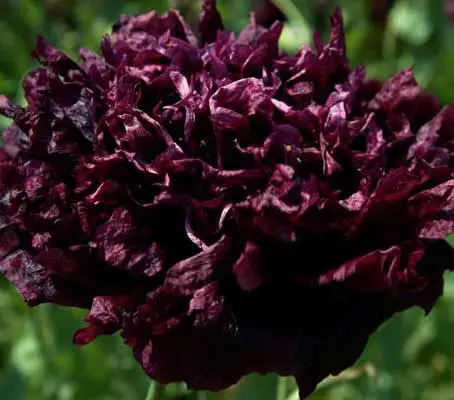
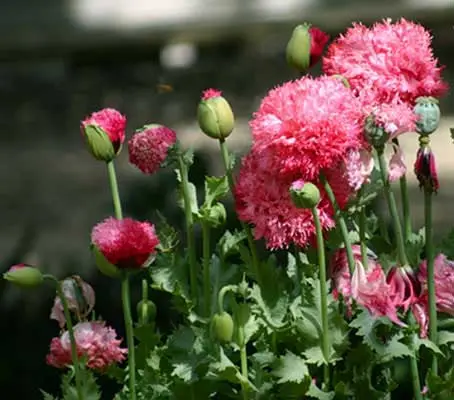
Also known as Peony poppies, Papaver paeoniflorum producing a summer-long succession of fascinating, heavily doubled, large flowers with lovely crinkled petals. Their spectacular blooms, in a multitude of colours are one of the easiest ways to add a bit of architecture and a lot of colour to your garden.
Originally raised in the 1880’s by the Rev. Wilks in his garden in Shirley near Croydon in Surrey. The flowers are often likened to tissue paper, in colours from the brightest scarlet to pure white, with all shades of pink in between and all varieties of flaked and edged flowers.
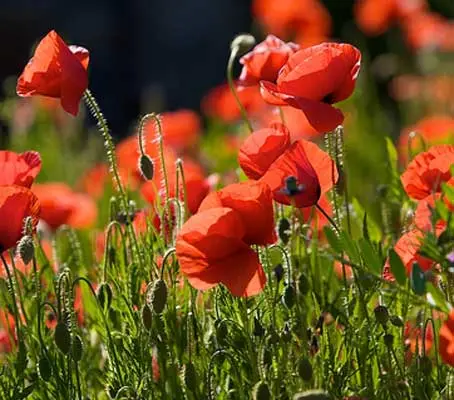
With its brilliant scarlet flowers, this native wild flower needs no introduction. Single, red, cup-shaped flowers usually with a black blotch at the base of the petals. It is the classic poppy bloom that paint a road verge or embankment a brilliant hue in their first year.
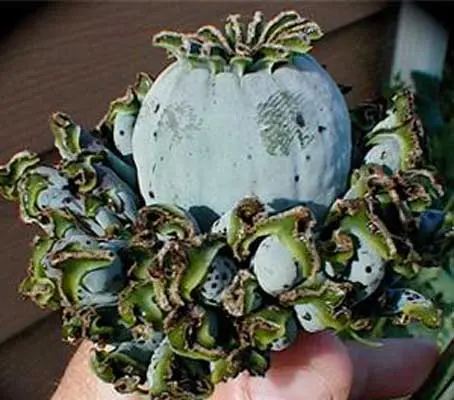
This ancient form of cultivated poppy produces the most unusual seed pod of all poppies. The main pod is surrounded by masses of smaller pods. Primarily grown for their curious seed pods which are extremely decorative, they are much in demand for cut and dried flower arrangements.
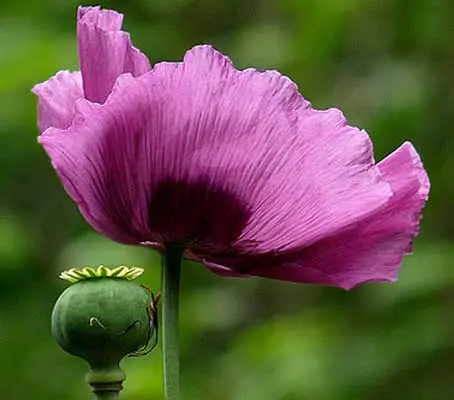
With their impressive variety, spectacular blooms and strange seed pods, ‘Pepperbox’ poppies are one of the easiest ways to add a bit of architecture and a lot of colour to your garden. The glorious, papery-textured flowers bloom in a multitude of colours, rich purples, deep reds to pale lilac-pinks.
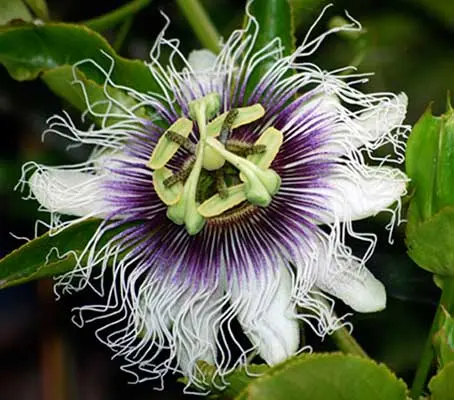
A Passiflora that produces very fragrant, unusual flowers. The flowers are white, except the base of the corona which is purple; the filaments are curly, as long as the petals, 5 to 7cm across. The edible fruits possess pleasant flavour, kind of sweet and a little tart.
Pennisetum alopecuroides is an especially appealing species, it changes its appearance and colour throughout the growing season. In late summer graceful fountain-like plumes emerge in profusion, they slowly change colour to a blend of green, soft pinks and light-colored maroons before maturing to light tan.
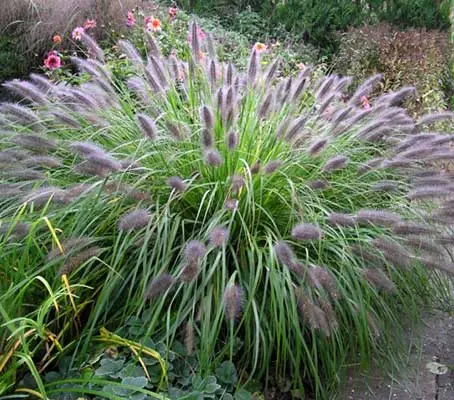
Pennisetum alopecuroides is one of the easiest and most visually stunning grasses you can grow. Fountain-like smoky purple-black plumes contrast nicely with the slender arching, glossy, deep green foliage.
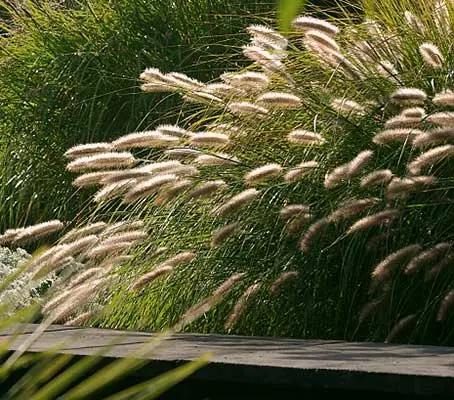
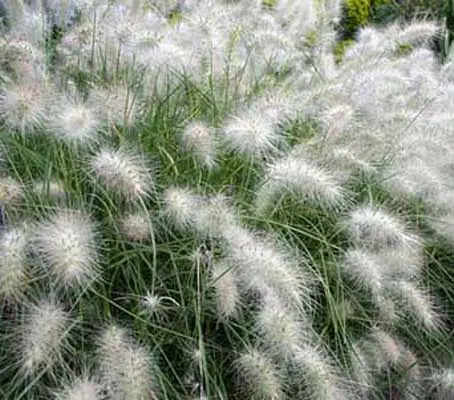
Pennisetum villosum is one of the easiest and most visually stunning grasses to grow. Brilliant white, rabbit-tail spikes are produced in abundance from bushy, clump-forming plants.
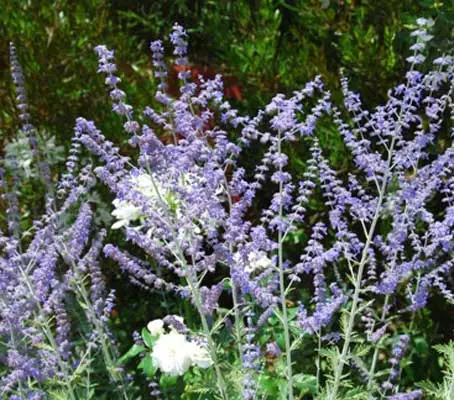
Russian Sage is one of the great garden plants of all time, but if you’ve been frustrated by their floppy nature, this new variety will be a welcome addition. Growing to about 60 to 75cm tall, Perovskia atriplicifolia ‘Taiga’ is also the first Russian sage available as a first year flowering perennial.
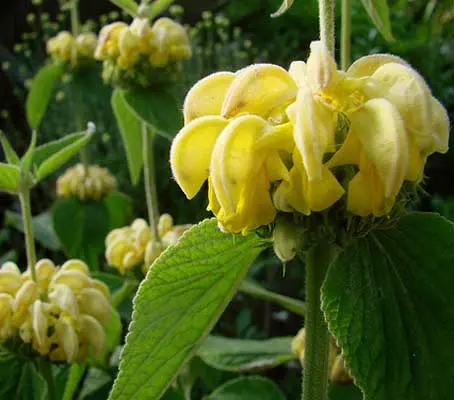
A justifiably popular plant. Phlomis russeliana blooms with dramatic whorls of hooded, soft yellow flowers on tall, erect stems. Each plant can contain as many as fifty individual blooms creating a magnificent candelabra effect.
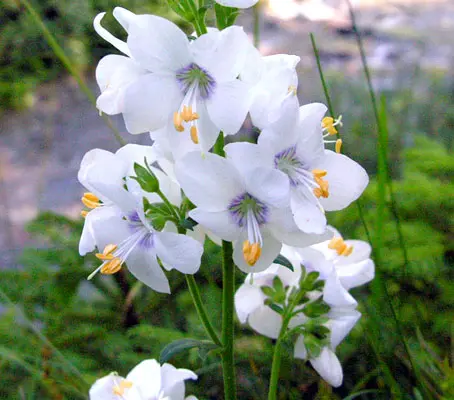
The white form of the lovely Jacobs Ladder, named after the slender, fresh green leaflets arranged like the rungs of a ladder. Blooming in late spring to early summer, the bright foliage and white flowers will brighten shady locations. Both the flowers and the attractive ferny foliage are excellent for cutting.
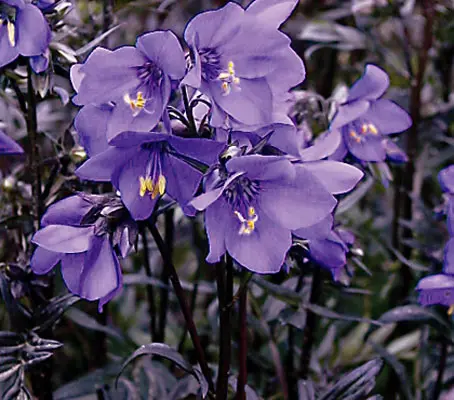
Collected at altitude in Japan and introduced in 2006, Polemonium yezoense ‘Purple Rain’ is one of the best new introductions in recent years. With bronze-purple lacy foliage, dark stems and violet-blue flowers, it is the darkest flower form of Polemonium available.
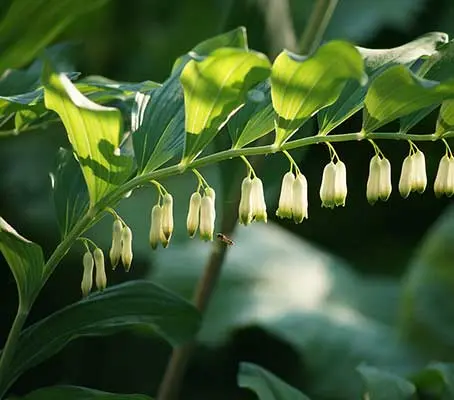
Whether you know this plant by its scientific name Polygonatum, or the more poetic variant Solomon’s Seal, this plant is a welcome addition to the shade garden. The bright green elliptical leaves look wonderful amongst native ferns.
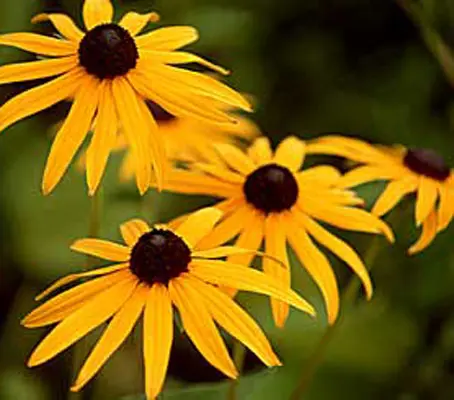
Rudbeckia are one of the top ten favorites of many gardeners’. Goldsturm is a compact form of the yolk-yellow black-eyed Susan, it is short enough not to need staking and never flops. An excellent cut flower and a great choice for mass planting.An absolute gift to flower arrangers, this is a noble and ornamental plant for the back of any border making nice clumps of foliage. It is, of course, the flowers that are remarkable: three or four inches across, “green” is one’s immediate impression on seeing them.
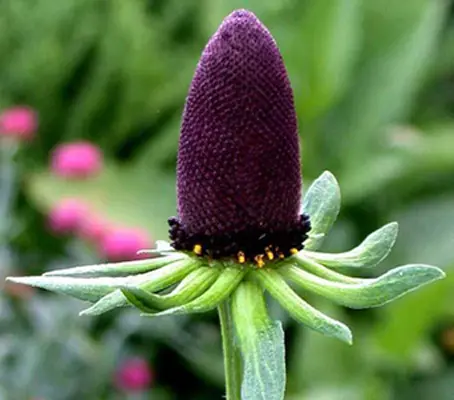
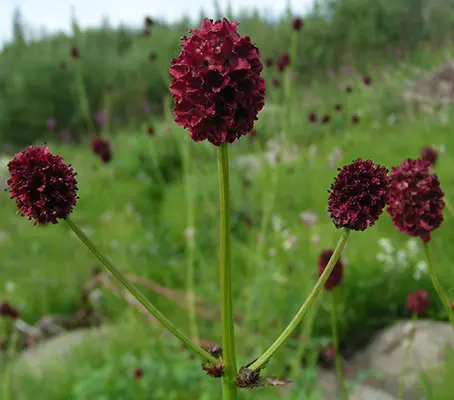
Sanguisorba convey a relaxed feel to the garden, indispensable to the modern gardener, but it is the summer when the unusual red flowers top the slender, upright stems that it really becomes a head-turner.
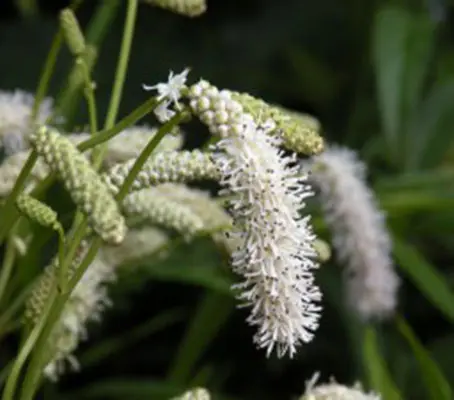
Sanguisorba tenuifolia ‘Alba’ is a Japanese species that has infiltrated our psyche. The most refined of perennials, the highly tactile flowers float like dainty ghosts at the tips of their slender stems.
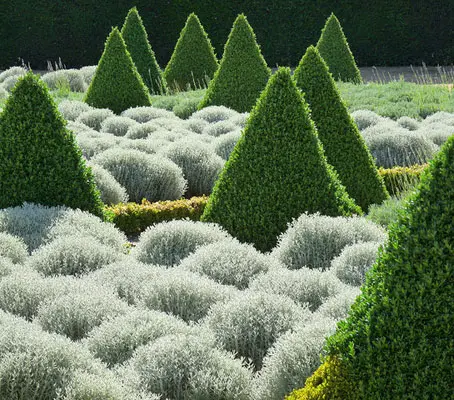
Santolina, commonly known as Lavender Cotton is a small shrub with soft, woolly, finely divided foliage, that make neat, rounded bushes. They are valuable for mass planting, ideal for knot gardens and small hedging around herb gardens etc. It will stand any amount of clipping and shaping – a perfect plant for control freaks.
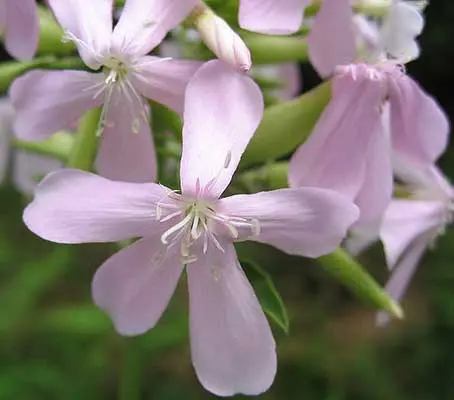
Cleanliness is next to godliness even in history. For centuries Saponaria officinalis has helped keep us clean while providing a little loveliness in our gardens. The flowers are an important nectar source and emit a pleasant and intriguing clove-like scent, seducing both night moths and butterfly species.
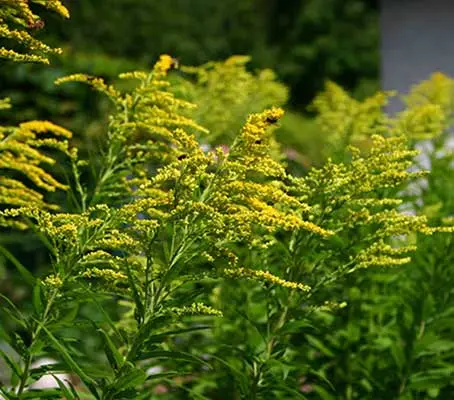
Solidago canadensis ‘Golden Baby’ is an easy to grow hardy perennial that bears flat-topped clusters of golden-yellow plumes. Growing to around 60cm tall they are perfect for borders or containers and provide end-of-season colour. Given an early sowing they will bloom in their first year.
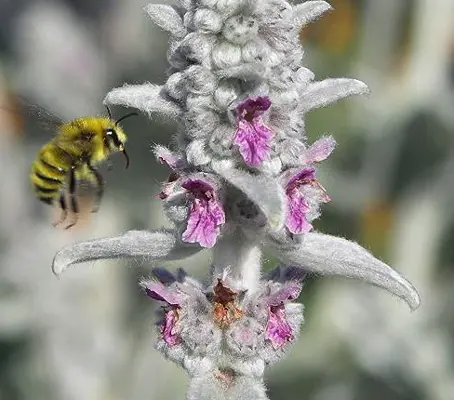
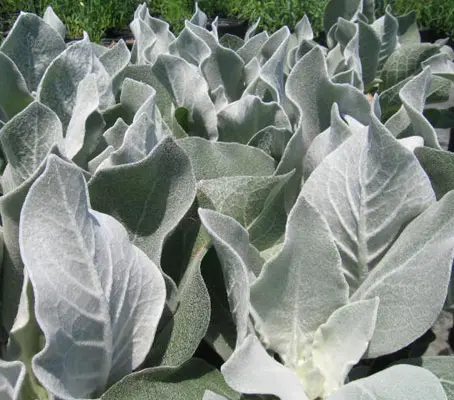
What can I say? Its a plant you can pet!…Bees love it…children love it….and you just have to stoke it on the way past! Lambs’ ears is a well-known ground-covering perennial, popular for its soft, fluffy foliage, plus, it’s a great silver accent in between all the green going on in the garden.
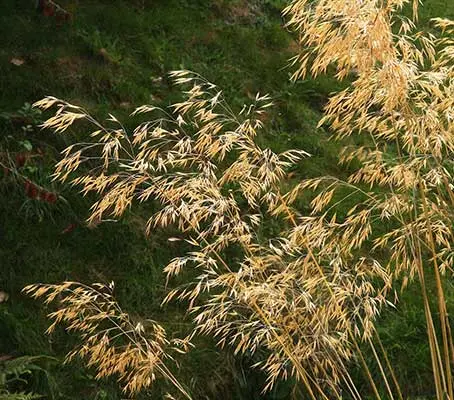
Stipa gigantea is the most dramatically beautiful of all grasses. It has the wonderful and fashionably transparent quality of providing height without bulk, tall stems of golden oat-like flowers allow glimpses into the garden beyond.Stokesia laevis is an adaptable and easy to grow perennial. With electric blue fringed petals and shaggy cornflower-like flower heads. It is considered by many as one of the most attractive late-flowering perennials.
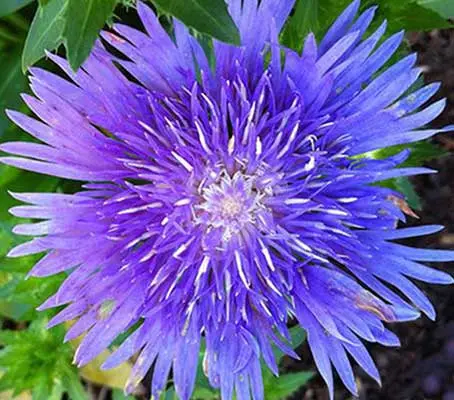
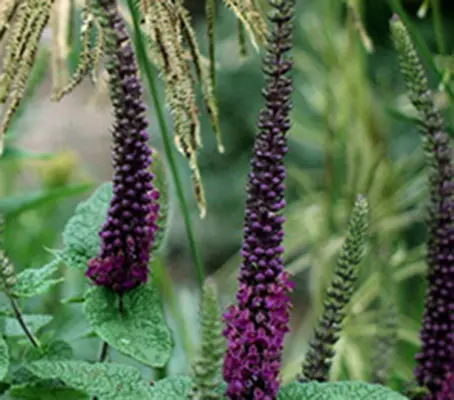
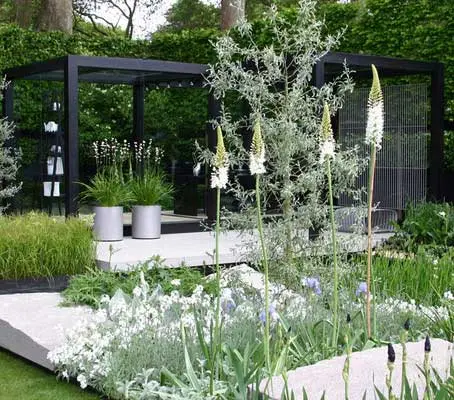
Summer-blooming spiky flowering plants – in garden design parlance ‘the verticals’. We all need some, and there are lots of contenders, but a plant that can go just about anywhere in the garden, cope with almost all situations and bloom with copious plush spikes over several weeks is a very rare treat.
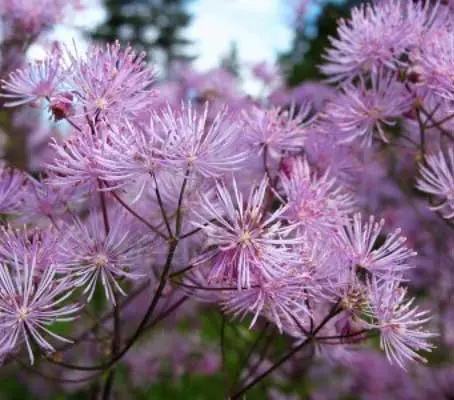
French Meadow Rue is a superb border plant, a superb array of flower stems which are topped by a hazy, fuzzy show of rose-mauve flowers. They add a marvellous, gentle effect in midsummer which contrasts well with more stately, formal plants. These bushy plants make dramatic accents in any border.
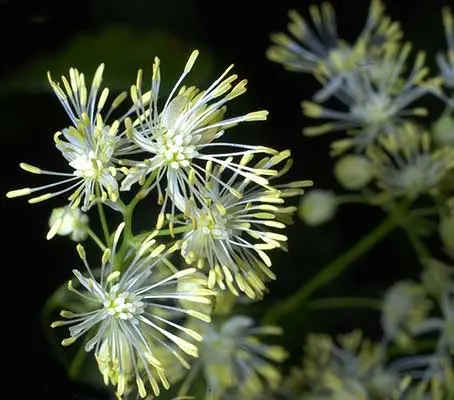
Thalictrum lucidum is a less well known species of meadow rue, it sports luscious deep green, fern-like foliage. In mid-summer the plant is festooned with a superb array of fragrant flower stems, topped with airy puffs of soft cream flowers each with bright yellow stamens.
As they say, white goes with everything and among theme gardens, the white garden may be the most popular. The White Garden Flower Mix gives a selection of spectacular, bright white annual flowers. Calm, soft and serene this beautiful mix will carry borders into early winter with panache.
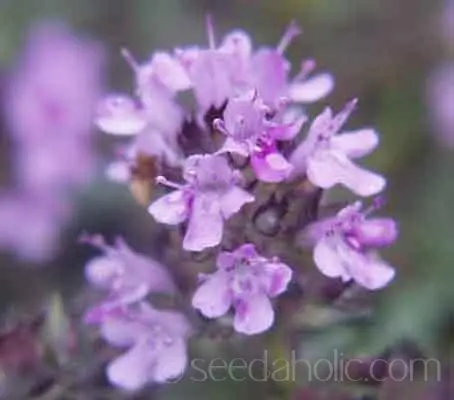
Thymus serpyllum is one of the most versatile groundcovers. Forming dense evergreen cushions of flowers these low maintenance plants don’t require mowing, watering or care, and can take a lot of abuse. Its leaves can be used as a culinary herb and its uses in the garden are almost unlimited.
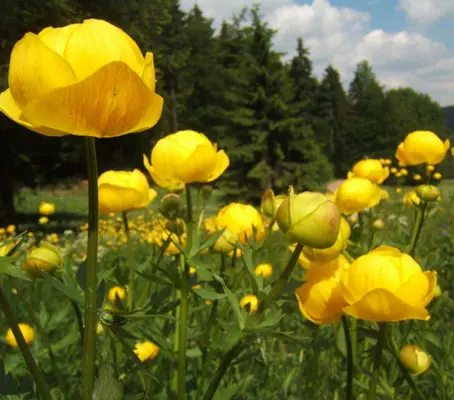
Trollius europaeus is a beautiful native wild flower of Europe and Western Asia. Found in damp ground in shady areas, it is a most attractive plant with dark green, deeply cut leaves and bears flowers, best described as egg-yolk yellow in colour.
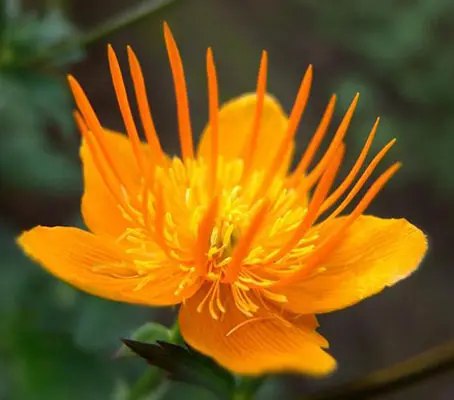
Trollius ‘Golden Queen’ has strong erect stems, rising up to three feet from out of its clump of serrated foliage. Each stem is topped by the largest brightest tangerine blossoms. Excellent for bouquets and magnets for butterflies and bees.Verbascum are a wonderful plant for making a garden feel uncontrived, producing masses of flowers without taking up lots of space on the ground. ‘White Blush’ is one of the most popular varieties. Growing to just 100cm, the dark crimson buds open to reveal large white flowers with deep purple stamens.
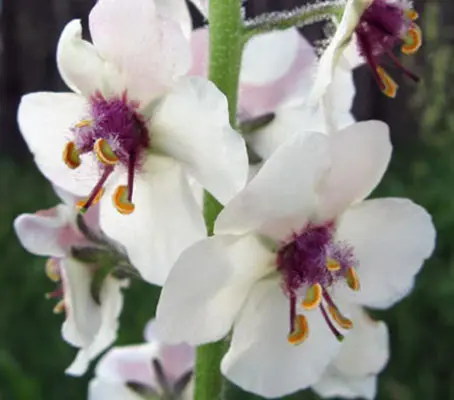
One look at this species of Verbascum and you will realise why it is also called ‘Arctic Summer’. Tall, white, fleecy flower stems emerge from felted evergreen leaves in early summer. Its stems and leaves are covered in a silvery down that gives it an appearance of being permanently covered with frost.
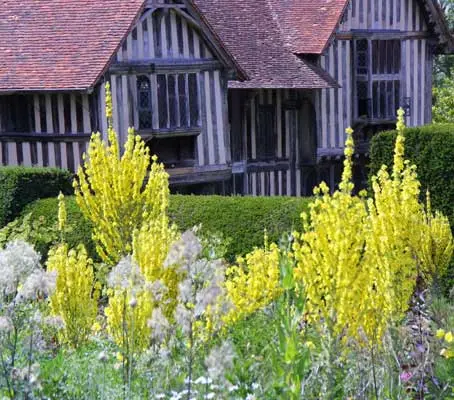
Verbascums are statuesque in both foliage and flower. This elegant species, native to the Olympus mountains is arguably the finest of the genus. Tall flower spikes rise from the centre of the foliage, each are weighted heavily with bright, golden-yellow blooms giving the effect of an enormous candelabra.
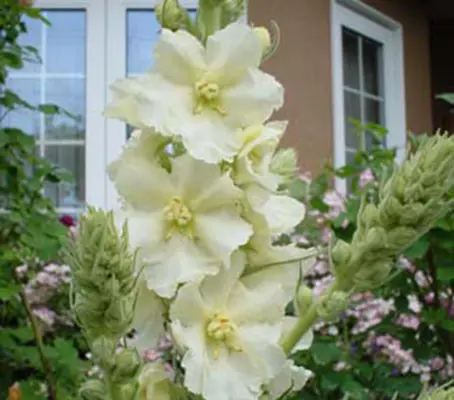
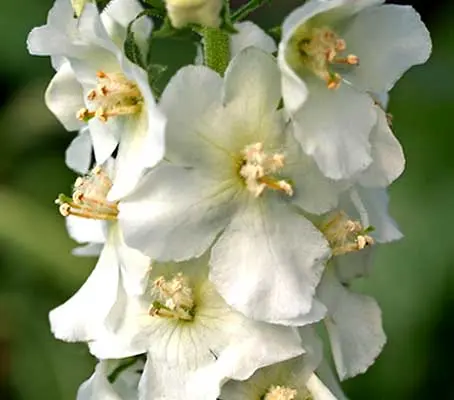
Verbascum ‘Snow Maiden’ is an incredibly beautiful mullein that grow to just 36 to 48cm tall. With masses of soft white flowers each with delicate yellow filaments they flower in June and continue to appear over a long summer, often right through to September. Very easy to grow from seed.
The poise of the lovely Verbascum phoeniceum ‘Flush of White’ makes this plant a natural candidate for the front of the border, even though its height might suggest, that it should go at the back. In summer winds, which snap off delphiniums and toss sunflowers awry, the Verbascum stands defiant.
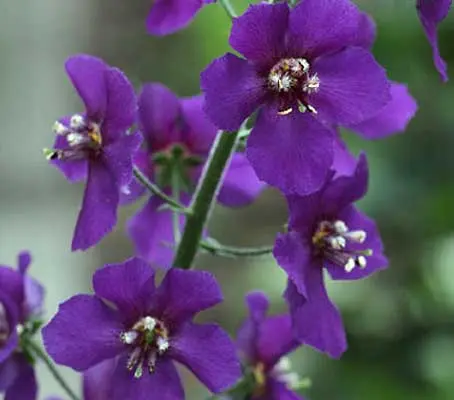
Relatively new to cultivation Verbascum phoeniceum ‘Violetta’ is the smallest growing of the perennial Verbascums. Soundly perennial and drought tolerant it produces delicate flower spikes with whorls of tissue thin purple blooms that ascend to the finest point. It is by far the darkest flowered mullein available.
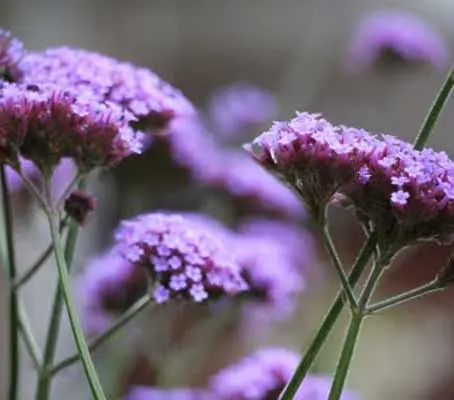
Verbena bonariensis is a very useful plant. The flowers, on tall, slim delicate stalks dance in the wind. It is a graceful counterpart to larger flowers and invariably compliments the landscape without overwhelming any of it.Verbena hastata ‘Blue Spires’ is the blue form of this lovely perennial, with multi-branching candelabra-like flower heads, the flowers slowly expand as they ascend the stems like burning sparklers. The flowers appear in mid-late summer and will last into late autumn.
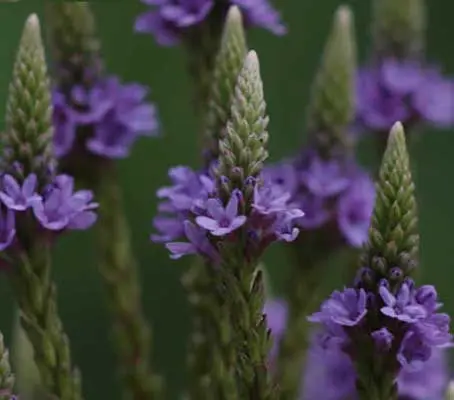
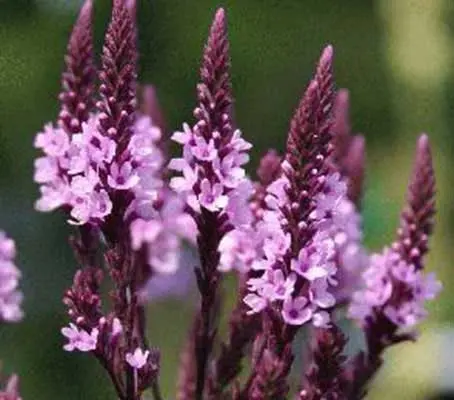
Verbena hastata ‘Pink Spires’ flowers with multi-branching candelabra-like flower heads. Appearing in mid-late summer and lasting into late autumn, this hardy plant does not need staking, and provides lots of mid to late summer colour in the garden.
Verbena hastata ‘White Spires’ is one of the choicest species available. It produces masses of pure white flowers on architectural flower heads. Its sheer volume of flowers make it a real winner. It is understandably increasing in popularity as it becomes more readily available.
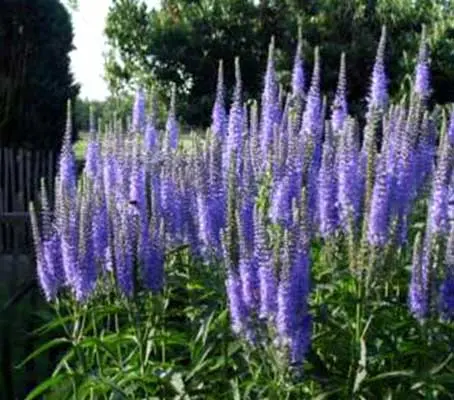
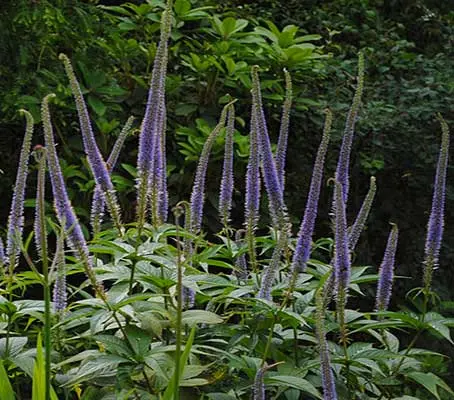
Gardeners are often looking for good solid perennials that will have attractive flowers, be easy to take care of, grow nicely but not take over the garden. One group of plants that should be considered is the Veronicas.
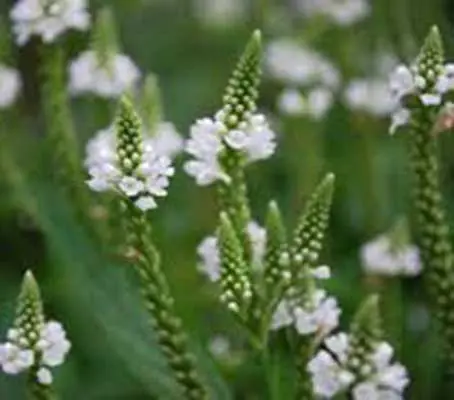
Veronicastrum is one of the most fashionable plants around. It is an excellent genus, full of hardy, trouble-free plants. The multiple tapering, soft spikes of white flowers look like elegant, living candelabras.
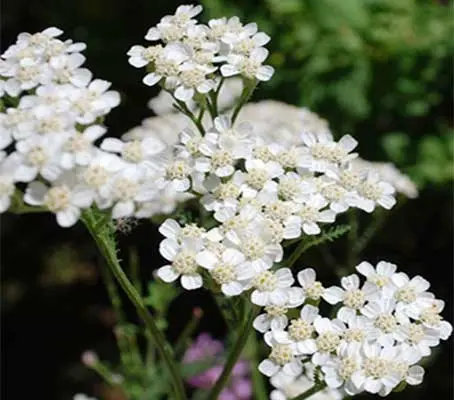
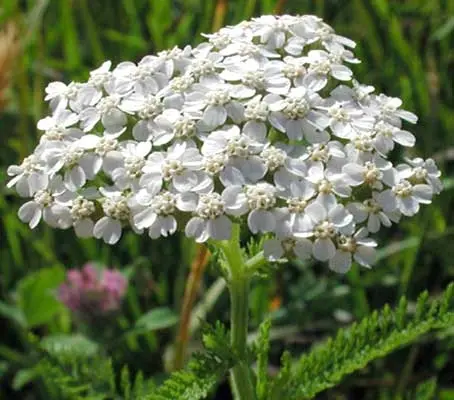
Achillea millefolium ‘Proa’ is an improved yarrow, a selected form that is higher yielding, with higher essential oil content, better flower production, and the flowers are more uniformly white. Preferred by those who use yarrow medicinally.
These native wildflowers have clustered flower heads of tiny white flowers that from a distance look like little patches of snow resting on the grass. This famous herb is terrific as a wildflower clump in a blooming meadow, they are also a favourite for cut and dried flower arrangements.
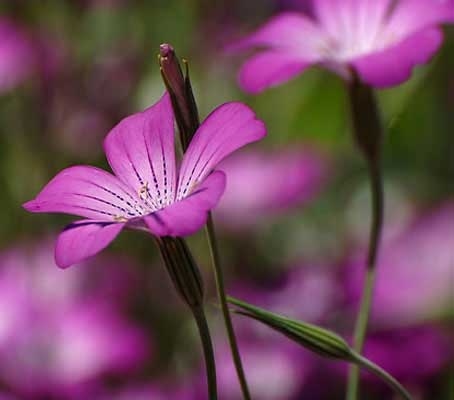
An attractive cornfield plant with pale purple flowers. Corncockle makes a great wildflower or cottage garden selection
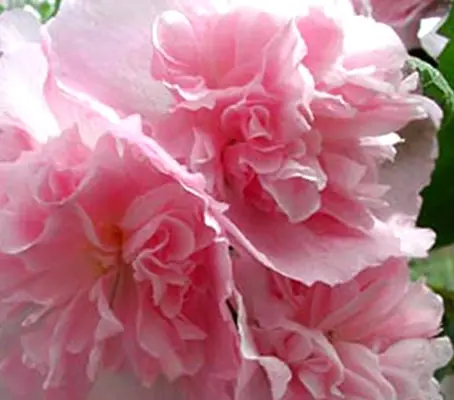
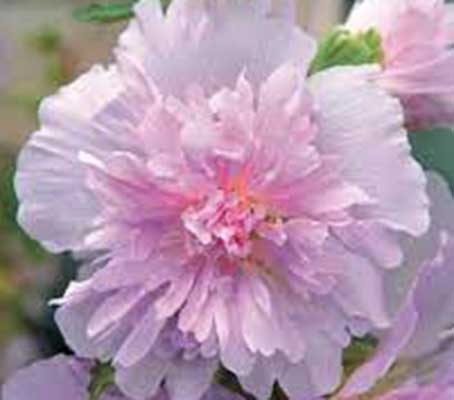
Alcea rosea ‘Chater’s Rose’ is a dramatic, upright plant, with a spike-like inflorescence that is covered with large buds that open, in a staggered manner, from June to September, from the bottom to the top. Fully double and almost pom-pom in appearance, the fine crepe texture of the petals is so delicate that it allows light to pass through.
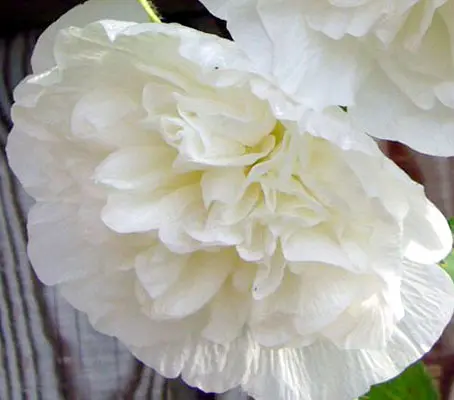
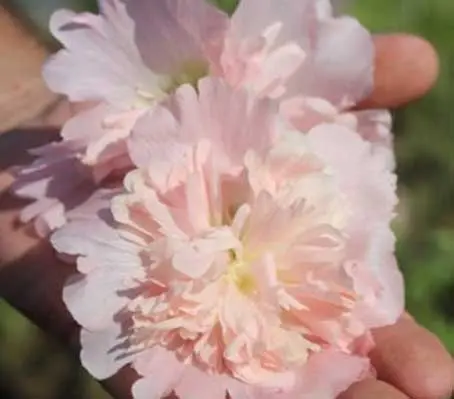
Alcea rosea ‘Chater’s White’ is a dramatic, upright plant, with a spike-like inflorescence that is covered with large buds that open, in a staggered manner, from June to September, from the bottom to the top. Fully double and almost pom-pom in appearance, the fine crepe texture of the petals is so delicate that it allows light to pass through.
Softly ruffled, fully double blooms in a an elegant, romantic shade, a delicate blend of lilac-pink and rose. ‘Queeny Lilac Rose’ is a compact variety perfect for borders, pots, or small gardens. It flowers its heart out in the first year from seed, an unusual trick for a hollyhock.
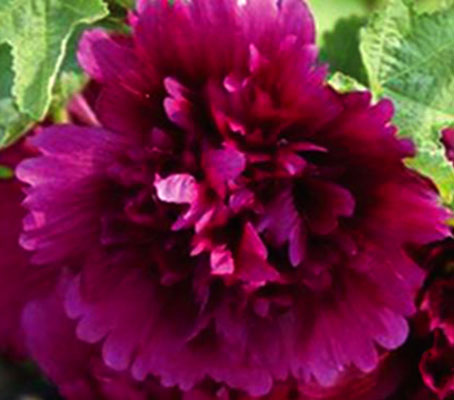
Alcea ‘Queeny Purple’ is a charming, compact hollyhock bred to bring all the grandeur of the cottage garden to smaller spaces. Unlike the tall varieties, it is a perennial that will bloom in its first year. Sturdy, well-branched stems are resistant to rust and are topped with rich, royal-purple blooms that open through to autumn.
€1.75
€2.25
€1.95 – €25.95Price range: €1.95 through €25.95
€2.75
€2.95
€2.45
€2.25
€4.25
€2.20
€3.95 – €23.95Price range: €3.95 through €23.95
€2.75 – €9.75Price range: €2.75 through €9.75
€2.45
€2.45
€2.35