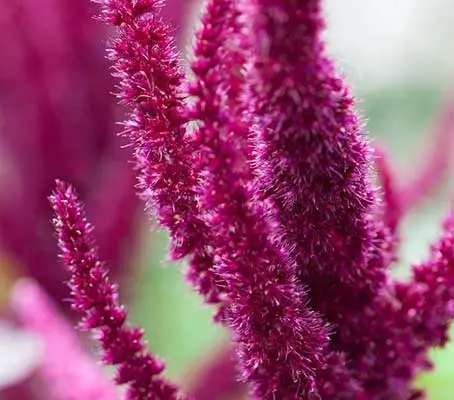
Amaranthus cruentus ‘Velvet Curtains’ provides intense crimson foliage and inflorescence. The dramatic plants with large plumes of flowers, ideal for a sunny, sheltered border. Flower heads will turn to seed and retain their colour for a long season of interest. The gluten free, protein rich seeds can be eaten as a grain, perfect for vegetarians and vegans.
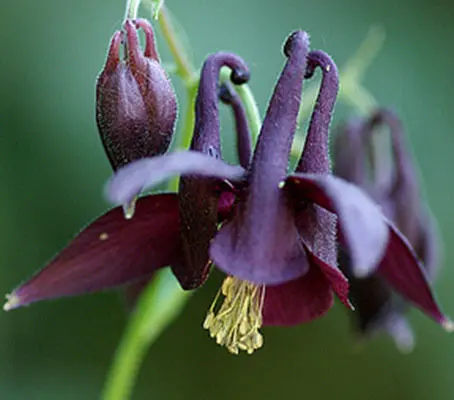
Aquilegia atrata is native to the alpine meadows and forests of Switzerland and Northern Europe. With many branching stems of deepest coloured, almost black flowers it is an outstanding, highly sought species which would be a showstopper in any garden.
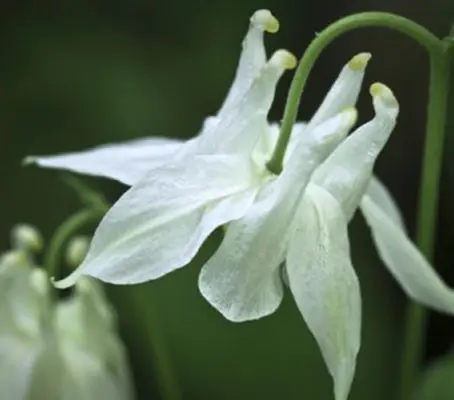
Aquilegia ‘Munstead White’ , also known as ‘Nivea’ is a handsome form with abundant white flowers. Naturally happier in the half shade of woodland edge, which in normal garden terms translates to the lee of a shrub or the middle of a border. Easy to grow they come back year after year without any horticultural care.
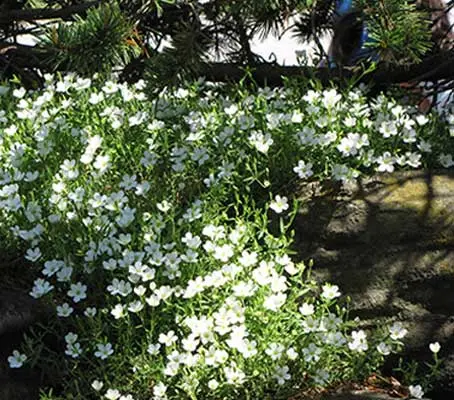
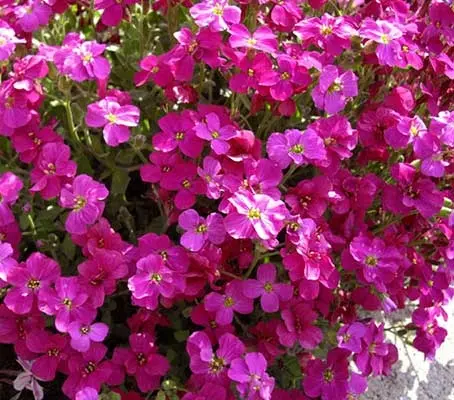
Arenaria montana is a classic little alpine or rock garden plant, still relatively unknown to many gardeners. The plant forms prostrate mats of evergreen foliage, blanketed by large white flowers. They are at their loveliest spilling over walls and will quickly fill in the spaces between stepping stones.Aubrieta is a traditional rock garden plant that is lovely growing over rock walls or spilling out of crevices. ‘Leichtlinii’ forms a low cushion of leaves that is smothered by wonderful deep-carmine flowers.
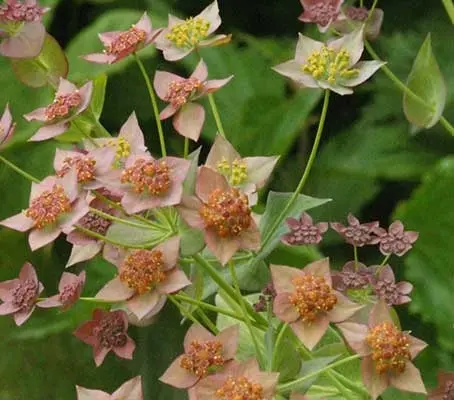
Bupleurum ‘Bronze Beauty’ produces small ochre flowers, each surrounded by showy, petal-like bracts, which mature into warm cinnamon-bronze tones that are particularly valued in naturalistic planting schemes.
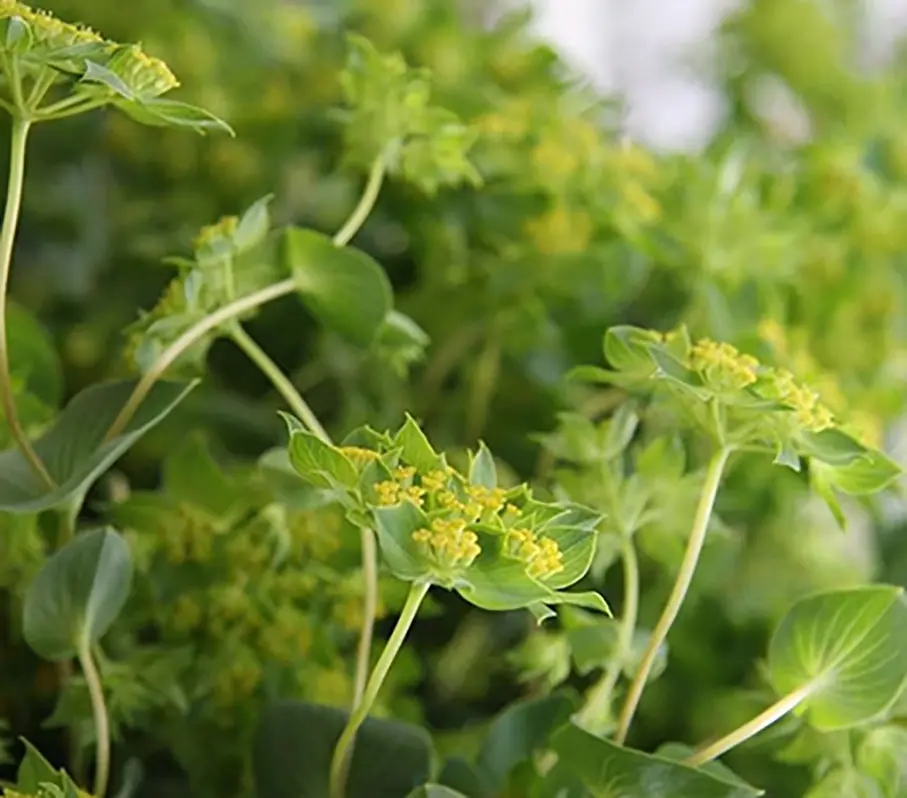
Developed for the florist trade and recently introduced, ‘Green Gold’ produces wonderfully upright plants. Its flowers are produced on long, sturdy stems that have an exceptionally long vase life, lasting up to 10 days in a vase.
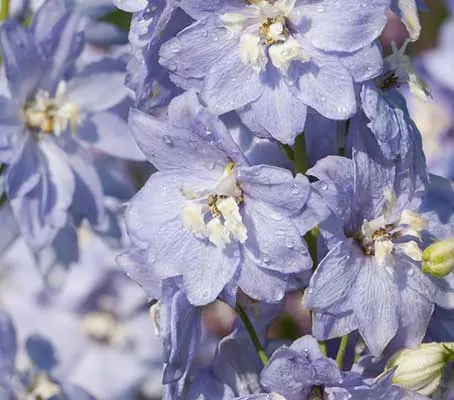
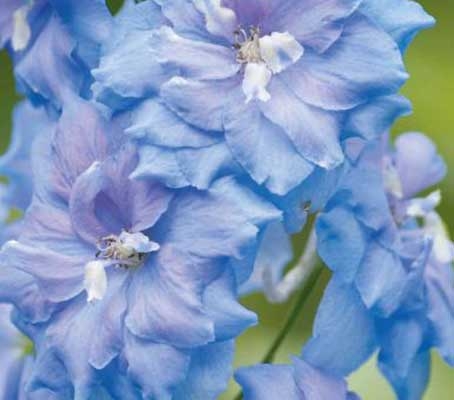
Delphinium ‘Cameliard’ blooms feature spires of lavender blue flowers each with white bees. They will bloom the first year from an early sowing. Bring a touch of nostalgia back to the garden – They are excellent for cutting, ideal as feature plants and are worth almost any effort to grow because they are so beautiful.
Delphinium ‘Summer Skies’ is a soft, airy sky-blue, more powdery pastel than sapphire. The petals often have a faint lavender wash, and the white ‘bee’ makes the blue look even cleaner and brighter. Interestingly, in cooler weather they can read slightly bluer and in strong sun look a little paler.
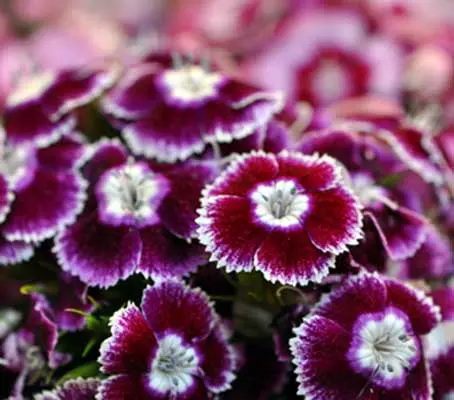
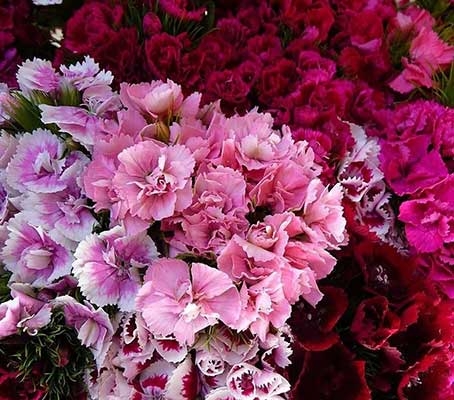
Sweet Williams are one of those lovely old-fashioned flowers, easy to grow and famous for their delicious spicy-scent. The Auricula-eyed Group are irresistible, dense clusters of flowers in dark tapestry rubies, fuchsia, scarlet, purple and white.
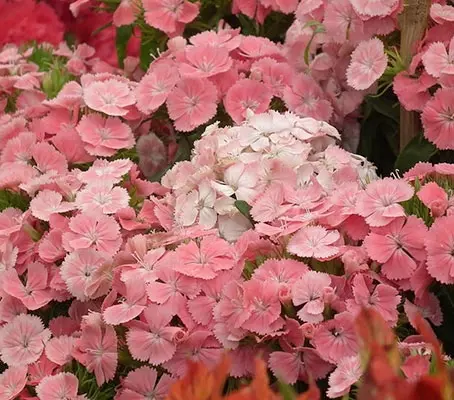
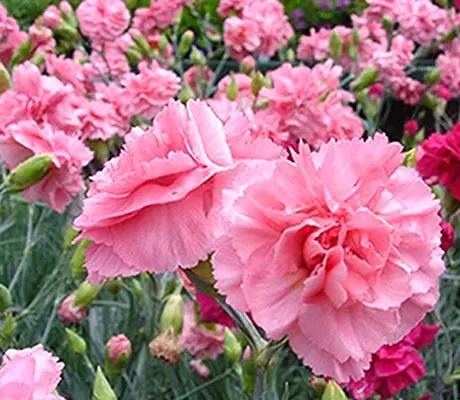
Sweet Williams are one of those lovely old-fashioned flowers, easy to grow and famous for their delicious scent. They are biennial, sown in May to July and will flower in late spring to early summer the year after sowing. ‘Newport Pink’ are irresistible, coral-pink flowers with delicately fringed petals.
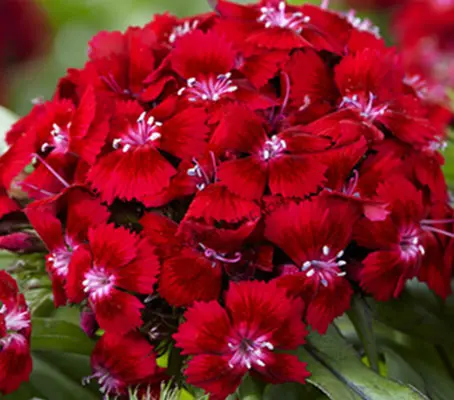
Treasured in the garden for their bright colour and strong fragrance, Dianthus barbatus ‘Scarlet Beauty’ flower all summer from May to August with clusters of single, brilliant scarlet red flowers, and best of all, they are intensely fragrant, with a delicious rich perfume.
A striking strain of Sweet William, Dianthus barbatus ‘Super Duplex Mix’ has been bred for its exceptionally large, fully double blooms. The flowers form dense, rounded clusters, with ruffled petals in a very wide colour range. Easy to grow, with a light, sweet clove scent, everybody can grow them to perfection.
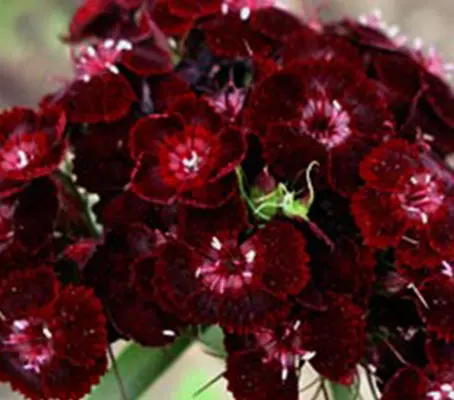
‘Sooty’ is one of the most unique of all Sweet Williams. It bears multiple densely packed heads of darkest ruby, almost black, fragrant blooms on red stems, and leaves that mature to a shimmering metallic mahogany.
Developed for florists for use as a cut flower, the super tall stems of Dianthus ‘Chabaud Aurora’ display the most beautiful range of coral, salmon, blush, pink and cherry flowers. They will provide a continuous harvest of blooms for cutting from the end of April until the end of September.
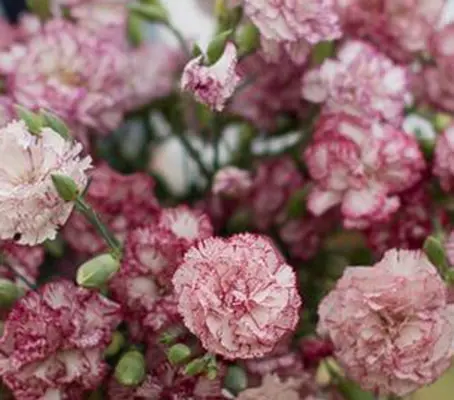
Dianthus Chabaud is a vintage carnation, developed for florists around 1904. With long stems, they are famously scented and provide a continuous harvest of blooms from April until September. Deliciously coloured, the creamy white petals of ‘Benigna’ are outlined with the fruitiest of plums and raspberry reds.
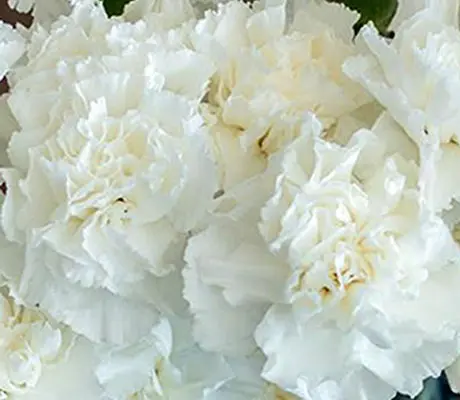
Boasting ruffled white petticoat-like blooms on strong stems, Dianthus ‘Chabaud Jeanne Dionis’ has the fullest of flowers. An ideal cut flower and perfect for wedding work, they will bloom all summer long from an early sowing.
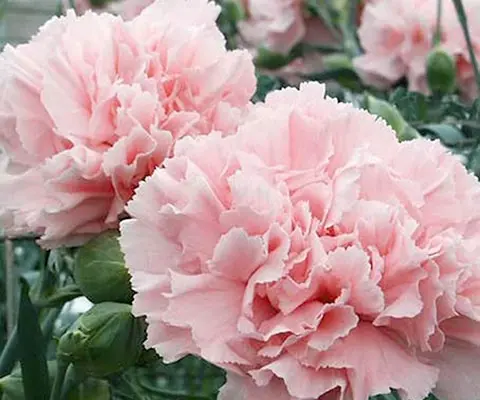
Developed for florists for use as a cut flower, the super tall stems of Dianthus ‘Chabaud La France’ are topped with blooms in the most delicate shades of seashell pinks to creamy blush. They will provide a continuous harvest of blooms for cutting from the end of April until the end of September.
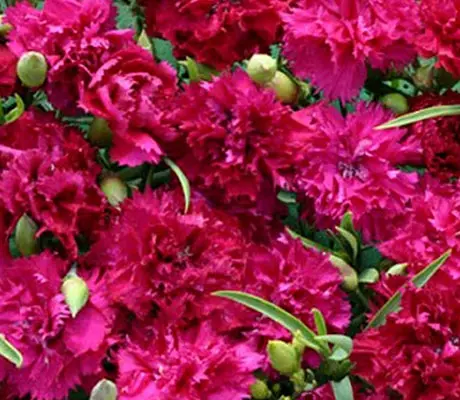
‘Chabaud Magenta’ provides armfuls of deep magenta, frilly double blooms with the spicy fragrance of clove. Pronounced shab-o, they were developed specifically for florists for use as a cut flower. With a heavenly scent, tall stems and an extremely long vase life.
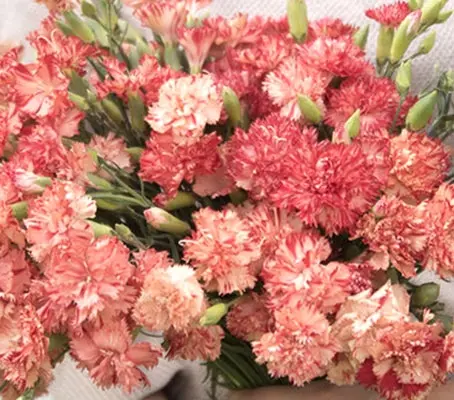
Developed for florists for use as a cut flower. Dianthus Chabaud is a vintage carnation that dates back as early as 1904. Displayed profusely on slender, sturdy stems, the apricot and soft orange blushing petals of Chabaud ‘Orange Sherbet’ are striped with dark raspberry red and coral.
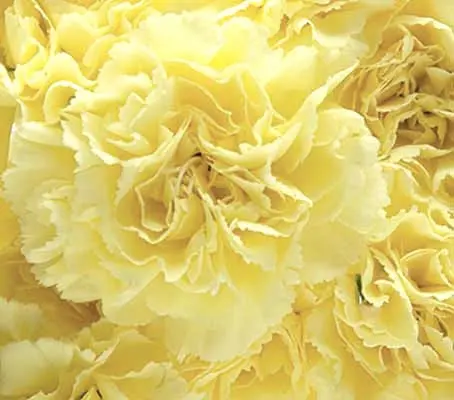
Hardy, tough and very easy to grow, Dianthus Chabaud were developed for florists for use as a cut flower and will provide a continuous harvest of blooms for cutting. ‘Marie Chabaud’ provides armfuls of delicate, pale lemon yellow, frilly double blooms.
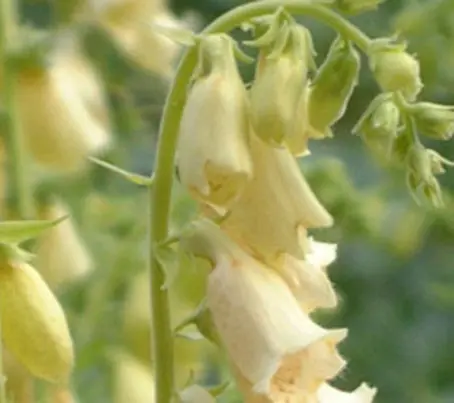
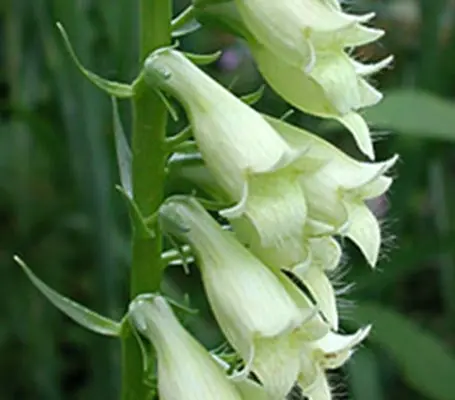
There are not many yellow flowering foxgloves and as they are so rare each one is joyfully celebrated. Digitalis ‘Cream Bell’ is one of the few truly perennials. Extremely hardy it bears upright stalks of beautiful creamy-yellow bells. A lovely soft shade that blends with almost anything in the garden.
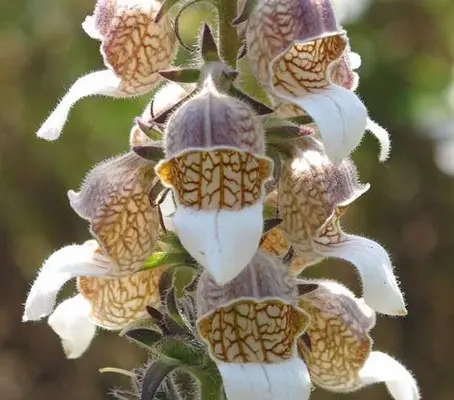
Digitalis lanata has a beautiful colouration, from late spring to mid summer it produces spikes of densely packed, fawn-coloured flowers each with a pearl coloured lower lip. Each of the blooms is delicately patterned with dark brown veins. Digitalis lutea is a quite a different species to the traditional cultivated foxglove, with delicate small flowers; it is an easily grown plant that is reliably perennial. It bears delicate pale cream-yellow tubular flowers and grows to just 60cm in height. This delicate foxglove is a charming beauty wherever it is planted.
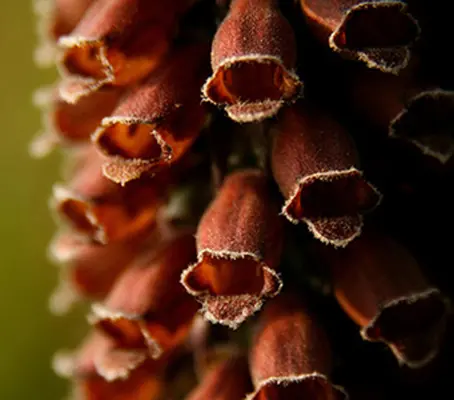
An aristocrat from Spain with densely packed spikes of cylindrical small chocolate funnels above dark green coloured glossy leaves. The rich foliage has a sheen that sets these dramatic flower spikes off wonderfully. A plant that will stop viewers in their tracks and have them enquiring its identity.
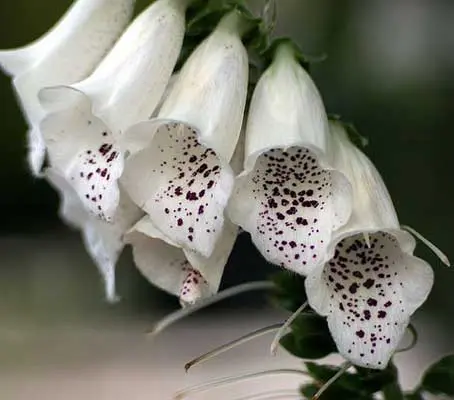
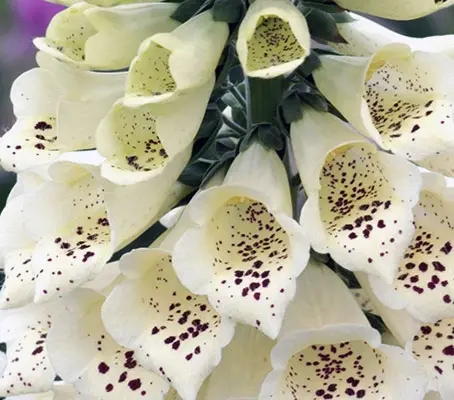
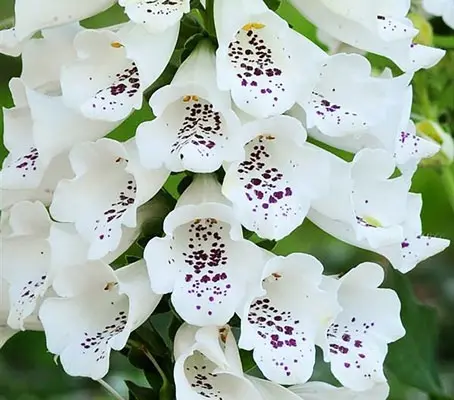
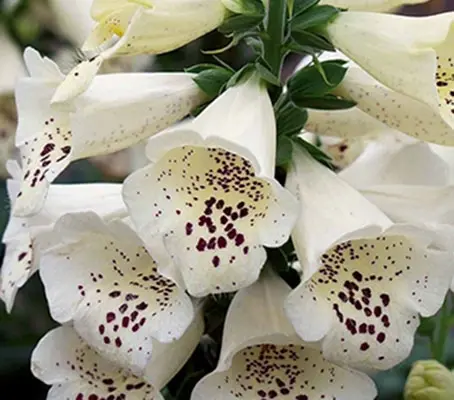
Digitalis ‘Elsey Kelsey’ is one of the best new foxgloves found in recent years. Their elegant upright habit, long spikes of flowers and their heavenly white bell shaped flowers with densely speckled throats of deep maroon-purple make impressive features in the garden.
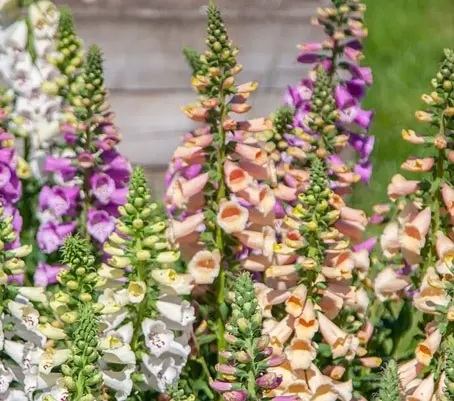
Digitalis purpurea ‘F1 Camelot Cream’ produces towers of a delicate buttercream colour, the dense spikes of blooms are borne all the way around the stem. Developed to flower in the first year, they can be sown anytime from January to September. This premium series has been developed for florists to be first year flowering, with good-quality, dense spikes that are long flowering and well-branched, Digitalis ‘F1 Camelot Lavender’ produces towers of an exquisite colour with blooms borne all the way around the stem.
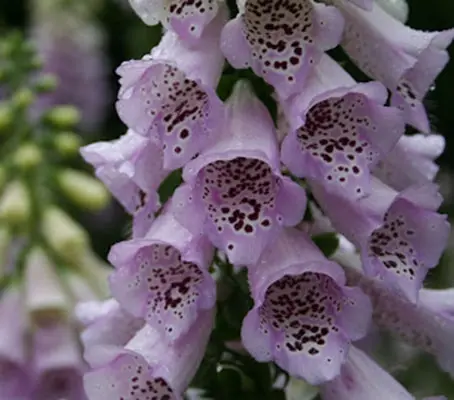
Developed for florists to be first year flowering, this premium series produces dense spikes that are long flowering and well-branched. Digitalis ‘F1 Camelot Rose’ produces towers of an exquisite colour with outward facing blooms borne all the way around the stem.
Digitalis purpurea ‘F1 Camelot Cream’ produces towers of a delicate buttercream colour, the dense spikes of blooms are borne all the way around the stem. Developed to flower in the first year, they can be sown anytime from January to September.
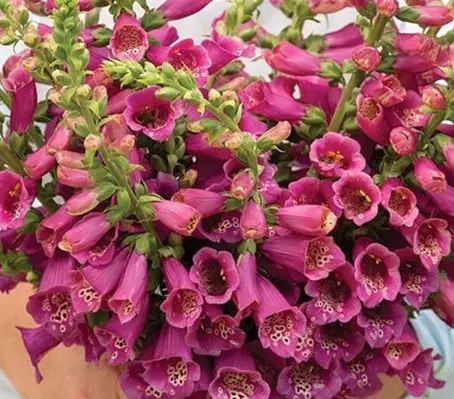
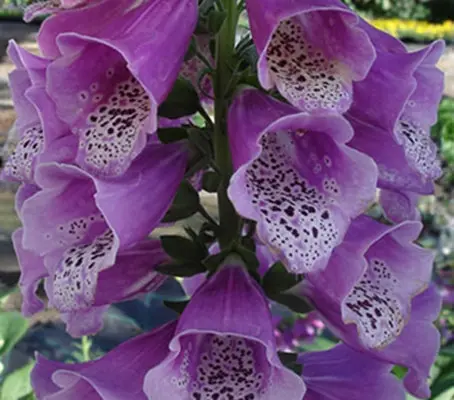
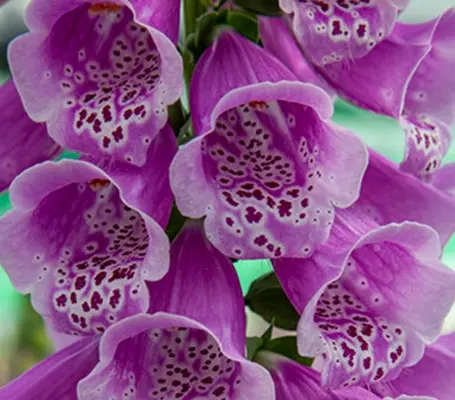
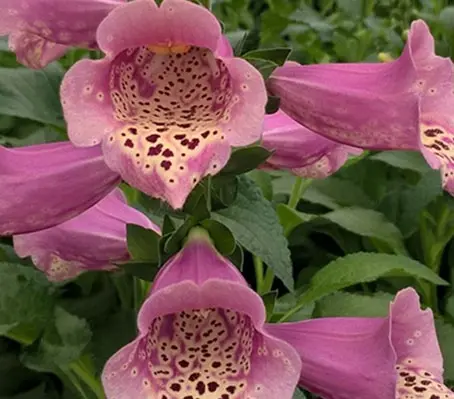
Early flowering and fast growing, award winning Digitalis ‘Dalmatian Purple’ produces towers of gorgeous lavender-purple blooms with deep mauve interior markings. The good-quality spikes are uniform in height, well-branched with excellent habit and compact foliage.
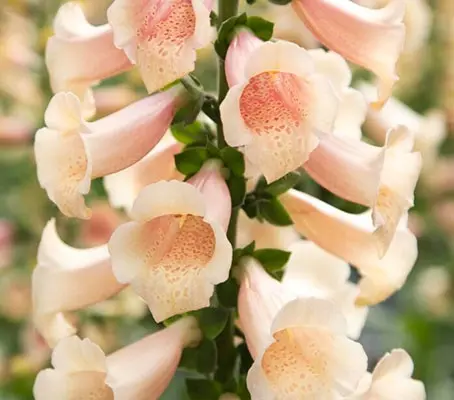
Early flowering and fast growing, award winning Digitalis purpurea ‘Dalmatian Peach’ produces towers of swoon-worthy peachy blooms with freckled interiors. A huge bonus is that the series blooms the first year from an early indoor sowing. Sow successionally for continuity of blooms
Early flowering and fast growing, award winning Digitalis ‘Dalmatian Purple’ produces towers of gorgeous lavender-purple blooms with deep mauve interior markings. The good-quality spikes are uniform in height, well-branched with excellent habit and compact foliage. A new a super-fast, first year flowering perennial, Digitalis ‘Dottie Mix’ produces flowers in five gorgeous, soft colours just 20 to 24 weeks from sowing. The plants grow quickly to 75cm tall and are more compact at flowering than other F1 series, the showy spikes carry big blooms and quickly fill large 15 to 25cm pots with ease
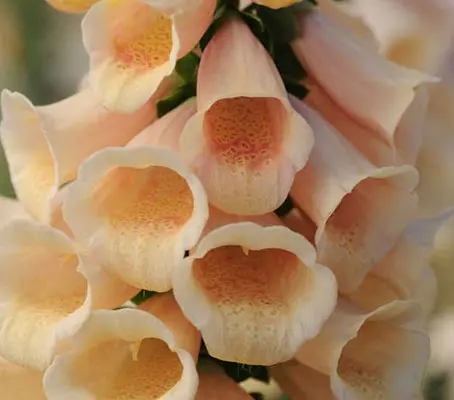
A new a super-fast, first year flowering perennial, Digitalis ‘Dottie Mix’ produces flowers in five gorgeous, soft colours just 20 to 24 weeks from sowing. The plants grow quickly to 75cm tall and are more compact at flowering than other F1 series, the showy spikes carry big blooms and quickly fill large 15 to 25cm pots with ease
Digitalis ‘F1 Dottie Purple’ is an outstanding colour, deep purple tubular flowers with contrasting dark speckling. The showy spikes provide numerous high quality stems for a flower-packed display. This first year flowering type that lends itself to successional planting. Sow in late summer to autumn for the earliest spring blooms.
A new a super-fast, first year flowering perennial, Digitalis ‘Dottie Mix’ produces flowers in five gorgeous, soft colours just 20 to 24 weeks from sowing. The plants grow quickly to 75cm tall and are more compact at flowering than other F1 series, the showy spikes carry big blooms and quickly fill large 15 to 25cm pots with ease
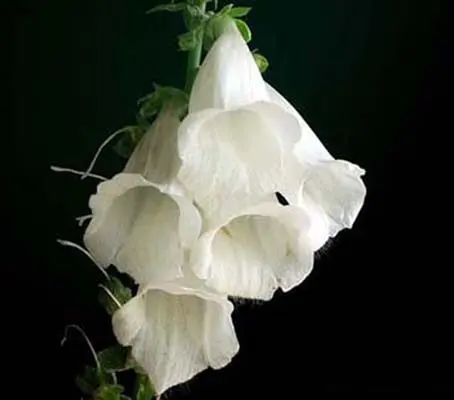
The pure unadulterated white form of this supremely elegant woodlander. Pure white foxgloves lighten up those shaded corners, giving a sense of depth and interest to an otherwise dark area. Grown as a single colour in a perennial bed they are outstanding for their simplicity alone.
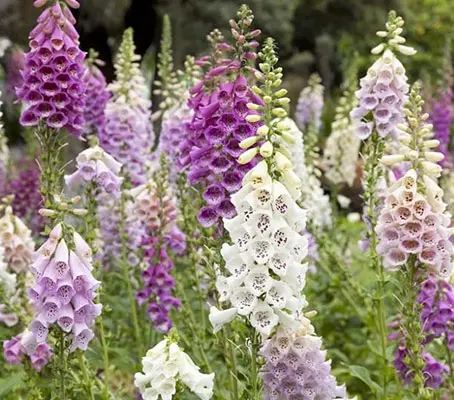
Digitalis purpurea var gloxinioides is an outstanding and unusual strain of Foxglove. Resembling the Gloxinia plant, the open flowers are tubular, each with frilled edges. With tall dense spikes of blooms, they are held horizontally and display the heavily spotted throat markings to better advantage.Digitalis thapsi ‘Spanish Peaks’ foxglove is a lovely compact foxglove that produces elegant, apricot-cream to raspberry-rose blooms with interior markings. A superb perennial species that can be counted on for a glorious floral show each spring. Very easy to grow in virtually any location, it is often the first foxglove to flower.
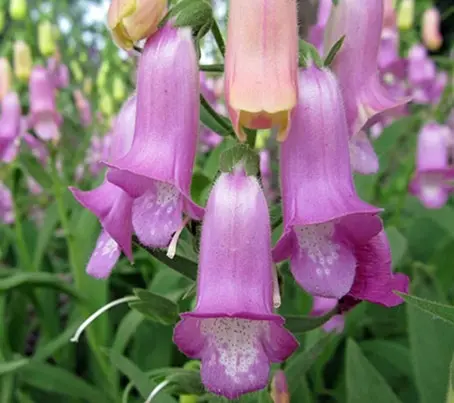
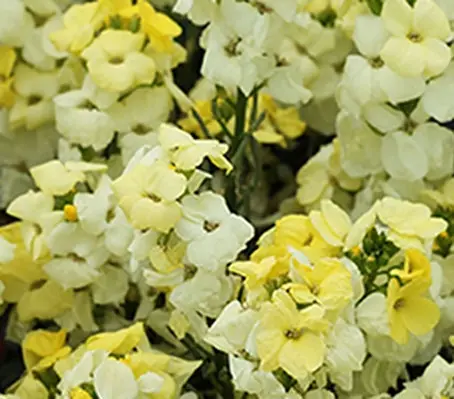
Erysimum cheiri ‘F1 Sugar Rush Primrose’ produce a pale primrose, cream-yellow blooms in both autumn and spring. With multiple side branches that accompany the main flower spike, they create a dense, mounded display, 30cm tall. Perfect for borders, containers, or window boxes
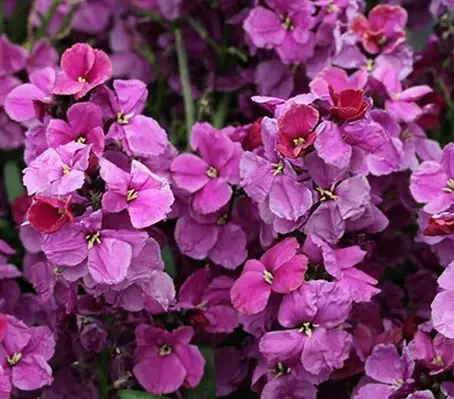
Renowned for its striking, jewel-like hues ‘Sugar Rush’ is ultra-fast in production. Emerging with an apricot/burgundy flush, the spicily scented, bi-coloured flowers of ‘Sugar Rush Purple’ turn lilac/purple as they mature.
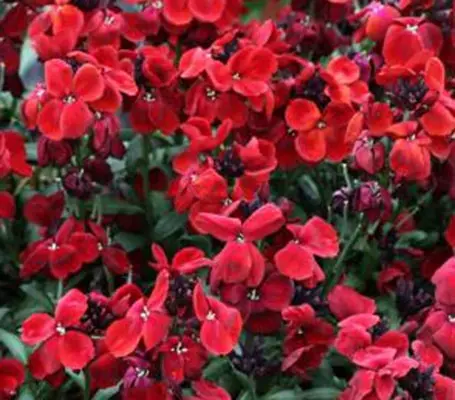
Erysimum cheiri ‘F1 Sugar Rush Red’ has upright clusters of deep, bright red blooms that fill the air with delicious scent. Tough and easy to grow, they are hardy enough to overwinter in many regions and will often flower over several months from spring and right through to early summer.
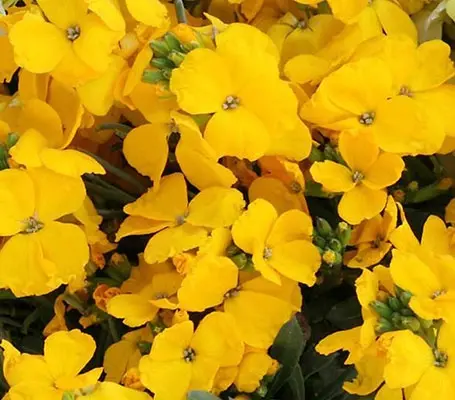
One of the most notable features of the ‘Sugar Rush’ series is its unique dual-season flowering. Unlike traditional wallflowers that primarily bloom in spring, ‘Sugar Rush’ flowers in both autumn and spring. ‘Yellow’ produces upright clusters of bright, golden-yellow blooms that fill the air with delicious scent.
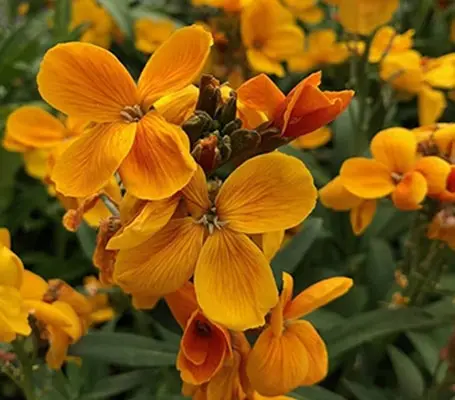
Renowned for its striking, jewel-like hues that stand out even in cooler weather. ‘Sugar Rush Orange’ produce bright orange, spicily scented blooms on compact plants. With multiple side branches that accompany the main flower spike, they create a dense, mounded display perfect for borders, containers, or window boxes.
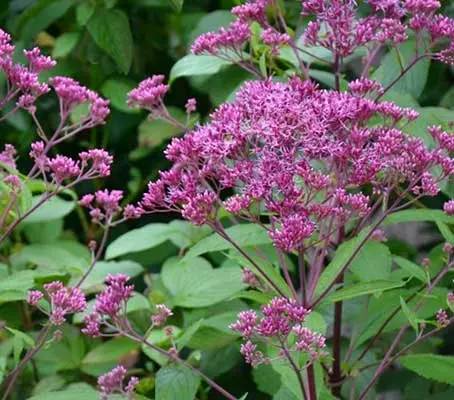
Crowned with large panicles of purple flowers, Eupatorium atropurpureum fall into the ‘naturalistic’ category. They share the physical characteristics of native species, albeit transplanted to another country.
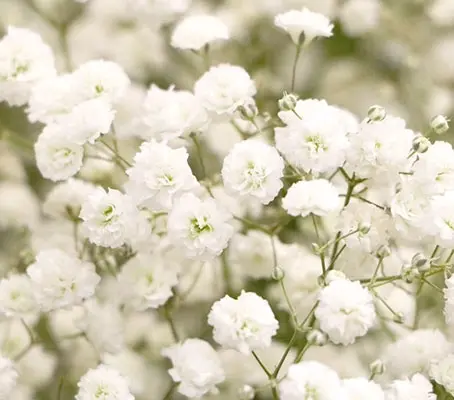
Gypsophila has been cultivated since 1759 in England, so its use by florists has a long pedigree. It has recently become rather trendy among celebrity and designer florists, even taking centre stage as the main flower focus of bouquets and arrangements.
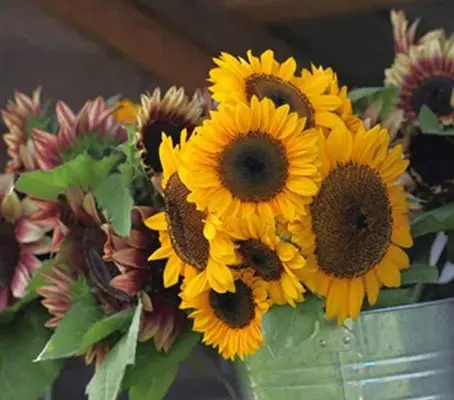
If you like well-branched, free-flowering, traditional sunflowers that are not too tall, ‘Holiday’ is the one you’ve been looking for. At 120cm (4ft) tall, with golden yellow petals and dark centres, it bears armfuls of cheery 15 to 20cm blooms. Irresistible for cut flower bouquets and for a large garden planting.
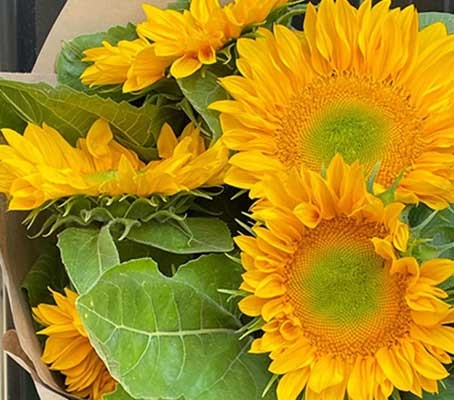
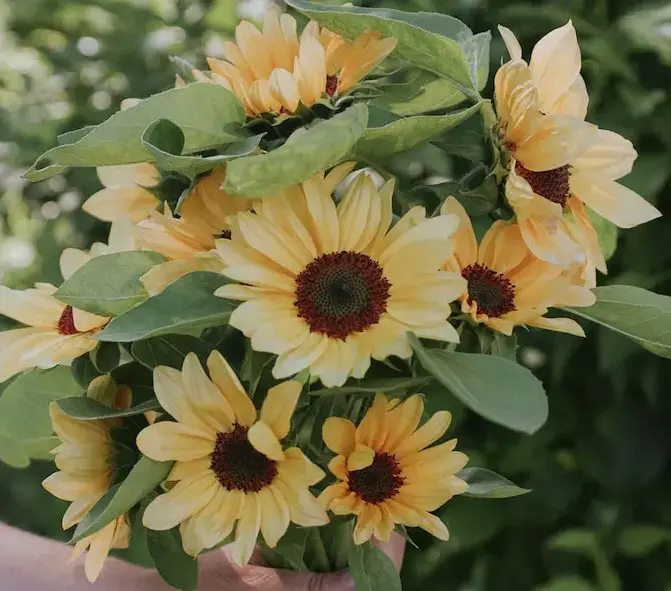
‘ProCut Gold Lite’ produces perfectly shaped blooms with overlapping, rounded glowing petals and a matching golden centre. Compared to the standard ProCut series it is slightly taller, slightly later to bloom and has resistance to downy mildew.
Now with Downy Mildew Resistance, the classic variety Helianthus ‘ProCut Orange DMR’ is the first choice for growers who are looking for that traditional sunflower appearance. Perfectly shaped blooms with overlapping orange petals that surround a pollenless dark brown central disc. Whats not to Love!
Helianthus ‘ProCut Orange’ is the first choice for growers who are looking for that traditional sunflower appearance. It produces perfectly shaped blooms with overlapping orange petals that surround a pollenless dark brown central disc. A true Day length neutral cultivar that flower quickly at all latitudes and take just 60 to 65 days to maturity.
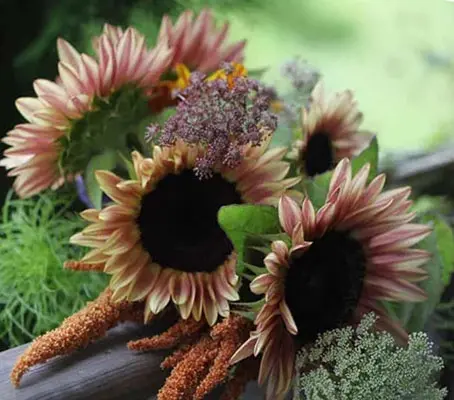
Helianthus ‘ProCut Plum’ is an elegant sunflower with petals the most delicious mix of soft colours. Café-Au-lait lightly brushed with dusky bronze-crimson. Sow mid spring to mid summer and cut in just 60 days when the petals begin to unfurl from the face.
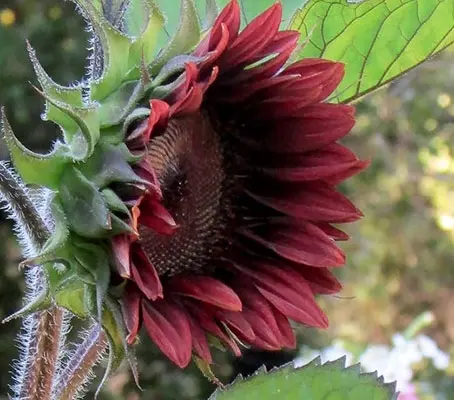
Helianthus ‘ProCut Red’ is a stunning new dark addition to this widely grown series. Flowers are a deep, rich rusty-red, one of the best dark colours on the market. Dark chocolaty centers gradually give way to ruby ringed petals that fade to a lighter tip.
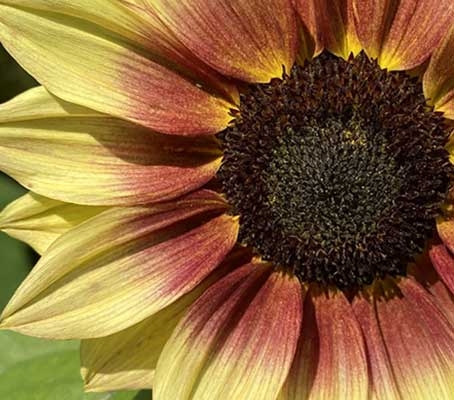
Helianthus ‘ProCut Lemon/Red Bicolor’ is one of the latest colourways in this renowned professional line. Bred for cutting and completely pollenless, the lemon-yellow petals are flushed with deep red towards a dark centre, Perfect for cutting gardens, borders, and for anyone who loves a little sunshine with a painter’s touch.
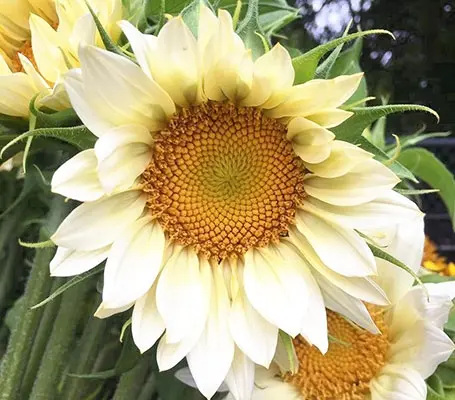
An exciting addition to the ProCut line ‘White Lite’ produces tall, ivory-petaled flowers with golden centres. This blonde beauty is sophisticated enough for use in wedding flowers and sturdy enough for market bouquets.
€2.65