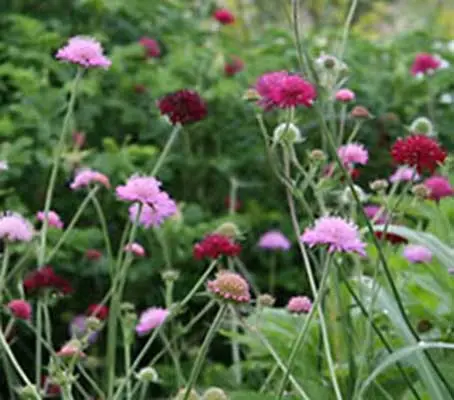
‘Melton Pastels’ is a great border plant, densely flowering plant with strong stalks of pin cushion flowers in shades of shades of pink, cherry red, mauve and purple. The tall stems make excellent cut flowers and are good for the middle of the border, giving a succession of blooms through till autumn.
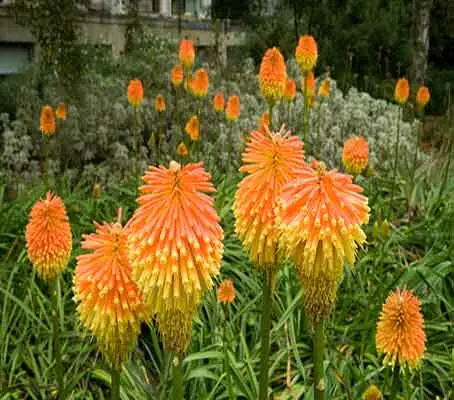
The Kniphofia hybrids have extended both the flower colour and height range. The usual fiery reds and oranges work particularly well in a planting scheme based on ‘hot’ colours – use them to light up sultry August borders. The cooler yellow, cream, ivory and sometimes green flowers is more restful.
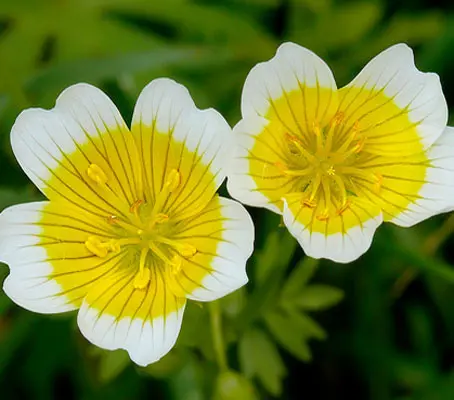
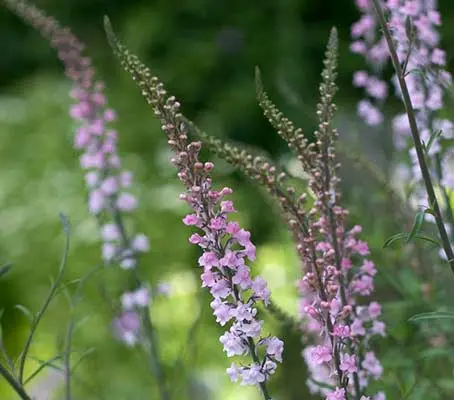
The fragrant, abundant flowers of Limnanthes appear from summer to autumn and attract bees and butterflies for the duration. This lovely plant provides a carpet of fragrant golden and white blooms that will grace the front of the border, rockery or path edging.Linaria ‘Canon J Went’ is a delightful plant with tall spikes of pink and mauve tiny flowers. Easy to grow and flowering prolifically in a sunny spot, the delicate plants provide a softening haze in perennial borders.
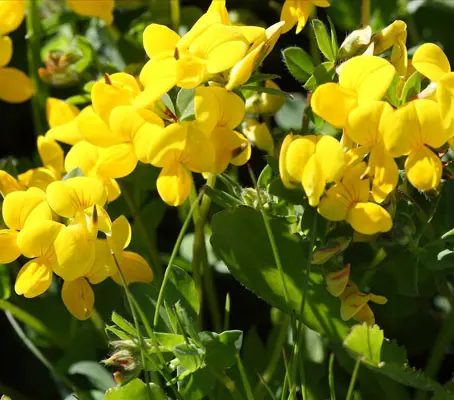
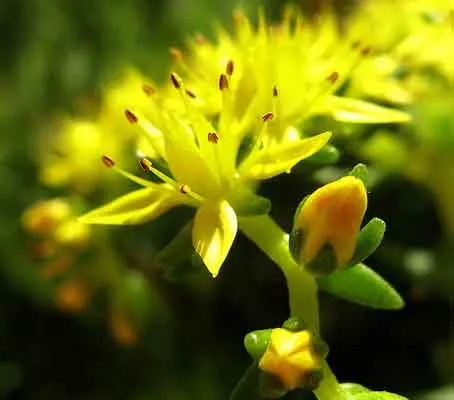
The more I see of this rather attractive little plant, the more I grow to appreciate it. Now I seem to spot it all over the place, in meadows, woodland, road verges and gardens. The bright yellow fragrant flowers can be seen in blossom from the end of April through until mid September.
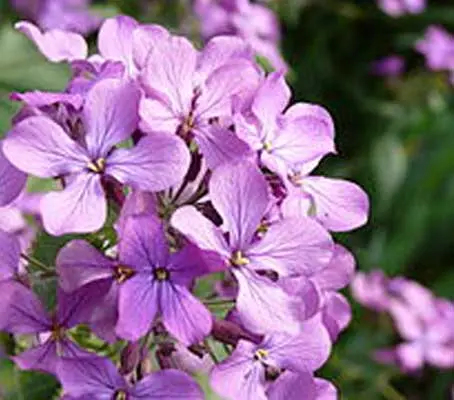
Honesty is a dual purpose plant, grown partly for its fragrant purple – pink flowers in spring and summer, but also for its unique seed-heads. Oval and translucent, gleaming with an eerie silver light and coveted by flower arrangers. It is a vital nectar plant and therefore popular with bees and butterflies.
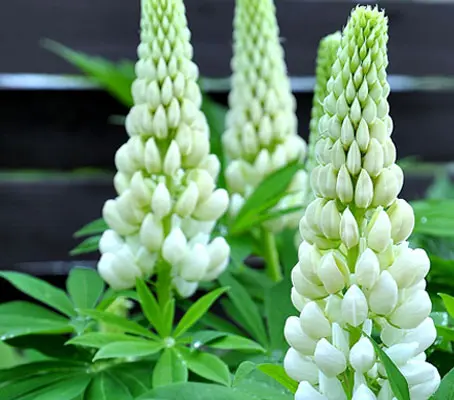
Lupin ‘Noble Maiden’, occasionally called Fraülein, feature soft ivory white buds that open to pure clean white. The flowers open from the bottom up making for a longer blooming period. Stunning in the border or in a vase.
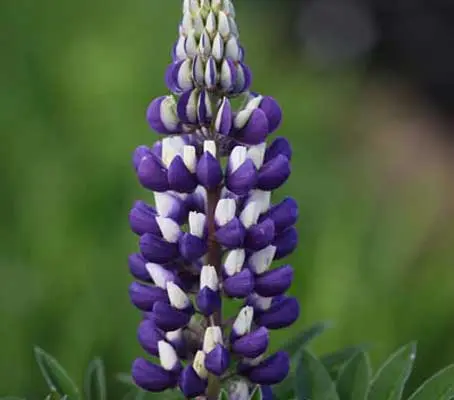
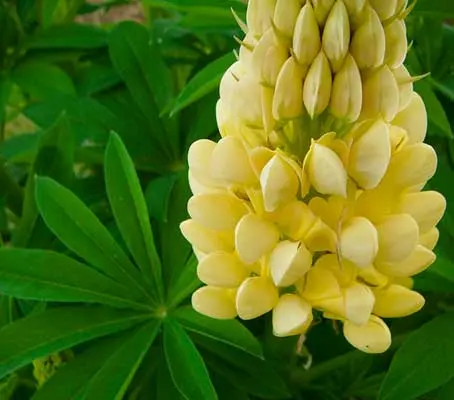
George Russell developed his Lupins aiming for, and achieving a central stalk or spike totally obscured by colourful flowers. ‘The Governor’ is one of the most popular from the series and features deep ultramarine blue blooms each with white flag. Each small flower of Band of Nobles ‘Chandelier’ is a glorious shade of golden yellow, and the standard (the upper petal) is often a shade or two lighter. They have been bred for a long flowering period and give unbeatable garden performance.
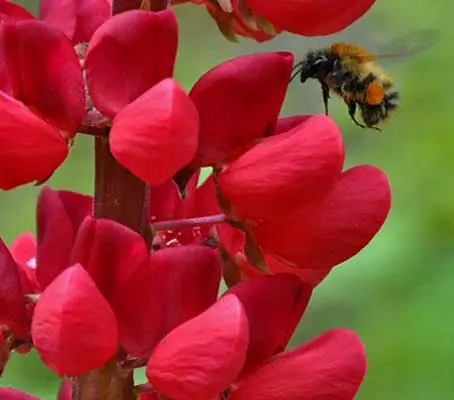
The magnificent vertical stems of Lupin ‘My Castle’ produce vibrant red blooms bringing height and grandeur to summer borders. The intense colour of this robust variety makes a real statement when planted in drifts, or dotted among other perennials.
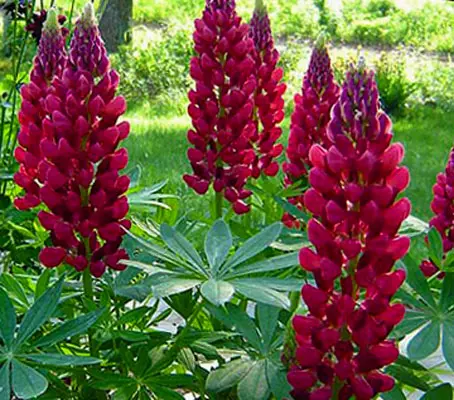
The Russell Hybrids ‘Band of Nobles’ series have exceptionally bright and strong colours. ‘The Pages’ produce magnificent vertical stems of carmine red blooms. These hardy plants will surviving extreme temperatures withstanding frost to at least minus 25°C. Recently introduced to gardens and a hit Chelsea Flower Show, Lysimachia ‘Beaujolais’ feature flower spikes of deep claret which bloom continuously from May to September. The plants give a good effect used in tight drifts through grasses and other perennials. Ideal for cutting, the dark flowers are adorable in bunches.
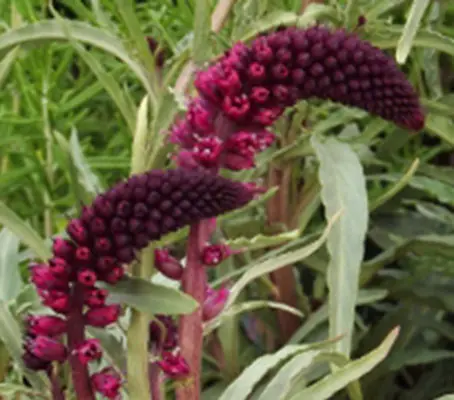
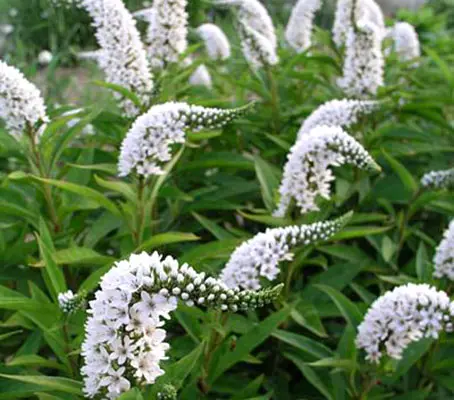
Lysimachia ‘Lady Jane’ produces spires of white blossoms right above the foliage, they arch over then tip up at the ends and grow in beautiful curvy forms. Absolutely loved by butterflies, an additional feature is the good autumn foliage colour.
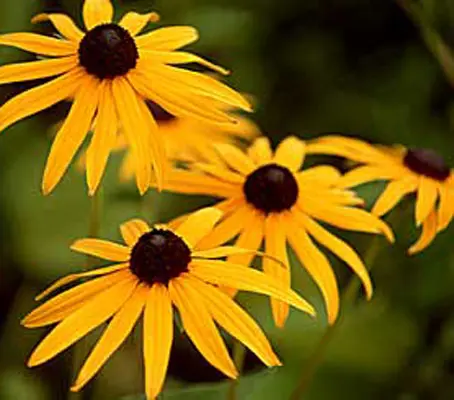
Rudbeckia are one of the top ten favorites of many gardeners’. Goldsturm is a compact form of the yolk-yellow black-eyed Susan, it is short enough not to need staking and never flops. An excellent cut flower and a great choice for mass planting.Salvia sclarea var. turkestanica ‘Vatican White’ is a choice white cultivar that is not that easy to find. A nobly architectural Sage, each of its branched stems is topped with a profusion of blossoms with brilliant white bracts. The flowers are attractive and are boosted in impact by the large petioles that surround them.
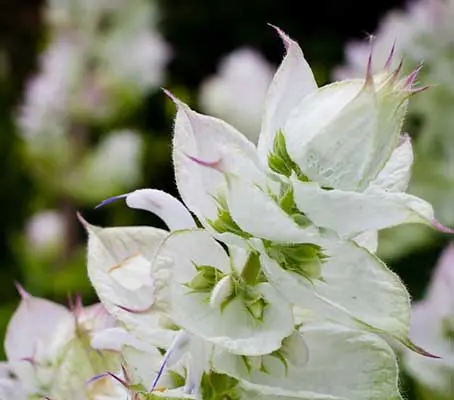
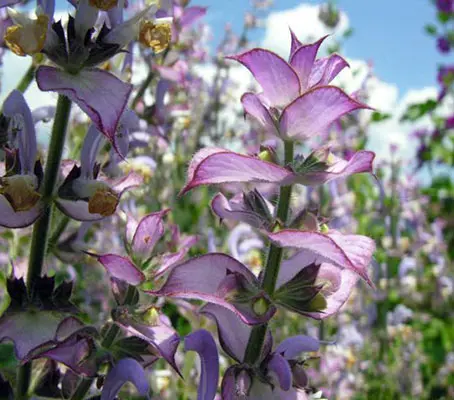
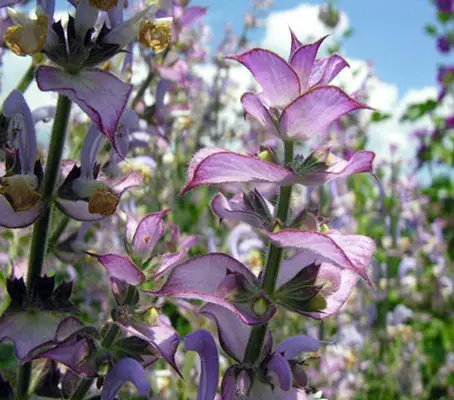
This hardy biennial Sage has been grown in almost every botanical sanctuary in human history and has many plus points: it grows well in poor soil resists slugs and other beasties, and doesn’t slump or need staking. It copes well in sun or light shade and the blooms are a magnet for bees and butterflies.
This hardy biennial Sage has been grown in almost every botanical sanctuary in human history. Each stem is topped with a profusion of pale blue blossoms and large pinkish white bracts. A truly architectural plant. Organic Seed.‘Fama’ is a most elegant flower. With long stems and intense blue blooms, it is the largest flowering and most uniform strain of the Blue Pincushion. They mature into dense tufts of lance shaped, grey-green leaves from which arise a beautiful display of intense lilac-blue flowers each with a silvery centre.
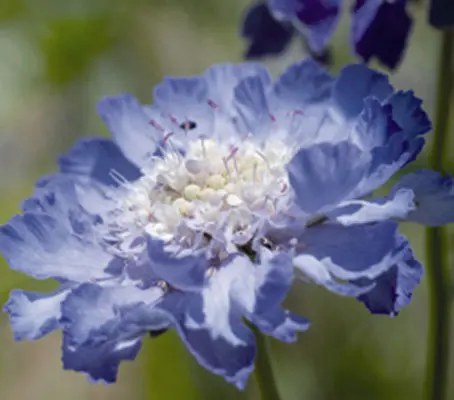
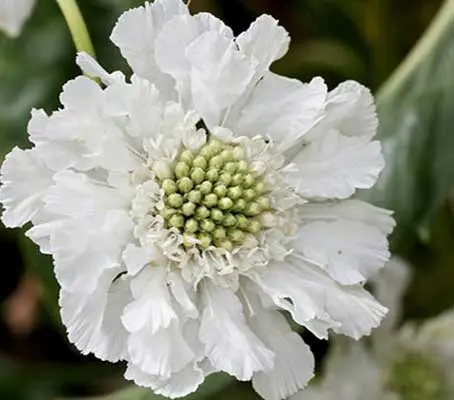
Scabiosa caucasica ‘Fama’ is a most elegant flower. With long stems and intense blue blooms. Beloved by flower arrangers, it is the largest flowering and most uniform strain of the perennial blue pincushion.
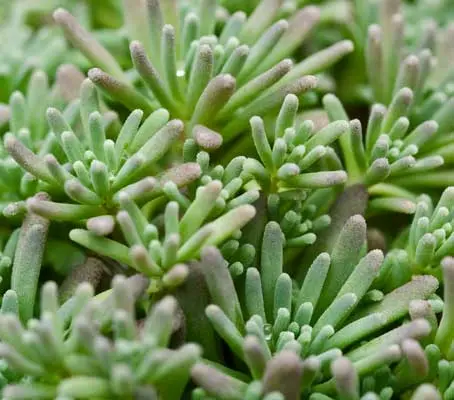
Sedum Ruben’s Lizard is a low-growing sedum that has tight, rosy-green cushion of needles with reddish tips. Throughout the summer the plant is covered with many tiny, star-shaped white flowers. Drought and heat tolerant or low maintenance, whatever you want to call it, ‘Lizard’ takes a lot of abuse.
Delicate in appearance and yet very cold hardy, Sedum acre is beautiful from the first stirrings of early spring to the twilight of autumn. Hardy and very easy to grow. Started early it will form a nice dense ground cover the very first season. If the weather is favourable it will flower within six months.
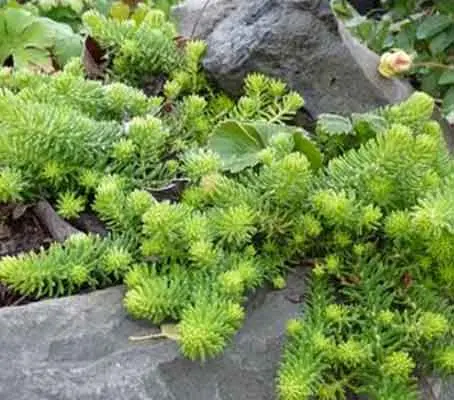
If you’re looking for a beautiful plant that thrives with virtual neglect, Sedum reflexum just might fit the bill. The small bushes spread over the ground and the foliage resembles mini spruce branches. They are at their loveliest spilling over edges of walls and rocks to create the illusion of a living waterfall.
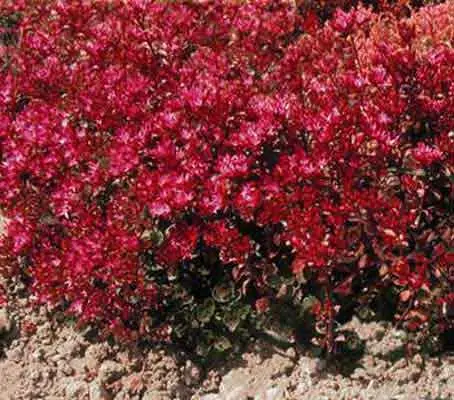
Sedum spurium coccineum is the most robust sedum, with deep crimson blooms and bronze-green leaves. Low maintenance, durable and interesting, they enhance the appearance of green roofs, rockeries and containers. In July, dense clusters of showy crimson blooms smother the evergreen plants.
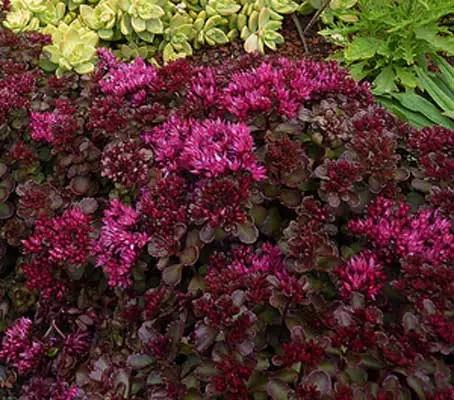
Sedum spurium ‘Voodoo’ is a stunning little perennial groundcover for hot, sunny locations. The intense dark mahogany foliage that provides a stunning contrast to the almost neon, luminous rosy-red flowers which appear June through August.
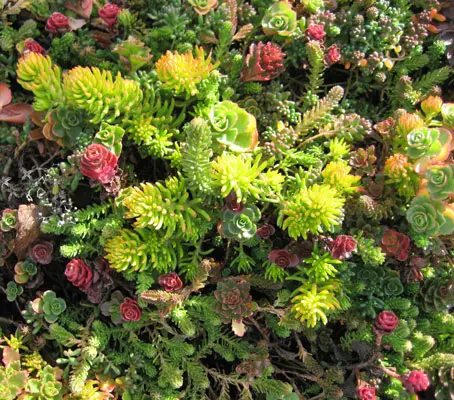
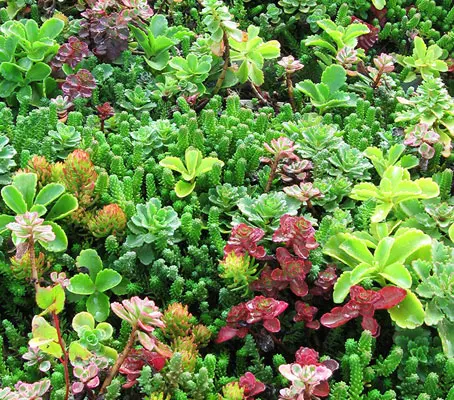
A mixture of many attractive low-growing sedum varieties representing a wide range of foliage types and flower colours. Low maintenance, durable and interesting, grow them on walls or banks, as a ground cover or as a green roof. Sedum strut their stuff where many other plants dare not venture!
Sedum Roof Garden Mix is a formula mixture of many important varieties for roof gardens in full foliage and flowering colour range. Low maintenance, durable and interesting, grow them on walls or banks, as a ground cover or as a green roof. Sedum strut their stuff where many other plants dare not venture!
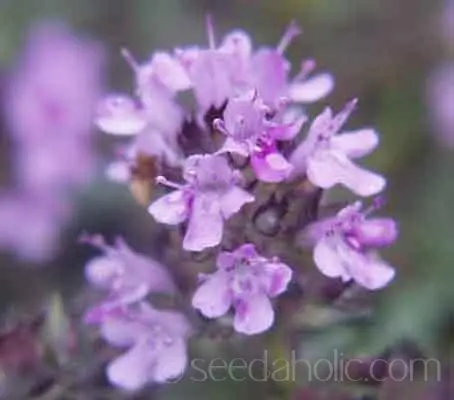
Thymus serpyllum is one of the most versatile groundcovers. Forming dense evergreen cushions of flowers these low maintenance plants don’t require mowing, watering or care, and can take a lot of abuse. Its leaves can be used as a culinary herb and its uses in the garden are almost unlimited.
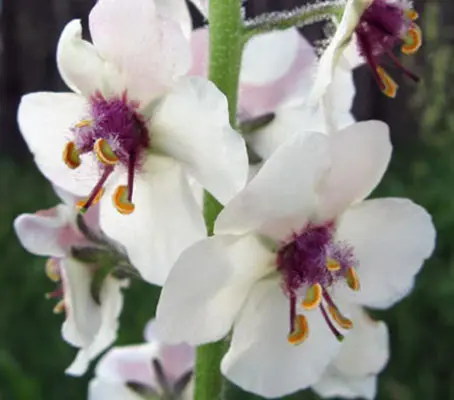
Verbascum are a wonderful plant for making a garden feel uncontrived, producing masses of flowers without taking up lots of space on the ground. ‘White Blush’ is one of the most popular varieties. Growing to just 100cm, the dark crimson buds open to reveal large white flowers with deep purple stamens.
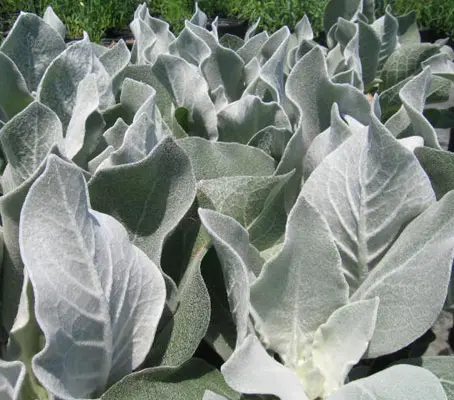
One look at this species of Verbascum and you will realise why it is also called ‘Arctic Summer’. Tall, white, fleecy flower stems emerge from felted evergreen leaves in early summer. Its stems and leaves are covered in a silvery down that gives it an appearance of being permanently covered with frost.
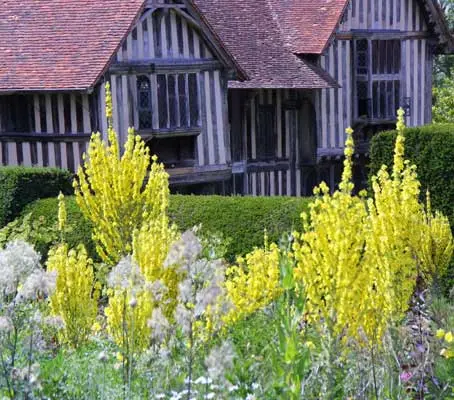
Verbascums are statuesque in both foliage and flower. This elegant species, native to the Olympus mountains is arguably the finest of the genus. Tall flower spikes rise from the centre of the foliage, each are weighted heavily with bright, golden-yellow blooms giving the effect of an enormous candelabra.
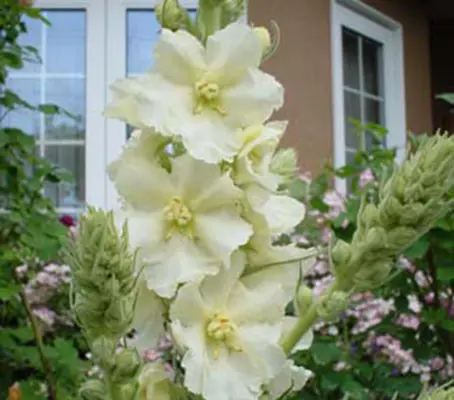
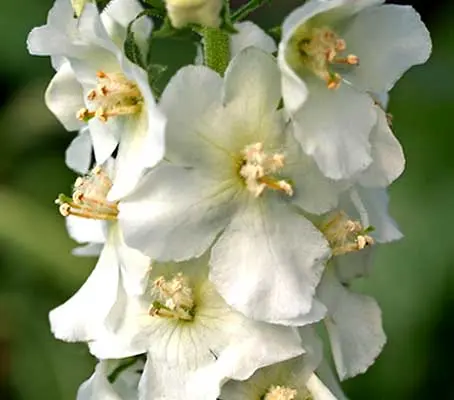
Verbascum ‘Snow Maiden’ is an incredibly beautiful mullein that grow to just 36 to 48cm tall. With masses of soft white flowers each with delicate yellow filaments they flower in June and continue to appear over a long summer, often right through to September. Very easy to grow from seed.
The poise of the lovely Verbascum phoeniceum ‘Flush of White’ makes this plant a natural candidate for the front of the border, even though its height might suggest, that it should go at the back. In summer winds, which snap off delphiniums and toss sunflowers awry, the Verbascum stands defiant.
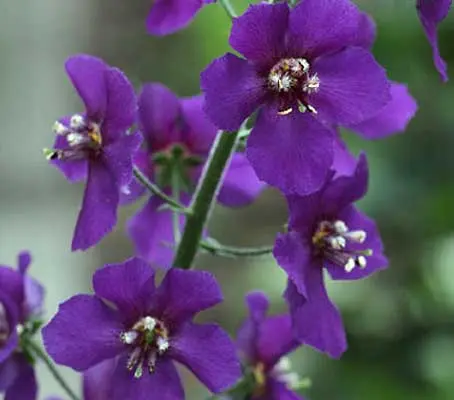
Relatively new to cultivation Verbascum phoeniceum ‘Violetta’ is the smallest growing of the perennial Verbascums. Soundly perennial and drought tolerant it produces delicate flower spikes with whorls of tissue thin purple blooms that ascend to the finest point. It is by far the darkest flowered mullein available.
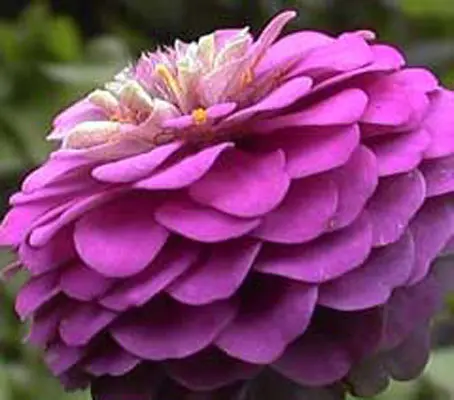
Zinnia ‘Lilliput Mix’ is a superb blend of this most unusual flower type, specially selected for its wide range of bright colours. Very floriferous, the tiny double pom-pom flowers are produced in profusion. Very easy to grow, they are stunning in borders or as a cut flower.
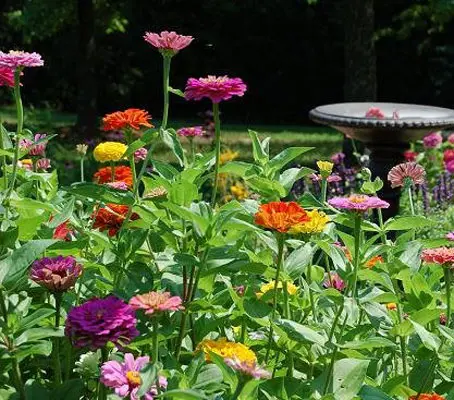
The time tested old fashioned Zinnia.’State Fair” performs well in the garden and in the vase and is great for attracting bees and butterflies to the garden. No wonder they are back in fashion with a vengeance.
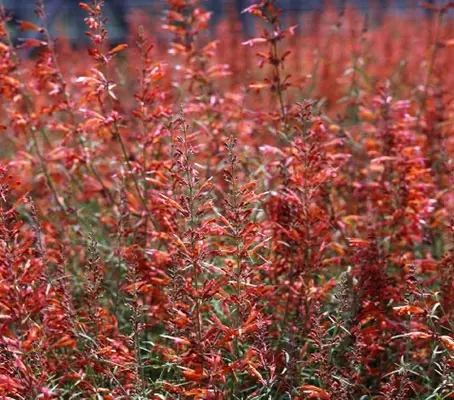
Agastache are very seductive. You start with one, and the next thing you know, you’ve got ten and are wondering how you can sneak another one in. ‘Apache Sunset’ with coral-peach blooms and rose and violet buds is just gorgeous and, of course, extremely tempting.
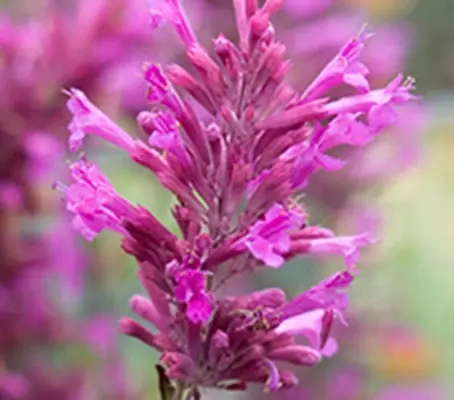
Agastache ‘Heather Queen’ is a dynamic landscape plant and a particularly beautiful form. Dark pink tubular flowers on tall stiff stems from mid-summer until late autumn. Pollinators are drawn to the fragrance, the intense coloration and their sweet nectar.
Agastache ‘Arcado Pink’ is a magnificent first year flowering perennial. An extremely floriferous variety with lovely purple-pink flower spikes and fresh green aromatic foliage. This Fleuroselect Novelty Award Winner is both vibrant in colour and stamina. The aromatic leaves are edible, young growth can be sprinkled in salads, used to decorate cakes, to make a tea or floated in drinks. Agastache added to your Pimms lifts it to a higher sphere altogether.
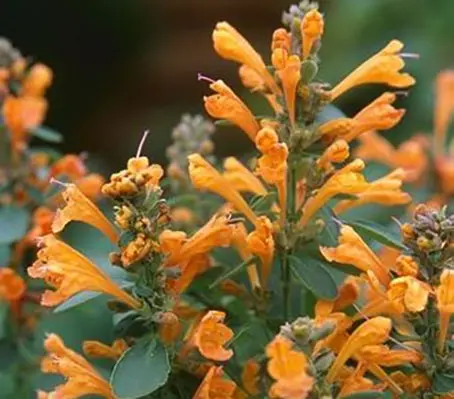
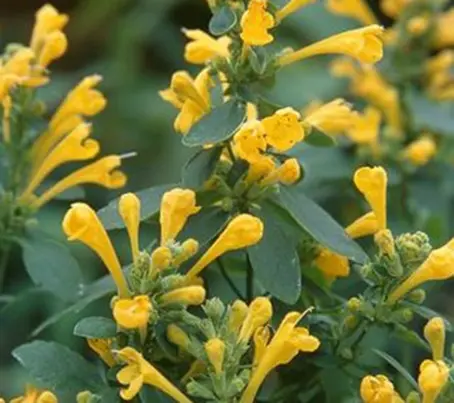
The Arizona Agastache Collection has been specially bred for their compact habit, extensive flowering time and strong heat tolerance. In three fabulous colours, ‘Arizona Sandstone’ produces delicate golden yellow flowers. The elegant spires and delicate foliage create a haze of colour all summer and into autumn.
The Arizona Agastache Collection has been specially bred for their compact habit, extensive flowering time and strong heat tolerance. ‘Arizona Sun’ produces elegant spires of golden yellow. Pick a sprig or two and bring indoors to enjoy in a vase. The flowers are also edible, and will colour a salad beautifully.
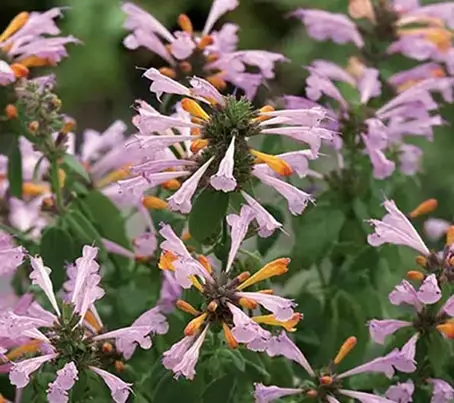
The Arizona Agastache Collection has been specially bred for their compact habit, extensive flowering time and strong heat tolerance. ‘Arizona Sunset’ produces delicate blooms in sunset colours of pink, lavender and peach. The elegant spires are ideal for providing long lasting colour and act like magnets to bees and butterflies.
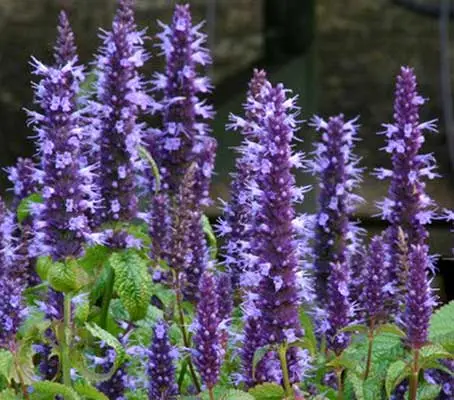
‘Astello Indigo’ is the most exciting breakthrough in Agastache yet. Awarded Europe’s coveted Fleuroselect Gold Medal, it is ideal for Northern European-type climates, they are at their best in more temperate conditions.
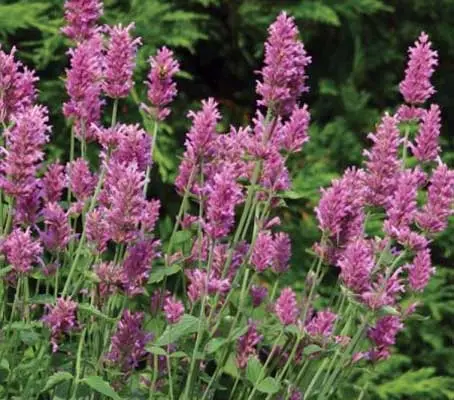
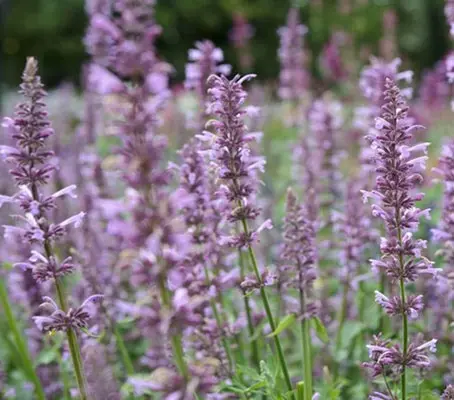
Agastache pallidiflora produces a continual mass of lavender-rose, scented flowers from June to September. The soft, touchable flower spikes must be one of the prettiest flowers of all this pretty family. Exceptionally long-flowering, they will flower in the same year given an early sowing and can be used as an annual.
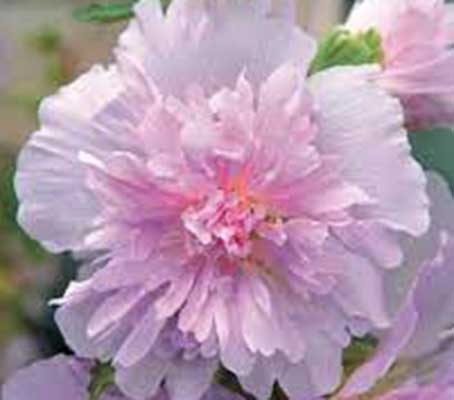
Softly ruffled, fully double blooms in a an elegant, romantic shade, a delicate blend of lilac-pink and rose. ‘Queeny Lilac Rose’ is a compact variety perfect for borders, pots, or small gardens. It flowers its heart out in the first year from seed, an unusual trick for a hollyhock.
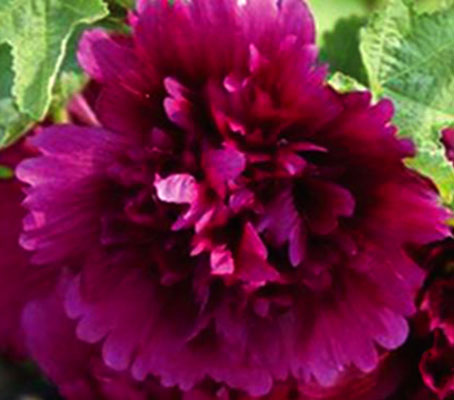
Alcea ‘Queeny Purple’ is a charming, compact hollyhock bred to bring all the grandeur of the cottage garden to smaller spaces. Unlike the tall varieties, it is a perennial that will bloom in its first year. Sturdy, well-branched stems are resistant to rust and are topped with rich, royal-purple blooms that open through to autumn.
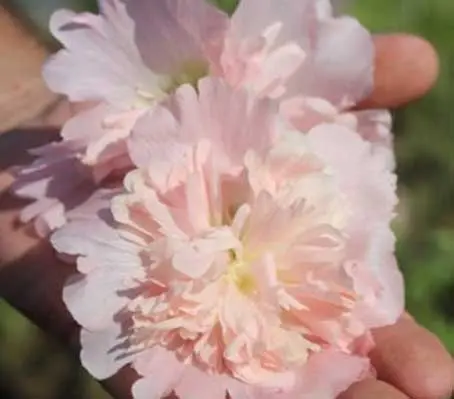
‘Queeny Salmon’ is a knockout hollyhock, shorter, showier, and dressed in ruffled petals the colour of antique blush silk. Sow either in spring or in late summer, the blooms are almost peony like, a beautiful soft pink that catches the light.
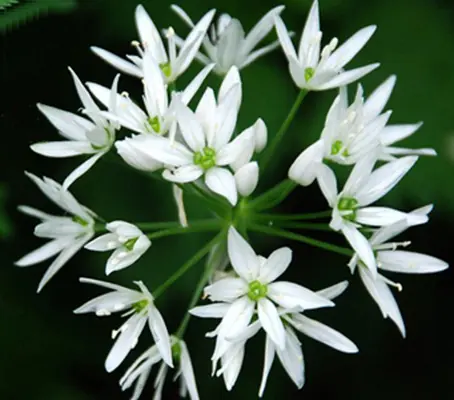
Until a few years ago you would never have seen wild garlic on a menu, but these days is definitely a chefs’ favourite. The whole plant is edible, the flavour is softer, more pleasant than cloves from garlic bulbs. The leaves have a vibrant colour that brings food to life, use sparingly in salads, or add to sauces and dressings. It also makes splendid pesto.
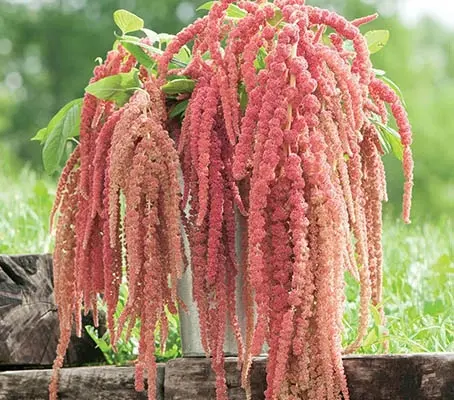
With cascading tassels of the most wonderful coral-pink. Amaranthus ‘Coral Fountain’ is a great addition to the garden and a superb filler for the vase. With generous treatment, specimens three or four feet or more with enormous drooping tassels of flowers can be obtained.
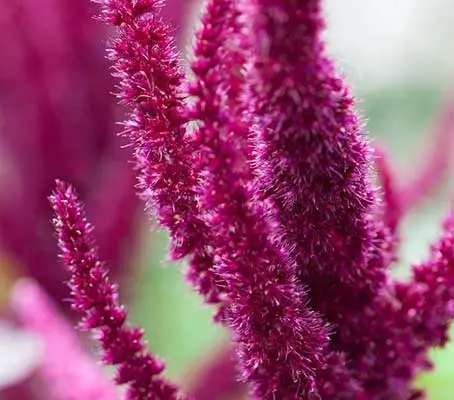
This ever-popular annual is perhaps more versatile than you might imagine – good in the border, most effective as a cut flower in arrangements, a good pot-plant and, not often appreciated – if carefully dried, the colour of the spikes remains unchanged for a considerable time.
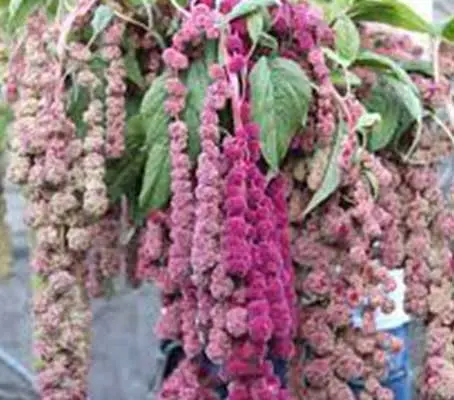
The blooms of Amaranthus caudatus ‘Mira’ have a unique ombre colour that transitions from light sage green, to lilac, to deep purple. The trailing locks are like jeweled necklaces, thick, pendulous tassels that extend 60 to 90cm long. They add exceptional texture and visual interest to gardens and floral designs alike.
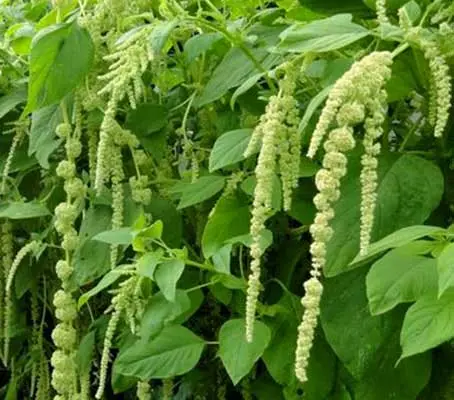
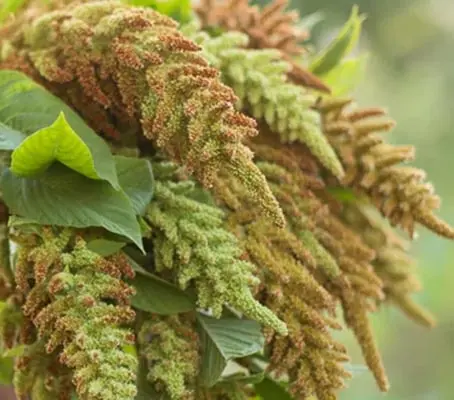
Amaranthus caudatus viridis is the green form of the popular drooping amaranthus. The lime green flowers, which slowly fade to cream as they age, form dramatic tassel-like panicles which can grow to 60cm long and seem to drip from the branches in profusion throughout summer and early autumn.
Blending perfectly into the late summer and autumn landscape, the large plumes atop Amaranthus cruentus ‘Autumn’s Touch’ combine soft pistachio-green and bronze tones to create restful, airy beauty in the sunny annual bed. They make exciting vase material that hold their colour longer than other amaranths and delight the songbirds who flock to feast on their seeds throughout autumn.
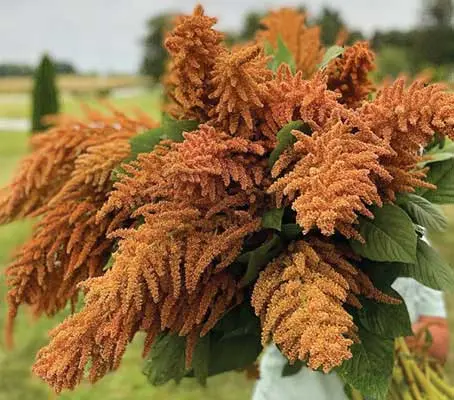
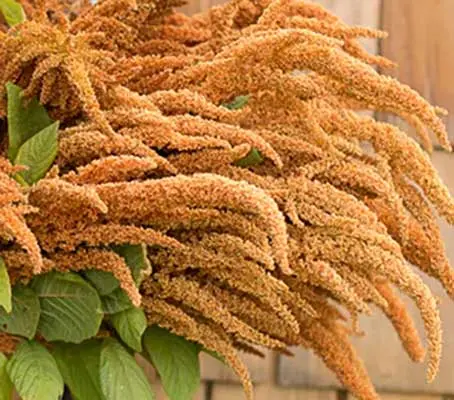
Amaranthus cruentus ‘Bronze’ is a tall, upright amaranth with fresh green leaves topped by dense bronze to chestnut plumes. Very autumnal, it’s a beauty for texture in borders and especially for cutting, where the plumes add instant drama to arrangements.
Amaranthus ‘Hot Biscuits’ is a rather splendid ornamental addition to the garden and the vase. This gorgeous and graceful amaranth feature bold spikes of coppery-bronze branching plumes. They make an excellent cut flower and make exciting vase material that hold their colour longer than other amaranths.
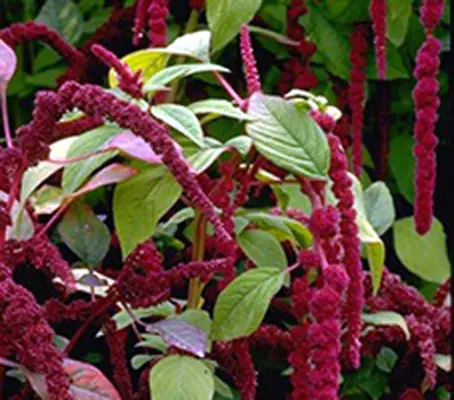
Amaranthus cruentus ‘Velvet Curtains’ provides intense crimson foliage and inflorescence. The dramatic plants with large plumes of flowers, ideal for a sunny, sheltered border. Flower heads will turn to seed and retain their colour for a long season of interest. The gluten free, protein rich seeds can be eaten as a grain, perfect for vegetarians and vegans.
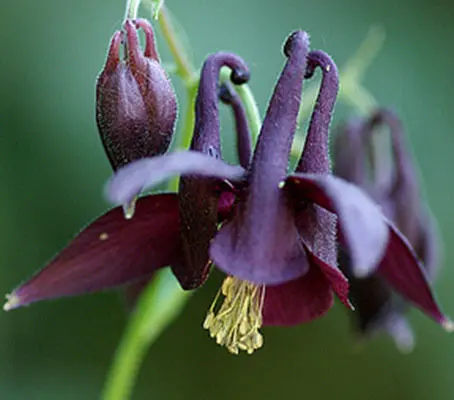
Aquilegia atrata is native to the alpine meadows and forests of Switzerland and Northern Europe. With many branching stems of deepest coloured, almost black flowers it is an outstanding, highly sought species which would be a showstopper in any garden.
€1.75 – €5.95Price range: €1.75 through €5.95
€2.25
€2.75
€3.95
€2.25
€2.75 – €9.75Price range: €2.75 through €9.75
€2.65