Skip to content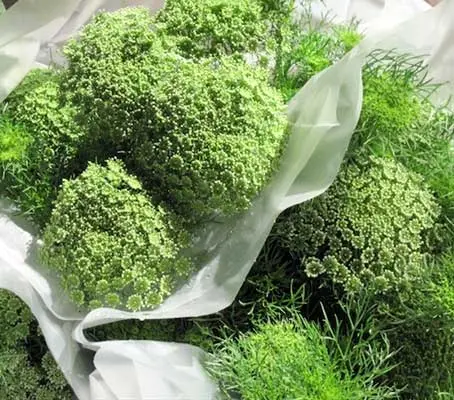
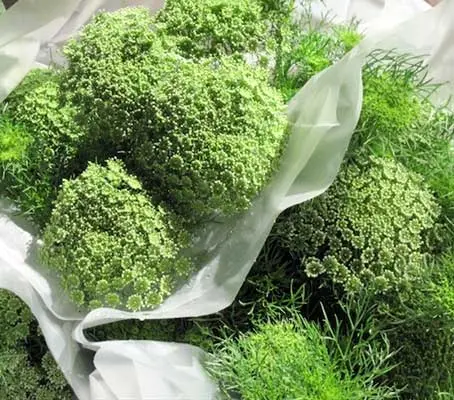
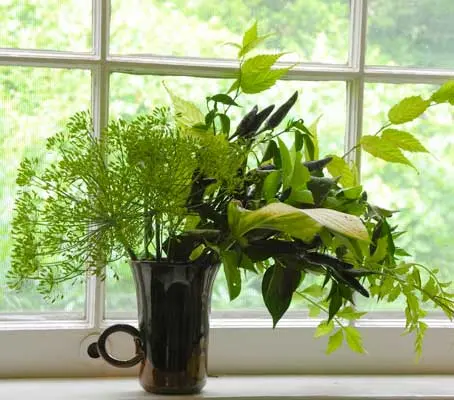
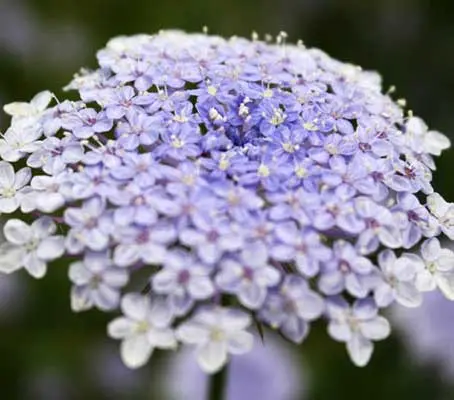
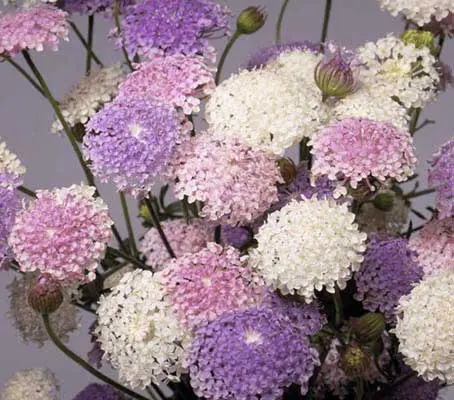
 Ammi lends a delicate airiness to any border and is often used to create a cohesive flower bed. It associates well with both annuals and perennials and makes an excellent addition to wildlife gardens, luring bees and butterflies to the nectar rich flowers. Organic Seed.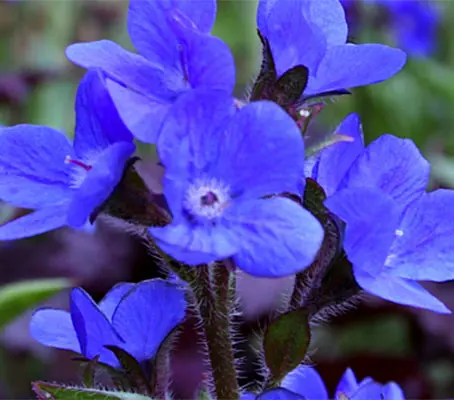
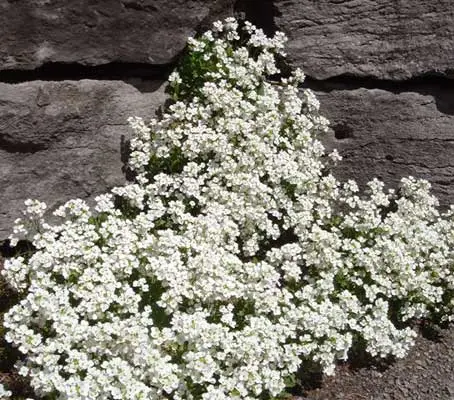
 One of the earliest spring flowers to appear, Arabis ‘Snowcap’ with dense masses of snow-white flowers looks wonderful in containers or under spring-blooming bulbs, the pretty white flowers will fill the void when yearning for blooms is tugging at your core.
 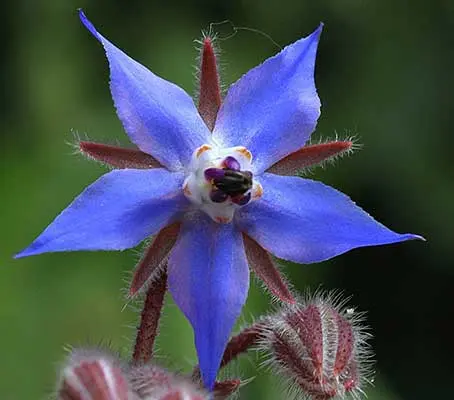 The beautiful blue star-shaped flowers of Borage are edible with a cool cucumber flavour. Use them as garnish in fruit cups, summer drinks, wines and Pimms. Garden visitors can be converted to herbal advocates simply by offering a taste of its flower! Organic Seeds.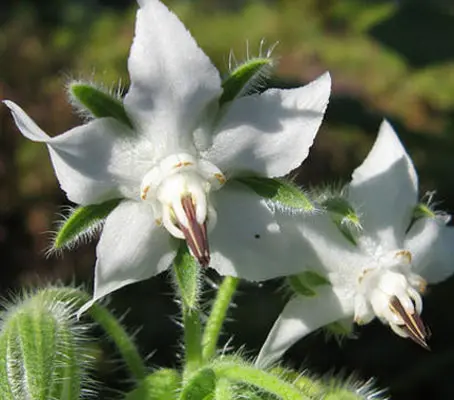
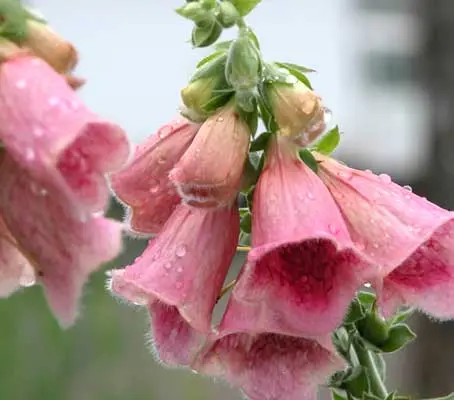 This striking and robust foxglove, a hybrid between the pink flowered D. purpurea and the yellow flowered D. grandiflora produces a beautiful mix of the two shades. Warm pink, speckled flowers that are larger than the traditional foxglove.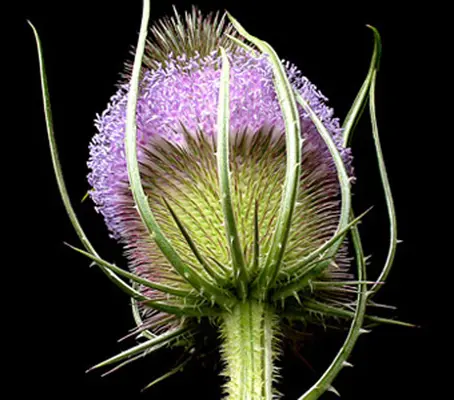
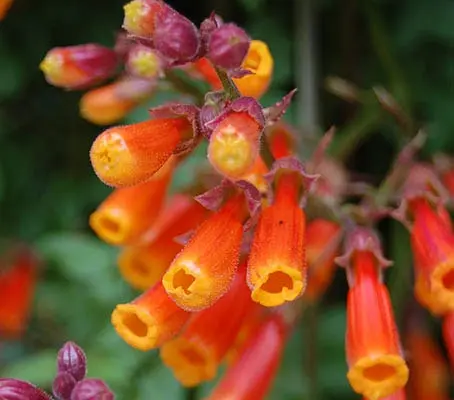 The Chilean glory flower is an exotic-looking climber with dark fern-like foliage and twining tendrils that cling to fences and trellises.This useful climbing plant will quickly cover walls, archways or pergolas. The clusters of small tubular flowers range from bright orange-scarlet and carmine rose to clear golden yellow.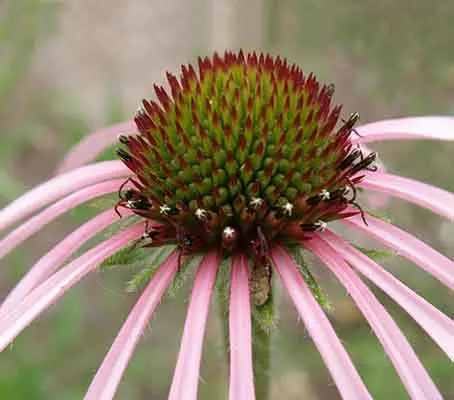
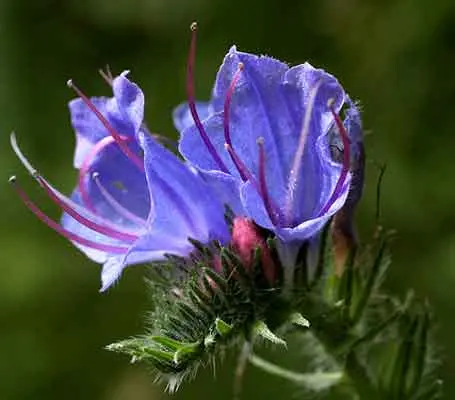
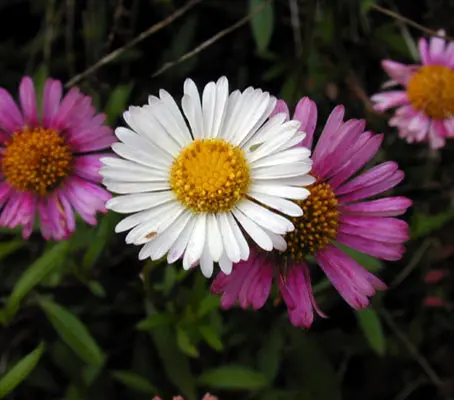 Producing a profusion of daisy like blooms from May right through till November, Erigeron is easy to grow and an amazingly versatile plant, being low-growing, happy in sun or partial shade and thriving in any well-drained soil.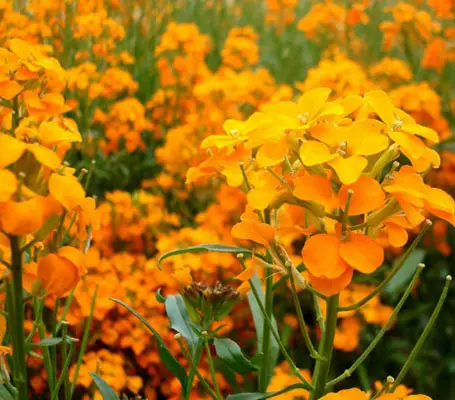
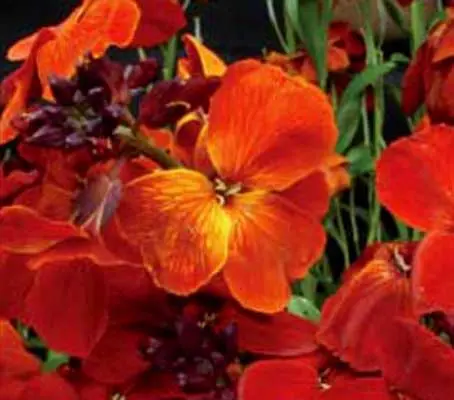
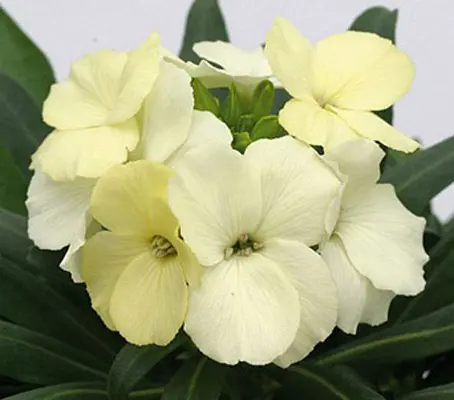
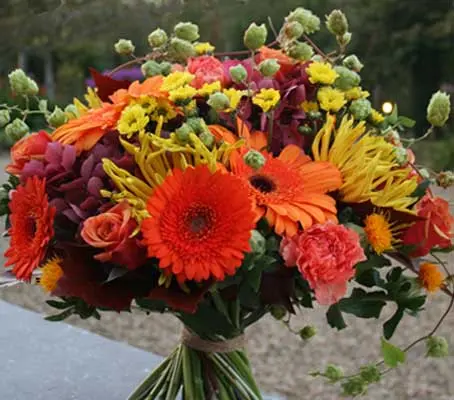
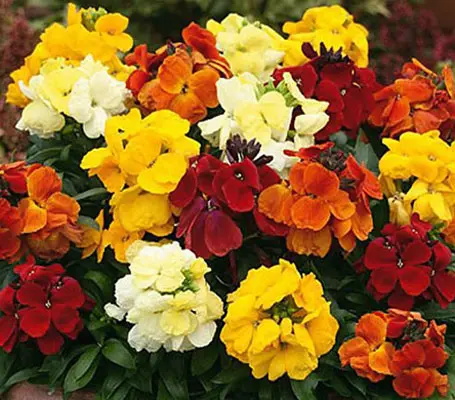 This is a classic Wallflower mixture, with the super rich colours you’d expect to see in a Persian Carpet (at a fraction of the cost!) purple, gold, orange, rose, cream and apricot. It is not without reason that this bushy variety so impressed the RHS judges.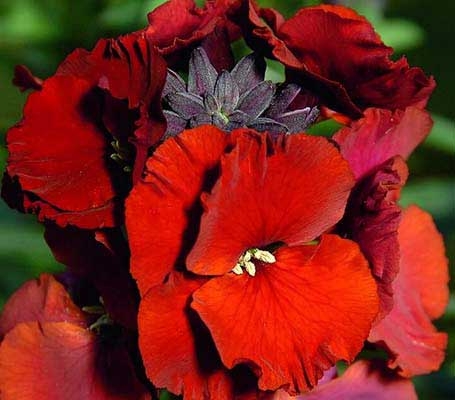
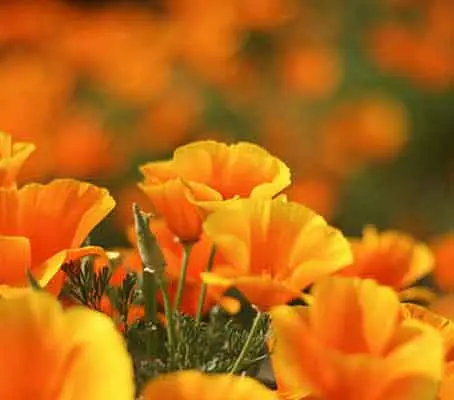
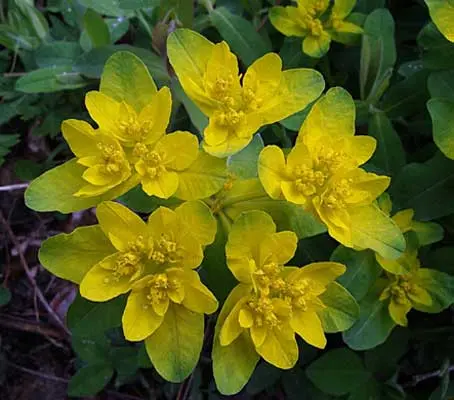 Euphorbias give us some of the best early spring herbaceous colour, but Euphorbia polychroma has the most impact. This compact variety grows to only 50cm with a great mound of yellow-green flowers in spring and echoes the daffodils.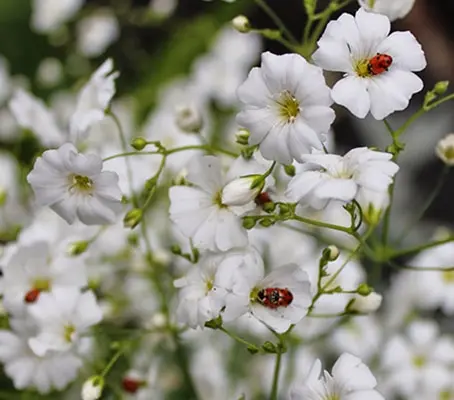

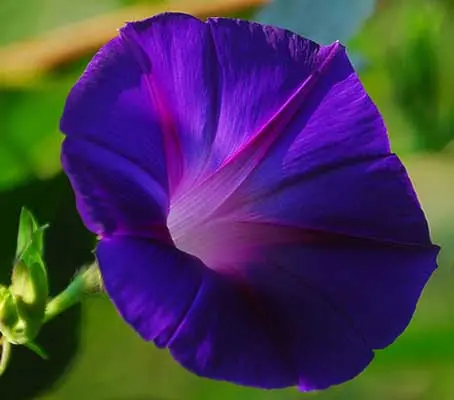
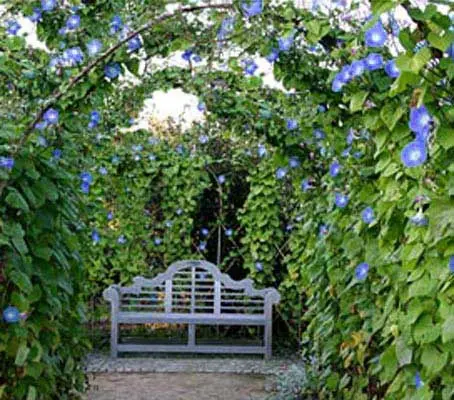 ‘Heavenly Blue’ is one of the loveliest of all climbers. The buds are long and tightly furled, but as the morning sunshine reaches them, they steadily unfold themselves into wide sky-blue trumpet-shaped flowers of deep azure-blue, the colour of a Mediterranean sky.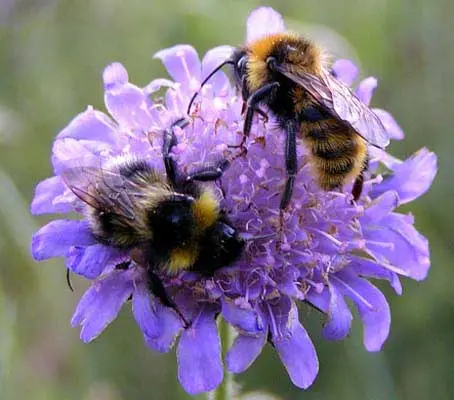
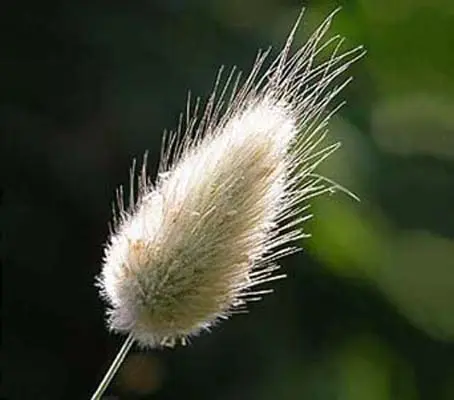 Lagurus ovatus is probably the most appealing of all the ornamental grasses. The name ‘Hare’s Tail’ perfectly accurately describes the creamy-white flower heads, which are hare’s tail-shaped, fur-like and soft to the touch!
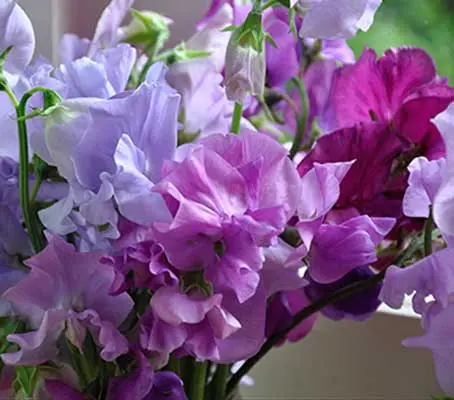
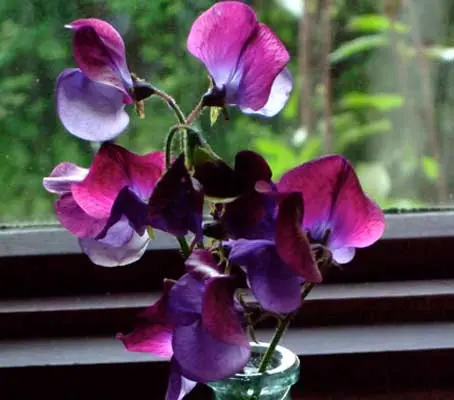 ‘Matucana’ was first introduced into this country from Sicily in 1699, this delightful heirloom dates back at least three centuries, highly valued for its wonderfully strong, sweet scent as well as its brilliant bicoloured blooms of richest purple and violet .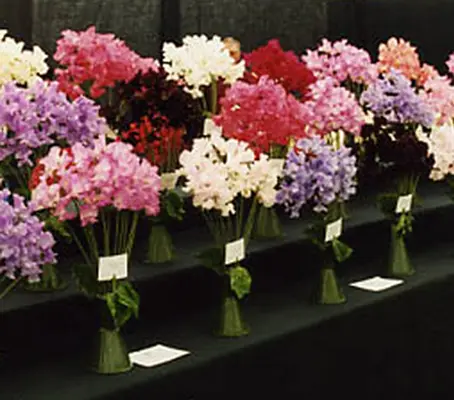
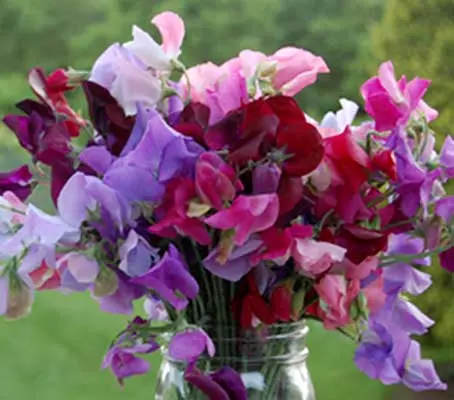
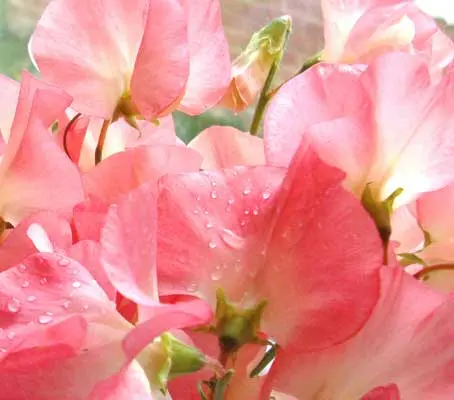
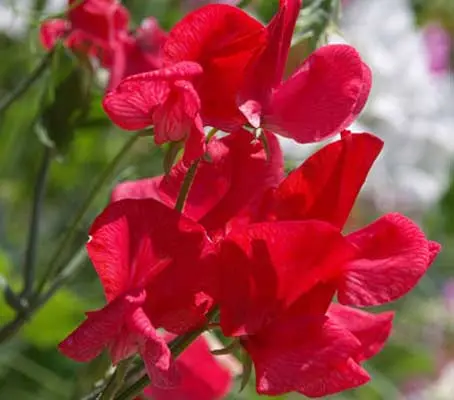 A highly scented heirloom sweet pea introduced by Henry Eckford in 1905 and named in honour of Queen Alexandria, wife of King Edward VII. Lathyrus odoratus ‘Queen Alexandria’ has bright scarlet-pink blooms with three flowers per stem. Strongly scented too.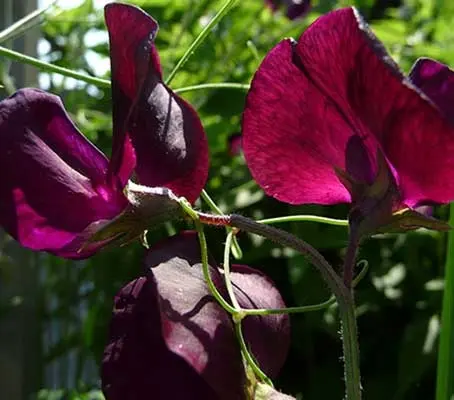
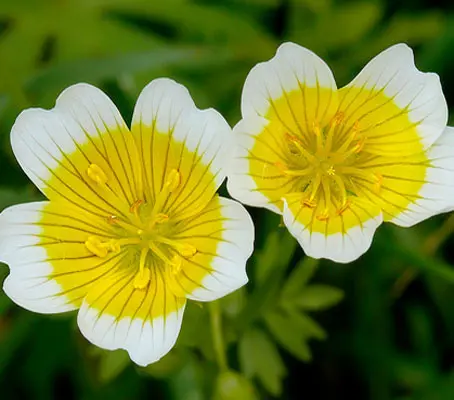 The fragrant, abundant flowers of Limnanthes appear from summer to autumn and attract bees and butterflies for the duration. This lovely plant provides a carpet of fragrant golden and white blooms that will grace the front of the border, rockery or path edging.