 Skip to content
 Sort by:
Sort by:
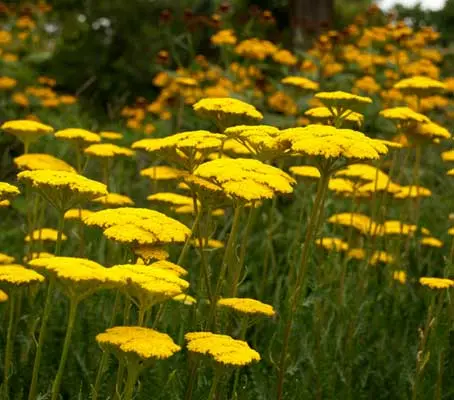
Fernleaf Yarrow
 Achillea filipendulina ‘Cloth of Gold’ is an easy to grow plant which tolerates a fair amount of neglect which makes it a very versatile plant for use in many situations. It does require full sun for best flower production, but this is little to ask for such a grand reward.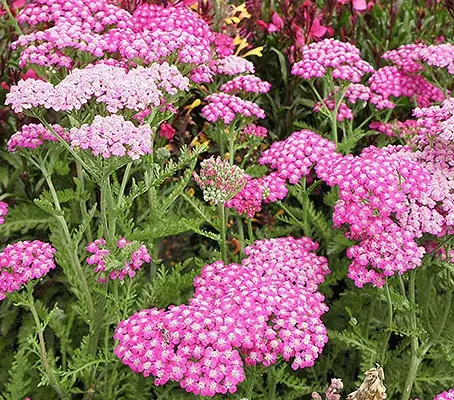
Yarrow, Milfoil
Achillea ‘Cerise Queen’ is a carefree and generously blooming perennial which requires little maintenance to create an explosion of late summer colour. Irresistible to butterflies they also make excellent cut flowers.
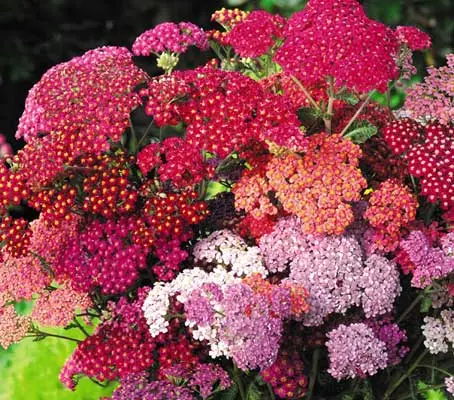
Yarrow, Milfoil
Achilleas are traditional border flowers valued for their feathery foliage and striking flat, circular heads of flowers ‘F2 Summer Berries’ is a compact variety growing to only 60cm tall at maturity. This beautiful improved mixture includes the richer tones of red, cerise and pink in addition to many pastel shades.
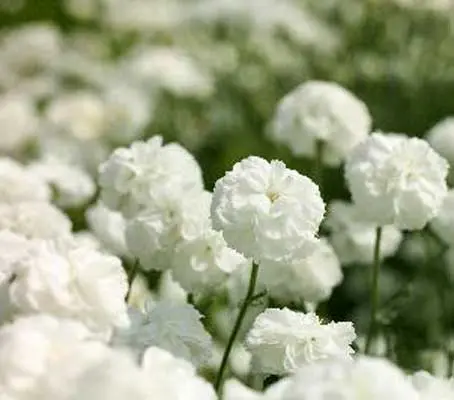
Sneezewort
A favourite of garden designer Gertrude Jekyll. The ‘Pearl’ is excellent for the middle of a sunny, well-drained border, especially when planted as a large drift. A unique, easy and reliable plant to add to any border.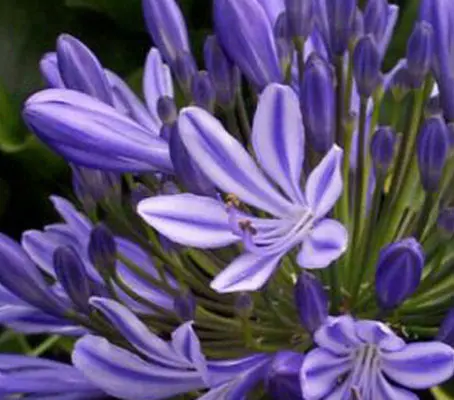
Lily of the Nile
The Agapanthus or Blue African Lily is one of the aristocrats of the late summer garden. Requiring only the minimum of care, the exotic combination of graceful foliage and stunning flowers is equally impressive in the border or large planter. This is a lovely plant to grow and they are very easy from seed.
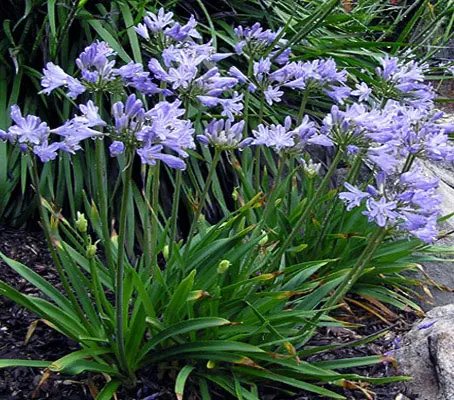
Lily of the Nile, Dwarf cultivar
The Agapanthus is one of the aristocrats of the late summer garden. ‘Peter Pan Blue’ is a fine dwarf hybrid with neat clumps of leaves and large clusters of light- blue flowerheads. The exotic combination of graceful foliage and stunning flowers is equally impressive in the border or container.
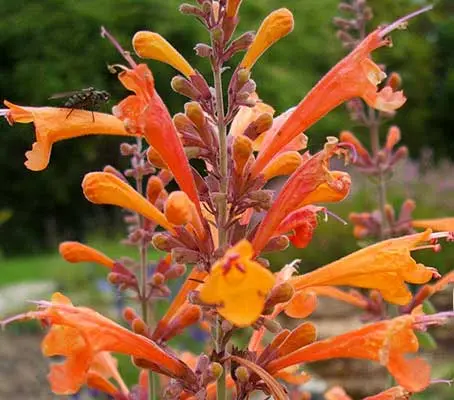
Jewel of the Sierra Madre
It is only within the past decade that a number of new noteworthy members of the genus Agastache have emerged from botanical obscurity. ‘Apricot Sprite’ is an outstanding perennial that provides a sizzling blast of tubular, peachy-apricot flowers. Compact and quick growing, they flower in the first year from seed.
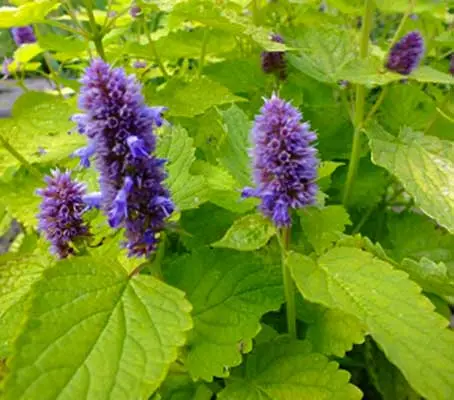
Mexican Hyssop, Hyssop-Anise
Originally bred by and developed in Japan, Agastache ‘Golden Jubilee’ was named to honour Queen Elizabeth II’s 50th year of rule, celebrating the Golden Jubilee in 2002. This bright gold-chartreuse beauty has one of the most remarkable leaf colour of any plant. Offering late season punctuation the flowers are a powerhouse source of nectar and pollen for bees, butterflies and other beneficial insects.
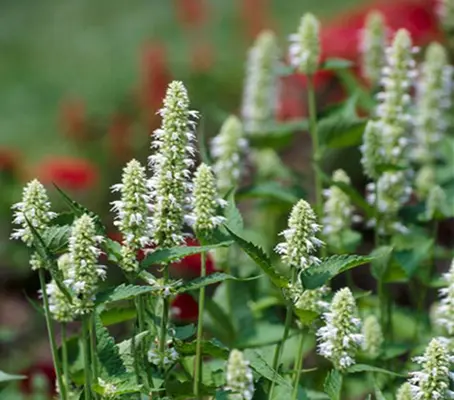
Korean Mint, Huo Xiang
Agastache ‘Liquorice White’ has tall spikes of white lipped flowers and like all Agastache produces copious amounts of nectar for bees and butterflies to feast upon. Flowering late in the season, it is a boon for building up bees’ honey reserves before winter and will produce a honey surplus where drifts are grown.
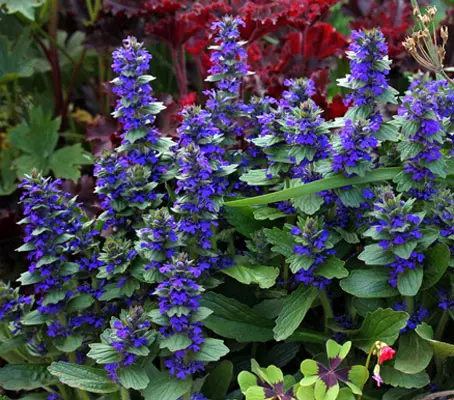
Geneva Bugle
Ajuga genevensis is used throughout the world yet this relatively uncommon form is less well known. This very well behaved, evergreen groundcover has deep gentian blue flower spikes and is by far the showiest of the species. It is often the plant of choice for smaller areas or along edges and pathways.
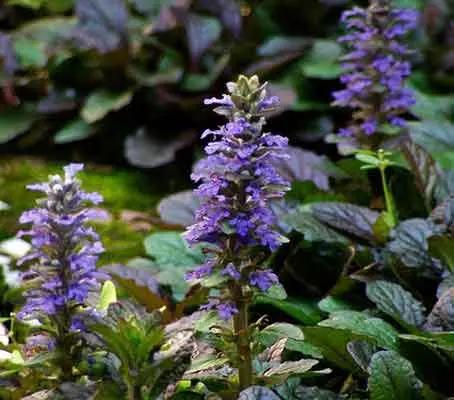
Bugle. Thunder and Lightning,
For most of the year Ajuga is a pleasant, quiet achiever, a very versatile low growing ground cover, with evergreen, rosette-like foliage that hugs the ground like an evergreen carpet but those weeks in spring when the blue flowers appear are simply quite magical.
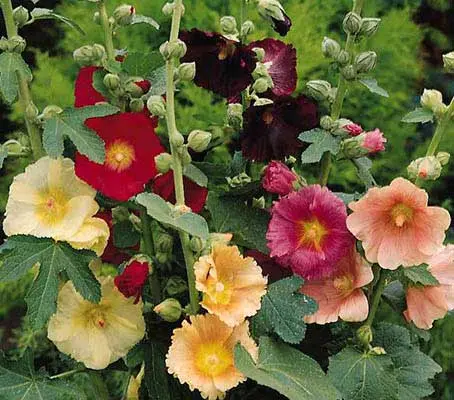
The Antwerp or Fig-leaved Hollyhock
Hollyhocks are almost as easy to grow as sunflowers and would probably be grown as often if gardeners were aware of their good nature. Alcea ficifolia ‘Happy Lights’ is a beautiful strain, reliably perennial they produce many upright stems, resulting in a bushy form.
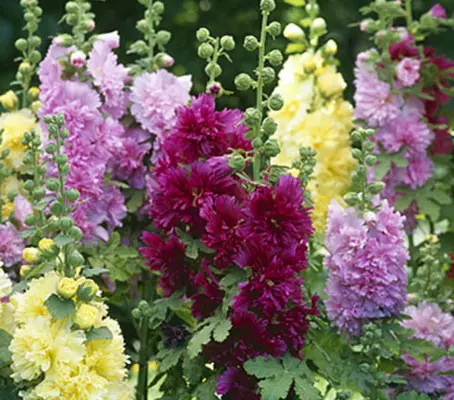
Althaea rosa, Hollyhock
This gorgeous award winning Hollyhock has the distinction of being the shortest in the Alcea rosea family. ‘Queeny’ is a dwarf Hollyhock that reaches only 60cm in height with fully double blooms. Unlike the tall varieties, it is a perennial that can also be used as an annual as it will bloom in its first year.
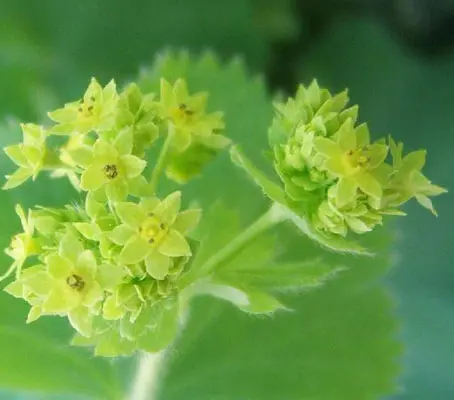
'Thriller', 'Irish Silk', Lady’s Mantle
The unpretentious lady’s mantle is extremely useful for both its foliage and its flowers. The foliage has the additional virtue of looking especially beautiful after a rain, when it holds water droplets in the pleats of its surface like many pearls of liquid mercury. 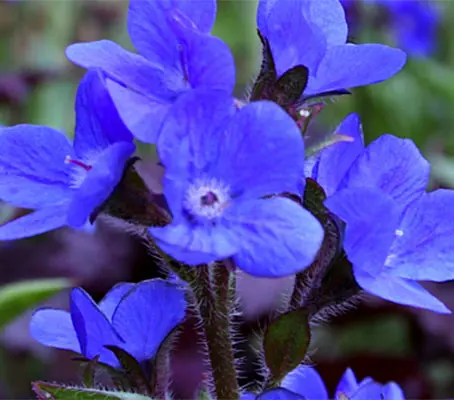
Aka Anchusa azurea or Italian Bugloss
Anchusa ‘Dropmore’ is a 1905 selection that is still available today. They will thrive in a sunny border, are much loved by almost all bee species and make a great companion to rich plums and purple tones.
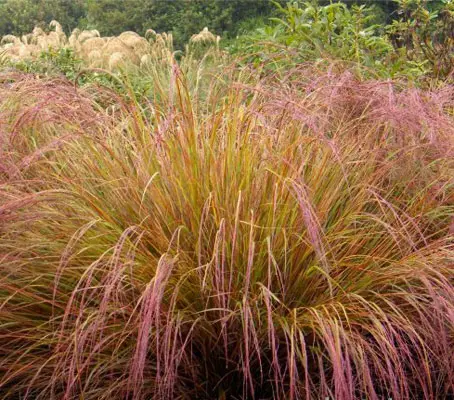
formerly Stipa arundinacea
In summer Anemanthele lessoniana produces open, airy panicles of purple-green flowers that give the plant a pleasing overall arching habit. The leaves become bronzed and turn orange-red in winter – This is still one of the most beautiful of all light grasses.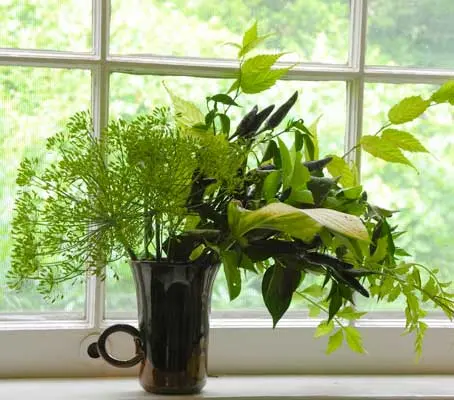
Florists Dill or Compact Dill
‘Mariska’ is a little known compact variety of Dill often referred to as ‘Florist’s Dill’. With starry bright yellow flower heads and abundant foliage it is an excellent variety for use as a cut flower, yet is still a great variety for the kitchen.
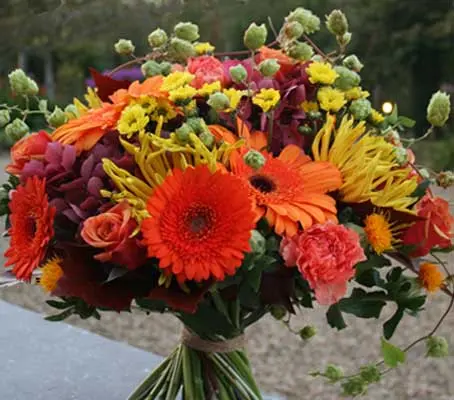
Ideal for naturalistic planting and for cut flowers
The Semi-Tall Flowers Mix is a richly flowering mixture of that produces large quantities of 50cm (20in) tall annual flowers for the border or for cutting. As well as being ornamental, they will provide nectar and pollen for bees, butterflies and other insects from early in the year to late in the season.
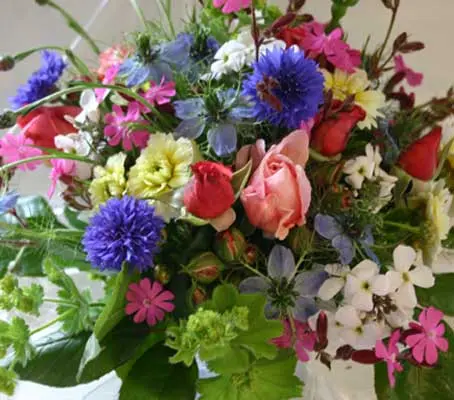
Ideal for naturalistic planting and for cut flowers
Composed of a finely balanced selection of annual flowers designed to provide a long succession of flowers from June to September, the Tall Flowers Mix grows 60 to 70cm (24 to 28in) tall and produces large quantities of flowers that are ideal for the border and for the vase.
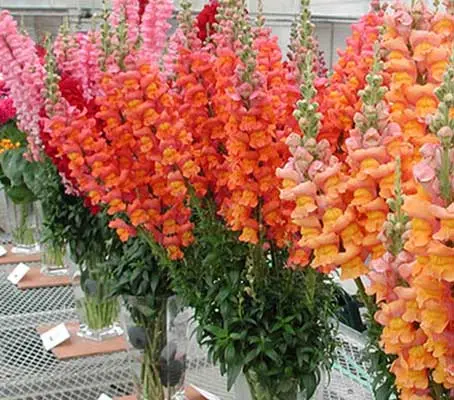
Snapdragon
Worldwide, Antirrhinum is one of the most important ‘summer cut-flowers’ grown from seed. Adored by florists and gardeners alike and available in a rich range of single colours, they are cultivated as an annual or as a biennial.
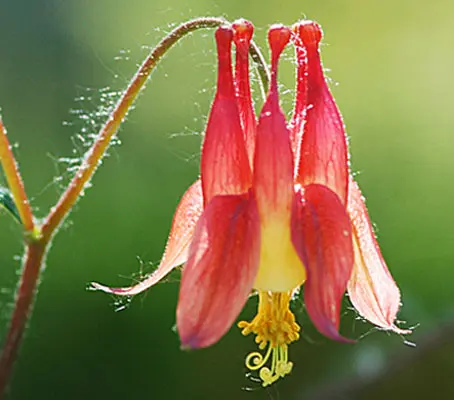
Rock Bells, Dwarf Red Columbine
Native to Canada and the US in all states east of the Rockies, this superb variety is quite unlike the usual Aquilegia. Growing just twelve to eighteen inches tall, with dark-green foliage and eye-catching, scarlet and lemon-yellow flowers which hang like drifts of softly illuminated lanterns.
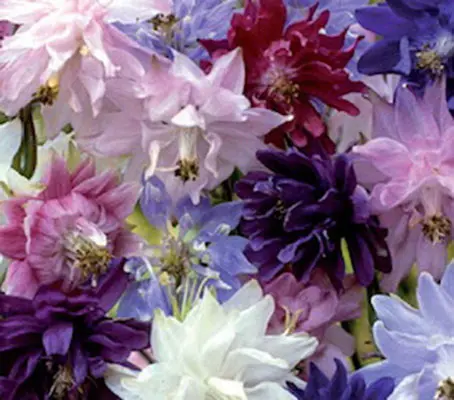
Clematis Flowered or Rose Columbine.
Aquilegia var. stellata ‘Barlow Mix’ is one of the really exceptional doubles forms of Aquilegia. It is the first Aquilegia series with fully double, spurless flowers. Stylish and elegant, with a graceful upright habit they grow to around 80cm tall. It produces many stems and makes an ideal cut flower.
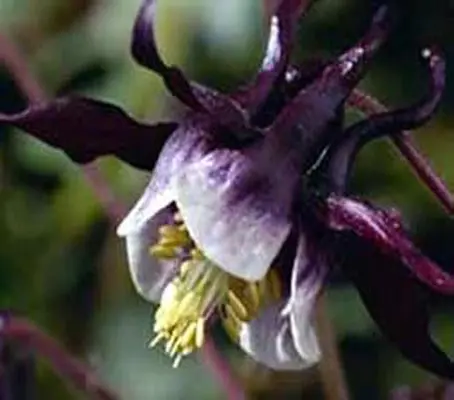
Eye-catching, purple-black flowers with contrasting white centres appear in late spring and early summer above fern-like, mid-green leaves this variety is something special. ‘William Guinness’ is a superb and reliable Aquilegia variety that makes an ideal cut flower, it grows and blooms well in shady areas.
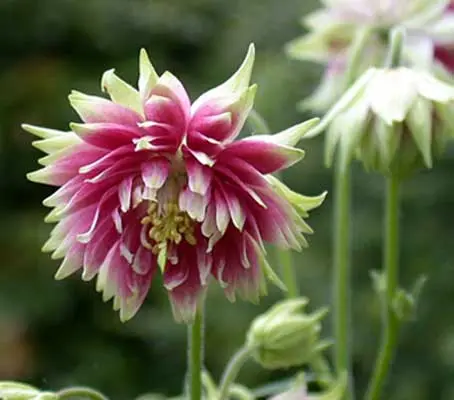
Clematis Flowered or Rose Columbine.
Emma Nora Barlow was a formidable woman and a granddaughter of Charles Darwin. She enjoyed hybridising plants and gave some seeds to the nurseryman Alan Bloom who named his commercial stock after her. They produced a cottage garden classic.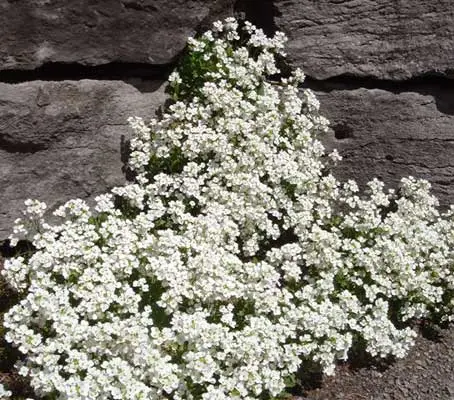
syn A. alpina 'Schneehaube'
Wall, White or Mountain Rockcress
One of the earliest spring flowers to appear, Arabis ‘Snowcap’ with dense masses of snow-white flowers looks wonderful in containers or under spring-blooming bulbs, the pretty white flowers will fill the void when yearning for blooms is tugging at your core. 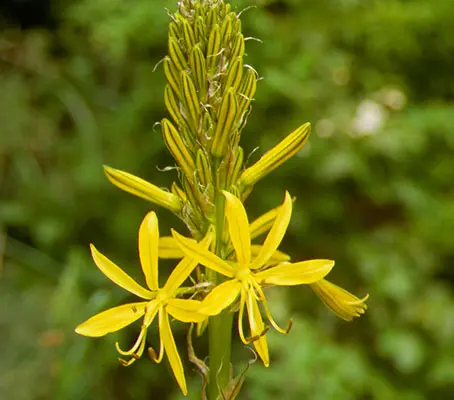
King's Spear, Yellow Jacob's Rod
Asphodeline lutea is an easy to grow perennial that has great architectural form. The overall impression is distinctly upright, so it is good for adding vertical interest to the garden. In early summer leafy stems arise that bear dense, unbranched cylindrical spikes of gorgeous yellow, star-shaped flowers.
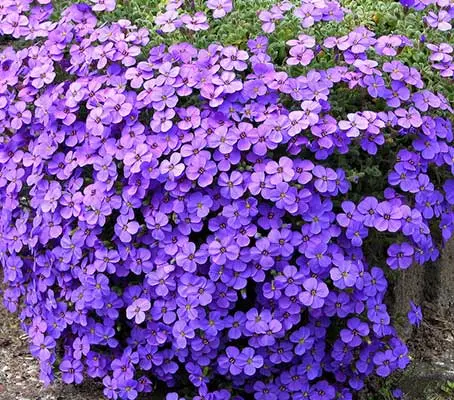
False Rockcress, Large-flowered Aubrieta
Aubrieta ‘Hendersonii’ is a vigorous variety that is smothered by rich lilac-purple flowers for several months in spring. It grows to only 10 to 15cm tall at maturity, but with a spread of around 45cm it makes a lively edging to a sunny border, growing over rock walls or placed in stonewalls.

False Rockcress, Large-flowered Aubrieta
Aubrieta has long been treasured for its delightful spring show of brightly coloured flowers. ‘Whitewell Gem’ is smothered by large, intense reddish-purple flowers for several months. Lovely spilling out of crevices or over rock walls, the plants can also be used in paving with other ground hugging plants.
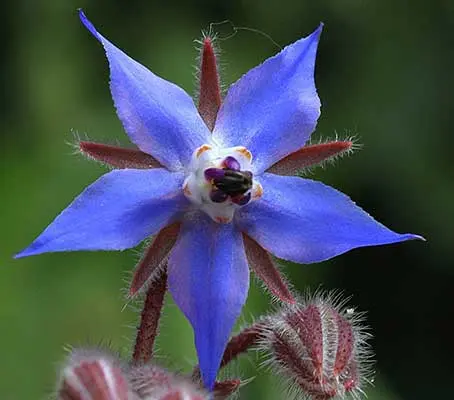
Starflower, Bee Bread, Blue Borage
 The beautiful blue star-shaped flowers of Borage are edible with a cool cucumber flavour. Use them as garnish in fruit cups, summer drinks, wines and Pimms. Garden visitors can be converted to herbal advocates simply by offering a taste of its flower! Organic Seeds.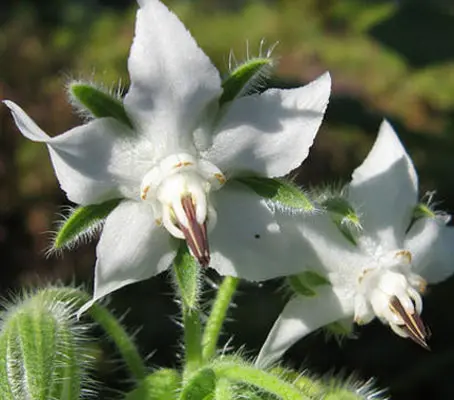
Starflower, Bee Bread, White Borage
The herb borage is a well known annual. Not so well known and not often written about is the equally beautiful form ‘alba’ which boast pure white, perfectly star-shaped flowers. Each flower is centred by five black stamens which heighten the drama. The flowers are edible, garden visitors can be converted to herbal advocates simply by offering a taste of its white flower.
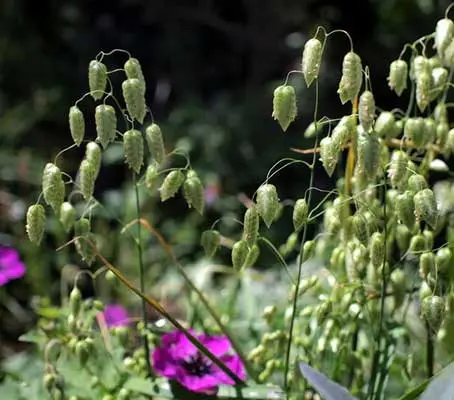
Greater Quaking Grass
Ornamental Grass Briza maxima has blue green leaves and flower heads that hang like scaly little heart shaped lockets that are tinged with pink from late spring to mid summer. They make a wonderful cut flower and flowering in 10 to 12 weeks from spring sowing, they are very easy to grow to perfection.
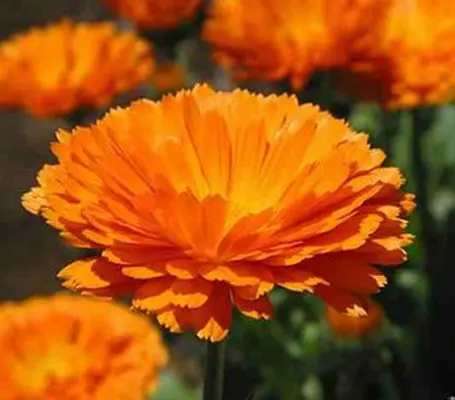
Pot Marigold, English Marigold. Herb Marigold
Cheerful and bright, use Calendula in beds, borders or containers. Calendula is prolific and durable, and like most hardy annuals it is easy to grow, simply sow where it is to flower. It is currently one of the top herbs used for medicinal use. Sprinkle salads and decorate cakes with the edible tangy petals.
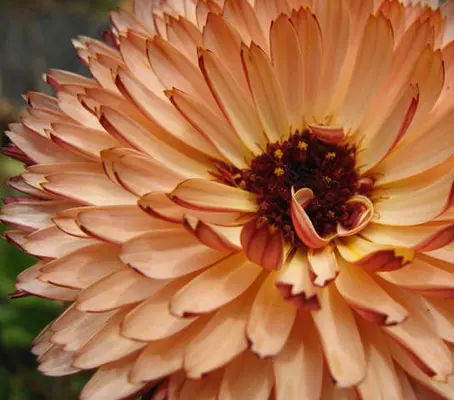
Pot Marigold, English Marigold. Herb Marigold
‘Sunset Buff’ is a lovely, more subtle coloured calendula. It is the soft apricot-buff version of ‘Indian Prince’ with the same crimson petal backs. They grow to a height of around 60cm and a spread of 45cm, are an excellent variety for borders and make a stunning cut flower.
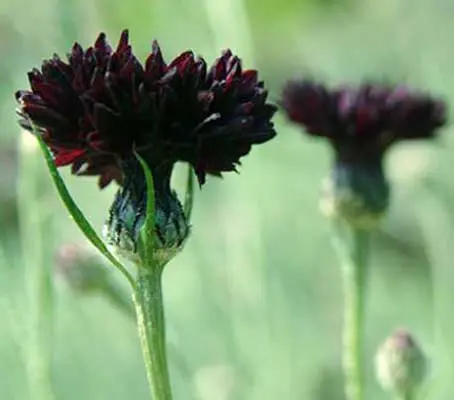
Also aptly named 'Witching Hour'
The Boy Series, which all feature double flowered blooms on tall stems for garden or cutting, are available in many colours. These beauties grow well as border plants and are wonderful in a cutting garden. ‘Black ball’ flowers are a lovely rich dark-chocolate hue, almost black on cloudy days.
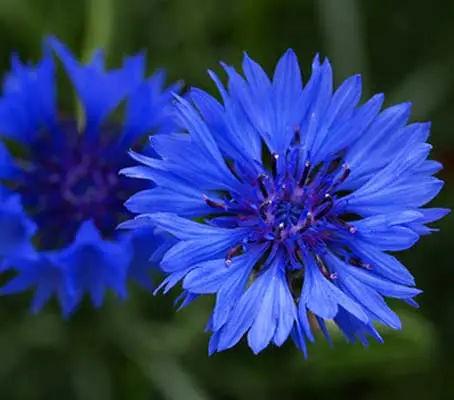
Double Cornflower, Bachelors Button
A favorite annual flower and cottage garden staple, Centaurea ‘Blue Boy’ has piercing, bright blue flowers with ruffled petals and violet-blue centres. The blooms appear from early to late summer. These beauties grow well as border plants and are wonderful in a cutting garden.
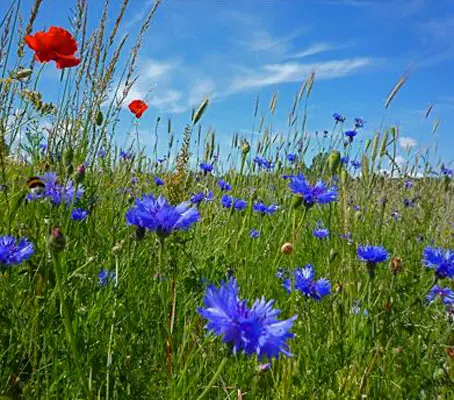
Bachelors Button,
Wildflower of Britain and Ireland
Today cornflowers are rare in the wild, they flourish instead in our gardens. They are the most splendid of annuals. Aside from their electric blue, which is breathtaking when they’re grown in dense drifts, they are easy to grow, they flower all summer, make great cut flowers and bees adore them.
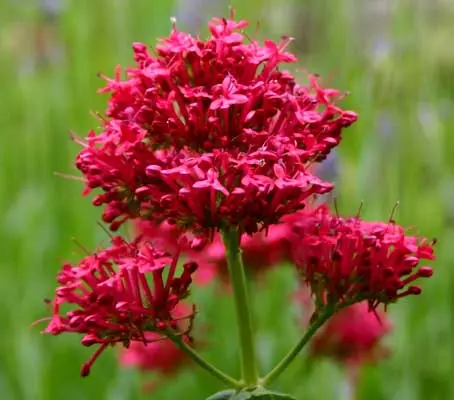
Keys of Heaven, Jupiter's Beard. Pretty Betsy
Centranthus ruber is a Cottage garden favourite that’s made it into the style books. Sweetly-perfumed, dense clusters of reddish-pink flowers appear from July to October. They are ideal for attracting bees and butterflies and other pollinating insects into the garden and lovely when used as a cut flower.
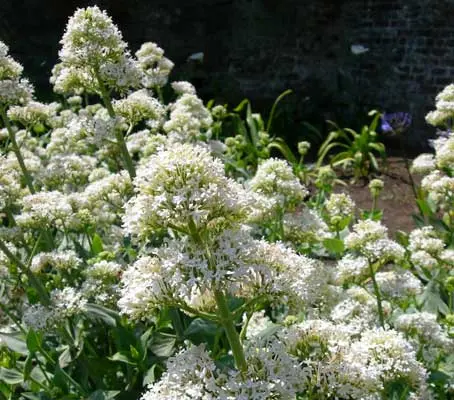
Keys of Heaven, Jupiter's Beard.
Centranthus ‘Snow Cloud’ produces airy clusters of white flowers that appear from July to October on tall, fleshy stems with glaucous leaves. Very long flowering, sweetly-perfumed and easy-to-grow from seed, given an early sowing Centranthus will flower from July right through to October.
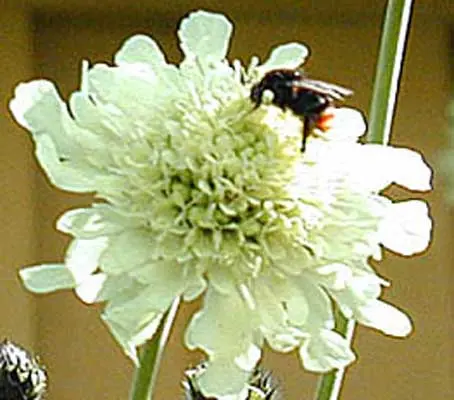
Giant Scabious, Caucasian scabious
Cephalaria gigantea is a gentle giant that has an informal look that is perfect for looser planting styles. Tall but airy with very pretty pale butter-yellow flowers, use it planted at the back of the border.
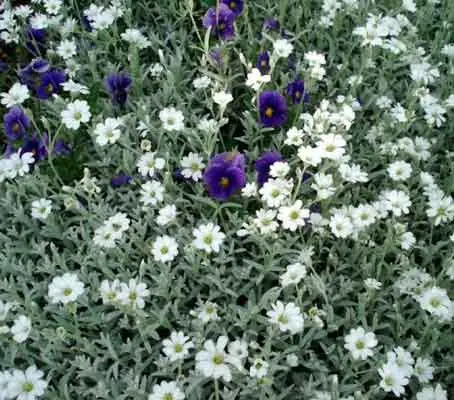
Snow in Summer
‘Snow in Summer’ lives up to its name in late spring when the foliage is smothered in luminous white flowers. Beautiful used as a path edging, in a stone wall or cascading over containers. Try it amongst your spring bulbs – tall lily flowering tulips above a dense carpet of white Cerastium… Breathtaking!
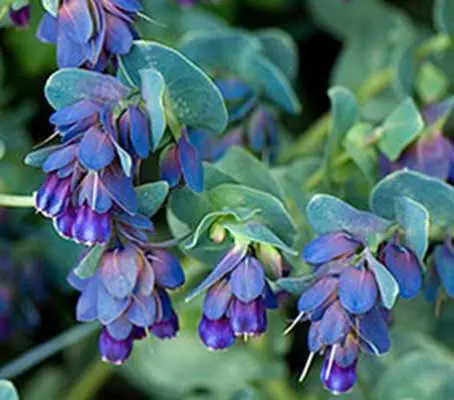
Blue Shrimp Plant, Honeywort, Blue Wax Flower
This beautiful highly versatile, aristocratic border plant has become very much in vogue in recent years. Oval, fleshy blue-green leaves spiral up the stem with tightly packed, sea blue bracts – and then the finale – small clusters of rich purple-blue tubular, nodding flowers which are adored by bees.

English or Lawn Chamomile
Also spelt Camomile
Camomile is a most useful plant. It can be used to make beautiful lawns and raised beds, an infusion of the plant is an ideal family remedy, calming and sedative, perfect for restlessness or travel sickness, while for gardeners the tea is effective as a spray to prevent ‘damping-off’ of seedlings
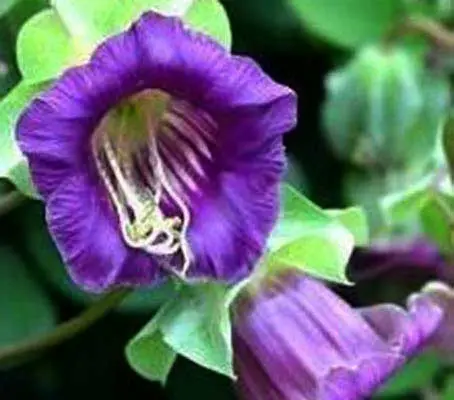
Cathedral Bells, Cup and Saucer Vine
Cobaea scandens is an impressive climber and is one of the fastest-growing and most trouble-free vines you will ever grow. Extremely attractive when scrambling upward through trellis work, archways, over small buildings or old trees. 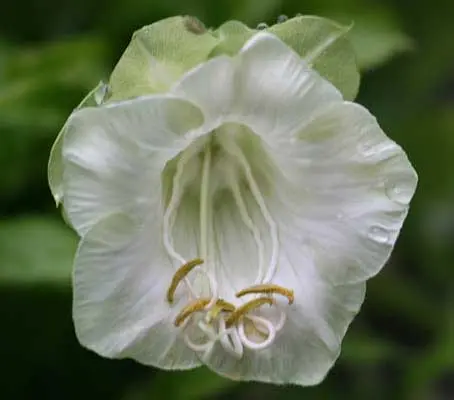
White Cup and Saucer Vine, White Cathedral Bells
Cobaea scandens alba will appeal to anyone who longs for something with panache and visual impact. This rare variety has clear white flowers and will fill the air with a very pleasant honey scent throughout the growing season. 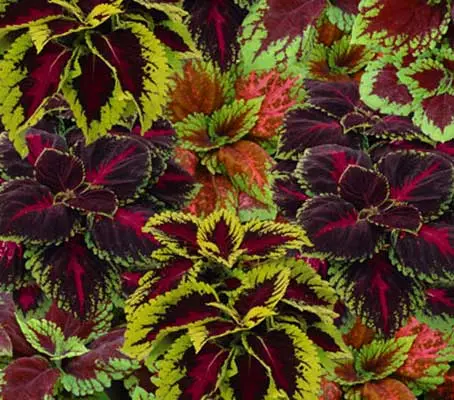
A Premium Shade variety
Coleus has enjoyed a resurgence in popularity over the past few years. The new breeding has taken a handful of series and exploded them into hundreds of wild and crazy types of colours and forms. Overwhelmingly the favourite is the Kong series for its sheer presence, each leaf is easily as big as your palm, and probably twice as large as the next biggest Coleus you can buy.
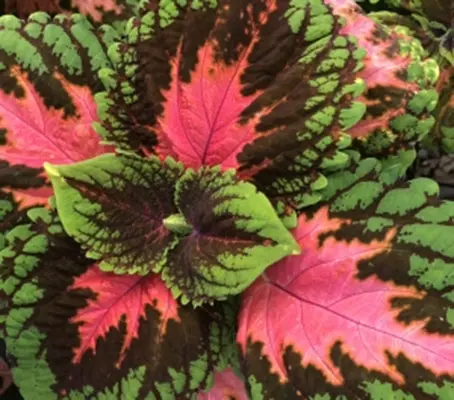
A Premium Shade variety
Featuring huge leaves that are coral in the centre and edged in bright green, Coleus ‘Kong Salmon-Pink’ is a ‘Premium Shade’ variety, that are great for large containers and mass plantings, performing best and showing the most intense colour in full shade, they also work well for indoor plant programs. It’s hard to go wrong with this plant.
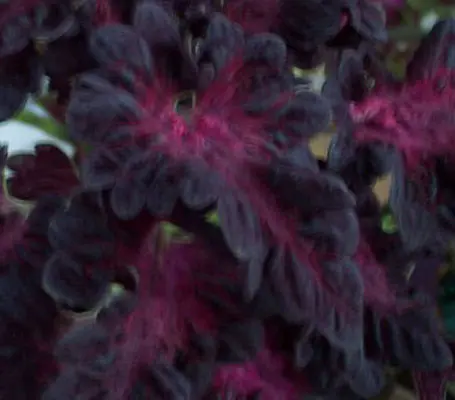
Painted Nettle. Flame Nettle
This wonderful Victorian type coleus ‘Black Dragon’ forms a riot of rumpled leaves in velvety purplish black leaves, each bordered by frilly edges. The ruby red centres are sometimes flecked with violet or pink. Easy to grow from seed, they will show their first colours in as little as two weeks.
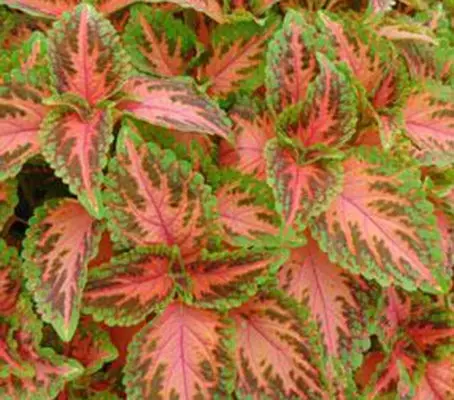
Painted Nettle. Flame Nettle
Coleus have been perfected, the new varieties have colours that intensify in sun, but can also thrive in shade. “Coral Sunrise” is an excellent example of the new developments, The beautiful coral pink heart-shaped leaves have neatly serrated edges, with shades of olive and intense bright green margins.
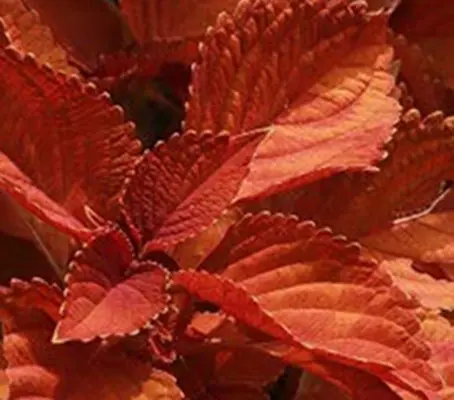
Painted Nettle. Flame Nettle
Ten years back coleus were gaudy relics from Grandmother’s generation, but now coleus are back and teetering on the cutting edge. “Wizard Sunset” is one of the softer colours from the Wizard series, with heart-shaped leaves in beautiful shades of bronze – apricot. Excellent in full sun.
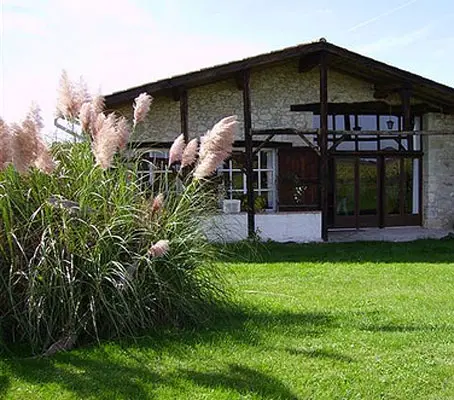
Pink Pampas Grass
This unusual pink form of pampas grass with tall, pink-flushed, feathery plumes is a real show stopper. In midsummer spectacular plumes erupt above the foliage. The show continues into winter as the feathery plumes persist and the foliage turns golden brown when touched by frost.
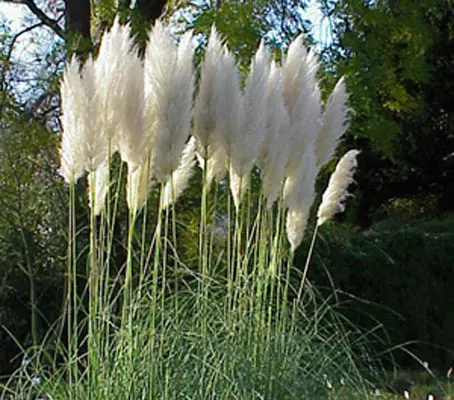
White Pampas Grass
Cortaderia selloana ‘White Feather’ – Pampas Grasses are the ultimate architectural plant, adding texture, autumn colour and winter shapes in the landscape. Relatively easy to grow, this plant flowers throughout late summer and autumn. It will provide colour and interest for many years.
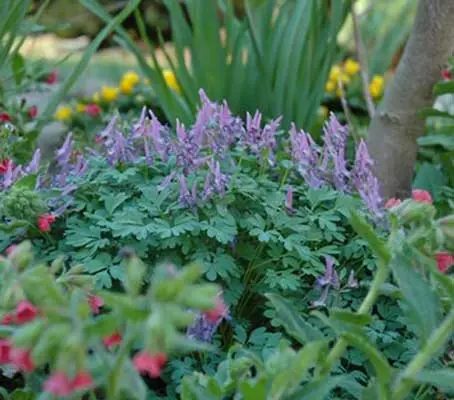
Bird-in-a-bush
European Wildflower
What gardener with a heart and soul could resist the spring flowers of Corydalis, whose winged petals with upswept spurs suggest a flight of elfin butterflies. These woodland ephemerals are highly useful at the front of the border, with miniature bulbs such as crocus, muscari or scillas.
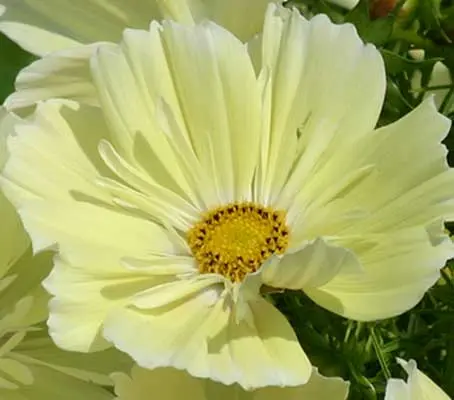
The Mexican Aster
A totally new cosmos that has been causing rather a stir in horticultural circles, the unique soft-yellow blooms are produced in profusion on compact dwarf plants. Cosmos bipinnatus ‘Xanthos’ was immediately granted one of the most prestigious horticultural awards, a Fleuroselect Gold Medal.
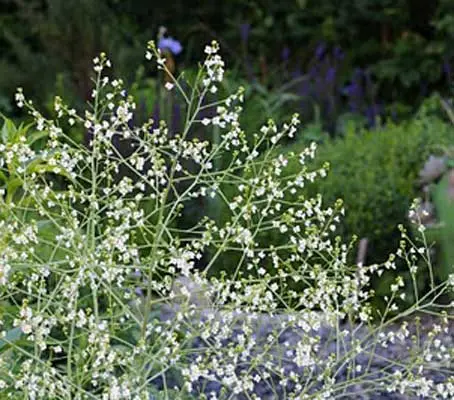
Heartleaf crambe
I like magnificence in the garden. Either those plants which over perform, or those which are so rare that they stop one in ones tracks, or those that designers call ‘statement plants’. Crambe cordifolia is one such plant. All about stature, plant them and stand well back. 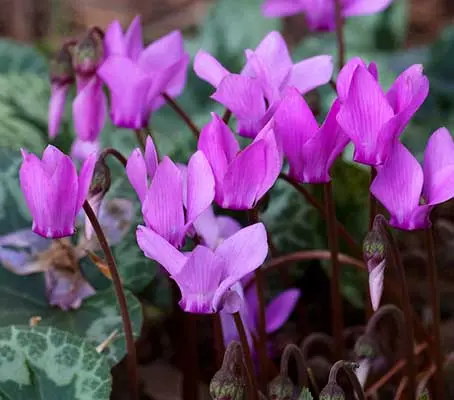
Hardy Cyclamen
Cyclamen coum is adored as a cultivated ornamental plant. The flowers vary from white to rosy-purple with every hue in between and in such quantity to obscure the leaves. They open from early winter and continue unabated into spring. 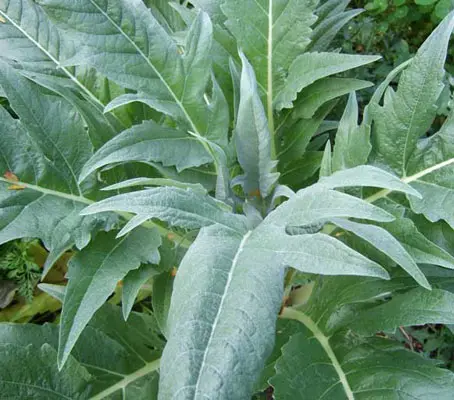
Cardoon
Whether you are into the culinary arts or edible landscapes, you may want to put this plant at the top of your list. Chosen by the RHS as one of the top plants of the last 200 years, Cardoons are aristocrats in both the ornamental and the vegetable world.€2.55
€2.65
€3.50
€3.50 – €19.50Price range: €3.50 through €19.50
€3.50 – €19.50Price range: €3.50 through €19.50
€2.35
€2.95
€2.25 – €7.95Price range: €2.25 through €7.95
€1.95 – €7.95Price range: €1.95 through €7.95
€2.65 – €7.95Price range: €2.65 through €7.95
€3.25
€3.25
€2.75
€2.95