 Skip to content
 Sort by:
Sort by:
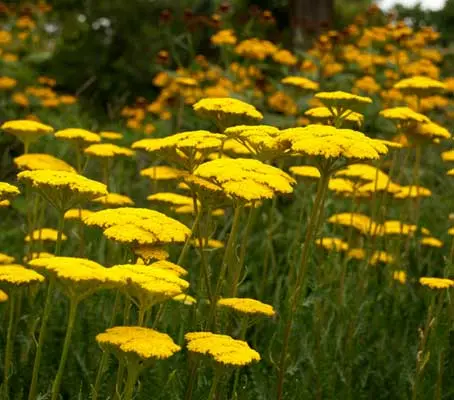
Fernleaf Yarrow
 Achillea filipendulina ‘Cloth of Gold’ is an easy to grow plant which tolerates a fair amount of neglect which makes it a very versatile plant for use in many situations. It does require full sun for best flower production, but this is little to ask for such a grand reward.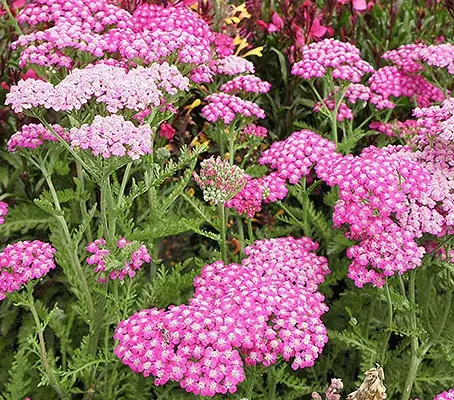
Yarrow, Milfoil
Achillea ‘Cerise Queen’ is a carefree and generously blooming perennial which requires little maintenance to create an explosion of late summer colour. Irresistible to butterflies they also make excellent cut flowers.
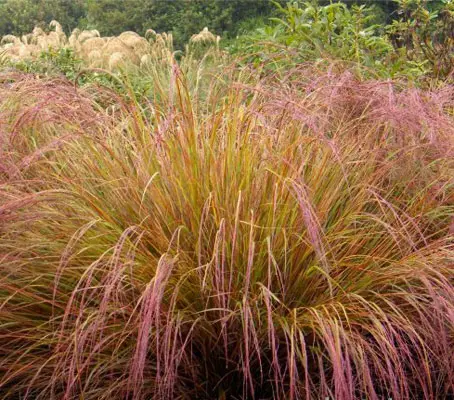
formerly Stipa arundinacea
In summer Anemanthele lessoniana produces open, airy panicles of purple-green flowers that give the plant a pleasing overall arching habit. The leaves become bronzed and turn orange-red in winter – This is still one of the most beautiful of all light grasses.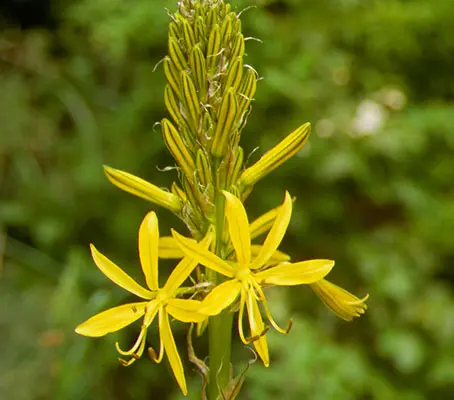
King's Spear, Yellow Jacob's Rod
Asphodeline lutea is an easy to grow perennial that has great architectural form. The overall impression is distinctly upright, so it is good for adding vertical interest to the garden. In early summer leafy stems arise that bear dense, unbranched cylindrical spikes of gorgeous yellow, star-shaped flowers.
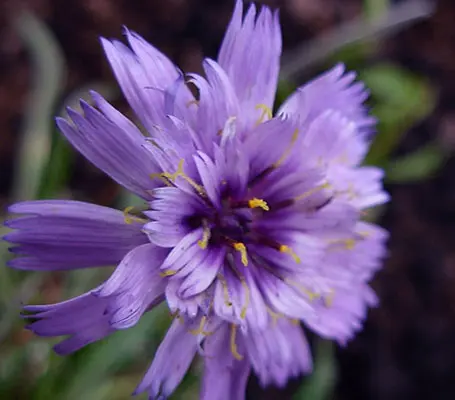
Cupids Dart, Love Plant.
Catananche caerulea ‘Amor Blue’ is a charming plant, with blue, star like flowers each with a dark eye and unique papery petals. They look best when grown in groupings, rather than one or two plants and don’t mind crowding. Plant en-masse in prairie style or meadow plantings, mix them up a little with other hardy perennials and grasses.
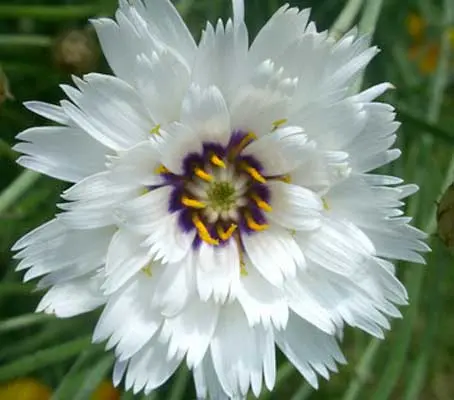
Cupids Dart, Love Plant.
Catananche caerulea ‘Amor White’ produces stunning blooms of white, star like flowers each with a dark purple-blue eye and unique papery petals. The blooms rise on single stems above neat clumps of grey-green foliage. Super when planted the border, they also make a wonderful, long lasting cut or dried flowers.
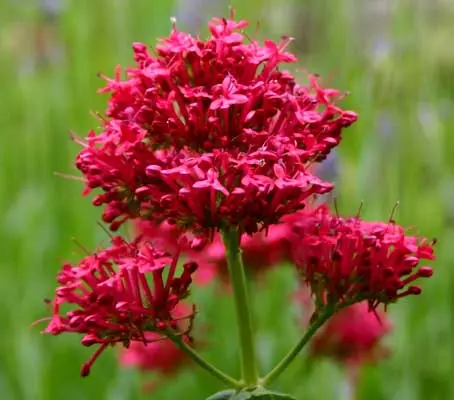
Keys of Heaven, Jupiter's Beard. Pretty Betsy
Centranthus ruber is a Cottage garden favourite that’s made it into the style books. Sweetly-perfumed, dense clusters of reddish-pink flowers appear from July to October. They are ideal for attracting bees and butterflies and other pollinating insects into the garden and lovely when used as a cut flower.
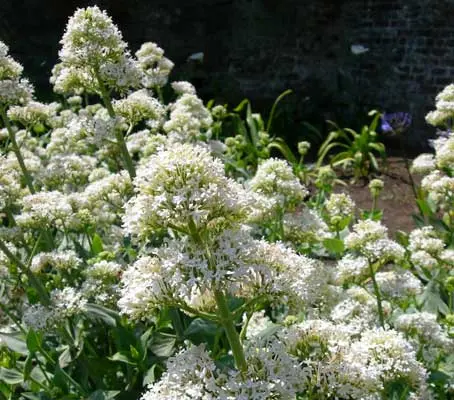
Keys of Heaven, Jupiter's Beard.
Centranthus ‘Snow Cloud’ produces airy clusters of white flowers that appear from July to October on tall, fleshy stems with glaucous leaves. Very long flowering, sweetly-perfumed and easy-to-grow from seed, given an early sowing Centranthus will flower from July right through to October.
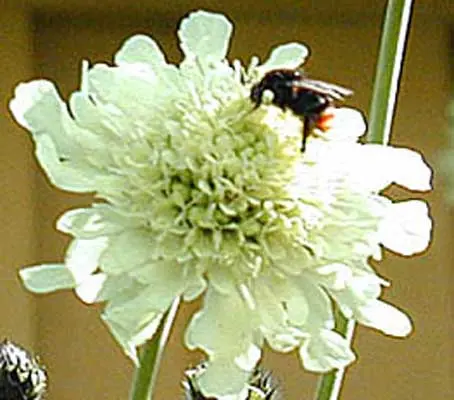
Giant Scabious, Caucasian scabious
Cephalaria gigantea is a gentle giant that has an informal look that is perfect for looser planting styles. Tall but airy with very pretty pale butter-yellow flowers, use it planted at the back of the border.
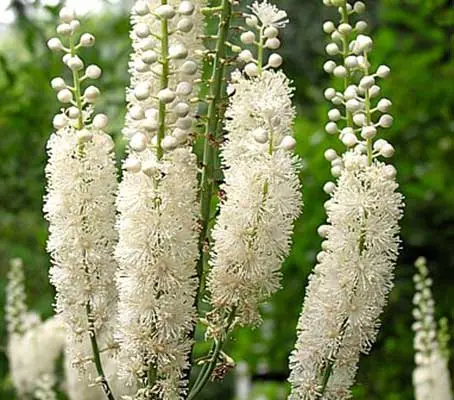
Actaea racemosa var. cordifolia
Actaea cordifolia comes into its own late in the season, when multiple stiff and stout stems emerge from the base of the plant. It displays impressive long racemes of chalky-white blooms that are composed of numerous, tiny individual star-like, fragrant flowers.
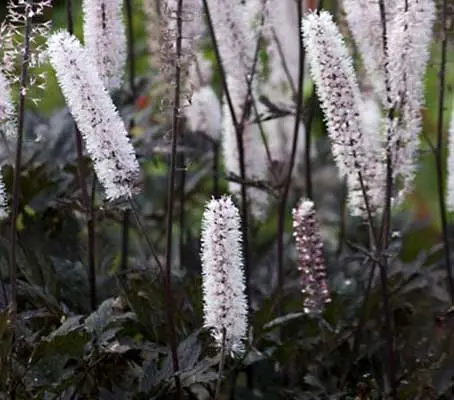
Actaea simplex Atropurpurea Group
Valued for its large purple-black leaves, Cimicifuga simplex ‘Atropurpurea’ is an exceptionally beautiful selection. The long, fluffy spires seem to float in mid-air, each flower studded with feathery stamens.
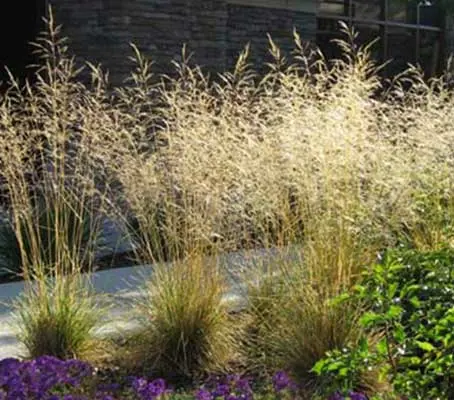
Tufted Hairgrass
Deschampsia cespitosa is a lovely variety of ornamental grass especially valued for it’s tall flower plumes. The sprays of airy delicate flowers, eventually changing to bronze add texture and colour to the winter garden and deliver a knock-out punch to cut-flower arrangements.
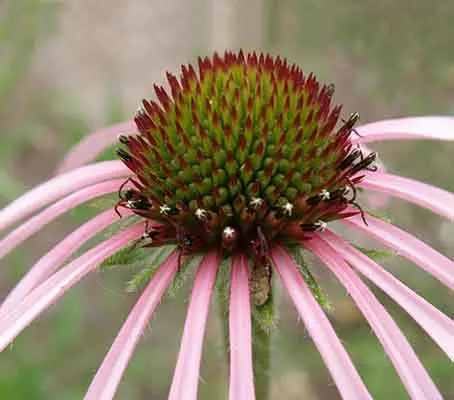
Pale Purple Coneflower
Echinacea pallida is one of the more rare members of the Echinacea family. They have much longer, ray flowers than those of the more familiar purple coneflower, the plants bloom earlier and continue to bloom sporadically through the autumn months.
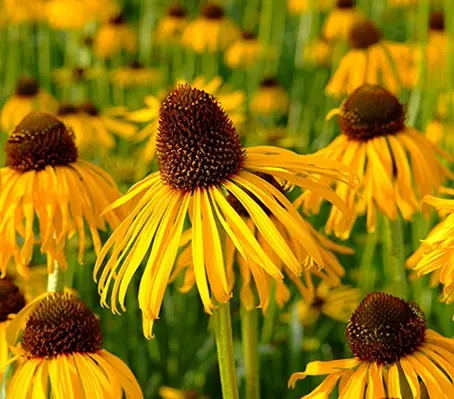
Yellow Coneflower
Echinacea paradoxa is a true paradox – a rare and highly unusual yellow variety of the much loved “Purple Coneflower”. With large, yellow ray flowers and the classical raised cone, the blooms are slightly fragrant and make excellent cut flowers. Echinacea paradoxa is a beautiful, elegant and easy plant to grow.
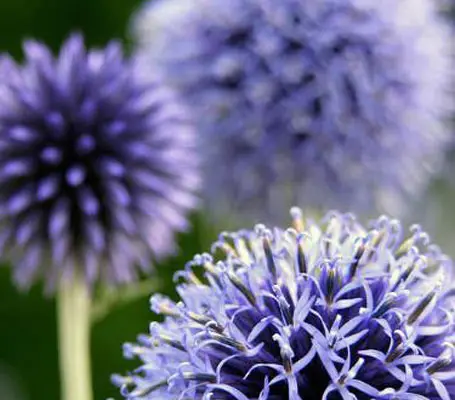
Globe Thistle
One of my favourites for the back row. The rounded, violet-blue flower heads on silvery, branched, leafy stems are actually much softer than they look. An unusual colour and structure, so a great conversation piece and an excellent dried flower.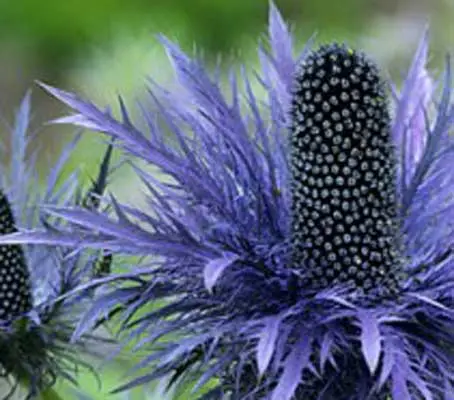
Alpine Sea Holly, Queen of the Alps
Eryngium alpinum Superbum is an elegant species, with metallic stems and large flowers that mature to an intense steel blue/purple in summer and autumn. A fascinating architectural plant for the border.
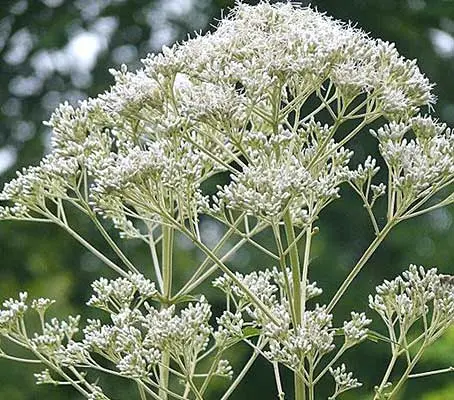
Hollow Joe Pye weed, Queen of the Meadow
Introduced in 2010, Eupatorium ‘Ivory Towers’ is relatively new to our gardens. This architectural plant bears generously clusters of ivory-white blooms which are long-lasting and beloved by butterflies. Given an early sowing, will flower the first year. 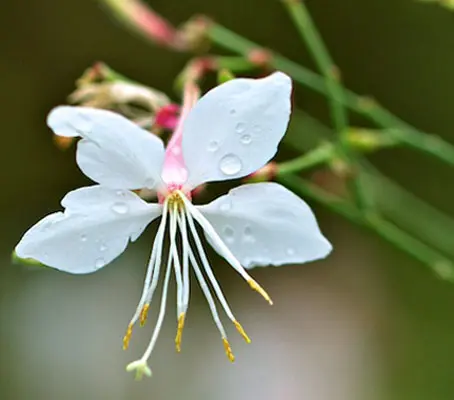
Lindheimer's Bee Blossom
In the last decade, Gaura ‘The Bride’ has skyrocketed to popularity among gardeners.A graceful, hazy plant with airy spikes of white, star-shaped flowers with long anthers like daddy long-legs, held on slender stems from May to September. RHS AGM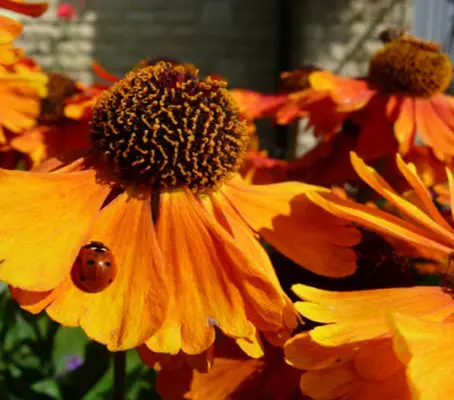
Helens's Flower, Autumn Helenium
If there’s one plant that can inject a little razzle-dazzle into the border during gloomy late summers it is Helenium. From late July ‘Helena’ blooms with masses of vibrant blooms. Very hardy and easy to grow, all this plant needs is sunshine and well-drained soil.
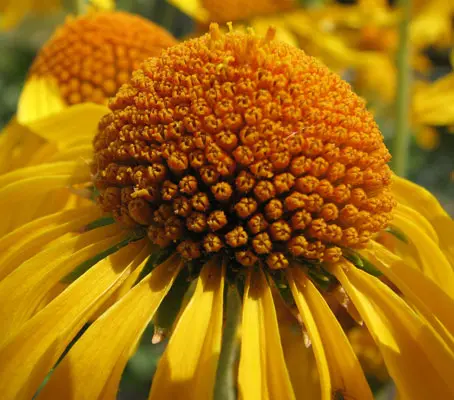
Mountain helenium, Owls-Claws
Helenium hoopesii is considered by some to be the most valuable of the species. It blooms with bright golden yellow disk florets that each form a kind of rounded knob that transforms the flower from your typical two-dimensional daisy into something much more interesting and sculptural.
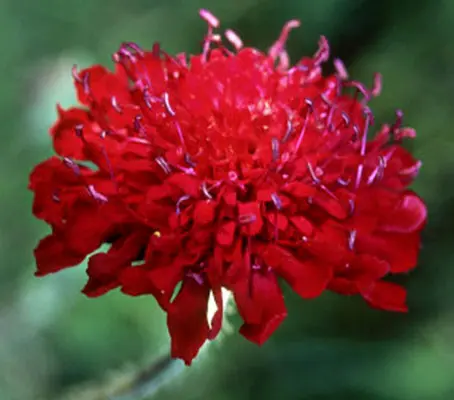
Often marketed as 'Red Knight' or 'Red Cherries'
Knautia macedonica has been hugely fashionable for years and is likely to remain so for many more. This lovely and versatile perennial blooms from late spring to autumn with dark-crimson, richly glamorous pompoms. Established plants produce literally hundreds of blooms in one season.
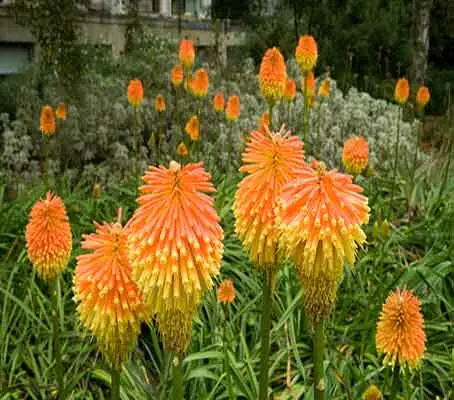
Red Hot Poker, Torch Lily
The Kniphofia hybrids have extended both the flower colour and height range. The usual fiery reds and oranges work particularly well in a planting scheme based on ‘hot’ colours – use them to light up sultry August borders. The cooler yellow, cream, ivory and sometimes green flowers is more restful.
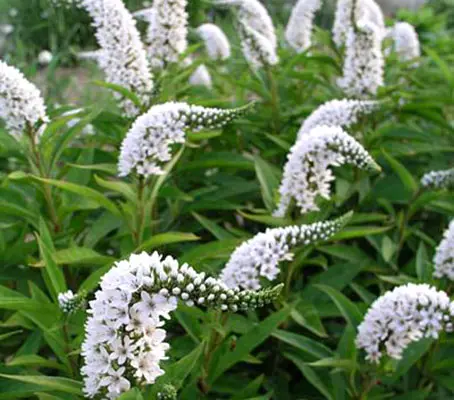
Gooseneck Loosestrife
Lysimachia ‘Lady Jane’ produces spires of white blossoms right above the foliage, they arch over then tip up at the ends and grow in beautiful curvy forms. Absolutely loved by butterflies, an additional feature is the good autumn foliage colour.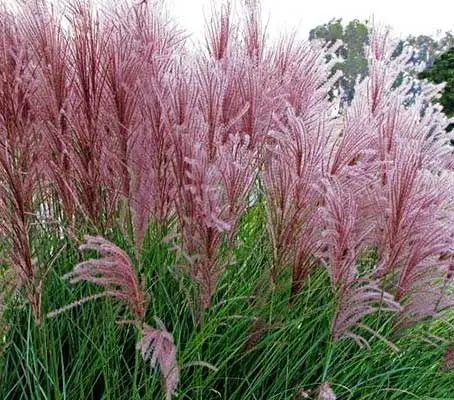
Maiden Grass or Eulalia Grass
Miscanthus are the queen of ornamental grasses. Miscanthus sinensis ‘New Hybrids’ provide a multitude of cultivars with varying heights, leaf widths and bloom times. Some plants will be upright growing and others will have a cascading habit, also expect variation in colouring.
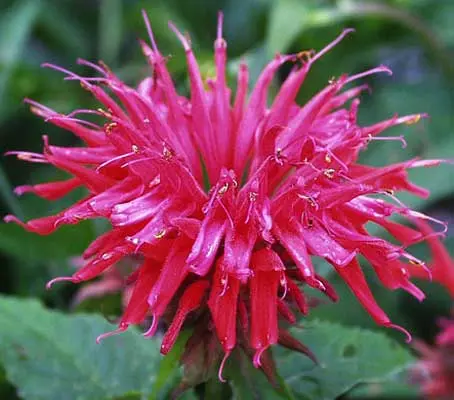
Bee Balm, Bergamot. Oswego Tea, Horsemint
‘Panorama’ must be rated a marvelous achievement in the perfection of the whorls of flowers and the brilliance of the colours. In many shades of scarlet, bright red, pink, salmon and crimson, each plant bears up to 20 long stems. They are as long-lasting as they are dramatic and excellent for cutting.
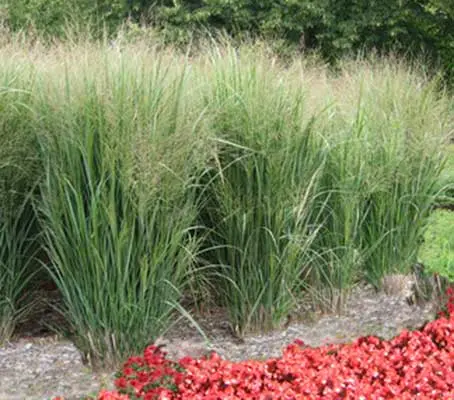
Panic Grass, Switchgrass
Despite its American provenance Panicum virgatum was originally taken up by German landscapers and gardeners. Renowned for its steely coloured blue-grey to blue-purple leaves, but it is the contrast between the rigid, stainless-steel foliage and purple-pink froth that really charms.
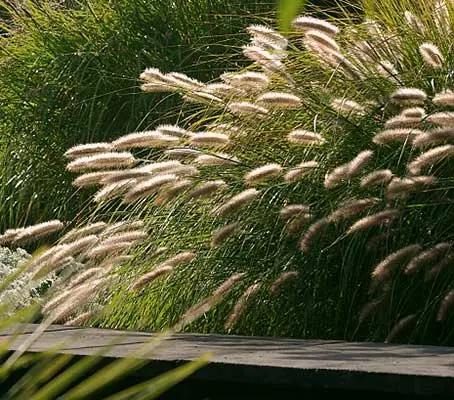
Fountain Grass
Pennisetum alopecuroides is an especially appealing species, it changes its appearance and colour throughout the growing season. In late summer graceful fountain-like plumes emerge in profusion, they slowly change colour to a blend of green, soft pinks and light-colored maroons before maturing to light tan.
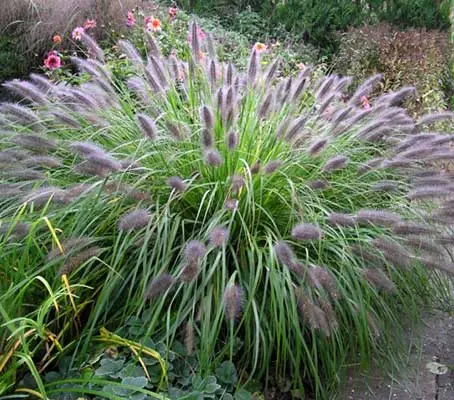
Black Flowered or Dwarf Purple Fountain Grass
Pennisetum alopecuroides is one of the easiest and most visually stunning grasses you can grow. Fountain-like smoky purple-black plumes contrast nicely with the slender arching, glossy, deep green foliage.
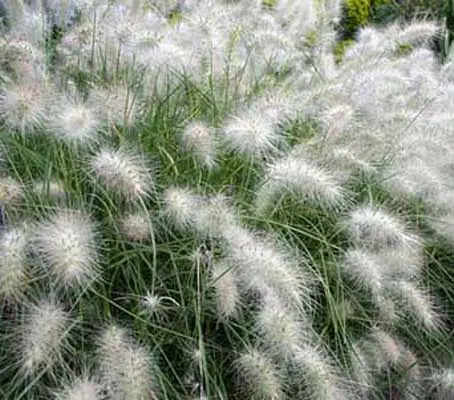
Chinese Fountain Grass
Pennisetum villosum is one of the easiest and most visually stunning grasses to grow. Brilliant white, rabbit-tail spikes are produced in abundance from bushy, clump-forming plants.
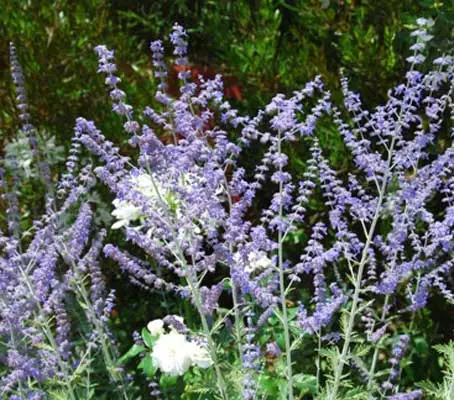
Russian Sage
Russian Sage is one of the great garden plants of all time, but if you’ve been frustrated by their floppy nature, this new variety will be a welcome addition. Growing to about 60 to 75cm tall, Perovskia atriplicifolia ‘Taiga’ is also the first Russian sage available as a first year flowering perennial.
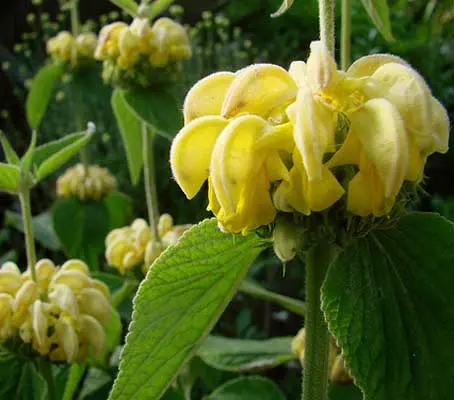
Jerusalem Sage, Turkish Sage
A justifiably popular plant. Phlomis russeliana blooms with dramatic whorls of hooded, soft yellow flowers on tall, erect stems. Each plant can contain as many as fifty individual blooms creating a magnificent candelabra effect.
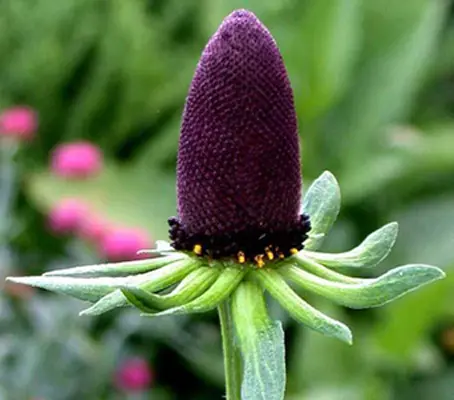
Western Coneflower, Green Coneflower
An absolute gift to flower arrangers, this is a noble and ornamental plant for the back of any border making nice clumps of foliage. It is, of course, the flowers that are remarkable: three or four inches across, “green” is one’s immediate impression on seeing them.
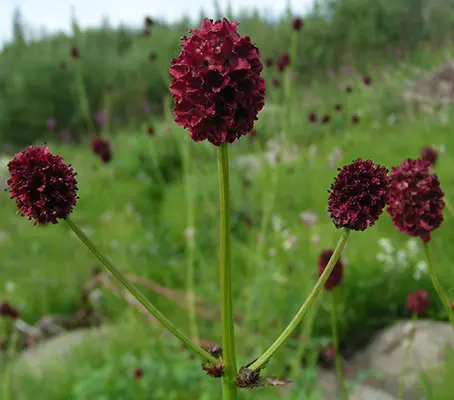
Greater Burnet, Di-Yu
Ancient Herb, WIldflower of Britain and Ireland
Sanguisorba convey a relaxed feel to the garden, indispensable to the modern gardener, but it is the summer when the unusual red flowers top the slender, upright stems that it really becomes a head-turner.
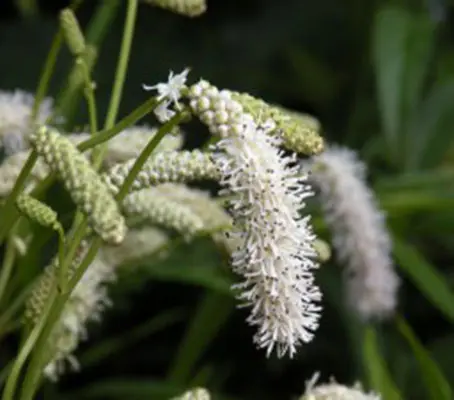
Japanese Burnet, Oriental Burnet
Sanguisorba tenuifolia ‘Alba’ is a Japanese species that has infiltrated our psyche. The most refined of perennials, the highly tactile flowers float like dainty ghosts at the tips of their slender stems.
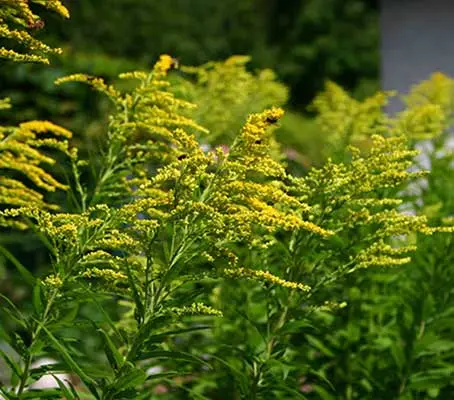
Aka 'Goldkind' and 'Yellow Springs'.
Solidago canadensis ‘Golden Baby’ is an easy to grow hardy perennial that bears flat-topped clusters of golden-yellow plumes. Growing to around 60cm tall they are perfect for borders or containers and provide end-of-season colour. Given an early sowing they will bloom in their first year.
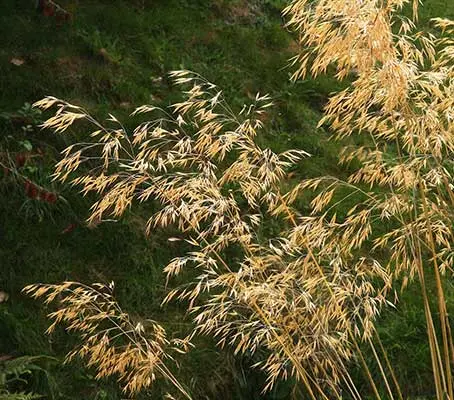
Golden Oats
Stipa gigantea is the most dramatically beautiful of all grasses. It has the wonderful and fashionably transparent quality of providing height without bulk, tall stems of golden oat-like flowers allow glimpses into the garden beyond.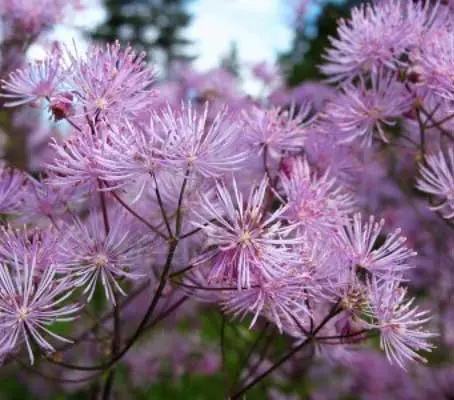
French Meadow-Rue, Greater Meadow Rue.
French Meadow Rue is a superb border plant, a superb array of flower stems which are topped by a hazy, fuzzy show of rose-mauve flowers. They add a marvellous, gentle effect in midsummer which contrasts well with more stately, formal plants. These bushy plants make dramatic accents in any border.
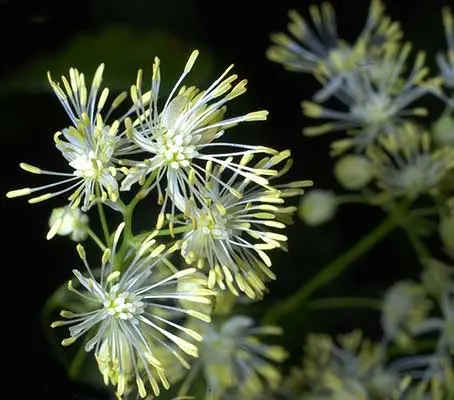
Shining Meadow Rue
Thalictrum lucidum is a less well known species of meadow rue, it sports luscious deep green, fern-like foliage. In mid-summer the plant is festooned with a superb array of fragrant flower stems, topped with airy puffs of soft cream flowers each with bright yellow stamens.
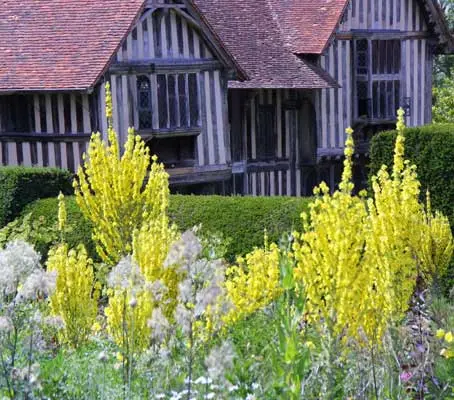
Mullein
Verbascums are statuesque in both foliage and flower. This elegant species, native to the Olympus mountains is arguably the finest of the genus. Tall flower spikes rise from the centre of the foliage, each are weighted heavily with bright, golden-yellow blooms giving the effect of an enormous candelabra.
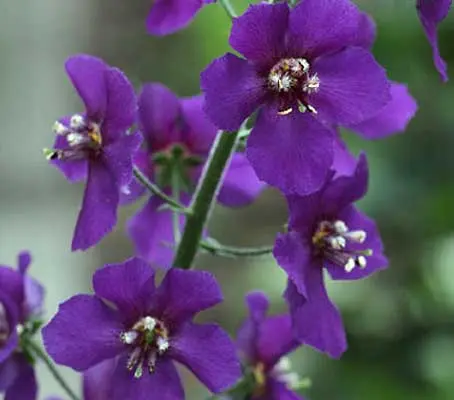
Purple Mullein, aka Temptress Purple
Relatively new to cultivation Verbascum phoeniceum ‘Violetta’ is the smallest growing of the perennial Verbascums. Soundly perennial and drought tolerant it produces delicate flower spikes with whorls of tissue thin purple blooms that ascend to the finest point. It is by far the darkest flowered mullein available.
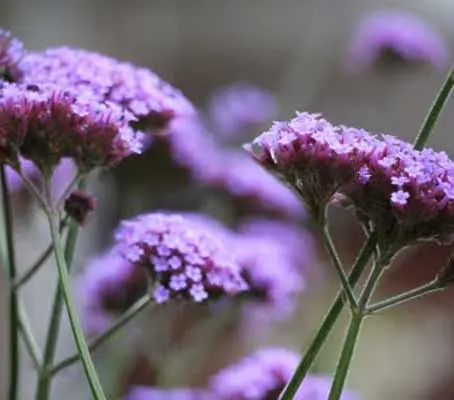
Tall Verbena, Clustertop Vervain
Verbena bonariensis is a very useful plant. The flowers, on tall, slim delicate stalks dance in the wind. It is a graceful counterpart to larger flowers and invariably compliments the landscape without overwhelming any of it.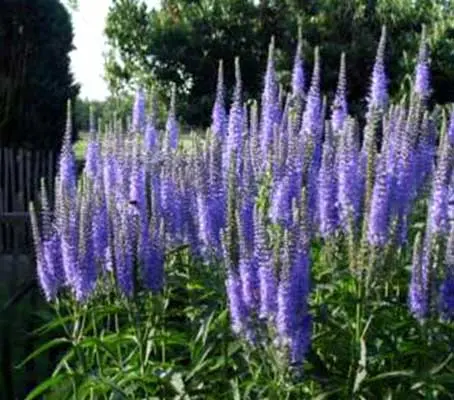
Longleaf Speedwell
Gardeners are often looking for good solid perennials that will have attractive flowers, be easy to take care of, grow nicely but not take over the garden. One group of plants that should be considered is the Veronicas.
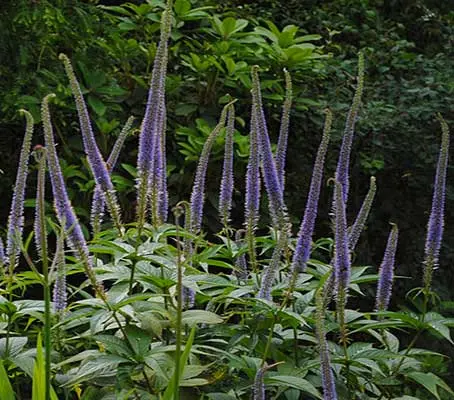
Siberian Culver's Root
Veronicastrum is one of the most fashionable plants around. It is an excellent genus, full of hardy, trouble-free plants. The multiple tapering, soft spikes of white flowers look like elegant, living candelabras.
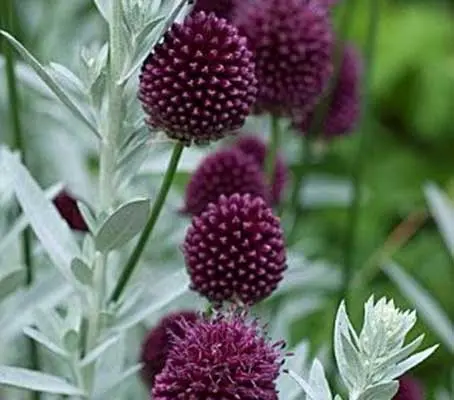
Louisiana sage
Prized for its beautiful foliage, Artemisia ludoviciana bear soft, silvery-white leaves. They add a different element to the garden, the texture and leaf form setting them apart from those other garden plants with rather less refined foliage.
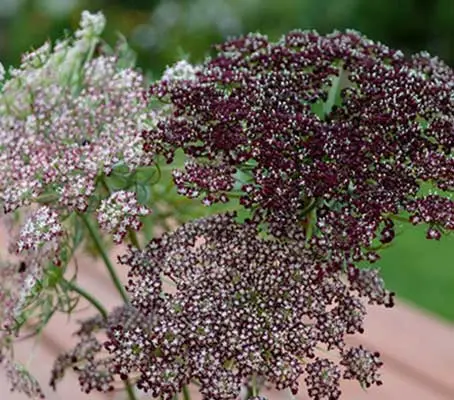
Also known as 'Chocolate Lace Flower' or 'Chocolate Queen Anne’s Lace'
Daucus carota ‘Dara’ is a large flowered chocolate coloured Queen Anne’s Lace, with delicate, lacy, flat-topped clusters that bloom for most of the summer from just one planting, they pair well with almost anything in the garden or the vase.
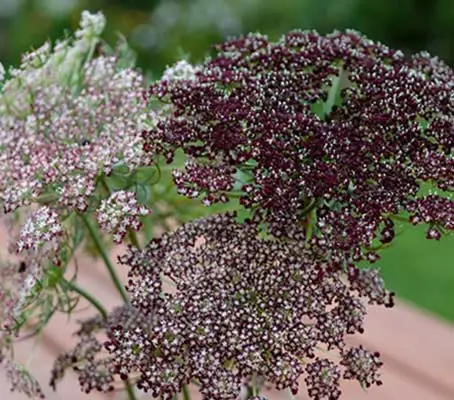
Also known as 'Chocolate Lace Flower' or 'Chocolate Queen Anne’s Lace'
Daucus carota ‘Purple Kisses’ is a striking ornamental carrot variety featuring delicate, lacy white flowers tinged with soft purple hues. The are spectacular when used in mixed bouquets or simply arranged in a great cloud of their own. The lacy umbels come in a range of sizes and shades and bloom for most of the summer from just one planting.
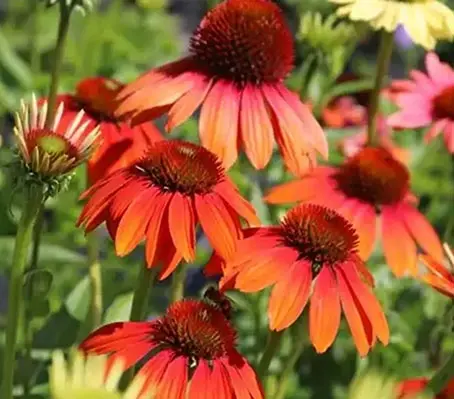
Coneflower
A complete innovation, Echinacea ‘Cheyenne Spirit’ is the latest Gold Medal Winner. Not limited to one colour, each plant can bloom in a sumptuous range of colour, gold, orange, scarlet, purple, cream and yellow. First year flowering and a must have for borders.
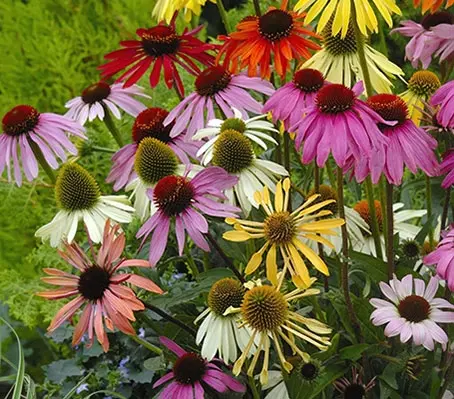
Coneflower
Echinacea ‘Paradiso’ is an outstanding series, distinguished by the exceptionally large flowers in a large range of shades including some lovely, soft hues. Very easy to grow, the plants thrive in average soils or hot, dry conditions, shrug off cold, and are equally at home in full sun or partial shade.
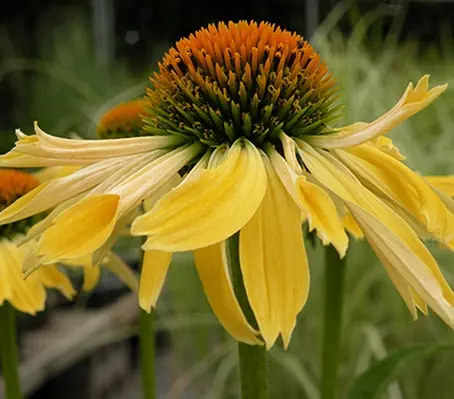
Coneflower
Echinacea ‘Magnus’ is an outstanding selection of the ‘Cone Flower’. Distinguished by the warm bright colour of its exceptionally large flowers, and horizontal petals. It has for many years been one of late summer’s most garden worthy forms. 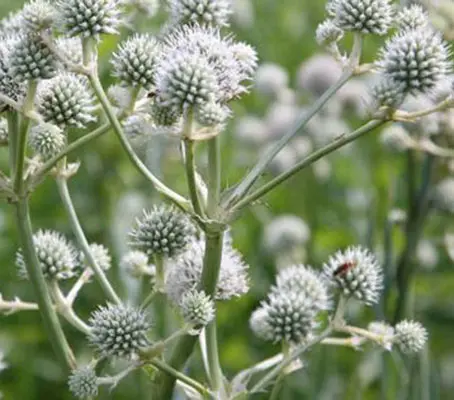
Button Sea Holly, Rattlesnake Master
Long sword-shaped leaves, tight set white spheres and ivory-white bracts on smooth stiff stems. Eryngium yuccifolium have a unique structure that make it highly desirable.
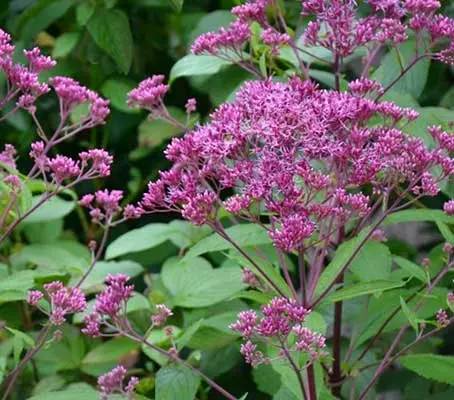
Spotted Joe Pye weed
Eutrochium purpureum subsp. maculatum
Crowned with large panicles of purple flowers, Eupatorium atropurpureum fall into the ‘naturalistic’ category. They share the physical characteristics of native species, albeit transplanted to another country.
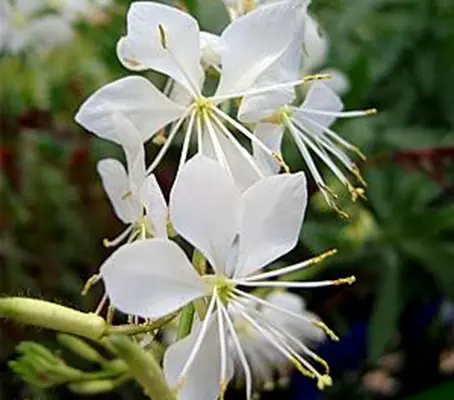
White Gaura
Gaura ‘Cool Breeze’ is a stunning new variety that is now available from seed. It produces a flurry of dazzling pure white, starry blooms on graceful slender stems. They have pale green stamens and buds instead of the usual pink. A first year flowering perennial, very easy to grow it will bloom in around 14 weeks from an early sowing.
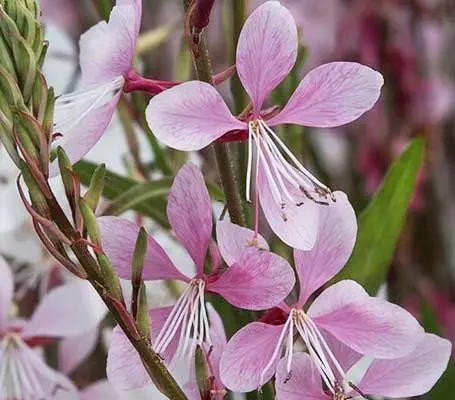
Also marketed 'Pink Bouquet'
Gaura ‘Emmeline Pink Bouquet’ is a graceful perennial with an airy, romantic presence. Light on her feet, she never asks for much – just sun, well-drained soil, and a bit of space to dance.
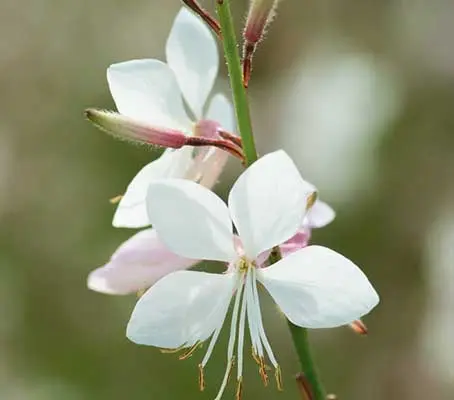
Lindheimer's Bee Blossom
Gaura lindheimeri ‘Sparkle White’ is a stunning hardy perennial. A Winner of the Fleuroselect Gold Medal, this bushy, clump forming variety has a neat, compact habit and produces a flurry of dazzling white, starry blooms on graceful slender stems from early summer right through to autumn.
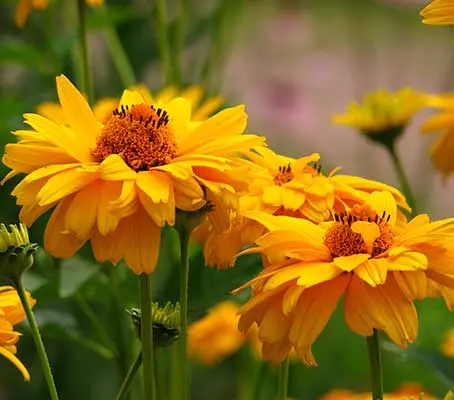
False Sunflower.
Every garden needs a few easy going plants that give a lot of colour for very little work. Heliopsis ‘New Hybrids’ will produce arm loads of flowers all summer long and never once ask for decent soil or proper care.
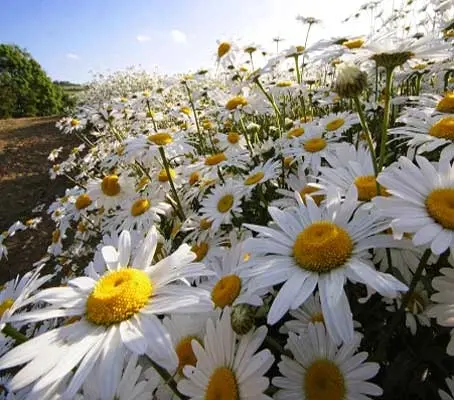
Ox-eye Daisy, Field Daisy, Marguerite, Wildflower of the British Isles
This native wildflower loves well-drained grassland with a neutral soil. It is quite at home in pastureland and meadows which are cut or moderately grazed. It can often colonize open ground if left to its natural devices and is particularly rampant in fertile soil.
€2.95
€1.95
€2.45
€2.75
€2.80
€2.65
€2.75
€2.95
€2.45
€4.25
€2.20
€2.45
€2.35
€2.95
€2.75
€3.50