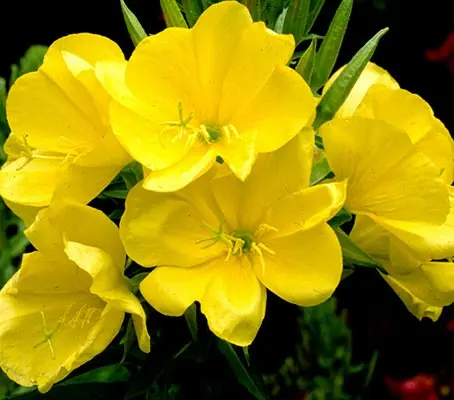
 Evening Primrose is a classic plant, with its beautiful yellow flowers is a feast for the eyes as well as the belly. The whole plant is edible: the leaves can be cooked as greens, and the nutty-flavoured roots can be boiled and eaten like parsnips. The flowers make a lovely salad garnish.
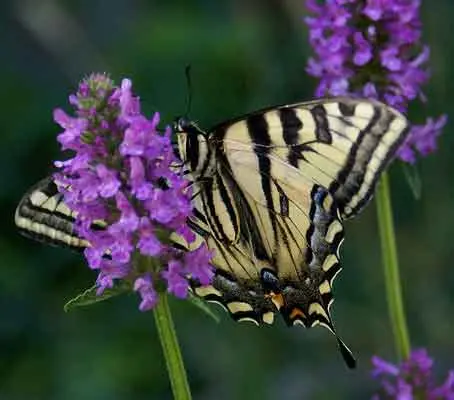
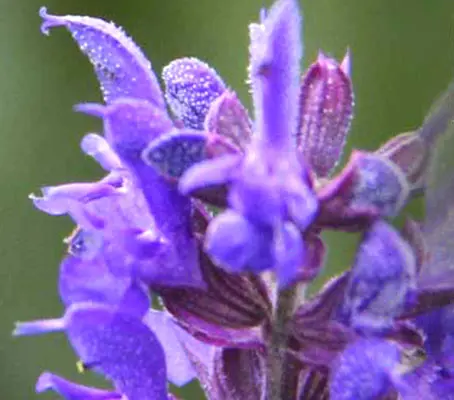 Hyssop famously attracts bees, hover-flies and butterflies. It makes excellent honey and is a must for any wildflower garden. Some beekeepers rub the hive with it to encourage the bees to keep to their home. In cooking, use the same way you would Rosemary. Organic Seed.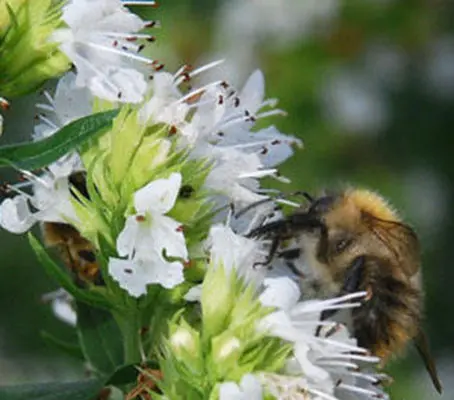
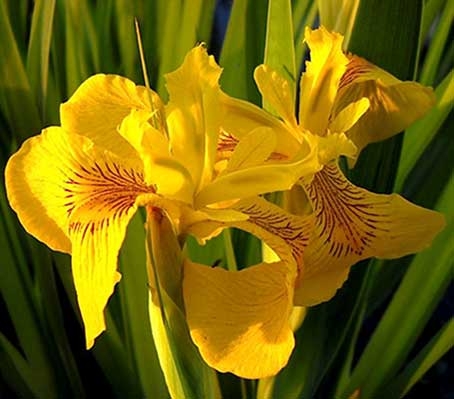
 Yellow Flag Iris is a common and widespread native plant. This good-looking plant is a wetland plant that is especially showy in bloom and has been transplanted into well-watered gardens all over the world.
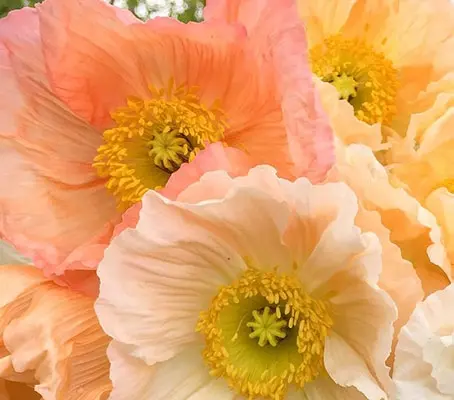
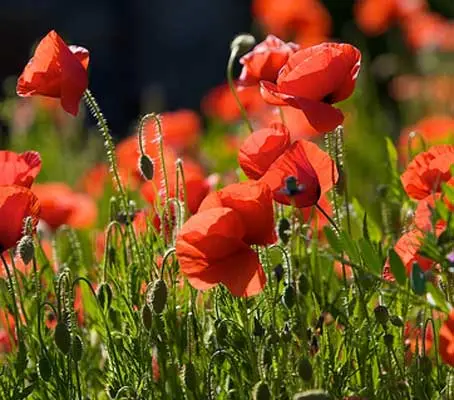 With its brilliant scarlet flowers, this native wild flower needs no introduction. Papaver rhoeas offer a profusion of flowers and are a good choice for naturalising in a meadow garden or anywhere for a splash of colour. Organic Seed.
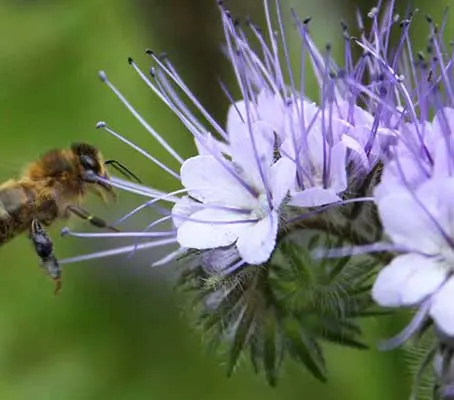 Listed as one of the top 20 honey-producing flowers for honeybees, Phacelia is rich in both nectar and pollen and attracts bees, butterflies and other pollinating insects to the garden. The flowers have strong stems and also make an excellent cut flower. Organic Seed.