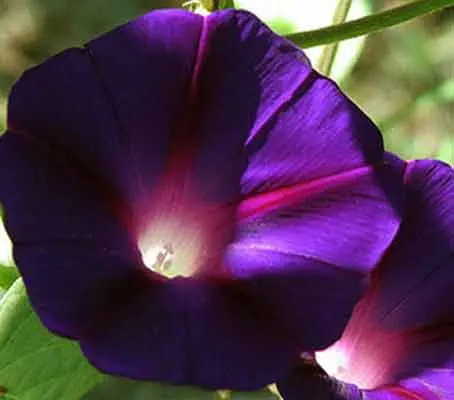
Ipomoea ‘Kniolas Black’ is one of the darkest of all Ipomoea varieties available, it blooms with the most stunning dark velvety purple-black flowers, each with cerise throats. Very easy to grow, this extremely carefree and free-blooming climber will bloom early and load itself with masses of attractive dark purple-black flowers all summer long.
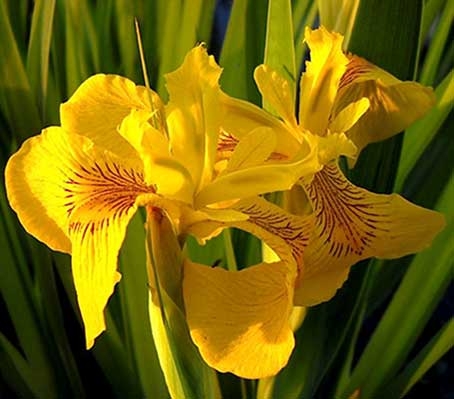
Yellow Flag Iris is a common and widespread native plant. This good-looking plant is a wetland plant that is especially showy in bloom and has been transplanted into well-watered gardens all over the world.This native wildflower loves well-drained grassland with a neutral soil. It is quite at home in pastureland and meadows which are cut or moderately grazed. It can often colonize open ground if left to its natural devices and is particularly rampant in fertile soil.
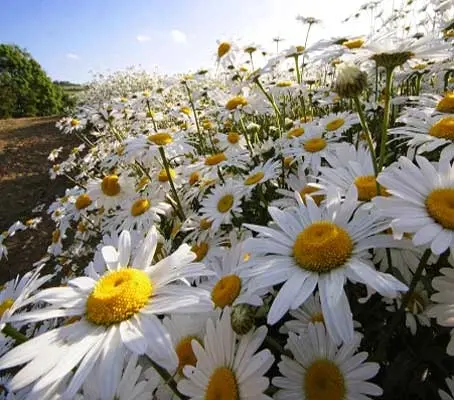
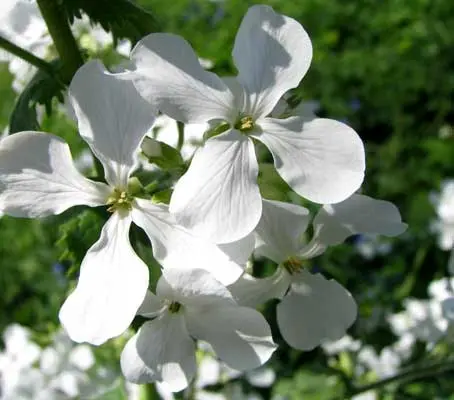
Lunaria annua alba has pure white starry blooms which are almost fluorescent at sunset. Over a long season it produces masses of silvery pods. It is properly grown as a biennial, and makes large, well-branched plants in its second year. Very easy to grow it is also a vital nectar plant.
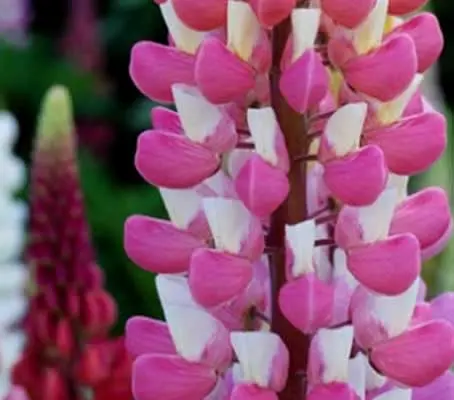
Bred for a long flowering period with unbeatable garden performance, George Russell developed one of the most popular and distinctive plants in history, the ever popular ‘Russell Hybrids’. Magnificent vertical stems of densely packed soft pink flowers each with a white flag. The Chatelaine’ is one of the prettiest in the series.
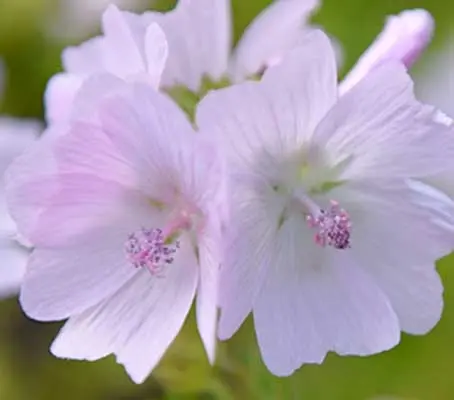
Shorter than the species, Malva moschata ‘Appleblossom’ grows 45 to 60cm in height. The satiny, single flowers in a lovely soft shade of silver-pink, are textured and striated like crepe, they have a lustrous lacquered quality in sunlight. Wonderfully appealing to bees and other pollinators, they also make a good cut flower.
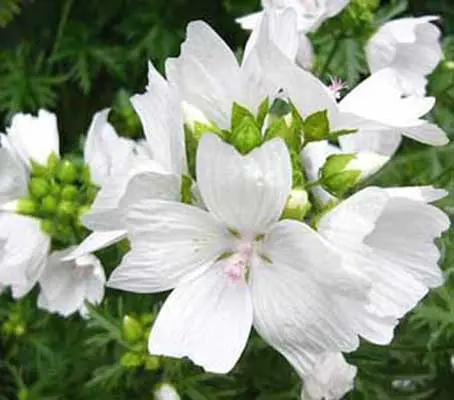
Considered by many gardeners to be the most desirable of the Malva species, this rare white-flowered form is even lovelier than the normal rose-pink Musk Mallow. Flowering throughout the summer, the pure white, scented flowers contrast beautifully with the ferny foliage.
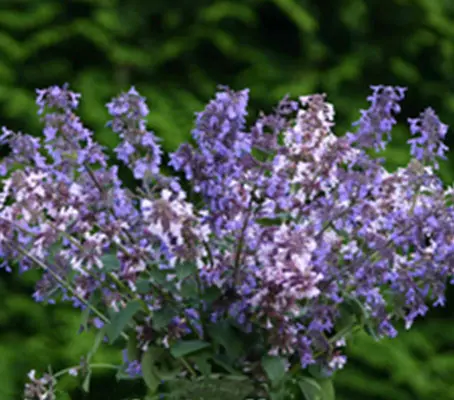
Nepeta grandiflora is a superb catnip garden performer and one of the best garden plants in this family. ‘Border Ballet’ is a striking new catmint, lusher than true catnip, with dark green leaves. It flowers in shades of blue and pink in perfect harmony. This easy to sow and grow perennial flowers in the first year of sowing.
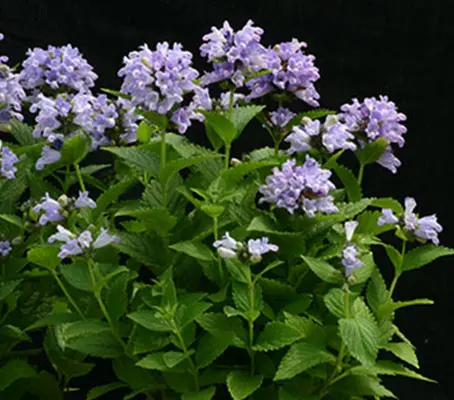
Nepeta ‘Dark Blue Panther’ is the dark blue flowered variety and sister to ‘Pink Panther’ and the beautiful white ‘Snow’ Panther. This award winning variety starts to flower just 15 weeks after sowing and can be can be grown as an annual or as a flowering perennial.
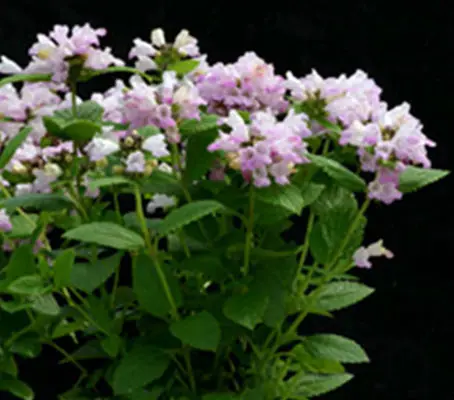
Nepeta subsessilis ‘Pink Panther’ is a bright pink form of large-flowered Nepeta which is grown from seed and flowers during the first year. It can be grown as an annual or as a flowering perennial. Flowering from June until the end of September, they work well as an informal low hedge or mixed in with other larger plants.
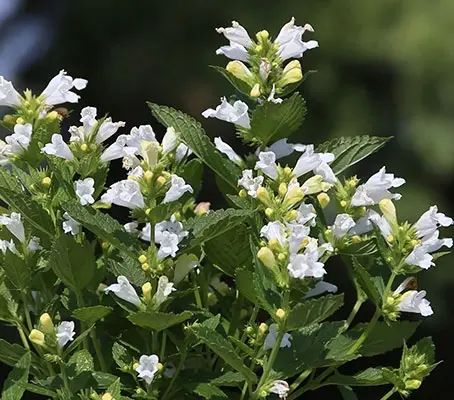
Recognised as having the largest flowers of all the nepetas and only one with white flowers, Nepeta subsessilis ‘Snow Panther’ flowers during the first year and can be grown as an annual or as a flowering perennial. This award winning variety is extremely attractive to bees and butterflies they are also excellent for containers.
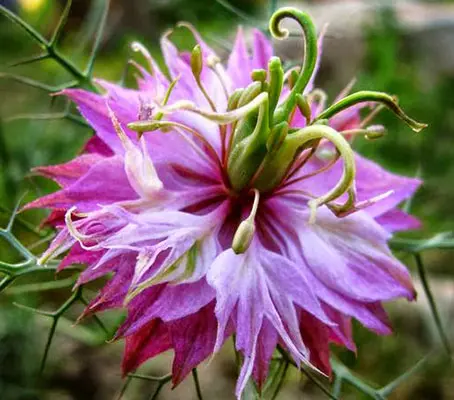
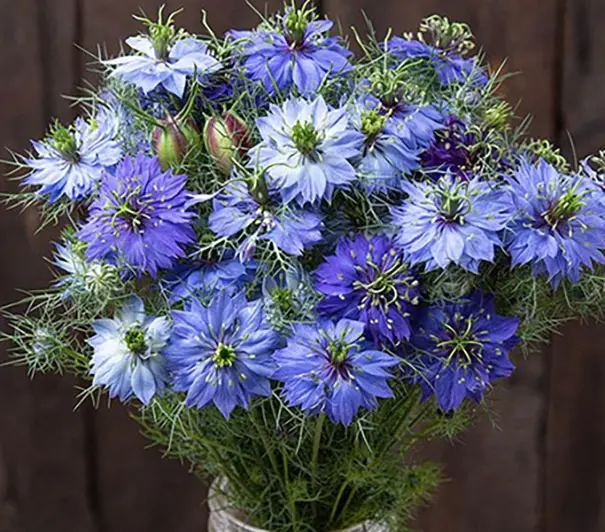
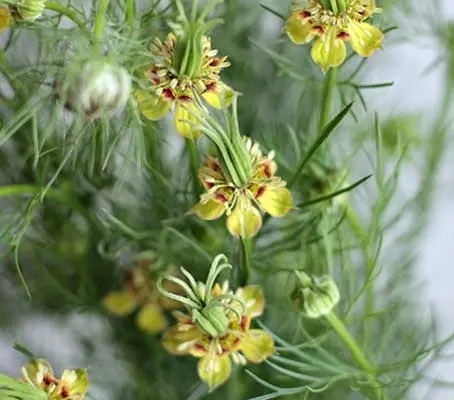
‘Love-in-a-Mist’ as it is commonly known is both beautiful and easy to grow, “Miss Jekyll” bears rich indigo-blue flowers which seem to float amongst the finely cut leaves. It is one of the most interesting shaped flowers you will ever see. They provide a charming show of bloom during the summer months.Once the petals drop, the blossoms transform into little fairy lanterns
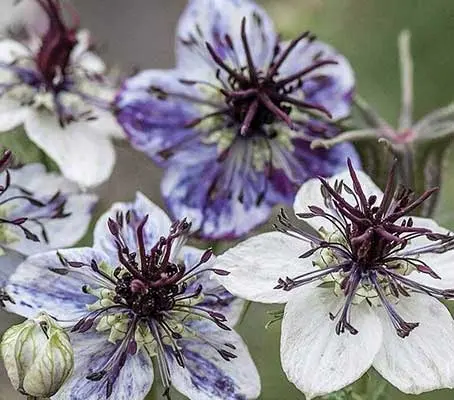
Nigella ‘Moody Blues’ is ridiculously easy to grow. Sown directly, they will be flowering in just three months and bloom through to October. In cool summer climates, additional sowings can be done every 3 to 4 weeks until mid-summer.
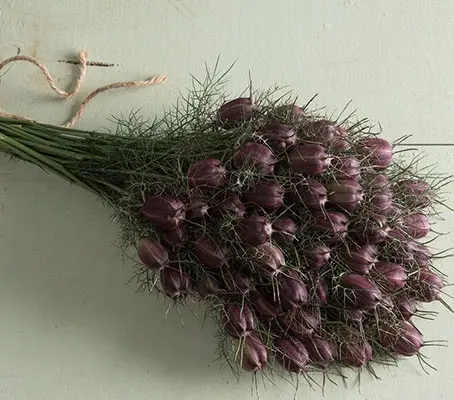
‘Albion Black Pod’ is much less common than the usual Nigella varieties, It bears delicate romantic white flowers with intriguing little green stamens that are surrounded by ferny foliage. At the end of the season, the petals drop and the blossoms transform into dark plum fairy lanterns.
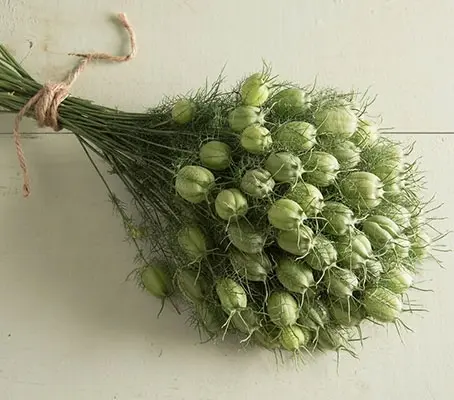
‘Albion Green Pod’ is an unusual species of Nigella. The flowers are followed by fresh green, very ornamental seed capsules, are held on stiff stems. They dry readily and easily, are very decorative and very useful for fresh and dried bouquets. They can also be dried for winter decorations indoors.
An unusual twist on the classic cottage garden flower, Nigella ‘Transformer’ adds intriguing texture with its uniquely shaped flowers and upright, seed pods. A good choice for borders, mass plantings or cut flowers. Used fresh or dried the seed pods are a great filler in bouquets, cut flower production is just 12 to 16 weeks.
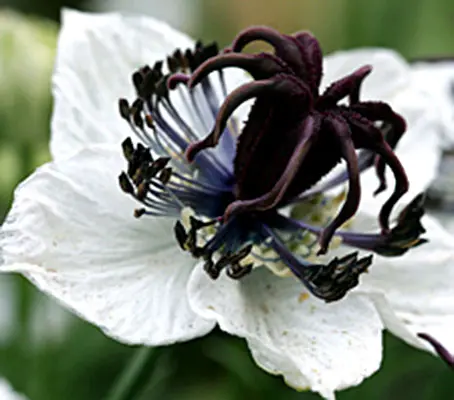
Nigella papillosa ‘African Bride’ is a most attractive variety. Deep rich purple stamens that highlight pure white blooms are followed by intriguing red seed pods. also known as White Love-in-a-Mist or Eclipse, this hardy annual is very easy to grow, rather special as a cut flower, and lovely in summer borders too.
An unusual twist on the classic cottage garden flower, Nigella ‘Transformer’ adds intriguing texture with its uniquely shaped flowers and upright, seed pods. A good choice for borders, mass plantings or cut flowers. Used fresh or dried the seed pods are a great filler in bouquets, cut flower production is just 12 to 16 weeks.
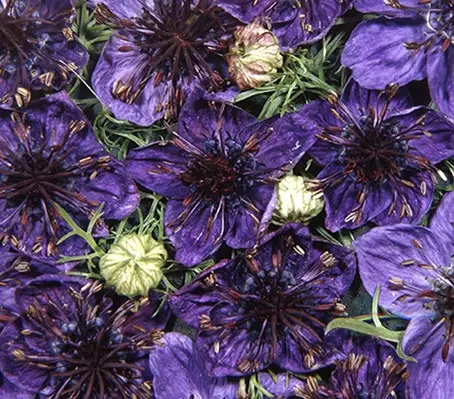
Nigella papillosa ‘Midnight’ is a very handsome variety with gorgeous, velvety, dark purple flowers which stand above attractive, lush green feathery foliage. Ornamental, dark purple, spider-like seed pods extend the interest of this border star well into autumn. Sowing to flowering takes just three months.
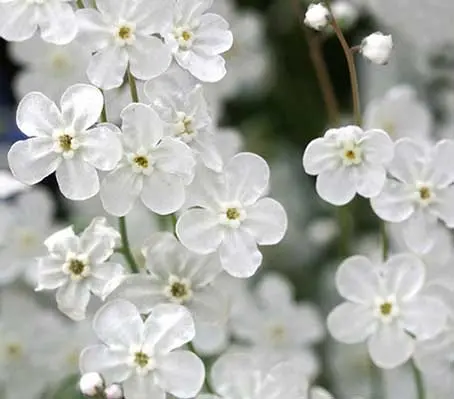
Omphalodes is a delicate annual that wears its charm lightly. It forms an airy mound of fine, silver-grey foliage. Come late spring, it sends up slender stems topped with small, pure white flowers. They look like forget-me-nots dressed up in white linen.
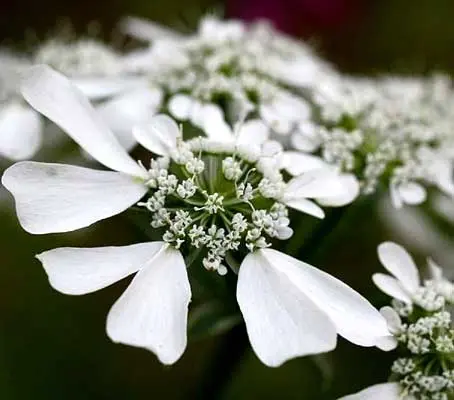
Orlaya grandiflora ‘White Finch’ is a true flower show star. This outstanding plant displays stunning pure white flowers that form in large, flat-topped clusters which resemble lace-cap hydrangeas. The plants bloom for a remarkably long period and mix easily with others in the garden or bouquet.
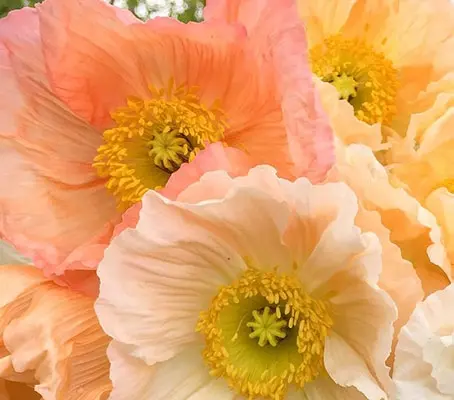
Named after ‘Kelmscott Manor’, the country home of the writer, designer and socialist William Morris, Papaver nudicaule ‘Kelmscott Giants’ produce large, luscious, crepe paper-like petals in an array of soft pastel shades.
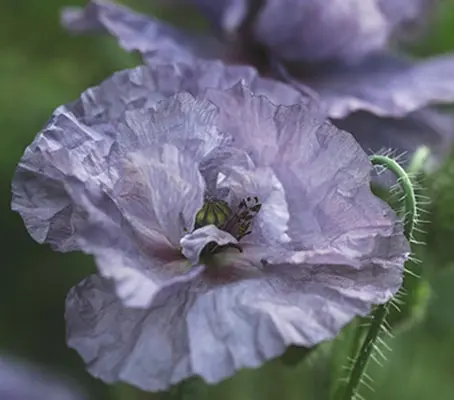
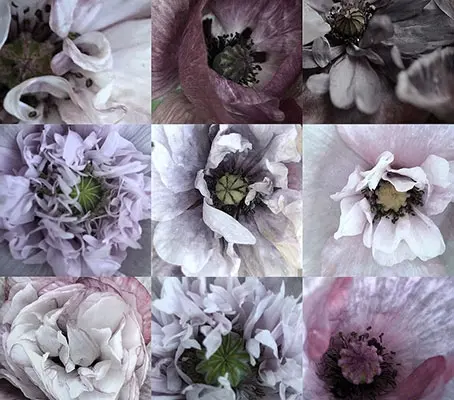
A cult favourite of high-end florists who reserve ‘Amazing Grey’ for their finest design work. Sown in spring, by June you will be blessed with goose neck, prickly buds and shortly after, gorgeous pearl greys, pewter and mauve coloured, luminescent blooms.
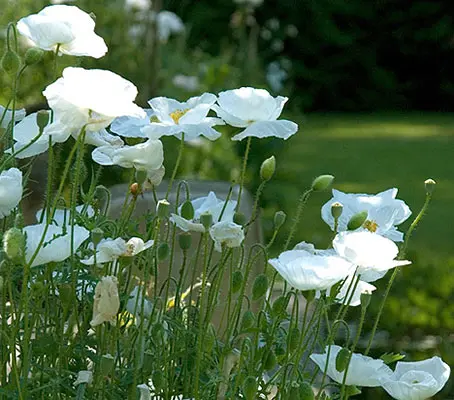
When it comes to cut flowers, the poppy may be the ‘Internet darling’ of the moment. arranged in mason jars and in hand-tied bouquets, the poppy attracts the hip and stylish with their vintage, casual feel. The pure white colour form has been separated out and is now available to gardeners.
Offering the finest colours in mauves and smokey tones, Papaver ‘Mother of Pearl’ blooms with single flowers in dove greys, blackberry, lavender and opalescent shadowy tints. They are the easiest thing to establish.
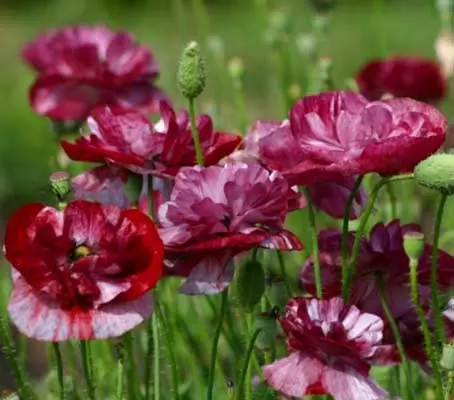
Papaver rhoeas ‘Pandora’ is a strikingly lovely, unique and impressive new variety. A phenomenal combination of shades, from voluptuous deep burgundy red to paler pink-red, broken by silver grey stripes on the lower petals.
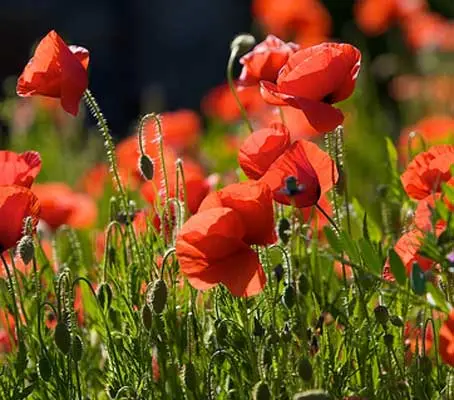
With its brilliant scarlet flowers, this native wild flower needs no introduction. Papaver rhoeas offer a profusion of flowers and are a good choice for naturalising in a meadow garden or anywhere for a splash of colour. Organic Seed.Papaver somniferum ‘Hungarian Blue’ is a stunning new deep violet poppy that will bring rich colour and a touch of sophistication to your planting schemes all summer long. A hardy annual that is very easy to grow, plant it outside in drifts where it will cover a large area with its beautiful blooms.
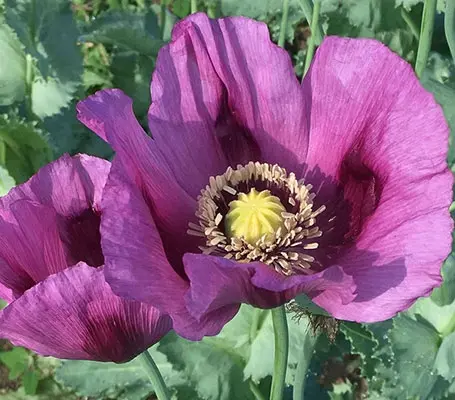
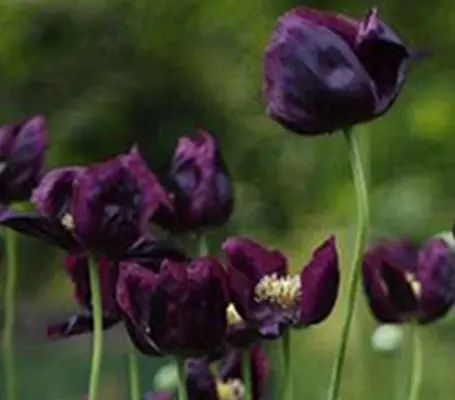
Delight in the mesmerising allure of the Black Poppy. Papaver ‘Midnight’ is an heirloom that boasts large, double blooms in a deep, velvety black hue that adds a touch of drama and elegance to any garden. The deep sumptous colour combines well with many other flowers in the garden or the vase.
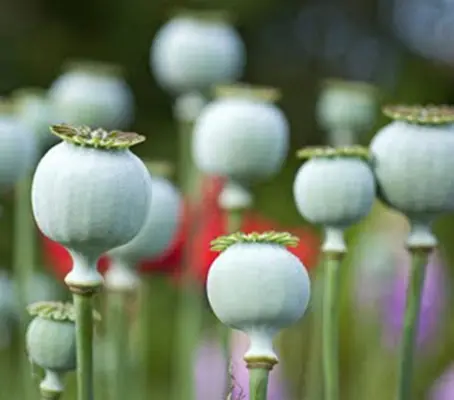
Grown primarily for its decorative seed pods, Papaver somniferum ‘The Giant’ provides huge blooms in a multitude of colours, each with satiny petals which give way to possibly the largest of all poppy pods. Florists the world over, use the giant pods in floral decorations, either fresh with late summer flowers, or when dried.
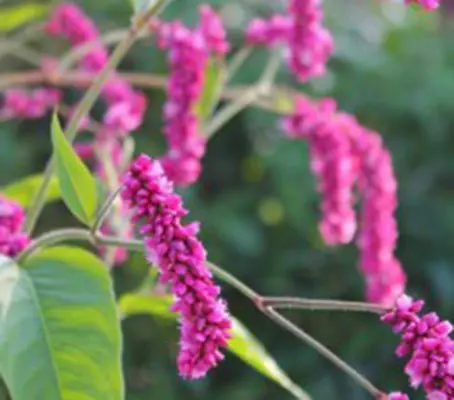
Spectacularly draped with long, velour-like cerise tassels. Persicaria ‘Cerise Pearls’ is a modern-day, low growing variety. Tall enough to give the same airy effect, yet so much easier to place in the garden.
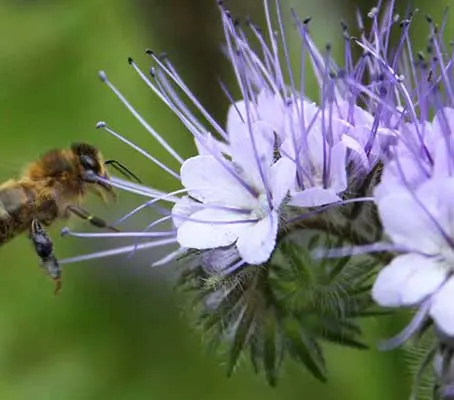
Listed as one of the top 20 honey-producing flowers for honeybees, Phacelia is rich in both nectar and pollen and attracts bees, butterflies and other pollinating insects to the garden. The flowers have strong stems and also make an excellent cut flower. Organic Seed.Grown for the sweet ambrosial scent of its flowers which are used in flower arrangements, potpourri and perfumery. As a dye plant, Weld produces a yellow that all other yellows are judged by. Alongside Madder, Woad and Chamomile they produce the very best natural dyes for temperate areas.
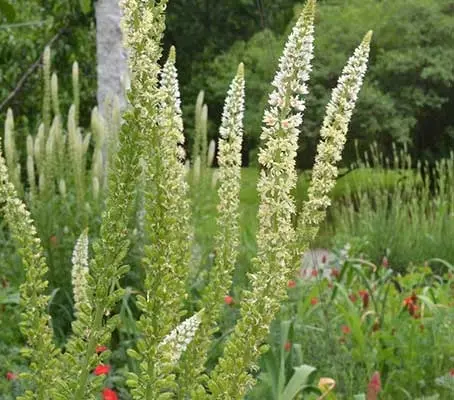
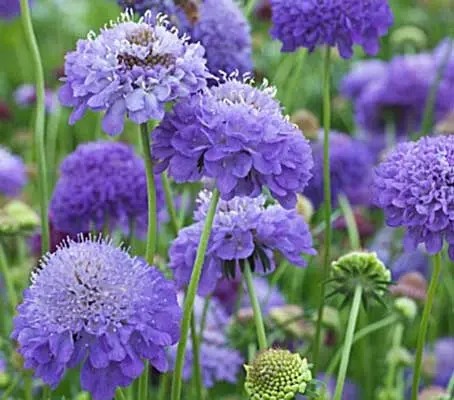
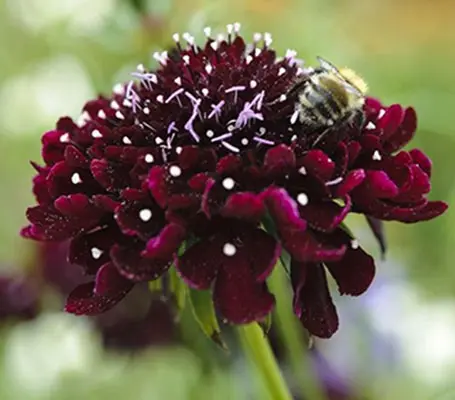
Boasting the most desirable of deep blue flowers, Scabiosa ‘Oxford Blue’ is a reselected form that stands out from other varieties. The large, domed, dark centred cushions with contrasting white ‘pins’, bob atop strong stems.
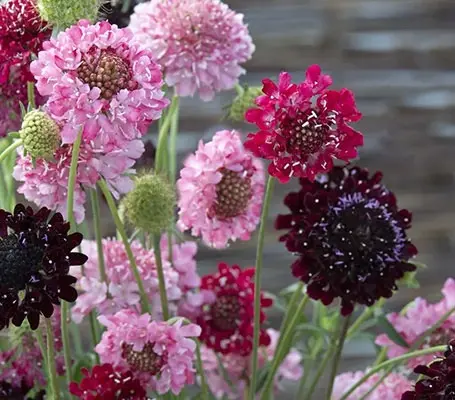
One of the longest-flowering and most glamorous of flowers that you can grow from seed, Scabiosa ‘Summer Fruits’ is a fantastic, fruity blend of delicious colours including raspberry, plum and blackberry. For weekly inclusions in the vase keep the flowers cut to keep the production of flowers right throughout the season.
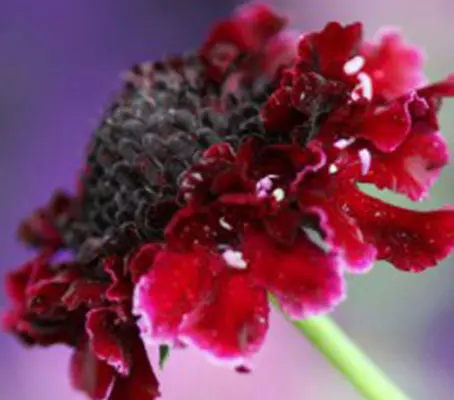
Scabiosa atropurpurea is one of the longest-flowering and most glamorous of flowers that you can grow from seed. Easy to grow and fast to flower, this invaluable plant will attract many butterflies and bees to the garden and the long, straight stems will supply you with cut flowers throughout the season.
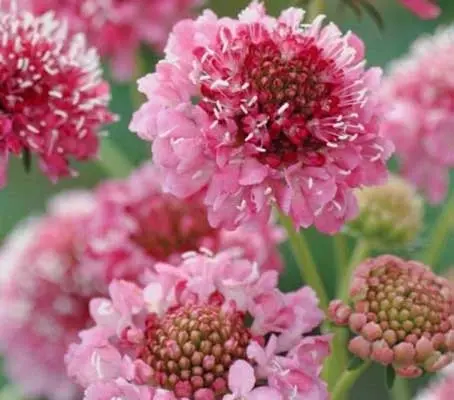
A prodigious bloomer and a tough, hardy garden performer Scabiosa atropurpurea grows quickly and is fast to flower. Rose-pink petals surround a domed, dark centred cushion, this invaluable plant will attract many butterflies and bees to the garden and would look as happy in a wildflower meadow as in a manicured border.
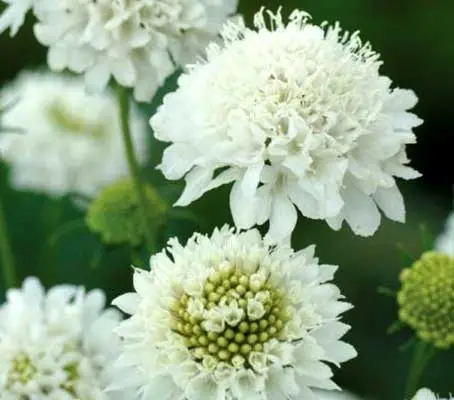
A prodigious bloomer and a tough, hardy garden performer Scabiosa atropurpurea grows quickly and is fast to flower. ‘Tall Double White’ blooms with delicate, pure white blooms. With strong, straight stems, they are valued for the contribution they make in the garden as well as the vase.
One of the longest-flowering and most glamorous of flowers that you can grow from seed, Scabiosa ‘Summer Fruits’ is a fantastic, fruity blend of delicious colours including raspberry, plum and blackberry. For weekly inclusions in the vase keep the flowers cut to keep the production of flowers right throughout the season.
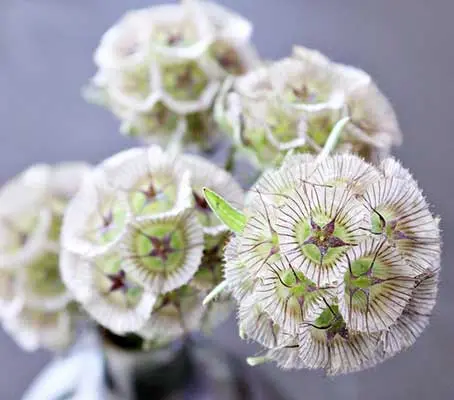
The papery bracts of Scabiosa stellata is an example of perfect geometry. A delicate geodesic sphere of translucent papery, cone shaped bracts adds a new shape to the garden. The everlasting seed heads make excellent cut flowers and are perfect for dried arrangements.
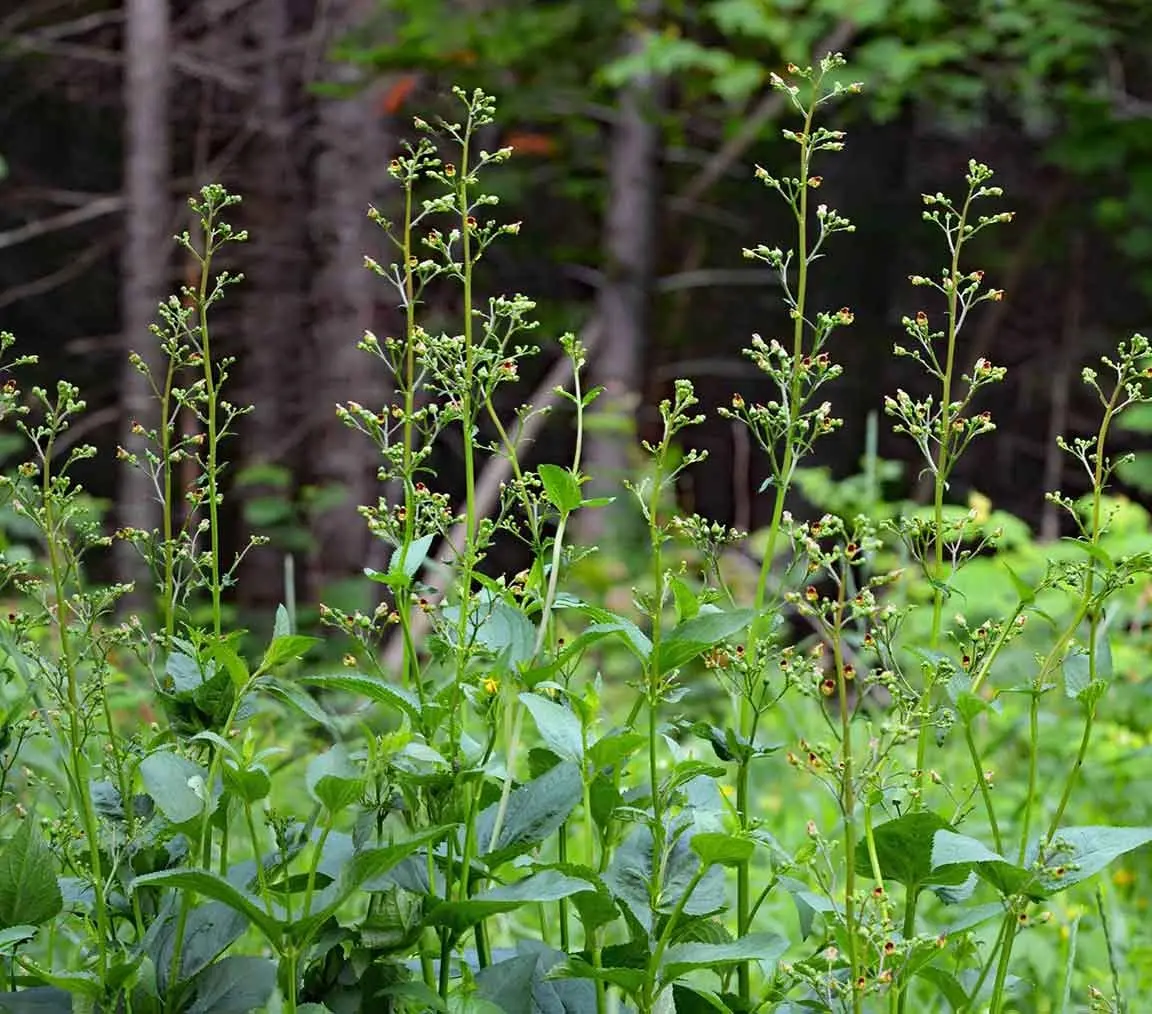
Our native Figwort is one of the most prolific nectar producers in the plant world, the long-lasting flowers attract more pollinators than any other plant around. The flowers, similar to tiny snapdragons ripen into egg-shaped seed pods, which are just the perfect bouquet filler for interest and movement!
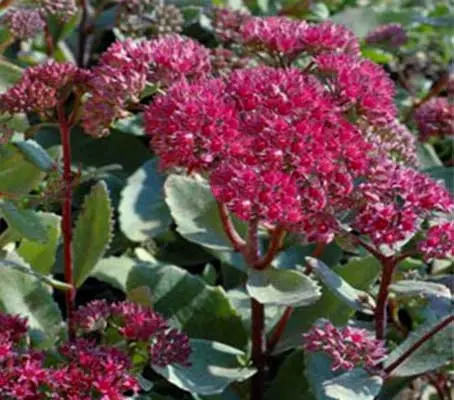
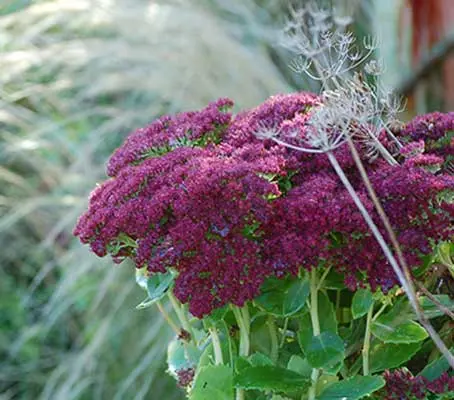
Hugely impressive in any garden, Sedum telephium ‘Emperors Wave’ boasts succulent, blue-green foliage and masses of star-shaped flowers in glorious shades of deep pink and purple. They are popular with late season perennials and ornamental grasses. The extreme contrast in flower shape enhance each other, adding to the textures and colours of the late season garden.
Sedum ussuriense is at its best in late summer when the blue-green succulent leaves are followed by glowing carmine-red flower clusters. It even pleases the eye in winter when it turns into a stage for dew drops and ice crystals.
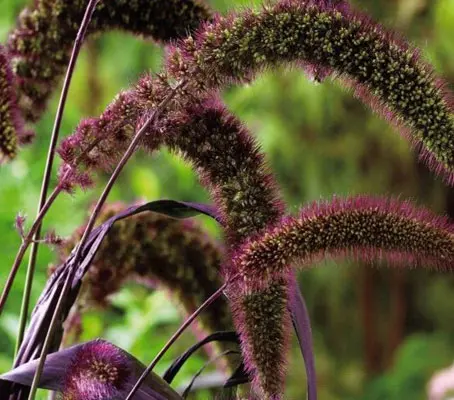
Setaria italica Red Jewel is a rarely-offered variety of annual grass with intensely coloured burgundy red foliage and dramatic foxtail-shaped flower heads. Suitable for growing in the garden or in containers the dark foliage is a great contrast in the garden or the vase.
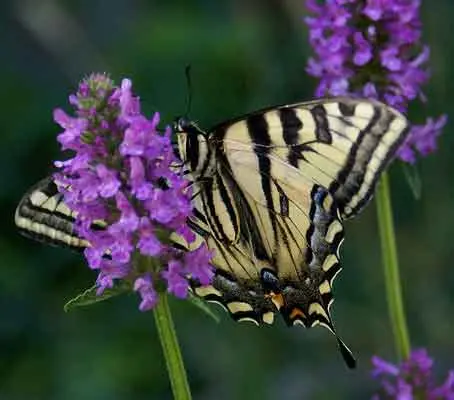
This pretty little wildflower is a slow growing, long-lived plant with attractive spikes of rich pink-mauve flowers that are very attractive to bees and butterflies as a nectar source. The flowers, which rise from dark green crinkly leaves, keep their colour throughout summer and look stunning when growing en-masse.
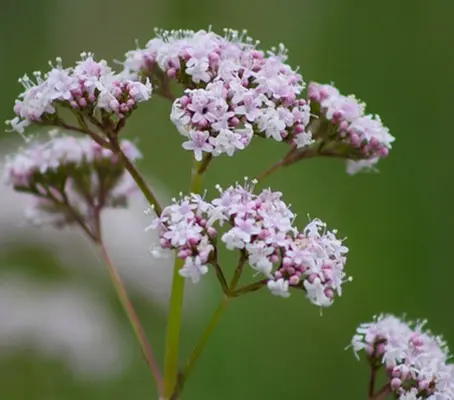
Valeriana officinalis is a graceful wildflower that is native to Europe and Western Asia. The tall, branched flower stalks are held atop a low mound of foliage, the densely clustered flowers are sweetly scented and usually white with a hint of pink.
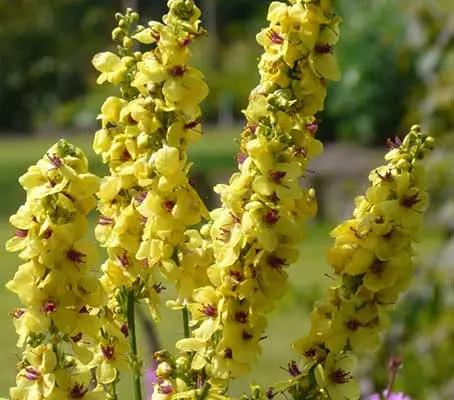
Verbascum nigrum is one of the most reliable and long-flowering verbascum, it is also one of the truly perennial species. This European native bloom profusely with masses of golden-yellow flowers. First thing in the morning, the flowers are alive with bees getting on with their day’s work. Take time to stand and admire them for a few minutes. They will pay you no heed, they’re far too busy.
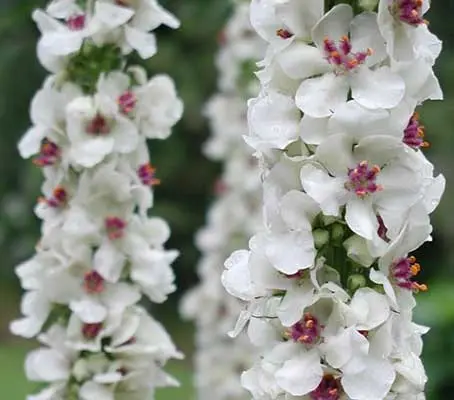
Verbascum nigrum is one of the most reliable and long-flowering verbascum, it is also one of the truly perennial species. The variety ‘Album’ bloom profusely in late spring with masses of white flowers with attractive violet filaments, held on candelabra like branches. They bloom throughout the summer, with a few sporadic flowers still in September to early October.
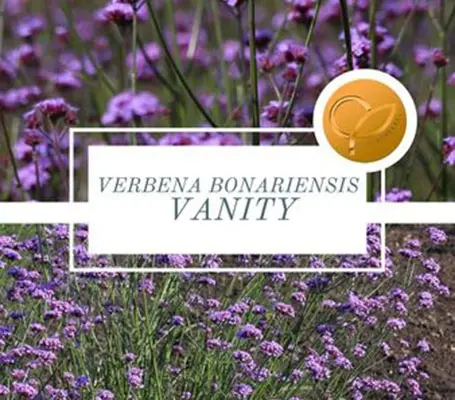
Verbena bonariensis ‘Vanity’ is a new compact cultivar of a perennial favourite. This award-winning variety has an open habit with gorgeous, intense purple-blue clusters atop branching thin, wiry stems. Its garden friendly neat habit makes it sturdier and easier to maintain while you create a pollinator paradise in your garden.
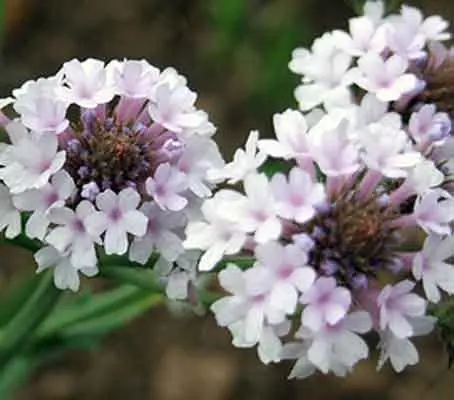
Named Verbena rigida after its upright habit, this front-of-the-border performer, although only a foot or two in height, can outshine almost everything else. Polaris is a dazzling, low-growing verbena that produces a candelabra of silver-blue flowers.Verbena venosa is a small and densely flowered version of Verbena with clusters of purple-pink fragrant flowers that are held in domed heads. A brilliant addition to the garden that will bloom from mid-spring right until the first cold of winter.
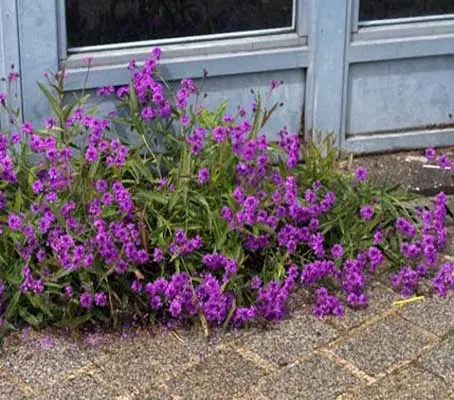
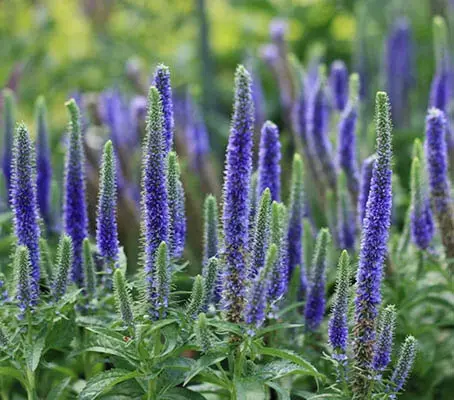
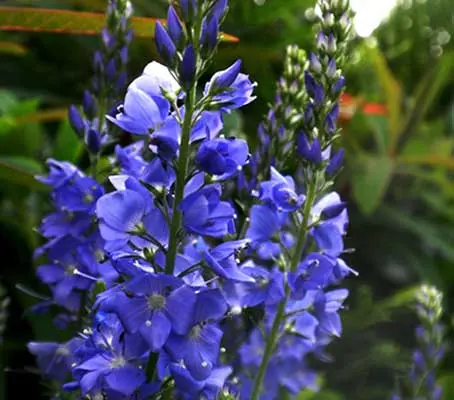
Gardeners are often looking for good solid perennials that will have attractive flowers, be easy to take care of, grow nicely but not take over the garden. One group of plants that should be considered is the Veronicas. They provide some of the clearest, truest blues in the perennial border.
Gardeners are often looking for good solid perennials that will have attractive flowers, be easy to take care of, grow nicely but not take over the garden. One group of plants that should be considered is the Veronicas.
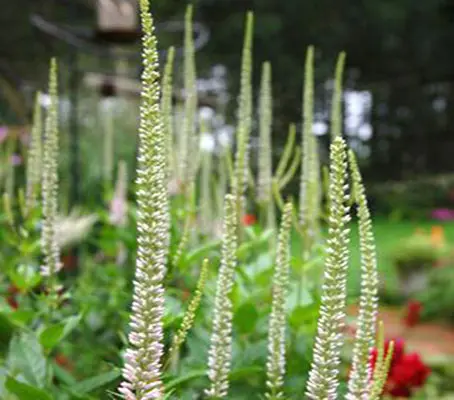
Veronicastrum is one of the most fashionable plants around. It is an excellent genus, full of hardy, trouble-free plants. The multiple tapering, soft spikes of white flowers look like elegant, living candelabras.
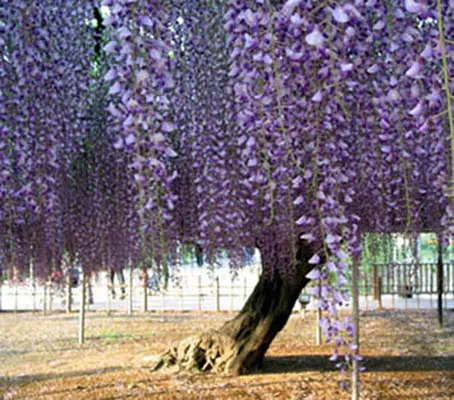
Wisteria sinensis is surely the most distinctive of climbers and by far the most captivating when in bloom. This hardy climber will give stunning displays every year. Bearing large pendent clusters of fragrant violet-lavender flowers in late spring to early summer, the foliage appears once the flowers are over.
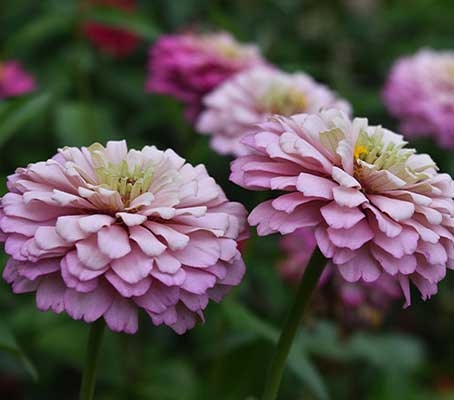
Popular wonderful flowers, reminiscent of Dahlias on tall robust plants, Zinnia elegans ‘Miss Willmott’ are extremely easy to grow from seed. They provide soft pink to lavender pink blooms from mid-summer to autumn and with thick straight stems that are less likely to bend when being cut. They are perfect for cut flowers.
€2.65
€2.25
€2.95
€2.25
€2.25
€2.95
€2.45
€1.95
€3.95