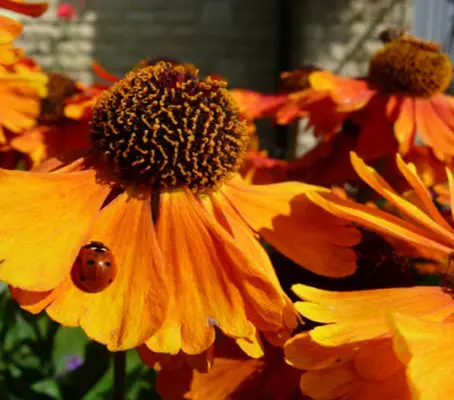

If there’s one plant that can inject a little razzle-dazzle into the border during gloomy late summers it is Helenium. From late July ‘Helena’ blooms with masses of vibrant blooms. Very hardy and easy to grow, all this plant needs is sunshine and well-drained soil.
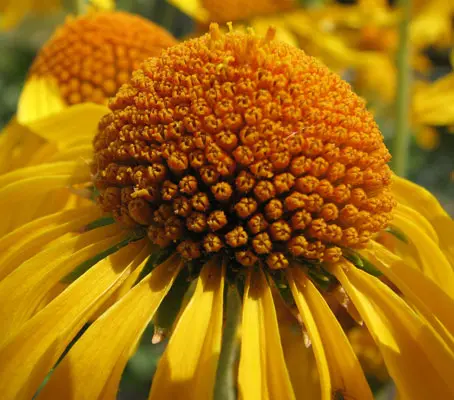
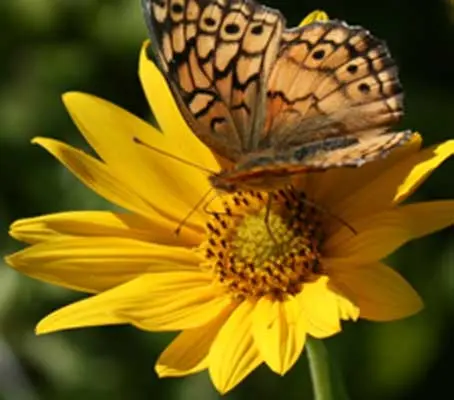
Helenium hoopesii is considered by some to be the most valuable of the species. It blooms with bright golden yellow disk florets that each form a kind of rounded knob that transforms the flower from your typical two-dimensional daisy into something much more interesting and sculptural.
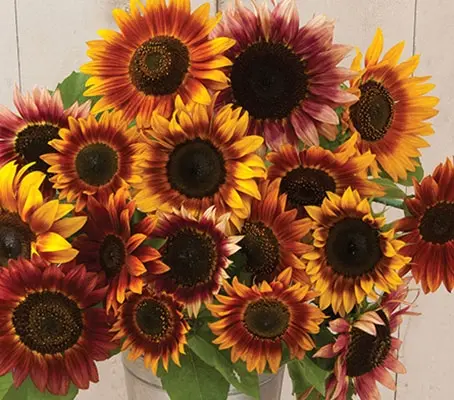
Sunflower ‘Autumn Beauty’ produces numerous long-stemmed flowers from summer to late autumn in a variety of solid and bi-colour bright warm colours – golden yellow, bronze, brown and burgundy. The long stems are excellent for cut flowers and look absolutely stunning in a vase on their own.
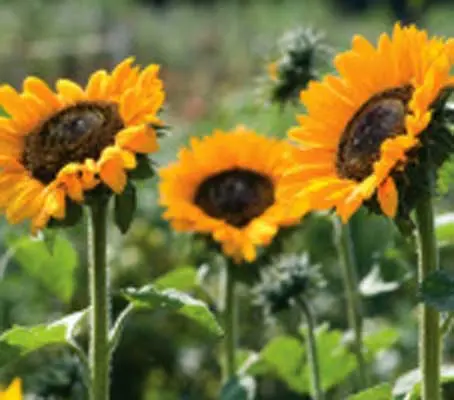
Sunflower “Soraya” is an award-winning new arrival. It is the first Sunflower ever to win an AAS award. It produces lovely rich tangerine-orange flowers with dark brown centres. This branching sunflower is prized for cut flower arrangements, producing 20 to 25 flowers from each plant.
One of the best loved summer flowers, ‘Vanilla Ice’ is one of the prettiest sunflowers varieties available. With clusters of delicate pale creamy-yellow flowers with dark chocolate centres this compact variety is suitable for the border or can be left add a naturalised charm to a wildlife friendly garden.
Perennial sunflowers typically don’t grow quite as tall as their annual friends, however Helianthus maximiliani is a wonderful exception. They grow slowly until late summer when the flowers bolt and head for the sky!
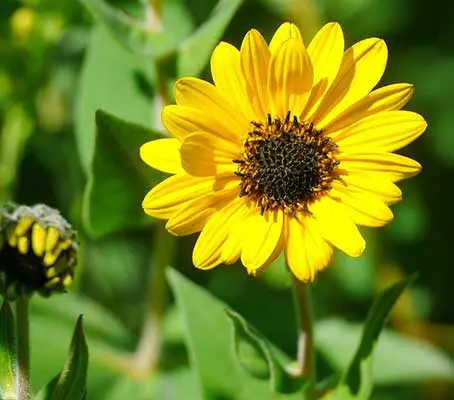
Most gardeners are familiar with the annual sunflower, however, it is the perennial varieties that coexist most happily with other garden plants. Helianthus mollis is a lovely perennial with butter-yellow flowers. It grows 120cm tall and requires little more attention than an annual cutting to the ground.
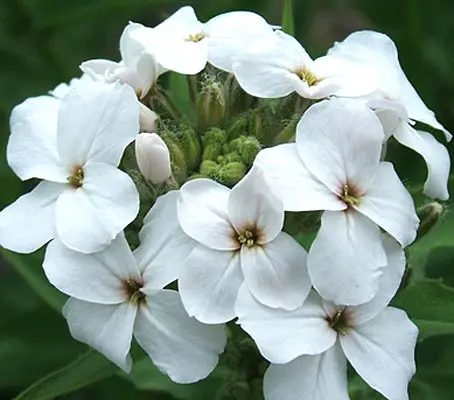
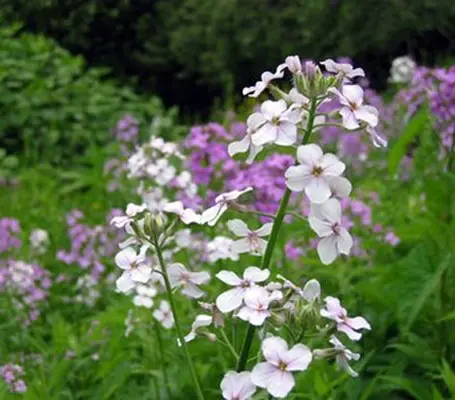
Gorgeously scented pure white flowers are held above rosettes of dark green leaves. Like all sweet rockets it is highly attractive to bees and other beneficial insects, the fragrant flowers perfume the air in late spring and early summer evenings. The night-scented stock is a close relative.
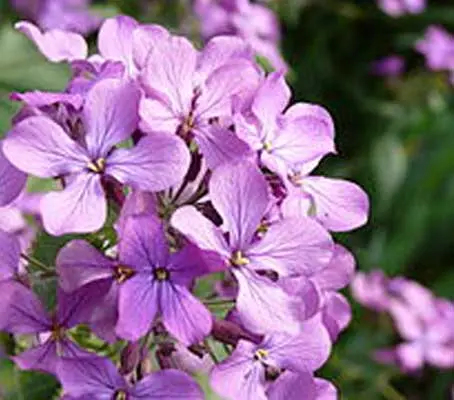
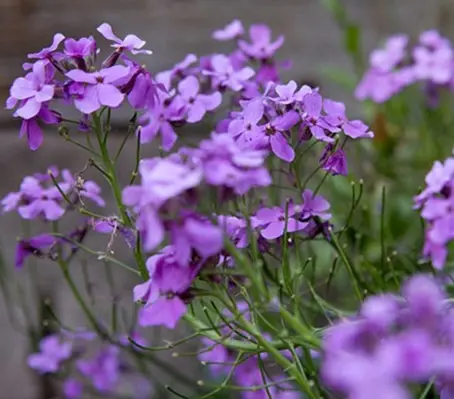
Dames Rocket produce flowers varying in colour from deep rich purple, through all the paler lilac shades to white. Highly attractive to bees and other beneficial insects, the fragrant flowers perfume the air in late spring and early summer evenings.
In spring, Dame’s Rocket lights up the woodland edges with her blossoms, providing nectar for hummingbirds, moths and butterflies, and fragrance for the soul. Sow seeds directly where they are to flower in early summer
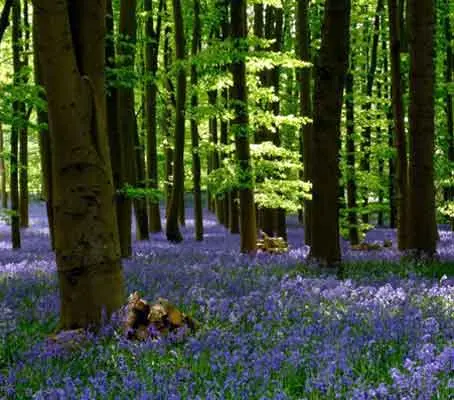
A deep blue carpet of bluebells is an unforgettable sight to anyone visiting many of our native woodlands. The spring spectacle of seeing a wood not only greening, but also ‘blueing’ is one of the joys of the year. When bluebells are in flower, spring has truly arrived.
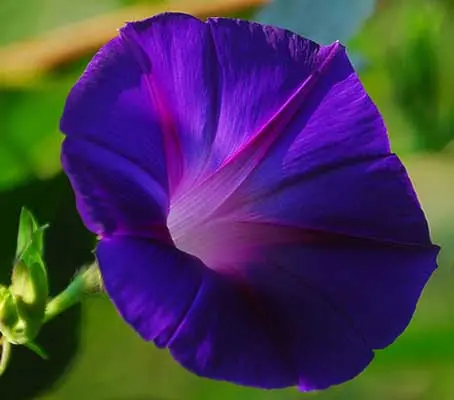
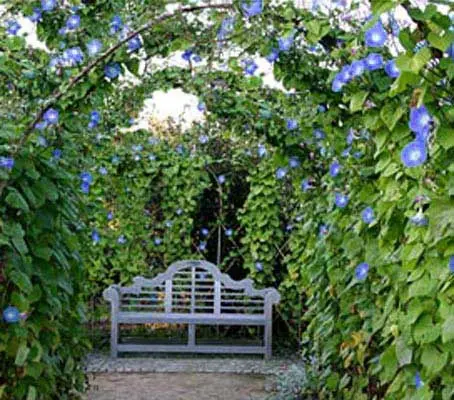
This heirloom morning glory originated in Bavaria in Germany and named for the original Seed-saver Baptist John Ott, Ipomoea purpurea ‘Grandpa Ott’ flowers of intense violet-blue, with a ruby red star. It is a good climber for walls, trellis work or if allowed to scramble through other plants or trees.
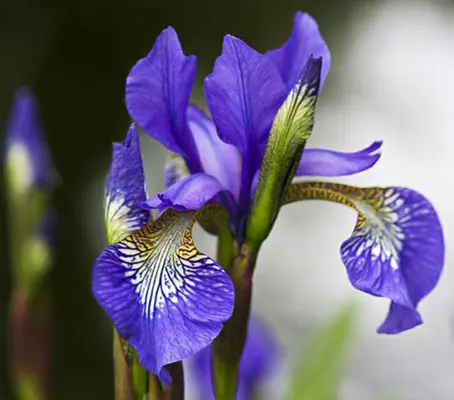
‘Heavenly Blue’ is one of the loveliest of all climbers. The buds are long and tightly furled, but as the morning sunshine reaches them, they steadily unfold themselves into wide sky-blue trumpet-shaped flowers of deep azure-blue, the colour of a Mediterranean sky.Iris bulleyana is a classic species Iris from western China. It belongs to a small group of oriental species which are entirely hardy and are of great value to the gardener. The plants are successful in any moist garden soil. Flowering from June to July, the blooms with mid purple flowers and dark purple veins.
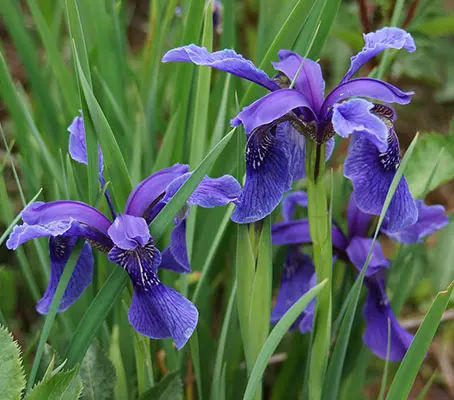
Iris versicolor is one of the few species in garden cultivation. Although happiest at the waterside the plants will also perform well under average to moist border conditions. Flowering from May through to July, each stalk produces up to five violet-blue flowers with ruffled petals and bold purple veining.
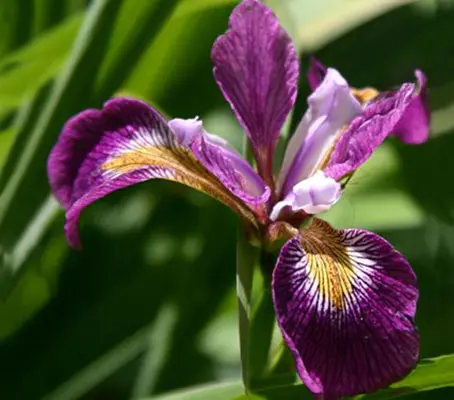
‘Kermesina’ is an attractive and popular cultivar of Iris versicolor. Flowering from May through to July with claret-purple flowers with ruffled petals and bold purple veining. It may be grown in shallow standing water or moist shoreline soils and suitable to be grown in constantly moist humusy soils of a border.
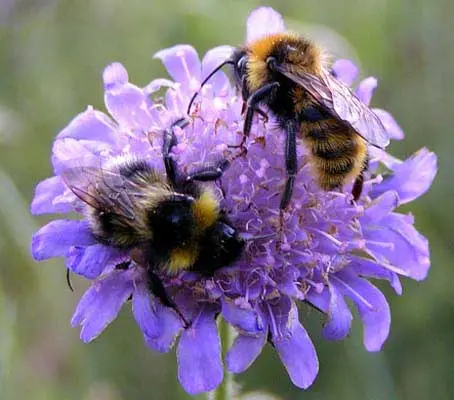
Knautia arvensis is an attractive native perennial herb of well drained grassland. It can be found throughout Europe in meadows, rough pasture, hedgerows and verges. Though it is by nature a perennial, it will flower and produce seed the first year if grown as an annual, either autumn or spring sown.
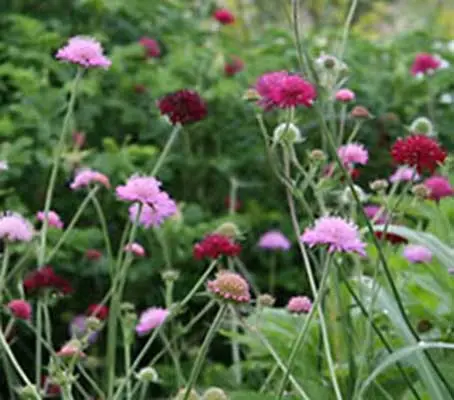
‘Melton Pastels’ is a great border plant, densely flowering plant with strong stalks of pin cushion flowers in shades of shades of pink, cherry red, mauve and purple. The tall stems make excellent cut flowers and are good for the middle of the border, giving a succession of blooms through till autumn.
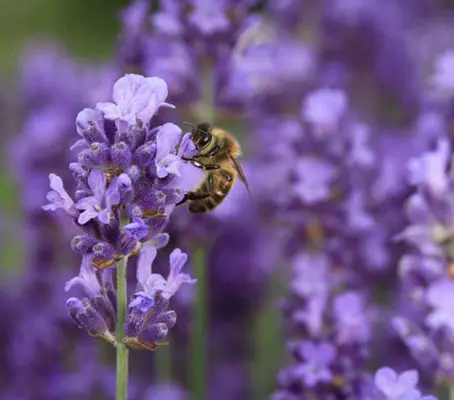
Lavendula angustifolia is an excellent plant for low informal hedging and as a specimen evergreen for borders and formal gardens. Flowering generally begins from mid to late June to early July. The flowers have a rich sweet scent and are highly attractive to bees and other beneficial insects.
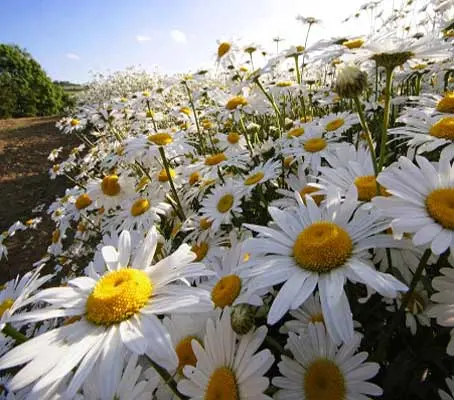
The Ox-eye Daisy is one of the most familiar of all summer flowers. They can be planted at almost any time of year. When seen naturalised in drifts in a sunny wildflower meadow, adorning roadside and meadows or even in a little corner of the garden they are spectacular.
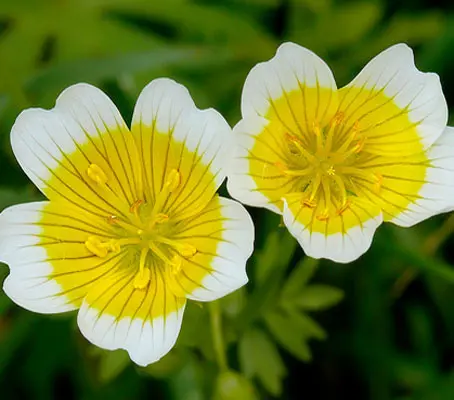
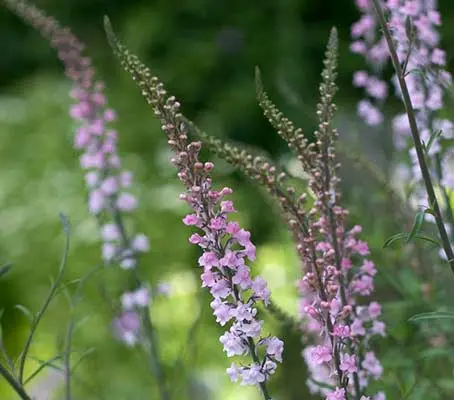
The fragrant, abundant flowers of Limnanthes appear from summer to autumn and attract bees and butterflies for the duration. This lovely plant provides a carpet of fragrant golden and white blooms that will grace the front of the border, rockery or path edging.Linaria ‘Canon J Went’ is a delightful plant with tall spikes of pink and mauve tiny flowers. Easy to grow and flowering prolifically in a sunny spot, the delicate plants provide a softening haze in perennial borders.
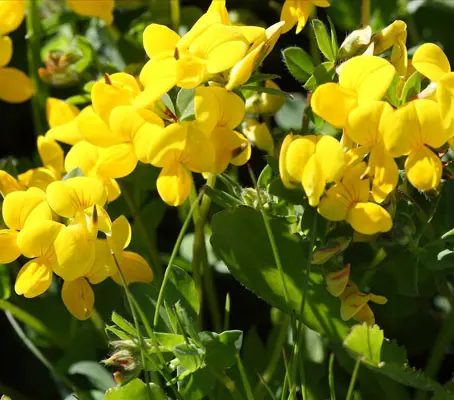
The more I see of this rather attractive little plant, the more I grow to appreciate it. Now I seem to spot it all over the place, in meadows, woodland, road verges and gardens. The bright yellow fragrant flowers can be seen in blossom from the end of April through until mid September.
Honesty is a dual purpose plant, grown partly for its fragrant purple – pink flowers in spring and summer, but also for its unique seed-heads. Oval and translucent, gleaming with an eerie silver light and coveted by flower arrangers. It is a vital nectar plant and therefore popular with bees and butterflies.
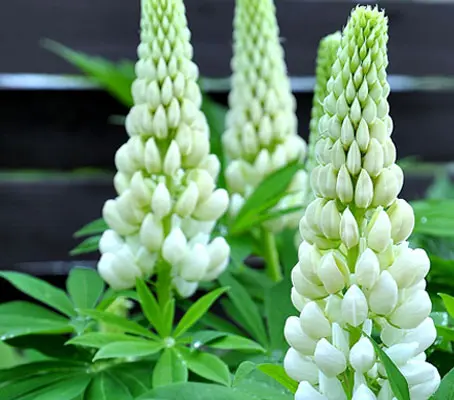
Lupin ‘Noble Maiden’, occasionally called Fraülein, feature soft ivory white buds that open to pure clean white. The flowers open from the bottom up making for a longer blooming period. Stunning in the border or in a vase.
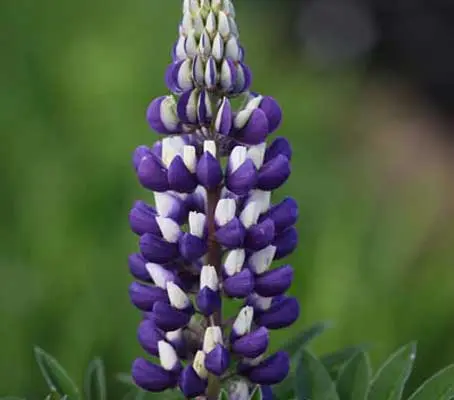
George Russell developed his Lupins aiming for, and achieving a central stalk or spike totally obscured by colourful flowers. ‘The Governor’ is one of the most popular from the series and features deep ultramarine blue blooms each with white flag. Each small flower of Band of Nobles ‘Chandelier’ is a glorious shade of golden yellow, and the standard (the upper petal) is often a shade or two lighter. They have been bred for a long flowering period and give unbeatable garden performance.
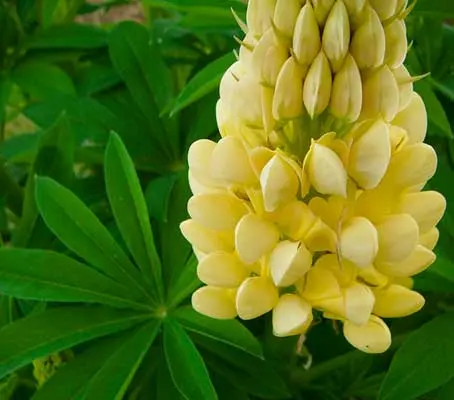
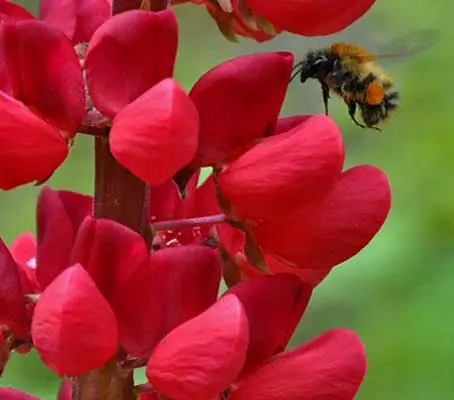
The magnificent vertical stems of Lupin ‘My Castle’ produce vibrant red blooms bringing height and grandeur to summer borders. The intense colour of this robust variety makes a real statement when planted in drifts, or dotted among other perennials.
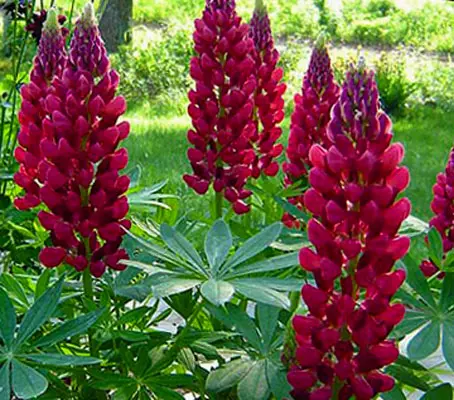
The Russell Hybrids ‘Band of Nobles’ series have exceptionally bright and strong colours. ‘The Pages’ produce magnificent vertical stems of carmine red blooms. These hardy plants will surviving extreme temperatures withstanding frost to at least minus 25°C. Recently introduced to gardens and a hit Chelsea Flower Show, Lysimachia ‘Beaujolais’ feature flower spikes of deep claret which bloom continuously from May to September. The plants give a good effect used in tight drifts through grasses and other perennials. Ideal for cutting, the dark flowers are adorable in bunches.
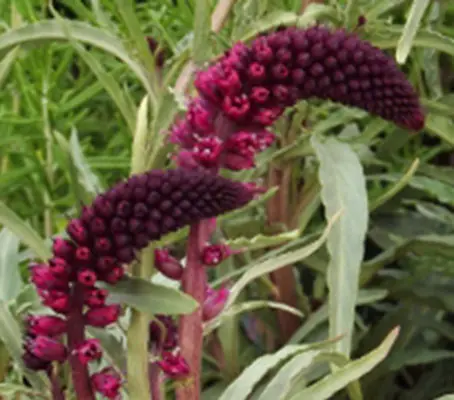
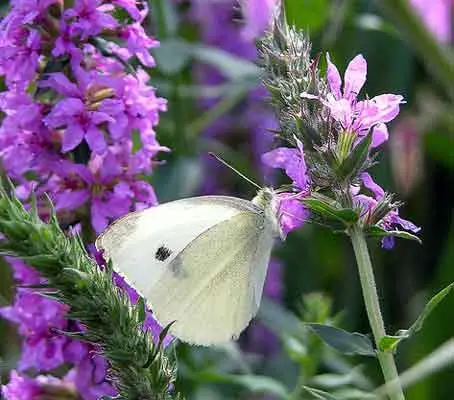
Magnificent and spectacular spikes of rose-purple flowers, which last from June throughout the summer distinguish this tall wetland plant. Purple loosestrife is an easy garden plant, thriving in any soil. It is a beautiful subject for late summer colour in a border, shrubbery, large pond or slow-moving water.
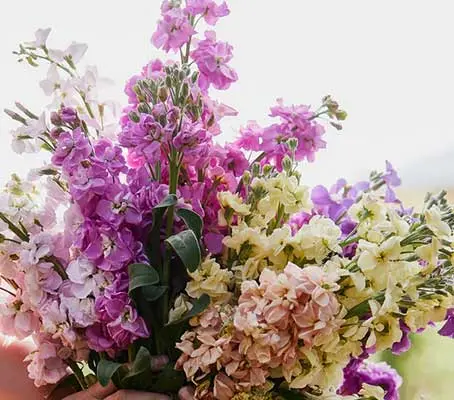
Classic and richly scented, Brompton Stocks are the aristocrats of the stock family. These tall, elegant biennials produce dense spikes of double and single blooms in a sumptuous mix of colours. The flowers are extremely fragrant, in bloom from late spring and are excellent for cutting.
Originally raised in the 1880’s by the Rev. Wilks in his garden in Shirley near Croydon in Surrey. The flowers are often likened to tissue paper, in colours from the brightest scarlet to pure white, with all shades of pink in between and all varieties of flaked and edged flowers.
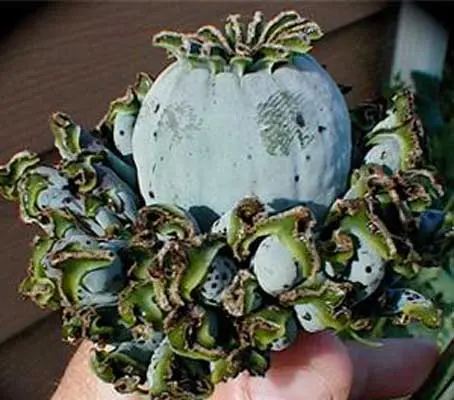
This ancient form of cultivated poppy produces the most unusual seed pod of all poppies. The main pod is surrounded by masses of smaller pods. Primarily grown for their curious seed pods which are extremely decorative, they are much in demand for cut and dried flower arrangements.
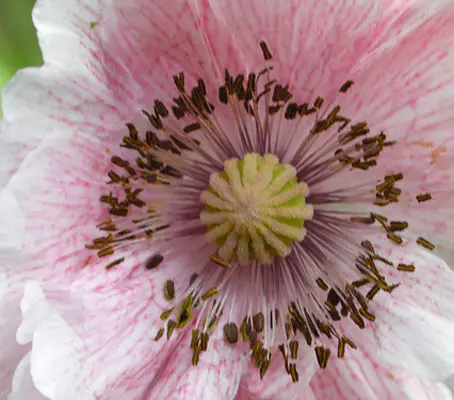
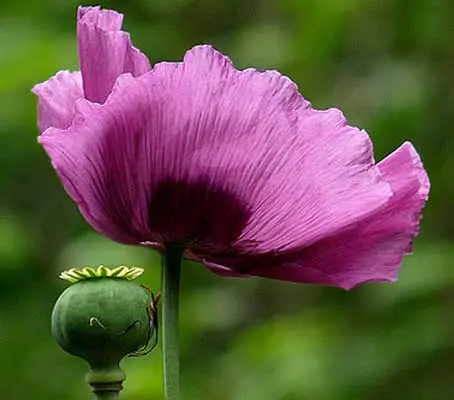
With their impressive variety, spectacular blooms and strange seed pods, ‘Pepperbox’ poppies are one of the easiest ways to add a bit of architecture and a lot of colour to your garden. The glorious, papery-textured flowers bloom in a multitude of colours, rich purples, deep reds to pale lilac-pinks.
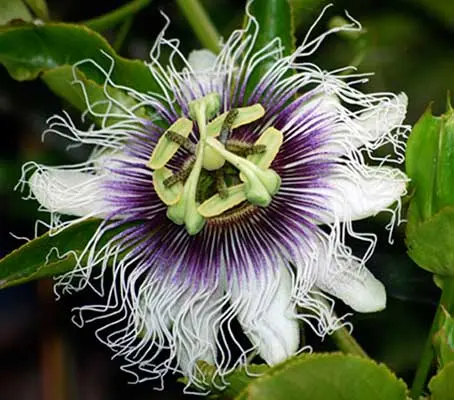
A Passiflora that produces very fragrant, unusual flowers. The flowers are white, except the base of the corona which is purple; the filaments are curly, as long as the petals, 5 to 7cm across. The edible fruits possess pleasant flavour, kind of sweet and a little tart.
The Bees and Butterflies Mix of flowers is a carefully chosen range of over 30 annual flowers that are rich in both nectar and pollen that both bees and butterflies adore. They will flower within six to eight weeks and provide you with pleasure throughout the summer.
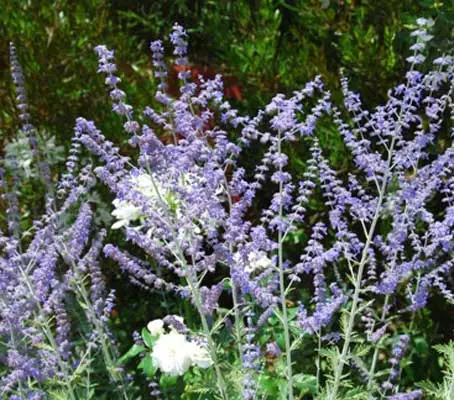
Russian Sage is one of the great garden plants of all time, but if you’ve been frustrated by their floppy nature, this new variety will be a welcome addition. Growing to about 60 to 75cm tall, Perovskia atriplicifolia ‘Taiga’ is also the first Russian sage available as a first year flowering perennial.
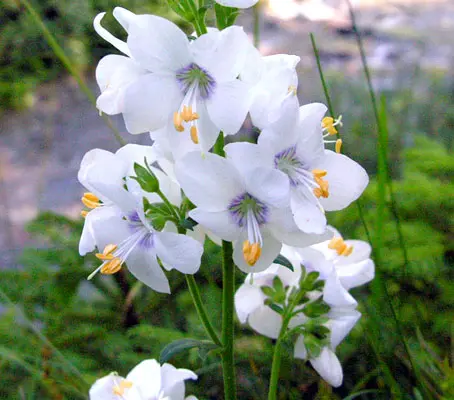
The white form of the lovely Jacobs Ladder, named after the slender, fresh green leaflets arranged like the rungs of a ladder. Blooming in late spring to early summer, the bright foliage and white flowers will brighten shady locations. Both the flowers and the attractive ferny foliage are excellent for cutting.
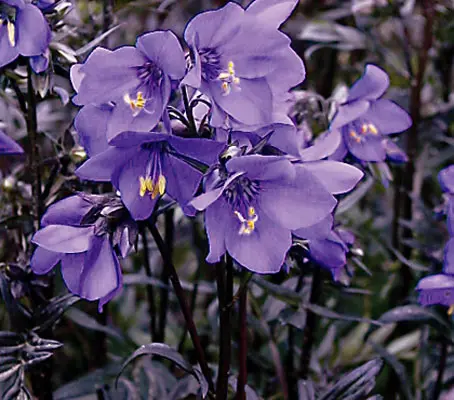
Collected at altitude in Japan and introduced in 2006, Polemonium yezoense ‘Purple Rain’ is one of the best new introductions in recent years. With bronze-purple lacy foliage, dark stems and violet-blue flowers, it is the darkest flower form of Polemonium available.
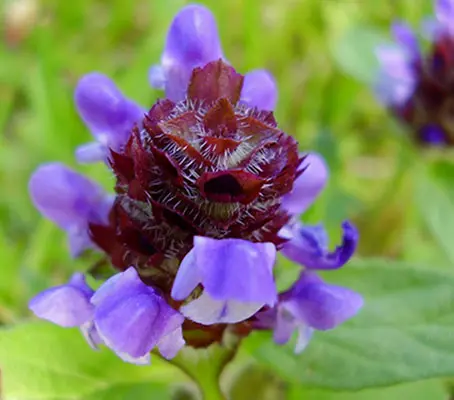
Prunella vulgaris is an interesting and quite beautiful little wildflower plant. The plants produce pretty blue-violet flowers in summer, the flowers freely produce nectar and are highly attractive to bees. If you’re looking for something to add to a meadow garden, or something for those shady areas this is the plant for you.
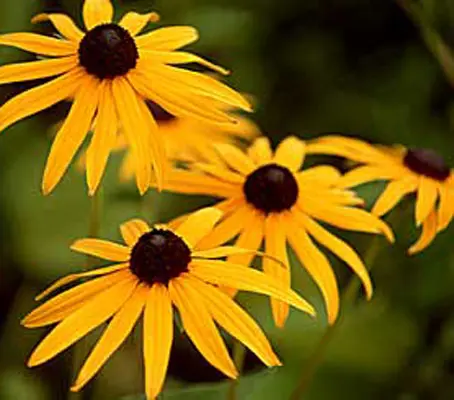
Rudbeckia are one of the top ten favorites of many gardeners’. Goldsturm is a compact form of the yolk-yellow black-eyed Susan, it is short enough not to need staking and never flops. An excellent cut flower and a great choice for mass planting.Salvia sclarea var. turkestanica ‘Vatican White’ is a choice white cultivar that is not that easy to find. A nobly architectural Sage, each of its branched stems is topped with a profusion of blossoms with brilliant white bracts. The flowers are attractive and are boosted in impact by the large petioles that surround them.
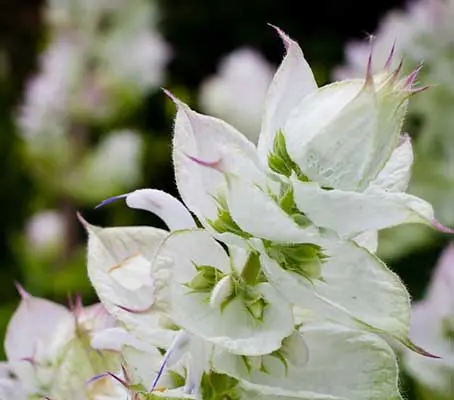
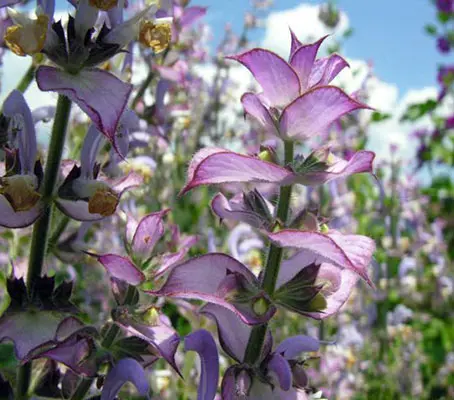
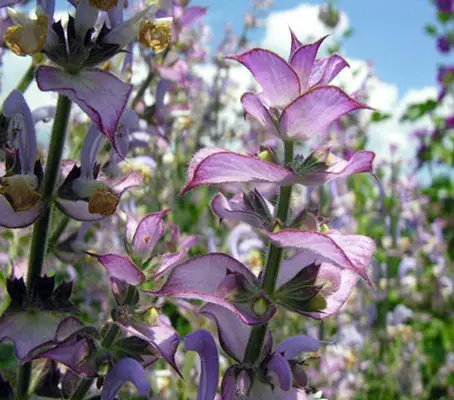
This hardy biennial Sage has been grown in almost every botanical sanctuary in human history and has many plus points: it grows well in poor soil resists slugs and other beasties, and doesn’t slump or need staking. It copes well in sun or light shade and the blooms are a magnet for bees and butterflies.
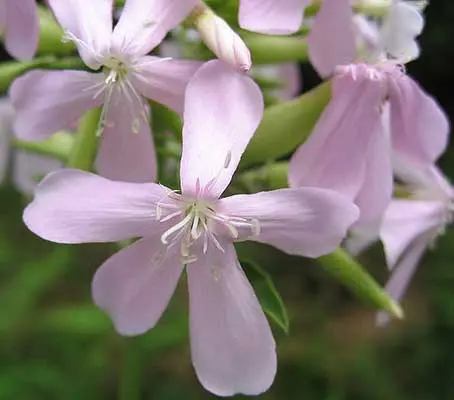
This hardy biennial Sage has been grown in almost every botanical sanctuary in human history. Each stem is topped with a profusion of pale blue blossoms and large pinkish white bracts. A truly architectural plant. Organic Seed.Cleanliness is next to godliness even in history. For centuries Saponaria officinalis has helped keep us clean while providing a little loveliness in our gardens. The flowers are an important nectar source and emit a pleasant and intriguing clove-like scent, seducing both night moths and butterfly species.
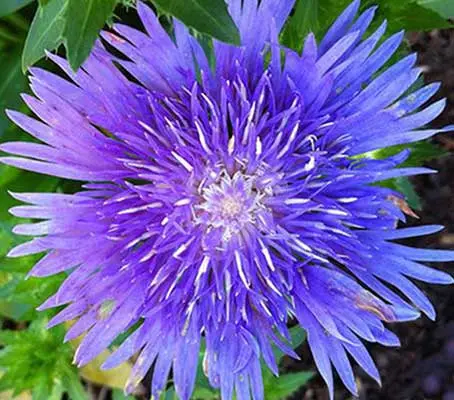
Stokesia laevis is an adaptable and easy to grow perennial. With electric blue fringed petals and shaggy cornflower-like flower heads. It is considered by many as one of the most attractive late-flowering perennials.
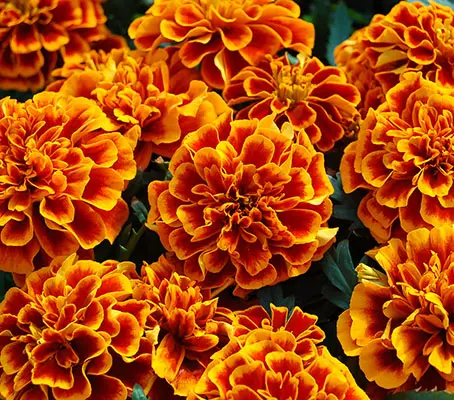
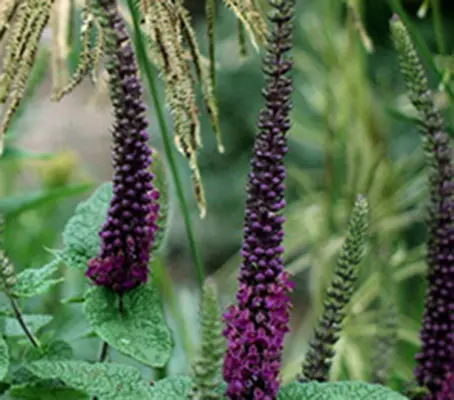
Tagetes patula ‘Queen Sophia’ is an extremely popular, award winning variety that was introduced in the early 1900’s. Gorgeous to the point of excess, it produces semi-double blooms. Deep orange-to-russet petals that are intricately edged with russet and gold.Summer-blooming spiky flowering plants – in garden design parlance ‘the verticals’. We all need some, and there are lots of contenders, but a plant that can go just about anywhere in the garden, cope with almost all situations and bloom with copious plush spikes over several weeks is a very rare treat.
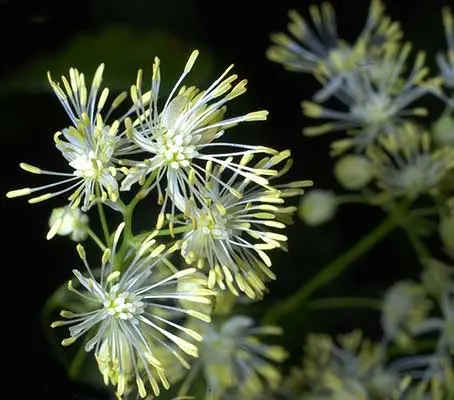
Thalictrum lucidum is a less well known species of meadow rue, it sports luscious deep green, fern-like foliage. In mid-summer the plant is festooned with a superb array of fragrant flower stems, topped with airy puffs of soft cream flowers each with bright yellow stamens.
As they say, white goes with everything and among theme gardens, the white garden may be the most popular. The White Garden Flower Mix gives a selection of spectacular, bright white annual flowers. Calm, soft and serene this beautiful mix will carry borders into early winter with panache.
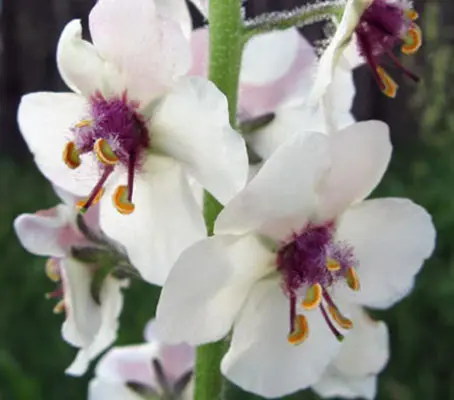
Verbascum are a wonderful plant for making a garden feel uncontrived, producing masses of flowers without taking up lots of space on the ground. ‘White Blush’ is one of the most popular varieties. Growing to just 100cm, the dark crimson buds open to reveal large white flowers with deep purple stamens.
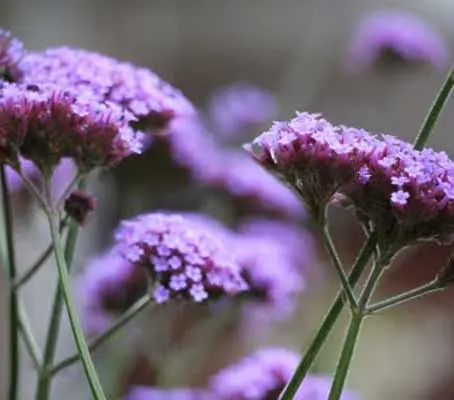
Verbena bonariensis is a very useful plant. The flowers, on tall, slim delicate stalks dance in the wind. It is a graceful counterpart to larger flowers and invariably compliments the landscape without overwhelming any of it.Verbena hastata ‘Blue Spires’ is the blue form of this lovely perennial, with multi-branching candelabra-like flower heads, the flowers slowly expand as they ascend the stems like burning sparklers. The flowers appear in mid-late summer and will last into late autumn.
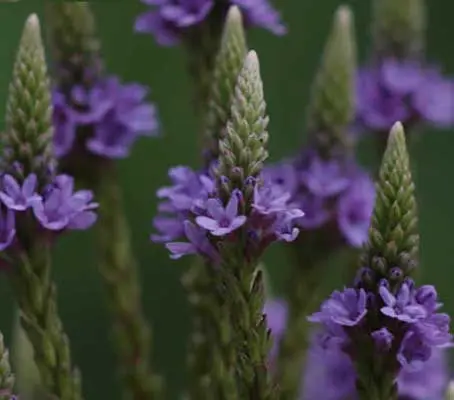
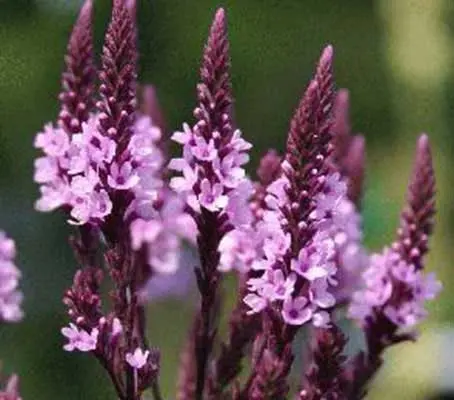
Verbena hastata ‘Pink Spires’ flowers with multi-branching candelabra-like flower heads. Appearing in mid-late summer and lasting into late autumn, this hardy plant does not need staking, and provides lots of mid to late summer colour in the garden.
€2.80
€1.65 – €5.75Price range: €1.65 through €5.75
€2.65
€2.45
€2.10
€2.75
€2.80
€1.75 – €5.95Price range: €1.75 through €5.95
€2.25
€3.75 – €21.75Price range: €3.75 through €21.75
€2.20
€3.95 – €23.95Price range: €3.95 through €23.95
€2.45