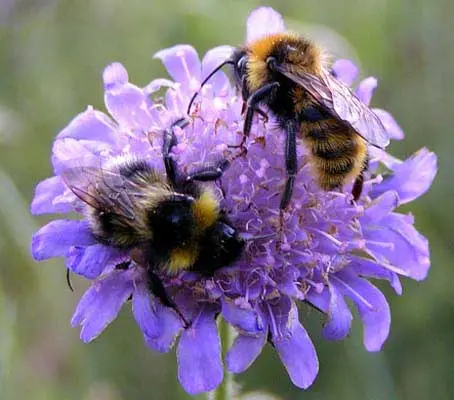
Knautia arvensis is an attractive native perennial herb of well drained grassland. It can be found throughout Europe in meadows, rough pasture, hedgerows and verges. Though it is by nature a perennial, it will flower and produce seed the first year if grown as an annual, either autumn or spring sown.
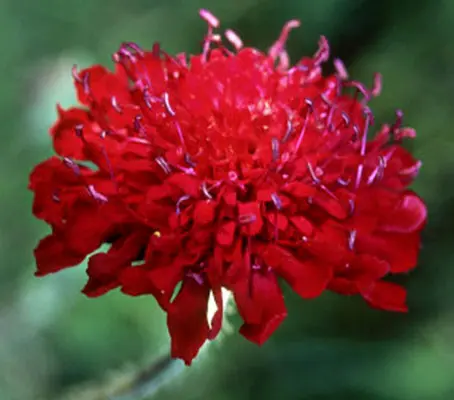
Knautia macedonica has been hugely fashionable for years and is likely to remain so for many more. This lovely and versatile perennial blooms from late spring to autumn with dark-crimson, richly glamorous pompoms. Established plants produce literally hundreds of blooms in one season.
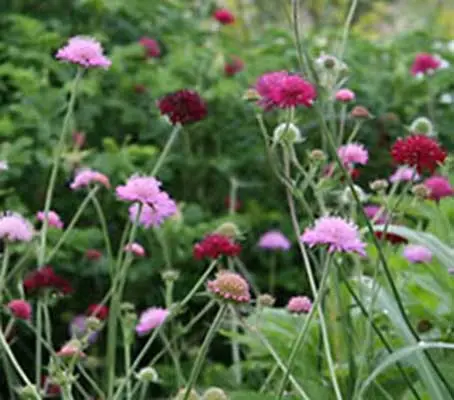
‘Melton Pastels’ is a great border plant, densely flowering plant with strong stalks of pin cushion flowers in shades of shades of pink, cherry red, mauve and purple. The tall stems make excellent cut flowers and are good for the middle of the border, giving a succession of blooms through till autumn.
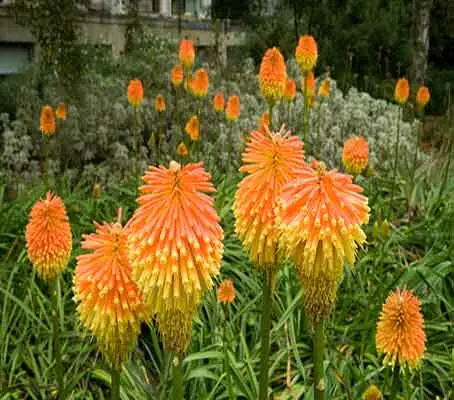
The Kniphofia hybrids have extended both the flower colour and height range. The usual fiery reds and oranges work particularly well in a planting scheme based on ‘hot’ colours – use them to light up sultry August borders. The cooler yellow, cream, ivory and sometimes green flowers is more restful.
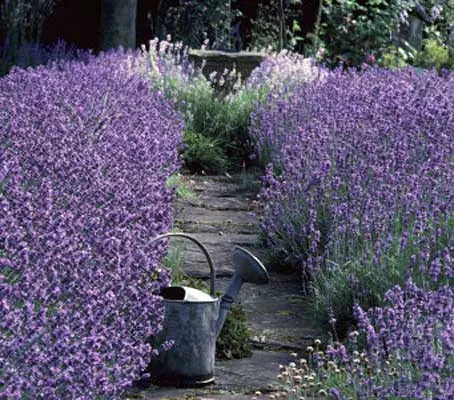
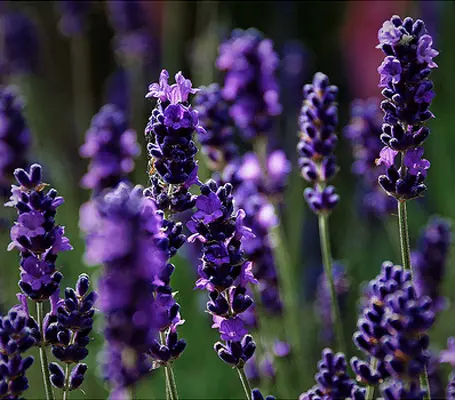
The deepest purple of all and one of the most popular lavenders is ‘Hidcote Blue’. A compact variety, suitable for growing in borders or as dwarf hedging, with dense silver-grey foliage covered in fragrant, dark purple-blue flower spikes in mid-summer.Lavendula angustifolia is an excellent plant for low informal hedging and as a specimen evergreen for borders and formal gardens. Flowering generally begins from mid to late June to early July. The flowers have a rich sweet scent and are highly attractive to bees and other beneficial insects.
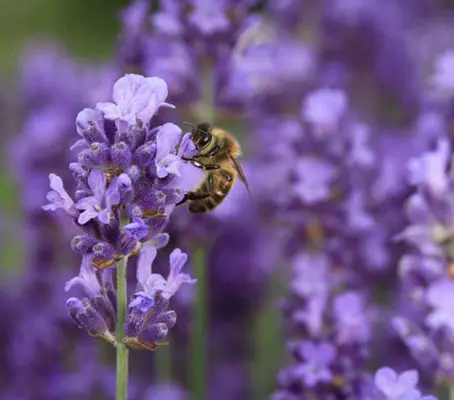
Munstead Lavender is a fragrant robust English lavender that, due to its short size and tightly held blooms, makes a great hedge. It flowers profusely in the spring, after which a good pruning will provide an attractive grey bush with highly aromatic leaves.
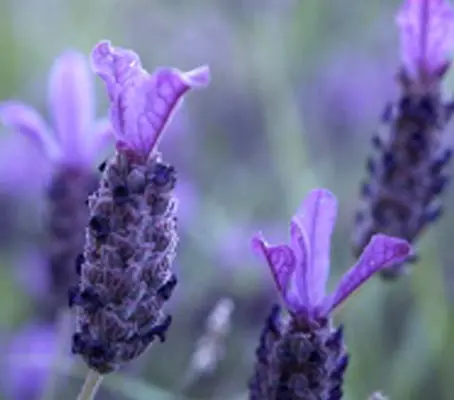
Lavender stoechas is an old variety, cultivated for more than 400 years, it is a favourite both for its intense fragrance and for the short dense flower spikes. French Lavender blooms from spring to frost and has a good clean scent.
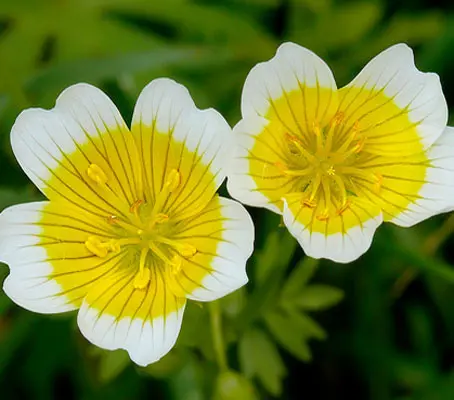
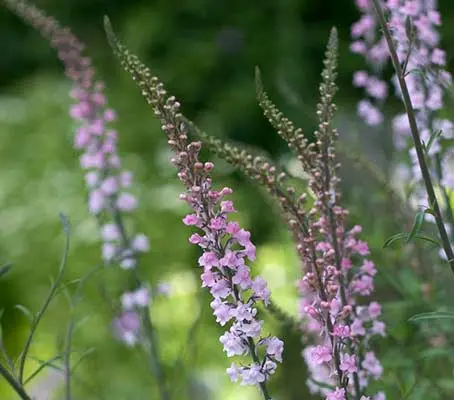
The fragrant, abundant flowers of Limnanthes appear from summer to autumn and attract bees and butterflies for the duration. This lovely plant provides a carpet of fragrant golden and white blooms that will grace the front of the border, rockery or path edging.Linaria ‘Canon J Went’ is a delightful plant with tall spikes of pink and mauve tiny flowers. Easy to grow and flowering prolifically in a sunny spot, the delicate plants provide a softening haze in perennial borders.
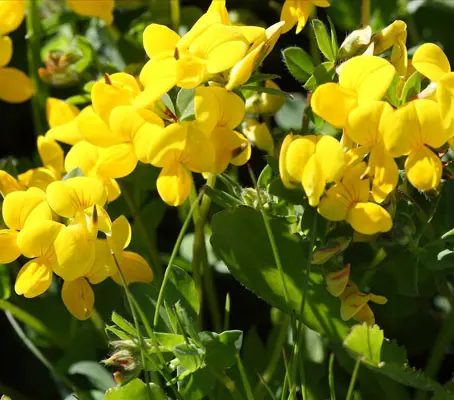
The more I see of this rather attractive little plant, the more I grow to appreciate it. Now I seem to spot it all over the place, in meadows, woodland, road verges and gardens. The bright yellow fragrant flowers can be seen in blossom from the end of April through until mid September.
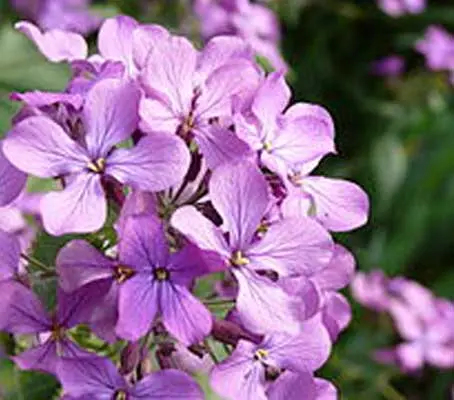
Honesty is a dual purpose plant, grown partly for its fragrant purple – pink flowers in spring and summer, but also for its unique seed-heads. Oval and translucent, gleaming with an eerie silver light and coveted by flower arrangers. It is a vital nectar plant and therefore popular with bees and butterflies.
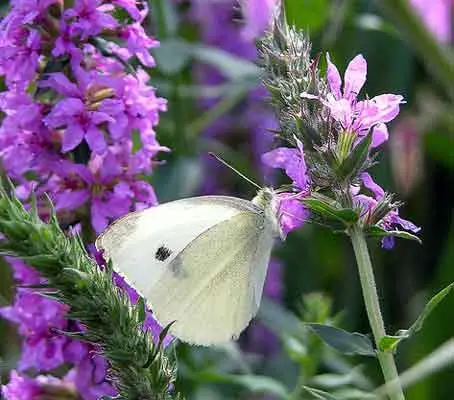
Magnificent and spectacular spikes of rose-purple flowers, which last from June throughout the summer distinguish this tall wetland plant. Purple loosestrife is an easy garden plant, thriving in any soil. It is a beautiful subject for late summer colour in a border, shrubbery, large pond or slow-moving water.
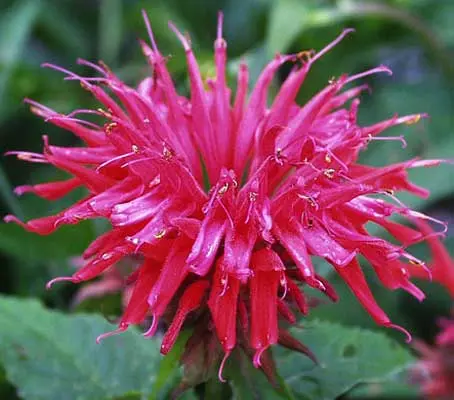
‘Panorama’ must be rated a marvelous achievement in the perfection of the whorls of flowers and the brilliance of the colours. In many shades of scarlet, bright red, pink, salmon and crimson, each plant bears up to 20 long stems. They are as long-lasting as they are dramatic and excellent for cutting.
Monarda ‘Panorama Red Shades’ is the first separate colour available from seed. This foolproof plant is trouble-free and a joy for the garden and vase. They bloom profusely with very distinctive flower-heads, each plant bearing up to 20 long stems and are as long-lasting as they are dramatic.
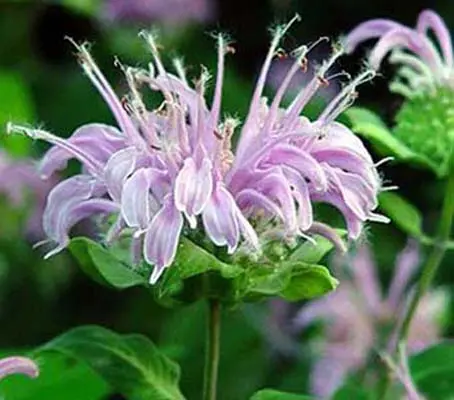
Monarda fistulosa, also known as Bergamot is famed for its medicinal qualities. While in the perennial border these lovely plants produce a mass of mauve-purple blooms (even in their first year from an early sowing) and have uniquely scented foliage. Highly attractive to bees and butterflies.
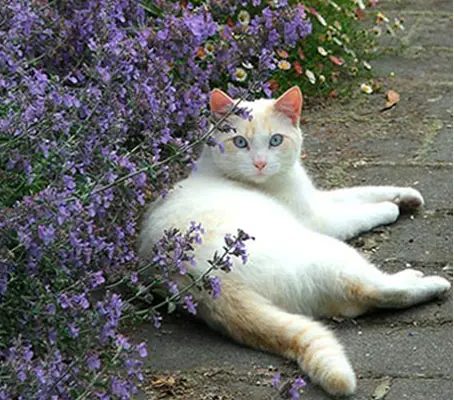
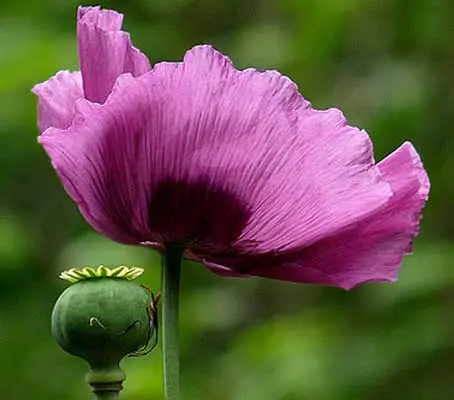
Veteran gardeners are probably already aware of nepeta’s versatility in the garden. From its popular partnering with roses to the softening effect it has on hard edges. Nepeta is an ideal perennial for new gardeners and, of course, cats adore it.This ancient form of cultivated poppy produces the most unusual seed pod of all poppies. The main pod is surrounded by masses of smaller pods. Primarily grown for their curious seed pods which are extremely decorative, they are much in demand for cut and dried flower arrangements.
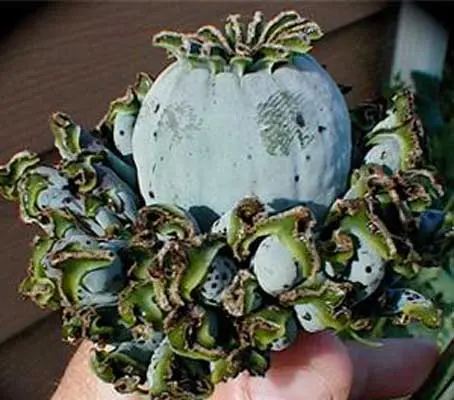
With their impressive variety, spectacular blooms and strange seed pods, ‘Pepperbox’ poppies are one of the easiest ways to add a bit of architecture and a lot of colour to your garden. The glorious, papery-textured flowers bloom in a multitude of colours, rich purples, deep reds to pale lilac-pinks.
The Bees and Butterflies Mix of flowers is a carefully chosen range of over 30 annual flowers that are rich in both nectar and pollen that both bees and butterflies adore. They will flower within six to eight weeks and provide you with pleasure throughout the summer.
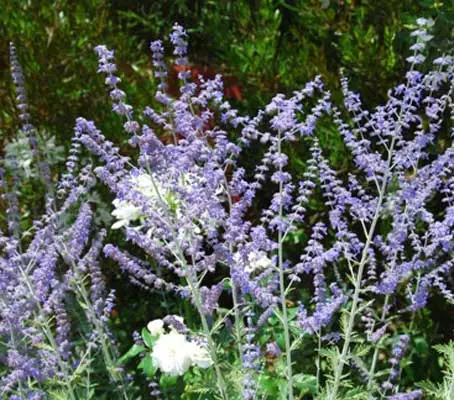
Russian Sage is one of the great garden plants of all time, but if you’ve been frustrated by their floppy nature, this new variety will be a welcome addition. Growing to about 60 to 75cm tall, Perovskia atriplicifolia ‘Taiga’ is also the first Russian sage available as a first year flowering perennial.
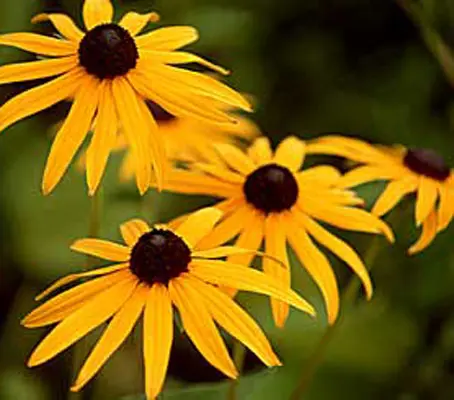
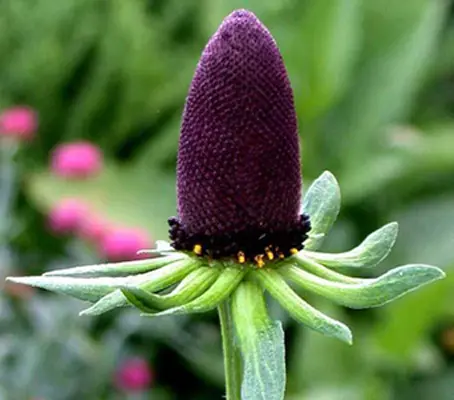
Rudbeckia are one of the top ten favorites of many gardeners’. Goldsturm is a compact form of the yolk-yellow black-eyed Susan, it is short enough not to need staking and never flops. An excellent cut flower and a great choice for mass planting.An absolute gift to flower arrangers, this is a noble and ornamental plant for the back of any border making nice clumps of foliage. It is, of course, the flowers that are remarkable: three or four inches across, “green” is one’s immediate impression on seeing them.
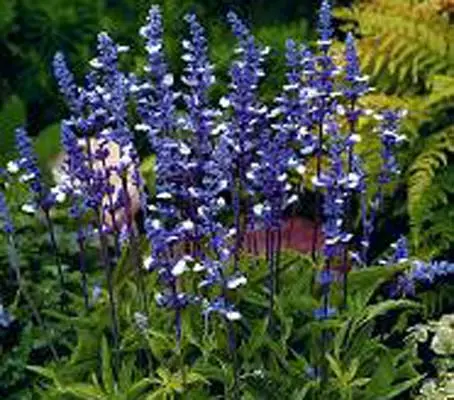
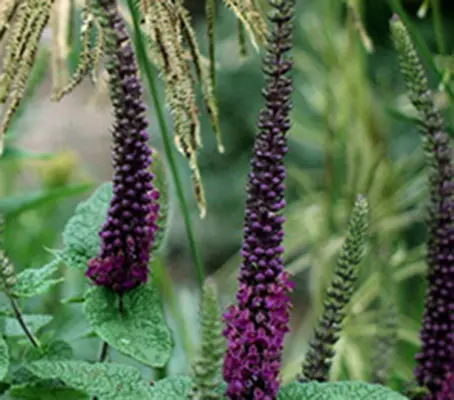
Salvia farinacea ‘Fairy Queen’ is an attractive new variety that bears multiple spikes of bicolour blue and white flowers on dark distinctive flower stems from June to October. With a bushy, compact habit and thick stems. A small white spot on each sapphire blue flower creates the illusion of fairy dust.
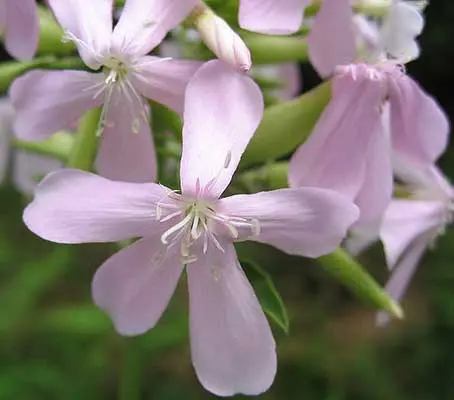
Cleanliness is next to godliness even in history. For centuries Saponaria officinalis has helped keep us clean while providing a little loveliness in our gardens. The flowers are an important nectar source and emit a pleasant and intriguing clove-like scent, seducing both night moths and butterfly species.
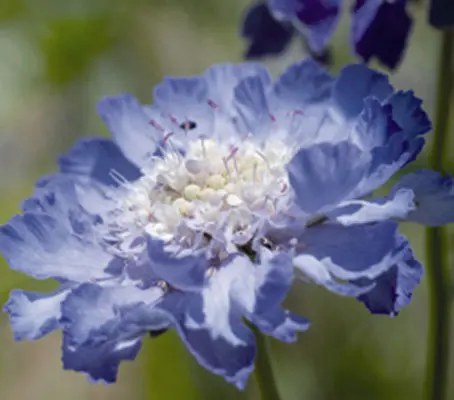
‘Fama’ is a most elegant flower. With long stems and intense blue blooms, it is the largest flowering and most uniform strain of the Blue Pincushion. They mature into dense tufts of lance shaped, grey-green leaves from which arise a beautiful display of intense lilac-blue flowers each with a silvery centre.
Scabiosa caucasica ‘Fama’ is a most elegant flower. With long stems and intense blue blooms. Beloved by flower arrangers, it is the largest flowering and most uniform strain of the perennial blue pincushion.
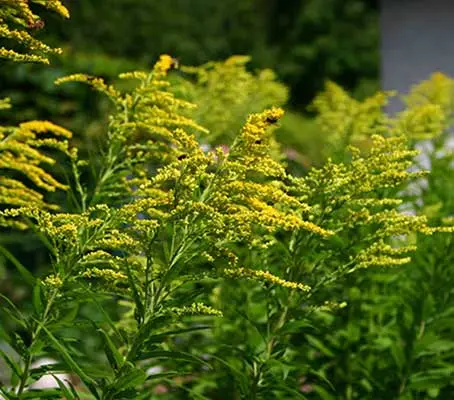
Solidago canadensis ‘Golden Baby’ is an easy to grow hardy perennial that bears flat-topped clusters of golden-yellow plumes. Growing to around 60cm tall they are perfect for borders or containers and provide end-of-season colour. Given an early sowing they will bloom in their first year.
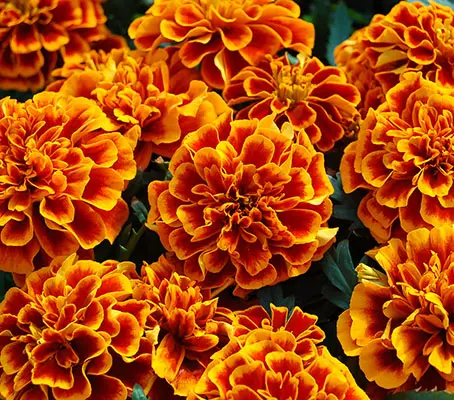
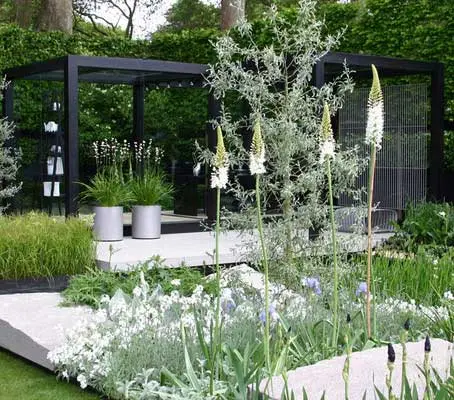
Tagetes patula ‘Queen Sophia’ is an extremely popular, award winning variety that was introduced in the early 1900’s. Gorgeous to the point of excess, it produces semi-double blooms. Deep orange-to-russet petals that are intricately edged with russet and gold.Summer-blooming spiky flowering plants – in garden design parlance ‘the verticals’. We all need some, and there are lots of contenders, but a plant that can go just about anywhere in the garden, cope with almost all situations and bloom with copious plush spikes over several weeks is a very rare treat.
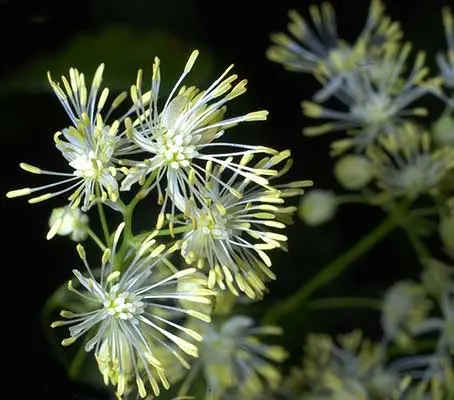
Thalictrum lucidum is a less well known species of meadow rue, it sports luscious deep green, fern-like foliage. In mid-summer the plant is festooned with a superb array of fragrant flower stems, topped with airy puffs of soft cream flowers each with bright yellow stamens.
As they say, white goes with everything and among theme gardens, the white garden may be the most popular. The White Garden Flower Mix gives a selection of spectacular, bright white annual flowers. Calm, soft and serene this beautiful mix will carry borders into early winter with panache.
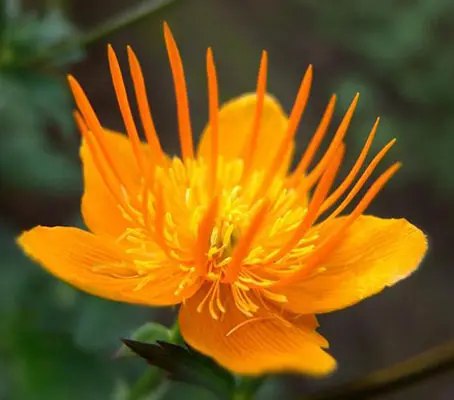
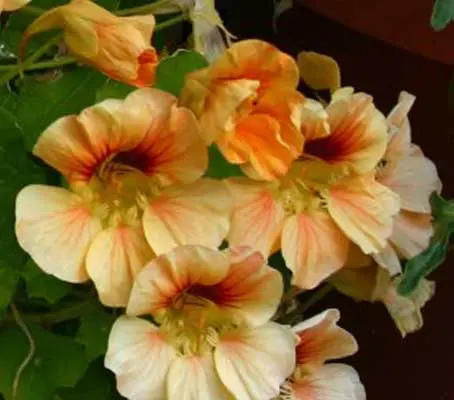
Trollius ‘Golden Queen’ has strong erect stems, rising up to three feet from out of its clump of serrated foliage. Each stem is topped by the largest brightest tangerine blossoms. Excellent for bouquets and magnets for butterflies and bees.Nasturtium “Peach Melba Superior” is a gorgeous variety, with bright cream, semi-double flowers with mahogany-red markings in the throat. Uniform and compact in habit, this dwarf plant is good excellent in containers, the beautiful flowers are carried well above the foliage for maximum effect.
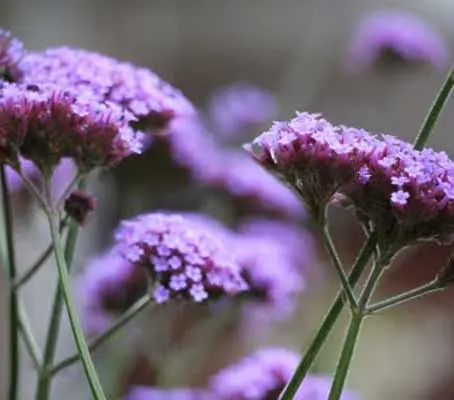
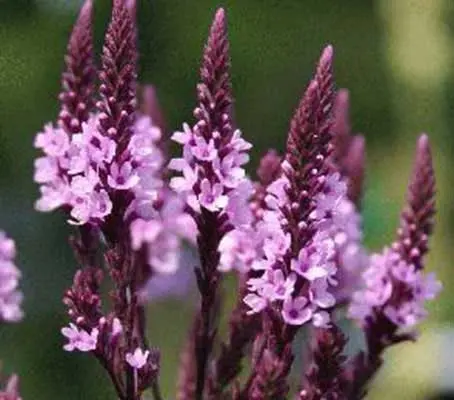
Verbena bonariensis is a very useful plant. The flowers, on tall, slim delicate stalks dance in the wind. It is a graceful counterpart to larger flowers and invariably compliments the landscape without overwhelming any of it.Verbena hastata ‘Blue Spires’ is the blue form of this lovely perennial, with multi-branching candelabra-like flower heads, the flowers slowly expand as they ascend the stems like burning sparklers. The flowers appear in mid-late summer and will last into late autumn.
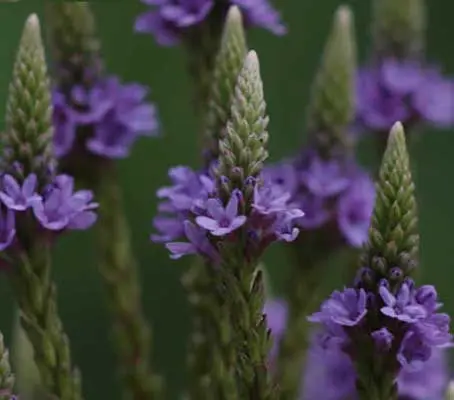
Verbena hastata ‘Pink Spires’ flowers with multi-branching candelabra-like flower heads. Appearing in mid-late summer and lasting into late autumn, this hardy plant does not need staking, and provides lots of mid to late summer colour in the garden.
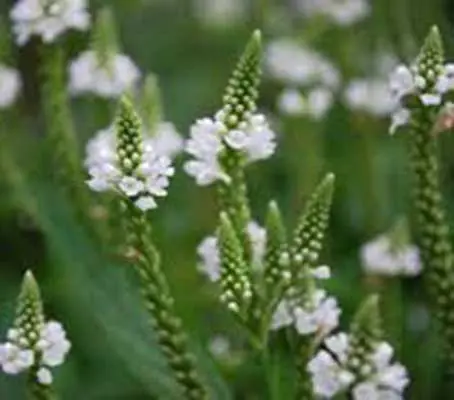
Verbena hastata ‘White Spires’ is one of the choicest species available. It produces masses of pure white flowers on architectural flower heads. Its sheer volume of flowers make it a real winner. It is understandably increasing in popularity as it becomes more readily available.
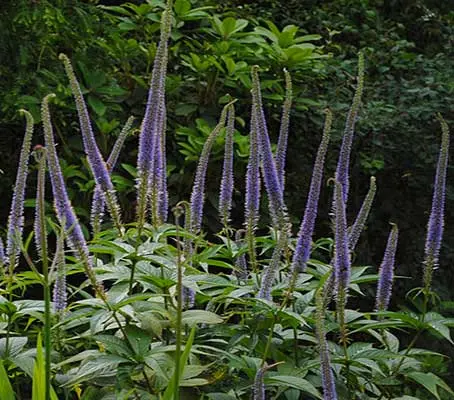
Veronicastrum is one of the most fashionable plants around. It is an excellent genus, full of hardy, trouble-free plants. The multiple tapering, soft spikes of white flowers look like elegant, living candelabras.
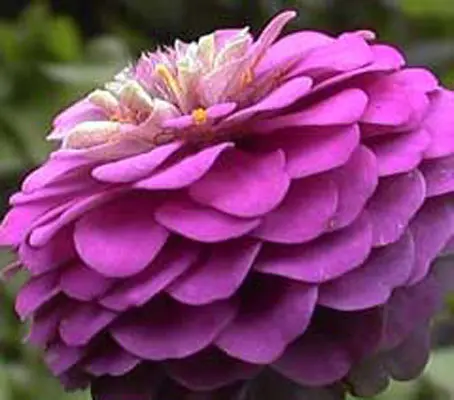
Zinnia ‘Lilliput Mix’ is a superb blend of this most unusual flower type, specially selected for its wide range of bright colours. Very floriferous, the tiny double pom-pom flowers are produced in profusion. Very easy to grow, they are stunning in borders or as a cut flower.
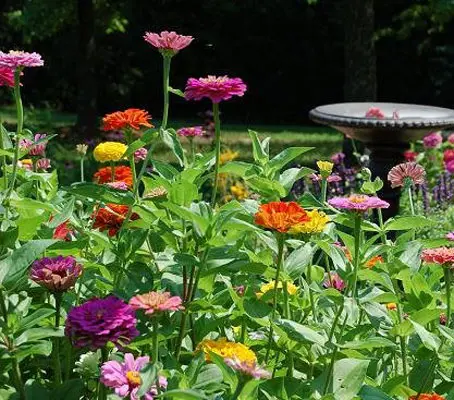
The time tested old fashioned Zinnia.’State Fair” performs well in the garden and in the vase and is great for attracting bees and butterflies to the garden. No wonder they are back in fashion with a vengeance.
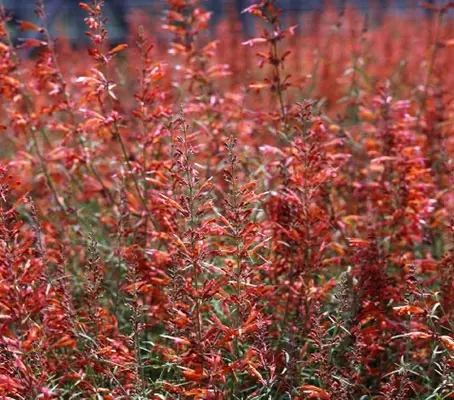
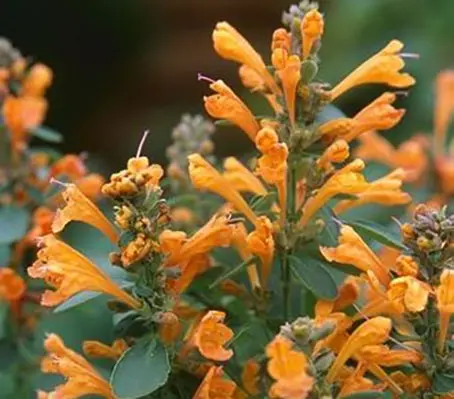
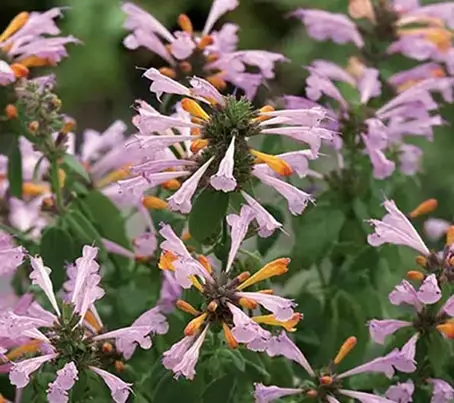
Agastache are very seductive. You start with one, and the next thing you know, you’ve got ten and are wondering how you can sneak another one in. ‘Apache Sunset’ with coral-peach blooms and rose and violet buds is just gorgeous and, of course, extremely tempting.
Agastache ‘Heather Queen’ is a dynamic landscape plant and a particularly beautiful form. Dark pink tubular flowers on tall stiff stems from mid-summer until late autumn. Pollinators are drawn to the fragrance, the intense coloration and their sweet nectar.
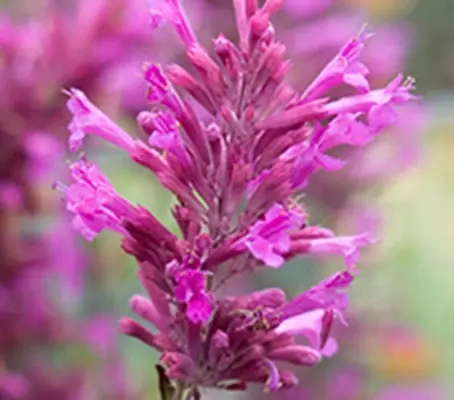
Agastache ‘Arcado Pink’ is a magnificent first year flowering perennial. An extremely floriferous variety with lovely purple-pink flower spikes and fresh green aromatic foliage. This Fleuroselect Novelty Award Winner is both vibrant in colour and stamina. The aromatic leaves are edible, young growth can be sprinkled in salads, used to decorate cakes, to make a tea or floated in drinks. Agastache added to your Pimms lifts it to a higher sphere altogether.
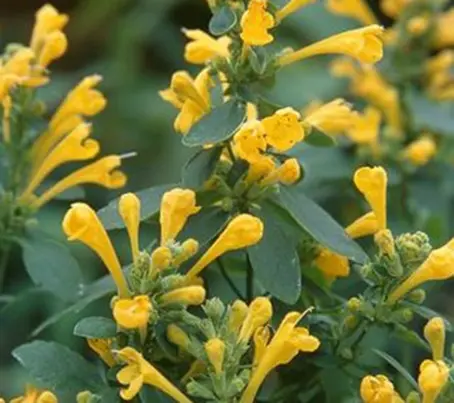
The Arizona Agastache Collection has been specially bred for their compact habit, extensive flowering time and strong heat tolerance. In three fabulous colours, ‘Arizona Sandstone’ produces delicate golden yellow flowers. The elegant spires and delicate foliage create a haze of colour all summer and into autumn.
The Arizona Agastache Collection has been specially bred for their compact habit, extensive flowering time and strong heat tolerance. ‘Arizona Sun’ produces elegant spires of golden yellow. Pick a sprig or two and bring indoors to enjoy in a vase. The flowers are also edible, and will colour a salad beautifully.
The Arizona Agastache Collection has been specially bred for their compact habit, extensive flowering time and strong heat tolerance. ‘Arizona Sunset’ produces delicate blooms in sunset colours of pink, lavender and peach. The elegant spires are ideal for providing long lasting colour and act like magnets to bees and butterflies.
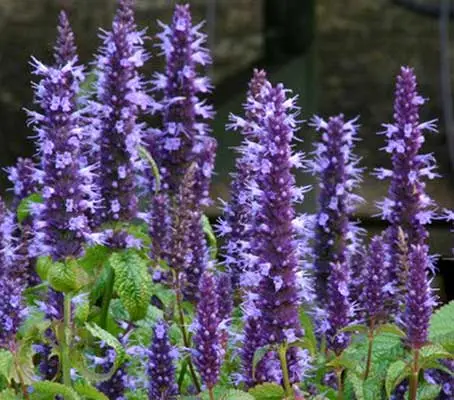
‘Astello Indigo’ is the most exciting breakthrough in Agastache yet. Awarded Europe’s coveted Fleuroselect Gold Medal, it is ideal for Northern European-type climates, they are at their best in more temperate conditions.
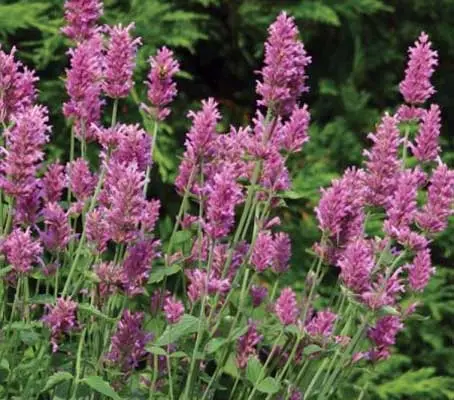
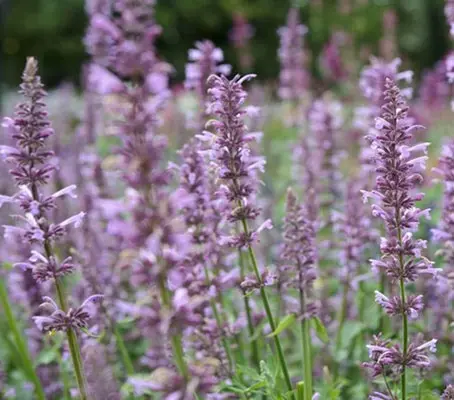
Agastache pallidiflora produces a continual mass of lavender-rose, scented flowers from June to September. The soft, touchable flower spikes must be one of the prettiest flowers of all this pretty family. Exceptionally long-flowering, they will flower in the same year given an early sowing and can be used as an annual.
Alcea rosea ‘Chater’s Rose’ is a dramatic, upright plant, with a spike-like inflorescence that is covered with large buds that open, in a staggered manner, from June to September, from the bottom to the top. Fully double and almost pom-pom in appearance, the fine crepe texture of the petals is so delicate that it allows light to pass through.
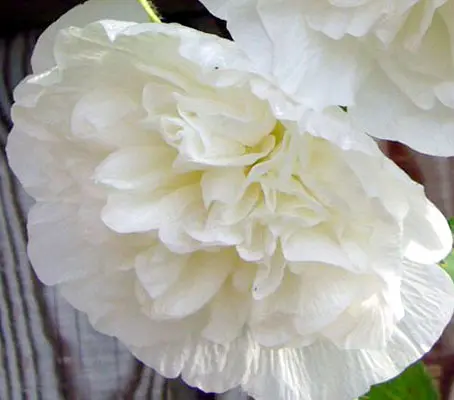
Alcea rosea ‘Chater’s White’ is a dramatic, upright plant, with a spike-like inflorescence that is covered with large buds that open, in a staggered manner, from June to September, from the bottom to the top. Fully double and almost pom-pom in appearance, the fine crepe texture of the petals is so delicate that it allows light to pass through.
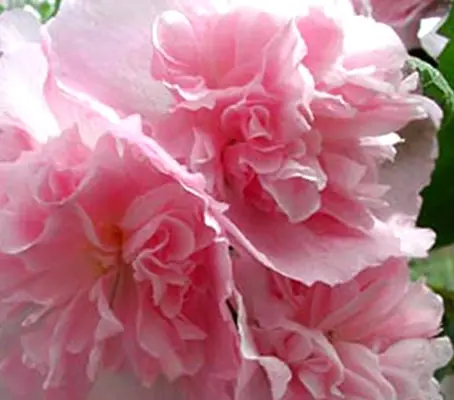
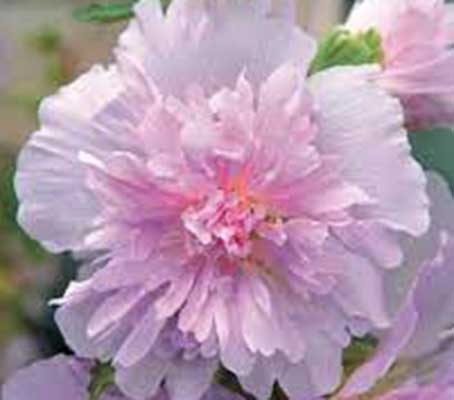
Softly ruffled, fully double blooms in a an elegant, romantic shade, a delicate blend of lilac-pink and rose. ‘Queeny Lilac Rose’ is a compact variety perfect for borders, pots, or small gardens. It flowers its heart out in the first year from seed, an unusual trick for a hollyhock.
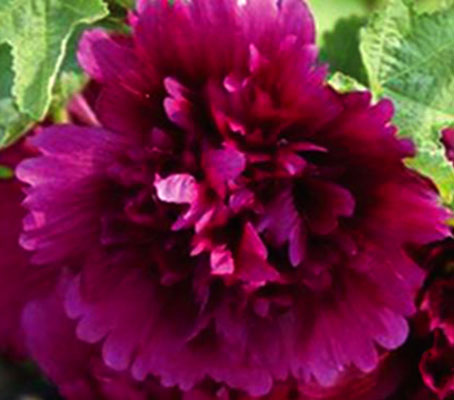
Alcea ‘Queeny Purple’ is a charming, compact hollyhock bred to bring all the grandeur of the cottage garden to smaller spaces. Unlike the tall varieties, it is a perennial that will bloom in its first year. Sturdy, well-branched stems are resistant to rust and are topped with rich, royal-purple blooms that open through to autumn.
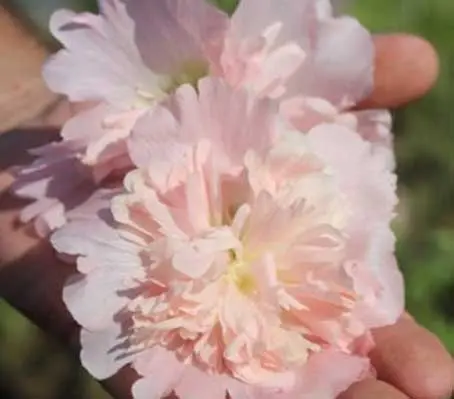
‘Queeny Salmon’ is a knockout hollyhock, shorter, showier, and dressed in ruffled petals the colour of antique blush silk. Sow either in spring or in late summer, the blooms are almost peony like, a beautiful soft pink that catches the light.
Ammi majus is tall, branching flower, with finely divided, feathery foliage. In summer, it bears an abundance of large round blooms made up of clusters of tiny white florets on tall, branched, slender stems. The delicate clusters add beauty and depth to bouquets and meadows alike.
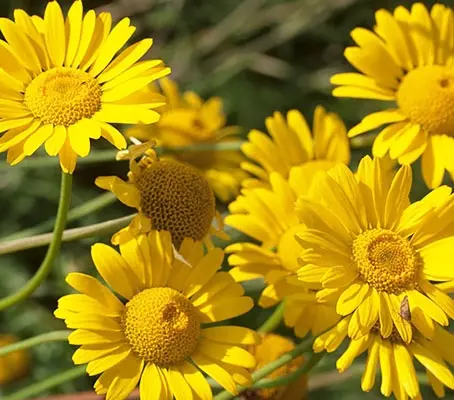
In horticulture Cota tinctoria is still widely referred to by its synonym Anthemis tinctoria. This beautiful aromatic, hardy perennial that is fast to flower and often used as a biennial produces masses of golden yellow daisies from June through to September. Historically used for natural dyeing, this is an ideal plant for naturalised and pollinator friendly plantings. Organic Seed. €1.75 – €5.95Price range: €1.75 through €5.95
€2.25
€1.75
€3.75 – €21.75Price range: €3.75 through €21.75
€2.20
€3.95 – €23.95Price range: €3.95 through €23.95
€2.45
€2.35