...

Sort by:

Sort by:

Sort by:

Sort by:
No. of Varieties: 12
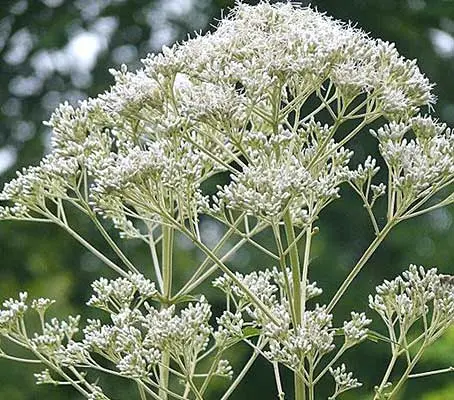
Hollow Joe Pye weed, Queen of the Meadow
Introduced in 2010, Eupatorium ‘Ivory Towers’ is relatively new to our gardens. This architectural plant bears generously clusters of ivory-white blooms which are long-lasting and beloved by butterflies. Given an early sowing, will flower the first year.
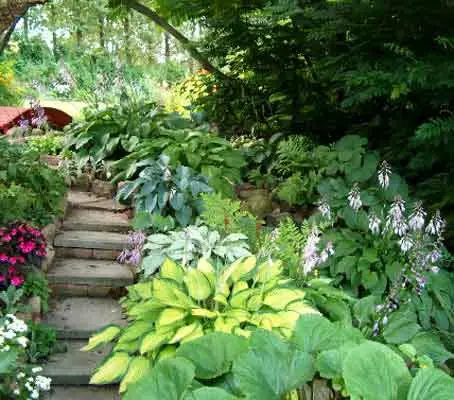
Corfu Lily or Funkia

Hosta are grown predominantly for their outstanding foliage, from leaves as small as a teaspoon up to those larger than a dinner plate, colours range from deep blues to silvers, darkest shiny greens to bright yellows, from a single solid hue to the myriad of variegations the choice is almost overwhelming.

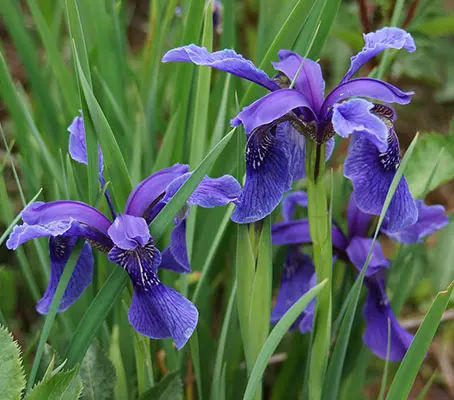
Bulley's Iris, Sino-Siberian Iris, Beardless Iris.

Iris bulleyana is a classic species Iris from western China. It belongs to a small group of oriental species which are entirely hardy and are of great value to the gardener. The plants are successful in any moist garden soil. Flowering from June to July, the blooms with mid purple flowers and dark purple veins.

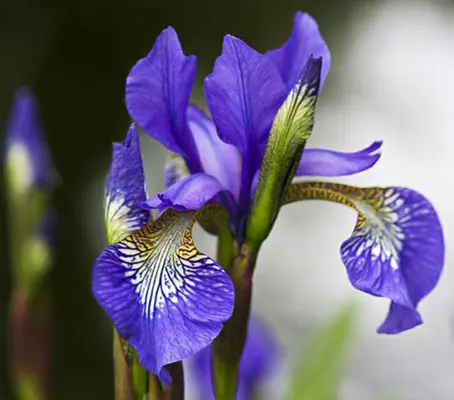
Northern Blue Flag Iris

Iris versicolor is one of the few species in garden cultivation. Although happiest at the waterside the plants will also perform well under average to moist border conditions. Flowering from May through to July, each stalk produces up to five violet-blue flowers with ruffled petals and bold purple veining.

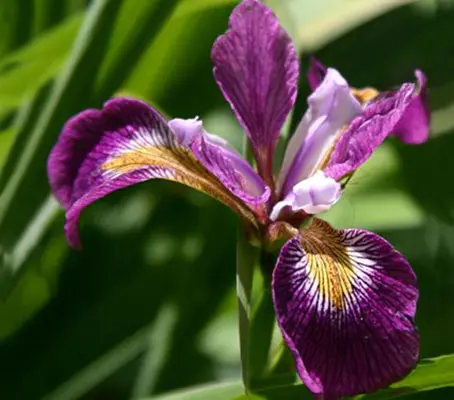
Northern Blue Flag Iris

‘Kermesina’ is an attractive and popular cultivar of Iris versicolor. Flowering from May through to July with claret-purple flowers with ruffled petals and bold purple veining. It may be grown in shallow standing water or moist shoreline soils and suitable to be grown in constantly moist humusy soils of a border.

Crimson Loosestrife

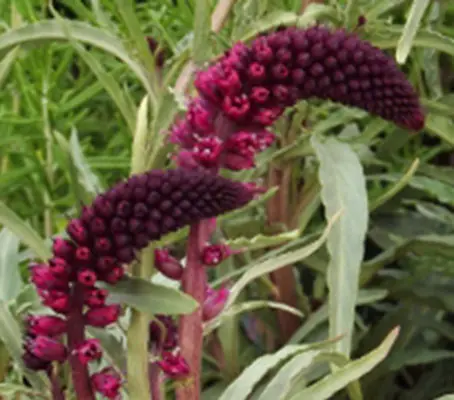
Recently introduced to gardens and a hit Chelsea Flower Show, Lysimachia ‘Beaujolais’ feature flower spikes of deep claret which bloom continuously from May to September. The plants give a good effect used in tight drifts through grasses and other perennials. Ideal for cutting, the dark flowers are adorable in bunches.

Red Sally, Long Purples
Wildflower of Britain and Ireland

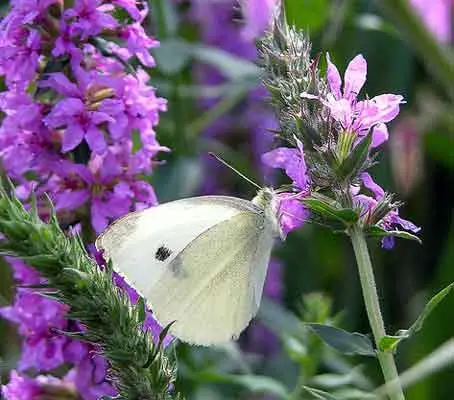
Magnificent and spectacular spikes of rose-purple flowers, which last from June throughout the summer distinguish this tall wetland plant. Purple loosestrife is an easy garden plant, thriving in any soil. It is a beautiful subject for late summer colour in a border, shrubbery, large pond or slow-moving water.

Kingcup, Marsh Marigold
Wildflower of Britain and Ireland
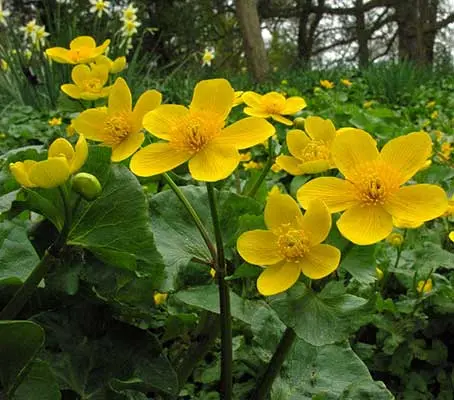
‘Caltha palustris, commonly called Marsh Marigold is one of the most cheerful native plants to adorn the edges of a pond or stream and possesses the added benefit of flowering in the shade. The plant’s yellow flowers and dark green shiny leaves cheer up the otherwise barren landscape as winter recedes.
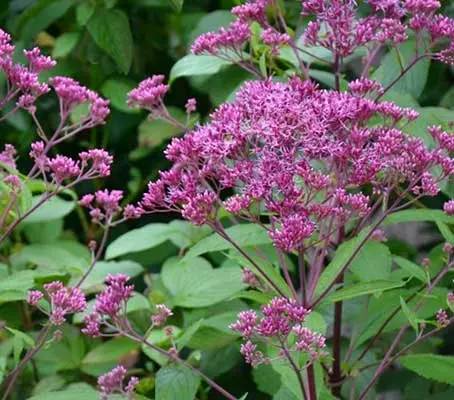
Spotted Joe Pye weed
Eutrochium purpureum subsp. maculatum

Crowned with large panicles of purple flowers, Eupatorium atropurpureum fall into the ‘naturalistic’ category. They share the physical characteristics of native species, albeit transplanted to another country.

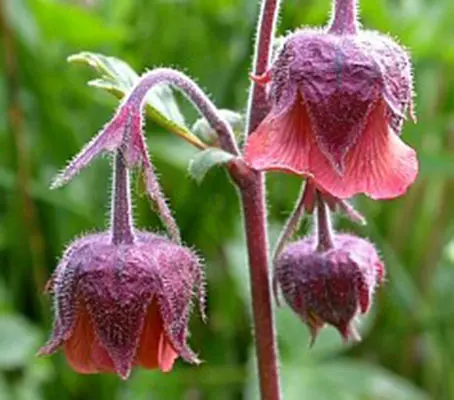
Water Avens

Geum rivale, the Water avens is a native perennial of slow-draining or wet soils. Flowering prolifically it is particularly useful in damp soils and makes a good show besides ponds. It produces both nectar and pollen and is an excellent plant for attracting pollinators and amphibians to the garden.

Fleur-de-lys, Flag Iris
Wildflower of Britain and Ireland
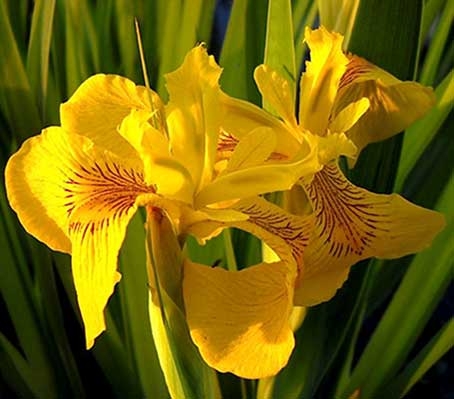
Yellow Flag Iris is a common and widespread native plant. This good-looking plant is a wetland plant that is especially showy in bloom and has been transplanted into well-watered gardens all over the world.
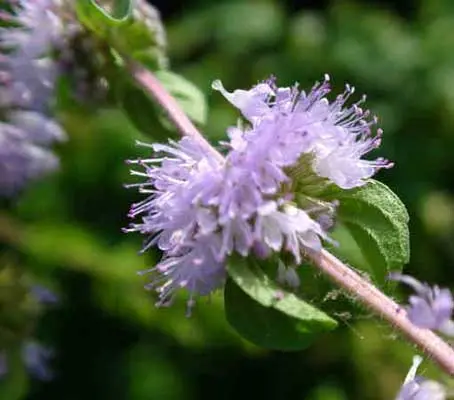
Pudding Grass, Pulegium
Wildflower of Britain and Ireland, Ancient Crop

Pennyroyal is a cottage garden plant of old. This highly aromatic herb has a strong peppermint scent to its dark green leaves, even more so than other mints.With attractive whorls of lilac-blue flowers, it can be used to carpet a shady corner or make a ‘lawn’ smelling deliciously of peppermint.