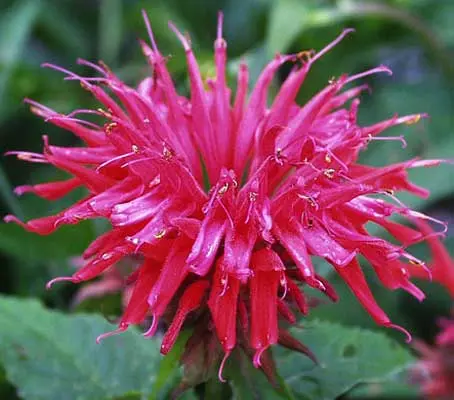
‘Panorama’ must be rated a marvelous achievement in the perfection of the whorls of flowers and the brilliance of the colours. In many shades of scarlet, bright red, pink, salmon and crimson, each plant bears up to 20 long stems. They are as long-lasting as they are dramatic and excellent for cutting.
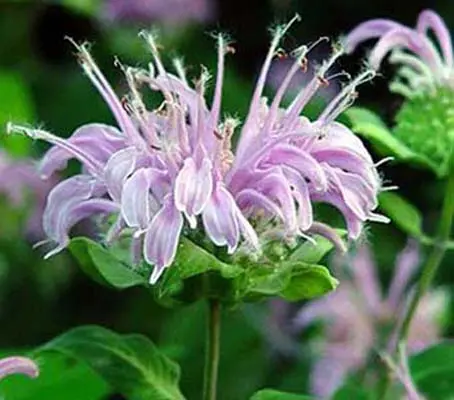
Monarda fistulosa, also known as Bergamot is famed for its medicinal qualities. While in the perennial border these lovely plants produce a mass of mauve-purple blooms (even in their first year from an early sowing) and have uniquely scented foliage. Highly attractive to bees and butterflies.
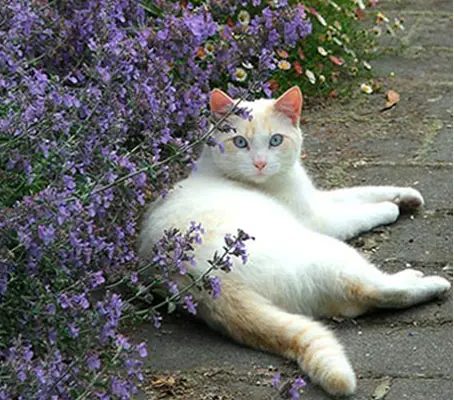
Veteran gardeners are probably already aware of nepeta’s versatility in the garden. From its popular partnering with roses to the softening effect it has on hard edges. Nepeta is an ideal perennial for new gardeners and, of course, cats adore it.The Bees and Butterflies Mix of flowers is a carefully chosen range of over 30 annual flowers that are rich in both nectar and pollen that both bees and butterflies adore. They will flower within six to eight weeks and provide you with pleasure throughout the summer.
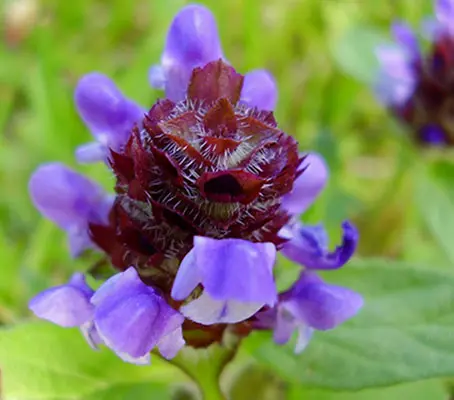
Prunella vulgaris is an interesting and quite beautiful little wildflower plant. The plants produce pretty blue-violet flowers in summer, the flowers freely produce nectar and are highly attractive to bees. If you’re looking for something to add to a meadow garden, or something for those shady areas this is the plant for you.
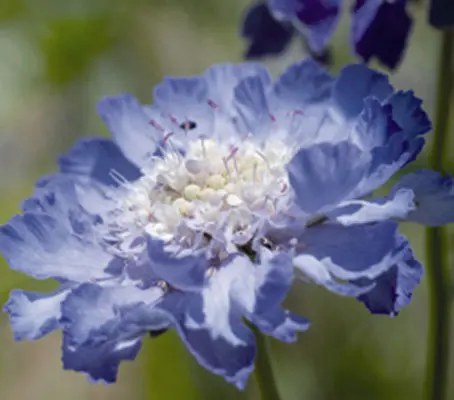
‘Fama’ is a most elegant flower. With long stems and intense blue blooms, it is the largest flowering and most uniform strain of the Blue Pincushion. They mature into dense tufts of lance shaped, grey-green leaves from which arise a beautiful display of intense lilac-blue flowers each with a silvery centre.
Scabiosa caucasica ‘Fama’ is a most elegant flower. With long stems and intense blue blooms. Beloved by flower arrangers, it is the largest flowering and most uniform strain of the perennial blue pincushion.
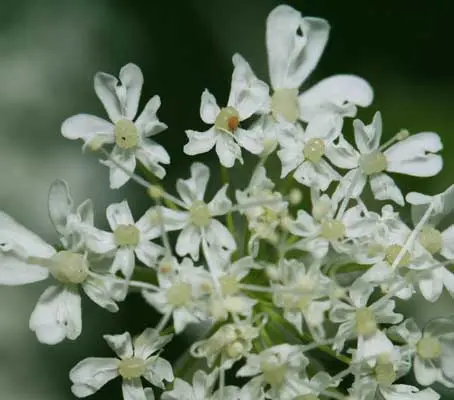
Sweet Cicely is an attractive plant that is a striking component of herb gardens and hedgerows. Growing to around 90cm, umbels of tiny white flowers appear from spring to early summer. Formerly a widely cultivated culinary herb, the fern-like leaves are deeply divided and smell of aniseed when crushed.
As they say, white goes with everything and among theme gardens, the white garden may be the most popular. The White Garden Flower Mix gives a selection of spectacular, bright white annual flowers. Calm, soft and serene this beautiful mix will carry borders into early winter with panache.
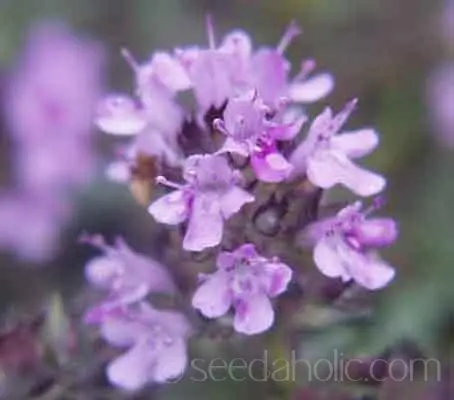
Thymus serpyllum is one of the most versatile groundcovers. Forming dense evergreen cushions of flowers these low maintenance plants don’t require mowing, watering or care, and can take a lot of abuse. Its leaves can be used as a culinary herb and its uses in the garden are almost unlimited.
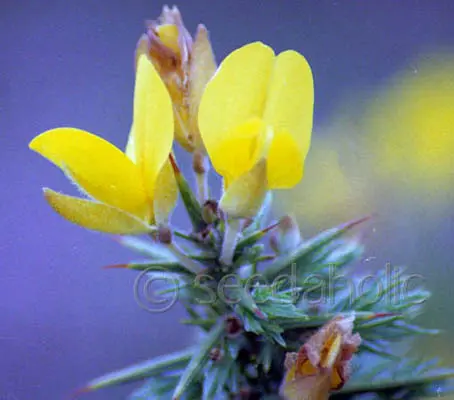
Gorse are usually associated with western Britain and Ireland. At its best in spring, it blooms with an explosion of yellow, the flowers have a distinctive strong coconut scent. Gorse bears some flowers year round, hence the old country phrase: “When gorse is out of blossom, kissing is out of fashion”.
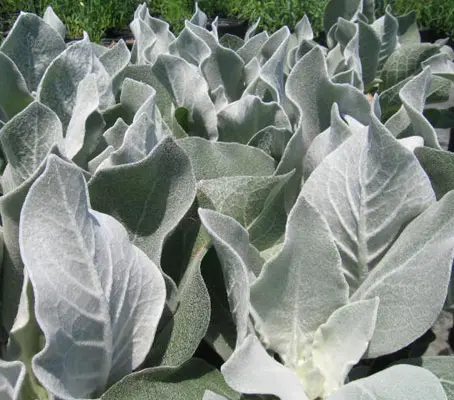
One look at this species of Verbascum and you will realise why it is also called ‘Arctic Summer’. Tall, white, fleecy flower stems emerge from felted evergreen leaves in early summer. Its stems and leaves are covered in a silvery down that gives it an appearance of being permanently covered with frost.
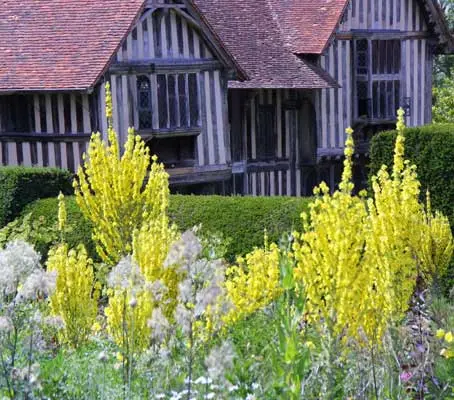
Verbascums are statuesque in both foliage and flower. This elegant species, native to the Olympus mountains is arguably the finest of the genus. Tall flower spikes rise from the centre of the foliage, each are weighted heavily with bright, golden-yellow blooms giving the effect of an enormous candelabra.
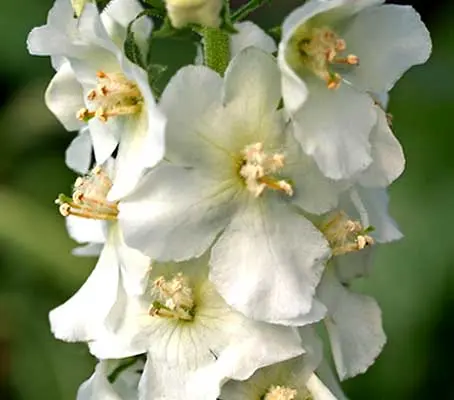
Verbascum ‘Snow Maiden’ is an incredibly beautiful mullein that grow to just 36 to 48cm tall. With masses of soft white flowers each with delicate yellow filaments they flower in June and continue to appear over a long summer, often right through to September. Very easy to grow from seed.
The poise of the lovely Verbascum phoeniceum ‘Flush of White’ makes this plant a natural candidate for the front of the border, even though its height might suggest, that it should go at the back. In summer winds, which snap off delphiniums and toss sunflowers awry, the Verbascum stands defiant.
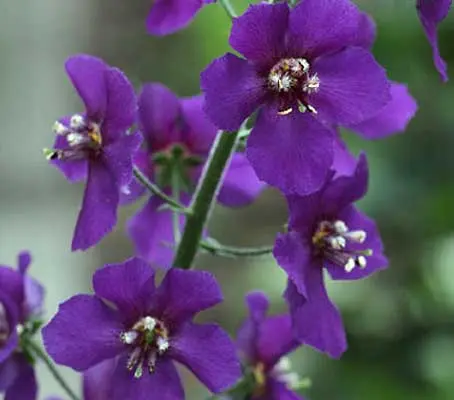
Relatively new to cultivation Verbascum phoeniceum ‘Violetta’ is the smallest growing of the perennial Verbascums. Soundly perennial and drought tolerant it produces delicate flower spikes with whorls of tissue thin purple blooms that ascend to the finest point. It is by far the darkest flowered mullein available.
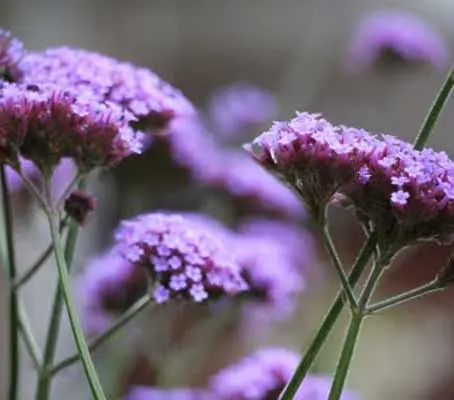
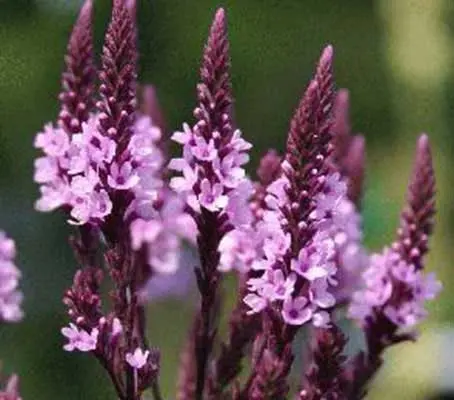
Verbena bonariensis is a very useful plant. The flowers, on tall, slim delicate stalks dance in the wind. It is a graceful counterpart to larger flowers and invariably compliments the landscape without overwhelming any of it.Verbena hastata ‘Blue Spires’ is the blue form of this lovely perennial, with multi-branching candelabra-like flower heads, the flowers slowly expand as they ascend the stems like burning sparklers. The flowers appear in mid-late summer and will last into late autumn.
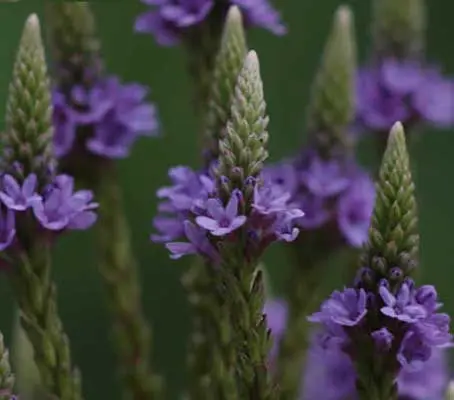
Verbena hastata ‘Pink Spires’ flowers with multi-branching candelabra-like flower heads. Appearing in mid-late summer and lasting into late autumn, this hardy plant does not need staking, and provides lots of mid to late summer colour in the garden.
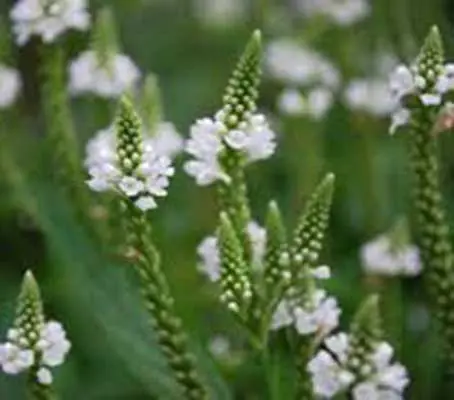
Verbena hastata ‘White Spires’ is one of the choicest species available. It produces masses of pure white flowers on architectural flower heads. Its sheer volume of flowers make it a real winner. It is understandably increasing in popularity as it becomes more readily available.
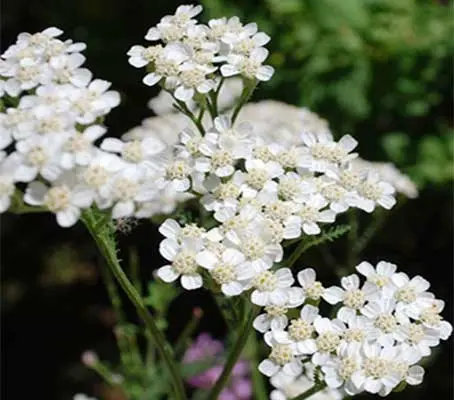
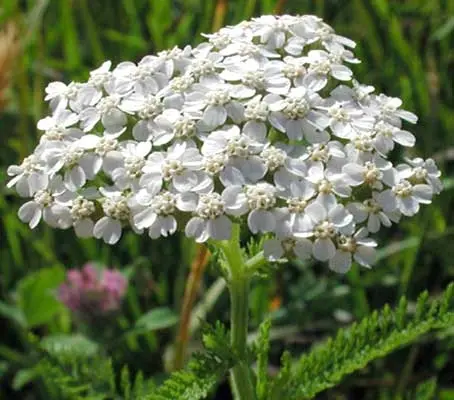
Achillea millefolium ‘Proa’ is an improved yarrow, a selected form that is higher yielding, with higher essential oil content, better flower production, and the flowers are more uniformly white. Preferred by those who use yarrow medicinally.
These native wildflowers have clustered flower heads of tiny white flowers that from a distance look like little patches of snow resting on the grass. This famous herb is terrific as a wildflower clump in a blooming meadow, they are also a favourite for cut and dried flower arrangements.
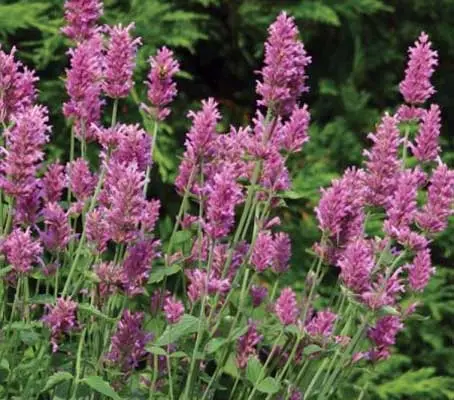
Agastache ‘Arcado Pink’ is a magnificent first year flowering perennial. An extremely floriferous variety with lovely purple-pink flower spikes and fresh green aromatic foliage. This Fleuroselect Novelty Award Winner is both vibrant in colour and stamina. The aromatic leaves are edible, young growth can be sprinkled in salads, used to decorate cakes, to make a tea or floated in drinks. Agastache added to your Pimms lifts it to a higher sphere altogether.
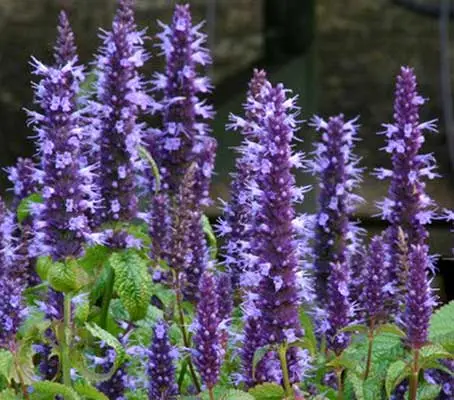
‘Astello Indigo’ is the most exciting breakthrough in Agastache yet. Awarded Europe’s coveted Fleuroselect Gold Medal, it is ideal for Northern European-type climates, they are at their best in more temperate conditions.
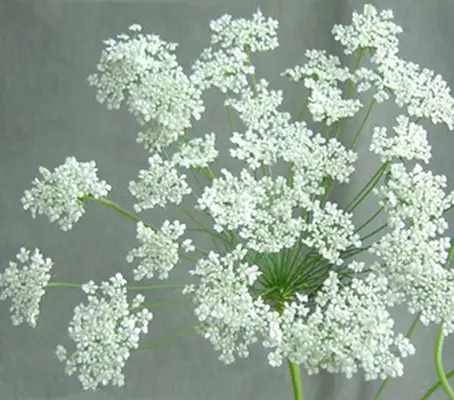
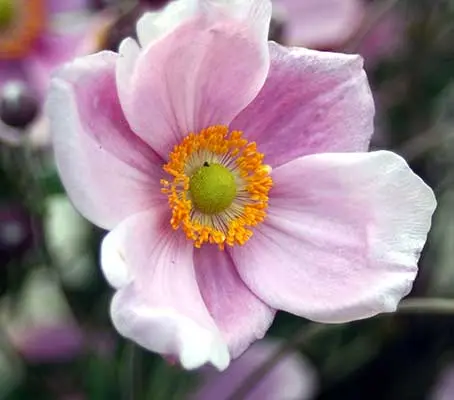
Ammi majus is tall, branching flower, with finely divided, feathery foliage. In summer, it bears an abundance of large round blooms made up of clusters of tiny white florets on tall, branched, slender stems. The delicate clusters add beauty and depth to bouquets and meadows alike.Japanese Anemones bloom with gently cupped flowers in white through pale pink into pinkish purple. Blooming from August to late October, they help push the show into autumn and provide colour when most gardens begin to fade.
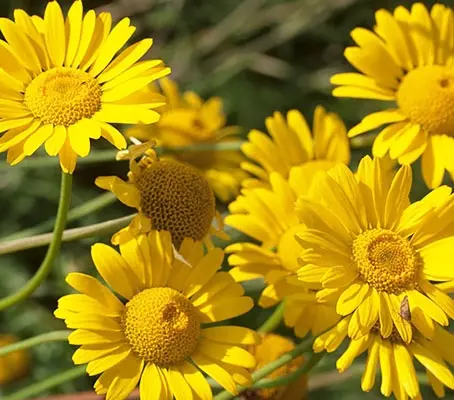
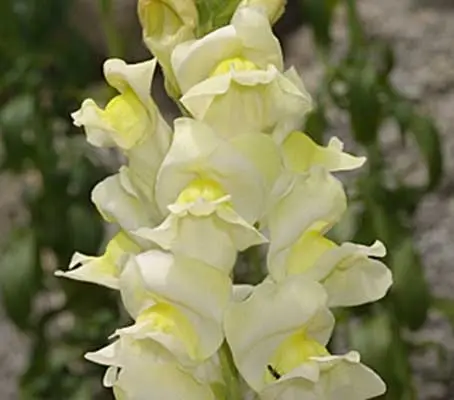
In horticulture Cota tinctoria is still widely referred to by its synonym Anthemis tinctoria. This beautiful aromatic, hardy perennial that is fast to flower and often used as a biennial produces masses of golden yellow daisies from June through to September. Historically used for natural dyeing, this is an ideal plant for naturalised and pollinator friendly plantings. Organic Seed. In addition to having one of the most unusual names, Antirrhinum braun-blanquetii, is also one of the few hardy perennial species of snapdragon. Named for Josias Braun-Blanquet an influential 20th century Swiss botanist it bloom the first year from seed producing numerous spikes from which delicate yellow, large snapdragon blooms appear.
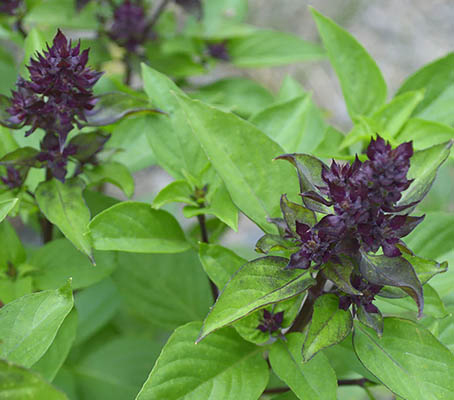
Part of the ornamental Spice Boys range, Basil ‘Queen of Sheba’ is one of the most ornamental varieties available. Intense purple flowers on tall flowering spikes rise above bright green, highly aromatic foliage. In the kitchen it is particularly well suited to Thai and Asian cooking, though it works just as well stirred through a simple pasta or tomato sauce.
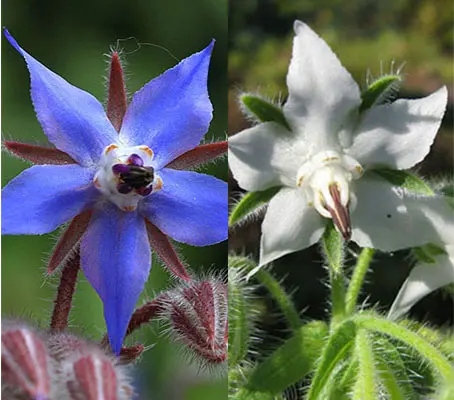
The herb borage is a well known annual with beautiful sky blue flowers and succulent foliage. Not so well known and not often written about is the equally beautiful form ‘alba’ which boast pure white, perfectly star-shaped flowers. This mixed pack of seeds gives both blue and white forms.
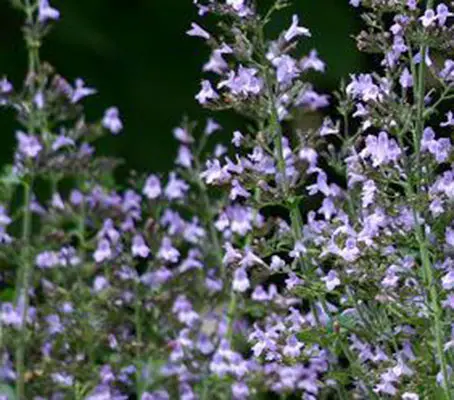
Calamintha nepeta is a very attractive bushy, perennial that should be in every garden. Easily grown from seed with clouds of tiny, lilac-mauve flowers that bloom until late September. The leaves exude a lovely minty scent when crushed and the flowers are true bee pasture.
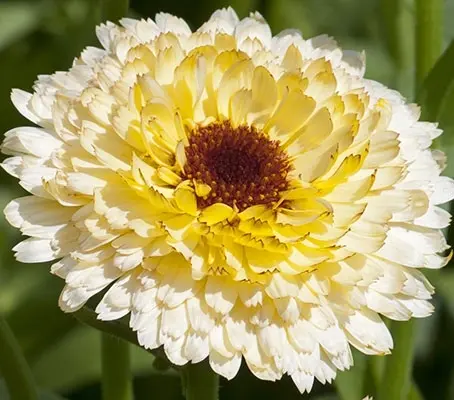
Calendula officinalis ‘Cut Flower Mix’ is a specially selected mix of colours and types, each with long stems designed for cutting. They grow to a height of around 70 to 80cm, are an excellent variety for borders and make a stunning cut flower. Clip spent flowers to achieve a longer blooming season.
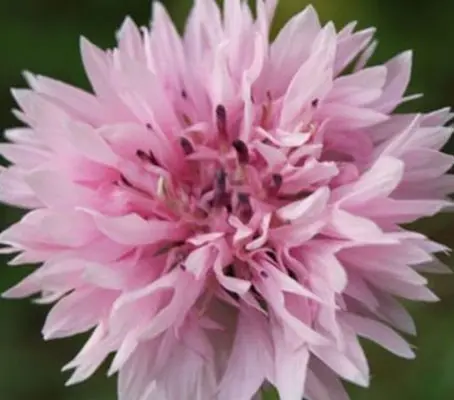
The Ball series, also known as the Boy series, feature double flowered blooms on tall stems for garden or cutting. This pink flowered cultivar boasts wonderful full flowers on densely branched upright plants. With lance shaped, long and graceful leaves, the upper half of the plant has multiple stems which produce many flowers from early summer until frost.
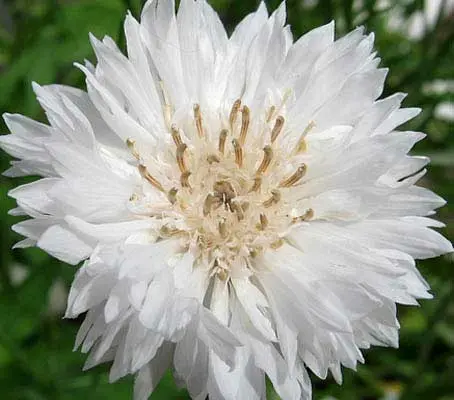
Cornflowers are great plants for the cutting garden or border, and this fine cultivar is no exception. Centaurea ‘White Boy’ is a double flowered cultivar with wonderful fluffy, white flowers on densely branched upright plants. This is the white member of the series which is also known as White Ball and Snowman
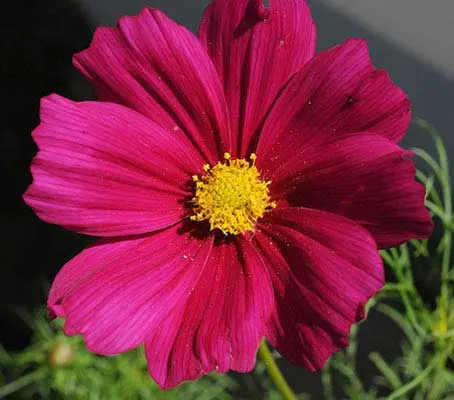
Cosmos is a glorious annual unrivaled as long-standing performers in a garden. ‘Dazzler’ is a relatively new addition, with large, open flowers of carmine pink and delicate, feathery foliage. It is a superb cut flower and an exceptional annual for mixed beds and borders, cottage gardens and mass plantings.
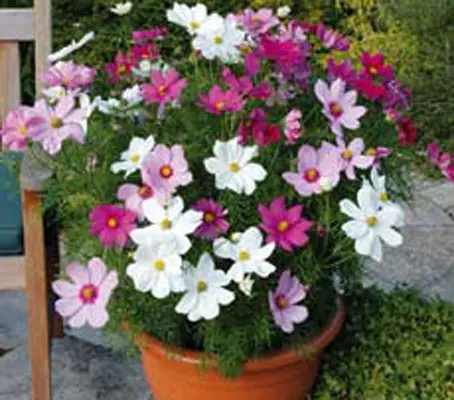
Dwarf cosmos are very easy to grow, quick to flower from seed and thrive even on poor soil. ‘Dwarf Sensation Mix’ bloom over an extended period of time in shades of carmine, pink, pink blush and white. Growing to only 60cm they can be grown in beds or even large containers.
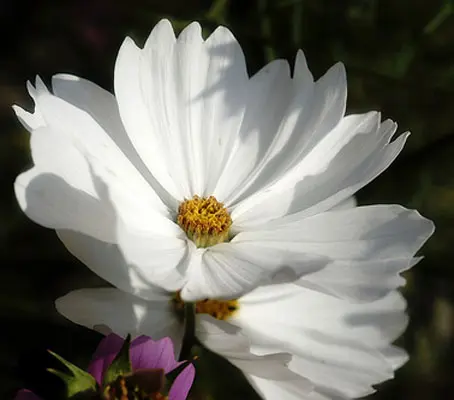
Cosmos bipinnatus ‘Purity’ is the definitive white cosmos. Large, graceful, saucer-shaped blooms float over a haze of mid-green feathery foliage, Rising to a graceful 90 to 120cm they flower in fourteen weeks with wave after wave of clear white blooms. An excellent no fuss annual that is very easy to grow and thrives on minimal care.
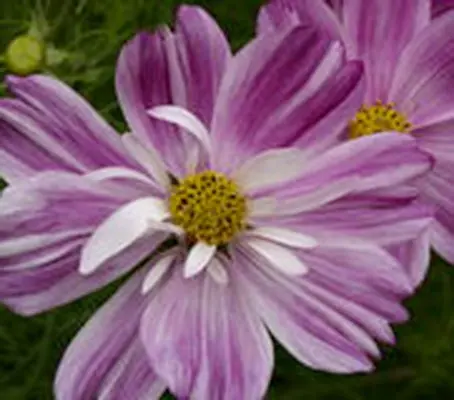
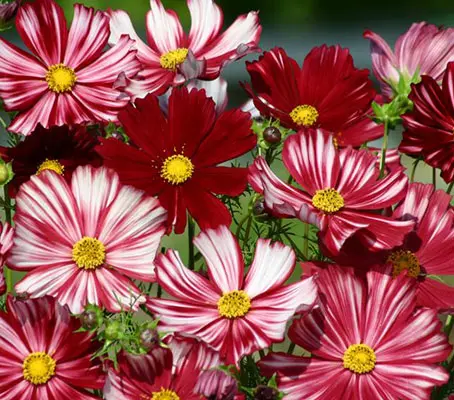
‘Rosetta’ is an outstanding new variety of Cosmos that has earned the Fleuroselect Award for colour pattern, flower size and shape. Subtle, delicately striped blooms in romantic shades of blush pink and rose, some with an inner collarette of smaller fluffy petals, over light airy foliage.
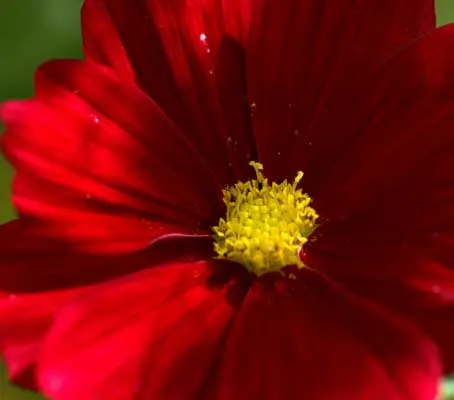
Conjure up the colour red, fix it in your mind’s eye, and fast forward to a much warmer, dare I say sizzling time in your life…. and then imagine this colour in a flower. Let me introduce you to Cosmos Rubenza. It is red that combines favourably with other colours. The very same colour as Dorothy’s shoes – the ones that got her back to Kansas.
Cosmos bipinnatus ‘Velouette’ is an exceptional new variety with unique dark red blooms, the same sizzling dark red as Rubenza. Semi-dwarf, early flowering and uniform, they give a wonderful effect when planted in combination. They will start to bloom in as little as 70 days from sowing, going on to offer to six months of colour from May to October.
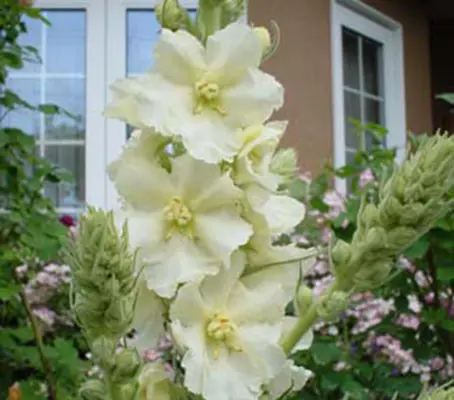
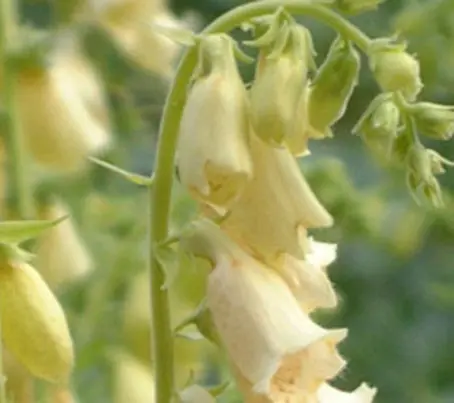
There are not many yellow flowering foxgloves and as they are so rare each one is joyfully celebrated. Digitalis ‘Cream Bell’ is one of the few truly perennials. Extremely hardy it bears upright stalks of beautiful creamy-yellow bells. A lovely soft shade that blends with almost anything in the garden.
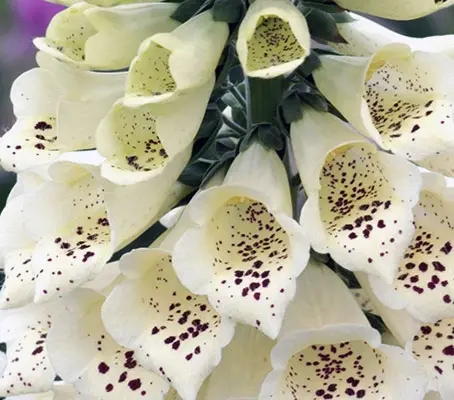
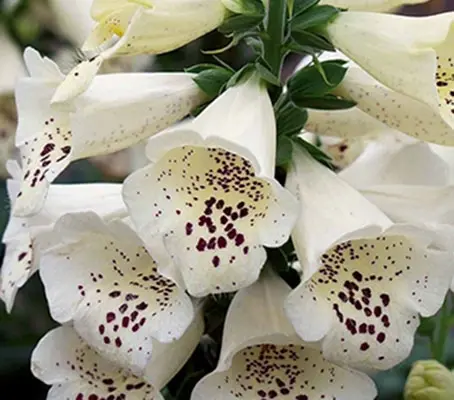
Digitalis purpurea ‘F1 Camelot Cream’ produces towers of a delicate buttercream colour, the dense spikes of blooms are borne all the way around the stem. Developed to flower in the first year, they can be sown anytime from January to September. This premium series has been developed for florists to be first year flowering, with good-quality, dense spikes that are long flowering and well-branched, Digitalis ‘F1 Camelot Lavender’ produces towers of an exquisite colour with blooms borne all the way around the stem.
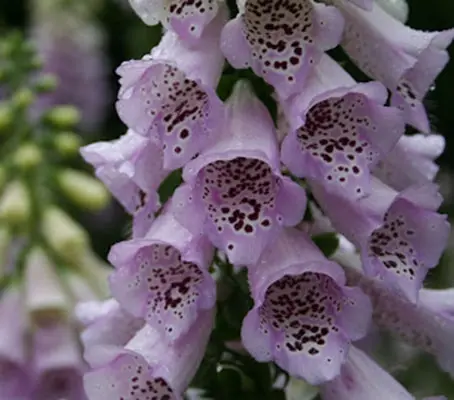
Developed for florists to be first year flowering, this premium series produces dense spikes that are long flowering and well-branched. Digitalis ‘F1 Camelot Rose’ produces towers of an exquisite colour with outward facing blooms borne all the way around the stem.
Digitalis purpurea ‘F1 Camelot Cream’ produces towers of a delicate buttercream colour, the dense spikes of blooms are borne all the way around the stem. Developed to flower in the first year, they can be sown anytime from January to September.
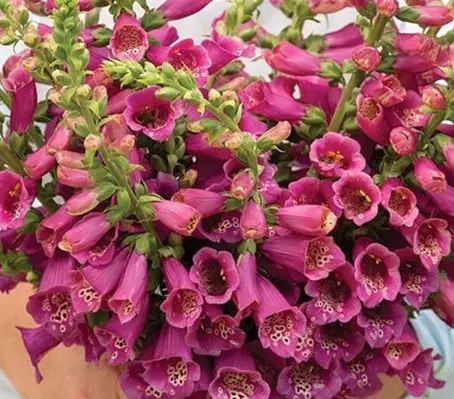
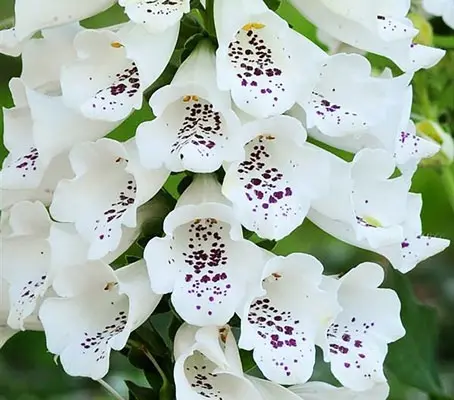
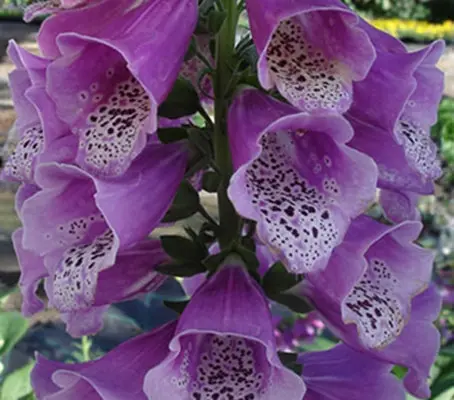
Early flowering and fast growing, award winning Digitalis ‘Dalmatian Purple’ produces towers of gorgeous lavender-purple blooms with deep mauve interior markings. The good-quality spikes are uniform in height, well-branched with excellent habit and compact foliage.
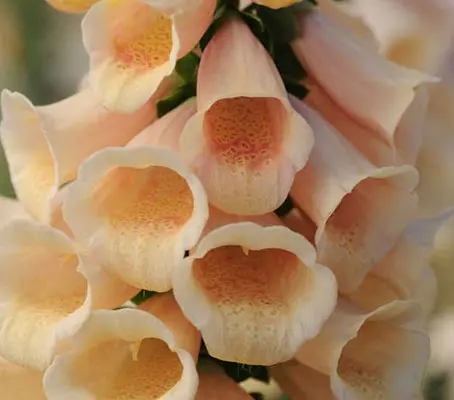
Early flowering and fast growing, award winning Digitalis purpurea ‘Dalmatian Peach’ produces towers of swoon-worthy peachy blooms with freckled interiors. A huge bonus is that the series blooms the first year from an early indoor sowing. Sow successionally for continuity of blooms
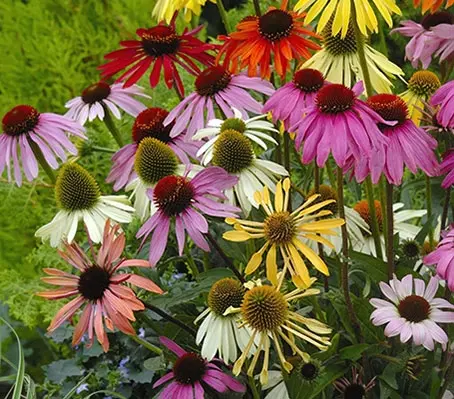
Early flowering and fast growing, award winning Digitalis ‘Dalmatian Purple’ produces towers of gorgeous lavender-purple blooms with deep mauve interior markings. The good-quality spikes are uniform in height, well-branched with excellent habit and compact foliage. A complete innovation, Echinacea ‘Cheyenne Spirit’ is the latest Gold Medal Winner. Not limited to one colour, each plant can bloom in a sumptuous range of colour, gold, orange, scarlet, purple, cream and yellow. First year flowering and a must have for borders.
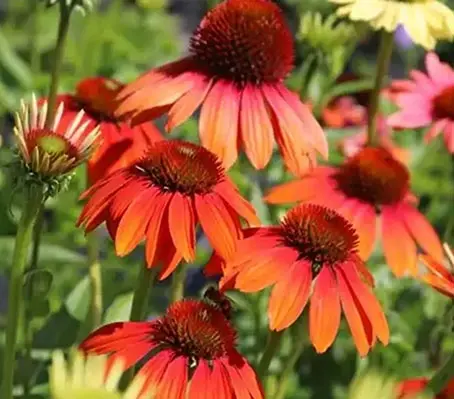
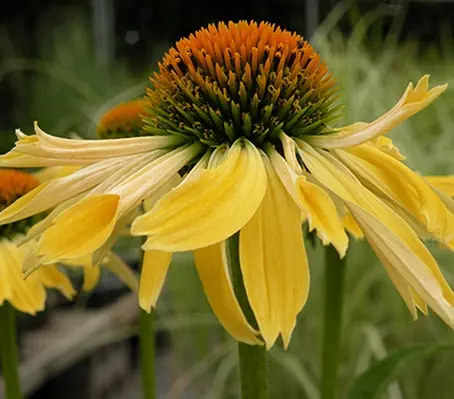
Echinacea ‘Paradiso’ is an outstanding series, distinguished by the exceptionally large flowers in a large range of shades including some lovely, soft hues. Very easy to grow, the plants thrive in average soils or hot, dry conditions, shrug off cold, and are equally at home in full sun or partial shade.
Echinacea ‘Magnus’ is an outstanding selection of the ‘Cone Flower’. Distinguished by the warm bright colour of its exceptionally large flowers, and horizontal petals. It has for many years been one of late summer’s most garden worthy forms.
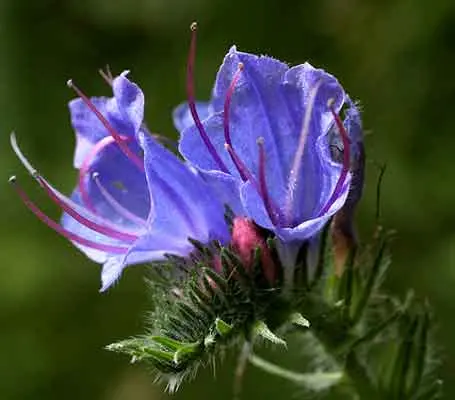
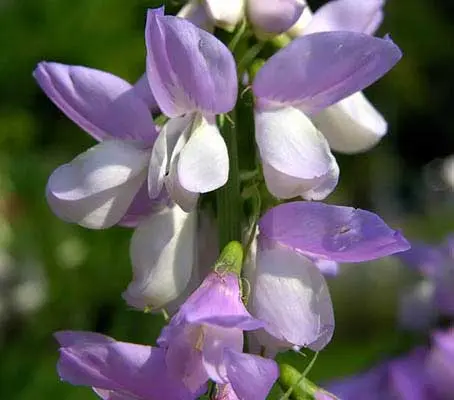
Viper’s bugloss is one of, if not THE very best plant to attract bees to your garden. Along with Borage and Phacelia, the plant is much loved by almost all bee species, especially bumblebees. For months this plant is a stable source of nectar. Organic Seed.Galega officinalis is an ancient ornamental plant that produces a delightful natural effect in the garden. The plants errupt in spring to produce countless sprays of fragrant lavender-blue flower spikes.
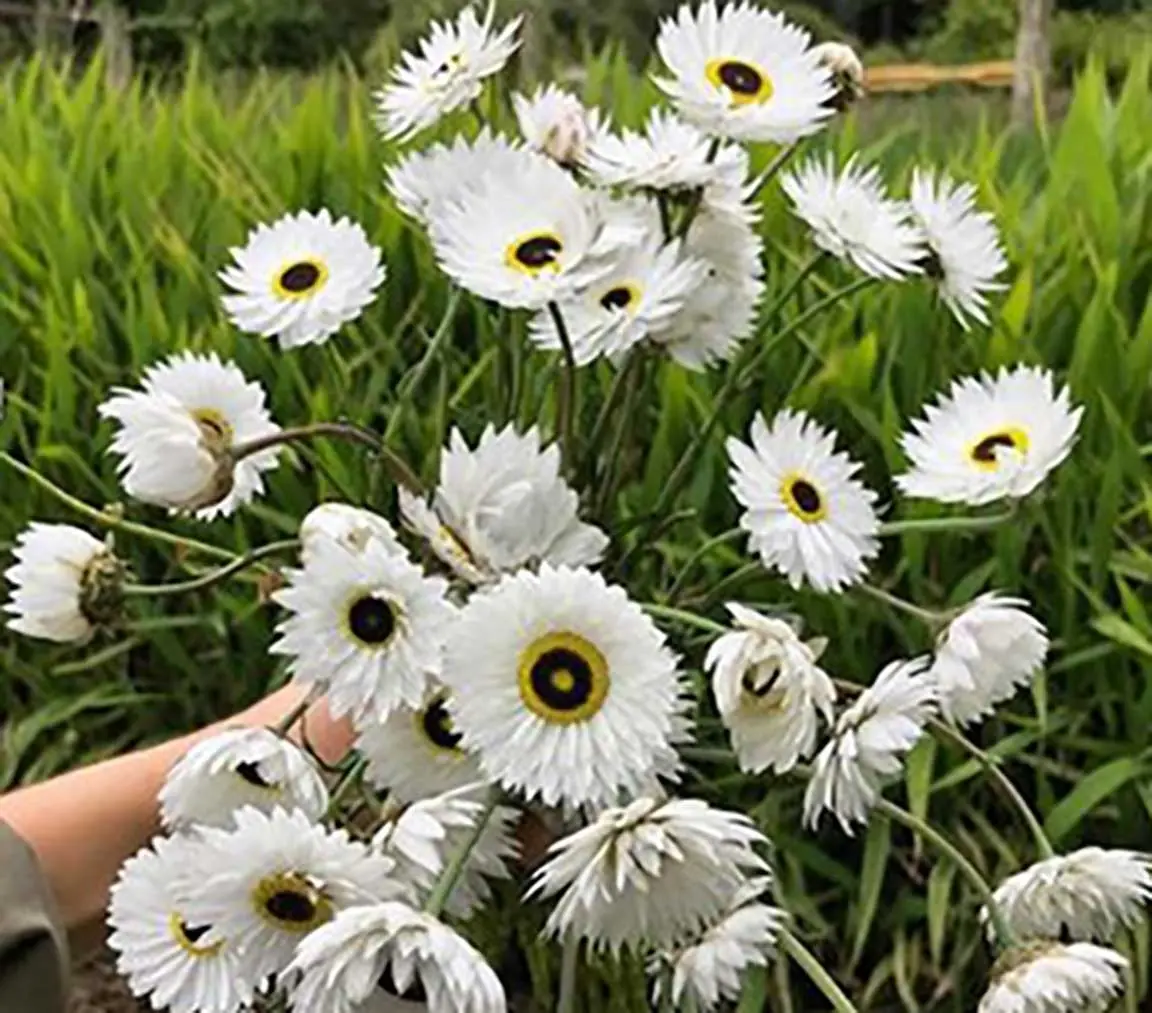
Helipterum ‘Pierrot White’, commonly known as Everlasting Daisy or Paper Daisy, is a stunning annual flower that is prized for its papery white petals. The crisp contrast between the petals and black and golden disk florets gives the flowers a striking appearance, making them a popular choice for both fresh and dried floral arrangements.
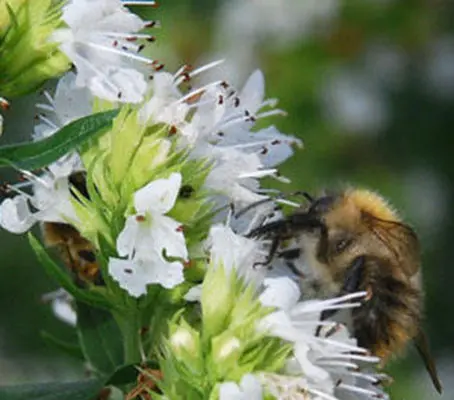
Hyssop famously attracts bees, hover-flies and butterflies. It makes excellent honey and is a must for any wildflower garden. Some beekeepers rub the hive with it to encourage the bees to keep to their home. In cooking, use the same way you would Rosemary. Organic Seed.Hyssopus officinalis ‘Alba’ is a much less well known variety of hyssop. Also known as ‘White Hyssop’ the plants sport bright white flowers from July to October. Widely used as a ‘taste enhancing’ herb or wildlife plant, the plants are a dark, vibrant green with a spiky, upright habit and narrow tongue-like leaves which have a peppery scent when stroked.
€1.75
€3.75 – €21.75Price range: €3.75 through €21.75
€3.95 – €23.95Price range: €3.95 through €23.95
€2.75 – €9.75Price range: €2.75 through €9.75
€2.35
€2.45
€2.45