Skip to content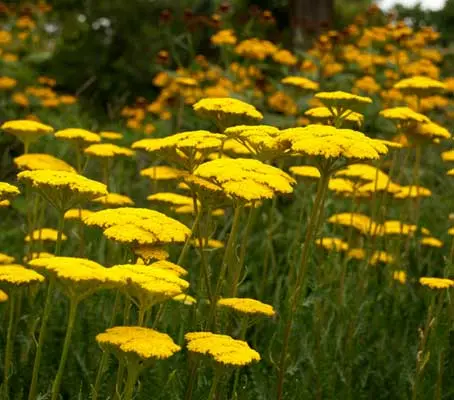
 Achillea filipendulina ‘Cloth of Gold’ is an easy to grow plant which tolerates a fair amount of neglect which makes it a very versatile plant for use in many situations. It does require full sun for best flower production, but this is little to ask for such a grand reward.
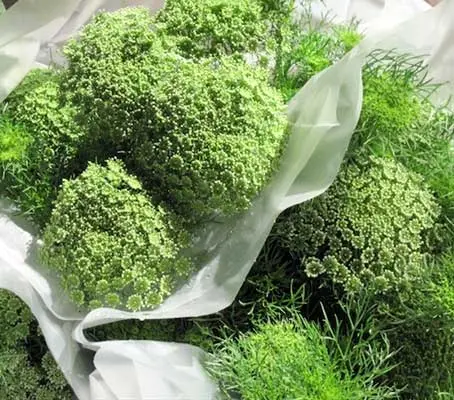
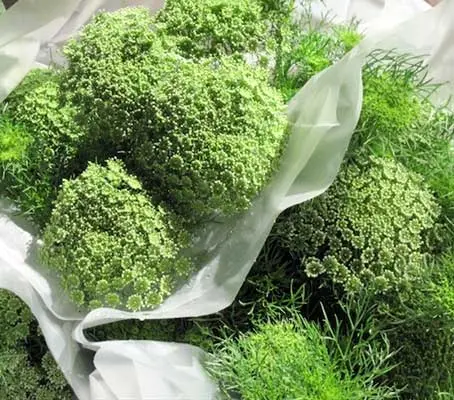
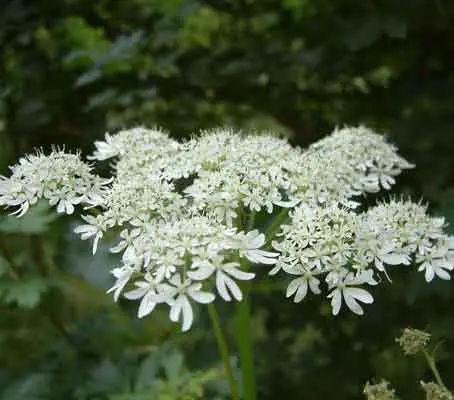
 Ammi lends a delicate airiness to any border and is often used to create a cohesive flower bed. It associates well with both annuals and perennials and makes an excellent addition to wildlife gardens, luring bees and butterflies to the nectar rich flowers. Organic Seed.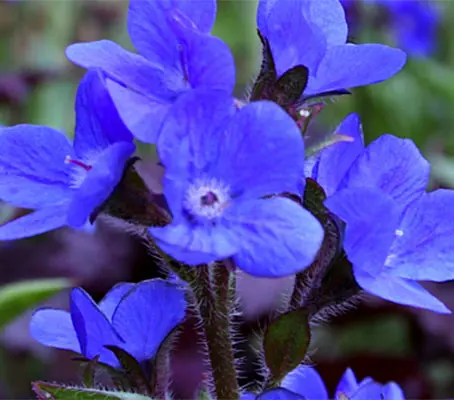
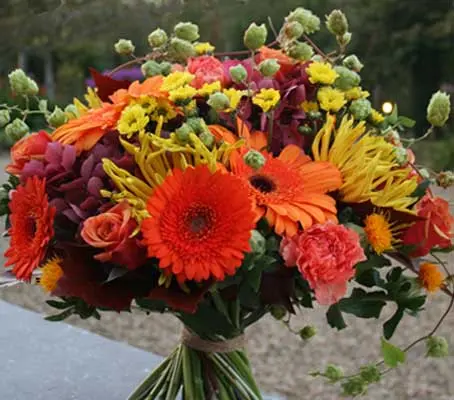
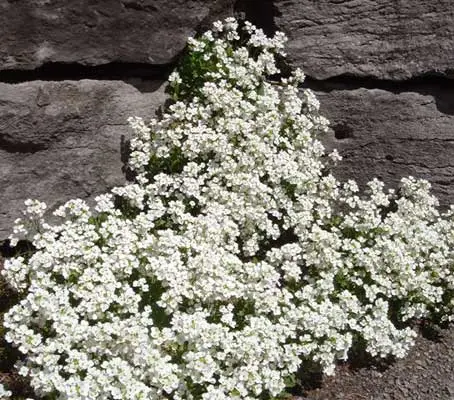 One of the earliest spring flowers to appear, Arabis ‘Snowcap’ with dense masses of snow-white flowers looks wonderful in containers or under spring-blooming bulbs, the pretty white flowers will fill the void when yearning for blooms is tugging at your core.
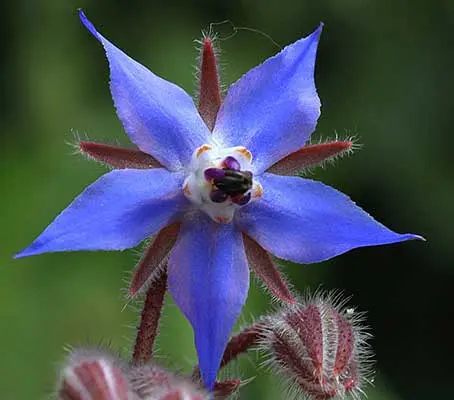
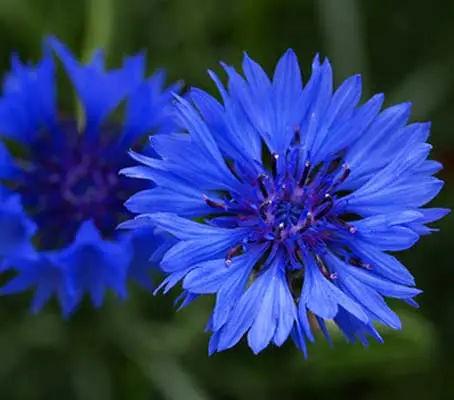
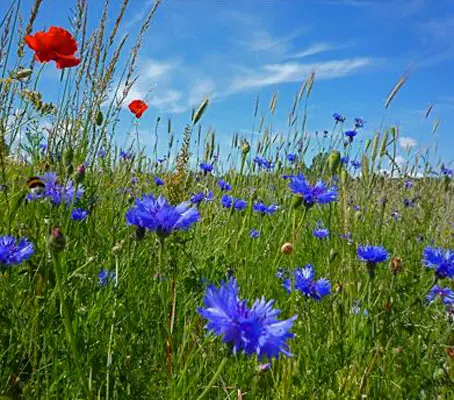
 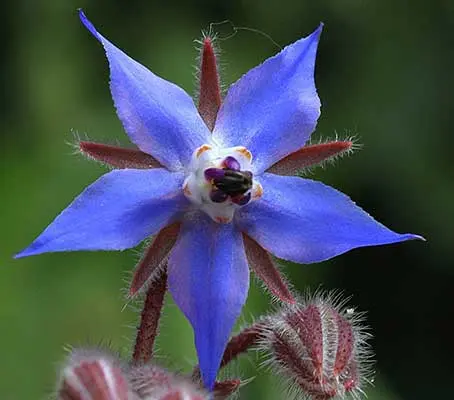 The beautiful blue star-shaped flowers of Borage are edible with a cool cucumber flavour. Use them as garnish in fruit cups, summer drinks, wines and Pimms. Garden visitors can be converted to herbal advocates simply by offering a taste of its flower! Organic Seeds.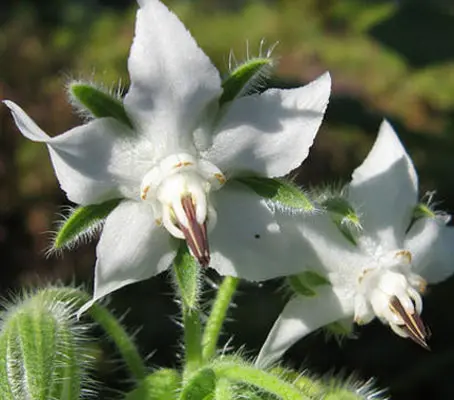
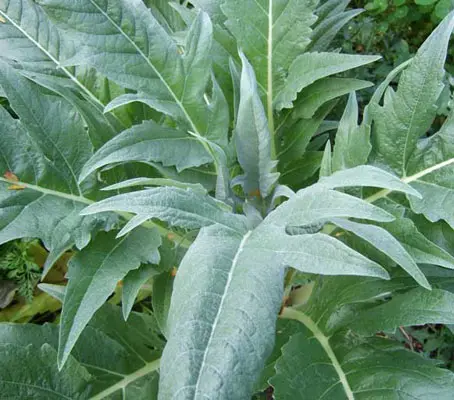 Whether you are into the culinary arts or edible landscapes, you may want to put this plant at the top of your list. Chosen by the RHS as one of the top plants of the last 200 years, Cardoons are aristocrats in both the ornamental and the vegetable world.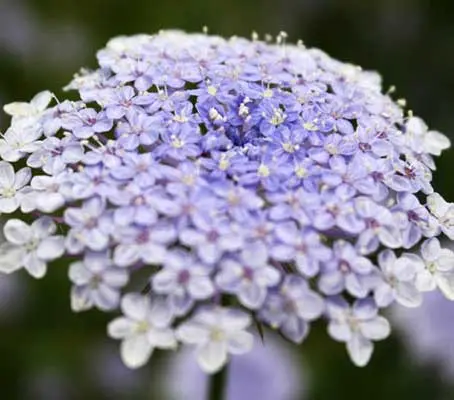
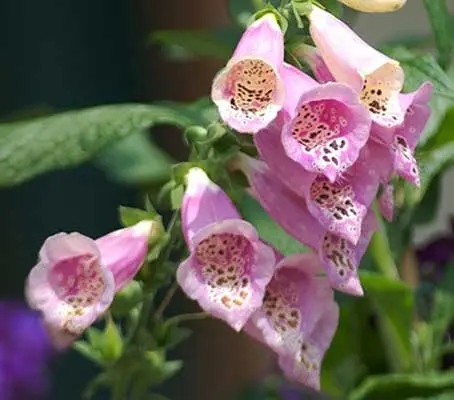
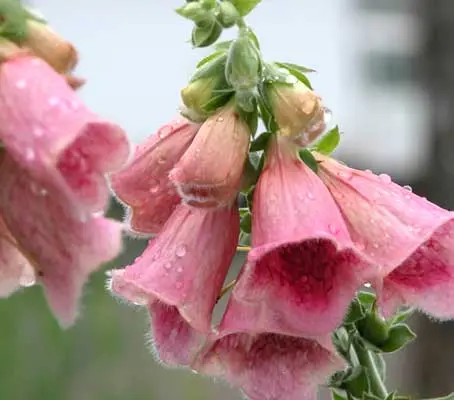 This striking and robust foxglove, a hybrid between the pink flowered D. purpurea and the yellow flowered D. grandiflora produces a beautiful mix of the two shades. Warm pink, speckled flowers that are larger than the traditional foxglove.
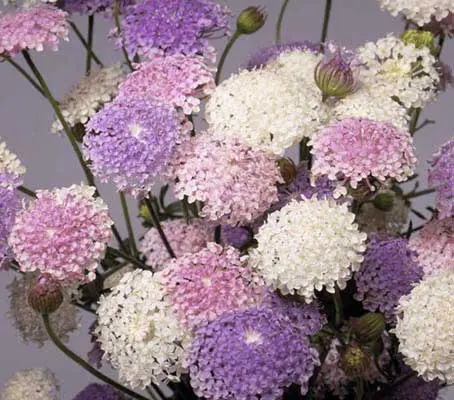
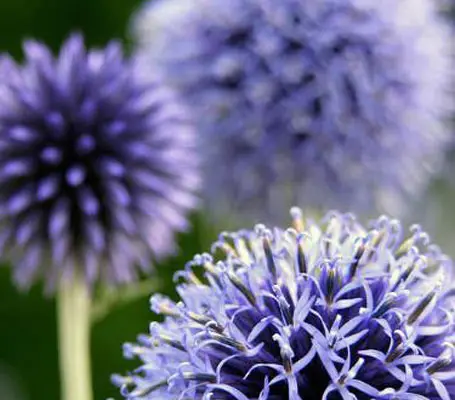 One of my favourites for the back row. The rounded, violet-blue flower heads on silvery, branched, leafy stems are actually much softer than they look. An unusual colour and structure, so a great conversation piece and an excellent dried flower.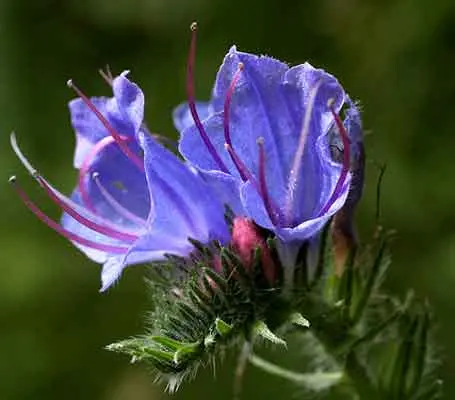
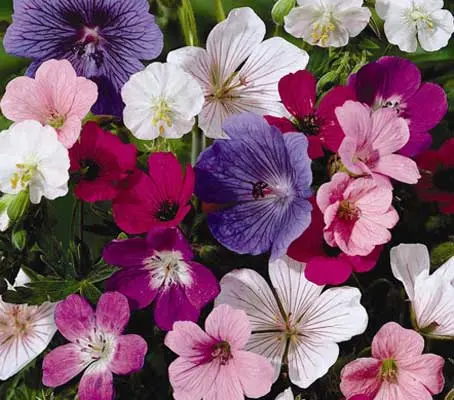
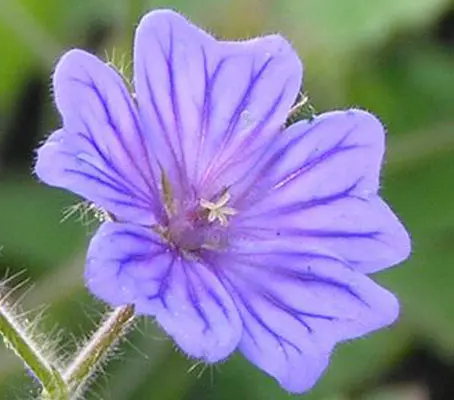
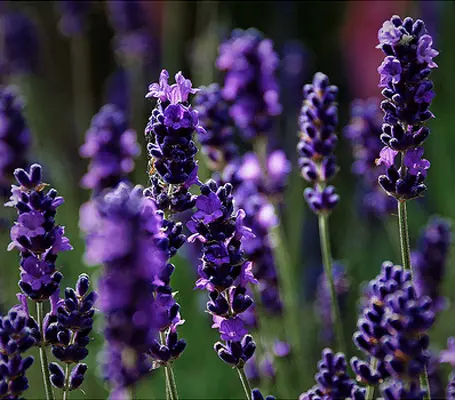 The deepest purple of all and one of the most popular lavenders is ‘Hidcote Blue’. A compact variety, suitable for growing in borders or as dwarf hedging, with dense silver-grey foliage covered in fragrant, dark purple-blue flower spikes in mid-summer.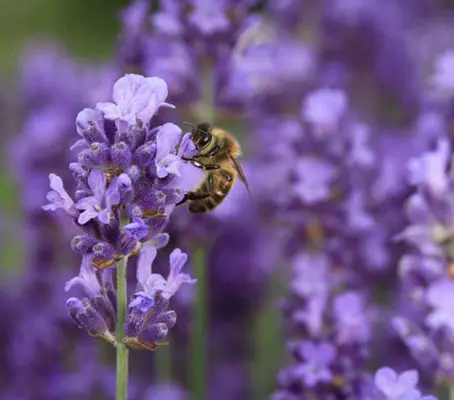
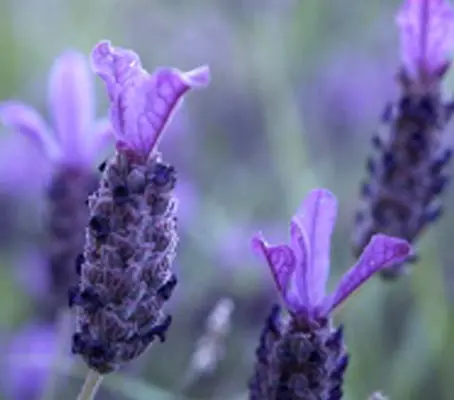 Lavender stoechas is an old variety, cultivated for more than 400 years, it is a favourite both for its intense fragrance and for the short dense flower spikes. French Lavender blooms from spring to frost and has a good clean scent.
 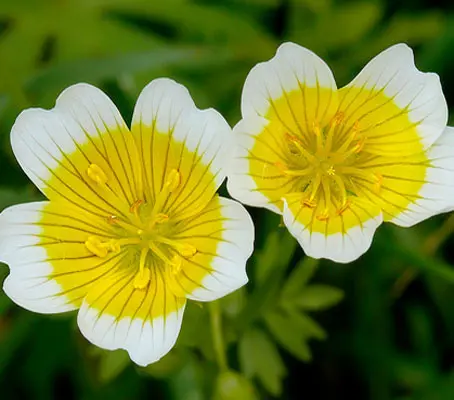 The fragrant, abundant flowers of Limnanthes appear from summer to autumn and attract bees and butterflies for the duration. This lovely plant provides a carpet of fragrant golden and white blooms that will grace the front of the border, rockery or path edging.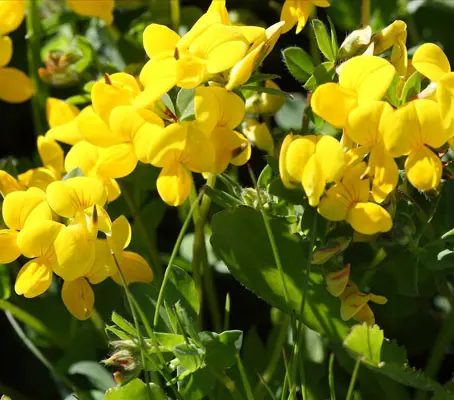
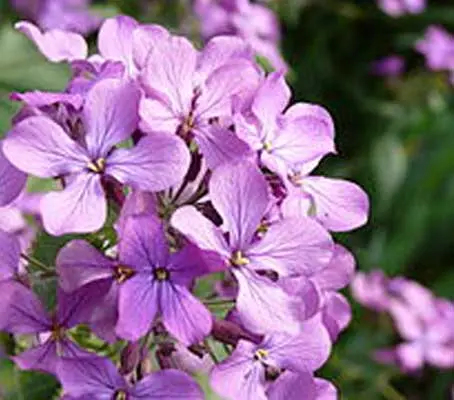
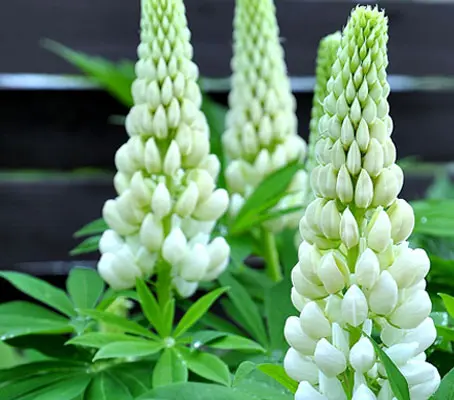 Lupin ‘Noble Maiden’, occasionally called Fraülein, feature soft ivory white buds that open to pure clean white. The flowers open from the bottom up making for a longer blooming period. Stunning in the border or in a vase.
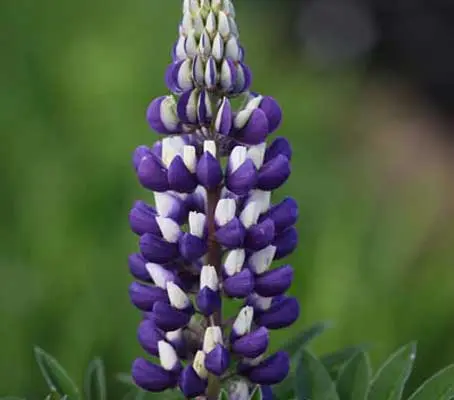 George Russell developed his Lupins aiming for, and achieving a central stalk or spike totally obscured by colourful flowers. ‘The Governor’ is one of the most popular from the series and features deep ultramarine blue blooms each with white flag.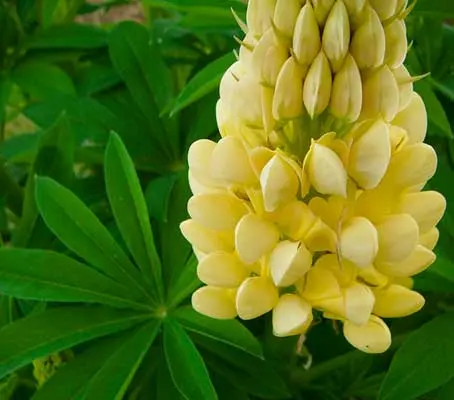
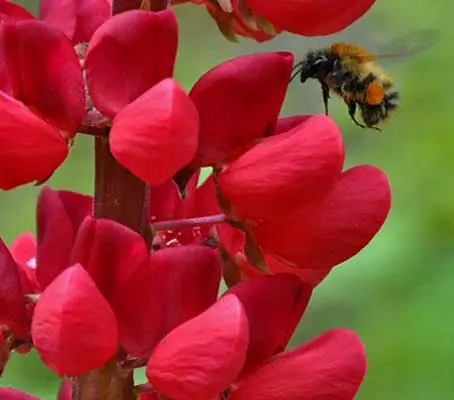 The magnificent vertical stems of Lupin ‘My Castle’ produce vibrant red blooms bringing height and grandeur to summer borders. The intense colour of this robust variety makes a real statement when planted in drifts, or dotted among other perennials.
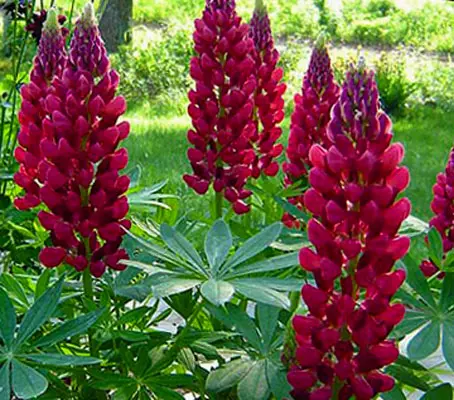 The Russell Hybrids ‘Band of Nobles’ series have exceptionally bright and strong colours. ‘The Pages’ produce magnificent vertical stems of carmine red blooms. These hardy plants will surviving extreme temperatures withstanding frost to at least minus 25°C.