Sort by:

Sort by:

Sort by:

Sort by:
No. of Varieties: 272
Boston Ivy, Bostonian Ivy, Wall Ivy

Boston ivy is a wonderful ornamental vine. The elegant, dark green glossy foliage is replaced with a vivid range of crimson reds in autumn. Sensational for covering walls, fences and arbors. If allowed, it will grow to impressive size and can turn the most mundane masonry building into a stately wall of foliage.

Beardtongue

Awarded the Fleuroselect Gold Medal for striking colour, plant habit, and flowering performance, Penstemon barbatus ‘Twizzle Scarlet’ is a first year flowering perennial that will add height and high-impact colour to the border. Giving superb flowering performance from mid to late summer.

Beardtongue

Penstemon barbatus ‘Twizzle Coral’ adds a graceful twist to the garden. A first year flowering perennial, that boasts twice the length of flowering stem giving longer, more elegant wands for the vase. Hardy and vigorous the plants bloom over a long period from summer through to autumn.

Beardtongue

A first year flowering perennial that boasts half the foliage of older varieties and twice the length of flowering stem, Penstemon ‘Twizzle Purple’ produces trumpet shaped magenta-violet blooms that flutter all along the tall, slender stems.

White Alpine Pasqueflower or Alpine Anemone

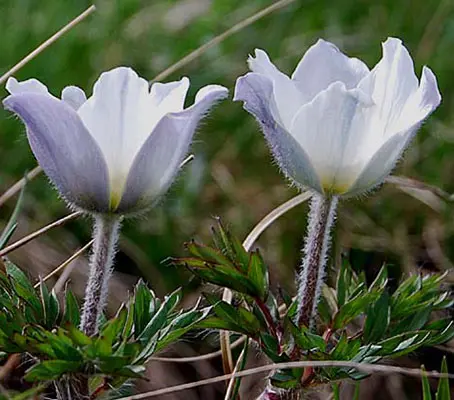
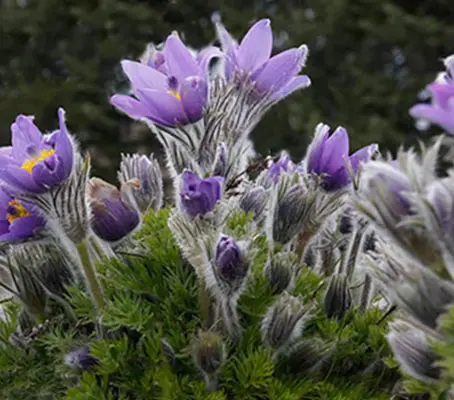
Pulsatilla alpina subsp. alpina is a charming form, with white flowers, the outer segments flushed with bluish-purple. A favourite for collectors, they have a protracted flowering period and followed by attractive seed heads, they are showy, long-lived and reliable plants with a lengthy period of interest.

Pasque Flower, Windflower, Meadow Anemone

The Pulsatilla genus includes some of the loveliest of all flowering plants. From the time in early spring when their woolly, hairy flower buds first appear; through the time their enchanting, hairy, feathery seed-heads are formed, these plants are always a delight.

Tumbling Ted, Trailing Rock Soapwort
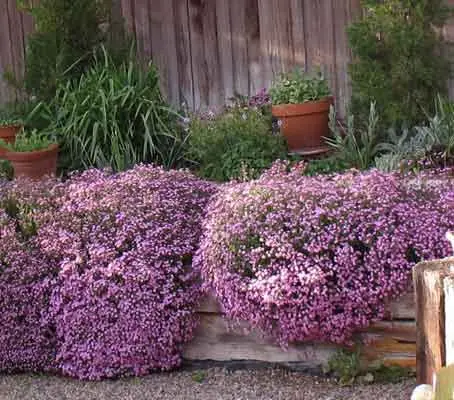
Saponaria is a pretty little plant that forms a mound of bright-green leaves, smothered by starry bright-pink clusters of flowers. Use as a ground cover, in paving or rock features or allow it to trail over the sides of raised beds and low walls. RHS Award of Garden Merit.
Wildflower of Britain and Ireland

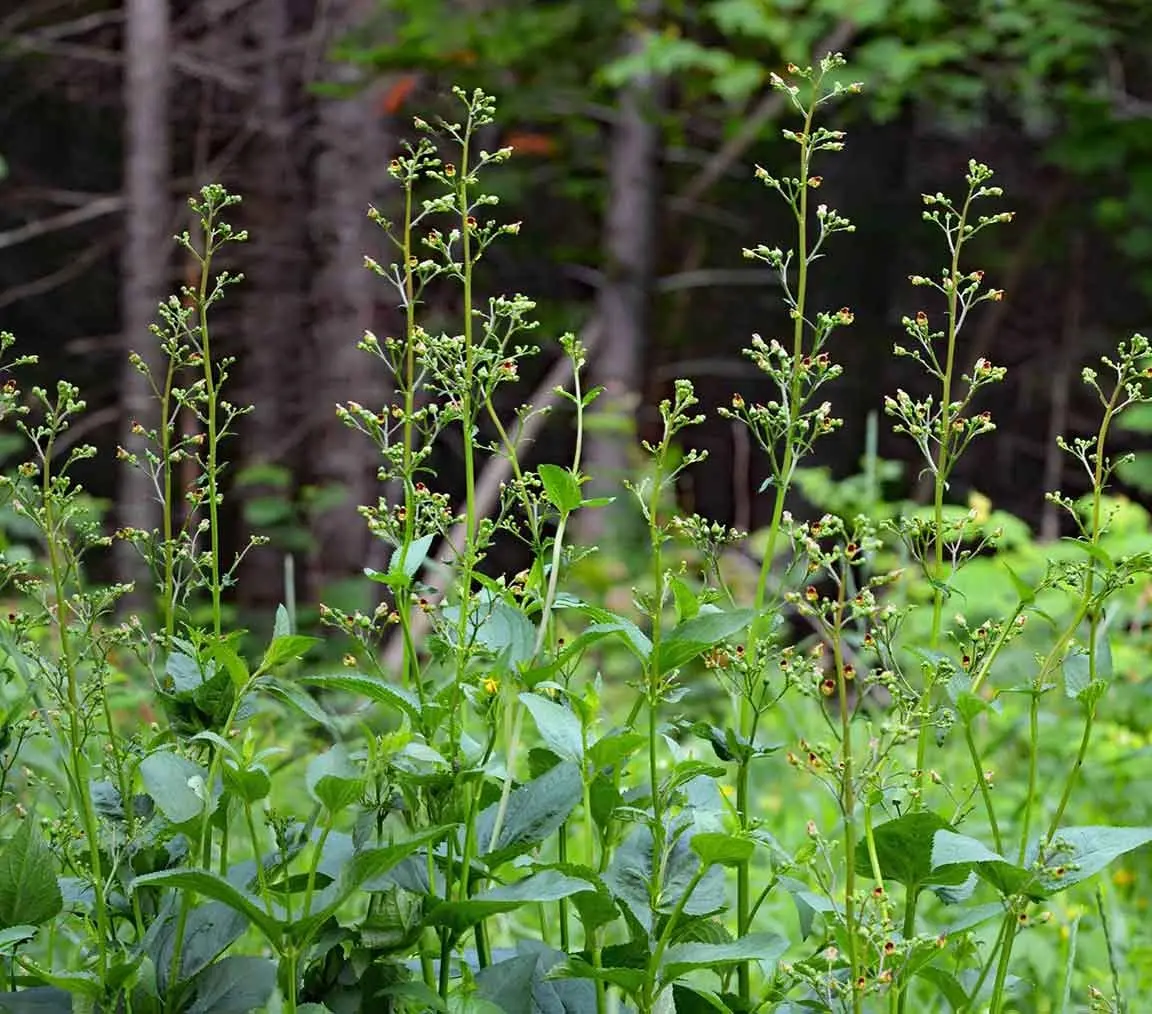
Our native Figwort is one of the most prolific nectar producers in the plant world, the long-lasting flowers attract more pollinators than any other plant around. The flowers, similar to tiny snapdragons ripen into egg-shaped seed pods, which are just the perfect bouquet filler for interest and movement!

Coral Carpet Sedum

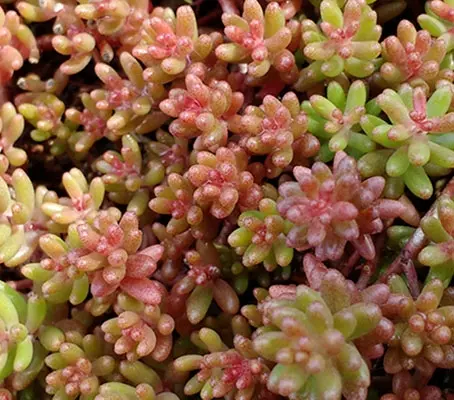
Sedum album is one of the most popular forms of sedum, known for its dense foliage as it changes colour throughout the seasons. The leaves emerge a coral-salmon in spring, change to bright green in summer and then to reddish bronze with the arrival of cooler temperatures. In summer the plants explode in masses of tiny, white star-shaped flowers.

Stonecrop

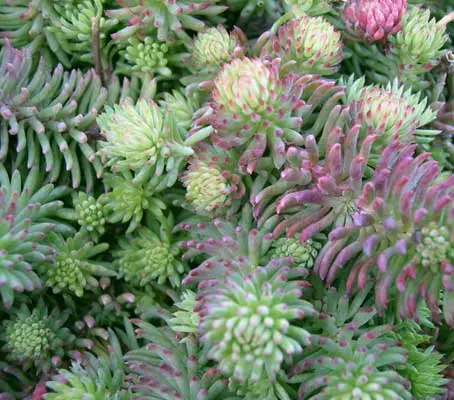
Sedum forsterianum ‘Silver Stone’ is one of the more unusual textured species, with whorls of silver-green foliage. In late summer bright yellow star shaped flowers appear. This low-growing succulent plant grows to a height of 15 to 20cm, extremely hardy it can cope with temperatures down to minus 34°C.

Emperor's Stonecrop
Recently renamed Hylotelephium telephium

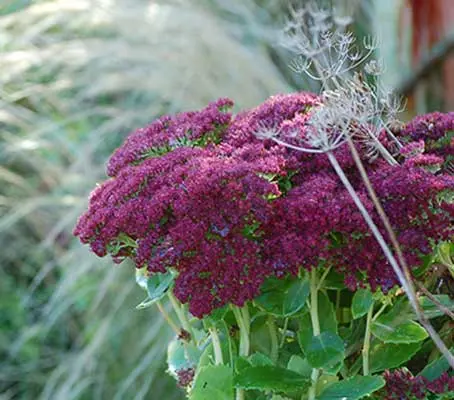
Hugely impressive in any garden, Sedum telephium ‘Emperors Wave’ boasts succulent, blue-green foliage and masses of star-shaped flowers in glorious shades of deep pink and purple. They are popular with late season perennials and ornamental grasses. The extreme contrast in flower shape enhance each other, adding to the textures and colours of the late season garden.

Ussuri River Stonecrop
Recently renamed Hylotelephium ussuriense

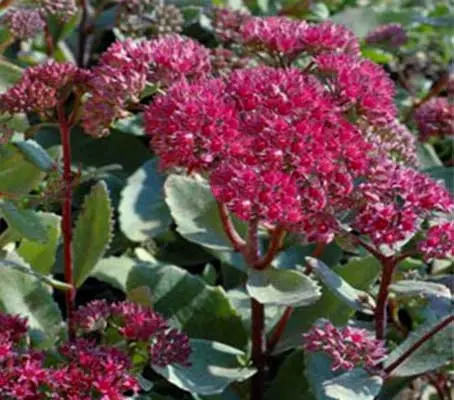
Sedum ussuriense is at its best in late summer when the blue-green succulent leaves are followed by glowing carmine-red flower clusters. It even pleases the eye in winter when it turns into a stage for dew drops and ice crystals.

Hens 'n' Chicks, Houseleek

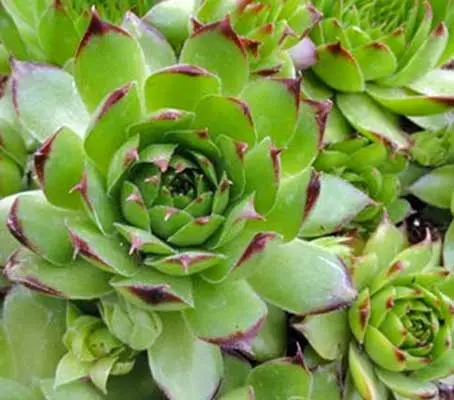
Native to Europe, Sempervivum tectorum is a widely-planted succulent that has been grown in and around human settlements for millennia. Their rosettes are fascinating with their succulent leaves radiating around the centre, their colour hues are stunning and their tendency to produce offsets makes for easy increase.

Dropseed, Sacaton Grass

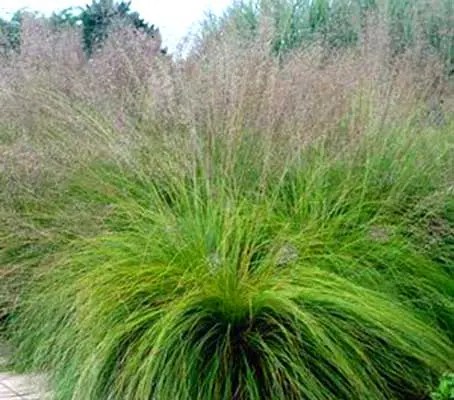
Sporobolus displays a magnificent fountain of fine textured, emerald-green leaves which develop rich shades of reddish-gold or deep orange in the autumn, but the great joy of this plant is that it produces a great cloudy haze of tiny flower heads.

Betonica officinalis, Wood Betony, Bishopswort.
Wildflower of Britain and Ireland

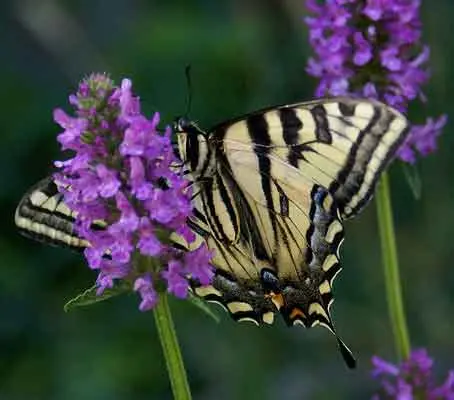
This pretty little wildflower is a slow growing, long-lived plant with attractive spikes of rich pink-mauve flowers that are very attractive to bees and butterflies as a nectar source. The flowers, which rise from dark green crinkly leaves, keep their colour throughout summer and look stunning when growing en-masse.

Recently renamed 'Nassella tenuissima'. Mexican Feather Grass

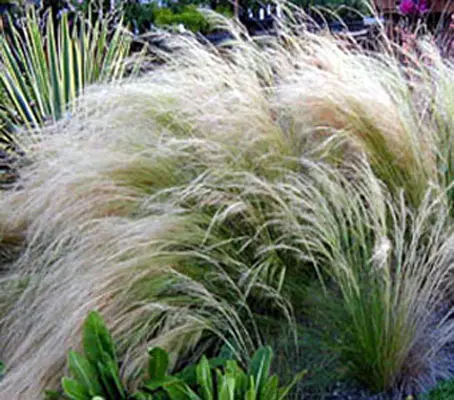
Stipa tenuissima ‘Pony Tails’ is wonderfully impressive. In summer, plants are covered with masses of elegant pale feathery seed-heads which are held a little above the foliage. These can be cut for use in arrangements indoors. Alternatively they make a useful winter food source for finches and other seed-eating birds.

Valerian, Wildflower of Britain and Ireland

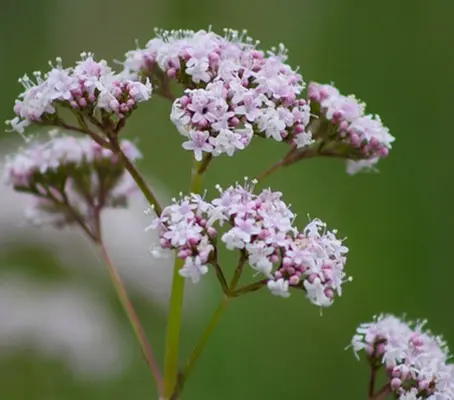
Valeriana officinalis is a graceful wildflower that is native to Europe and Western Asia. The tall, branched flower stalks are held atop a low mound of foliage, the densely clustered flowers are sweetly scented and usually white with a hint of pink.

Purple Mullein

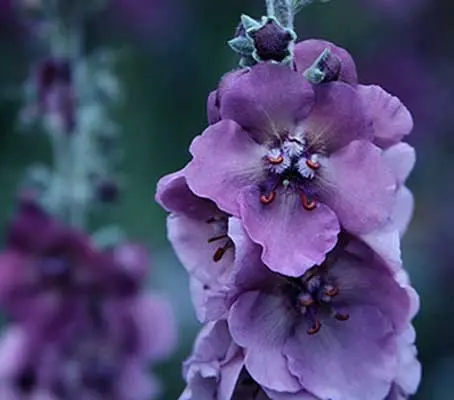
English gardeners are very familiar with this plant and consider it essential for a well-structured garden. Verbascum phoeniceum ‘Hybrids Mix’ flower freely, giving a glorious plethora of colours from delicate salmon to rich claret. A true perennial which can flower the first year given an early sowing.

Spiked Speedwell

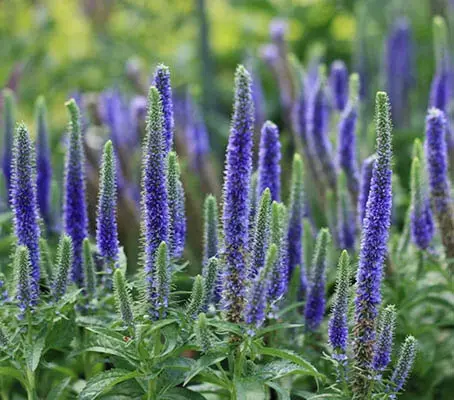
Gardeners are often looking for good solid perennials that will have attractive flowers, be easy to take care of, grow nicely but not take over the garden. One group of plants that should be considered is the Veronicas. They provide some of the clearest, truest blues in the perennial border.

Saw-Leaved Speedwell

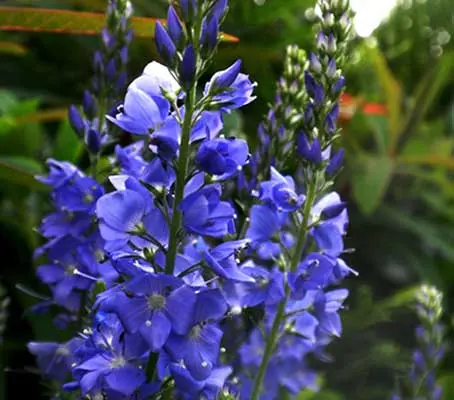
Gardeners are often looking for good solid perennials that will have attractive flowers, be easy to take care of, grow nicely but not take over the garden. One group of plants that should be considered is the Veronicas.

Culver's Root

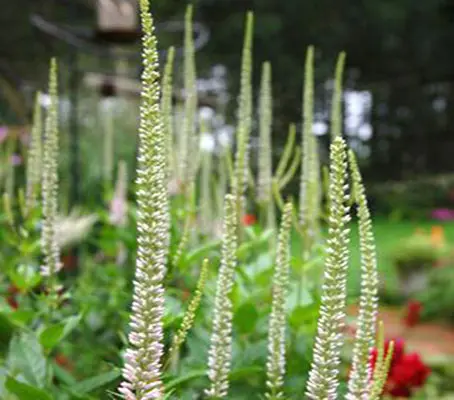
Veronicastrum is one of the most fashionable plants around. It is an excellent genus, full of hardy, trouble-free plants. The multiple tapering, soft spikes of white flowers look like elegant, living candelabras.

Antique Pansy (Since 1923)

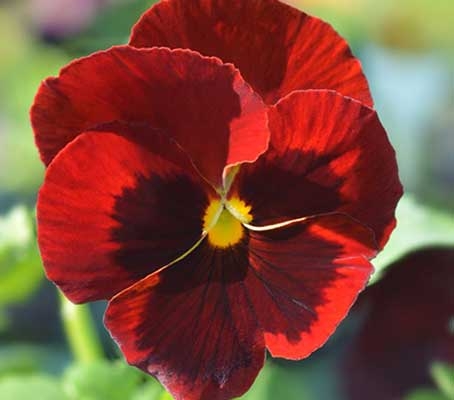
Viola ‘Arkwright Ruby’ is an antique variety that is a favourite among gardeners for both its historical charm and ornamental beauty. The rich, velvety ruby-red blooms are incredibly versatile, perfect for almost anywhere in the garden or for the vase.

Horned Violet.

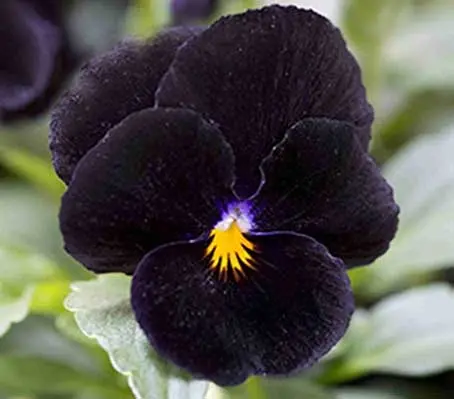
Viola cornuta ‘Back to Black’ is a striking cultivar of the horned violet, admired for its exceptionally dark, velvety flowers. The blooms are an intense black-purple, so deep that they often appear pure black. If you want to achieve long stems for the vase, plant them close, 5 to 10cm apart.

Antique Pansy (Early 1800's)

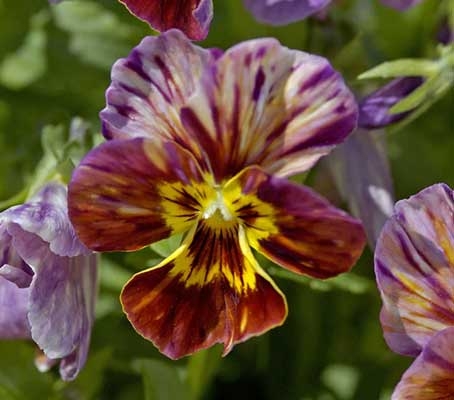
Renowned for its unique, hand painted, Viola ‘Brush Strokes’ is a captivating variety that has been carefully chosen from a cherished collection of historic strains. A harmonious blend of soft apricot, honey, plum, cream and lavender tones, often accented by intricate flecks and fine veining.

Antique Pansy (Since 1934)

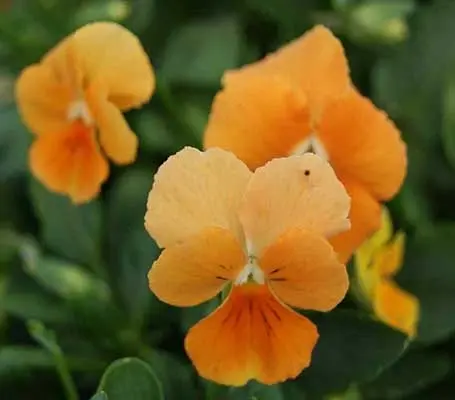
Viola ‘Chantreyland’ is a compact, cool-season charmer. Soft apricot petals with hints of cream, washed with a blush of sunset pink. She’s made for edging, containers, or nestling into cracks in old stone. Quite unforgettable once you’ve met her. no wonder she has been in cultivation since 1923.

The Italian or Corsican Violet

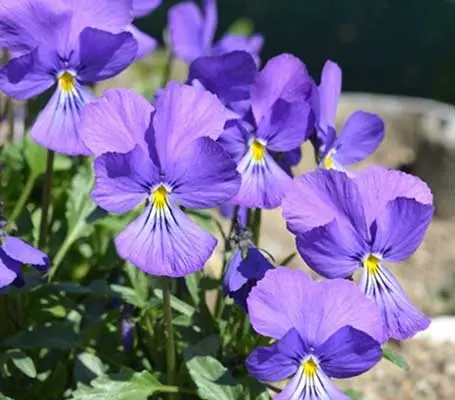
A real gem from the mountains of Italy, Viola corsica ‘Bertolonii’ is a rare but easy-to-grow viola that deserves a spot in any sunny garden. It forms tidy clumps of dark green, lance-shaped leaves and puts on a gorgeous display of large, azure-blue flowers from April through June.

Horned Violet.

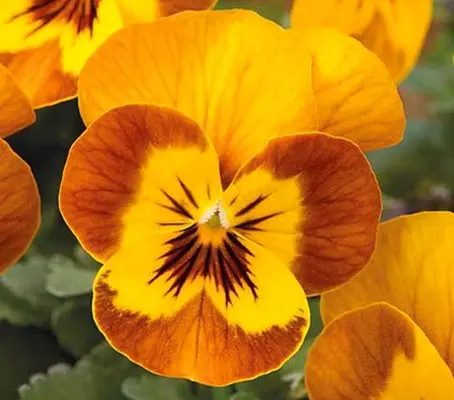
Viola ‘Sorbet F1 Honeybee’ is a real heartbreaker in a six-petal suit. They bloom with rich mahogany and warm golden yellow petals – rather like sunlit honey. Near the centre there’s a soft black whisker pattern. Perfect for use in beds or containers and for attracting pollinators to the garden.
Horned Violet.
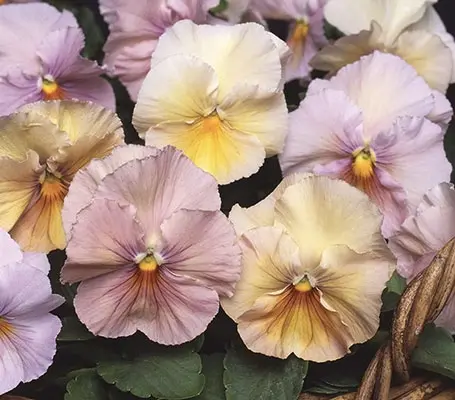
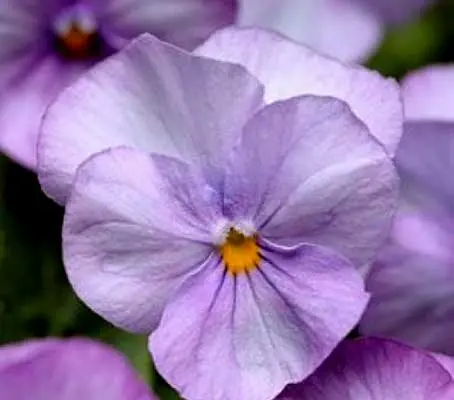
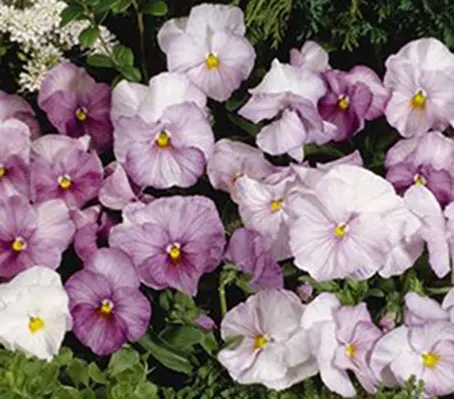
A delicate lavender kissed with rosy pink undertones, the top petals of Viola ‘Sorbet F1 Lavender Pink’ lean a little more to lavender, the lower ones more pink, giving it a subtle watercolor fade. Refined, elegant and easy on the eye.
Horned Violet.

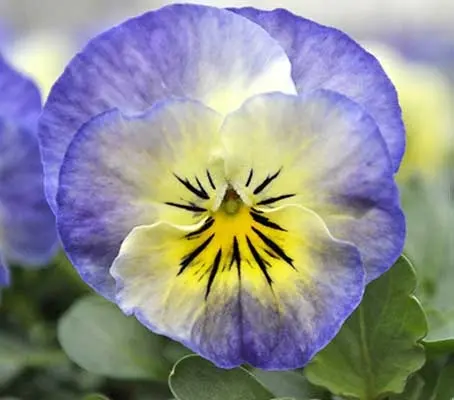
Well-regarded in horticultural circles, Viola Sorbet XP Neptune F1 is a premium cultivar, for its consistent performance across a wide range of climates and seasons. ‘Neptune’, displays striking blooms characterised by a soothing blend of soft blue and cream petals, often with a delicate yellow center and a faint blue picotee edge.

Horned Violet.

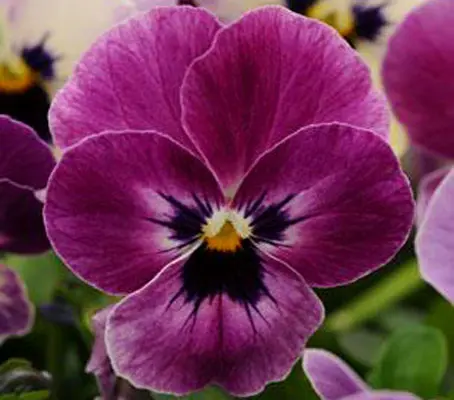
One of the most striking colour combinations of the series, Sorbet ‘Orchid Rose Beacon’ blooms with bicoloured flowers of bicoloured flowers of with rose and purple-pink face, with dark whiskers and a golden eye. Absolutely gorgeous, it can be slipped into almost any gaps where you need a little brightness.

Horned Violet.

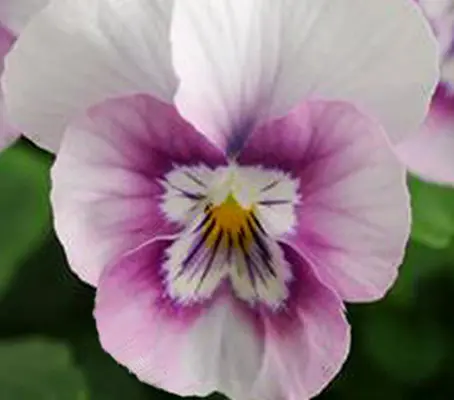
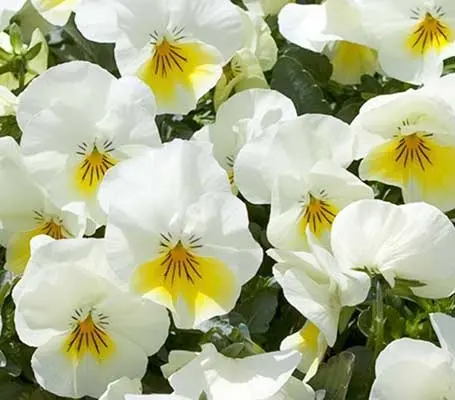
The Sorbet series is the premier series of Violas. Bred to have more blooms and less stretching, it is a standout performer in both spring and autumn. Sorbet F1 ‘Pink Halo’ have petals that are a crisp white. At the centre there’s a raspberry-pink halo that fades outward and dark whiskers that radiate from the centre.

Horned Violet.

Sorbet ‘F1 Raspberry’ has tricolour patterns with cap, face, whiskers and eye colours, with luscious deep raspberry red upper and lower petals with dark whiskers and a golden eye. It is a stunning new colour pattern, with a bright face that seems to be basking in the spring or autumn sunshine

Sweet Violet. 'Snow Queen'
Also marketed as 'Scheekonigin' and 'Eismeer'.

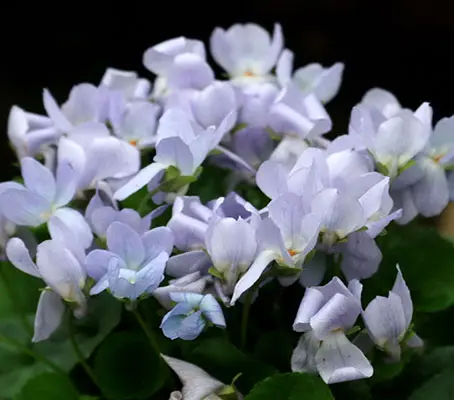
Cultivated in Switzerland in 2004 from the famous ‘Queen Charlotte’, One would think that ‘Reine de Neiges’, or ‘Snow Queen’ would be a white bloomer. The flowers are almost white, a clear crisp ice-blue. Long blooming and upward facing, their fragrance is intense.

Winter Pansy. Trailing Pansy

Known for their vigorous growth and cascading blooms, Viola pansy ‘Freefall F1’ is perfect for spring and autumn baskets. It is day-length neutral, so will bloom well into winter and early spring. Super floriferous with a tidy habit, it attracts pollinators and adds charm to any outdoor space.

Winter Pansy. Ruffled Pansy

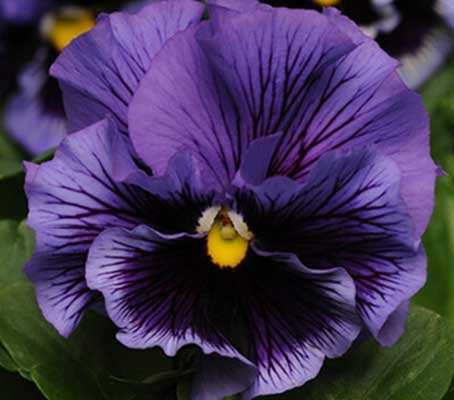
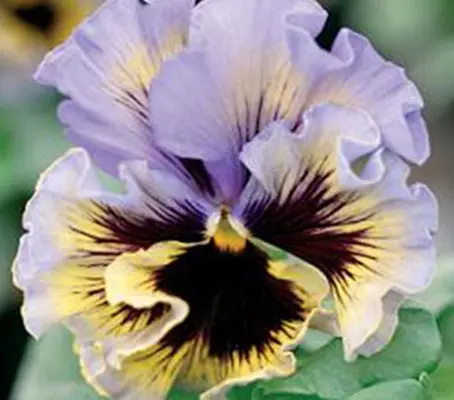
Viola ‘F1 Frizzle Sizzle Blue’ brings an air of cool elegance to the garden. The large blooms ripple and curl with the same extravagant ruffling as the rest of the series, but here the petals are a rich, velvety blue, shifting in tone from deep indigo at the centre to softer violet at the edges.

Winter Pansy. Ruffled Pansy

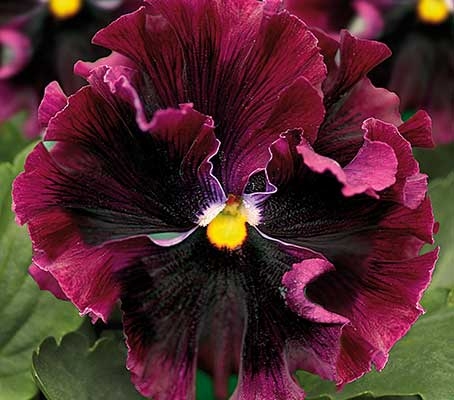
Richly ruffled and frilled, the blooms of Viola ‘F1 Frizzle Sizzle Burgundy’ resemble plush velvet. An excellent choice for cool season blooms, few plants are as accommodating, and fewer still manage to be so dramatic about it.

Winter Pansy. Ruffled Pansy

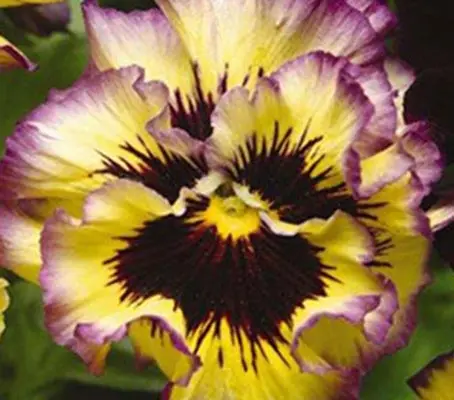
Viola x wittrockiana ‘Frizzle Sizzle F1’ has a unique flower, and is possibly quite unlike any pansy that you have seen before. Large flowers, completely ruffled along the edges. ‘Frizzle Sizzle Lemonberry’ produces ruffled lemon-yellow flowers with dark blotches and berry purple edges.

Winter Pansy. Ruffled Pansy

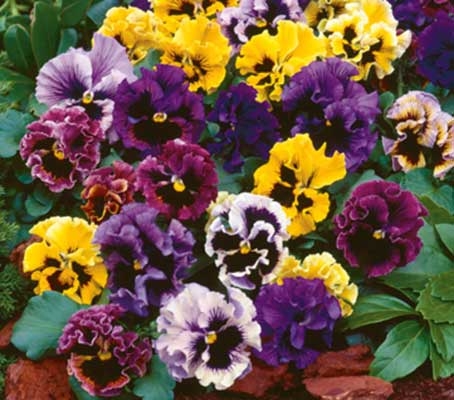
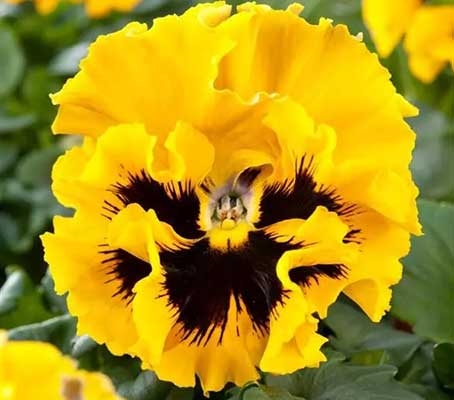
Viola x ‘Frizzle Sizzle’ F1 has a unique flower, and is possibly quite unlike any pansy that you have seen before. It produces large 2-3 inch wide flowers, each of which is completely ruffled along the edges. This mix from the series includes the most popular shades, each with the central dark blotch.

Winter Pansy. Ruffled Pansy

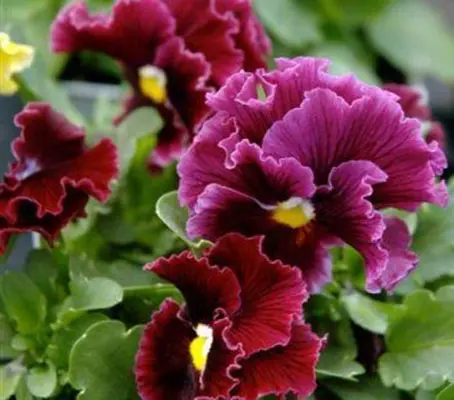
Viola x wittrockiana ‘Frizzle Sizzle F1’ has a unique flower, and is possibly quite unlike any pansy that you have seen before. Large flowers, completely ruffled along the edges. ‘Frizzle Sizzle Raspberry’ produces gorgeous ruffled red flowers with dark blotches and berry purple edges.

Winter Pansy. Ruffled Pansy

Viola x wittrockiana ‘Frizzle Sizzle F1’ has a unique flower, and is possibly quite unlike any pansy that you have seen before. Large flowers, completely ruffled along the edges. ‘Frizzle Sizzle Lemonberry’ produces ruffled lemon-yellow flowers with dark blotches and berry purple edges.

Winter Pansy. Ruffled Pansy

Viola ‘F1 Frizzle Sizzle Blue’ brings an air of cool elegance to the garden. The large blooms ripple and curl with the same extravagant ruffling as the rest of the series, but here the petals are a rich, velvety blue, shifting in tone from deep indigo at the centre to softer violet at the edges.

Spring or Autumn Pansy

The Viola ‘Inspire’ series represents a modern group of highly efficient early pansies intended for production of flowering plants for either spring or for autumn. Large and attractive blooms in a range of soft lilac shades, but the greatest advantage of this group is that they have very compact growth and don´t overgrow in the container or flowerbed .

Spring or Autumn Pansy

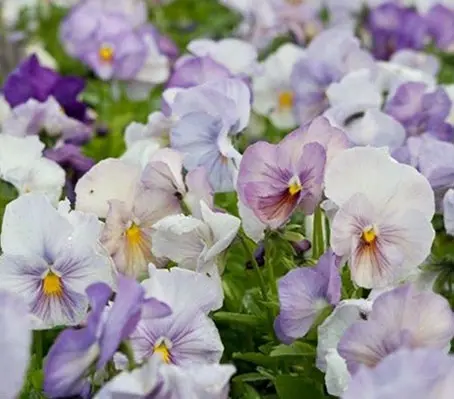
Viola wittrockiana ‘F1 Inspire Lilac Shades’ produce beautiful blooms in a range of soft lilac shades. Perfect for both autumn and spring plantings, the series creates bushy, very compact plants that don´t overgrow in the container or flowerbed and have a beautiful appearance all season long.

Spring or Autumn Pansy

Highly efficient early pansies that can be grown for spring or for autumn. ‘Inspire Peach’ produce large flowers in beautiful shades with slight ruffling and occasional dramatic blotches. Rose pink, apricot, honey, and cream

Chinese wisteria

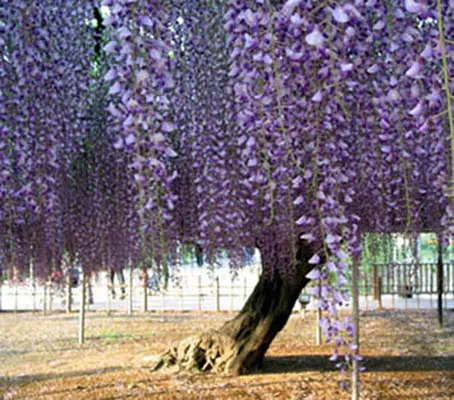
Wisteria sinensis is surely the most distinctive of climbers and by far the most captivating when in bloom. This hardy climber will give stunning displays every year. Bearing large pendent clusters of fragrant violet-lavender flowers in late spring to early summer, the foliage appears once the flowers are over.