In addition to having one of the most unusual names, Antirrhinum braun-blanquetii, is also one of the few hardy perennial species of snapdragon. Named for Josias Braun-Blanquet an influential 20th century Swiss botanist it bloom the first year from seed producing numerous spikes from which delicate yellow, large snapdragon blooms appear.
Aquilegia atrata is native to the alpine meadows and forests of Switzerland and Northern Europe. With many branching stems of deepest coloured, almost black flowers it is an outstanding, highly sought species which would be a showstopper in any garden.
Aquilegia ‘Munstead White’ , also known as ‘Nivea’ is a handsome form with abundant white flowers. Naturally happier in the half shade of woodland edge, which in normal garden terms translates to the lee of a shrub or the middle of a border. Easy to grow they come back year after year without any horticultural care.
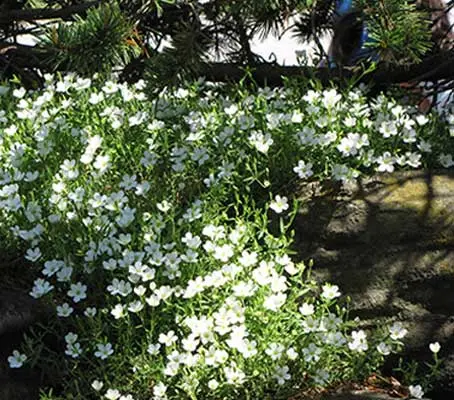
Arenaria montana is a classic little alpine or rock garden plant, still relatively unknown to many gardeners. The plant forms prostrate mats of evergreen foliage, blanketed by large white flowers. They are at their loveliest spilling over walls and will quickly fill in the spaces between stepping stones.Prized for its beautiful foliage, Artemisia ludoviciana bear soft, silvery-white leaves. They add a different element to the garden, the texture and leaf form setting them apart from those other garden plants with rather less refined foliage.
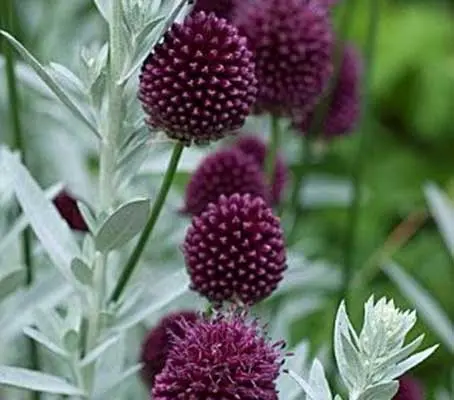
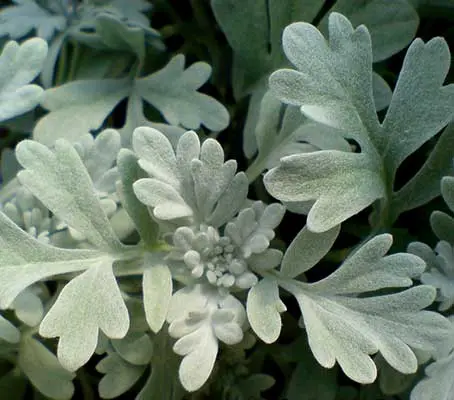
Artemisia stelleriana ‘Mori’s Strain’ is a superior, dense, mat-forming selection. Uniquely shaped silver-white felted leaves with deeply divided, rounded lobes, it forms very attractive low mounds, giving an attractive ground-hugging carpet. Its foliage makes a wonderful foil for more colourful flowering plants.
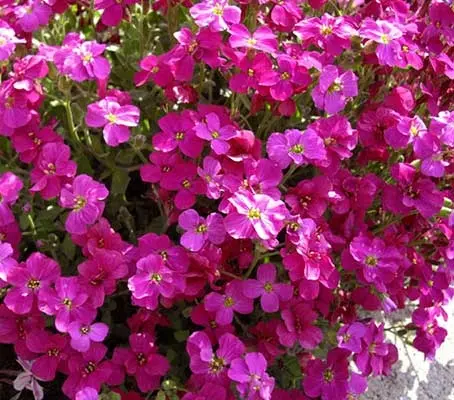
Aubrieta is a traditional rock garden plant that is lovely growing over rock walls or spilling out of crevices. ‘Leichtlinii’ forms a low cushion of leaves that is smothered by wonderful deep-carmine flowers.
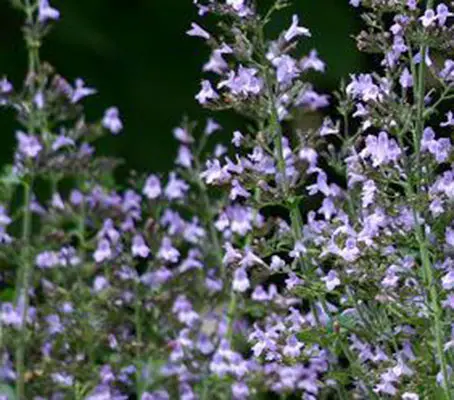
Calamintha nepeta is a very attractive bushy, perennial that should be in every garden. Easily grown from seed with clouds of tiny, lilac-mauve flowers that bloom until late September. The leaves exude a lovely minty scent when crushed and the flowers are true bee pasture.
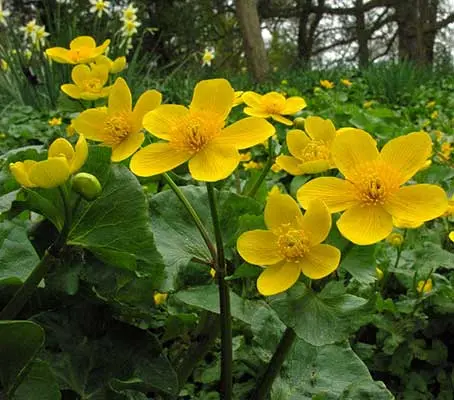
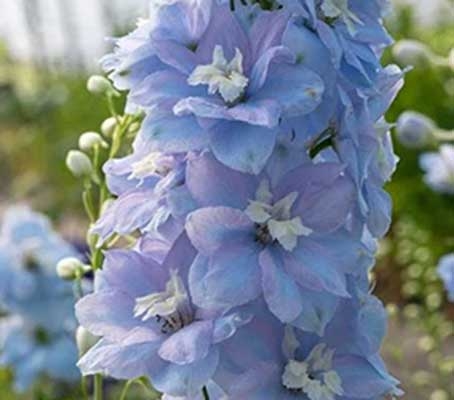
‘Caltha palustris, commonly called Marsh Marigold is one of the most cheerful native plants to adorn the edges of a pond or stream and possesses the added benefit of flowering in the shade. The plant’s yellow flowers and dark green shiny leaves cheer up the otherwise barren landscape as winter recedes.The Fountains series is a vigorous-growing strain that is more heat tolerant and less fussy than most other varieties and if sown early will flower in the current year. Delphinium ‘Magic Fountains Lilac Pink’ is an elegant delphinium with densely packed flower spires, each bloom has a white bee.
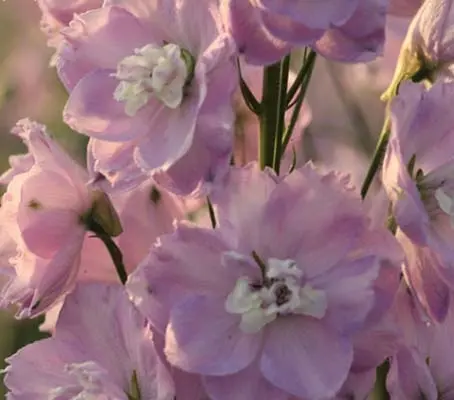
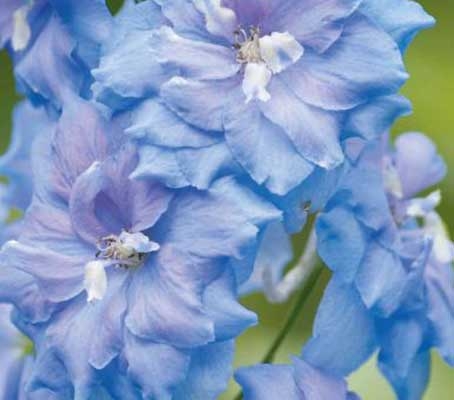
The Fountains series is a vigorous-growing strain that if sown early will flower in the current year. Delphinium ‘Magic Fountains Sky Blue’ has densely packed spires of soft sky-blue flowers each with a white bee. It is ideal for borders and can be grown as a container plant.
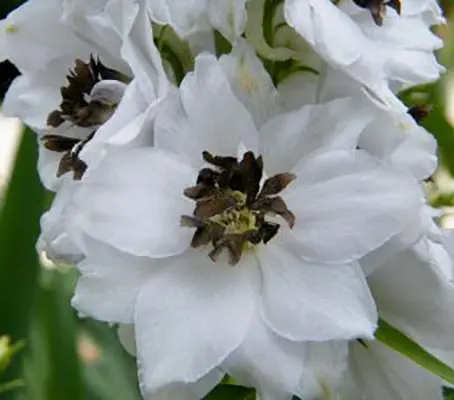
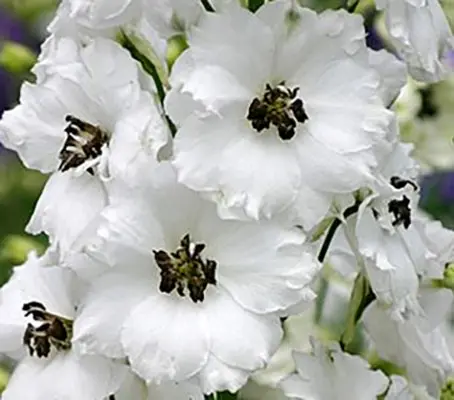
The Delphinium Fountains series is a vigorous-growing strain that is more heat tolerant and less fussy than most other varieties and if sown early will flower in the current year. Blooming is consistent from June to September, the sturdy flower spikes are very attractive to pollinators and make a wonderful cut flower.
Delphinium ‘Cameliard’ blooms feature spires of lavender blue flowers each with white bees. They will bloom the first year from an early sowing. Bring a touch of nostalgia back to the garden – They are excellent for cutting, ideal as feature plants and are worth almost any effort to grow because they are so beautiful.
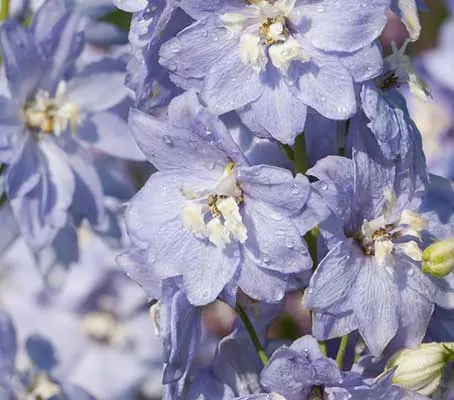
Delphinium ‘Summer Skies’ is a soft, airy sky-blue, more powdery pastel than sapphire. The petals often have a faint lavender wash, and the white ‘bee’ makes the blue look even cleaner and brighter. Interestingly, in cooler weather they can read slightly bluer and in strong sun look a little paler.
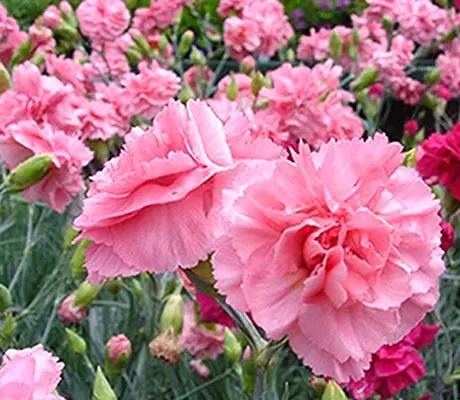
Developed for florists for use as a cut flower, the super tall stems of Dianthus ‘Chabaud Aurora’ display the most beautiful range of coral, salmon, blush, pink and cherry flowers. They will provide a continuous harvest of blooms for cutting from the end of April until the end of September.
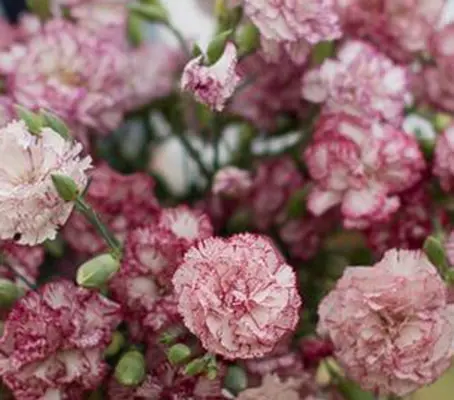
Dianthus Chabaud is a vintage carnation, developed for florists around 1904. With long stems, they are famously scented and provide a continuous harvest of blooms from April until September. Deliciously coloured, the creamy white petals of ‘Benigna’ are outlined with the fruitiest of plums and raspberry reds.
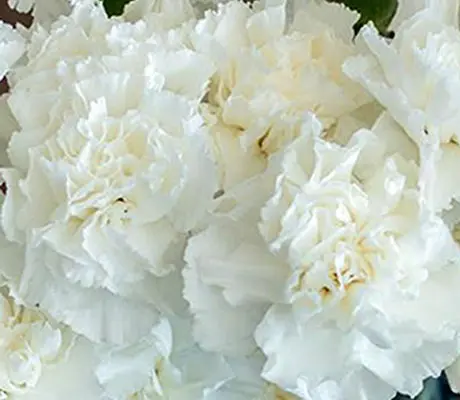
Boasting ruffled white petticoat-like blooms on strong stems, Dianthus ‘Chabaud Jeanne Dionis’ has the fullest of flowers. An ideal cut flower and perfect for wedding work, they will bloom all summer long from an early sowing.
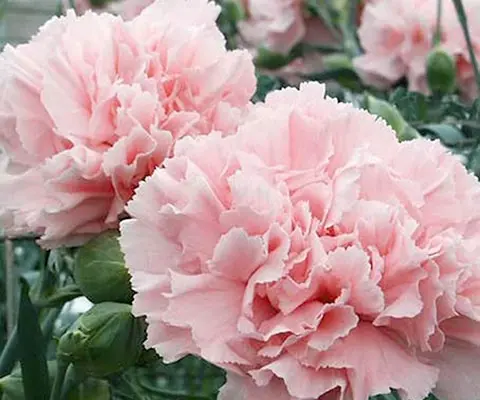
Developed for florists for use as a cut flower, the super tall stems of Dianthus ‘Chabaud La France’ are topped with blooms in the most delicate shades of seashell pinks to creamy blush. They will provide a continuous harvest of blooms for cutting from the end of April until the end of September.
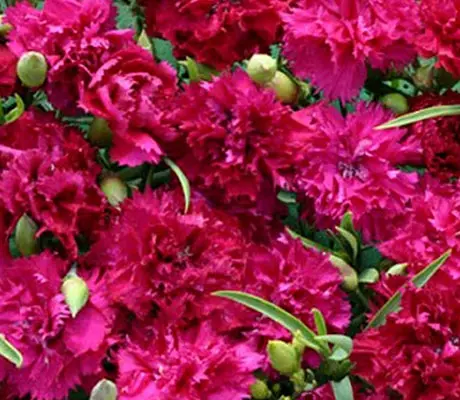
‘Chabaud Magenta’ provides armfuls of deep magenta, frilly double blooms with the spicy fragrance of clove. Pronounced shab-o, they were developed specifically for florists for use as a cut flower. With a heavenly scent, tall stems and an extremely long vase life.
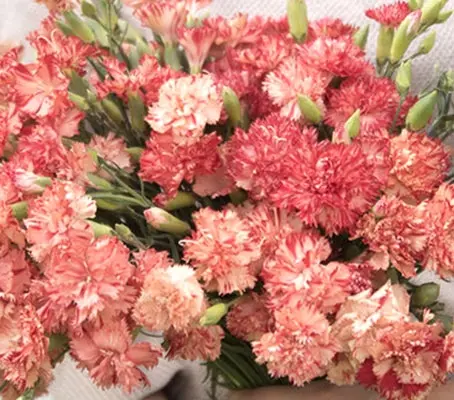
Developed for florists for use as a cut flower. Dianthus Chabaud is a vintage carnation that dates back as early as 1904. Displayed profusely on slender, sturdy stems, the apricot and soft orange blushing petals of Chabaud ‘Orange Sherbet’ are striped with dark raspberry red and coral.
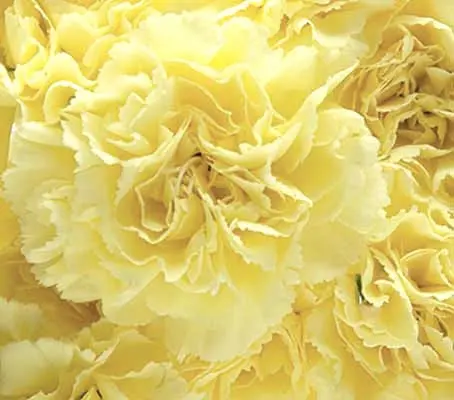
Hardy, tough and very easy to grow, Dianthus Chabaud were developed for florists for use as a cut flower and will provide a continuous harvest of blooms for cutting. ‘Marie Chabaud’ provides armfuls of delicate, pale lemon yellow, frilly double blooms.
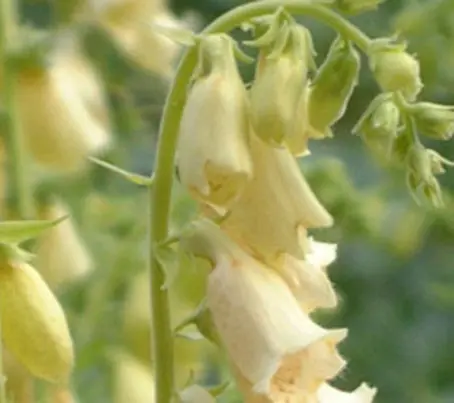
There are not many yellow flowering foxgloves and as they are so rare each one is joyfully celebrated. Digitalis ‘Cream Bell’ is one of the few truly perennials. Extremely hardy it bears upright stalks of beautiful creamy-yellow bells. A lovely soft shade that blends with almost anything in the garden.
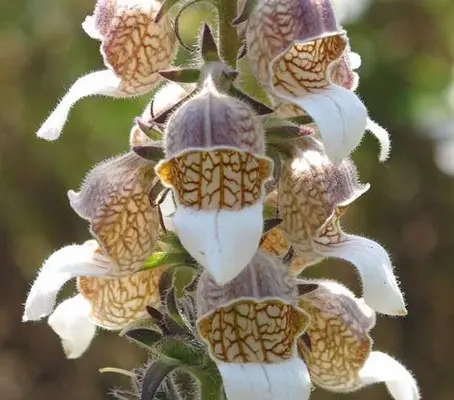
Digitalis lanata has a beautiful colouration, from late spring to mid summer it produces spikes of densely packed, fawn-coloured flowers each with a pearl coloured lower lip. Each of the blooms is delicately patterned with dark brown veins. Digitalis thapsi ‘Spanish Peaks’ foxglove is a lovely compact foxglove that produces elegant, apricot-cream to raspberry-rose blooms with interior markings. A superb perennial species that can be counted on for a glorious floral show each spring. Very easy to grow in virtually any location, it is often the first foxglove to flower.
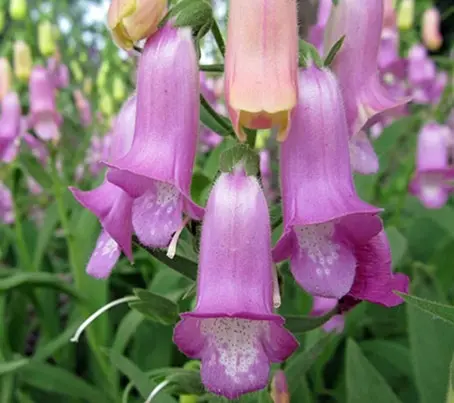
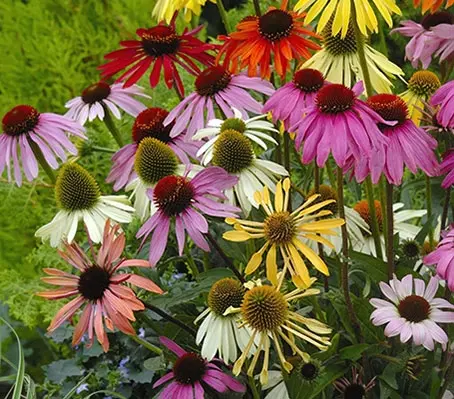
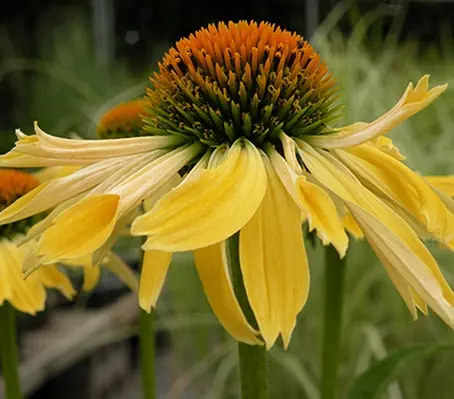
A complete innovation, Echinacea ‘Cheyenne Spirit’ is the latest Gold Medal Winner. Not limited to one colour, each plant can bloom in a sumptuous range of colour, gold, orange, scarlet, purple, cream and yellow. First year flowering and a must have for borders.
Echinacea ‘Paradiso’ is an outstanding series, distinguished by the exceptionally large flowers in a large range of shades including some lovely, soft hues. Very easy to grow, the plants thrive in average soils or hot, dry conditions, shrug off cold, and are equally at home in full sun or partial shade.
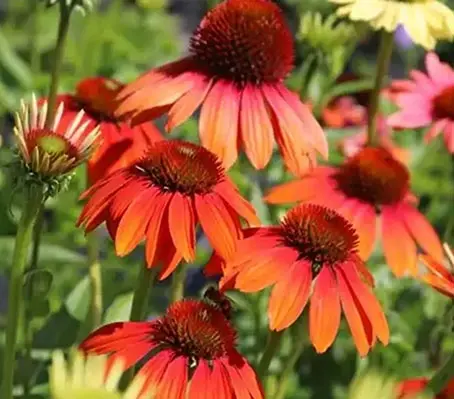
Echinacea ‘Magnus’ is an outstanding selection of the ‘Cone Flower’. Distinguished by the warm bright colour of its exceptionally large flowers, and horizontal petals. It has for many years been one of late summer’s most garden worthy forms.
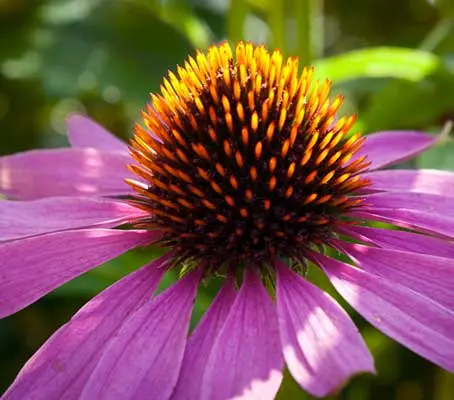
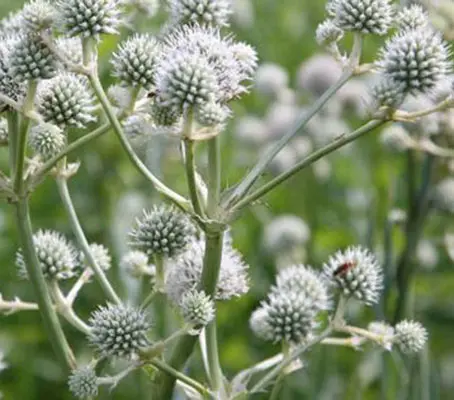
Echinacea is a perennial herb, the purple flower is in the form of a high cone. Valued as a short-term stimulant to the immune system. Until the late 1930s, Echinacea angustifolia was the only species used in medical practice. Organic Seed. Eryngium variifolium ‘Miss Marble’ is a spectacular evergreen perennial. The neat mound of basal leaves are attractively marbled with silver veining. In summer upright stems bear silvery-blue flowers, each thimble is surrounded by long, slender bracts which splay outwards, adding to the prickly appearance.
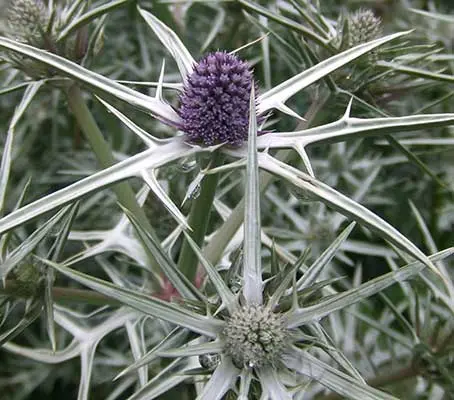
Long sword-shaped leaves, tight set white spheres and ivory-white bracts on smooth stiff stems. Eryngium yuccifolium have a unique structure that make it highly desirable.
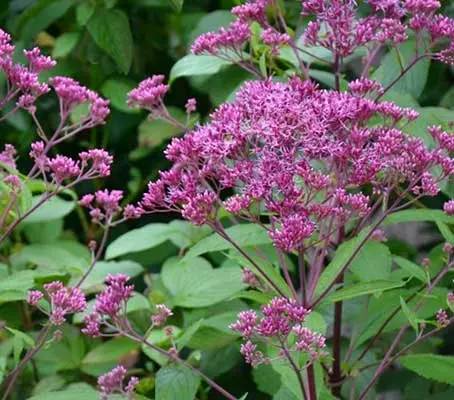
Crowned with large panicles of purple flowers, Eupatorium atropurpureum fall into the ‘naturalistic’ category. They share the physical characteristics of native species, albeit transplanted to another country.
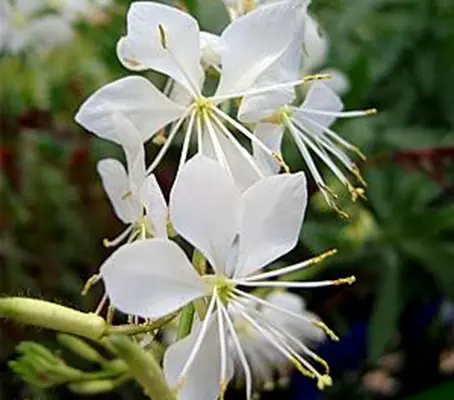
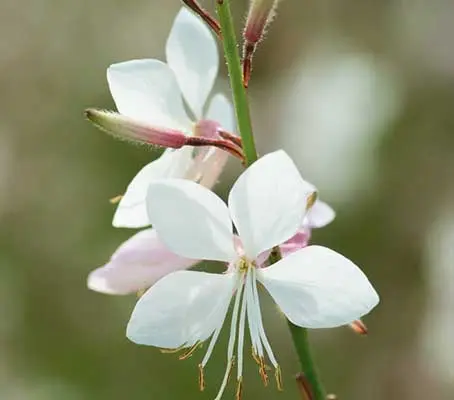
Gaura ‘Cool Breeze’ is a stunning new variety that is now available from seed. It produces a flurry of dazzling pure white, starry blooms on graceful slender stems. They have pale green stamens and buds instead of the usual pink. A first year flowering perennial, very easy to grow it will bloom in around 14 weeks from an early sowing.
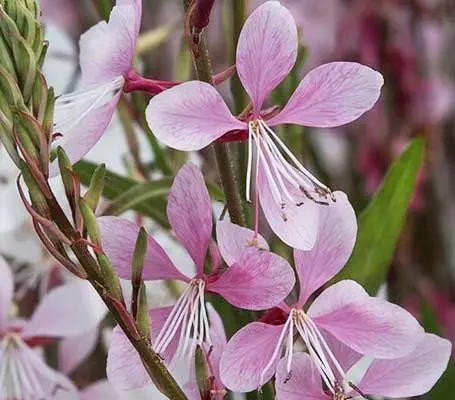
Gaura ‘Emmeline Pink Bouquet’ is a graceful perennial with an airy, romantic presence. Light on her feet, she never asks for much – just sun, well-drained soil, and a bit of space to dance.
Gaura lindheimeri ‘Sparkle White’ is a stunning hardy perennial. A Winner of the Fleuroselect Gold Medal, this bushy, clump forming variety has a neat, compact habit and produces a flurry of dazzling white, starry blooms on graceful slender stems from early summer right through to autumn.
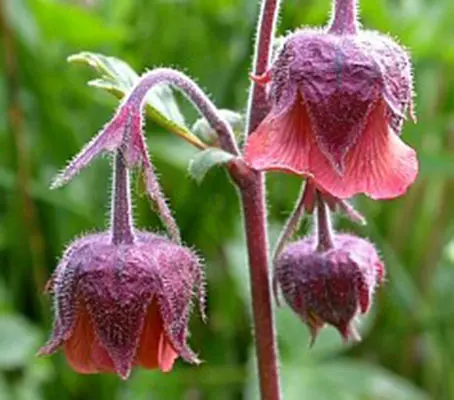
Geum rivale, the Water avens is a native perennial of slow-draining or wet soils. Flowering prolifically it is particularly useful in damp soils and makes a good show besides ponds. It produces both nectar and pollen and is an excellent plant for attracting pollinators and amphibians to the garden.
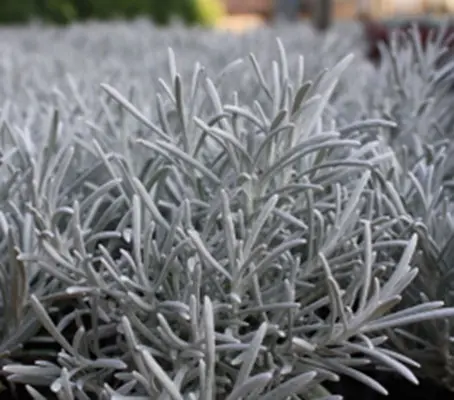
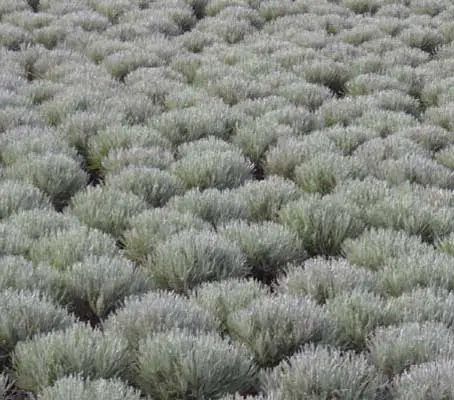
Helichrysum italicum is an easy to care for silver-leaved, perennial. In addition to its lovely light silveriness the foliage is endowed with interesting textures which provides contrast among green-leafed plants and the clusters of yellow flowers are useful for cutting. From the Tian Shan Mountains of northern China comes this tough little subshrub that is among the finest expressions of silver foliage to be found. Helichrysum thianshanicum is a superb silver leaved evergreen, subshrub that forms a tight mound of eye-catching silver foliage.
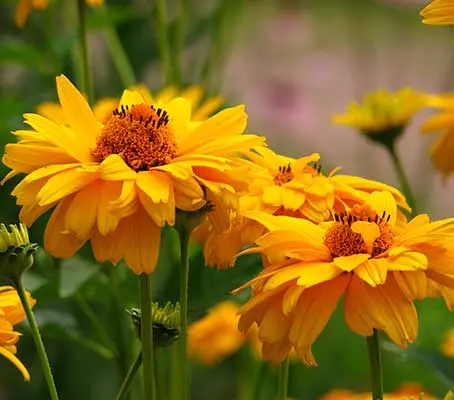
Every garden needs a few easy going plants that give a lot of colour for very little work. Heliopsis ‘New Hybrids’ will produce arm loads of flowers all summer long and never once ask for decent soil or proper care.
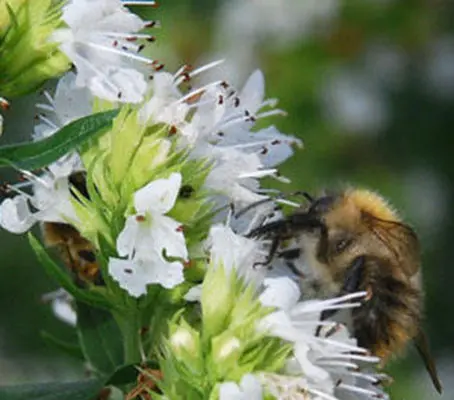
Hyssopus officinalis ‘Alba’ is a much less well known variety of hyssop. Also known as ‘White Hyssop’ the plants sport bright white flowers from July to October. Widely used as a ‘taste enhancing’ herb or wildlife plant, the plants are a dark, vibrant green with a spiky, upright habit and narrow tongue-like leaves which have a peppery scent when stroked.
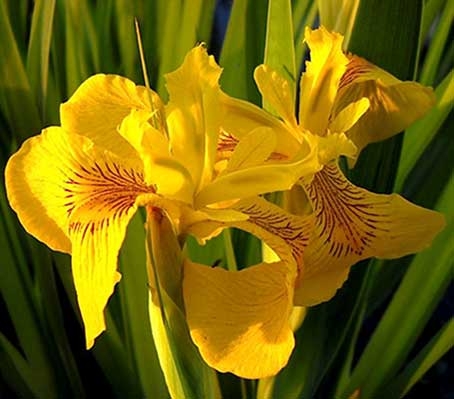
Yellow Flag Iris is a common and widespread native plant. This good-looking plant is a wetland plant that is especially showy in bloom and has been transplanted into well-watered gardens all over the world.
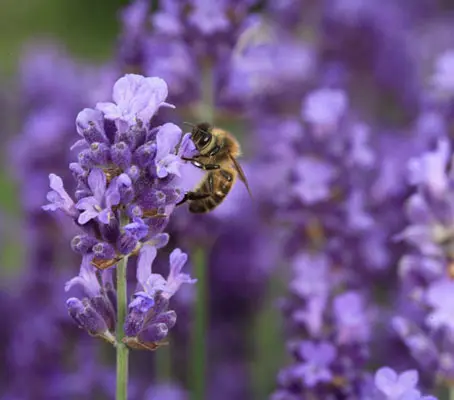
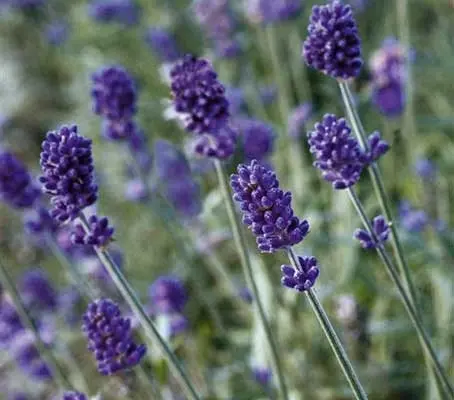
Lavandula angustifolia, also called Lavender vera is the best Lavender for medicinal and aromatherapy purposes. It is a staple plant for the herb garden, the fragrant flowers have been used in perfumes, poultices and potpourris for centuries. Organic Seed.Fragrant, free flowering and heat and drought tolerant. Lavandula angustifolia ‘Vicenza Blue’ bloom the first year from seed. This especially fine lavender has bold clustered flower spikes of deep lavender-blue from mid July to early September.
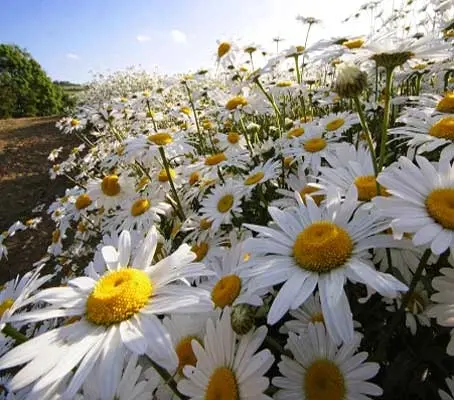
This native wildflower loves well-drained grassland with a neutral soil. It is quite at home in pastureland and meadows which are cut or moderately grazed. It can often colonize open ground if left to its natural devices and is particularly rampant in fertile soil.
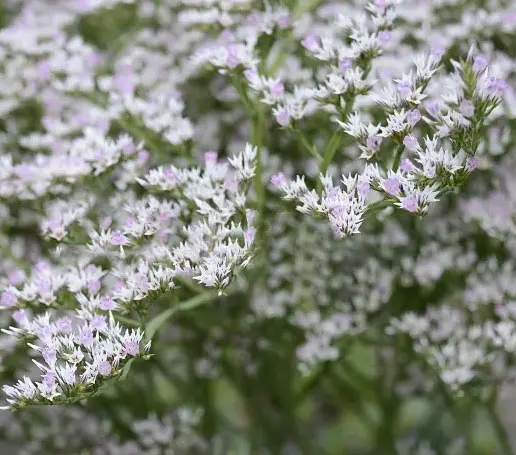
Coveted by every devotee of flower arranging, the perennial variety ‘Woodcreek’ is extremely useful and popular. Airy clouds of tiny white papery flowers hover all summer, on leafless fine stems that are perfect for picking.
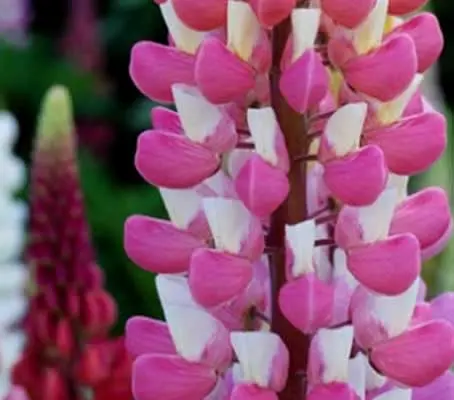
Bred for a long flowering period with unbeatable garden performance, George Russell developed one of the most popular and distinctive plants in history, the ever popular ‘Russell Hybrids’. Magnificent vertical stems of densely packed soft pink flowers each with a white flag. The Chatelaine’ is one of the prettiest in the series.
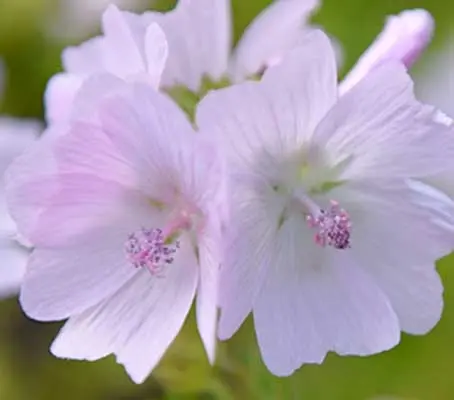
Shorter than the species, Malva moschata ‘Appleblossom’ grows 45 to 60cm in height. The satiny, single flowers in a lovely soft shade of silver-pink, are textured and striated like crepe, they have a lustrous lacquered quality in sunlight. Wonderfully appealing to bees and other pollinators, they also make a good cut flower.
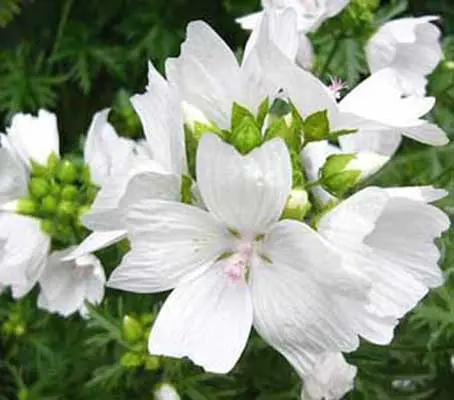
Considered by many gardeners to be the most desirable of the Malva species, this rare white-flowered form is even lovelier than the normal rose-pink Musk Mallow. Flowering throughout the summer, the pure white, scented flowers contrast beautifully with the ferny foliage.
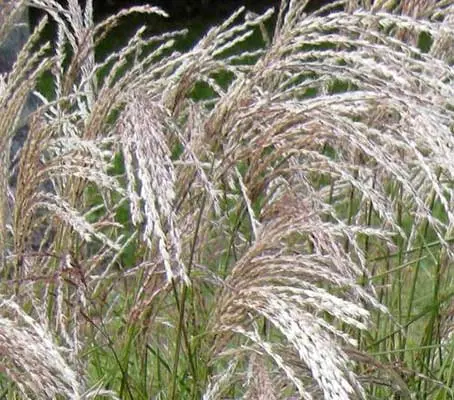
An icon for well over a hundred years, the range of Miscanthus cultivars expanded dramatically in the 1950’s when the German plant breeder Ernst Pagels persuaded two of his plants to set seed at the same time. The result of his work has provided us with some of the finest flowering grasses available today. ‘Early Hybrids’ are a selection of early blooming cultivars with differing colours and forms.
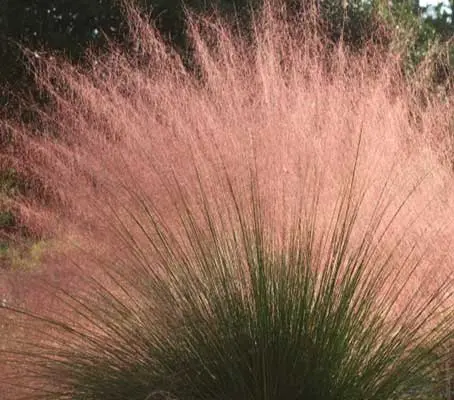
Muhlenbergia capillaris ‘Ruby’ has dramatic arching plumes of soft pink flowers that are reminiscent of headdresses worn by Vegas showgirls. A large planting of this wonderful grass is enough to stop traffic.
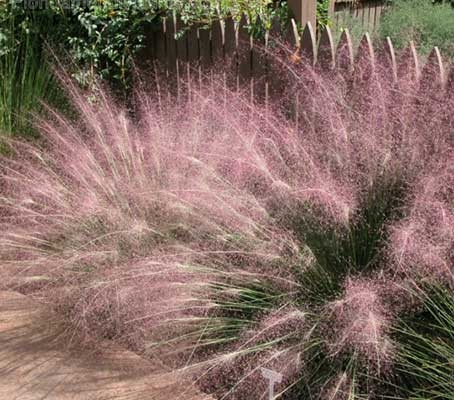
Muhlenbergia reverchonii ‘Undaunted’ is prairie poetry with zero drama. Selected for a tidy habit and a heavier blush, is notably hardy, easy and well behaved. In late summer through to autumn, gauzy pink plumes drift above the hummocks and the graceful seed heads linger like champagne fizz.
.
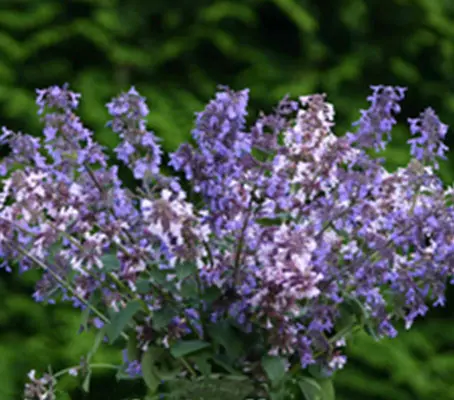
Nepeta grandiflora is a superb catnip garden performer and one of the best garden plants in this family. ‘Border Ballet’ is a striking new catmint, lusher than true catnip, with dark green leaves. It flowers in shades of blue and pink in perfect harmony. This easy to sow and grow perennial flowers in the first year of sowing.
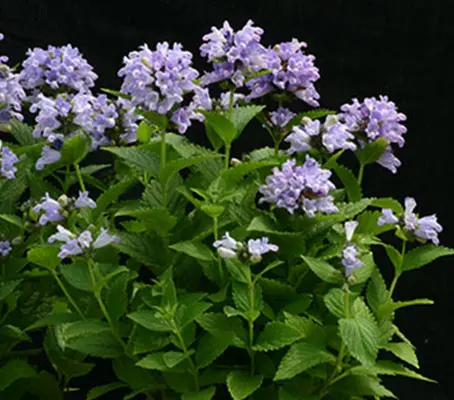
Nepeta ‘Dark Blue Panther’ is the dark blue flowered variety and sister to ‘Pink Panther’ and the beautiful white ‘Snow’ Panther. This award winning variety starts to flower just 15 weeks after sowing and can be can be grown as an annual or as a flowering perennial.
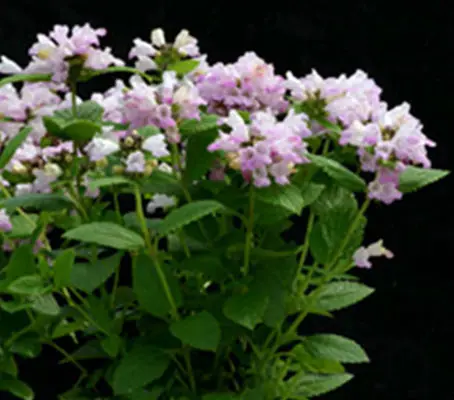
Nepeta subsessilis ‘Pink Panther’ is a bright pink form of large-flowered Nepeta which is grown from seed and flowers during the first year. It can be grown as an annual or as a flowering perennial. Flowering from June until the end of September, they work well as an informal low hedge or mixed in with other larger plants.
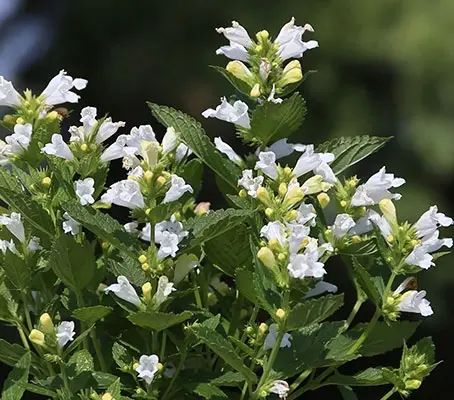
Recognised as having the largest flowers of all the nepetas and only one with white flowers, Nepeta subsessilis ‘Snow Panther’ flowers during the first year and can be grown as an annual or as a flowering perennial. This award winning variety is extremely attractive to bees and butterflies they are also excellent for containers.
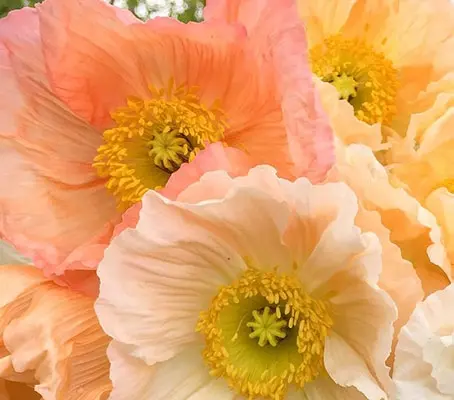
Named after ‘Kelmscott Manor’, the country home of the writer, designer and socialist William Morris, Papaver nudicaule ‘Kelmscott Giants’ produce large, luscious, crepe paper-like petals in an array of soft pastel shades.
€2.65
€2.95
€2.45
€2.45
€2.95
€2.95
€2.50
€2.65