Sort by:

Sort by:

Sort by:

Sort by:
No. of Varieties: 269
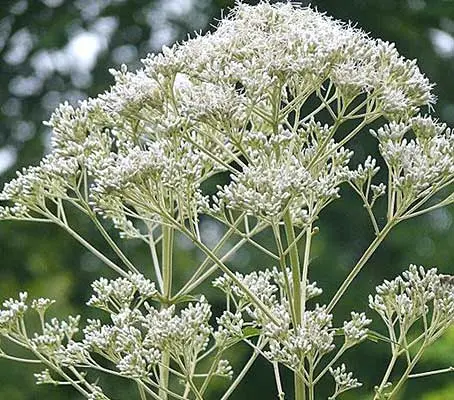
Hollow Joe Pye weed, Queen of the Meadow
Introduced in 2010, Eupatorium ‘Ivory Towers’ is relatively new to our gardens. This architectural plant bears generously clusters of ivory-white blooms which are long-lasting and beloved by butterflies. Given an early sowing, will flower the first year.
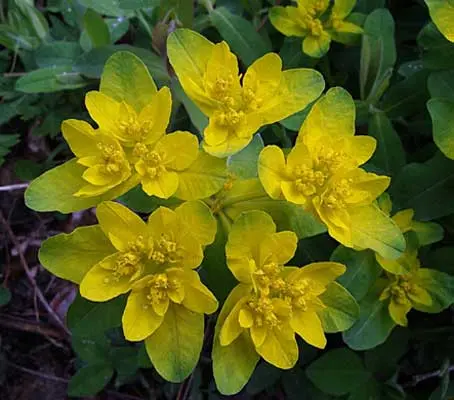
Cushion spurge, Many-coloured spurge.
Euphorbias give us some of the best early spring herbaceous colour, but Euphorbia polychroma has the most impact. This compact variety grows to only 50cm with a great mound of yellow-green flowers in spring and echoes the daffodils.
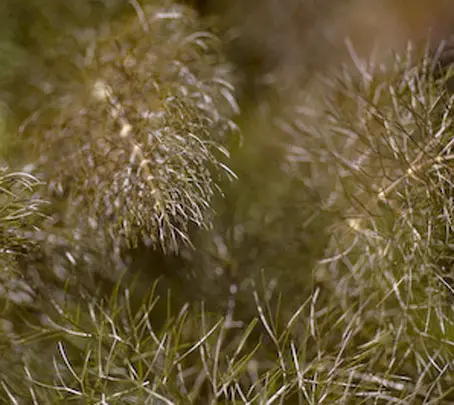
Herb Fennel, Bronze Fennel.

Used in many culinary dishes, the leaves and seeds of Fennel have a sweet aroma and an aniseed flavour. The fine clouds of feathery, bronze-purple leaves are wonderful in the herb garden or among tall perennials and grasses. The foliage acts as a delicate veil through which flower heads of plants can be seen.

Lindheimer's Bee Blossom
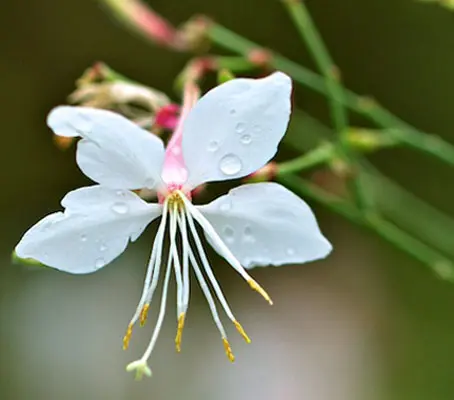
In the last decade, Gaura ‘The Bride’ has skyrocketed to popularity among gardeners.A graceful, hazy plant with airy spikes of white, star-shaped flowers with long anthers like daddy long-legs, held on slender stems from May to September. RHS AGM
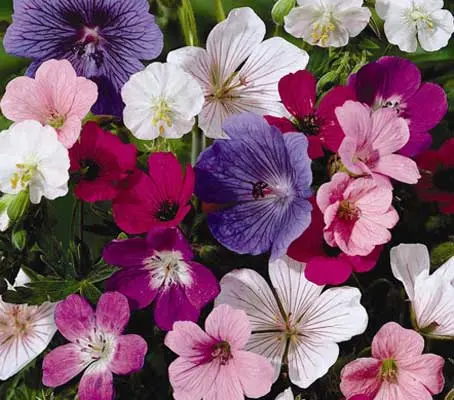
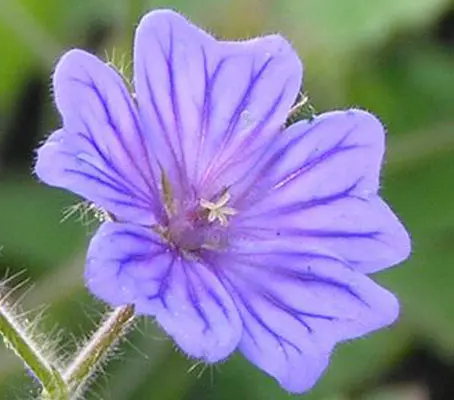
Mixture of species and cultivars

Hardy geraniums are undoubtedly one of the most popular groups of plants. Today’s hybrids are the modern flag bearers, they are beautiful, reliable and endlessly various produces jewel-tone, saucer-shape flowers for months at a time. Exceptionally good value this mix always contain a few real rarities.

Hardy Geranium

Geranium ‘Orchid Blue’ is a simply stunning plant, producing clusters of saucer shaped flowers of a rarely seen shade of pure orchid-blue, each with purple-violet veins. This new-on-the-scene plant soon spreads to form low hummocks of deeply cut soft green, leaves.

Dusky Cranesbill, Mourning Widow
Hardy Geranium

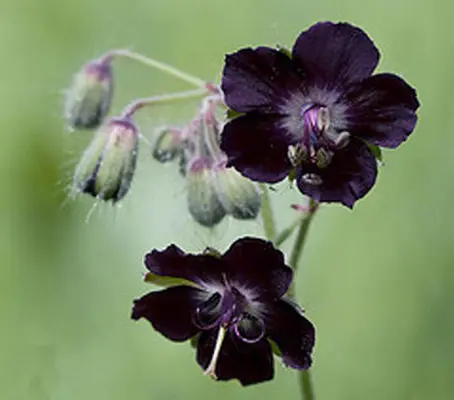
Geranium phaeum ‘Samobor’ has considerable charm, with luxurious, deep maroon-black flowers which are held high on upright slender stems in late spring to early summer. This beautiful and useful hardy geranium is loved for its amazing deeply scalloped foliage with beautiful dark markings

Hardy Geranium.

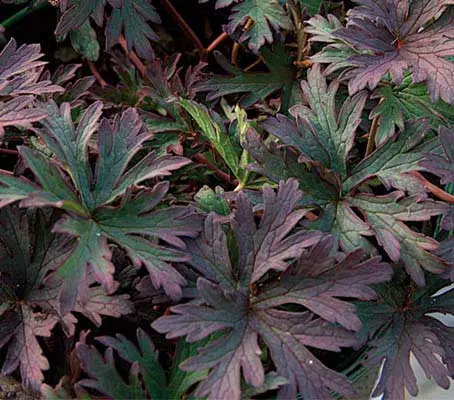
‘Dark Reiter’, is a fairly new cultivar originating from ‘Victor Reiter’ whose namesake was the legendary California nurseryman. What sets this plant apart is the new leaves that emerge a light maroon colour then fade to a purple-flushed deep green, it produces violet-blue flowers in spring.

Hardy Geranium

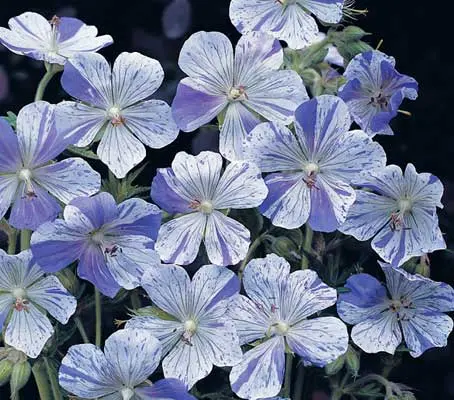
“Splish Splash” is a fascinating, rare and prized border plant and one of the most beautiful, striking and unusual perennial geraniums. Very easy to grow, the clumps of divided foliage are topped with mauve-blue splashes and flecks on pure white petals, each petal appearing to be individually designed and painted.

Hardy Geranium

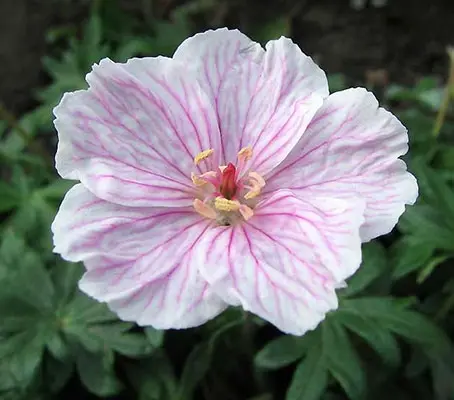
‘Vision Light Pink’ produces masses of large luminescent light pink flowers with red veins from early spring through to late summer. This long-lived, drought-tolerant perennial is useful as a small scale groundcover and in mixed borders. Use it in rock gardens, stone walls or even in container plantings.

Marketed as ‘Tango’, ‘Queen of Orange’ or ‘Cooky’

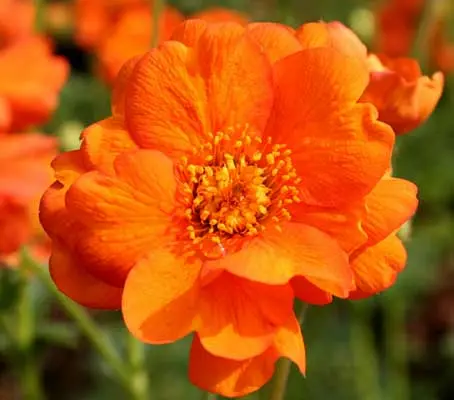
Many gardeners look for easy to grow, reliable perennials that provide a bright, cheerful display of colour early in the season. Geum coccineum ‘Borisii-Strain’ flowers the first year from seed producing wonderful vivid orange-red toned flowers from late spring into summer.

Helens's Flower, Autumn Helenium

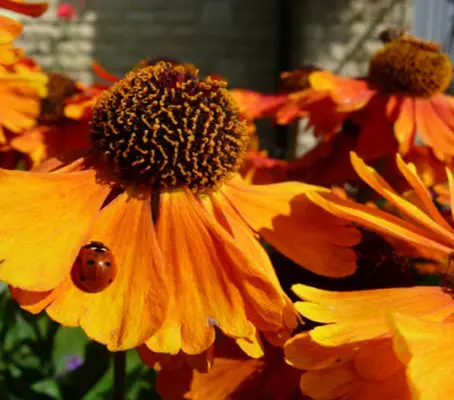
If there’s one plant that can inject a little razzle-dazzle into the border during gloomy late summers it is Helenium. From late July ‘Helena’ blooms with masses of vibrant blooms. Very hardy and easy to grow, all this plant needs is sunshine and well-drained soil.

Mountain helenium, Owls-Claws

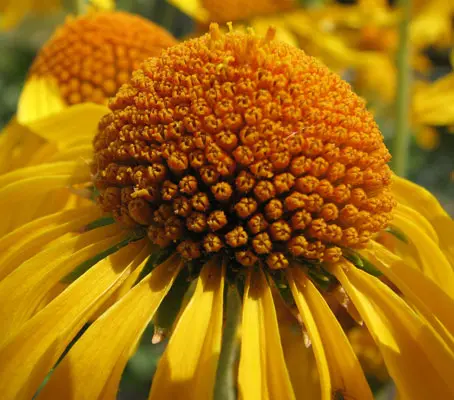
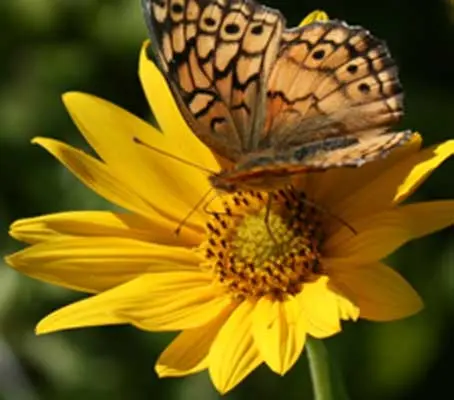
Helenium hoopesii is considered by some to be the most valuable of the species. It blooms with bright golden yellow disk florets that each form a kind of rounded knob that transforms the flower from your typical two-dimensional daisy into something much more interesting and sculptural.

Maximilian Sunflower, Perennial Sunflower

Perennial sunflowers typically don’t grow quite as tall as their annual friends, however Helianthus maximiliani is a wonderful exception. They grow slowly until late summer when the flowers bolt and head for the sky!

Downy or Ashy Sunflower, Perennial Sunflower

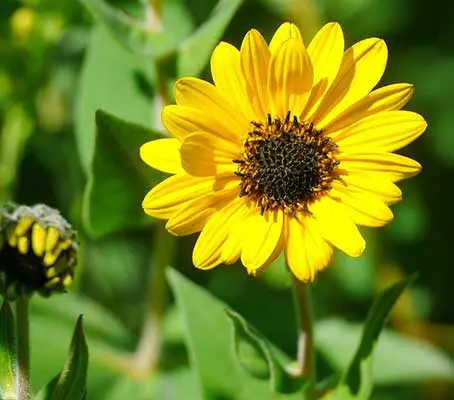
Most gardeners are familiar with the annual sunflower, however, it is the perennial varieties that coexist most happily with other garden plants. Helianthus mollis is a lovely perennial with butter-yellow flowers. It grows 120cm tall and requires little more attention than an annual cutting to the ground.

Christmas Rose, Christmas Hellebore, Black Hellebore
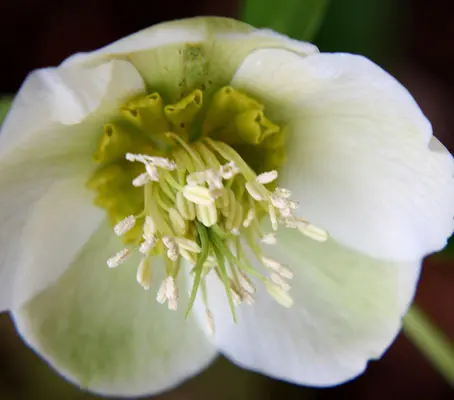
Helleborus niger is smaller and more compact than any of its relatives and is the first in bloom, producing a succession of delicate white flowers throughout winter. It is a welcome sight when the snow thaws to see something so pretty in bloom.
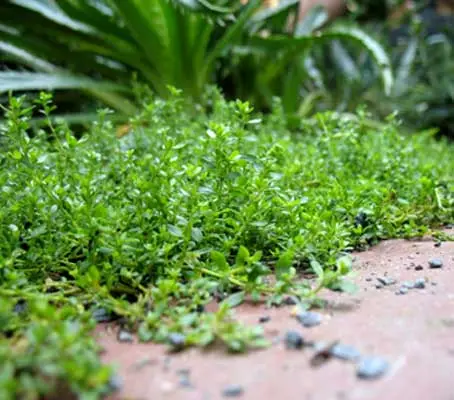
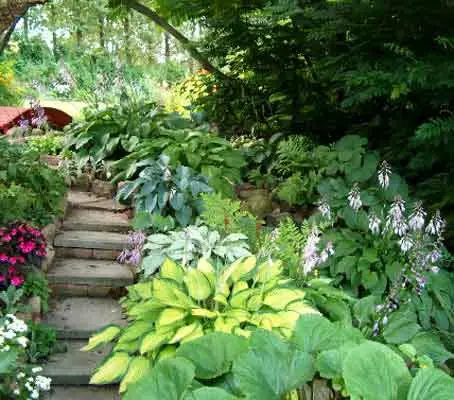
Smooth Rupturewort

Herniaria glabra is a relatively unknown perennial that deserves to be used more often in our gardens. The nursery industry calls it ‘Green Carpet’ and well they should. This lovely bright green creeper spreads effortlessly in all directions. An excellent choice for between flagstones or as a lawn substitute.

Corfu Lily or Funkia

Hosta are grown predominantly for their outstanding foliage, from leaves as small as a teaspoon up to those larger than a dinner plate, colours range from deep blues to silvers, darkest shiny greens to bright yellows, from a single solid hue to the myriad of variegations the choice is almost overwhelming.

Perennial or Evergreen Candytuft
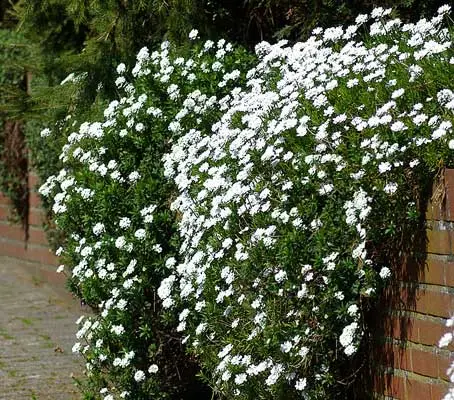
Iberis sempervirens is an early season favorite. This low bushy plant produces mounds of blinding white flowers in spring to early summer. An all round tough plant suitable for problem areas, use for containers, for pathways and crevices of ornamental walls.
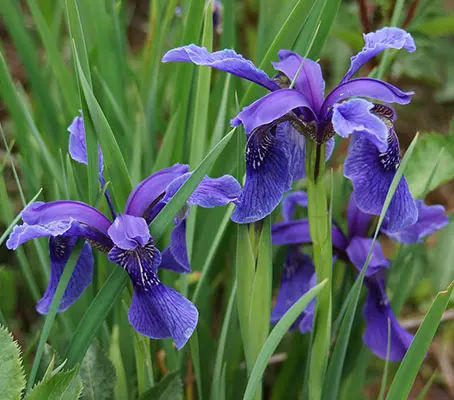
Bulley's Iris, Sino-Siberian Iris, Beardless Iris.

Iris bulleyana is a classic species Iris from western China. It belongs to a small group of oriental species which are entirely hardy and are of great value to the gardener. The plants are successful in any moist garden soil. Flowering from June to July, the blooms with mid purple flowers and dark purple veins.

Northern Blue Flag Iris

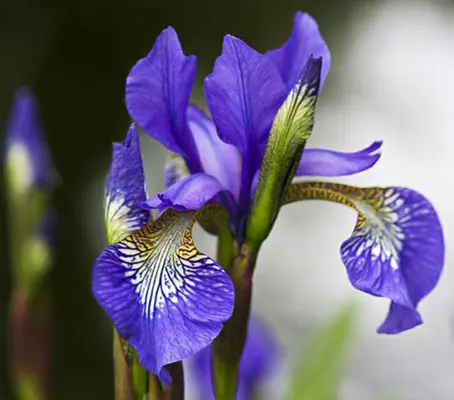
Iris versicolor is one of the few species in garden cultivation. Although happiest at the waterside the plants will also perform well under average to moist border conditions. Flowering from May through to July, each stalk produces up to five violet-blue flowers with ruffled petals and bold purple veining.

Northern Blue Flag Iris

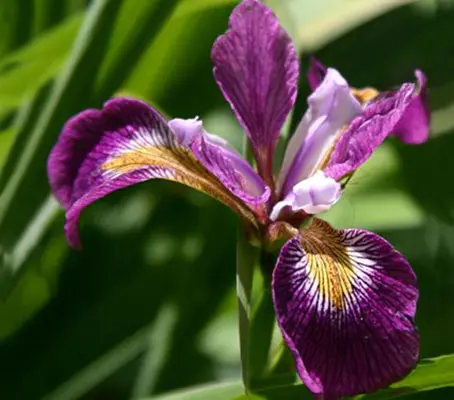
‘Kermesina’ is an attractive and popular cultivar of Iris versicolor. Flowering from May through to July with claret-purple flowers with ruffled petals and bold purple veining. It may be grown in shallow standing water or moist shoreline soils and suitable to be grown in constantly moist humusy soils of a border.

Field Scabious
Wildflower of Britain and Ireland

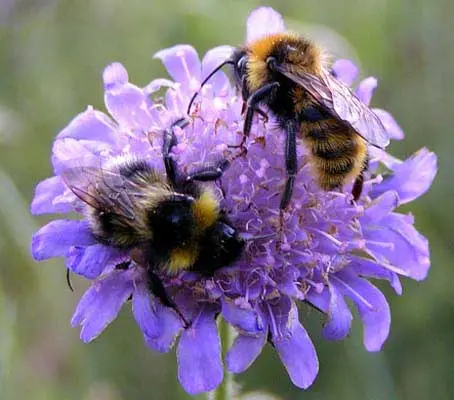
Knautia arvensis is an attractive native perennial herb of well drained grassland. It can be found throughout Europe in meadows, rough pasture, hedgerows and verges. Though it is by nature a perennial, it will flower and produce seed the first year if grown as an annual, either autumn or spring sown.

Often marketed as 'Red Knight' or 'Red Cherries'

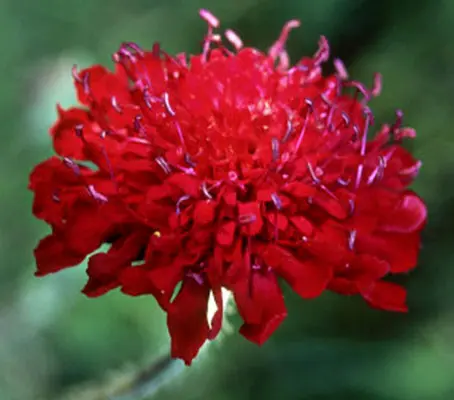
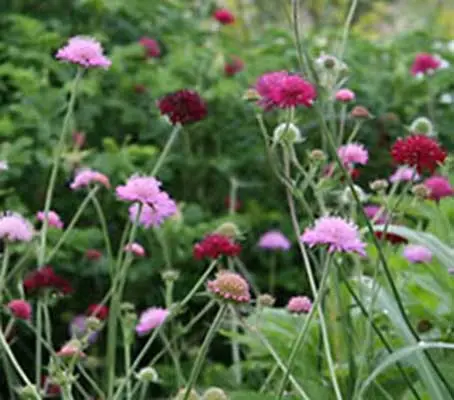
Knautia macedonica has been hugely fashionable for years and is likely to remain so for many more. This lovely and versatile perennial blooms from late spring to autumn with dark-crimson, richly glamorous pompoms. Established plants produce literally hundreds of blooms in one season.

Also marketed as 'Watercolours'. Macedonian scabious

‘Melton Pastels’ is a great border plant, densely flowering plant with strong stalks of pin cushion flowers in shades of shades of pink, cherry red, mauve and purple. The tall stems make excellent cut flowers and are good for the middle of the border, giving a succession of blooms through till autumn.

Red Hot Poker, Torch Lily

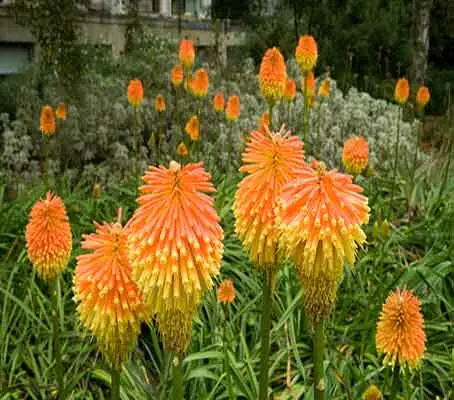
The Kniphofia hybrids have extended both the flower colour and height range. The usual fiery reds and oranges work particularly well in a planting scheme based on ‘hot’ colours – use them to light up sultry August borders. The cooler yellow, cream, ivory and sometimes green flowers is more restful.

English Lavender
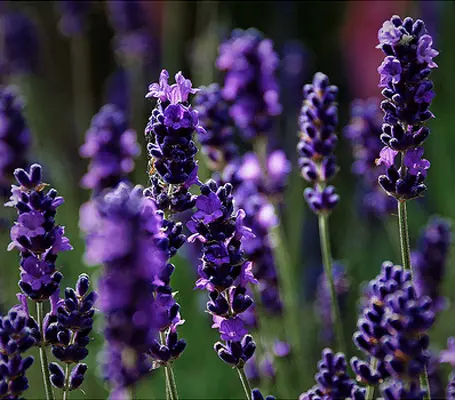
The deepest purple of all and one of the most popular lavenders is ‘Hidcote Blue’. A compact variety, suitable for growing in borders or as dwarf hedging, with dense silver-grey foliage covered in fragrant, dark purple-blue flower spikes in mid-summer.
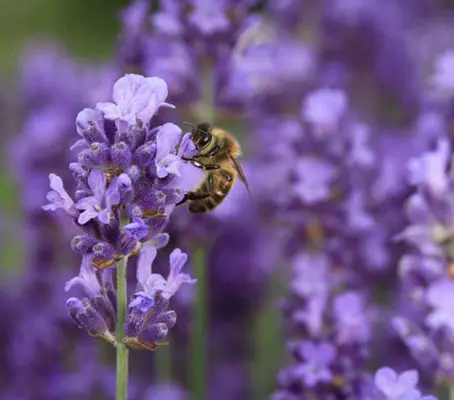
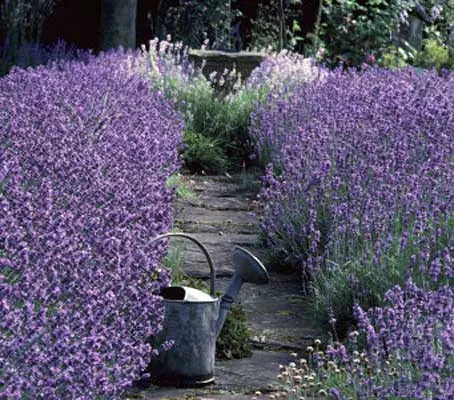
True English Lavender, Old English Lavender

Lavendula angustifolia is an excellent plant for low informal hedging and as a specimen evergreen for borders and formal gardens. Flowering generally begins from mid to late June to early July. The flowers have a rich sweet scent and are highly attractive to bees and other beneficial insects.

Dwarf English Lavender, Hedge Lavender

Munstead Lavender is a fragrant robust English lavender that, due to its short size and tightly held blooms, makes a great hedge. It flowers profusely in the spring, after which a good pruning will provide an attractive grey bush with highly aromatic leaves.

Butterfly Lavender, Spanish Lavender (US)
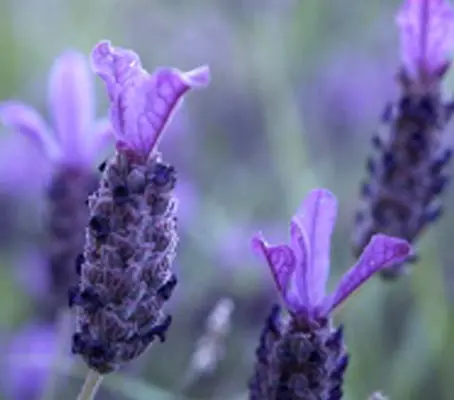
Lavender stoechas is an old variety, cultivated for more than 400 years, it is a favourite both for its intense fragrance and for the short dense flower spikes. French Lavender blooms from spring to frost and has a good clean scent.
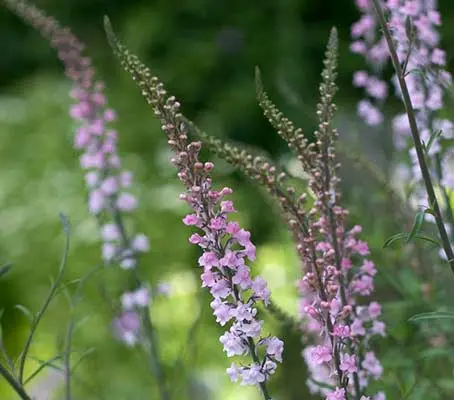
Toadflax

Linaria ‘Canon J Went’ is a delightful plant with tall spikes of pink and mauve tiny flowers. Easy to grow and flowering prolifically in a sunny spot, the delicate plants provide a softening haze in perennial borders.

Wildflower of Britain and Ireland

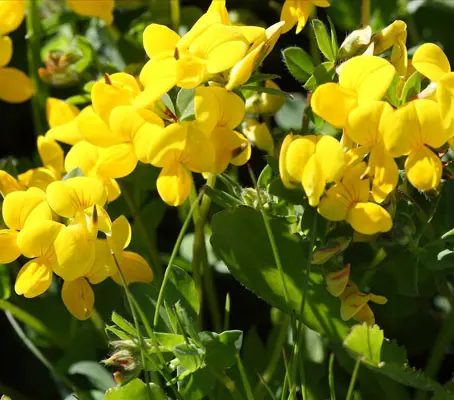
The more I see of this rather attractive little plant, the more I grow to appreciate it. Now I seem to spot it all over the place, in meadows, woodland, road verges and gardens. The bright yellow fragrant flowers can be seen in blossom from the end of April through until mid September.

Lupin Russell Hybrids, Aka 'Fraí¼lein'
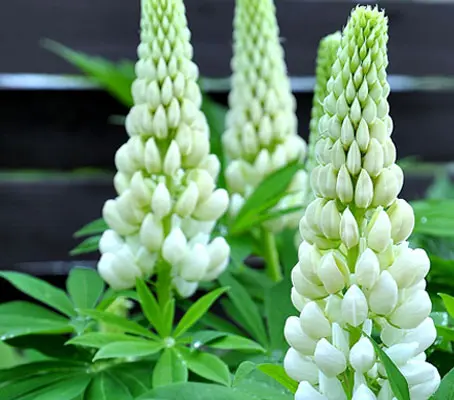
Lupin ‘Noble Maiden’, occasionally called Fraülein, feature soft ivory white buds that open to pure clean white. The flowers open from the bottom up making for a longer blooming period. Stunning in the border or in a vase.
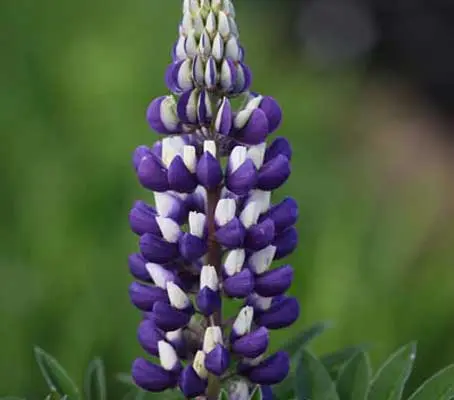
Lupin Russell Hybrids, Aka 'Kastellan'
George Russell developed his Lupins aiming for, and achieving a central stalk or spike totally obscured by colourful flowers. ‘The Governor’ is one of the most popular from the series and features deep ultramarine blue blooms each with white flag.
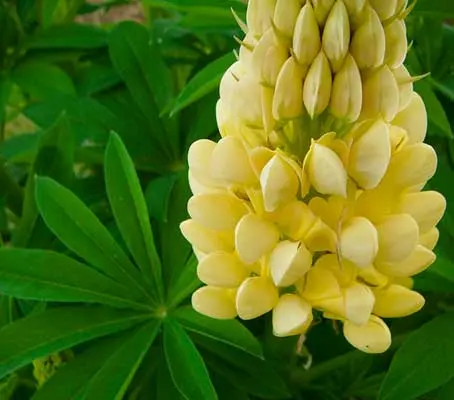
Lupin Russell Hybrids, Aka 'Kronleuchter'

Each small flower of Band of Nobles ‘Chandelier’ is a glorious shade of golden yellow, and the standard (the upper petal) is often a shade or two lighter. They have been bred for a long flowering period and give unbeatable garden performance.

Lupin Russell Hybrids, Aka 'Mein Schloss'
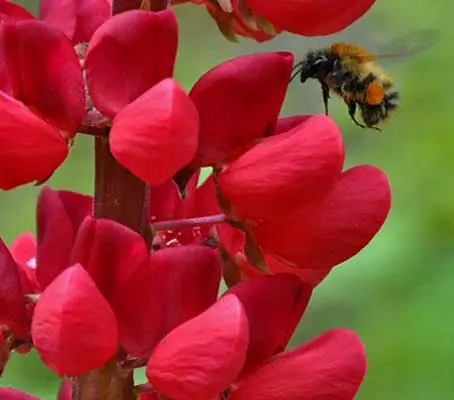
The magnificent vertical stems of Lupin ‘My Castle’ produce vibrant red blooms bringing height and grandeur to summer borders. The intense colour of this robust variety makes a real statement when planted in drifts, or dotted among other perennials.
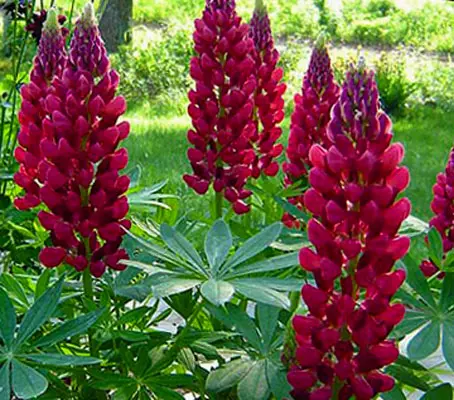
Lupin Russell Hybrids, Aka 'Edelknaben'
The Russell Hybrids ‘Band of Nobles’ series have exceptionally bright and strong colours. ‘The Pages’ produce magnificent vertical stems of carmine red blooms. These hardy plants will surviving extreme temperatures withstanding frost to at least minus 25°C.
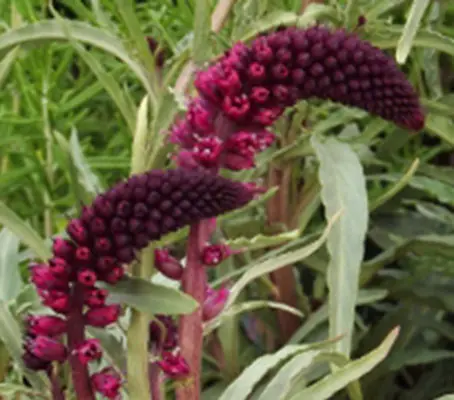
Crimson Loosestrife

Recently introduced to gardens and a hit Chelsea Flower Show, Lysimachia ‘Beaujolais’ feature flower spikes of deep claret which bloom continuously from May to September. The plants give a good effect used in tight drifts through grasses and other perennials. Ideal for cutting, the dark flowers are adorable in bunches.

Gooseneck Loosestrife
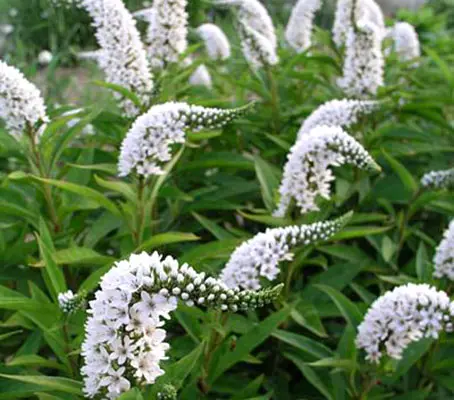
Lysimachia ‘Lady Jane’ produces spires of white blossoms right above the foliage, they arch over then tip up at the ends and grow in beautiful curvy forms. Absolutely loved by butterflies, an additional feature is the good autumn foliage colour.
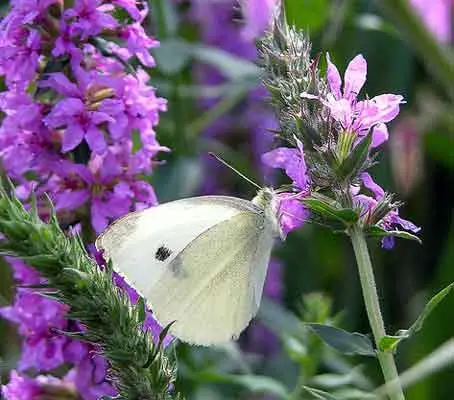
Red Sally, Long Purples
Wildflower of Britain and Ireland

Magnificent and spectacular spikes of rose-purple flowers, which last from June throughout the summer distinguish this tall wetland plant. Purple loosestrife is an easy garden plant, thriving in any soil. It is a beautiful subject for late summer colour in a border, shrubbery, large pond or slow-moving water.

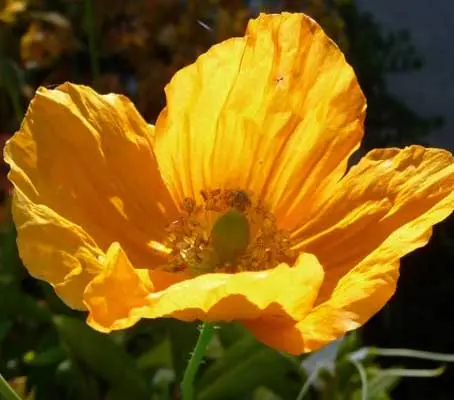
Welsh Poppy, Yellow Poppy.
Wildflower of Britain and Ireland

The Meconopsis genus contains some of the most exquisitely beautiful of all flowering plants. M. cambrica is the easiest to grow, and is reliably perennial. The delicate cup-shaped, golden-yellow flowers are borne in abundance from late spring to early autumn.

Bowles Golden Grass
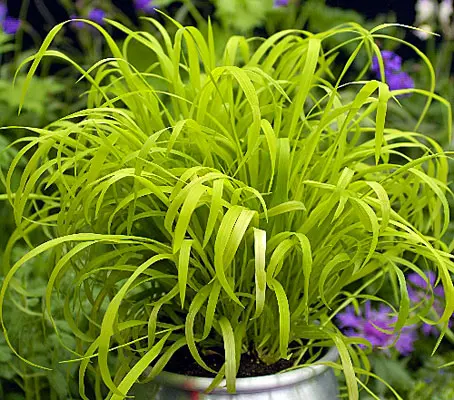
Milium effusum Aureum has a magical quality, bringing incandescent light to the shady places it prefers. As the season progresses tiny golden, bead-like flowers on hair-thin stems arch gracefully creating fountains of gold.
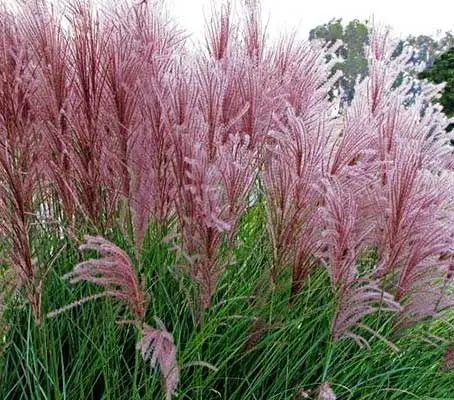
Maiden Grass or Eulalia Grass

Miscanthus are the queen of ornamental grasses. Miscanthus sinensis ‘New Hybrids’ provide a multitude of cultivars with varying heights, leaf widths and bloom times. Some plants will be upright growing and others will have a cascading habit, also expect variation in colouring.

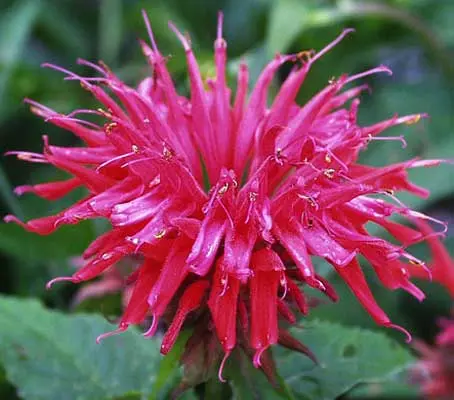
Bee Balm, Bergamot. Oswego Tea, Horsemint

‘Panorama’ must be rated a marvelous achievement in the perfection of the whorls of flowers and the brilliance of the colours. In many shades of scarlet, bright red, pink, salmon and crimson, each plant bears up to 20 long stems. They are as long-lasting as they are dramatic and excellent for cutting.

Bee Balm, Oswego Tea, Horsemint

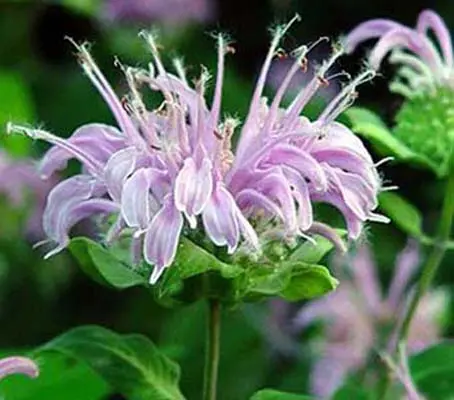
Monarda fistulosa, also known as Bergamot is famed for its medicinal qualities. While in the perennial border these lovely plants produce a mass of mauve-purple blooms (even in their first year from an early sowing) and have uniquely scented foliage. Highly attractive to bees and butterflies.

Catnip, Catmint
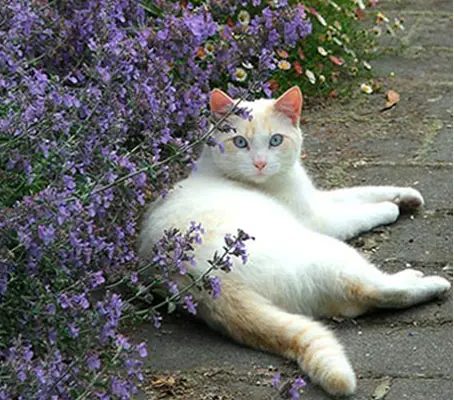
Veteran gardeners are probably already aware of nepeta’s versatility in the garden. From its popular partnering with roses to the softening effect it has on hard edges. Nepeta is an ideal perennial for new gardeners and, of course, cats adore it.
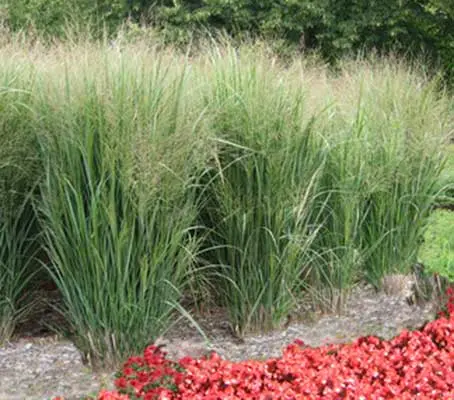
Panic Grass, Switchgrass

Despite its American provenance Panicum virgatum was originally taken up by German landscapers and gardeners. Renowned for its steely coloured blue-grey to blue-purple leaves, but it is the contrast between the rigid, stainless-steel foliage and purple-pink froth that really charms.

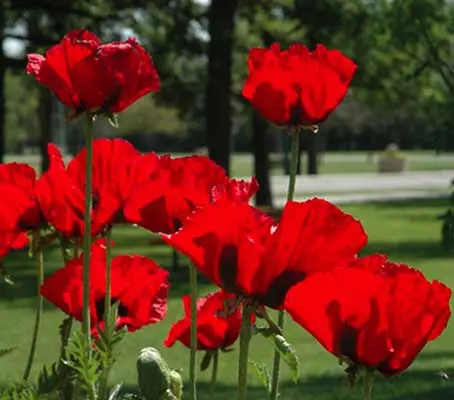
Oriental Poppy

Papaver orientale ‘Brilliant’ exhibits immense scarlet red satiny blooms, each boasting intricately decorated, deep purple-black hearts. A good border plant, as well as an eye catching cut flower, they are very long-lived and virtually care-free, these undemanding plants provide a real spectacle year after year.

Oriental Poppy. Aka 'Choir Boy' or 'Checkers'.
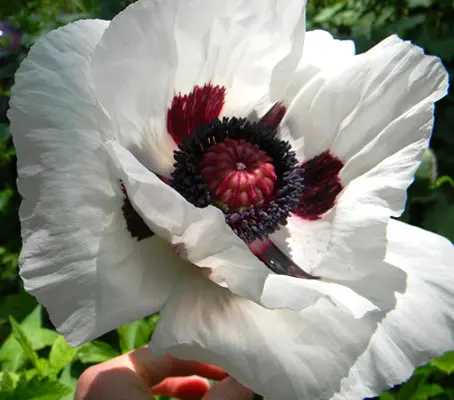
Nothing compares to the grace of the Oriental poppy, and ‘Royal Wedding’ is perhaps one of the most striking examples. It exhibits immense pure white satiny blooms with intricately decorated, deep purple-black hearts. They provide a real spectacle year after year.
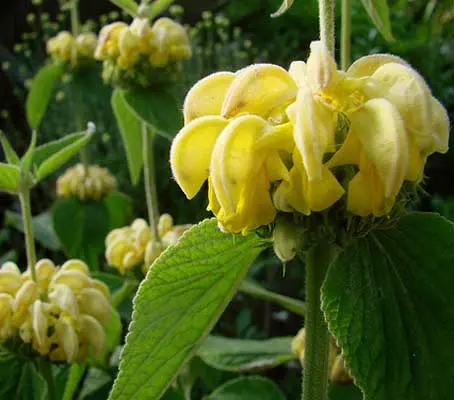
Jerusalem Sage, Turkish Sage

A justifiably popular plant. Phlomis russeliana blooms with dramatic whorls of hooded, soft yellow flowers on tall, erect stems. Each plant can contain as many as fifty individual blooms creating a magnificent candelabra effect.

White Jacob’s Ladder, Greek Valerian
Wildflower of Britain and Ireland

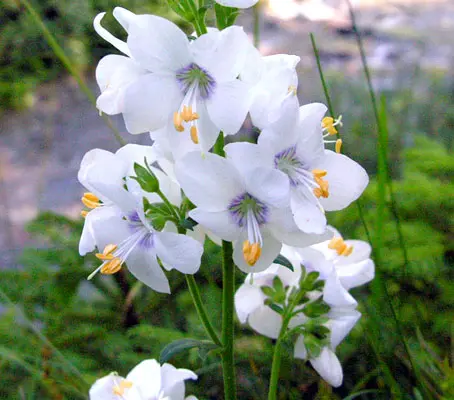
The white form of the lovely Jacobs Ladder, named after the slender, fresh green leaflets arranged like the rungs of a ladder. Blooming in late spring to early summer, the bright foliage and white flowers will brighten shady locations. Both the flowers and the attractive ferny foliage are excellent for cutting.

Japanese Jacob's Ladder

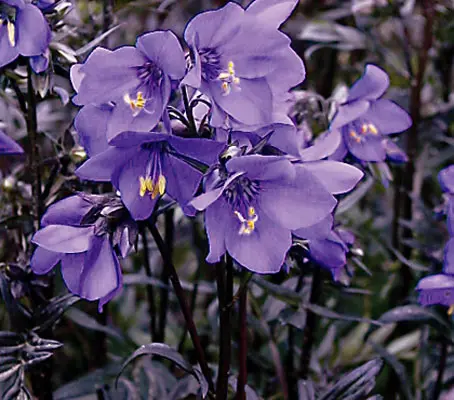
Collected at altitude in Japan and introduced in 2006, Polemonium yezoense ‘Purple Rain’ is one of the best new introductions in recent years. With bronze-purple lacy foliage, dark stems and violet-blue flowers, it is the darkest flower form of Polemonium available.

Common Solomon's Seal
Wildflower of Britain and Ireland

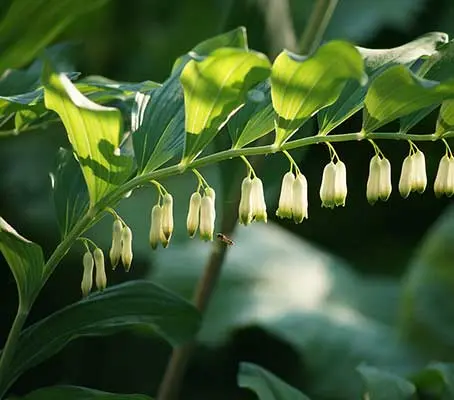
Whether you know this plant by its scientific name Polygonatum, or the more poetic variant Solomon’s Seal, this plant is a welcome addition to the shade garden. The bright green elliptical leaves look wonderful amongst native ferns.

Wildflower of Britiain and Ireland

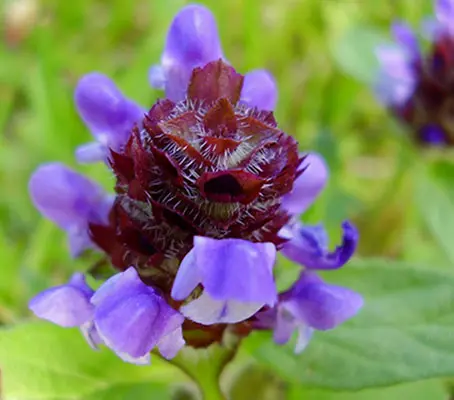
Prunella vulgaris is an interesting and quite beautiful little wildflower plant. The plants produce pretty blue-violet flowers in summer, the flowers freely produce nectar and are highly attractive to bees. If you’re looking for something to add to a meadow garden, or something for those shady areas this is the plant for you.

Black Eyed Susan, Golden Coneflower
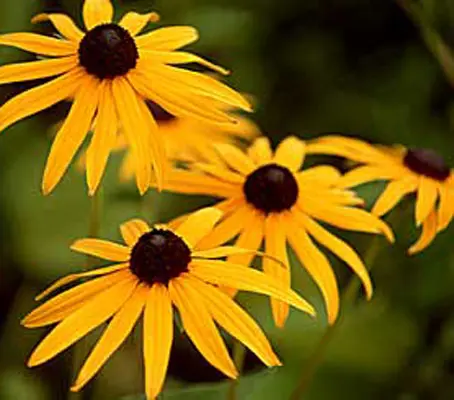
Rudbeckia are one of the top ten favorites of many gardeners’. Goldsturm is a compact form of the yolk-yellow black-eyed Susan, it is short enough not to need staking and never flops. An excellent cut flower and a great choice for mass planting.
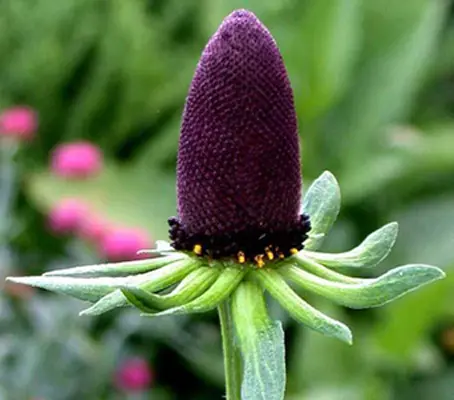
Western Coneflower, Green Coneflower

An absolute gift to flower arrangers, this is a noble and ornamental plant for the back of any border making nice clumps of foliage. It is, of course, the flowers that are remarkable: three or four inches across, “green” is one’s immediate impression on seeing them.