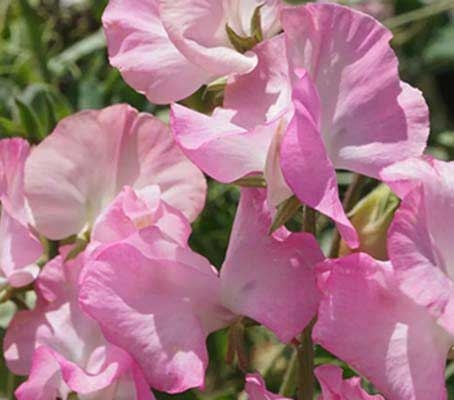
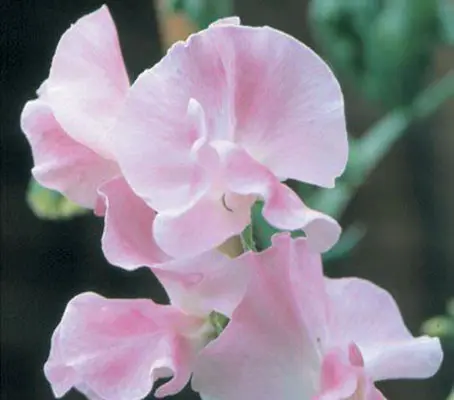
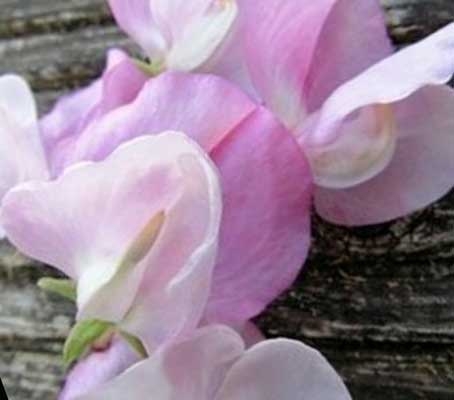
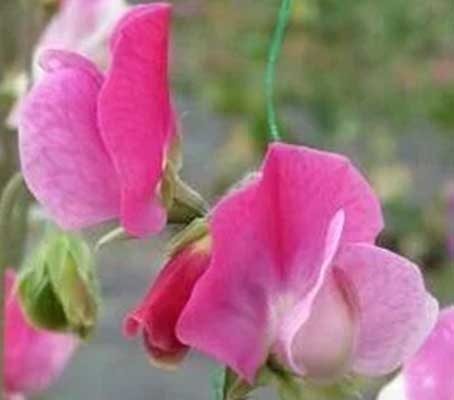
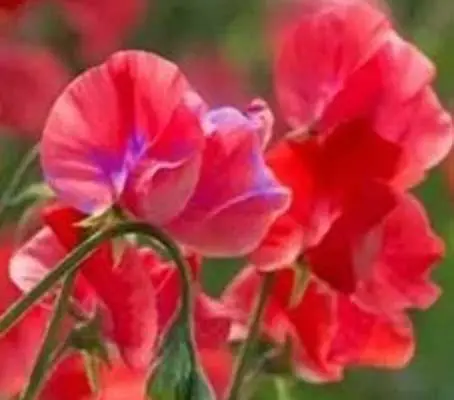
‘Mammoth Rose Pink’ produces blooms in a clear, mid rose-pink, fresh and flattering rather than hot or cerise. Buds open a shade deeper, then the petals soften to shell-pink with a faint silvery bloom on the wings. Extra early, extra large blooms and an excellent choice for early spring colour and for producing early cut flowers.
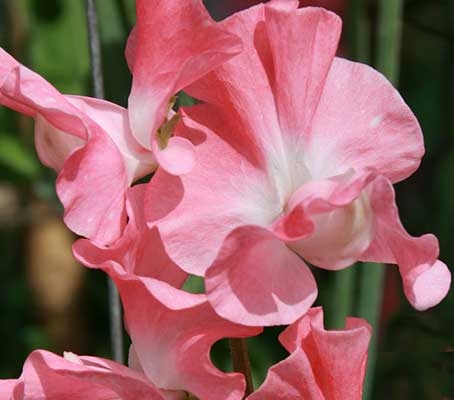
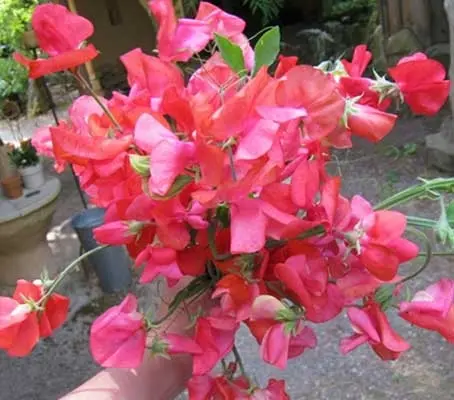
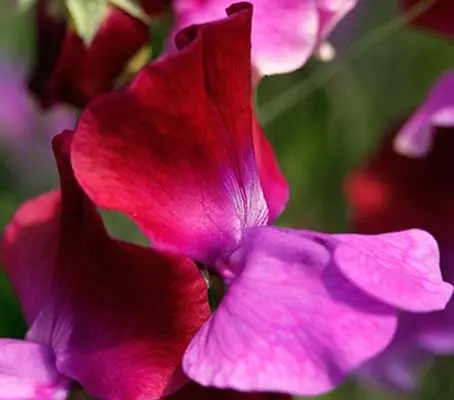
Mammoth Sweet Peas belongs to a type of sweet pea called an ‘Early Multiflora Gigantea’. Marked by the longest stems, and large fragrant blooms, they are very popular with commercial cut flower growers. ‘Mammoth Salmon Cream’ produce large crimson-red flowers that are borne on beautifully long stems.
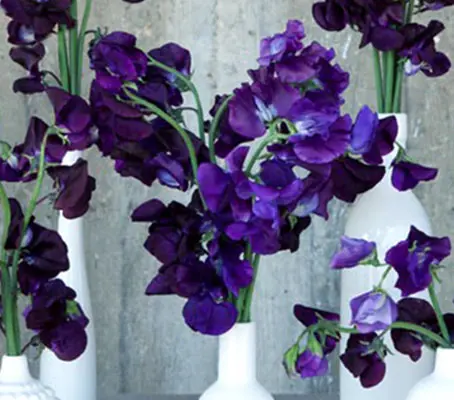
Sweet Pea ‘Lord Nelson’ is an old fashioned variety that received an RHS Award of Merit in 1907. With beautiful, rich dark blue flowers and a powerful scent, it combines magnificently with white or with lighter blue shades.
A striking heirloom variety that creates a big impact, Sweet Pea ‘Miss Willmott’ dates back to 1901 but remains as attractive as ever, in the garden or as a cut flower. Attractive pale orange and salmon pink, unusual bicoloured flowers have a superb fragrance.
Originally bred and introduced by a Mr Viner in 1901, Sweet Pea ‘Nellie Viner’ produces long stemmed blooms that have nicely rounded clear pink flowers and is also blessed with the most superb fragrance and make exceptionally fine cut flowers.
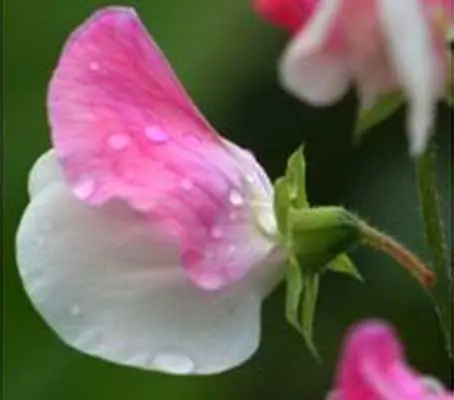
The original ‘Painted Lady’ sweet pea arose as a sport from ‘Cupani’ in about 1730. It was the very first named sweet pea cultivar. Recently reselected, this modern form produces larger, more numerous flowers and retains the distinctive colour combination of lotus-pink and white petals with a rich, old-time sweet scent.
Lathyrus odoratus ‘Prima Donna’ is a classic Grandiflora sweet pea introduced by Henry Eckford in 1896, during the golden age of sweet pea breeding. It bears rosy-pink blooms that deepen as they mature, each flower beautifully proportioned and carried two or three to a stem.
An elegant Grandiflora sweet pea prized for its refined blooms, long graceful stems and heady perfume, Lathyrus ‘Sicilian Fuchsia’ shows a vivid cerise standard, flanked by paler pink wings, while the keel quietly remains a gentle, soft pink. The colours create a subtle, layered effect.
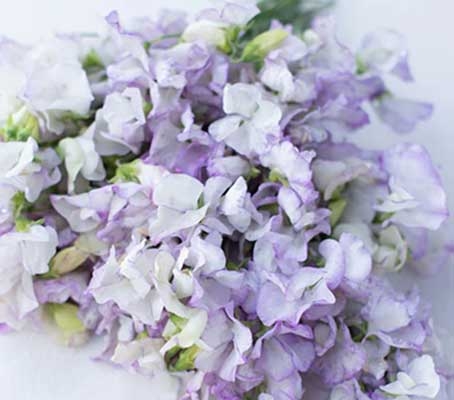
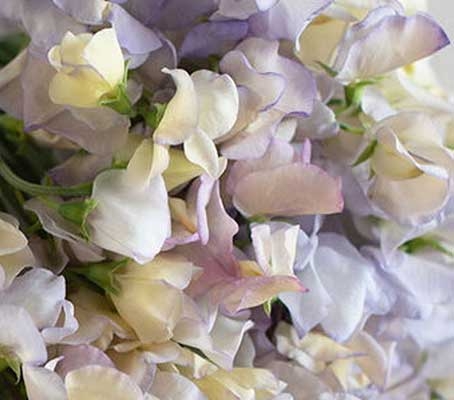
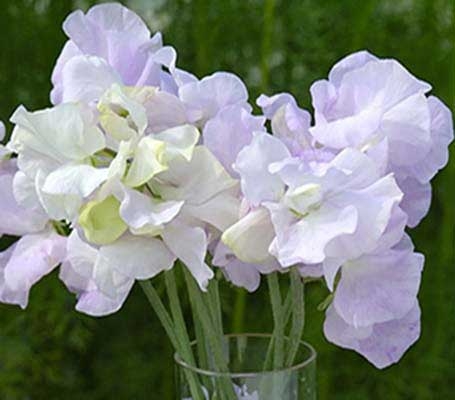
A delicate beauty that stands out among the bolder varieties, Lathyrus odoratus ‘Butterfly’ bears pale cream blooms softly flushed and veined with lilac and lavender Superb for cutting and a striking presence in the garden or the vase.
Dr Keith Hammett has bred many incredible new varieties of Sweet Pea. These new ‘Modern Grandiflora’s’ feature larger petal sizes and longer stem lengths. Importantly, the scent has been retained. ‘Moody Blues’ combines three of the most popular varieties. ‘North Shore’ , ‘Cocktail’, and ‘Big Blue’.
A modern grandiflora sweet pea, Lathyrus ‘Philip Miller Fleck’ produces soft rose-red, scented blooms, delicately flecked and streaked with violet, giving each flower a painterly charm. It captures the romance of the old-fashioned sweet peas while offering the vigour and reliability of modern breeding.
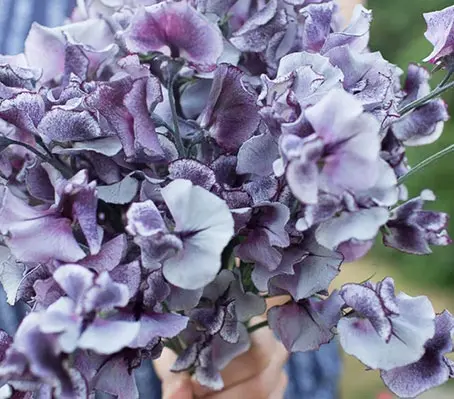
Among the most sought after flowers, by florists and flower farmers alike is the dramatic Sweet Pea ‘Nimbus’. A spencer type with big, prolific flowers on long stems, Nimbus wears its stormy dark-blue-violet highlights sprayed against a cream background.
Created from the resurgence of interest in breeding sweet peas for scent, Exceptionally fragrant, with a vintage look, Lathyrus ‘Old Times’ produce elegant and unusually coloured blooms on long stems. Dreamy, cream-colored blooms with lavender-blue blush and veins – this variety is a must grow.
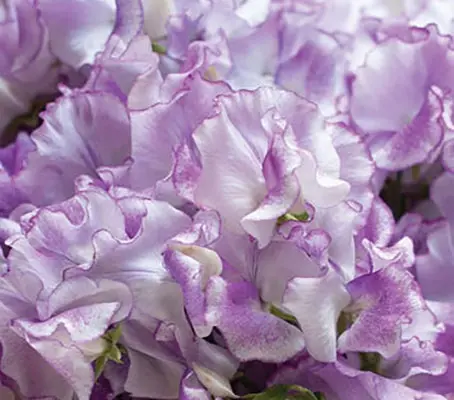
Providing the best of all worlds for the gardener, Spencer Modern sweet peas have exceptional scent, combined with large ruffled petals and long stems. ‘Pulsar’ produces fragrant, ruffled white flowers rippled with delicate lilac stripes and flakes.
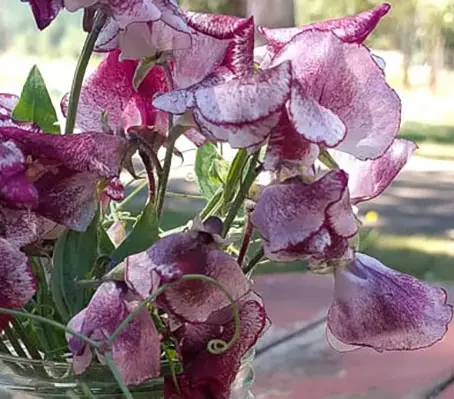
Wiltshire Ripple is a unique colour combination in the fashionable ripple pattern of claret to chocolate colouring over white scented blooms. Full-size exhibition, Spencer-type, Sweet Pea. Long strong stems. Ideal for cutting, exhibition and garden decoration.
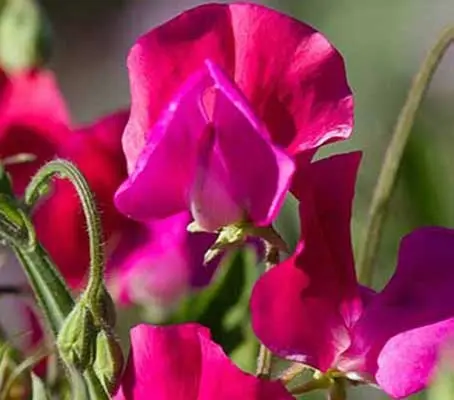
Created from the resurgence of interest in breeding sweet peas for scent, Spencer Modern sweet peas provide the best of all worlds for the gardener. ‘Zorija Rose’ is a brilliantly bright variety with magenta flowers and excellent fragrance. They make exceptionally fine cut flowers.
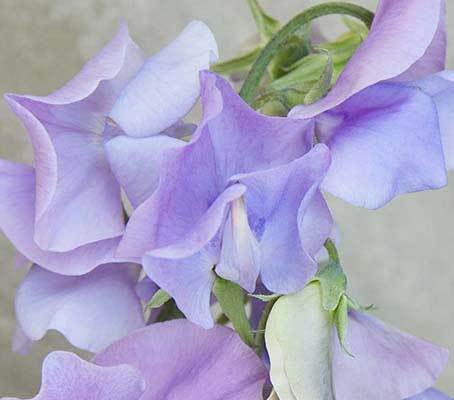
Lathyrus odoratus ‘Arthur Hellyer’, produces large undulating flowers in shades of soft lavender, white and light purple. named after the English gardener Arthur Hellyer. Highly fragrant with the classic heady and sweet pea scent, they are absolutely irresistible!
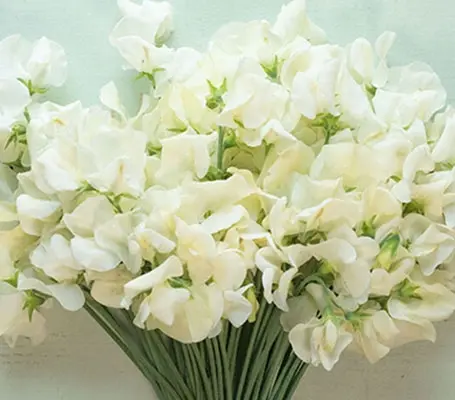
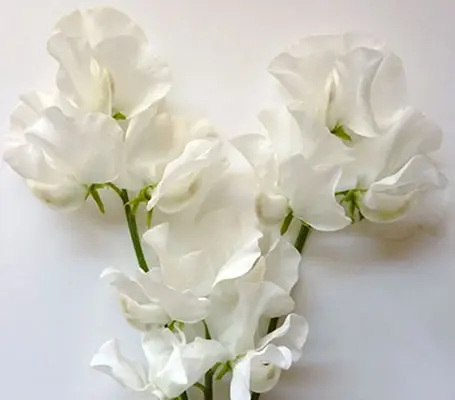
Long-stemmed creamy-white with extra-long, thick stems and a wonderful fragrance, Lathyrus ‘Ice-Cream’ is a romantic addition to the garden and perfect for wedding work. Stunningly beautiful, with the most delicious vanilla ice cream coloured large undulating petals.
Bred by Roger Parsons, ‘Just Julia’ is a modern example of the classic Spencer Sweet Pea. Large, frilled blooms on long, strong stems and distinguished by its glowing pink petals with a lilac undertone. Highly recommended.
Introduced in 1981 in celebration of the wedding of Prince Charles and Lady Diana, Lathyrus ‘Royal Wedding’ produces wonderfully large, slightly ruffled flowers with four to five blooms to a stem. They are of course perfect for wedding work.
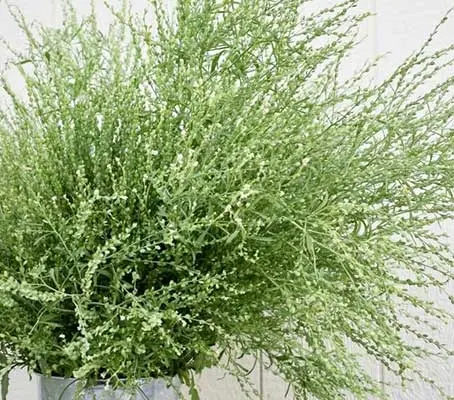
Lepidium sativum, commonly called Persian Cress or Ornamental Cress is a trendy filler green among floral artists and they keep it in regular demand. This easy to grow filler foliage grows upright, sturdy branches decorated with tiny, silvery seed pods by the thousands.
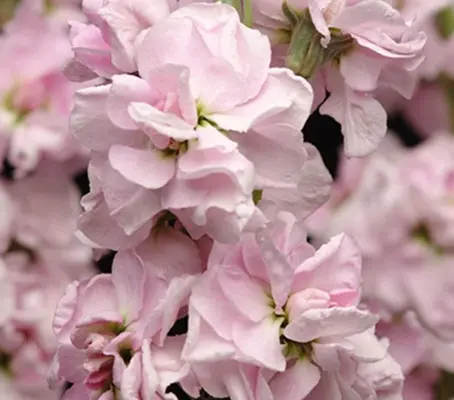
Full, lush, double blooms, with a velvety texture are dressed in a dusky, old-world rose hue. Matthiola ‘Mathilda Antique Rose’ can be sown early in spring to give a summer flowering display or if treated as biennials, the flowers will be ready for Valentine’s Day.
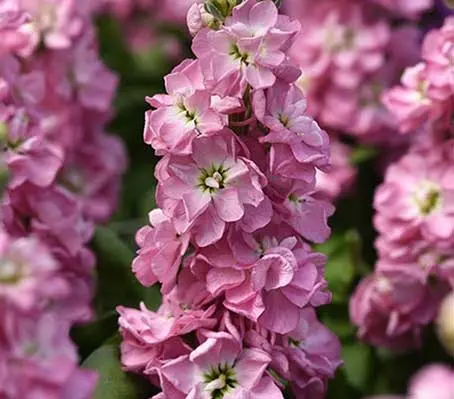
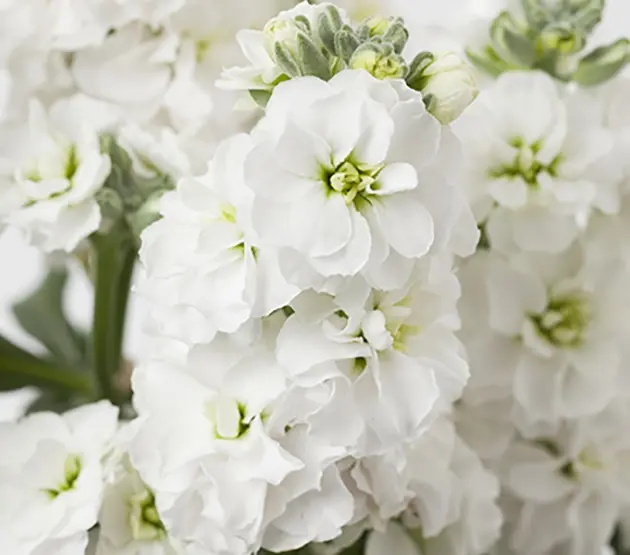
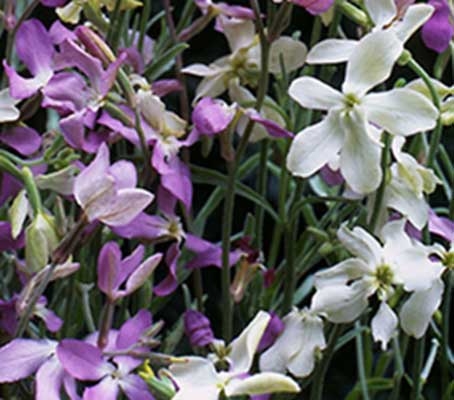
Florists’ bouquets often include stocks. They enchant us with the soft colours of the double flowers and with their intensely sweet scent. The Miracle series is specifically cultivated for cutting. With extremely large flower heads and upright strong stems, they do not branch but grow neatly to about 70cm tall.
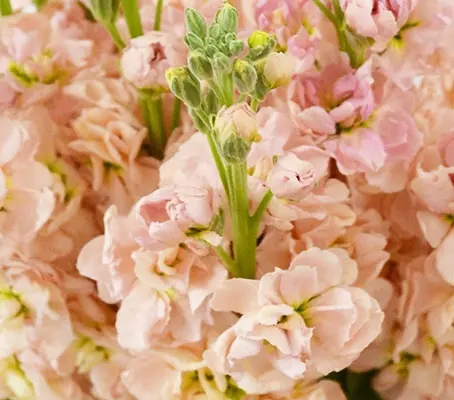
Matthiola incana ‘Apricot’ is a variety of the traditional tall stocks that are grown for the floral industry. Extremely fashionable, the delicate peachy-apricot flowers are long lasting and magnificently fragrant with a sweet and spicy clove scent.
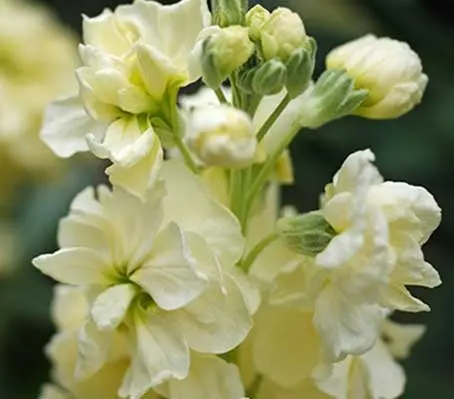
Matthiola incana ‘Avalanche’ is a marvellous cut flower strain that reliably produces densely populated panicles on strong, single stems. Growing to a height of 75cm it produces a high percentage of double flowers that can be selected based on leaf colour. Sow anytime from January to July for flowering April to October.
Matthiola incana ‘Apricot’ is a variety of the traditional tall stocks that are grown for the floral industry. The plants have large flower heads and grow to a height of 75cm. Extremely fashionable, the delicate peachy-apricot flowers are long lasting and magnificently fragrant with a sweet and spicy clove scent.
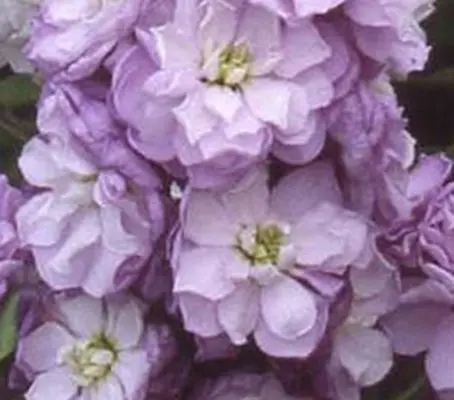
Matthiola incana ‘Lilac-Lavender’ is a marvellous cut flower strain that reliably produces densely populated panicles on strong, single stems. Long lasting and magnificently fragrant with a sweet and spicy clove scent, this variety is particularly suited for beds and for cutting for the vase.
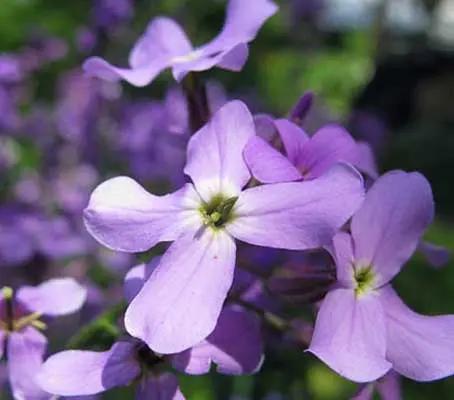
Night or Evening-scented Stock is one of the easiest and rewarding scented plants to grow. The flowers open in the late afternoon and emit a most delightful fragrance. The scent has been compared to vanilla, rose, spice and even cloves. It will become a summer fragrance you will never want to be without.
Matthiola ‘Starlight Scentsation Mix has been developed to give a balanced blend of soft colours and a reliably strong scent throughout summer. They flower rapidly in a modern, soft pastel blend of lilac, mauve, pink and cream. Perfect for borders and containers, they also make a lovely cut flower.
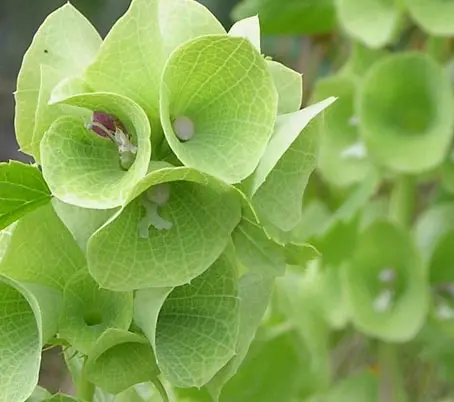
‘Bells of Ireland’ are flowers to please anyone who loves flower arranging. Cut fresh, the bells will last for years and they are very useful for winter arrangements but they also look good in flower borders and with the recent fashion for green blooms are becoming more sought after.
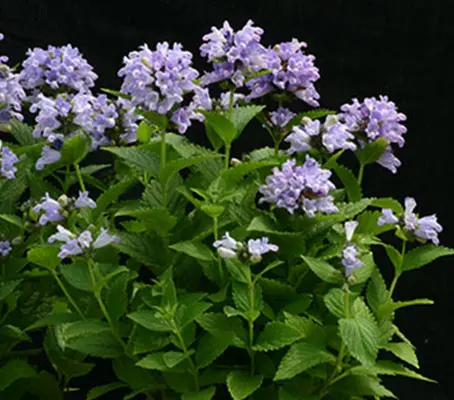
Nepeta ‘Dark Blue Panther’ is the dark blue flowered variety and sister to ‘Pink Panther’ and the beautiful white ‘Snow’ Panther. This award winning variety starts to flower just 15 weeks after sowing and can be can be grown as an annual or as a flowering perennial.
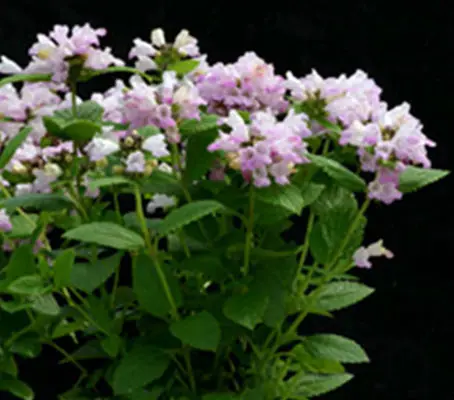
Nepeta subsessilis ‘Pink Panther’ is a bright pink form of large-flowered Nepeta which is grown from seed and flowers during the first year. It can be grown as an annual or as a flowering perennial. Flowering from June until the end of September, they work well as an informal low hedge or mixed in with other larger plants.
Recognised as having the largest flowers of all the nepetas and only one with white flowers, Nepeta subsessilis ‘Snow Panther’ flowers during the first year and can be grown as an annual or as a flowering perennial. This award winning variety is extremely attractive to bees and butterflies they are also excellent for containers.
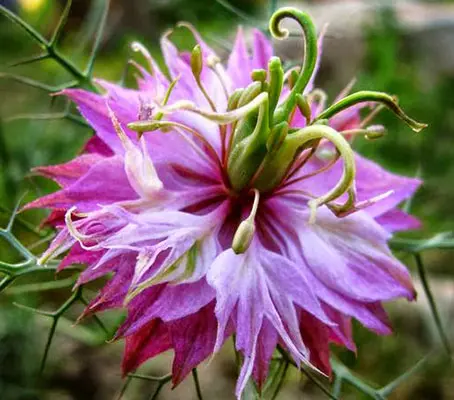
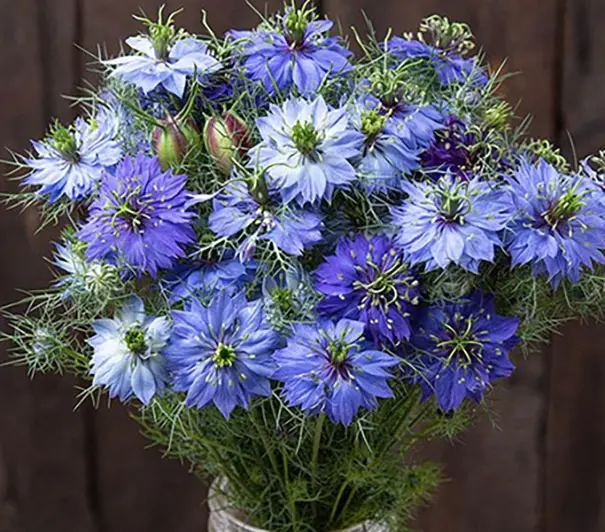
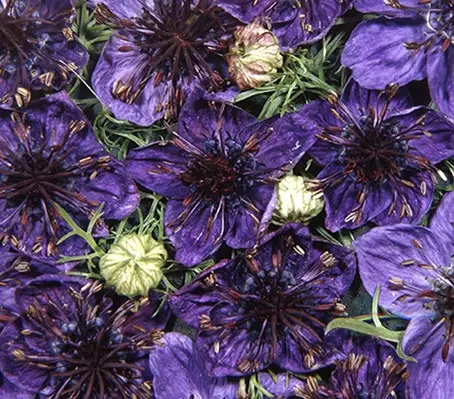
‘Love-in-a-Mist’ as it is commonly known is both beautiful and easy to grow, “Miss Jekyll” bears rich indigo-blue flowers which seem to float amongst the finely cut leaves. It is one of the most interesting shaped flowers you will ever see. They provide a charming show of bloom during the summer months.Once the petals drop, the blossoms transform into little fairy lanterns
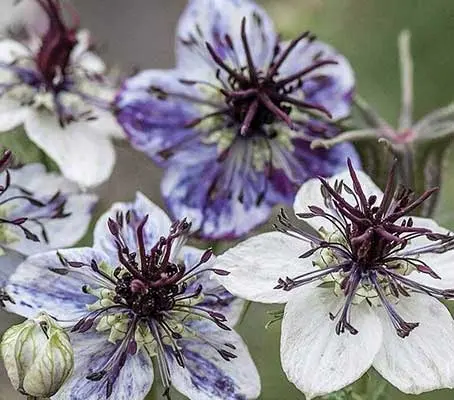
Nigella ‘Moody Blues’ is ridiculously easy to grow. Sown directly, they will be flowering in just three months and bloom through to October. In cool summer climates, additional sowings can be done every 3 to 4 weeks until mid-summer.
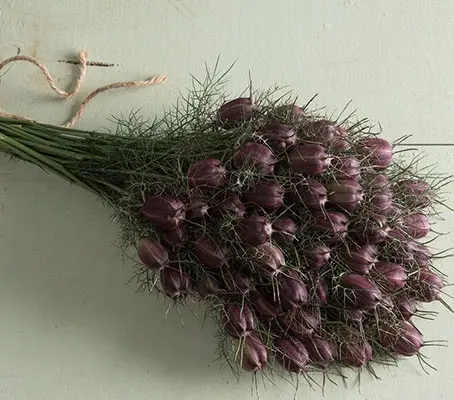
‘Albion Black Pod’ is much less common than the usual Nigella varieties, It bears delicate romantic white flowers with intriguing little green stamens that are surrounded by ferny foliage. At the end of the season, the petals drop and the blossoms transform into dark plum fairy lanterns.
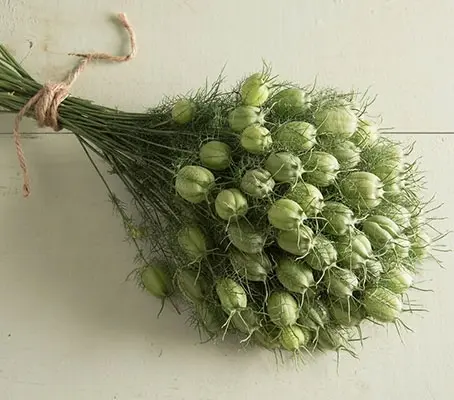
‘Albion Green Pod’ is an unusual species of Nigella. The flowers are followed by fresh green, very ornamental seed capsules, are held on stiff stems. They dry readily and easily, are very decorative and very useful for fresh and dried bouquets. They can also be dried for winter decorations indoors.
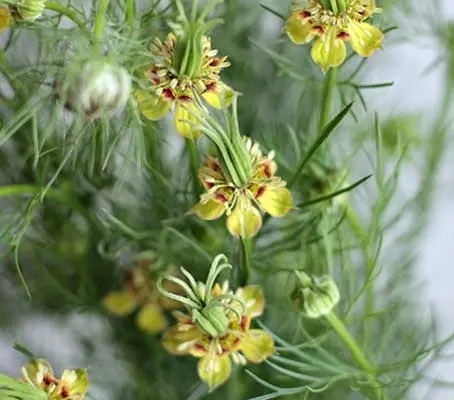
An unusual twist on the classic cottage garden flower, Nigella ‘Transformer’ adds intriguing texture with its uniquely shaped flowers and upright, seed pods. A good choice for borders, mass plantings or cut flowers. Used fresh or dried the seed pods are a great filler in bouquets, cut flower production is just 12 to 16 weeks.
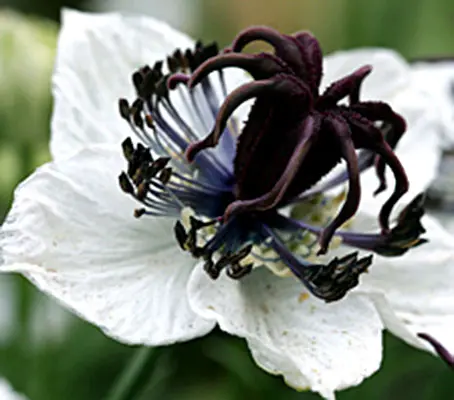
Nigella papillosa ‘African Bride’ is a most attractive variety. Deep rich purple stamens that highlight pure white blooms are followed by intriguing red seed pods. also known as White Love-in-a-Mist or Eclipse, this hardy annual is very easy to grow, rather special as a cut flower, and lovely in summer borders too.
An unusual twist on the classic cottage garden flower, Nigella ‘Transformer’ adds intriguing texture with its uniquely shaped flowers and upright, seed pods. A good choice for borders, mass plantings or cut flowers. Used fresh or dried the seed pods are a great filler in bouquets, cut flower production is just 12 to 16 weeks.
Nigella papillosa ‘Midnight’ is a very handsome variety with gorgeous, velvety, dark purple flowers which stand above attractive, lush green feathery foliage. Ornamental, dark purple, spider-like seed pods extend the interest of this border star well into autumn. Sowing to flowering takes just three months.
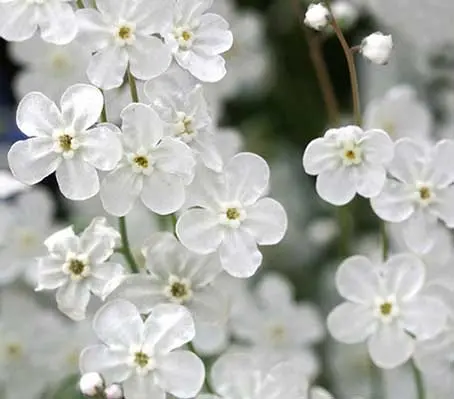
Omphalodes is a delicate annual that wears its charm lightly. It forms an airy mound of fine, silver-grey foliage. Come late spring, it sends up slender stems topped with small, pure white flowers. They look like forget-me-nots dressed up in white linen.
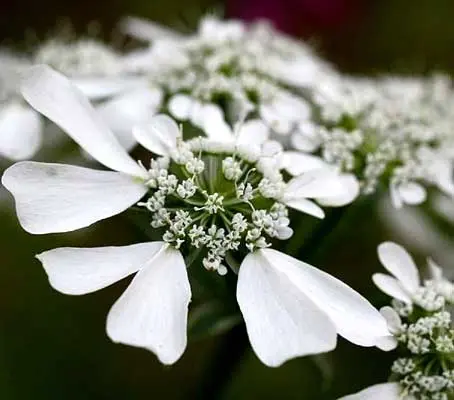
Orlaya grandiflora ‘White Finch’ is a true flower show star. This outstanding plant displays stunning pure white flowers that form in large, flat-topped clusters which resemble lace-cap hydrangeas. The plants bloom for a remarkably long period and mix easily with others in the garden or bouquet.
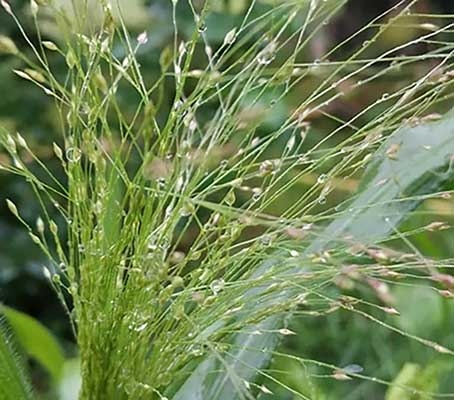
Panicum elegans is a graceful annual grass grown for its glittering silvery seed heads. Easy and reliable to grow, in the garden it softens plantings Much loved by florists, the feathery sprays are quick to grow and prized for cutting. Its airy seed heads retain their sparkle when dried.
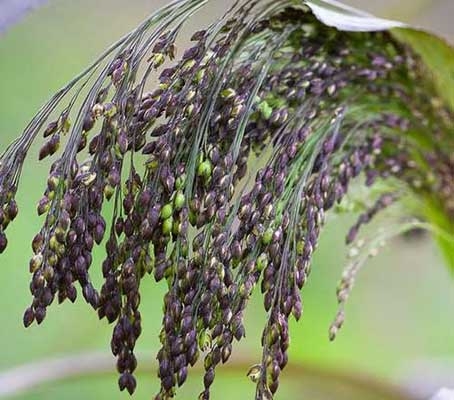
With arching panicles densely packed with glossy, violet-black seeds, Panicum miliaceum Violaceum is highly prized by florists. They brings structure, movement and colour to both fresh and dried arrangements and hold their seeds well without shedding, and have an excellent vase life of around 10 to 14 days.
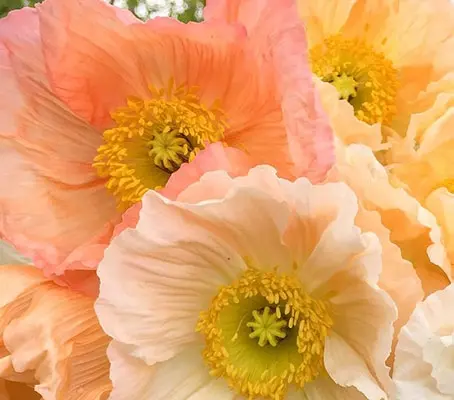
Named after ‘Kelmscott Manor’, the country home of the writer, designer and socialist William Morris, Papaver nudicaule ‘Kelmscott Giants’ produce large, luscious, crepe paper-like petals in an array of soft pastel shades.
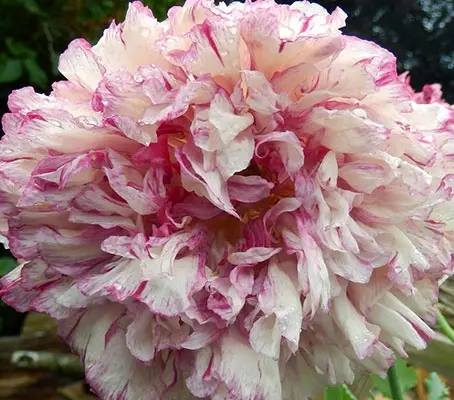
A range of delicate antique pinks, many with a cream-white base, suffused with rose, pinks and purple hues, beautifully offset by lush, blue-green foliage. Papaver paeoniflorum ‘Antique Shades’ is not a new introduction, but on old, historical variety of the type that were grown in cottage gardens and monasteries several centuries ago.
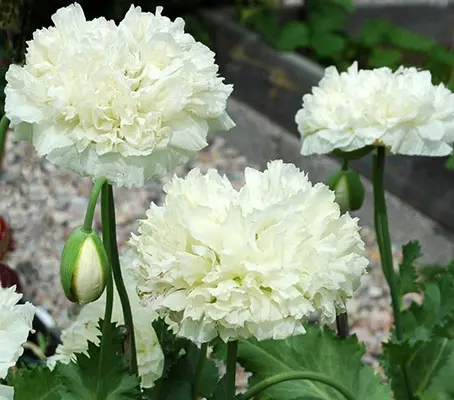
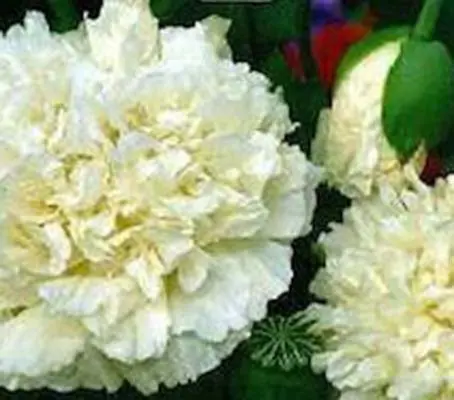
Perfect for gardeners in pursuit of an easy-to-grow large flowering plant, with thick stalks and broad lettuce like leaves, Papaver ‘Double Cream’ has fascinating, large, fully double, cream flowers with lovely crinkled petals. Sown in early spring, the plants grow quickly and the first flowers appear in early July. One of the easiest ways to add a bit of architecture to your garden.
Papaver paeoniflorum ‘Frosted Salmon’ has fascinating, fully double, coral-salmon blooms with lovely crinkled petals. The edges fade with age, it gives a wonderful effect. An easy-to-grow large flowering plant that is superb in the flower border.
Indescribably elegant, Papaver paeoniflorum ‘Lilac Pompom’ blooms with lush frilled, dark pink-violet, often palm-sized blooms. Perfect for gardeners in pursuit of an easy-to-grow flowering plant, they are showstoppers when they’re in full bloom.
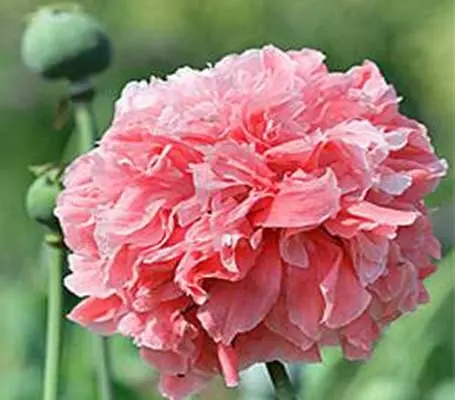
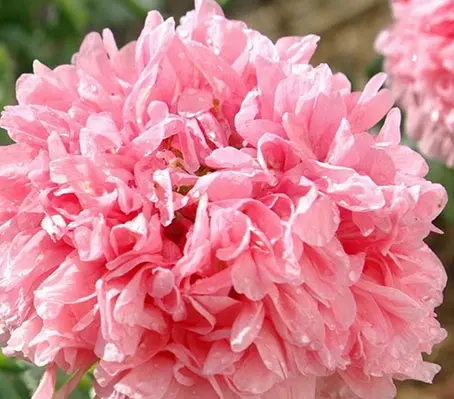
Perfect for gardeners in pursuit of an easy-to-grow large flowering plant, Papaver paeoniflorum ‘Paeony Rose Pink’ produces ultra feminine, large flower heads with lovely crinkled rose-pink petals that look like upturned petticoats. At the end of the season, the seed pods are well-suited for crafts and dried floral arrangements.
Perfect for gardeners in pursuit of an easy-to-grow large flowering plant, Papaver paeoniflorum ‘Paeony Yellow’ produces ultra feminine, large flower heads with lovely crinkled petals that look like upturned petticoats. At the end of the season, the seed pods are well-suited for crafts and dried floral arrangements.
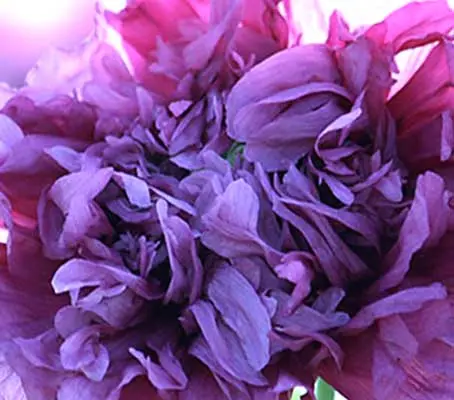
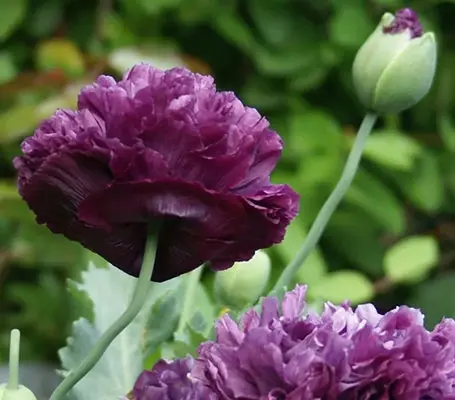
Peony poppies send up thick flower stems that rise as high as five feet and produce five to ten nodding flower heads. Papaver ‘Purple Peony’ has fascinating, fully double, deep violet-purple flowers with lovely crinkled petals. When the flowers do burst, overnight, from their casings, the gardener is treated to some of the most dramatic flowers in the plant kingdom.
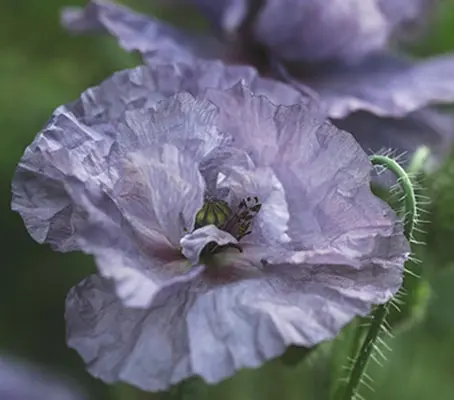
A cult favourite of high-end florists who reserve ‘Amazing Grey’ for their finest design work. Sown in spring, by June you will be blessed with goose neck, prickly buds and shortly after, gorgeous pearl greys, pewter and mauve coloured, luminescent blooms.
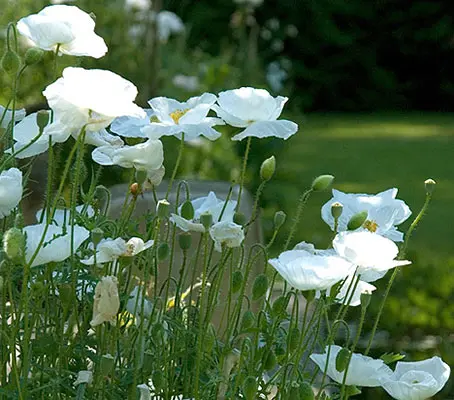
When it comes to cut flowers, the poppy may be the ‘Internet darling’ of the moment. arranged in mason jars and in hand-tied bouquets, the poppy attracts the hip and stylish with their vintage, casual feel. The pure white colour form has been separated out and is now available to gardeners.
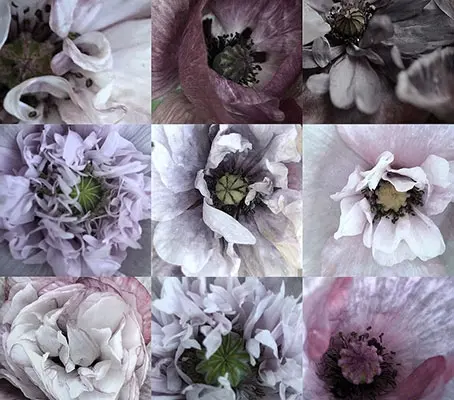
Offering the finest colours in mauves and smokey tones, Papaver ‘Mother of Pearl’ blooms with single flowers in dove greys, blackberry, lavender and opalescent shadowy tints. They are the easiest thing to establish.
€2.10 – €9.95Price range: €2.10 through €9.95