 Skip to content
 Sort by:
Sort by:
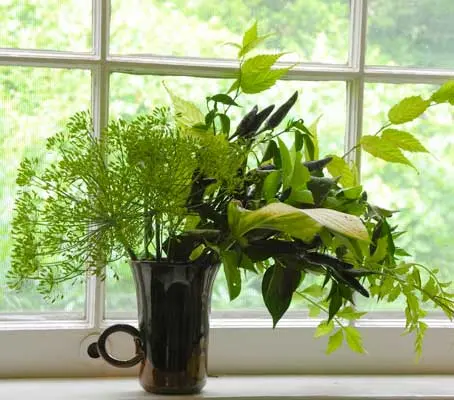
Florists Dill or Compact Dill
‘Mariska’ is a little known compact variety of Dill often referred to as ‘Florist’s Dill’. With starry bright yellow flower heads and abundant foliage it is an excellent variety for use as a cut flower, yet is still a great variety for the kitchen.
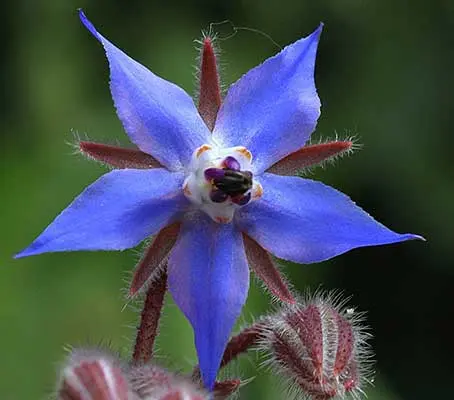
Starflower, Bee Bread, Blue Borage
 The beautiful blue star-shaped flowers of Borage are edible with a cool cucumber flavour. Use them as garnish in fruit cups, summer drinks, wines and Pimms. Garden visitors can be converted to herbal advocates simply by offering a taste of its flower! Organic Seeds.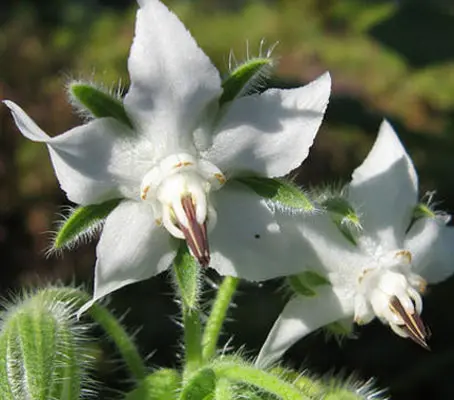
Starflower, Bee Bread, White Borage
The herb borage is a well known annual. Not so well known and not often written about is the equally beautiful form ‘alba’ which boast pure white, perfectly star-shaped flowers. Each flower is centred by five black stamens which heighten the drama. The flowers are edible, garden visitors can be converted to herbal advocates simply by offering a taste of its white flower.
Starflower, Bee Bread, Blue Borage
Borage is one of the most reliable sources of blue flowers, often flowering lavishly for weeks after sowing. The beautiful blue star-shaped flowers are edible and very important for bees, providing pollen and nectar in prodigious amounts.
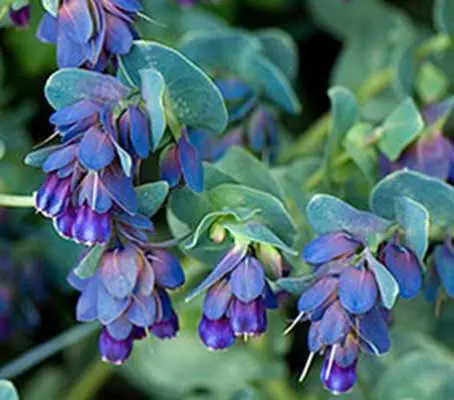
Blue Shrimp Plant, Honeywort, Blue Wax Flower
This beautiful highly versatile, aristocratic border plant has become very much in vogue in recent years. Oval, fleshy blue-green leaves spiral up the stem with tightly packed, sea blue bracts – and then the finale – small clusters of rich purple-blue tubular, nodding flowers which are adored by bees.
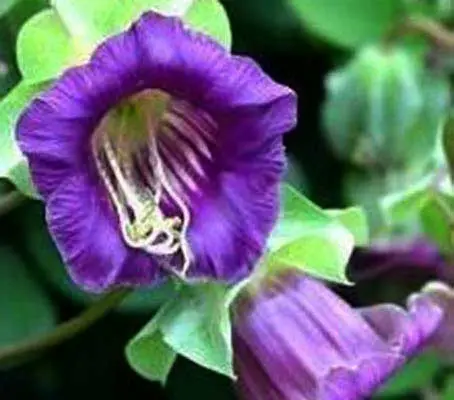
Cathedral Bells, Cup and Saucer Vine
 Cobaea scandens is an impressive climber and is one of the fastest-growing and most trouble-free vines you will ever grow. Extremely attractive when scrambling upward through trellis work, archways, over small buildings or old trees.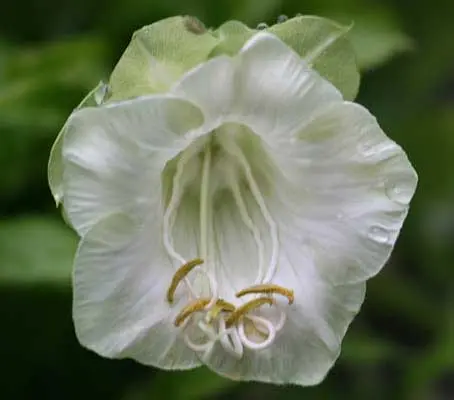
White Cup and Saucer Vine, White Cathedral Bells
Cobaea scandens alba will appeal to anyone who longs for something with panache and visual impact. This rare variety has clear white flowers and will fill the air with a very pleasant honey scent throughout the growing season. 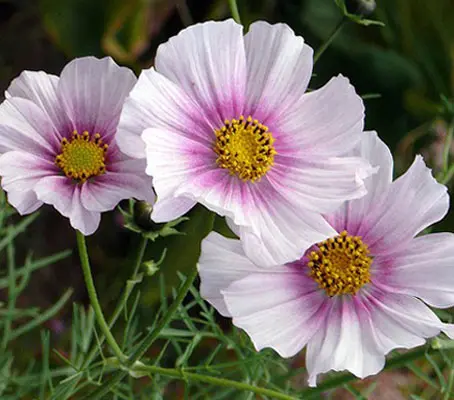
The Mexican Aster
Cosmos “Daydream” is a superb new colour, palest pink with a deep rose pink centre makes this a unique and delicate addition to any garden. The flowers are very early and are freely produced over a long period. Very easy to grow, making it a perfect choice for children or the less experienced gardener.
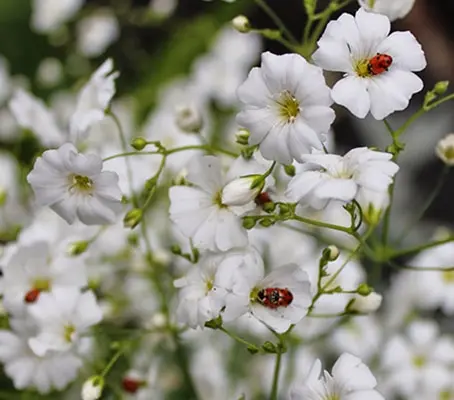
Babys Breath
Gypsophila has been cultivated since 1759 in England, so its use by florists has a long pedigree. It has recently become rather trendy among celebrity and designer florists, even taking centre stage as the main flower focus of bouquets and arrangements.
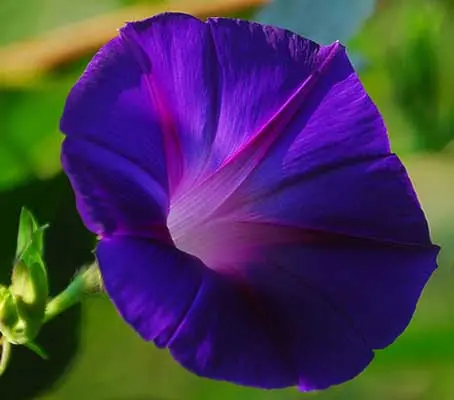
Heirloom Morning Glory
This heirloom morning glory originated in Bavaria in Germany and named for the original Seed-saver Baptist John Ott, Ipomoea purpurea ‘Grandpa Ott’ flowers of intense violet-blue, with a ruby red star. It is a good climber for walls, trellis work or if allowed to scramble through other plants or trees.
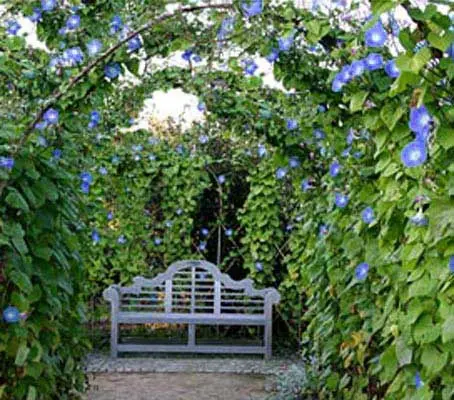
Morning Glory
‘Heavenly Blue’ is one of the loveliest of all climbers. The buds are long and tightly furled, but as the morning sunshine reaches them, they steadily unfold themselves into wide sky-blue trumpet-shaped flowers of deep azure-blue, the colour of a Mediterranean sky.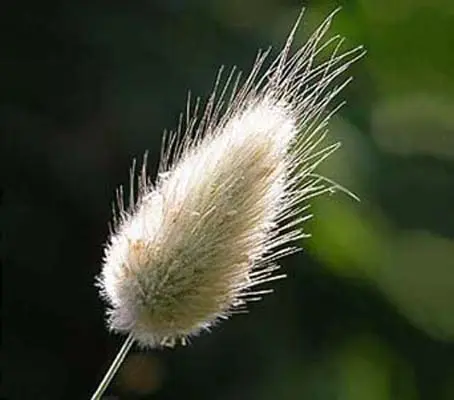
Hares-tail, Bouquet Grass, Ornamental Grass
Lagurus ovatus is probably the most appealing of all the ornamental grasses. The name ‘Hare’s Tail’ perfectly accurately describes the creamy-white flower heads, which are hare’s tail-shaped, fur-like and soft to the touch!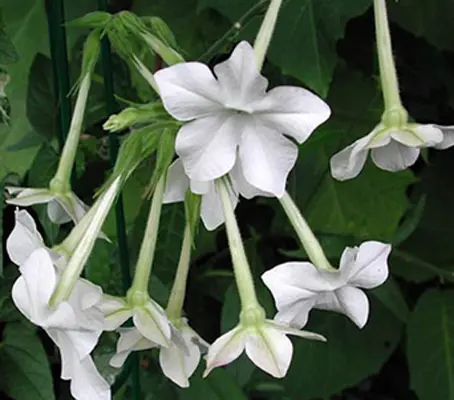
Jasmine Tobacco, Flowering Tobacco
Also known as Nicotiana alata var. grandiflora
Nicotiana affinis, also known as N. alata, is a classic tobacco plant with a delicious evening scent. It has been justly popular for over a century and a firm favourite with generations of gardeners: it is far lovelier than the modern improved forms of Nicotiana alata. 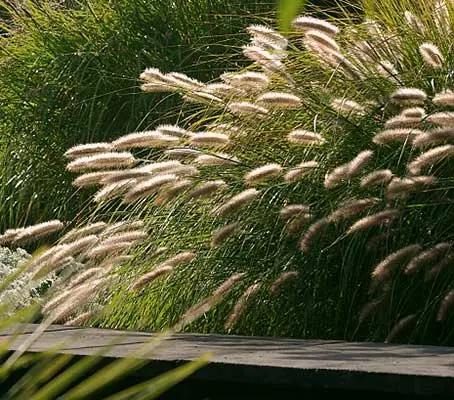
Fountain Grass
Pennisetum alopecuroides is an especially appealing species, it changes its appearance and colour throughout the growing season. In late summer graceful fountain-like plumes emerge in profusion, they slowly change colour to a blend of green, soft pinks and light-colored maroons before maturing to light tan.
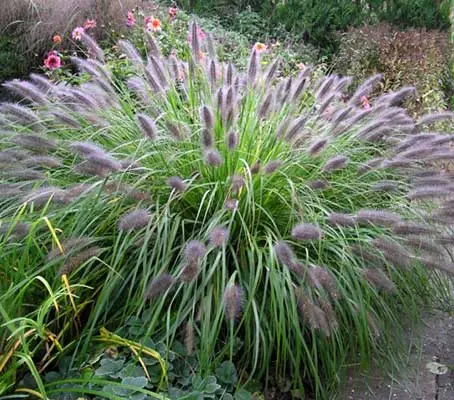
Black Flowered or Dwarf Purple Fountain Grass
Pennisetum alopecuroides is one of the easiest and most visually stunning grasses you can grow. Fountain-like smoky purple-black plumes contrast nicely with the slender arching, glossy, deep green foliage.
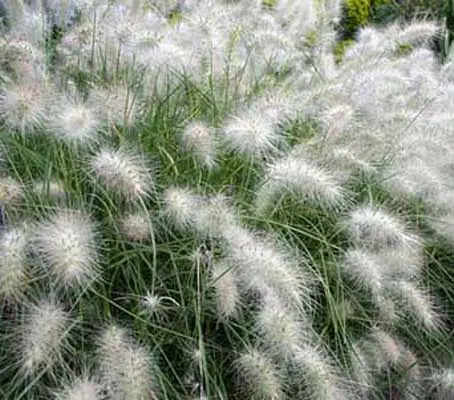
Chinese Fountain Grass
Pennisetum villosum is one of the easiest and most visually stunning grasses to grow. Brilliant white, rabbit-tail spikes are produced in abundance from bushy, clump-forming plants.
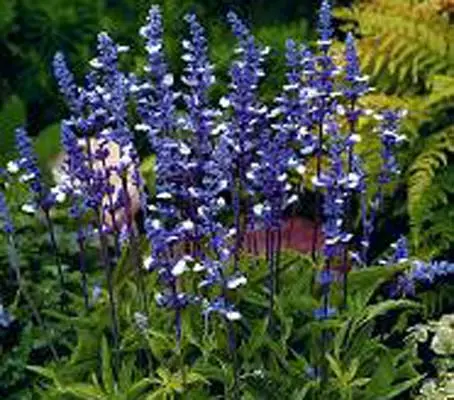
Bi Colour Sage, Flowering Sage
Salvia farinacea ‘Fairy Queen’ is an attractive new variety that bears multiple spikes of bicolour blue and white flowers on dark distinctive flower stems from June to October. With a bushy, compact habit and thick stems. A small white spot on each sapphire blue flower creates the illusion of fairy dust.
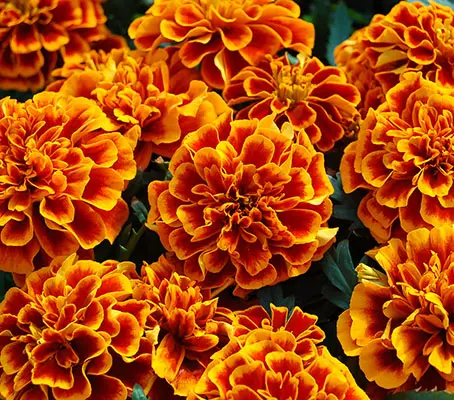
French Marigold
 Tagetes patula ‘Queen Sophia’ is an extremely popular, award winning variety that was introduced in the early 1900’s. Gorgeous to the point of excess, it produces semi-double blooms. Deep orange-to-russet petals that are intricately edged with russet and gold.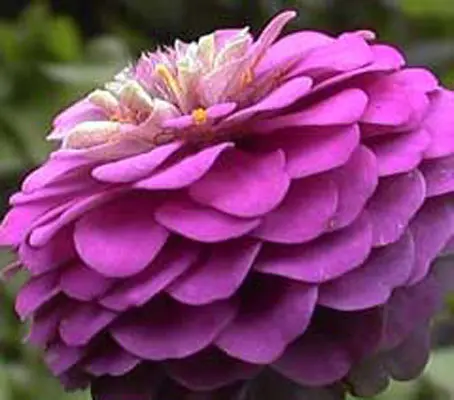
Pom-pom Zinnia
Zinnia ‘Lilliput Mix’ is a superb blend of this most unusual flower type, specially selected for its wide range of bright colours. Very floriferous, the tiny double pom-pom flowers are produced in profusion. Very easy to grow, they are stunning in borders or as a cut flower.
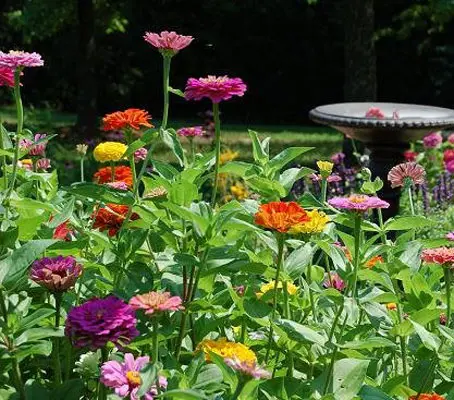
Giant Tetra Zinnia
The time tested old fashioned Zinnia.’State Fair” performs well in the garden and in the vase and is great for attracting bees and butterflies to the garden. No wonder they are back in fashion with a vengeance.
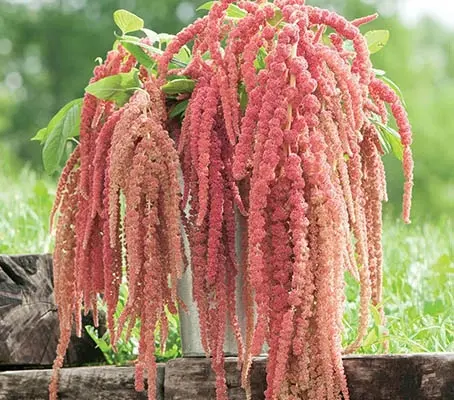
Cascading amaranthus, Love-Lies-Bleeding
With cascading tassels of the most wonderful coral-pink. Amaranthus ‘Coral Fountain’ is a great addition to the garden and a superb filler for the vase. With generous treatment, specimens three or four feet or more with enormous drooping tassels of flowers can be obtained.
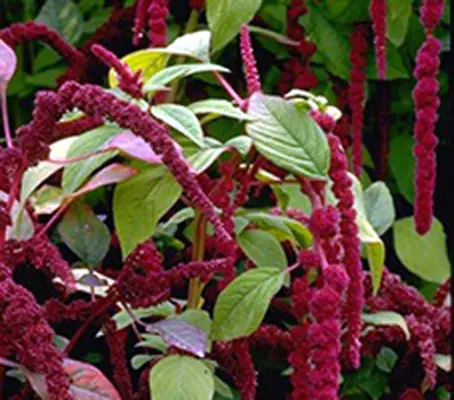
Weeping Red Amaranth
This ever-popular annual is perhaps more versatile than you might imagine – good in the border, most effective as a cut flower in arrangements, a good pot-plant and, not often appreciated – if carefully dried, the colour of the spikes remains unchanged for a considerable time.
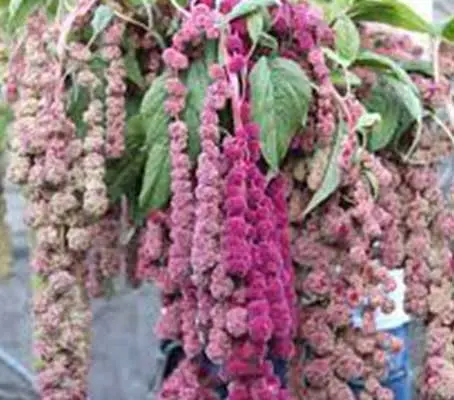
Cascading, Rope Amaranthus
The blooms of Amaranthus caudatus ‘Mira’ have a unique ombre colour that transitions from light sage green, to lilac, to deep purple. The trailing locks are like jeweled necklaces, thick, pendulous tassels that extend 60 to 90cm long. They add exceptional texture and visual interest to gardens and floral designs alike.
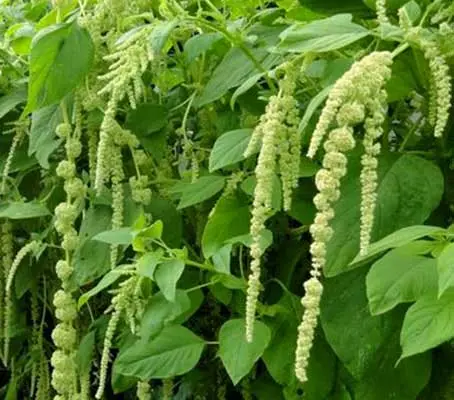
Weeping Green Amaranth, Emerald Tassels
Amaranthus caudatus viridis is the green form of the popular drooping amaranthus. The lime green flowers, which slowly fade to cream as they age, form dramatic tassel-like panicles which can grow to 60cm long and seem to drip from the branches in profusion throughout summer and early autumn.
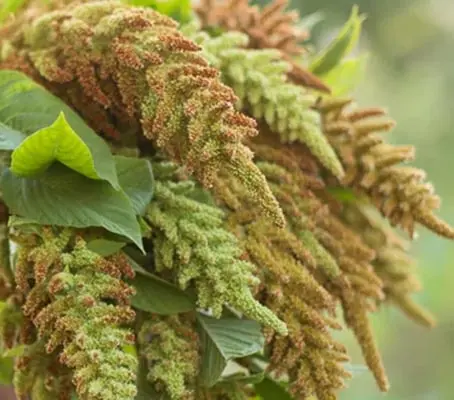
Aka: Amaranthus Bronze-Pistachio
Blending perfectly into the late summer and autumn landscape, the large plumes atop Amaranthus cruentus ‘Autumn’s Touch’ combine soft pistachio-green and bronze tones to create restful, airy beauty in the sunny annual bed. They make exciting vase material that hold their colour longer than other amaranths and delight the songbirds who flock to feast on their seeds throughout autumn.
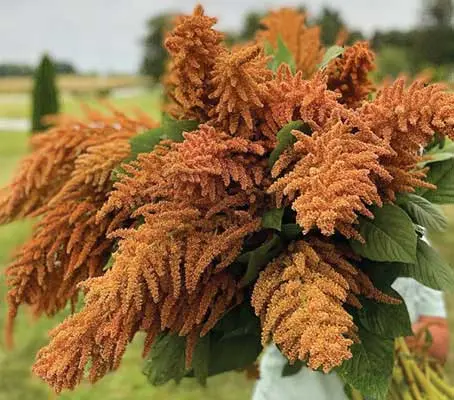
Florists Amaranth, Everlasting Flower
Amaranthus cruentus ‘Bronze’ is a tall, upright amaranth with fresh green leaves topped by dense bronze to chestnut plumes. Very autumnal, it’s a beauty for texture in borders and especially for cutting, where the plumes add instant drama to arrangements.
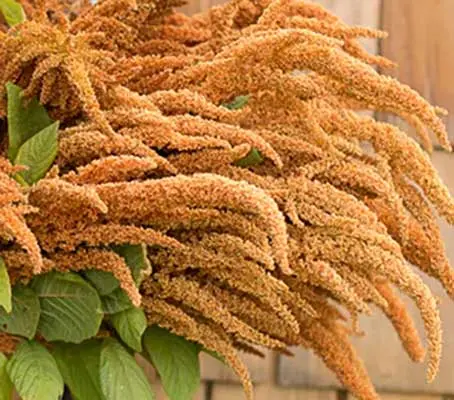
Foxtail Amaranthus, Everlasting Flower
Amaranthus ‘Hot Biscuits’ is a rather splendid ornamental addition to the garden and the vase. This gorgeous and graceful amaranth feature bold spikes of coppery-bronze branching plumes. They make an excellent cut flower and make exciting vase material that hold their colour longer than other amaranths.
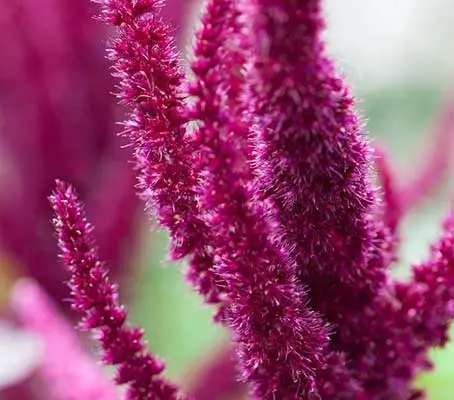
Foxtail Amaranthus, Everlasting Flower
Amaranthus cruentus ‘Velvet Curtains’ provides intense crimson foliage and inflorescence. The dramatic plants with large plumes of flowers, ideal for a sunny, sheltered border. Flower heads will turn to seed and retain their colour for a long season of interest. The gluten free, protein rich seeds can be eaten as a grain, perfect for vegetarians and vegans.
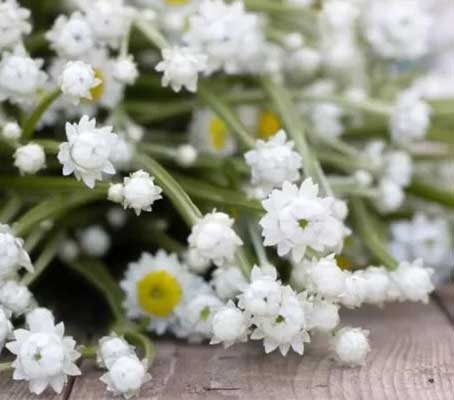
Winged Sandflower
A fun addition to the cutting garden, Mounds of fresh green foliage give rise to upright, wiry stems topped with starlike blooms. The papery white ray-florets of Ammobium alatum are both charming and unique.
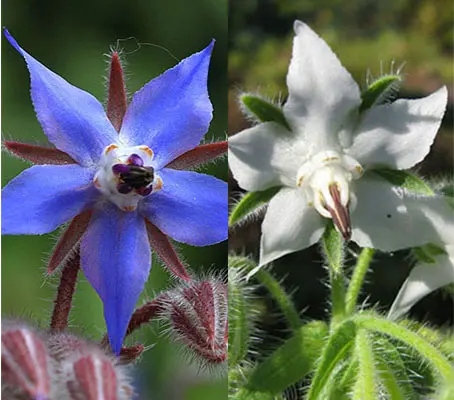
Starflower, Bee Bread, White Borage
The herb borage is a well known annual with beautiful sky blue flowers and succulent foliage. Not so well known and not often written about is the equally beautiful form ‘alba’ which boast pure white, perfectly star-shaped flowers. This mixed pack of seeds gives both blue and white forms.
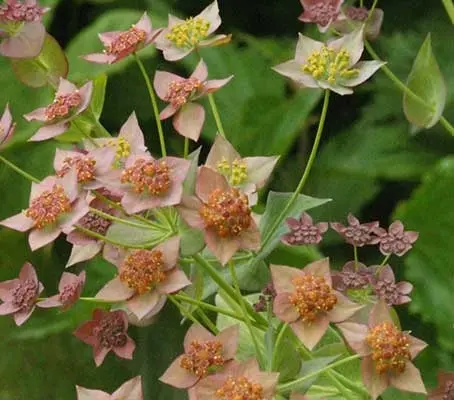
Long leaved hares ear.
Bupleurum ‘Bronze Beauty’ produces small ochre flowers, each surrounded by showy, petal-like bracts, which mature into warm cinnamon-bronze tones that are particularly valued in naturalistic planting schemes.
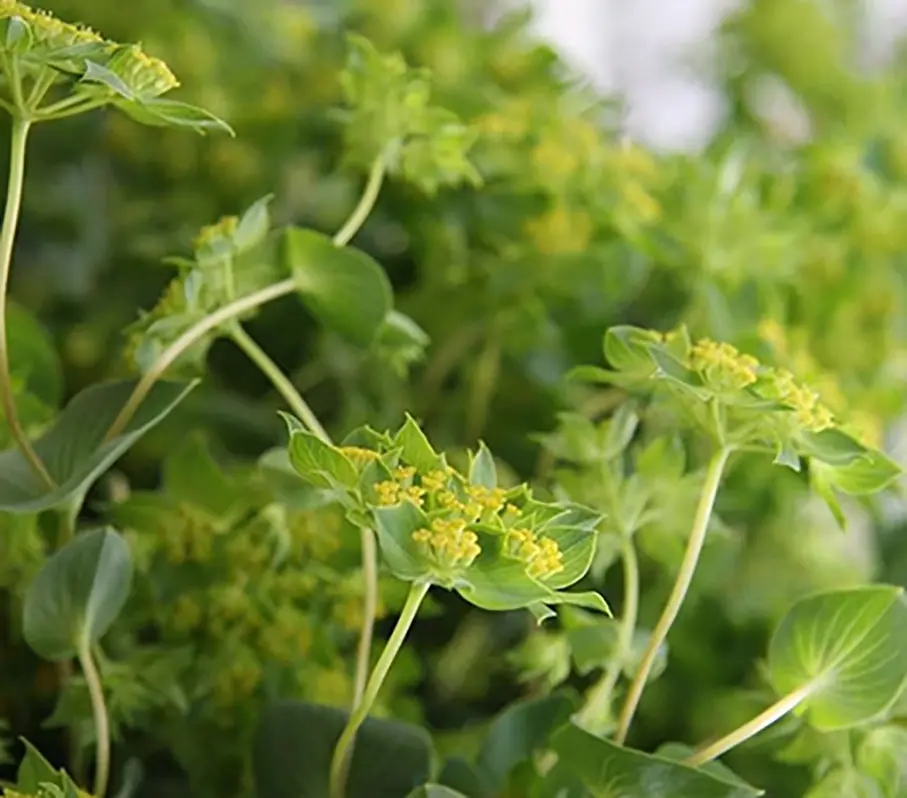
Round-leaved Hare's Ear
Developed for the florist trade and recently introduced, ‘Green Gold’ produces wonderfully upright plants. Its flowers are produced on long, sturdy stems that have an exceptionally long vase life, lasting up to 10 days in a vase.
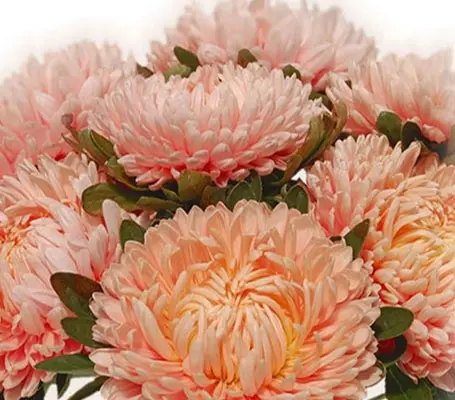
Premium China Aster, Chrysanthemum form
The Chrysantella series is a magnificent form and is rightfully considered a masterpiece of Aster breeding. ‘Autumn Forest’ produces captivating, large apricot to salmon blooms that are absolutely stunning. Gorgeous great mounds of glorious recurved petals, they are a must-grow for the exquisite colouring alone.
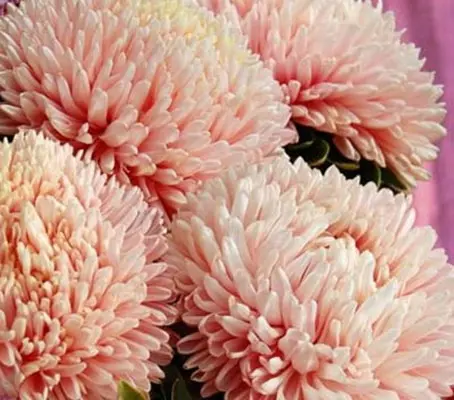
Premium China Aster, Chrysanthemum form
The Chrysantella series is a magnificent form and is rightfully considered a masterpiece of Aster breeding. Ideal for growing cut flowers, ‘Pink Mother of Pearl’ are nothing short of spectacular. The vigorous plants produce a Y-type tall bush. The stems are thick and rigid and just one plant is enough to create a bouquet.
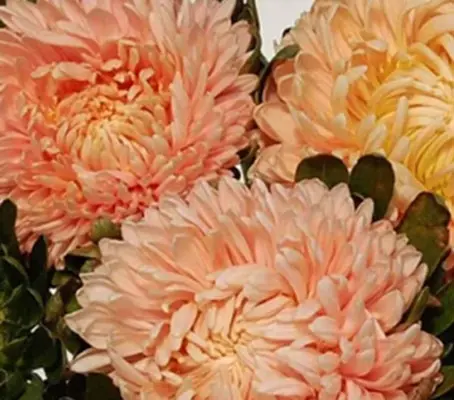
Premium China Aster, Chrysanthemum form
The Chrysantella series is considered a masterpiece of Aster breeding. ‘Flamingo at Sunset’ is nothing short of spectacular and is ideal for growing cut flowers. Large blooms with petals of an unusually warm, salmon-pink colour with a centre of deep sunset-gold.
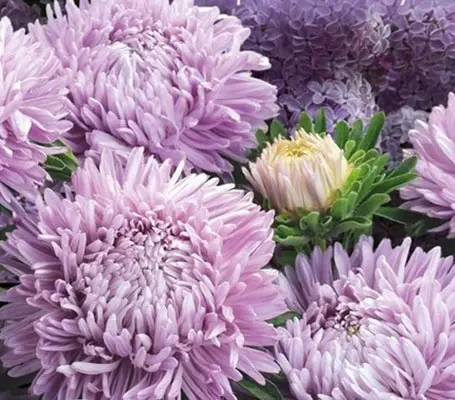
Premium China Aster, Chrysanthemum form
Blooming from late summer to well into autumn, annual China Asters are easy and fast to grow, the entire growing process from seedling to flower taking just 10 to 15 weeks to complete. In the most desirable shade of lilac, ‘Chrysantella, Lilac Mist’ are simply gorgeous.
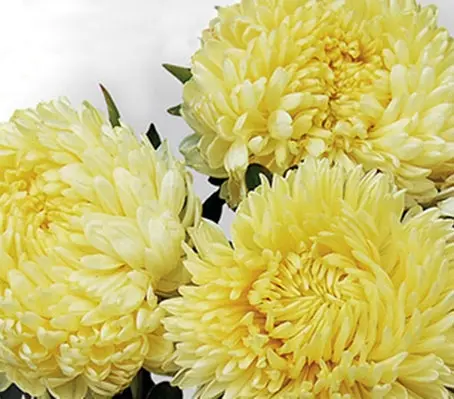
Premium China Aster, Chrysanthemum form
Considered to be the crème de la crème of cut asters, Chrysantella Limoncello provides a beautiful soft yellow blooms to this popular series. Long-lasting, weather-resistant blooms that don’t drop their petals, they are perfect for commercial cultivation and for use as a cut flower.
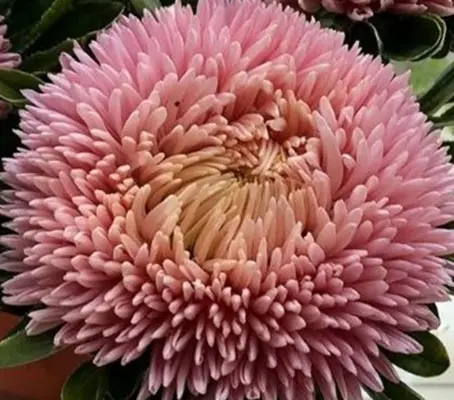
Premium China Aster, Chrysanthemum form
Callistephus chinensis, commonly called the China Aster, is a popular and reliable annual that provides large blooms from late June through to late October. ‘Chrysantella Living Coral’ produces large blooms with petals of an unusual deep coral-pink with a warm yellow centre.
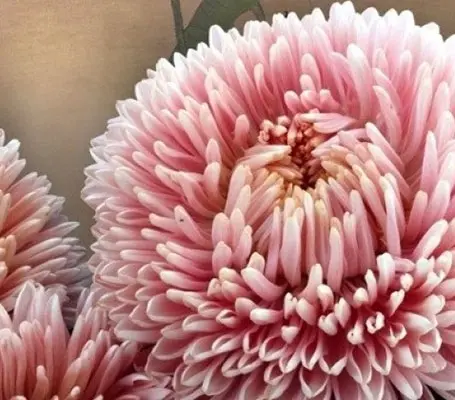
Premium China Aster, Chrysanthemum form
With large, pale apricot-pink blooms best described as vintage, ‘Chrysantella Lotus Flower’ is an excellent variety. Cut flowers last much longer than other varieties and the flowers are not damaged by rain. The vigorous plants produce 10 to 15 flowers per bush, just one plant is enough to create a bouquet.
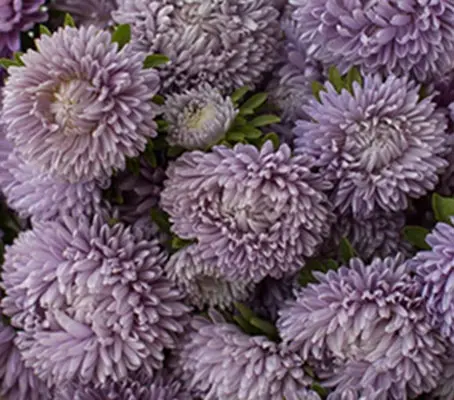
Premium China Aster, Chrysanthemum form
With large blooms of smoky lavender, ‘Chrysantella Moonstone’ is an excellent variety. Cut flowers last much longer than other varieties and the flowers are not damaged by rain. The vigorous plants produce 10 to 15 flowers per bush, just one plant is enough to create a bouquet.
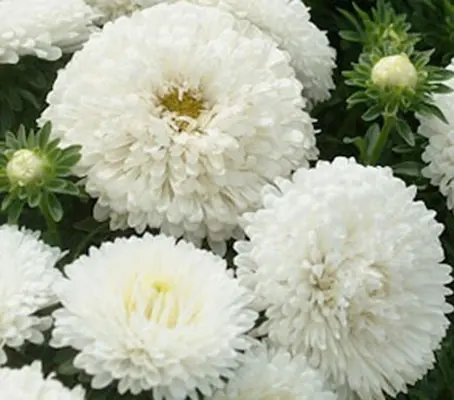
Premium China Aster, Chrysanthemum form
The large milk-white flowers of Aster ‘Chrysantella Phantom of the Opera’ are nothing short of spectacular. Perfect for use in wedding work, the entire growing process from seedling to flower taking just 10 to 15 weeks to complete. Cut flowers last much longer than other varieties and just one plant is enough to create a bouquet.
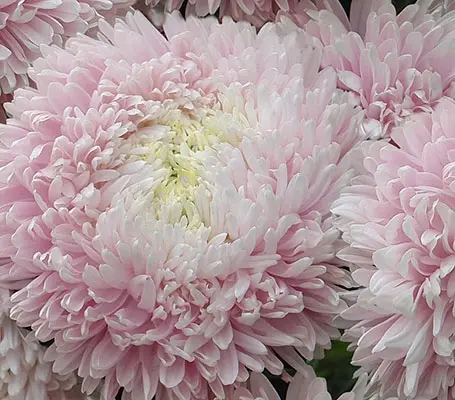
Premium China Aster, Chrysanthemum form
Callistephus chinensis, commonly called the China Aster, is a popular and reliable annual that provides large blooms from late June through to late October. The Chrysantella series is a magnificent form and is rightfully considered a masterpiece of flower breeding. Named ‘Sakura’ meaning ‘Cherry Blossom’, the colour of the blooms is the most delicate of pale-pinks.
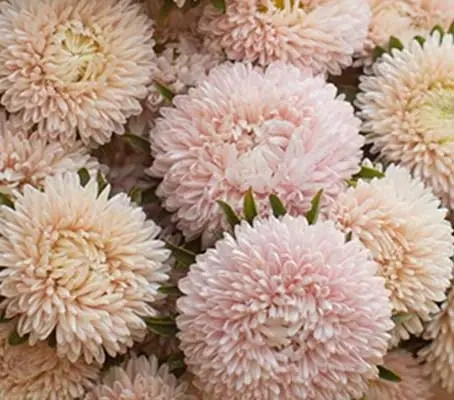
China Aster, Annual Aster
With Chrysanthemum-like incurving petals that are sure to capture the imagination of every self respecting cut flower enthusiast. China Aster ‘Lady Coral Chamois’ produces captivating pale chamois-pink, incurved blooms are absolutely stunning. A perfect addition for late summer and autumn bouquets.
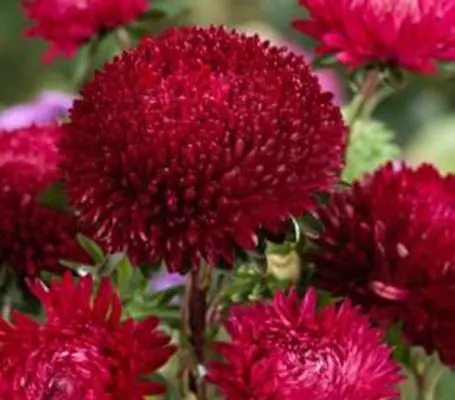
China Aster, Annual Aster
With Chrysanthemum-like incurving petals that are sure to capture the imagination of every self respecting cut flower enthusiast. China Aster ‘Lady Coral Deep Red’ produces sumptuous velvet-red, incurved blooms are absolutely stunning. A perfect addition for late summer and autumn bouquets.
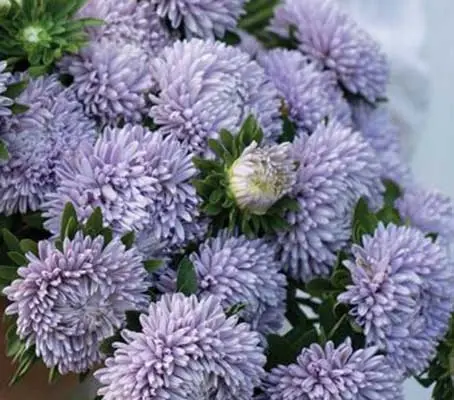
Premium China Aster, Chrysanthemum form
‘Lady Coral Lavender’ produces captivating silvery lavender, large blooms that are absolutely stunning. Gorgeous great mounds of glorious recurved petals, they are a must-grow for the exquisite colouring alone.
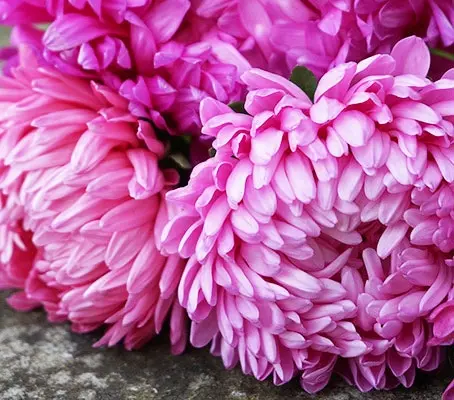
Premium China Aster, Chrysanthemum form
Sure to capture the imagination of every self respecting cut flower enthusiast, ‘Lady Coral’ is one of the most eye-catching Asters we have seen in a long while. ‘Light Rose’ produces captivating rose-pink, incurved blooms that are absolutely stunning and the entire growing process from seedling to flower taking just 10 to 15 weeks to complete.
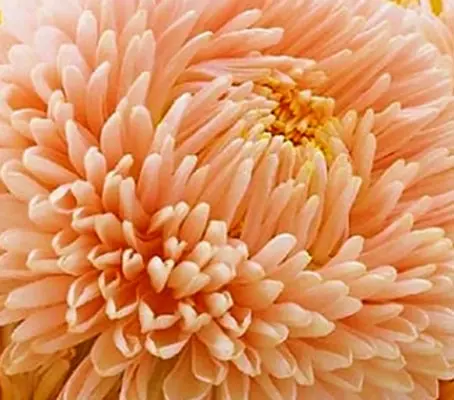
Premium China Aster, Chrysanthemum form
A professional quality aster that was developed specifically for the cut flower market, the ‘Lady Coral’ series feature Chrysanthemum-like incurving petals that are sure to capture the imagination of every self respecting cut flower enthusiast. The large blooms of ‘Orange-Apricot’ are a must grow for their exquisite colouring.
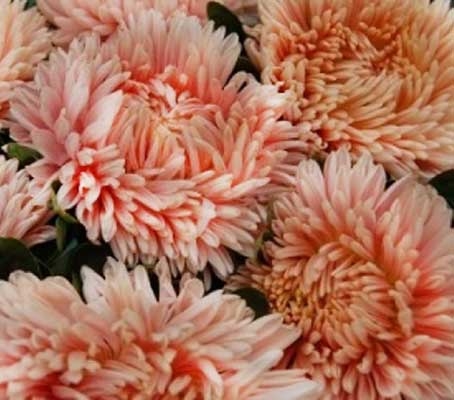
Premium China Aster, Chrysanthemum form
China Aster ‘Lady Coral Salmon’ blooms are captivating, a richer, more saturated salmon-peach….Peach with a bit more oomph. The large blooms are a must grow for its exquisite colouring in late summer and autumn bouquets. Sow January to July for flowering April through to October.
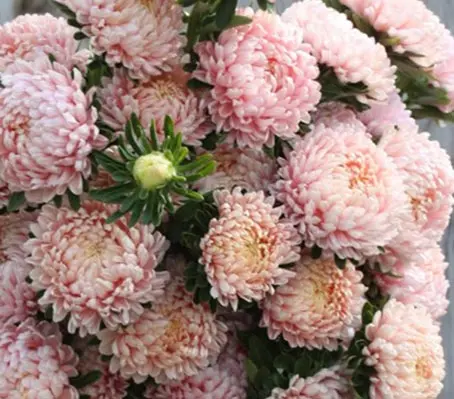
Premium China Aster, Paeonia Form
‘Tower Chamois Apricot’ is one of the most magnificent summer asters you could ever wish to see. Amazing large, 10cm wide, peony-type blooms with fully re-curved petals in the most exquisite warm soft apricot-peach, the colour is a touch more saturated than other apricot/chamois coloured asters. Each vigorous plant can produce as many as 10 to 15 stems.
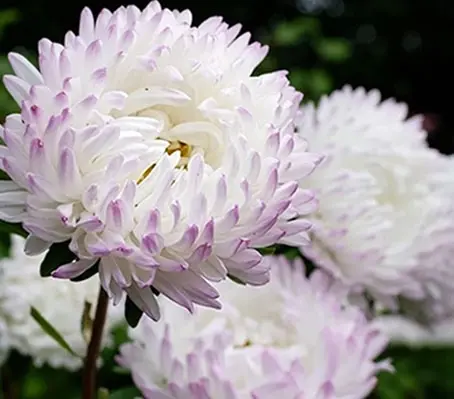
Premium China Aster, Paeonien form
Callistephus ‘Tower, Quartz Silver Rose’ is a stunning white summer aster, with large peony-type blooms, each petal is delicately frosted with silver-rose at the tips. Each plant can produce 10 to 15 stems, loaded with blooms they are perfect for flower arranging and for wedding work.
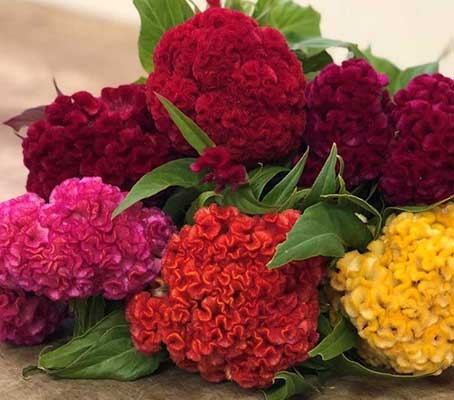
Cockscomb, Crested Cockscomb
Celosia cristata ‘Tall Varieties Mix’ offers a stunning blend of warm shades, from sunny yellow and soft salmon to vibrant orange, pink, and red. The bold, crested flowerheads are velvety to the touch, long-lasting, and retain their colour well. Ideal for both fresh and dried arrangements.
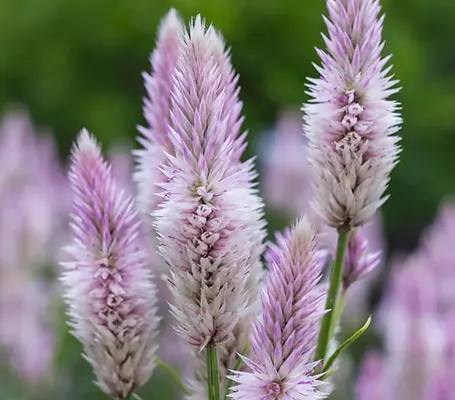
Pink Cockscomb
Celosia spicata ‘Flamingo Featehr’ is an enchanting variety known for its unique, long-lasting flower spikes. The tall, slender blooms of soft pink are a favorite of florists and crafters. Once dried, Celosia can last for years and is perfect for dried flower arrangements and for crafting.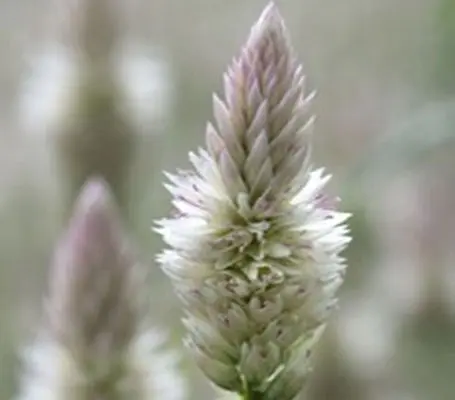
Cutting Celosia, Silver Cockscomb
Softly vibrant, feathery plumes that start pale pink and gradually mature to silver add an enchanting, subtle beauty to the garden. Whether fresh or dried, the tall spires of Celosia, ‘Xantippe’ provide charm and an airy, wispy aesthetic to the vase.
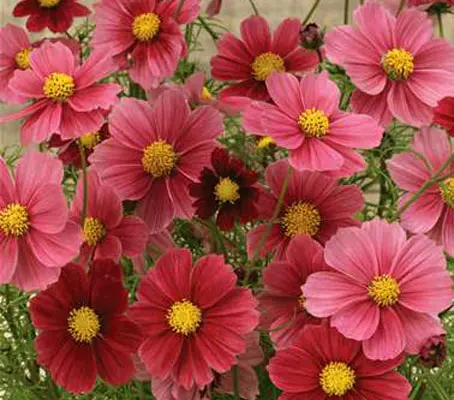
Dwarf Mexican Aster
Cosmos ‘Antiquity’ is a completely unique colour of Cosmos in the colours of a beautiful faded tapestry. It is a very dwarf variety, growing to only 15in tall and teeming with 2in flowers. The flowers are rich burgundy on opening and change to an antique bronze-salmon when ageing.
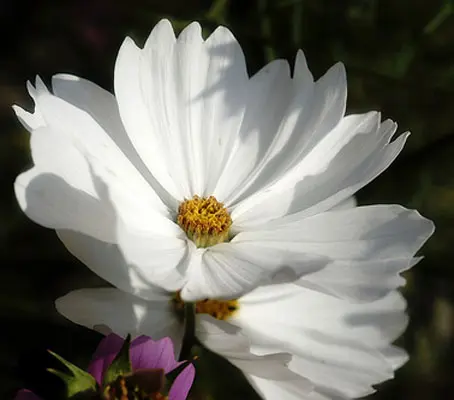
The Mexican Aster
Cosmos bipinnatus ‘Purity’ is the definitive white cosmos. Large, graceful, saucer-shaped blooms float over a haze of mid-green feathery foliage, Rising to a graceful 90 to 120cm they flower in fourteen weeks with wave after wave of clear white blooms. An excellent no fuss annual that is very easy to grow and thrives on minimal care.
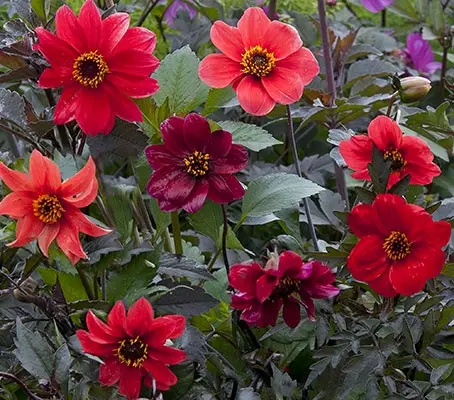
Dahlia
One of the most stunning Dahlias you will ever see, let alone grow, Bishop’s Children is a warm-toned mix in shades of a tropical sunset. Deep reds and crimsons, copper and turmeric-yellows, as well as peach and plums. But what makes these blooms really extraordinary is that they arise atop dark foliage.
€1.95 – €5.95Price range: €1.95 through €5.95
€3.25
€3.25
€2.75
€2.75