 Skip to content
 Sort by:
Sort by:
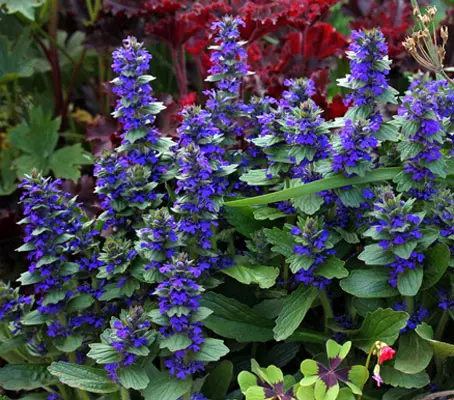
Geneva Bugle
Ajuga genevensis is used throughout the world yet this relatively uncommon form is less well known. This very well behaved, evergreen groundcover has deep gentian blue flower spikes and is by far the showiest of the species. It is often the plant of choice for smaller areas or along edges and pathways.
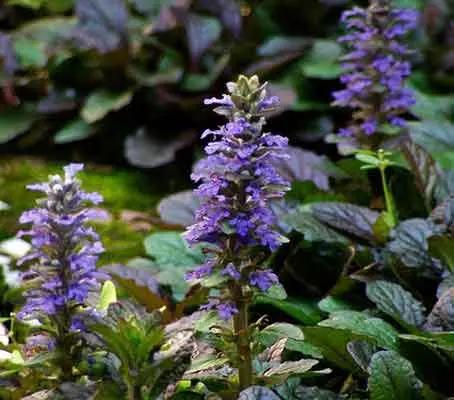
Bugle. Thunder and Lightning,
For most of the year Ajuga is a pleasant, quiet achiever, a very versatile low growing ground cover, with evergreen, rosette-like foliage that hugs the ground like an evergreen carpet but those weeks in spring when the blue flowers appear are simply quite magical.
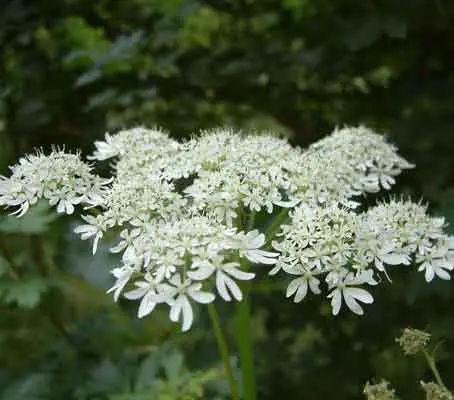
Gipsy Laces, Lady's Needlework.
Wildflower of Britain and Ireland
Anthriscus sylvestris is most characteristic of hedgerows, road verges and woodland edges. Our native Cow Parsley has a sophisticated form, with delicate, open, white lacy umbels, that from mid-spring to early summer look as though they’re erupting from a well shaken champagne bottle!
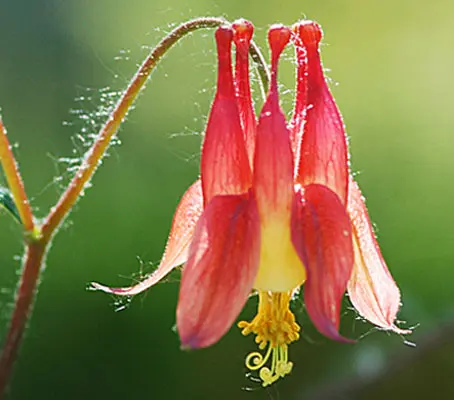
Rock Bells, Dwarf Red Columbine
Native to Canada and the US in all states east of the Rockies, this superb variety is quite unlike the usual Aquilegia. Growing just twelve to eighteen inches tall, with dark-green foliage and eye-catching, scarlet and lemon-yellow flowers which hang like drifts of softly illuminated lanterns.
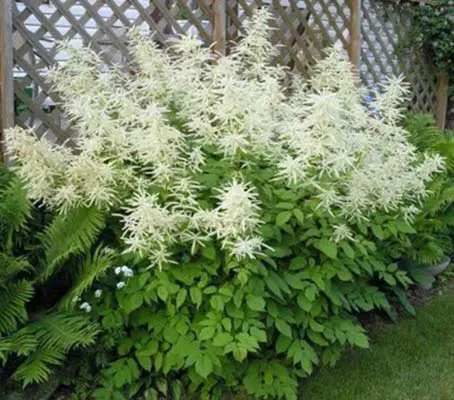
White Goat's Beard, Bride's Feathers
 Aruncus dioicus’ commonly known as Goat’s Beard or Bride’s Feathers is one of the most handsome plants for the perennial bed. Its leaves are large and it has an abundance of flowers and in the autumn it turns an impressive, autumnal yellow colour.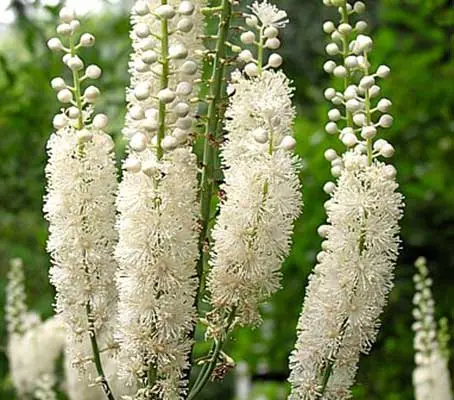
Actaea racemosa var. cordifolia
Actaea cordifolia comes into its own late in the season, when multiple stiff and stout stems emerge from the base of the plant. It displays impressive long racemes of chalky-white blooms that are composed of numerous, tiny individual star-like, fragrant flowers.
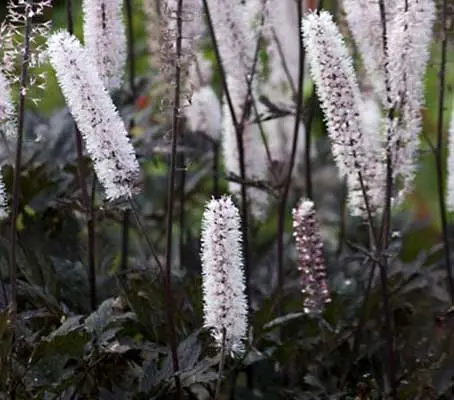
Actaea simplex Atropurpurea Group
Valued for its large purple-black leaves, Cimicifuga simplex ‘Atropurpurea’ is an exceptionally beautiful selection. The long, fluffy spires seem to float in mid-air, each flower studded with feathery stamens.
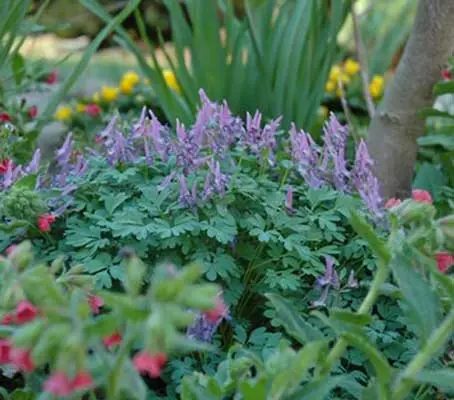
Bird-in-a-bush
European Wildflower
What gardener with a heart and soul could resist the spring flowers of Corydalis, whose winged petals with upswept spurs suggest a flight of elfin butterflies. These woodland ephemerals are highly useful at the front of the border, with miniature bulbs such as crocus, muscari or scillas.
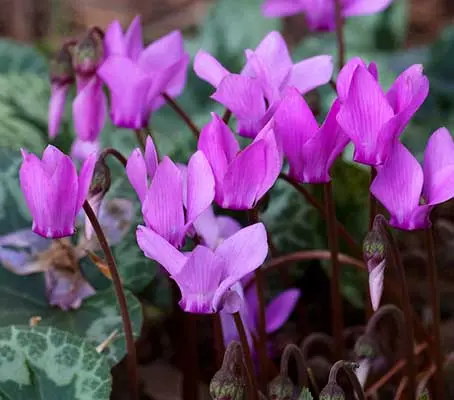
Hardy Cyclamen
Cyclamen coum is adored as a cultivated ornamental plant. The flowers vary from white to rosy-purple with every hue in between and in such quantity to obscure the leaves. They open from early winter and continue unabated into spring. 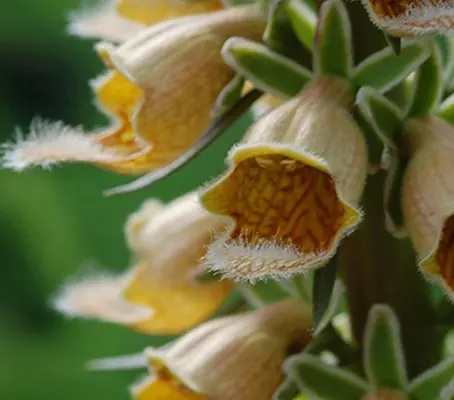
Perennial Foxglove, Rusty Foxglove
Digitalis ferruginea is an interesting and exotic looking foxglove. With elegant, leafy spires and closely packed golden blooms, each orchid-like flower has an interior of rich red-brown veins.
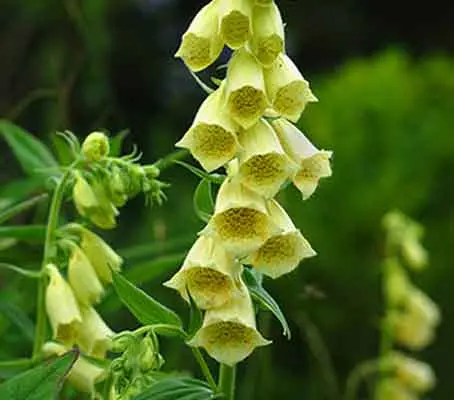
Syn: Digitalis ambigua. Perennial Foxglove
Digitalis grandiflora is one of the few truly perennial foxgloves. Extremely hardy and one of the best performers. Bearing upright stalks of beautiful creamy-yellow bells through the summer, the lovely soft shade allows this plant to blend with almost anything in the garden.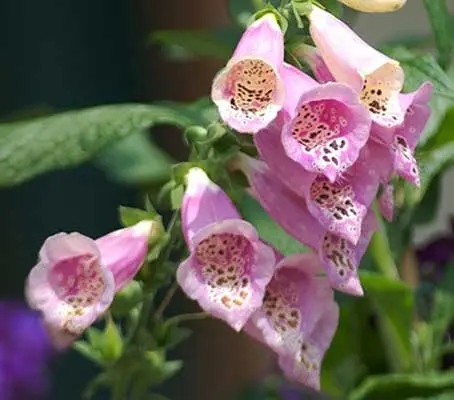
Native Pink Foxglove
Wildflower of Britain and Ireland
This lovely native European woodland plant is a beauty to add to any garden and a popular biennial for shaded places. Plants form rosettes of lance shaped leaves, the second year the rosette begins to shoot skyward with beautiful large spikes and drooping bell shaped blooms that are spotted inside.
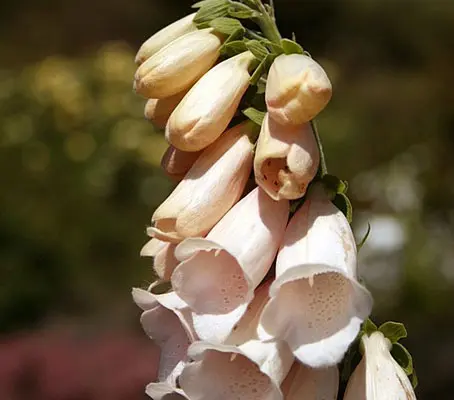
Aka Suttons Apricot, Apricot Delight, Apricot Beauty Foxglove
Digitalis purpurea ‘Apricot’ produces large spikes in the most beautiful shade of coral-apricot. One of its greatest assets is the ability to mingle, a quality particularly important in contemporary gardens where the accent is on informality.
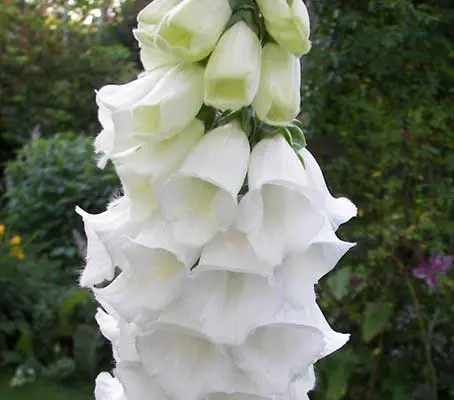
Dwarf Foxglove
Digitalis purpurea ‘Snow Thimble’ is bred for its large pure-white, bell-shaped blooms, born on short spikes only 100cm tall. It is one of the most elegant dwarf Foxgloves, easy to place in the garden it is especially suited to cottage gardens, shade gardens, wildflower and cutting gardens.
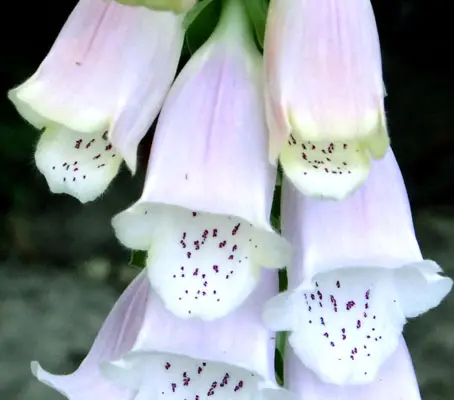
Aka 'Pink Champagne'
Digitalis ‘Silver Fox’ is one of the most beautiful dwarf Foxgloves for the cottage garden and border. Growing to just 60 to 70cm tall, the creamy-white speckled bells are flushed with soft lavender-pink. An elegant and rare foxglove that is ideal for borders or containers.
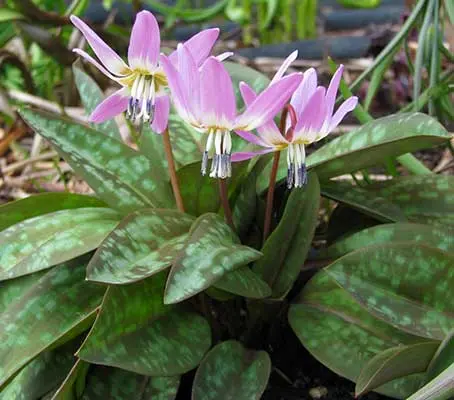
Dog's Tooth Violet
Erythronium dens-canis is attractive from the moment it pokes up from the soil in early spring. The oval pointed leaves with bronze patterns appear in early spring and are followed shortly by nodding rose pink to purple, elfin-cap flowers that bloom for several weeks.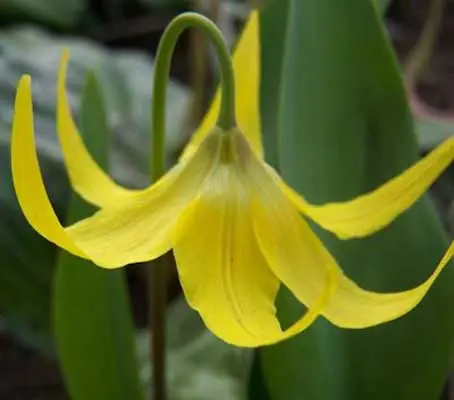
Yellow Avalanche Lily, Glacier Lily
Erythronium grandiflorum is a rarely offered species. Native to west North America, it is one of the largest of the genus. Blooming in early spring, each flower stem has up to ten golden yellow, nodding, star-shaped flowers with reflexed petals.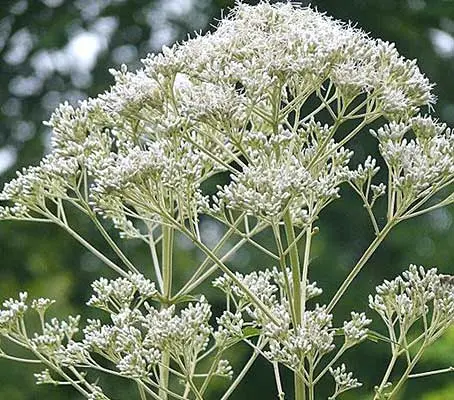
Hollow Joe Pye weed, Queen of the Meadow
Introduced in 2010, Eupatorium ‘Ivory Towers’ is relatively new to our gardens. This architectural plant bears generously clusters of ivory-white blooms which are long-lasting and beloved by butterflies. Given an early sowing, will flower the first year. 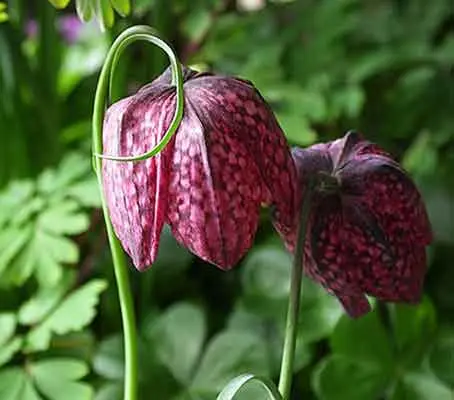
Snake's Head Fritillary, Chequered Lily,
Wildflower of Britain and Ireland
Snake’s head fritillaries always excite attention wherever they are seen. None of the other lovely members of the fritillaria genus can match this native wildflower for the bizarre and unmistakable colouring of its bell-shaped flowers.
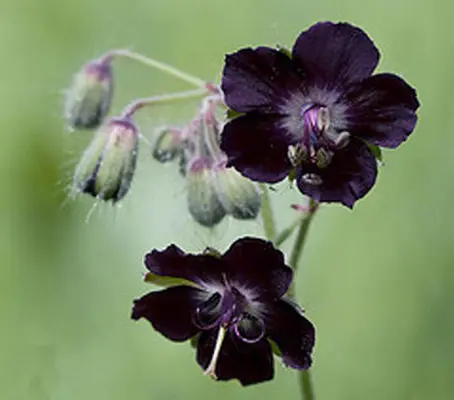
Dusky Cranesbill, Mourning Widow
Hardy Geranium
Geranium phaeum ‘Samobor’ has considerable charm, with luxurious, deep maroon-black flowers which are held high on upright slender stems in late spring to early summer. This beautiful and useful hardy geranium is loved for its amazing deeply scalloped foliage with beautiful dark markings
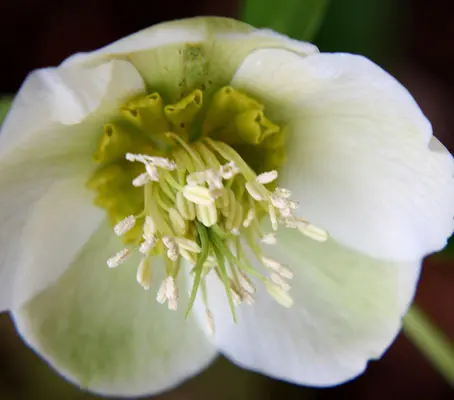
Christmas Rose, Christmas Hellebore, Black Hellebore
Helleborus niger is smaller and more compact than any of its relatives and is the first in bloom, producing a succession of delicate white flowers throughout winter. It is a welcome sight when the snow thaws to see something so pretty in bloom.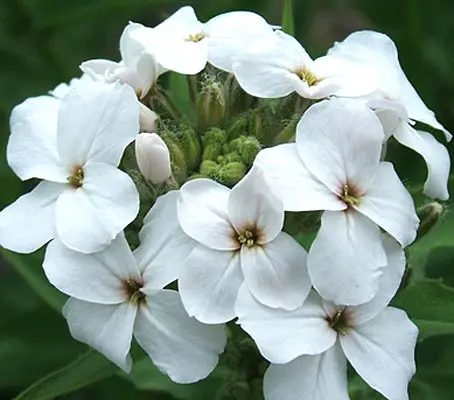
White Sweet Rocket, Dames Violet, Summer Lilac.
Gorgeously scented pure white flowers are held above rosettes of dark green leaves. Like all sweet rockets it is highly attractive to bees and other beneficial insects, the fragrant flowers perfume the air in late spring and early summer evenings. The night-scented stock is a close relative.
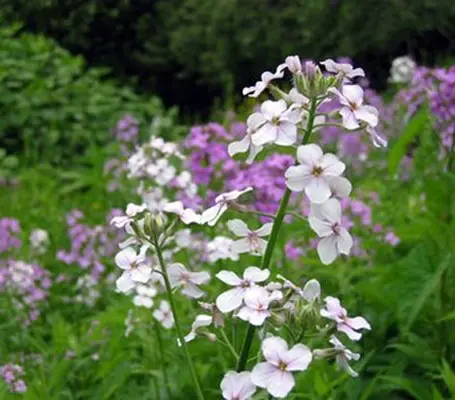
Sweet Rocket, Dames Violet, Summer Lilac.
Dames Rocket produce flowers varying in colour from deep rich purple, through all the paler lilac shades to white. Highly attractive to bees and other beneficial insects, the fragrant flowers perfume the air in late spring and early summer evenings.
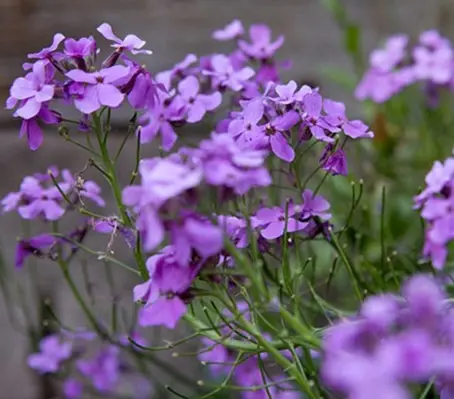
Sweet Rocket, Dames Violet, Summer Lilac.
In spring, Dame’s Rocket lights up the woodland edges with her blossoms, providing nectar for hummingbirds, moths and butterflies, and fragrance for the soul. Sow seeds directly where they are to flower in early summer
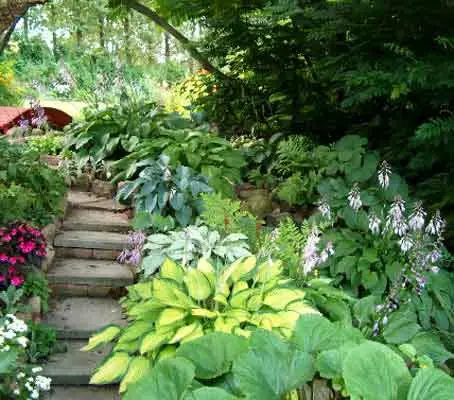
Corfu Lily or Funkia
Hosta are grown predominantly for their outstanding foliage, from leaves as small as a teaspoon up to those larger than a dinner plate, colours range from deep blues to silvers, darkest shiny greens to bright yellows, from a single solid hue to the myriad of variegations the choice is almost overwhelming.
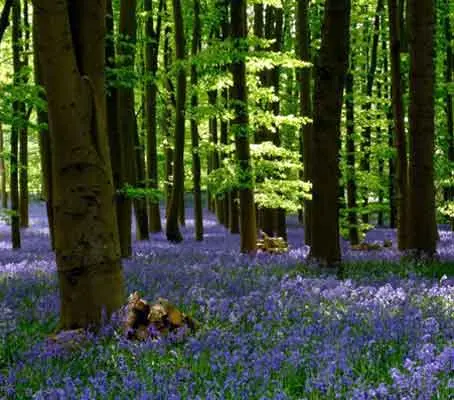
English Bluebell, Wildflower of Britain and Ireland
A deep blue carpet of bluebells is an unforgettable sight to anyone visiting many of our native woodlands. The spring spectacle of seeing a wood not only greening, but also ‘blueing’ is one of the joys of the year. When bluebells are in flower, spring has truly arrived.
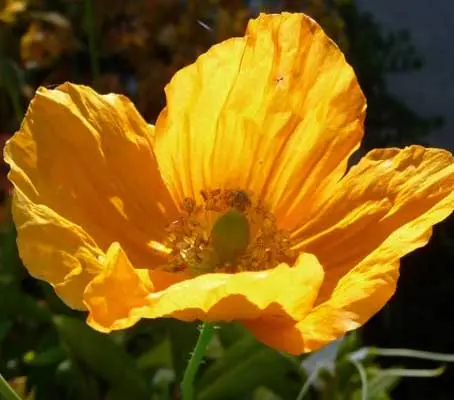
Welsh Poppy, Yellow Poppy.
Wildflower of Britain and Ireland
The Meconopsis genus contains some of the most exquisitely beautiful of all flowering plants. M. cambrica is the easiest to grow, and is reliably perennial. The delicate cup-shaped, golden-yellow flowers are borne in abundance from late spring to early autumn.
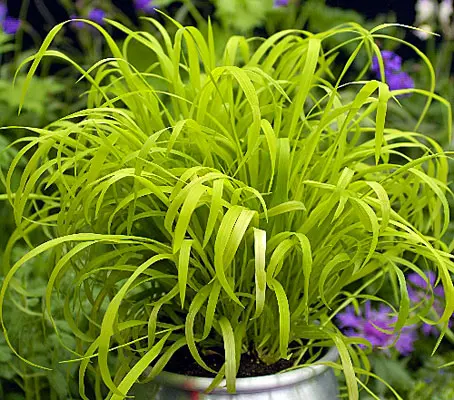
Bowles Golden Grass
Milium effusum Aureum has a magical quality, bringing incandescent light to the shady places it prefers. As the season progresses tiny golden, bead-like flowers on hair-thin stems arch gracefully creating fountains of gold.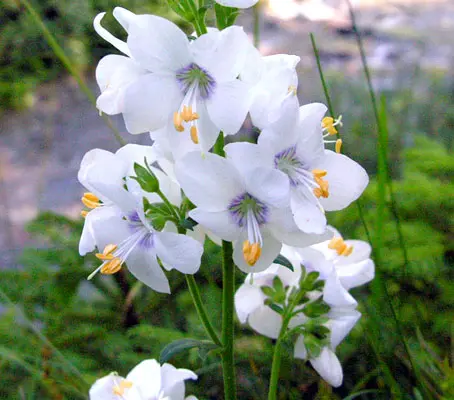
White Jacob’s Ladder, Greek Valerian
Wildflower of Britain and Ireland
The white form of the lovely Jacobs Ladder, named after the slender, fresh green leaflets arranged like the rungs of a ladder. Blooming in late spring to early summer, the bright foliage and white flowers will brighten shady locations. Both the flowers and the attractive ferny foliage are excellent for cutting.
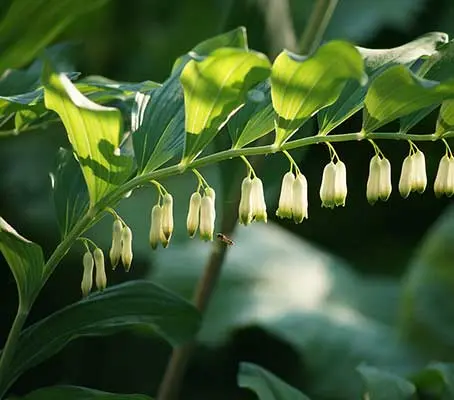
Common Solomon's Seal
Wildflower of Britain and Ireland
Whether you know this plant by its scientific name Polygonatum, or the more poetic variant Solomon’s Seal, this plant is a welcome addition to the shade garden. The bright green elliptical leaves look wonderful amongst native ferns.
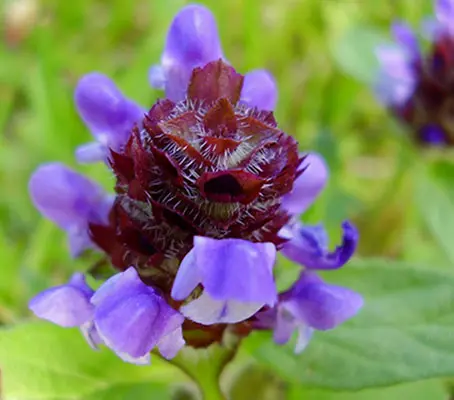
Wildflower of Britiain and Ireland
Prunella vulgaris is an interesting and quite beautiful little wildflower plant. The plants produce pretty blue-violet flowers in summer, the flowers freely produce nectar and are highly attractive to bees. If you’re looking for something to add to a meadow garden, or something for those shady areas this is the plant for you.
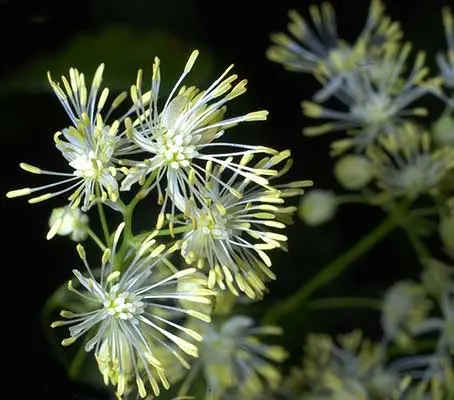
Shining Meadow Rue
Thalictrum lucidum is a less well known species of meadow rue, it sports luscious deep green, fern-like foliage. In mid-summer the plant is festooned with a superb array of fragrant flower stems, topped with airy puffs of soft cream flowers each with bright yellow stamens.
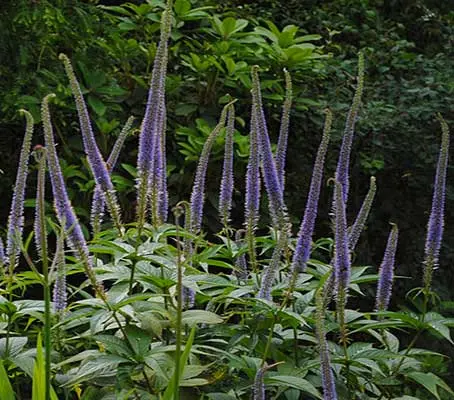
Siberian Culver's Root
Veronicastrum is one of the most fashionable plants around. It is an excellent genus, full of hardy, trouble-free plants. The multiple tapering, soft spikes of white flowers look like elegant, living candelabras.
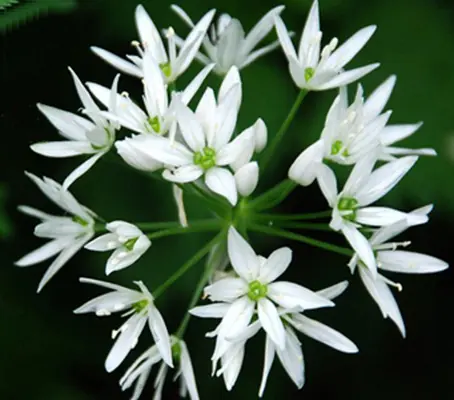
Ramsons Garlic, Wild Garlic, Broad Leaved Garlic
Wildflower of Britain and Ireland
Until a few years ago you would never have seen wild garlic on a menu, but these days is definitely a chefs’ favourite. The whole plant is edible, the flavour is softer, more pleasant than cloves from garlic bulbs. The leaves have a vibrant colour that brings food to life, use sparingly in salads, or add to sauces and dressings. It also makes splendid pesto.
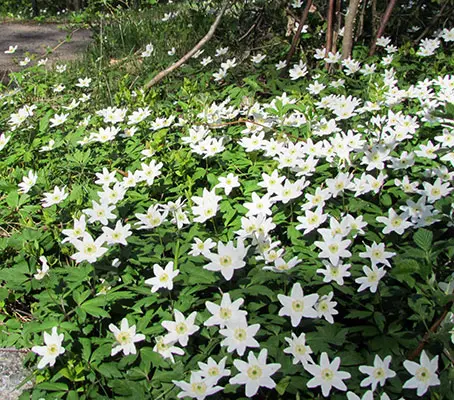
Windflower
Wildflower of Britain and Ireland
On a sunny day at the end of winter, when the branches of the trees are still bare, the sight of shady banks and glades lit by the white stars of the Wood Anemone leave you in no doubt that spring is truly here.
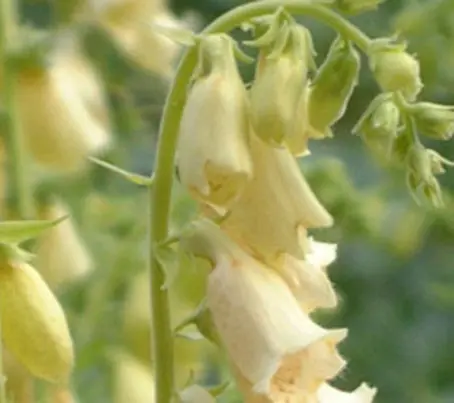
Perennial Foxglove aka 'Créme Belle'
There are not many yellow flowering foxgloves and as they are so rare each one is joyfully celebrated. Digitalis ‘Cream Bell’ is one of the few truly perennials. Extremely hardy it bears upright stalks of beautiful creamy-yellow bells. A lovely soft shade that blends with almost anything in the garden.
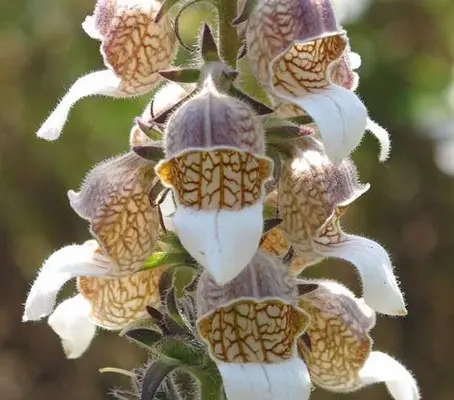
Grecian, Woolly, Perennial Foxglove
Digitalis lanata has a beautiful colouration, from late spring to mid summer it produces spikes of densely packed, fawn-coloured flowers each with a pearl coloured lower lip. Each of the blooms is delicately patterned with dark brown veins. 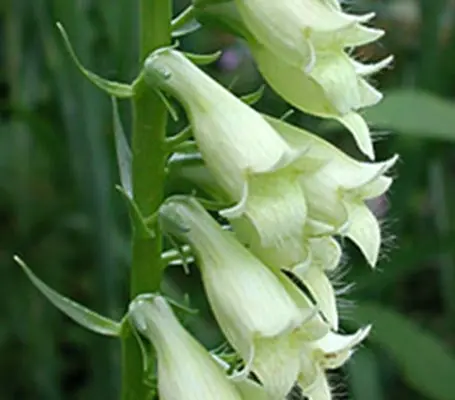
Small Foxglove, Straw Foxglove
Digitalis lutea is a quite a different species to the traditional cultivated foxglove, with delicate small flowers; it is an easily grown plant that is reliably perennial. It bears delicate pale cream-yellow tubular flowers and grows to just 60cm in height. This delicate foxglove is a charming beauty wherever it is planted.
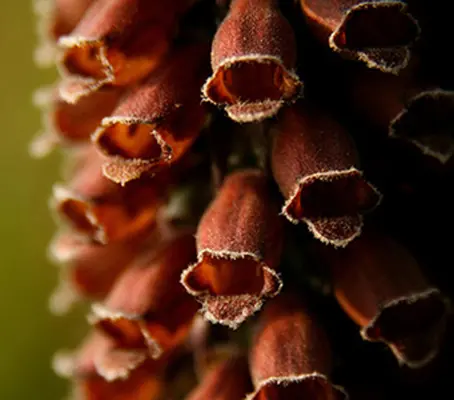
Foxglove
An aristocrat from Spain with densely packed spikes of cylindrical small chocolate funnels above dark green coloured glossy leaves. The rich foliage has a sheen that sets these dramatic flower spikes off wonderfully. A plant that will stop viewers in their tracks and have them enquiring its identity.
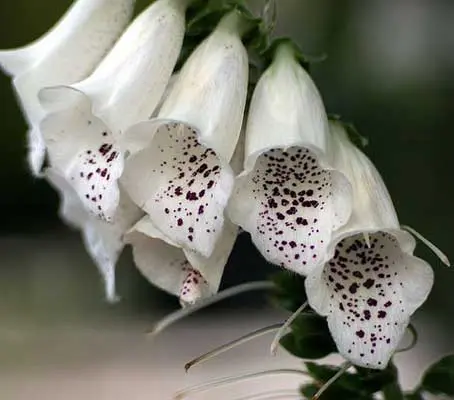
Foxglove. Aka Pam's Choice
Digitalis ‘Elsey Kelsey’ is one of the best new foxgloves found in recent years. Their elegant upright habit, long spikes of flowers and their heavenly white bell shaped flowers with densely speckled throats of deep maroon-purple make impressive features in the garden.
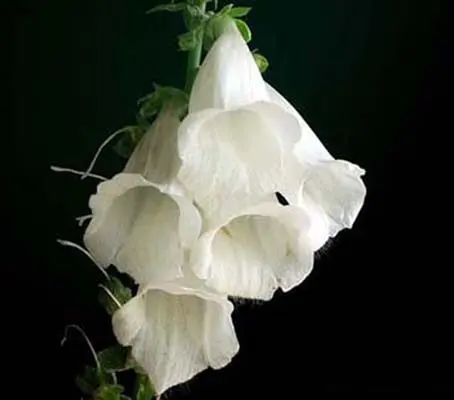
Pure White Foxglove
The pure unadulterated white form of this supremely elegant woodlander. Pure white foxgloves lighten up those shaded corners, giving a sense of depth and interest to an otherwise dark area. Grown as a single colour in a perennial bed they are outstanding for their simplicity alone.
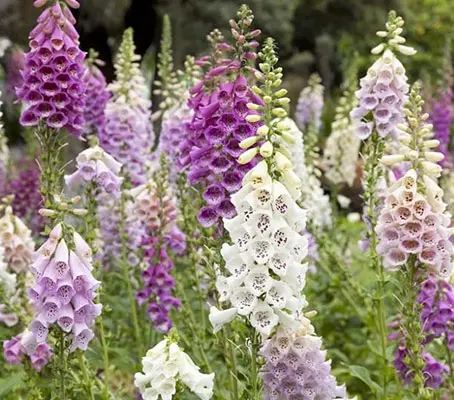
Aka 'The Shirley'
Digitalis purpurea var gloxinioides is an outstanding and unusual strain of Foxglove. Resembling the Gloxinia plant, the open flowers are tubular, each with frilled edges. With tall dense spikes of blooms, they are held horizontally and display the heavily spotted throat markings to better advantage.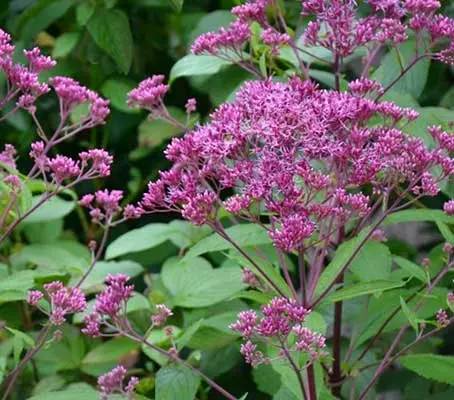
Spotted Joe Pye weed
Eutrochium purpureum subsp. maculatum
Crowned with large panicles of purple flowers, Eupatorium atropurpureum fall into the ‘naturalistic’ category. They share the physical characteristics of native species, albeit transplanted to another country.
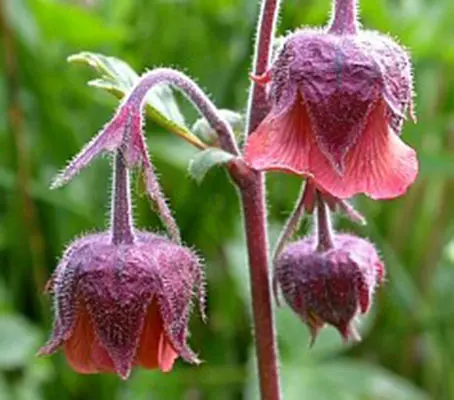
Water Avens
Geum rivale, the Water avens is a native perennial of slow-draining or wet soils. Flowering prolifically it is particularly useful in damp soils and makes a good show besides ponds. It produces both nectar and pollen and is an excellent plant for attracting pollinators and amphibians to the garden.
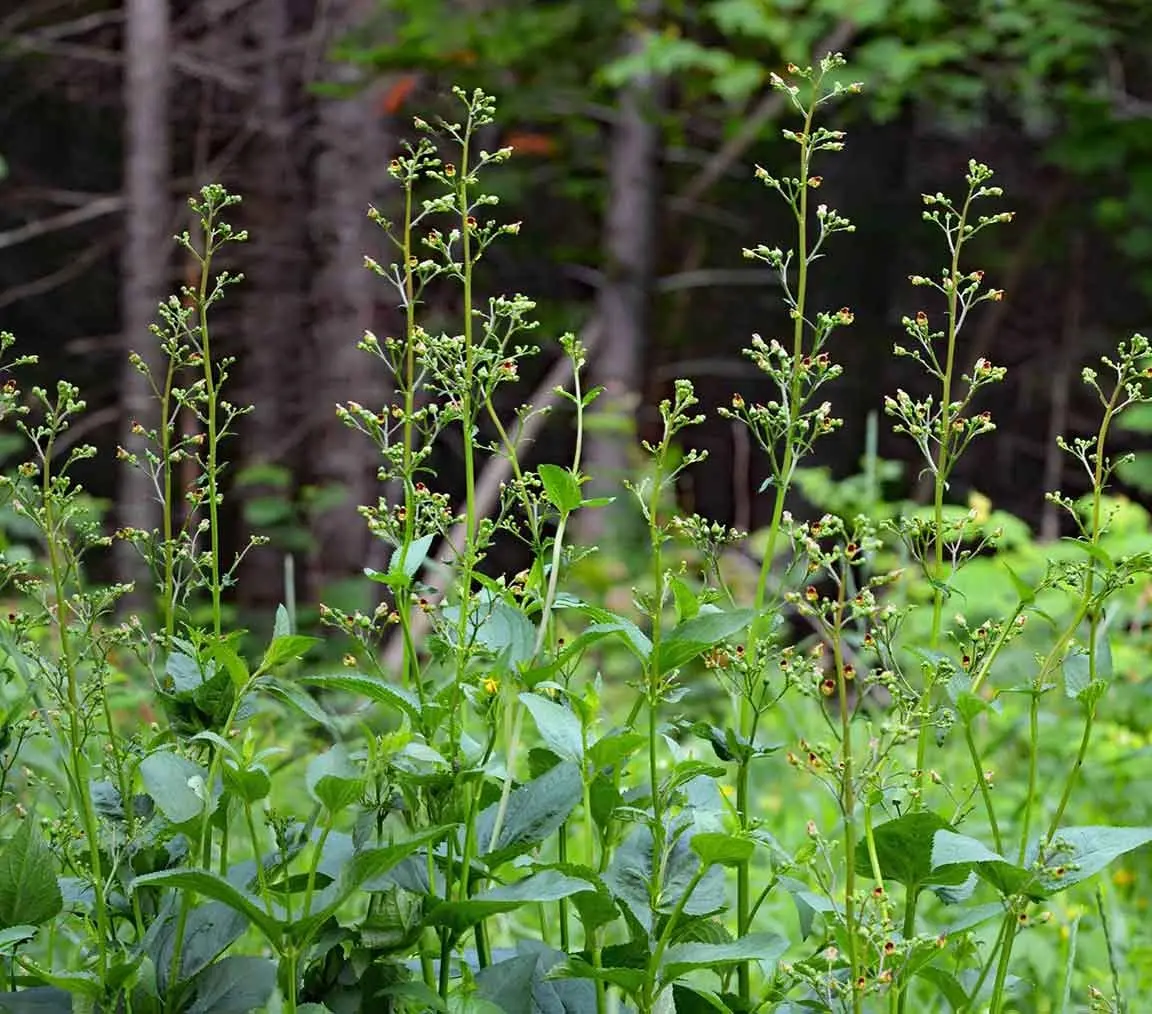
Wildflower of Britain and Ireland
Our native Figwort is one of the most prolific nectar producers in the plant world, the long-lasting flowers attract more pollinators than any other plant around. The flowers, similar to tiny snapdragons ripen into egg-shaped seed pods, which are just the perfect bouquet filler for interest and movement!
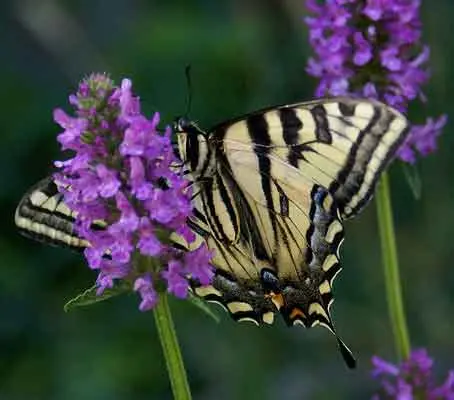
Betonica officinalis, Wood Betony, Bishopswort.
Wildflower of Britain and Ireland
This pretty little wildflower is a slow growing, long-lived plant with attractive spikes of rich pink-mauve flowers that are very attractive to bees and butterflies as a nectar source. The flowers, which rise from dark green crinkly leaves, keep their colour throughout summer and look stunning when growing en-masse.
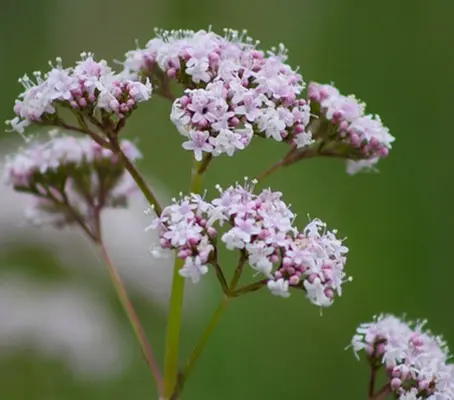
Valerian, Wildflower of Britain and Ireland
Valeriana officinalis is a graceful wildflower that is native to Europe and Western Asia. The tall, branched flower stalks are held atop a low mound of foliage, the densely clustered flowers are sweetly scented and usually white with a hint of pink.
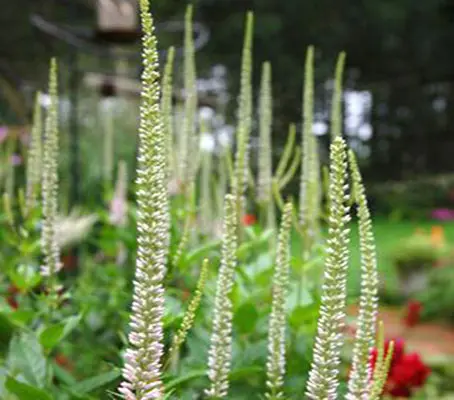
Culver's Root
Veronicastrum is one of the most fashionable plants around. It is an excellent genus, full of hardy, trouble-free plants. The multiple tapering, soft spikes of white flowers look like elegant, living candelabras.
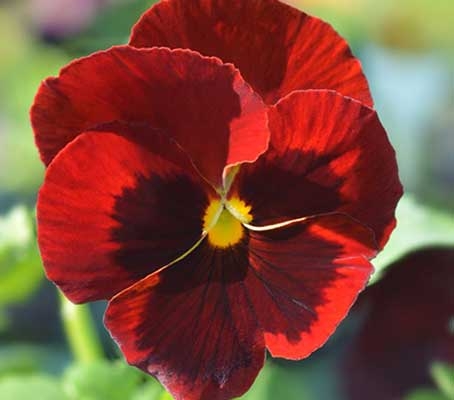
Antique Pansy (Since 1923)
Viola ‘Arkwright Ruby’ is an antique variety that is a favourite among gardeners for both its historical charm and ornamental beauty. The rich, velvety ruby-red blooms are incredibly versatile, perfect for almost anywhere in the garden or for the vase.
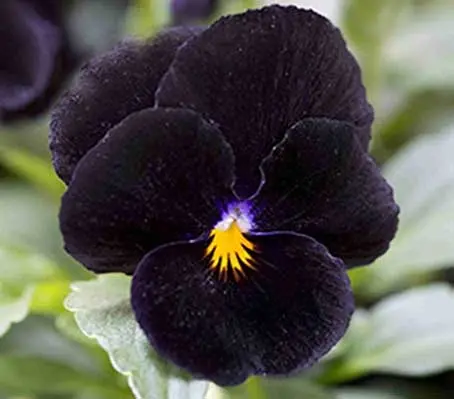
Horned Violet.
Viola cornuta ‘Back to Black’ is a striking cultivar of the horned violet, admired for its exceptionally dark, velvety flowers. The blooms are an intense black-purple, so deep that they often appear pure black. If you want to achieve long stems for the vase, plant them close, 5 to 10cm apart.
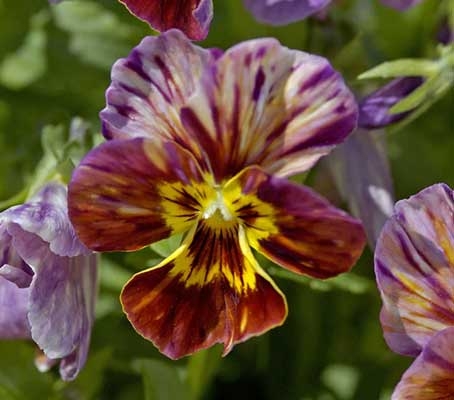
Antique Pansy (Early 1800's)
Renowned for its unique, hand painted, Viola ‘Brush Strokes’ is a captivating variety that has been carefully chosen from a cherished collection of historic strains. A harmonious blend of soft apricot, honey, plum, cream and lavender tones, often accented by intricate flecks and fine veining.
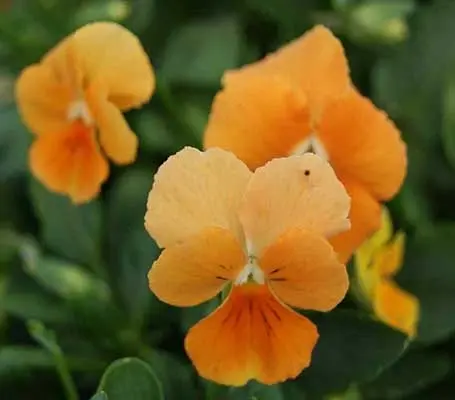
Antique Pansy (Since 1934)
Viola ‘Chantreyland’ is a compact, cool-season charmer. Soft apricot petals with hints of cream, washed with a blush of sunset pink. She’s made for edging, containers, or nestling into cracks in old stone. Quite unforgettable once you’ve met her. no wonder she has been in cultivation since 1923.
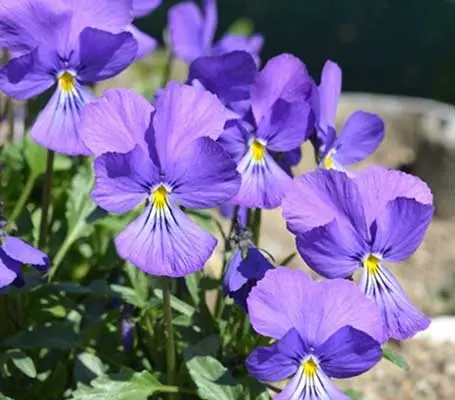
The Italian or Corsican Violet
A real gem from the mountains of Italy, Viola corsica ‘Bertolonii’ is a rare but easy-to-grow viola that deserves a spot in any sunny garden. It forms tidy clumps of dark green, lance-shaped leaves and puts on a gorgeous display of large, azure-blue flowers from April through June.
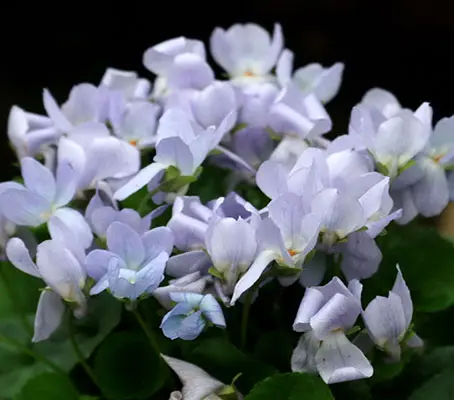
Sweet Violet. 'Snow Queen'
Also marketed as 'Scheekonigin' and 'Eismeer'.
Cultivated in Switzerland in 2004 from the famous ‘Queen Charlotte’, One would think that ‘Reine de Neiges’, or ‘Snow Queen’ would be a white bloomer. The flowers are almost white, a clear crisp ice-blue. Long blooming and upward facing, their fragrance is intense.
€2.55
€2.65
€2.35
€2.95
€2.25
€2.10 – €5.95Price range: €2.10 through €5.95
€2.95
€2.95
€2.95
€3.75
€2.10
€2.75
€2.95
€2.20
€2.35
€2.95
€2.25