Sort by:

Sort by:

Sort by:

Sort by:
No. of Varieties: 568
Maximilian Sunflower, Perennial Sunflower

Perennial sunflowers typically don’t grow quite as tall as their annual friends, however Helianthus maximiliani is a wonderful exception. They grow slowly until late summer when the flowers bolt and head for the sky!

Downy or Ashy Sunflower, Perennial Sunflower

Most gardeners are familiar with the annual sunflower, however, it is the perennial varieties that coexist most happily with other garden plants. Helianthus mollis is a lovely perennial with butter-yellow flowers. It grows 120cm tall and requires little more attention than an annual cutting to the ground.

Christmas Rose, Christmas Hellebore, Black Hellebore
Helleborus niger is smaller and more compact than any of its relatives and is the first in bloom, producing a succession of delicate white flowers throughout winter. It is a welcome sight when the snow thaws to see something so pretty in bloom.
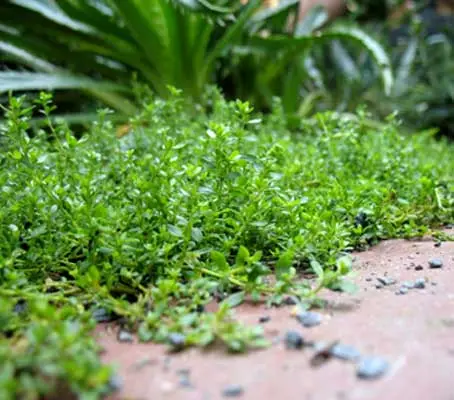
Smooth Rupturewort

Herniaria glabra is a relatively unknown perennial that deserves to be used more often in our gardens. The nursery industry calls it ‘Green Carpet’ and well they should. This lovely bright green creeper spreads effortlessly in all directions. An excellent choice for between flagstones or as a lawn substitute.

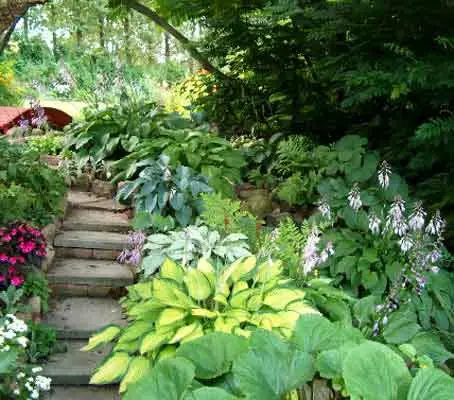
Corfu Lily or Funkia

Hosta are grown predominantly for their outstanding foliage, from leaves as small as a teaspoon up to those larger than a dinner plate, colours range from deep blues to silvers, darkest shiny greens to bright yellows, from a single solid hue to the myriad of variegations the choice is almost overwhelming.

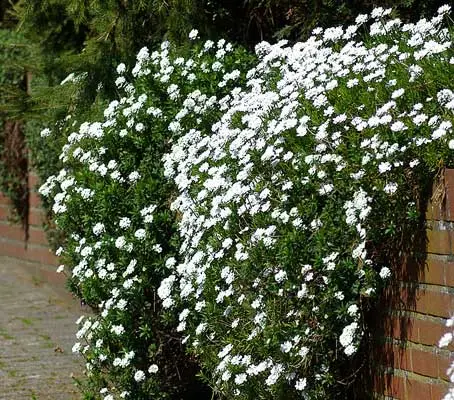
Perennial or Evergreen Candytuft
Iberis sempervirens is an early season favorite. This low bushy plant produces mounds of blinding white flowers in spring to early summer. An all round tough plant suitable for problem areas, use for containers, for pathways and crevices of ornamental walls.
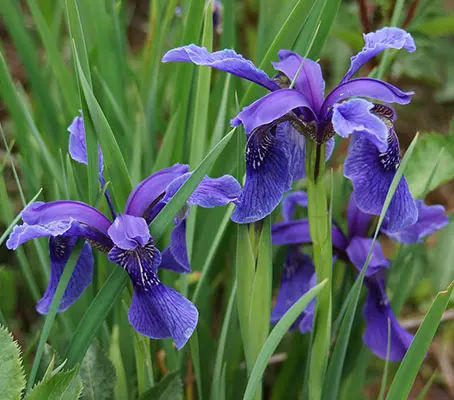
Bulley's Iris, Sino-Siberian Iris, Beardless Iris.

Iris bulleyana is a classic species Iris from western China. It belongs to a small group of oriental species which are entirely hardy and are of great value to the gardener. The plants are successful in any moist garden soil. Flowering from June to July, the blooms with mid purple flowers and dark purple veins.

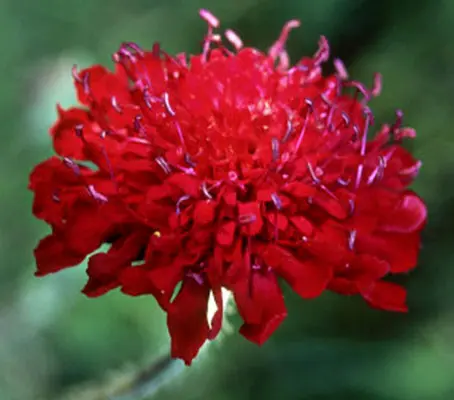
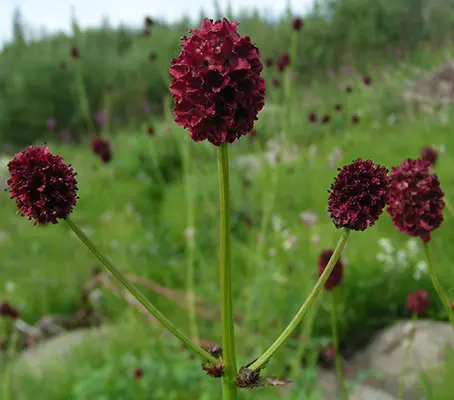
Often marketed as 'Red Knight' or 'Red Cherries'

Knautia macedonica has been hugely fashionable for years and is likely to remain so for many more. This lovely and versatile perennial blooms from late spring to autumn with dark-crimson, richly glamorous pompoms. Established plants produce literally hundreds of blooms in one season.

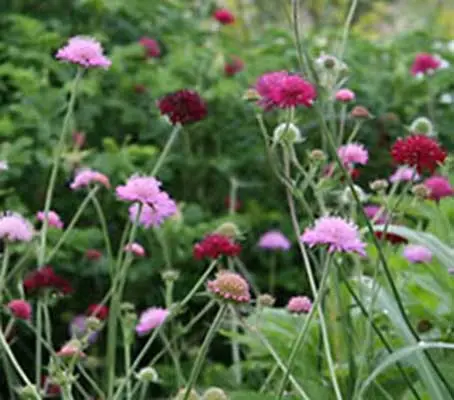
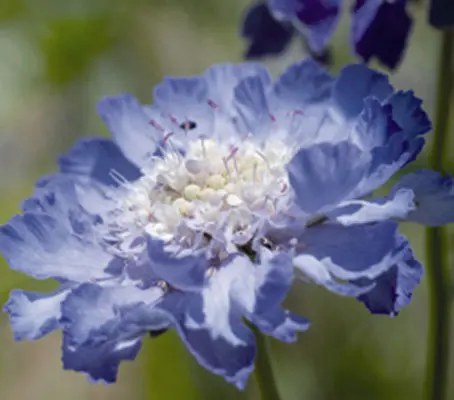
Also marketed as 'Watercolours'. Macedonian scabious

‘Melton Pastels’ is a great border plant, densely flowering plant with strong stalks of pin cushion flowers in shades of shades of pink, cherry red, mauve and purple. The tall stems make excellent cut flowers and are good for the middle of the border, giving a succession of blooms through till autumn.

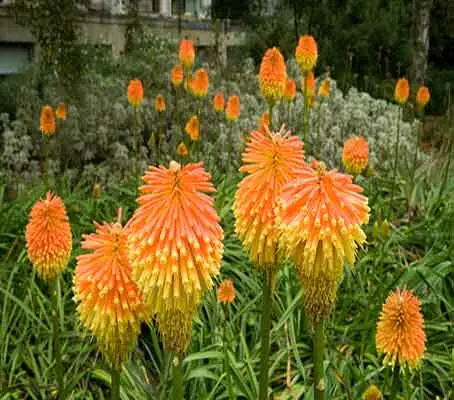
Red Hot Poker, Torch Lily

The Kniphofia hybrids have extended both the flower colour and height range. The usual fiery reds and oranges work particularly well in a planting scheme based on ‘hot’ colours – use them to light up sultry August borders. The cooler yellow, cream, ivory and sometimes green flowers is more restful.

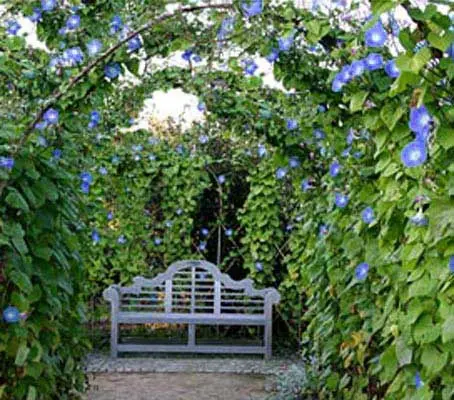
Grandflora Sweet Pea. 1907
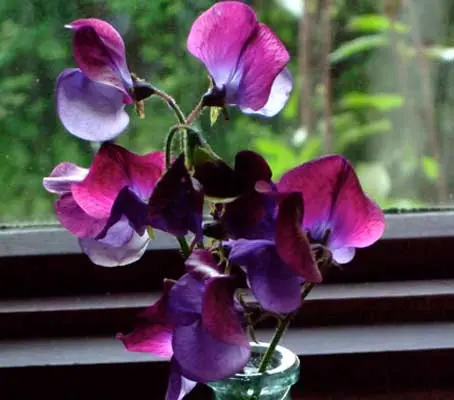
‘Matucana’ was first introduced into this country from Sicily in 1699, this delightful heirloom dates back at least three centuries, highly valued for its wonderfully strong, sweet scent as well as its brilliant bicoloured blooms of richest purple and violet .
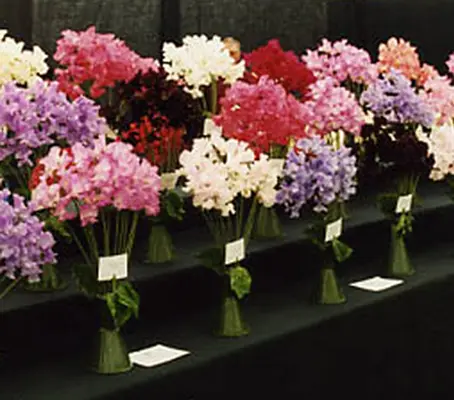
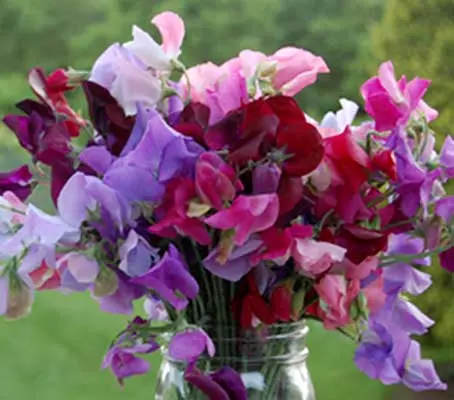
Early Multiflora Gigantea Sweet Pea

Extra early, extra large blooms are the feature of this award winning sweet pea, an excellent choice for early spring colour and the best strain for producing early cut flowers. If you have never seen this kind of sweet pea on long stems before, and don’t quite understand what all the fuss is all about…they are marvellous …guaranteed to make you fall completely in love with them.

Grandflora Sweet Pea. 1600 to 1800's

The Heirloom Mixture is a wonderful mixture of the Heirloom Grandiflora Sweet Peas. Representing most of the colours of this type and containing varieties that date back to the 16th century. Fabulous flowers in great colours that grow on vigorous plants, each have an intense full bodied perfume.

Price range: €2.25 through €7.95

Grandflora Sweet Pea. 1905
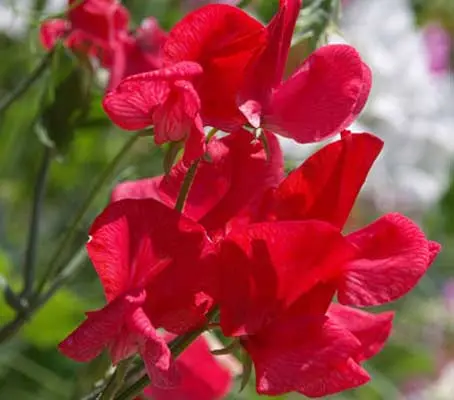
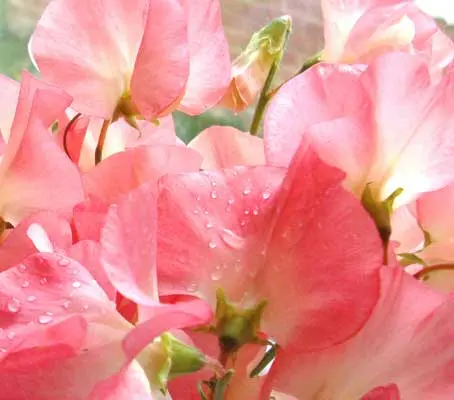
A highly scented heirloom sweet pea introduced by Henry Eckford in 1905 and named in honour of Queen Alexandria, wife of King Edward VII. Lathyrus odoratus ‘Queen Alexandria’ has bright scarlet-pink blooms with three flowers per stem. Strongly scented too.
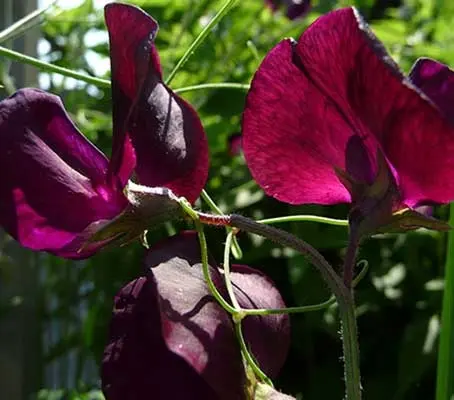
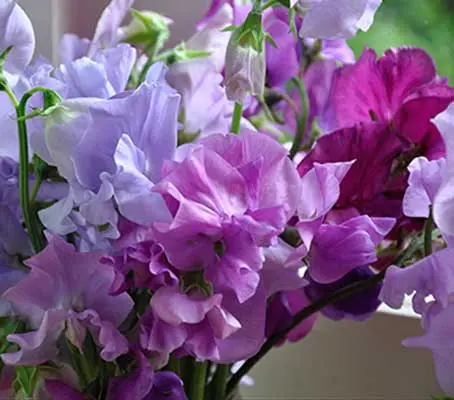
Sweet Pea

“Midnight” is very special variety. Seed of which is seldom available. Beautifully formed scented blooms of dark crimson, almost black. An amazing colour. The flowers are almost twice the size of a regular sweet pea and its stems are almost twice the length and so are perfect for cutting.

Sweet Pea

A blended mixture of outstanding quality. Composed of over 40 colours and shades of the Spencer Waved sweet peas. Large flowered and fragrant with an excellent colour range – with so many having such a beautiful scent … who could resist?

Spencer Traditional Sweet Pea

Sweet Pea ‘Princess Elizabeth’ was first introduced in 1945. It was on display when the Queen first visited Chelsea Flower Show in 1947. In 2008 the Queen was delighted to be presented with a new bouquet and to hear that hear her namesake has been grown continuously for more than 60 years.

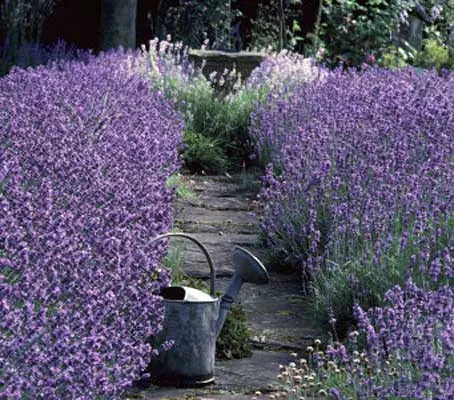
English Lavender
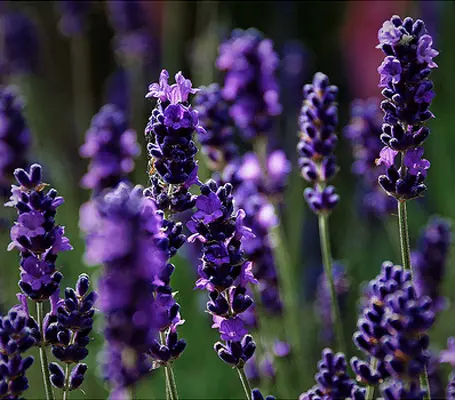
The deepest purple of all and one of the most popular lavenders is ‘Hidcote Blue’. A compact variety, suitable for growing in borders or as dwarf hedging, with dense silver-grey foliage covered in fragrant, dark purple-blue flower spikes in mid-summer.
Dwarf English Lavender, Hedge Lavender

Munstead Lavender is a fragrant robust English lavender that, due to its short size and tightly held blooms, makes a great hedge. It flowers profusely in the spring, after which a good pruning will provide an attractive grey bush with highly aromatic leaves.

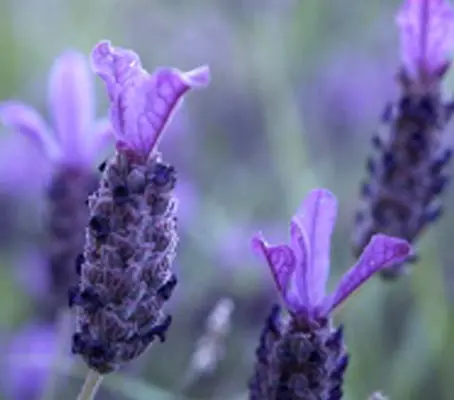
Butterfly Lavender, Spanish Lavender (US)
Lavender stoechas is an old variety, cultivated for more than 400 years, it is a favourite both for its intense fragrance and for the short dense flower spikes. French Lavender blooms from spring to frost and has a good clean scent.
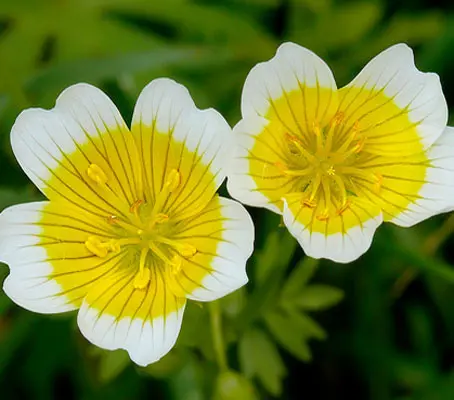
Poached Egg Plant or Fried Egg Plant.
The fragrant, abundant flowers of Limnanthes appear from summer to autumn and attract bees and butterflies for the duration. This lovely plant provides a carpet of fragrant golden and white blooms that will grace the front of the border, rockery or path edging.
Price range: €1.75 through €5.95

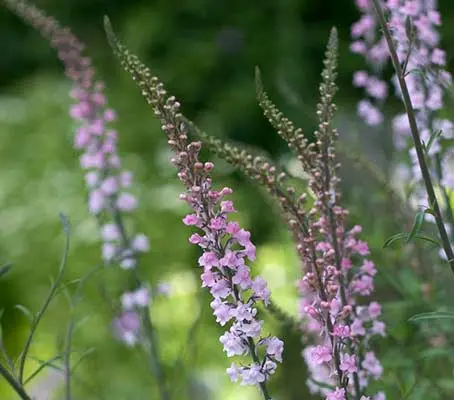
Toadflax

Linaria ‘Canon J Went’ is a delightful plant with tall spikes of pink and mauve tiny flowers. Easy to grow and flowering prolifically in a sunny spot, the delicate plants provide a softening haze in perennial borders.

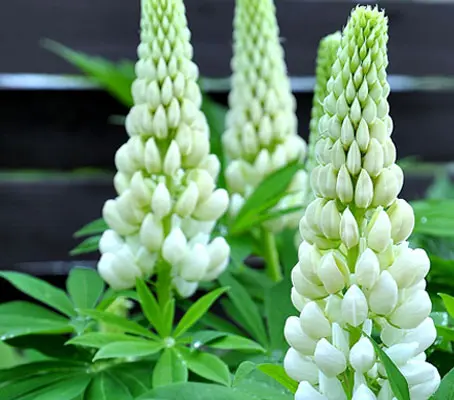
Lupin Russell Hybrids, Aka 'Fraí¼lein'
Lupin ‘Noble Maiden’, occasionally called Fraülein, feature soft ivory white buds that open to pure clean white. The flowers open from the bottom up making for a longer blooming period. Stunning in the border or in a vase.
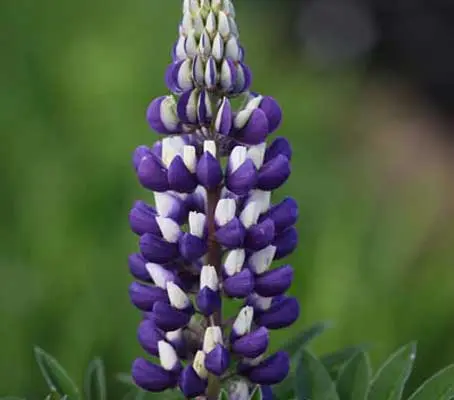
Lupin Russell Hybrids, Aka 'Kastellan'
George Russell developed his Lupins aiming for, and achieving a central stalk or spike totally obscured by colourful flowers. ‘The Governor’ is one of the most popular from the series and features deep ultramarine blue blooms each with white flag.
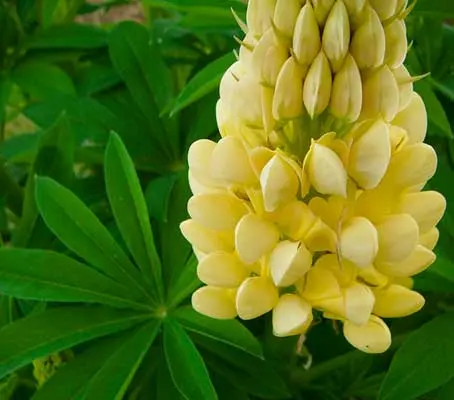
Lupin Russell Hybrids, Aka 'Kronleuchter'

Each small flower of Band of Nobles ‘Chandelier’ is a glorious shade of golden yellow, and the standard (the upper petal) is often a shade or two lighter. They have been bred for a long flowering period and give unbeatable garden performance.

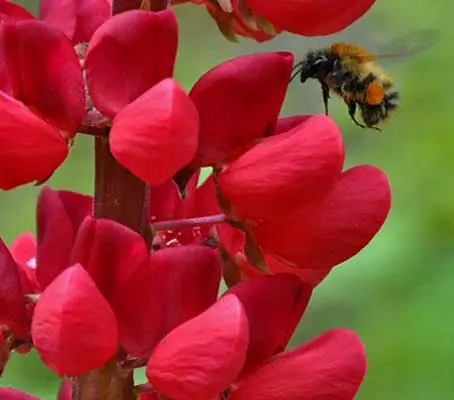
Lupin Russell Hybrids, Aka 'Mein Schloss'
The magnificent vertical stems of Lupin ‘My Castle’ produce vibrant red blooms bringing height and grandeur to summer borders. The intense colour of this robust variety makes a real statement when planted in drifts, or dotted among other perennials.
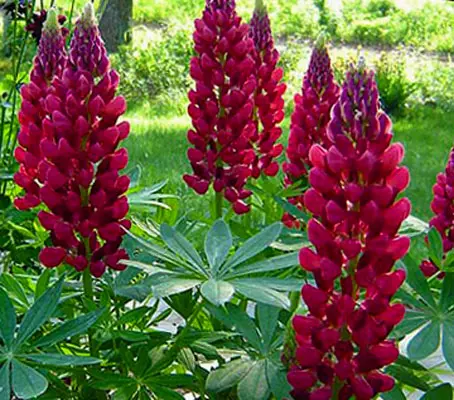
Lupin Russell Hybrids, Aka 'Edelknaben'
The Russell Hybrids ‘Band of Nobles’ series have exceptionally bright and strong colours. ‘The Pages’ produce magnificent vertical stems of carmine red blooms. These hardy plants will surviving extreme temperatures withstanding frost to at least minus 25°C.
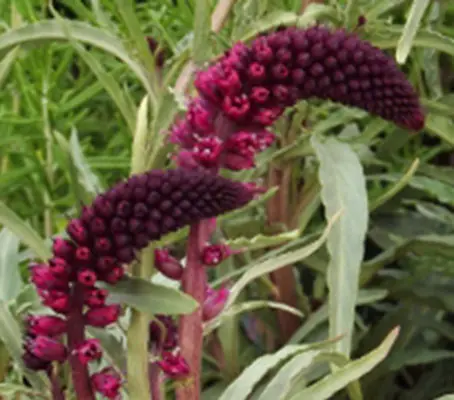
Crimson Loosestrife

Recently introduced to gardens and a hit Chelsea Flower Show, Lysimachia ‘Beaujolais’ feature flower spikes of deep claret which bloom continuously from May to September. The plants give a good effect used in tight drifts through grasses and other perennials. Ideal for cutting, the dark flowers are adorable in bunches.

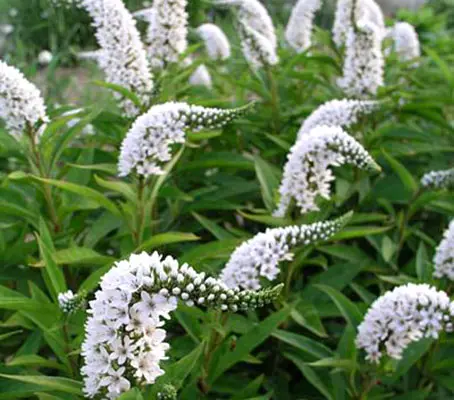
Gooseneck Loosestrife
Lysimachia ‘Lady Jane’ produces spires of white blossoms right above the foliage, they arch over then tip up at the ends and grow in beautiful curvy forms. Absolutely loved by butterflies, an additional feature is the good autumn foliage colour.
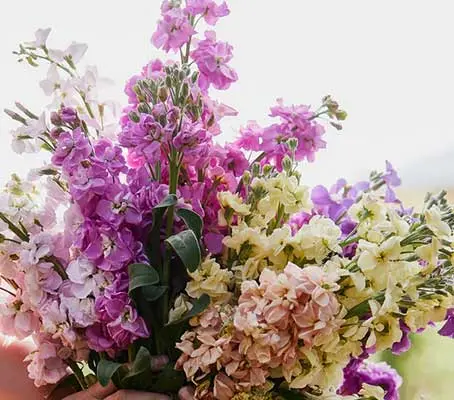
Brompton Stocks, Winter Stocks

Classic and richly scented, Brompton Stocks are the aristocrats of the stock family. These tall, elegant biennials produce dense spikes of double and single blooms in a sumptuous mix of colours. The flowers are extremely fragrant, in bloom from late spring and are excellent for cutting.

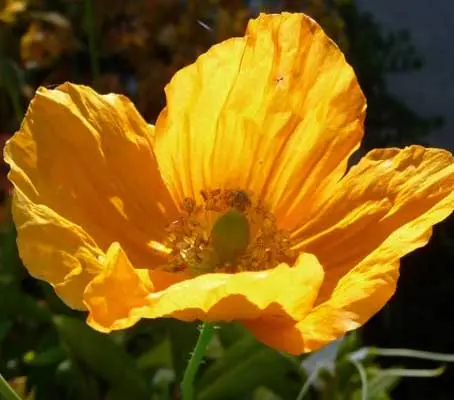
Welsh Poppy, Yellow Poppy.
Wildflower of Britain and Ireland

The Meconopsis genus contains some of the most exquisitely beautiful of all flowering plants. M. cambrica is the easiest to grow, and is reliably perennial. The delicate cup-shaped, golden-yellow flowers are borne in abundance from late spring to early autumn.

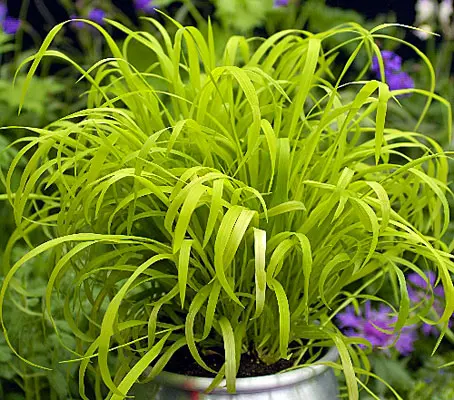
Bowles Golden Grass
Milium effusum Aureum has a magical quality, bringing incandescent light to the shady places it prefers. As the season progresses tiny golden, bead-like flowers on hair-thin stems arch gracefully creating fountains of gold.
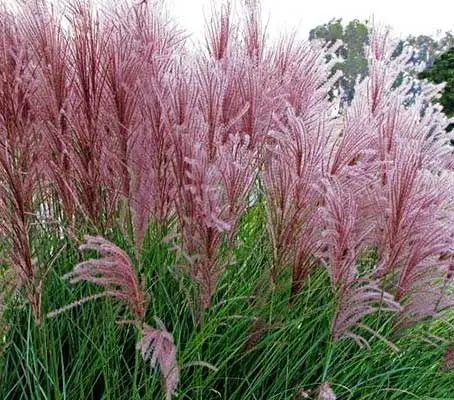
Maiden Grass or Eulalia Grass

Miscanthus are the queen of ornamental grasses. Miscanthus sinensis ‘New Hybrids’ provide a multitude of cultivars with varying heights, leaf widths and bloom times. Some plants will be upright growing and others will have a cascading habit, also expect variation in colouring.

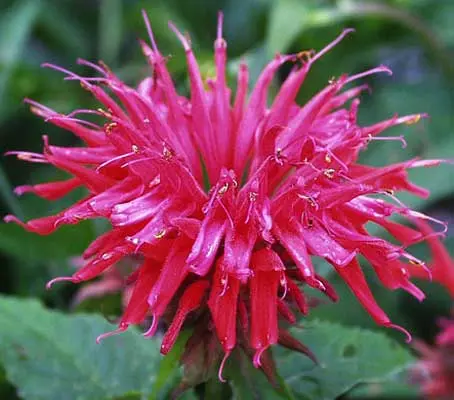
Bee Balm, Bergamot. Oswego Tea, Horsemint

‘Panorama’ must be rated a marvelous achievement in the perfection of the whorls of flowers and the brilliance of the colours. In many shades of scarlet, bright red, pink, salmon and crimson, each plant bears up to 20 long stems. They are as long-lasting as they are dramatic and excellent for cutting.

Bee Balm, Bergamot. Oswego Tea, Horsemint

Monarda ‘Panorama Red Shades’ is the first separate colour available from seed. This foolproof plant is trouble-free and a joy for the garden and vase. They bloom profusely with very distinctive flower-heads, each plant bearing up to 20 long stems and are as long-lasting as they are dramatic.

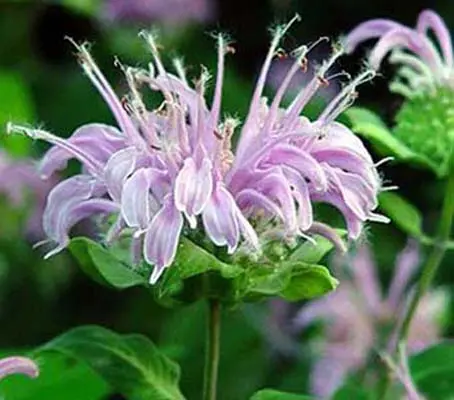
Bee Balm, Oswego Tea, Horsemint

Monarda fistulosa, also known as Bergamot is famed for its medicinal qualities. While in the perennial border these lovely plants produce a mass of mauve-purple blooms (even in their first year from an early sowing) and have uniquely scented foliage. Highly attractive to bees and butterflies.

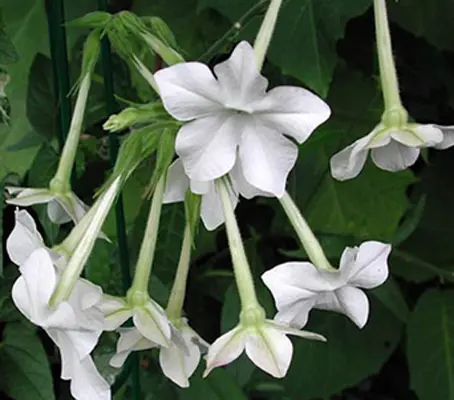
Jasmine Tobacco, Flowering Tobacco
Also known as Nicotiana alata var. grandiflora
Nicotiana affinis, also known as N. alata, is a classic tobacco plant with a delicious evening scent. It has been justly popular for over a century and a firm favourite with generations of gardeners: it is far lovelier than the modern improved forms of Nicotiana alata.
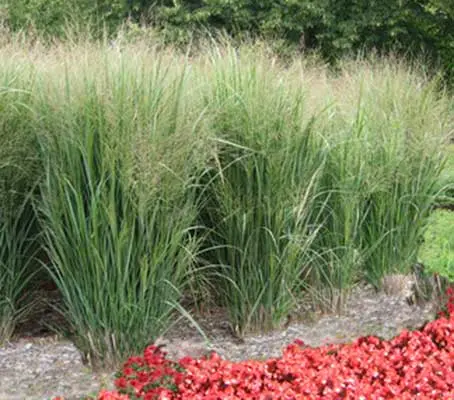
Panic Grass, Switchgrass

Despite its American provenance Panicum virgatum was originally taken up by German landscapers and gardeners. Renowned for its steely coloured blue-grey to blue-purple leaves, but it is the contrast between the rigid, stainless-steel foliage and purple-pink froth that really charms.

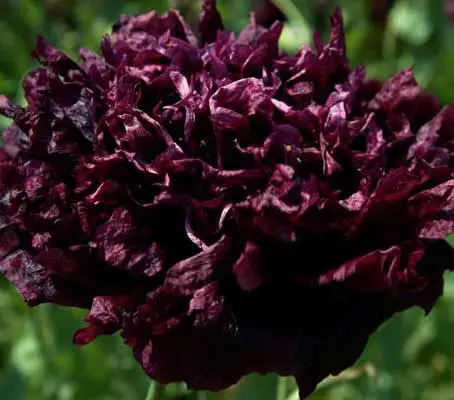
Peony Poppy, Breadseed Poppy

Papaver ‘Black Peony’ has fascinating, large, fully double, dark purple-maroon, almost black flowers, with lovely crinkled petals. When the flowers do burst, overnight, from their casings, the gardener is treated to some of the most dramatic flowers in the plant kingdom.

Breadseed Poppy

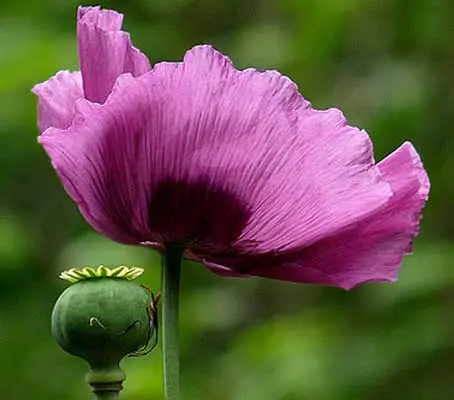
Also known as Peony poppies, Papaver paeoniflorum producing a summer-long succession of fascinating, heavily doubled, large flowers with lovely crinkled petals. Their spectacular blooms, in a multitude of colours are one of the easiest ways to add a bit of architecture and a lot of colour to your garden.

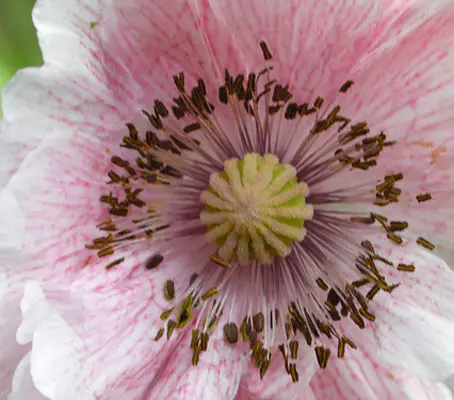
The True Shirley Single Poppy

Originally raised in the 1880’s by the Rev. Wilks in his garden in Shirley near Croydon in Surrey. The flowers are often likened to tissue paper, in colours from the brightest scarlet to pure white, with all shades of pink in between and all varieties of flaked and edged flowers.

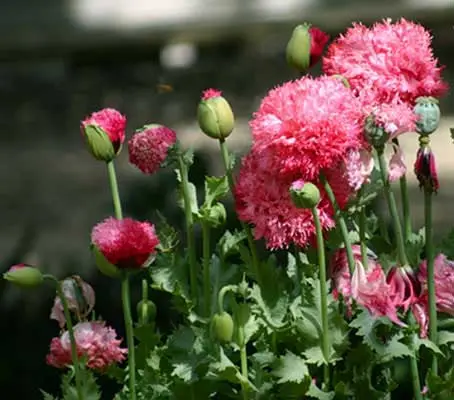
Breadseed poppy

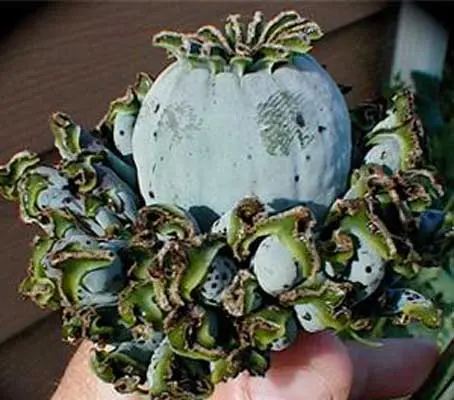
This ancient form of cultivated poppy produces the most unusual seed pod of all poppies. The main pod is surrounded by masses of smaller pods. Primarily grown for their curious seed pods which are extremely decorative, they are much in demand for cut and dried flower arrangements.

Florist Pod Poppy. Syn 'The Giant'

With their impressive variety, spectacular blooms and strange seed pods, ‘Pepperbox’ poppies are one of the easiest ways to add a bit of architecture and a lot of colour to your garden. The glorious, papery-textured flowers bloom in a multitude of colours, rich purples, deep reds to pale lilac-pinks.

Rich in both pollen and nectar.

The Bees and Butterflies Mix of flowers is a carefully chosen range of over 30 annual flowers that are rich in both nectar and pollen that both bees and butterflies adore. They will flower within six to eight weeks and provide you with pleasure throughout the summer.

Price range: €3.75 through €21.75

Russian Sage

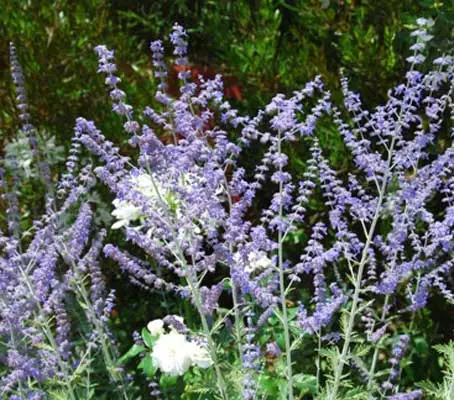
Russian Sage is one of the great garden plants of all time, but if you’ve been frustrated by their floppy nature, this new variety will be a welcome addition. Growing to about 60 to 75cm tall, Perovskia atriplicifolia ‘Taiga’ is also the first Russian sage available as a first year flowering perennial.

Jerusalem Sage, Turkish Sage

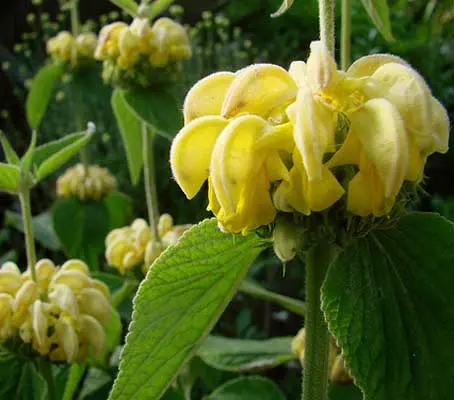
A justifiably popular plant. Phlomis russeliana blooms with dramatic whorls of hooded, soft yellow flowers on tall, erect stems. Each plant can contain as many as fifty individual blooms creating a magnificent candelabra effect.

Japanese Jacob's Ladder

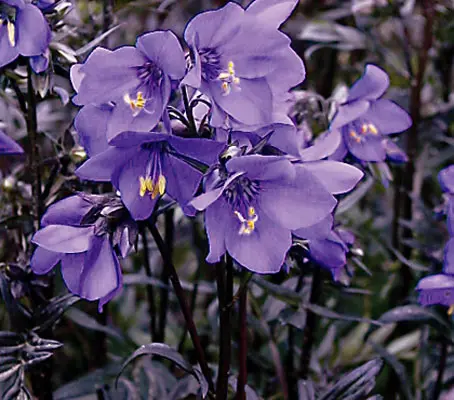
Collected at altitude in Japan and introduced in 2006, Polemonium yezoense ‘Purple Rain’ is one of the best new introductions in recent years. With bronze-purple lacy foliage, dark stems and violet-blue flowers, it is the darkest flower form of Polemonium available.

Black Eyed Susan, Golden Coneflower
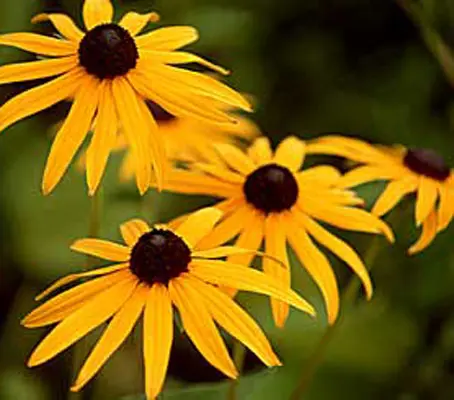
Rudbeckia are one of the top ten favorites of many gardeners’. Goldsturm is a compact form of the yolk-yellow black-eyed Susan, it is short enough not to need staking and never flops. An excellent cut flower and a great choice for mass planting.
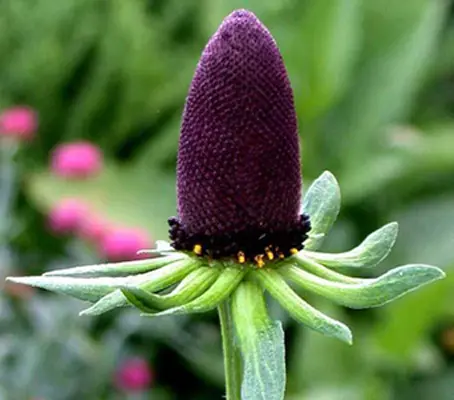
Western Coneflower, Green Coneflower

An absolute gift to flower arrangers, this is a noble and ornamental plant for the back of any border making nice clumps of foliage. It is, of course, the flowers that are remarkable: three or four inches across, “green” is one’s immediate impression on seeing them.

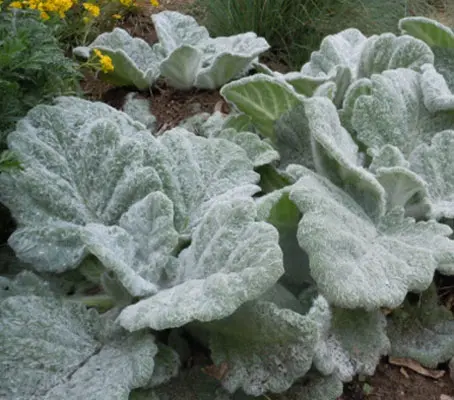
Silver Sage
Salvia argentea is prized for its spectacular, large, furry silver-grey leaves. The plants form an attractive mound that provide a dramatic background for colourful summer flowers. It complements purple or magenta flowers and looks gorgeous in a ‘white’ garden.
Bi Colour Sage, Flowering Sage

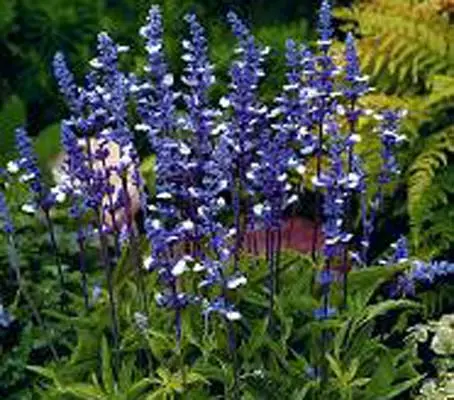
Salvia farinacea ‘Fairy Queen’ is an attractive new variety that bears multiple spikes of bicolour blue and white flowers on dark distinctive flower stems from June to October. With a bushy, compact habit and thick stems. A small white spot on each sapphire blue flower creates the illusion of fairy dust.

Biennial Clary, Muscatel Sage

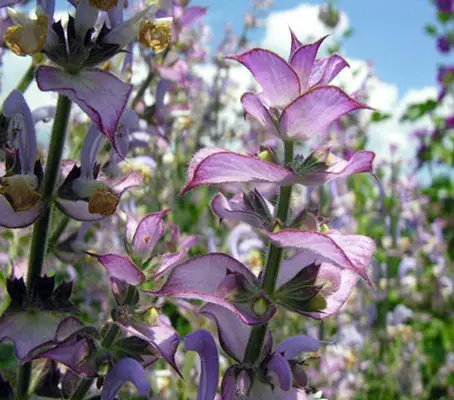
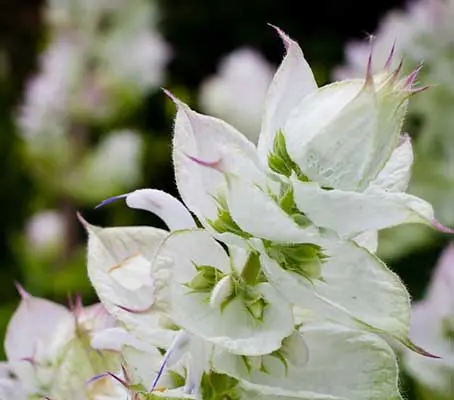
Salvia sclarea var. turkestanica ‘Vatican White’ is a choice white cultivar that is not that easy to find. A nobly architectural Sage, each of its branched stems is topped with a profusion of blossoms with brilliant white bracts. The flowers are attractive and are boosted in impact by the large petioles that surround them.

Biennial Clary, Muscatel Sage

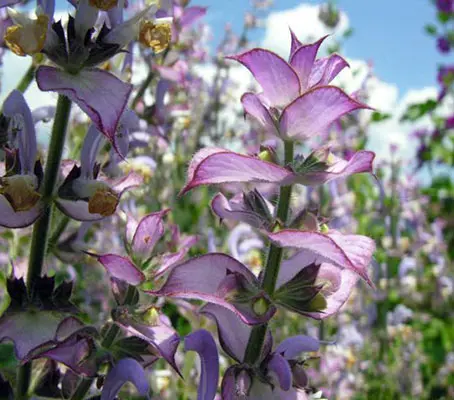
This hardy biennial Sage has been grown in almost every botanical sanctuary in human history and has many plus points: it grows well in poor soil resists slugs and other beasties, and doesn’t slump or need staking. It copes well in sun or light shade and the blooms are a magnet for bees and butterflies.

Biennial Clary, Muscatel Sage
This hardy biennial Sage has been grown in almost every botanical sanctuary in human history. Each stem is topped with a profusion of pale blue blossoms and large pinkish white bracts. A truly architectural plant. Organic Seed.
Ornamental Sage

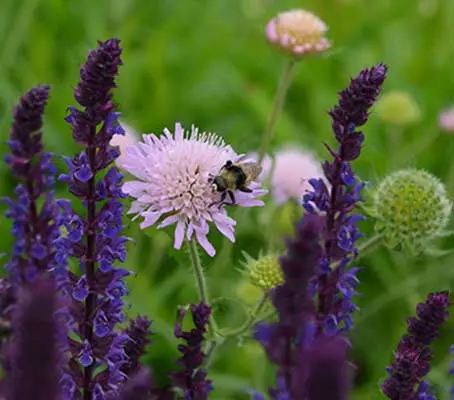
Salvia x superba ‘Blue Queen’ is one of the finest Salvias we know. This plant is a spectacular source of dark, intense colour and narrow, vertical form. Masses of pencil-thin, vibrantly colourful bloom spires, so densely set that they present a solid wall of colour in the border.

Ornamental Sage

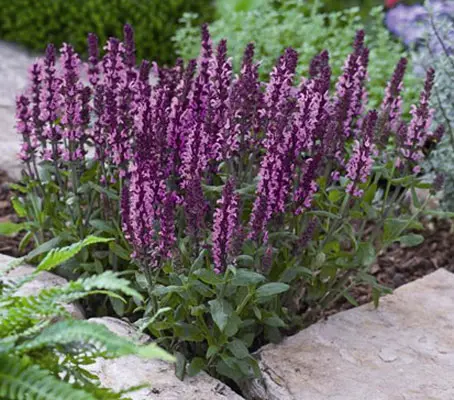
The royal sister of ‘Blue Queen’, ‘Rose Queen’ is a wonderful, long-blooming cultivar with slender spires and beautiful mulberry-rose flowers, which open from dark pink buds in early and mid-summer. This tall, easy-to-grow variety with lance-shaped green leaves possess a pleasant aromatic scent.

Price range: €2.25 through €7.95

Price range: €1.75 through €5.95

Price range: €3.75 through €21.75