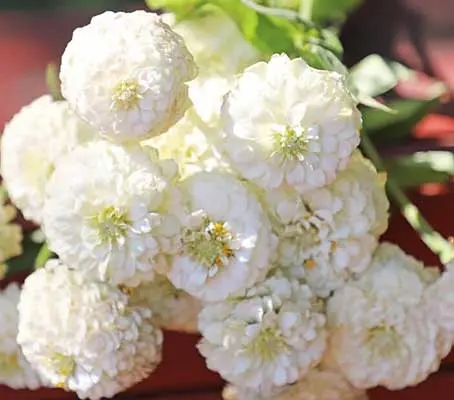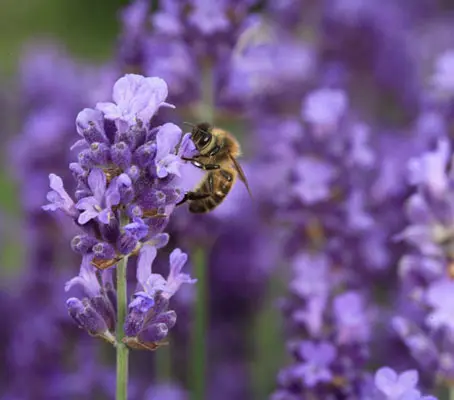
Lavandula angustifolia, also called Lavender vera is the best Lavender for medicinal and aromatherapy purposes. It is a staple plant for the herb garden, the fragrant flowers have been used in perfumes, poultices and potpourris for centuries. Organic Seed.Fragrant, free flowering and heat and drought tolerant. Lavandula angustifolia ‘Vicenza Blue’ bloom the first year from seed. This especially fine lavender has bold clustered flower spikes of deep lavender-blue from mid July to early September.
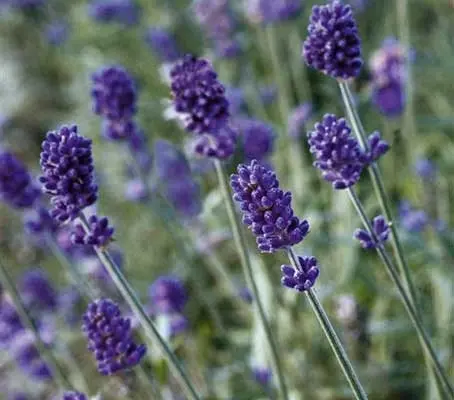
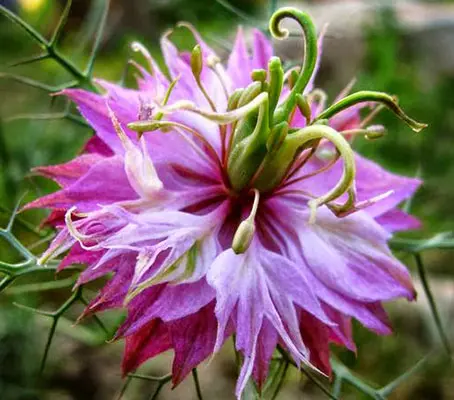
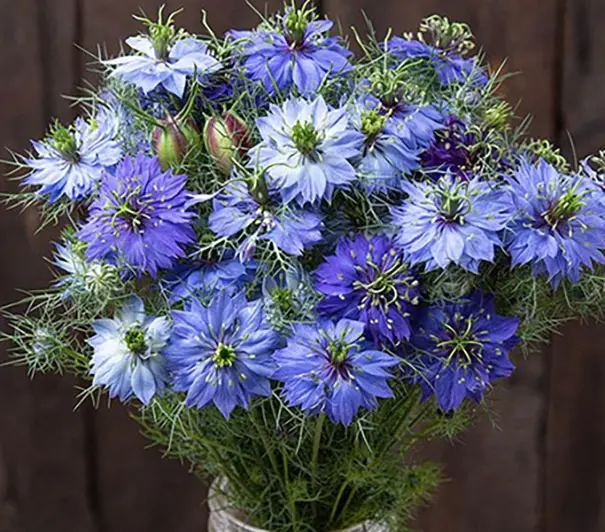
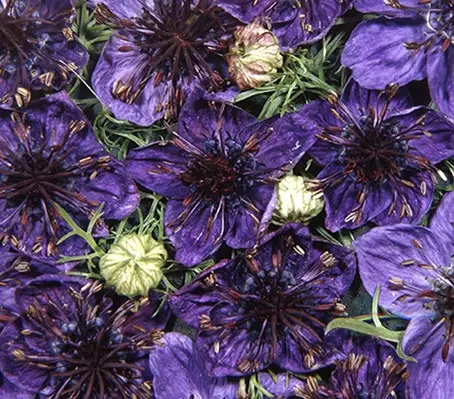
‘Love-in-a-Mist’ as it is commonly known is both beautiful and easy to grow, “Miss Jekyll” bears rich indigo-blue flowers which seem to float amongst the finely cut leaves. It is one of the most interesting shaped flowers you will ever see. They provide a charming show of bloom during the summer months.Once the petals drop, the blossoms transform into little fairy lanterns
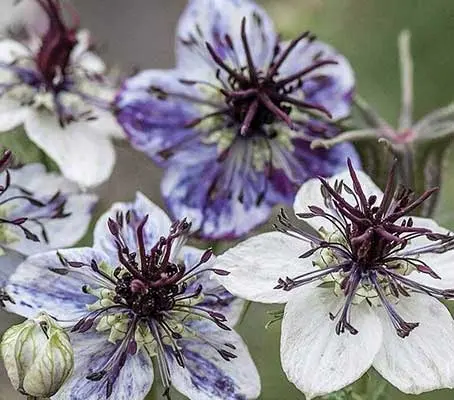
Nigella ‘Moody Blues’ is ridiculously easy to grow. Sown directly, they will be flowering in just three months and bloom through to October. In cool summer climates, additional sowings can be done every 3 to 4 weeks until mid-summer.
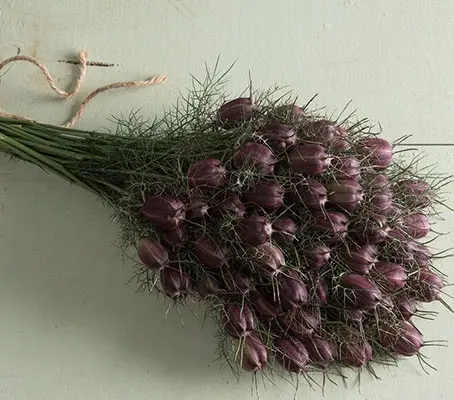
‘Albion Black Pod’ is much less common than the usual Nigella varieties, It bears delicate romantic white flowers with intriguing little green stamens that are surrounded by ferny foliage. At the end of the season, the petals drop and the blossoms transform into dark plum fairy lanterns.
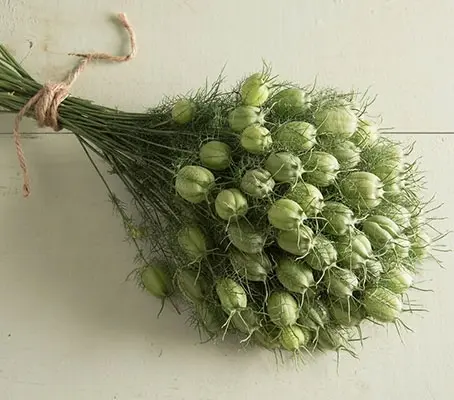
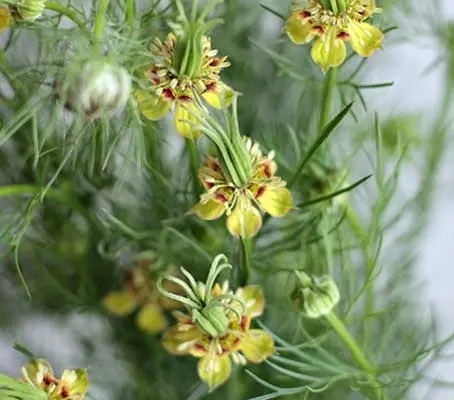
‘Albion Green Pod’ is an unusual species of Nigella. The flowers are followed by fresh green, very ornamental seed capsules, are held on stiff stems. They dry readily and easily, are very decorative and very useful for fresh and dried bouquets. They can also be dried for winter decorations indoors.
An unusual twist on the classic cottage garden flower, Nigella ‘Transformer’ adds intriguing texture with its uniquely shaped flowers and upright, seed pods. A good choice for borders, mass plantings or cut flowers. Used fresh or dried the seed pods are a great filler in bouquets, cut flower production is just 12 to 16 weeks.
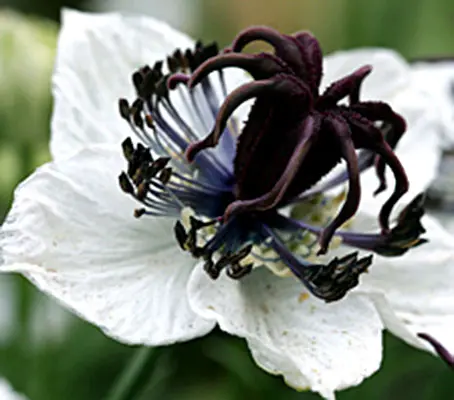
Nigella papillosa ‘African Bride’ is a most attractive variety. Deep rich purple stamens that highlight pure white blooms are followed by intriguing red seed pods. also known as White Love-in-a-Mist or Eclipse, this hardy annual is very easy to grow, rather special as a cut flower, and lovely in summer borders too.
An unusual twist on the classic cottage garden flower, Nigella ‘Transformer’ adds intriguing texture with its uniquely shaped flowers and upright, seed pods. A good choice for borders, mass plantings or cut flowers. Used fresh or dried the seed pods are a great filler in bouquets, cut flower production is just 12 to 16 weeks.
Nigella papillosa ‘Midnight’ is a very handsome variety with gorgeous, velvety, dark purple flowers which stand above attractive, lush green feathery foliage. Ornamental, dark purple, spider-like seed pods extend the interest of this border star well into autumn. Sowing to flowering takes just three months.
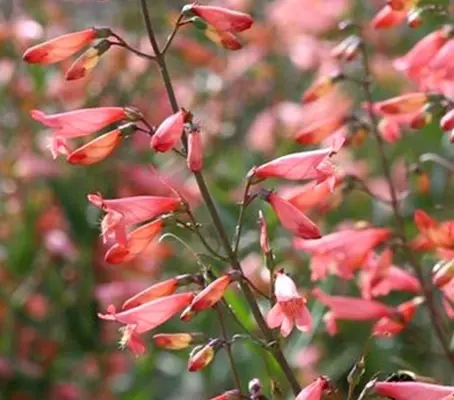
Awarded the Fleuroselect Gold Medal for striking colour, plant habit, and flowering performance, Penstemon barbatus ‘Twizzle Scarlet’ is a first year flowering perennial that will add height and high-impact colour to the border. Giving superb flowering performance from mid to late summer.
Penstemon barbatus ‘Twizzle Coral’ adds a graceful twist to the garden. A first year flowering perennial, that boasts twice the length of flowering stem giving longer, more elegant wands for the vase. Hardy and vigorous the plants bloom over a long period from summer through to autumn.
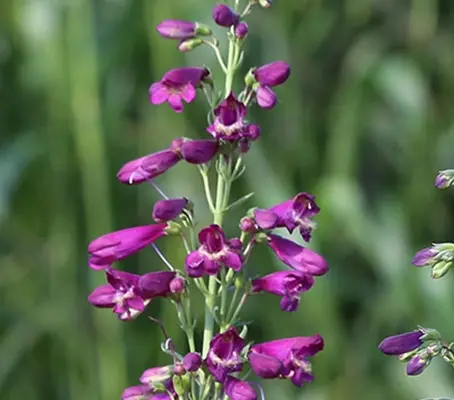
A first year flowering perennial that boasts half the foliage of older varieties and twice the length of flowering stem, Penstemon ‘Twizzle Purple’ produces trumpet shaped magenta-violet blooms that flutter all along the tall, slender stems.
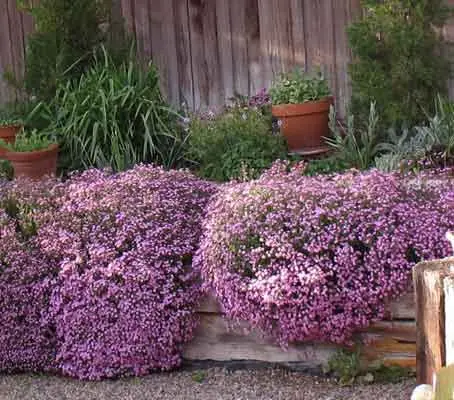
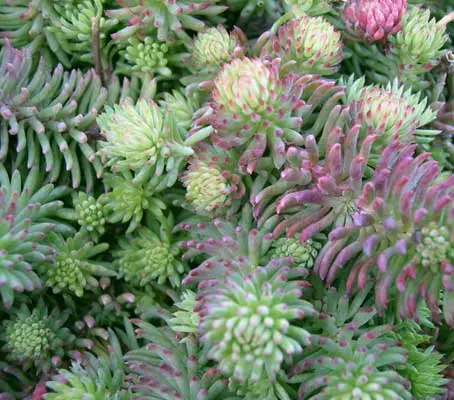
Saponaria is a pretty little plant that forms a mound of bright-green leaves, smothered by starry bright-pink clusters of flowers. Use as a ground cover, in paving or rock features or allow it to trail over the sides of raised beds and low walls. RHS Award of Garden Merit. Sedum album is one of the most popular forms of sedum, known for its dense foliage as it changes colour throughout the seasons. The leaves emerge a coral-salmon in spring, change to bright green in summer and then to reddish bronze with the arrival of cooler temperatures. In summer the plants explode in masses of tiny, white star-shaped flowers.
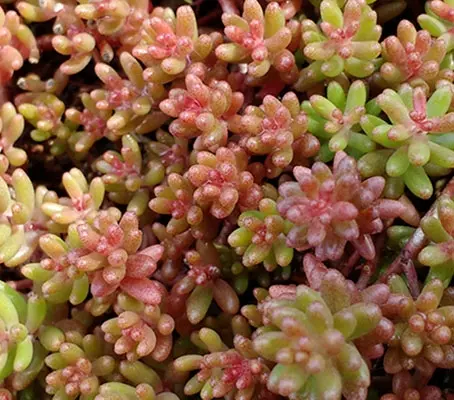
Sedum forsterianum ‘Silver Stone’ is one of the more unusual textured species, with whorls of silver-green foliage. In late summer bright yellow star shaped flowers appear. This low-growing succulent plant grows to a height of 15 to 20cm, extremely hardy it can cope with temperatures down to minus 34°C.
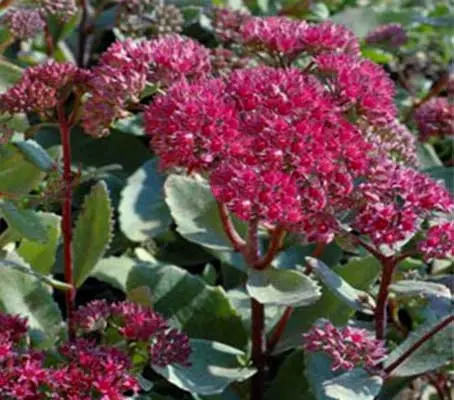
Hugely impressive in any garden, Sedum telephium ‘Emperors Wave’ boasts succulent, blue-green foliage and masses of star-shaped flowers in glorious shades of deep pink and purple. They are popular with late season perennials and ornamental grasses. The extreme contrast in flower shape enhance each other, adding to the textures and colours of the late season garden.
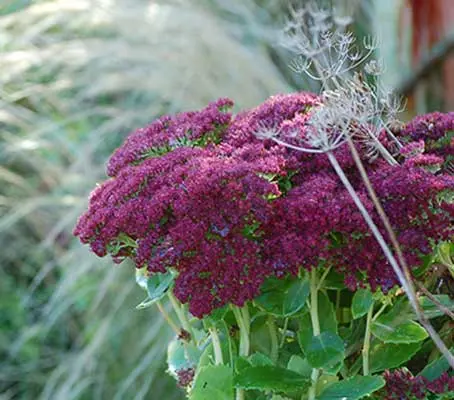
Sedum ussuriense is at its best in late summer when the blue-green succulent leaves are followed by glowing carmine-red flower clusters. It even pleases the eye in winter when it turns into a stage for dew drops and ice crystals.
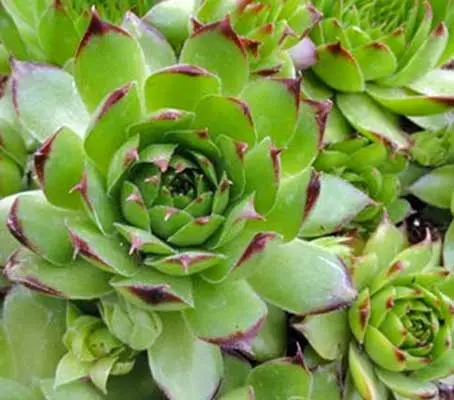
Native to Europe, Sempervivum tectorum is a widely-planted succulent that has been grown in and around human settlements for millennia. Their rosettes are fascinating with their succulent leaves radiating around the centre, their colour hues are stunning and their tendency to produce offsets makes for easy increase.
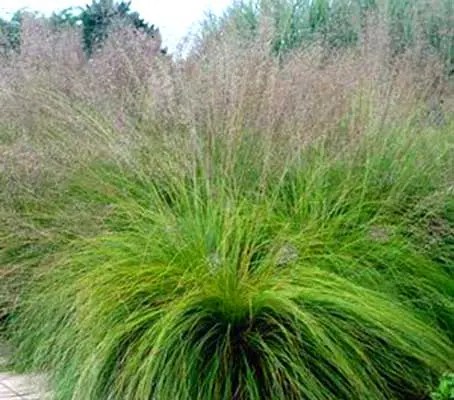
Sporobolus displays a magnificent fountain of fine textured, emerald-green leaves which develop rich shades of reddish-gold or deep orange in the autumn, but the great joy of this plant is that it produces a great cloudy haze of tiny flower heads.
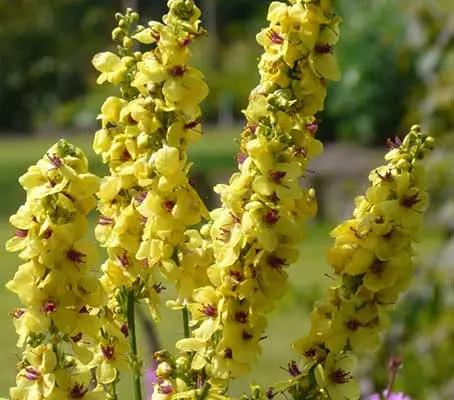
Verbascum nigrum is one of the most reliable and long-flowering verbascum, it is also one of the truly perennial species. This European native bloom profusely with masses of golden-yellow flowers. First thing in the morning, the flowers are alive with bees getting on with their day’s work. Take time to stand and admire them for a few minutes. They will pay you no heed, they’re far too busy.
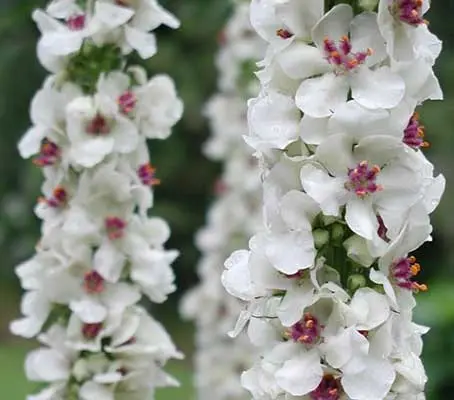
Verbascum nigrum is one of the most reliable and long-flowering verbascum, it is also one of the truly perennial species. The variety ‘Album’ bloom profusely in late spring with masses of white flowers with attractive violet filaments, held on candelabra like branches. They bloom throughout the summer, with a few sporadic flowers still in September to early October.
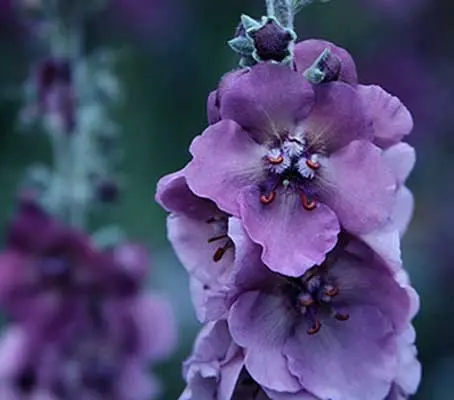
English gardeners are very familiar with this plant and consider it essential for a well-structured garden. Verbascum phoeniceum ‘Hybrids Mix’ flower freely, giving a glorious plethora of colours from delicate salmon to rich claret. A true perennial which can flower the first year given an early sowing.
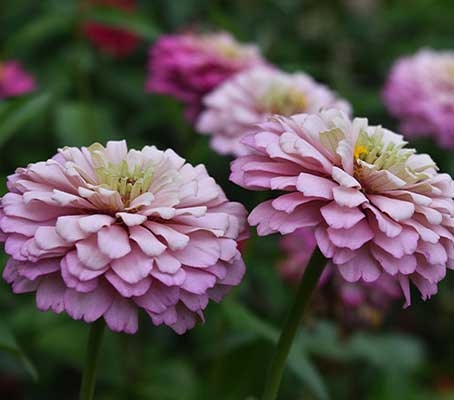
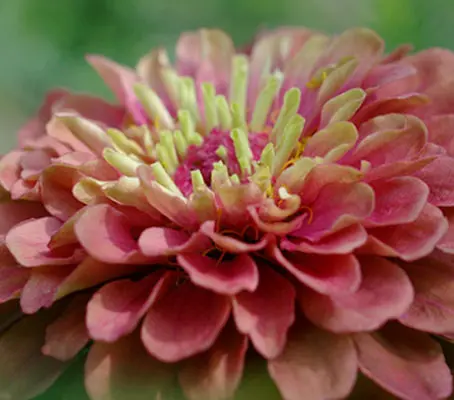
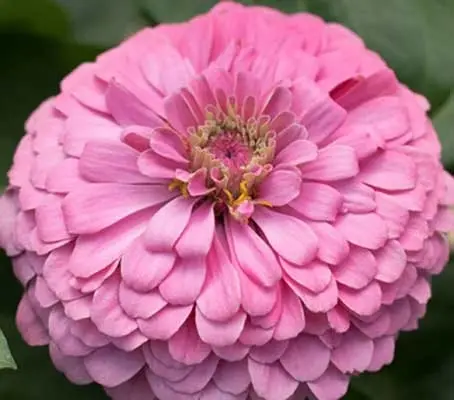
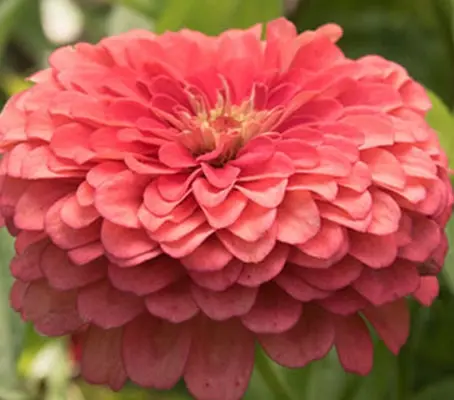
Popular wonderful flowers, reminiscent of Dahlias on tall robust plants, Zinnia elegans ‘Miss Willmott’ are extremely easy to grow from seed. They provide soft pink to lavender pink blooms from mid-summer to autumn and with thick straight stems that are less likely to bend when being cut. They are perfect for cut flowers.
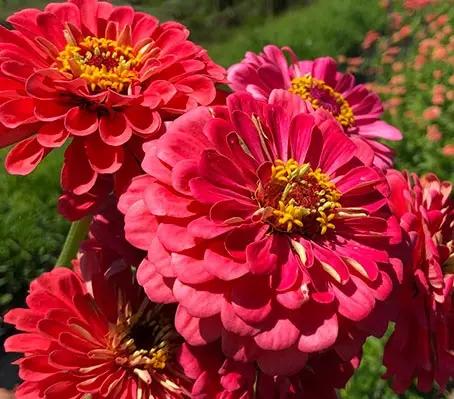
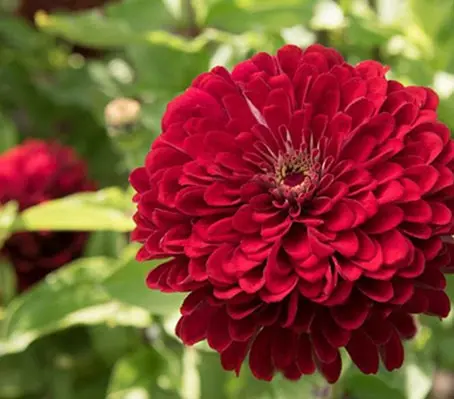
Popular wonderful flowers, reminiscent of Dahlias on tall robust plants, Zinnia elegans ‘Exquisite’ are extremely easy to grow from seed. Blooming from mid-summer to autumn, they open carmine red and age to a delicate soft pink tone. With thick straight stems that are less likely to bend when being cut, they are perfect for cut flowers.
Reminiscent of Dahlias on tall robust plants, Zinnia elegans ‘Miss Willmott’ is named for the Edwardian plantswoman and gardener Miss Ellen Willmott. Soft salmon to lavender pink blooms from mid-summer to autumn and with thick straight stems perfect for cutting. Bees and butterflies will be attracted to them too.
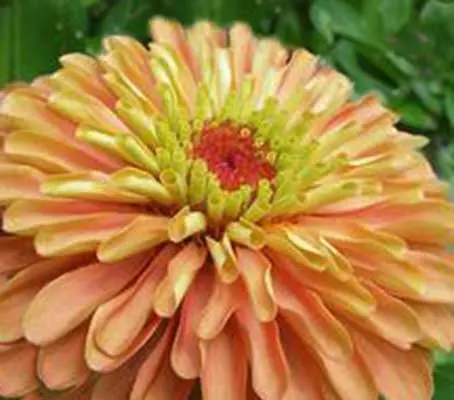
Popular wonderful flowers, reminiscent of Dahlias on tall robust plants, Zinnia elegans ‘Dahlia-Flowered Salmon Queen’ are extremely easy to grow from seed, they provide colour from mid-summer to autumn and with thick straight stems that are less likely to bend when being cut. They are perfect for cut flowers.
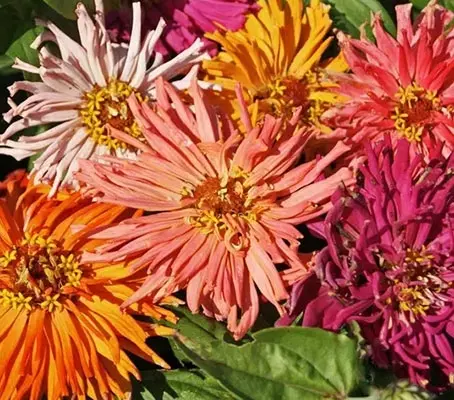
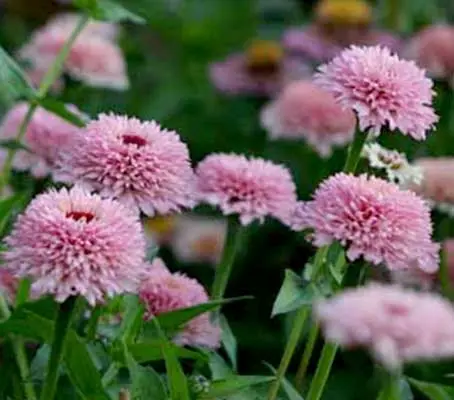
So named for their unique spiky appearance, Cactus Flowered Zinnias have semi double, large blooms each with re-curved, quilled and twisted petals, they bloom in a wide range of colours and form interesting textures in the garden or the vase.
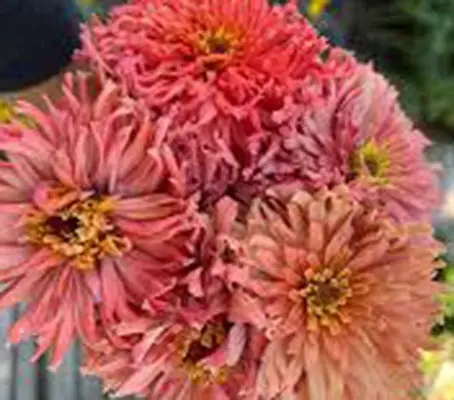
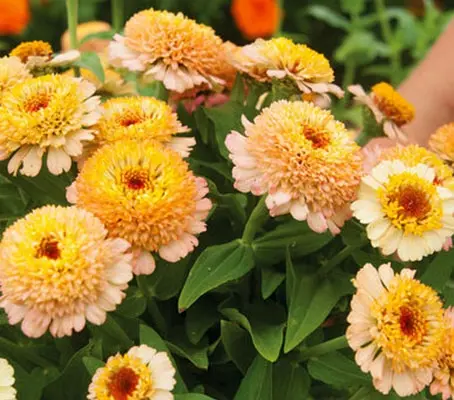
A slightly eccentric variety of Zinnia, ‘Senorita’ produces wonderful peach, cherry and salmon-pink blooms each with ruffled, ribbon-like petals. These reliable plants produce a bumper crop and the more you harvest, providing colour from mid-summer to autumn.
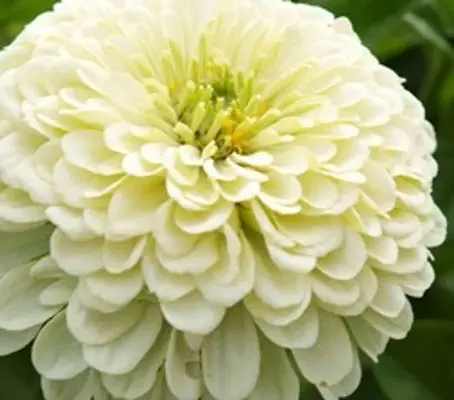
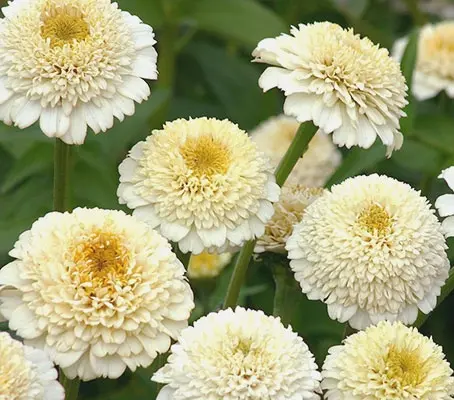
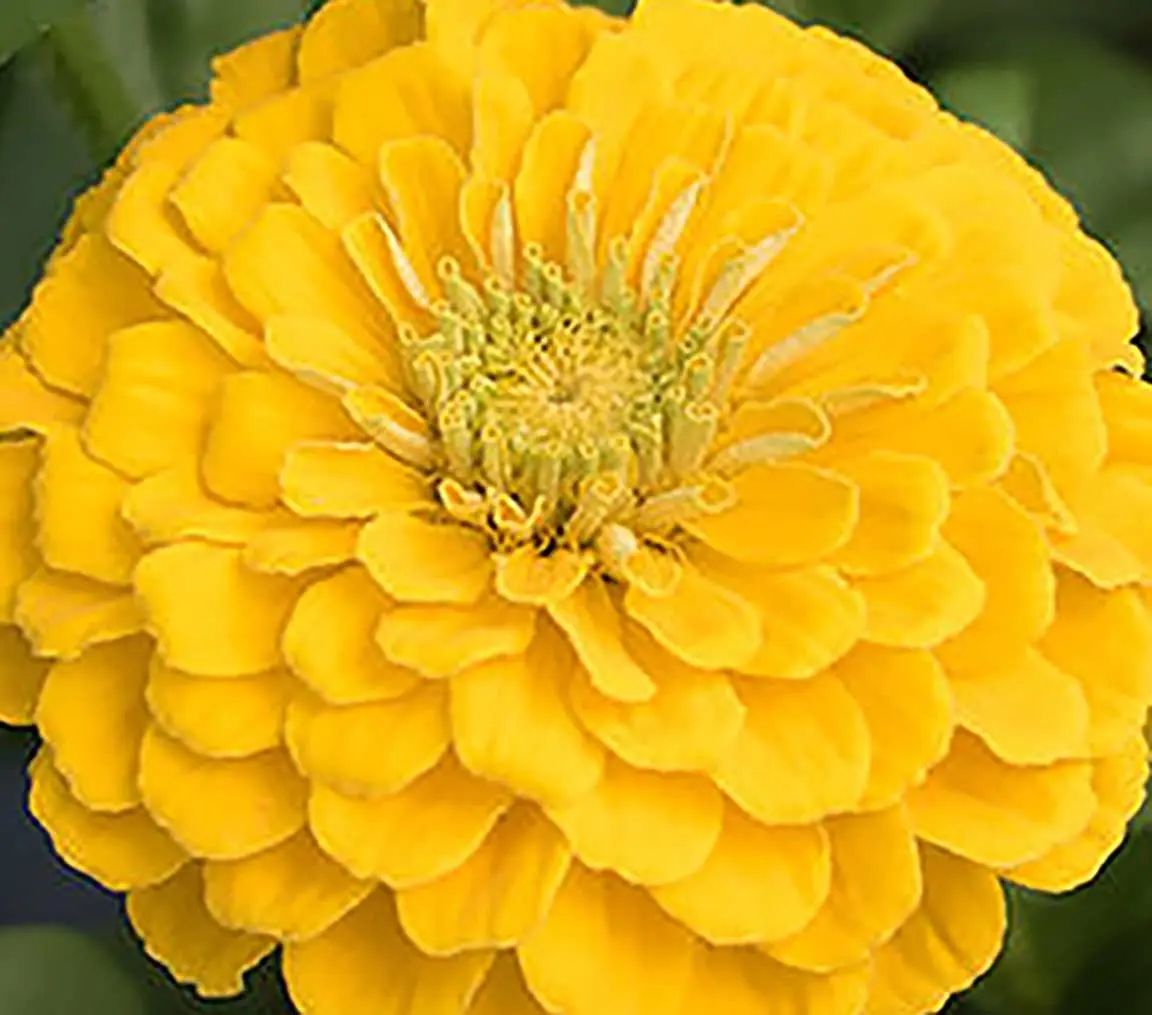
‘Isabellina’ is a beautiful zinnia that has been recently re-introduced. Featuring large 10 to 12cm soft buttercream blooms that are densely-petaled it makes a long lasting cut flower and an elegant addition to borders, and they are extremely easy to grow from seed.
Producing perfectly formed salmon-pink pompoms, Zinnia ‘Lilliput Salmon’ begin blooming early and last until late autumn. Very easy to grow, they can be sown late spring until late summer directly where they are to flower. A second sowing in mid-summer ensures continued flowering into the autumn.
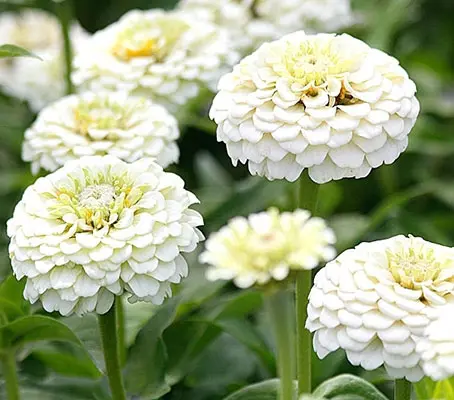
Zinnia ‘Lilliput’ is a superb early-flowering, medium height series which bloom in profusion all summer long. ‘Lilliput White’ produce perfectly formed white pompoms which grow 5cm wide. The plants reach around 45 to 50cm tall. Extremely easy to grow from seed, they are the perfect flower for beginners.
An exciting new addition to the Zinnia Queeny Series, ‘Lime Orange’ is the most beautiful range of iridescent raspberry, apricot, and smoky peach with a dark cranberry centre. Winner of the Fleuroselect Gold Award – There is no other flower on the market quite like it.
Zinnia ‘Queeny Red Lime’ is a unique zinnia that is coveted for its unusual colouring. From a smoky dark rose to a subtle maroon red crowned with lime green. There is no other flower on the market quite like it.
Extremely easy to grow, Zinnia perform well in the garden and in the vase. Sown successively from March to July for flowering from summer to autumn, they are a favourite of gardeners and florists around the world.
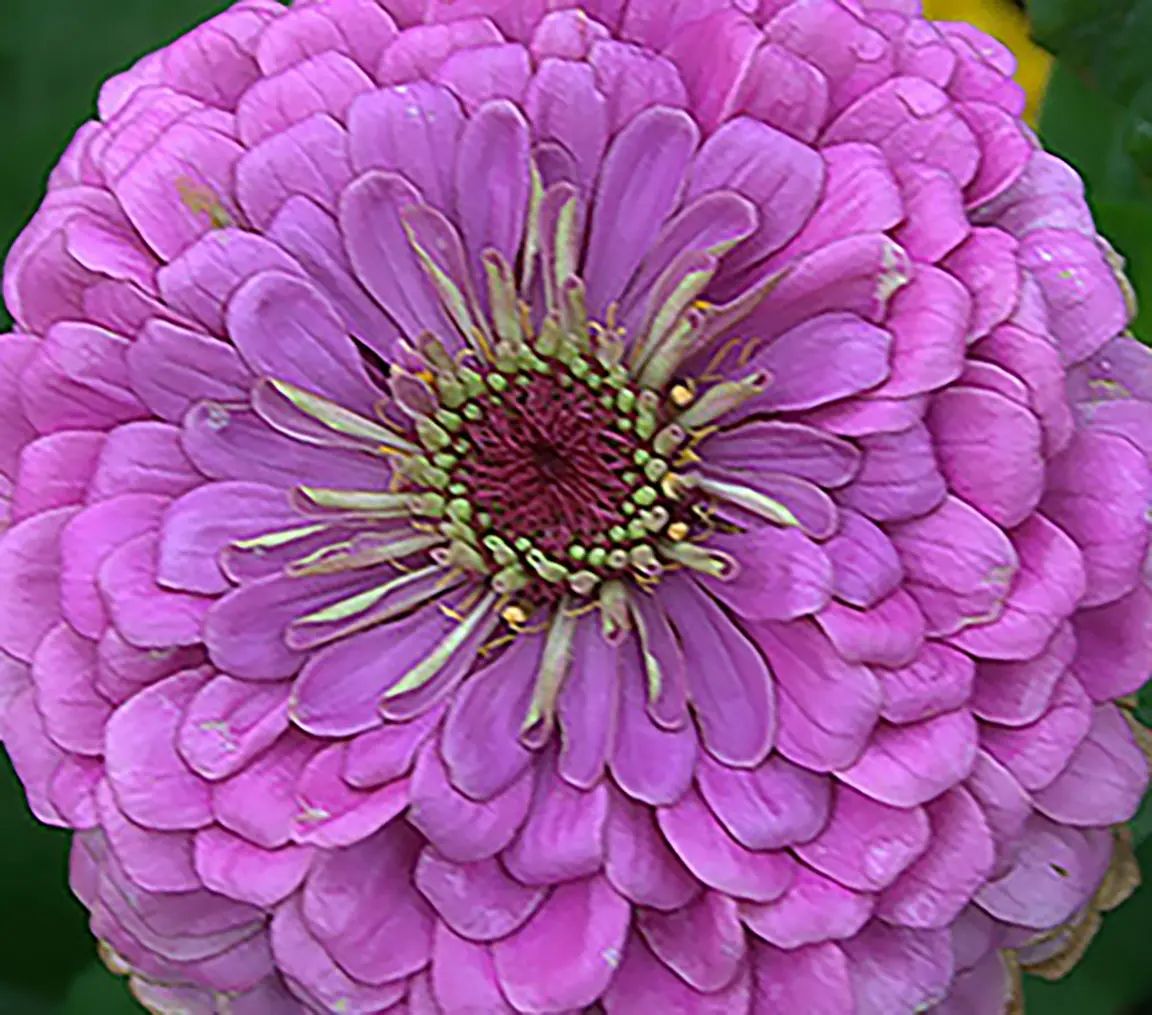
‘Zinderella Lilac’ produces large flowered blooms, layered thickly with a stunning crown and contrasting dark centres. A favourite of gardeners and florists around the world, they are extremely easy to grow. Sow successively from March to July for flowering until autumn.
Zinnia ‘Zinderella Peach’ is a unique zinnia that produces large flowered apricot-orange blooms with cream and rose detailing and contrasting dark centres. Sown successively from March to July they will be in bloom from summer right through to autumn.
Extremely easy to grow, Zinnia perform well in the garden and in the vase. Sown successively from March to July for flowering from summer to autumn, they are a favourite of gardeners and florists around the world.
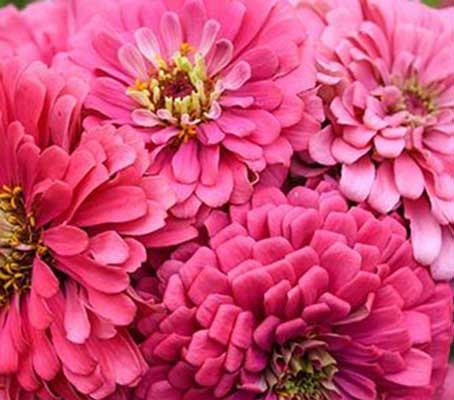
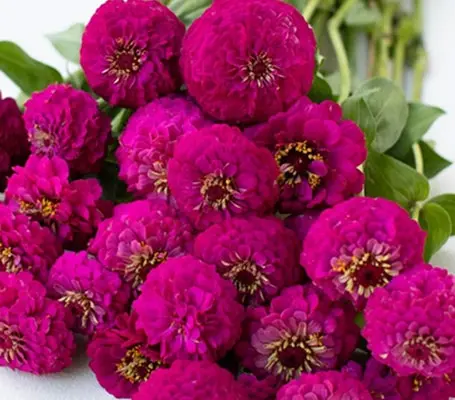
Super tall and ridiculously ruffled, You’ll get enough outrageous cut flowers to fill your house with a carnival of colour! ‘Benary’s Giant Bright Pink’ produces gorgeous bright pink blooms that are densely packed with petals and regularly exceed 10cm across. Awarded the Royal Horticultural Society Award of Garden Merit.
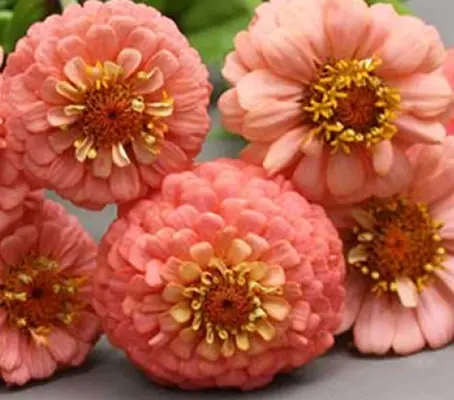
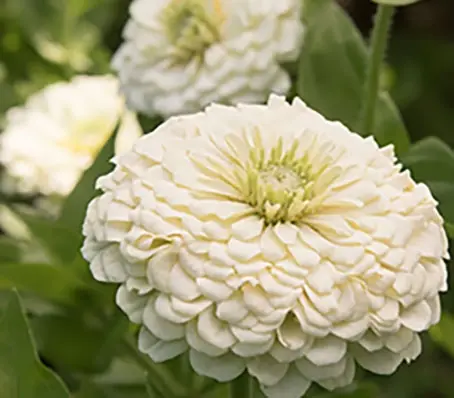
Recommended for their uniformity, productivity, and carefree cultivation across a range of growing conditions, Zinnia ‘Benary’s Giant White’ produces lovely white large blooms that are densely packed with petals. These vigorous all-season producers hold up well in both summer rain and heat.
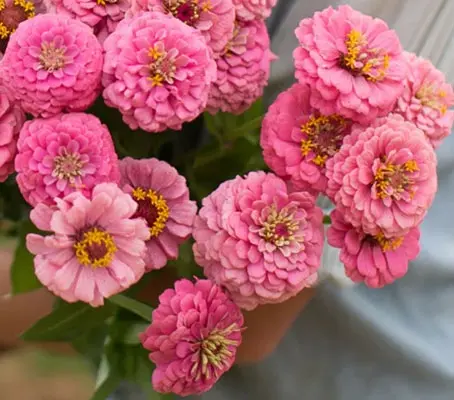
Zinnia ‘Benary’s Giant Coral’ is a long-standing customer favourite. With large, double blossoms that are densely packed with petals, in the most fashionable tropical coral-salmon colour. The plants reaching 90 to 120cm tall and the large blooms regularly exceed 10cm wide.
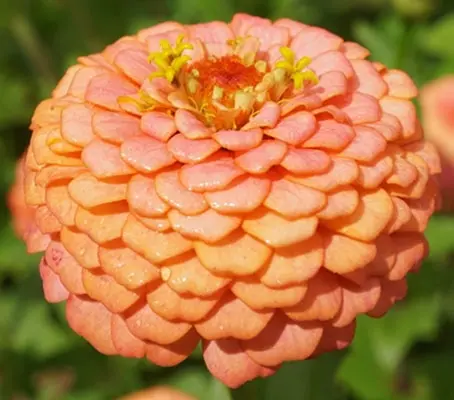
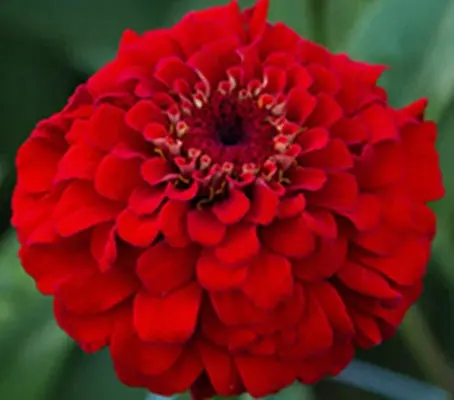
One of the largest-flowered varieties of zinnias available that grow 10 to 12cm in diameter. Zinnia elegans, ‘Benary’s Giant’ series is a superior strain of giant zinnia. ‘Giant Deep Red’ is a magnificent colour, gorgeous deep red blooms with a high percentage of double flowers.
Extremely easy to grow, Zinnia perform well in the garden and in the vase. Sown successively from March to July for flowering from summer to autumn, they are a favourite of gardeners and florists around the world.
Super tall and ridiculously ruffled, ‘Benary’s Giants features large, double blossoms. Growing up to 12cm (5in) in diameter, it is one of the largest-flowered varieties of zinnias available. ‘Giant Lilac’ feature densely packed lilac blooms, this ‘cut-and-come-again’ flower, yields multiple cuts throughout the season
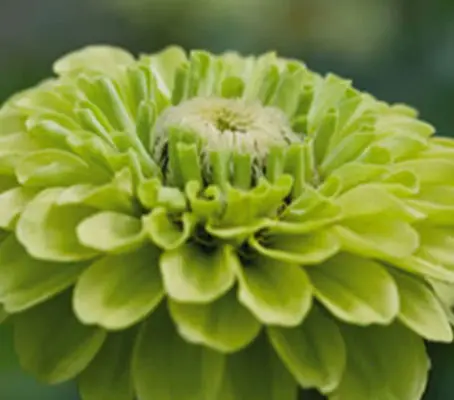
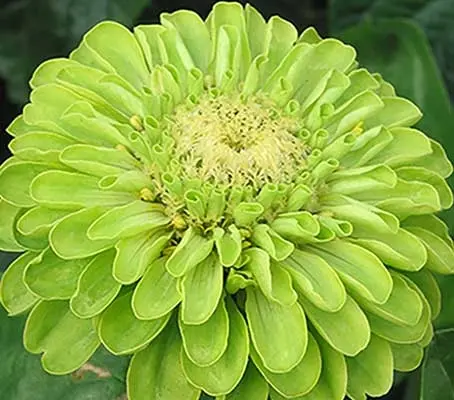
Zinnia elegans, ‘Benary’s Giant’ Series is a classic and superior strain of giant zinnia, that features large, double blossoms that are densely packed with petals. ‘Benary’s Giant Lime’ feature apple-green, beautiful broad blooms, borne on long, strong stems they are perfect for cutting.
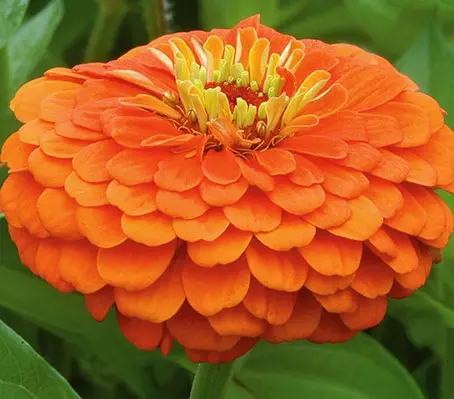
Zinnia elegans, ‘Benary’s Giant’ series is a classic and superior strain of giant zinnia, that features beautiful broad blooms and a high percentage of double flowers. ‘Giant Orange’ blooms in the most fashionable, tropical orange coloured large blooms.
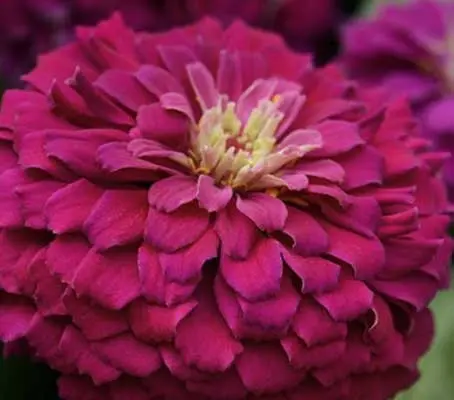
Considered The Premium Zinnia, Zinnia elegans, ‘Benary’s Giant’ series is one of the largest-flowered varieties of zinnias available, growing to around 10 to 12cm (4 to 5in) in diameter. ‘Giant Wine’ feature beautiful dense wine-red coloured broad blooms that are densely packed with petals.
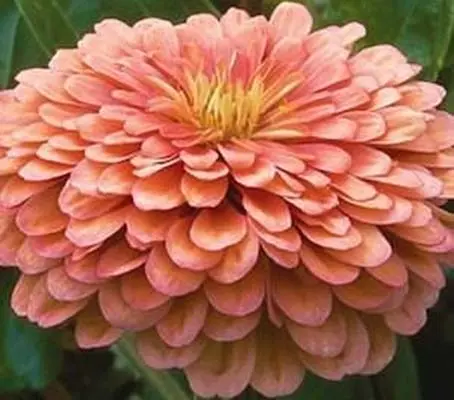
Not too bright and not too muted, densely packed with petals and with strong, long stems, ‘Benary’s Giant Salmon Rose’ is many gardeners and florists favorite zinnia of all time.
Recommended for their uniformity, productivity, and carefree cultivation across a range of growing conditions, Zinnia ‘Benary’s Giant White’ produces lovely white large blooms that are densely packed with petals. These vigorous all-season producers hold up well in both summer rain and heat.
Extremely easy to grow, Zinnia perform well in the garden and in the vase. Sown successively from March to July for flowering from summer to autumn, they are a favourite of gardeners and florists around the world.
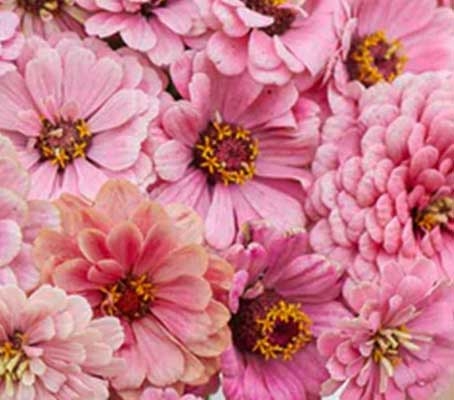
The Oklahoma series is very consistent when it comes to its form, this well-bred variety consistently gives big, fluffy, perfect blooms. ‘Oklahoma Pink’ Zinnia is an excellent, reliable variety, the plants are also incredibly prolific, numerous blooms can be being taken of one plant, each one being replaced – a great plant to have when you’re needing volume.
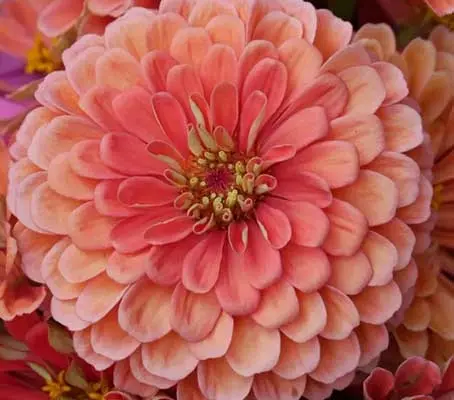
The ‘Oklahoma’ series has been bred specifically for professional cut flower growers. An excellent, reliable variety, the plants have an upright and branching habit and a high percentage of double flowers with extra rows of petals that make them look fuller. ‘Oklahoma Salmon’ is a treasure, a warm salmon-peach that combines well with anything.
Extremely easy to grow, Zinnia perform well in the garden and in the vase. Sown successively from March to July for flowering from summer to autumn, they are a favourite of gardeners and florists around the world.
€2.00
€2.10
€2.95
€2.25