 Skip to content
 Sort by:
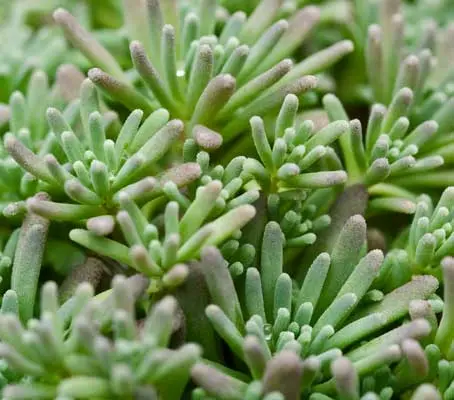
Sedum Ruben’s Lizard is a low-growing sedum that has tight, rosy-green cushion of needles with reddish tips. Throughout the summer the plant is covered with many tiny, star-shaped white flowers. Drought and heat tolerant or low maintenance, whatever you want to call it, ‘Lizard’ takes a lot of abuse.
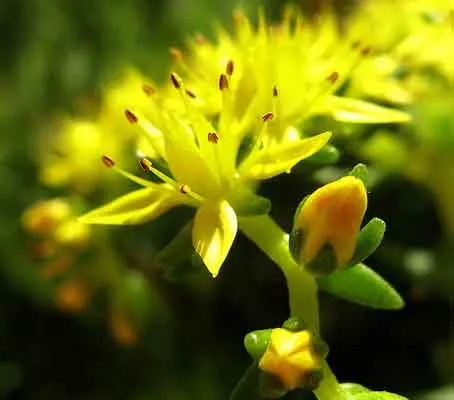
Biting Stonecrop, Wallpepper
Delicate in appearance and yet very cold hardy, Sedum acre is beautiful from the first stirrings of early spring to the twilight of autumn. Hardy and very easy to grow. Started early it will form a nice dense ground cover the very first season. If the weather is favourable it will flower within six months.
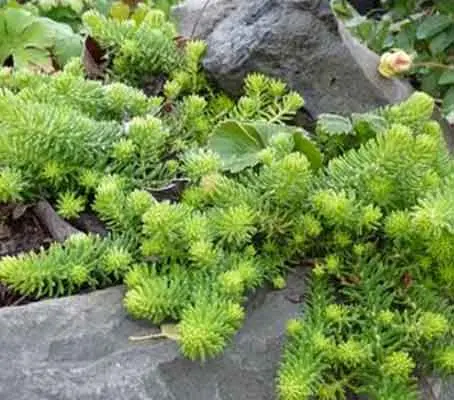
Reflexed Stonecrop, Love Links
If you’re looking for a beautiful plant that thrives with virtual neglect, Sedum reflexum just might fit the bill. The small bushes spread over the ground and the foliage resembles mini spruce branches. They are at their loveliest spilling over edges of walls and rocks to create the illusion of a living waterfall.
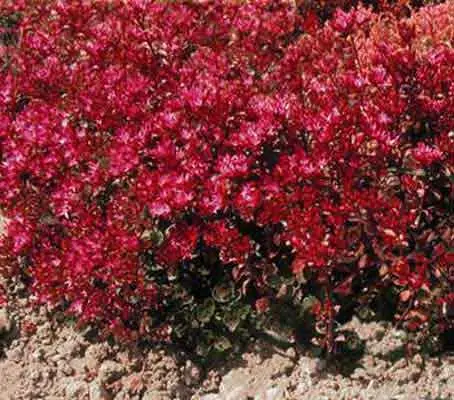
Dragon's Blood, Crimson or Causican Stonecrop
Sedum spurium coccineum is the most robust sedum, with deep crimson blooms and bronze-green leaves. Low maintenance, durable and interesting, they enhance the appearance of green roofs, rockeries and containers. In July, dense clusters of showy crimson blooms smother the evergreen plants.
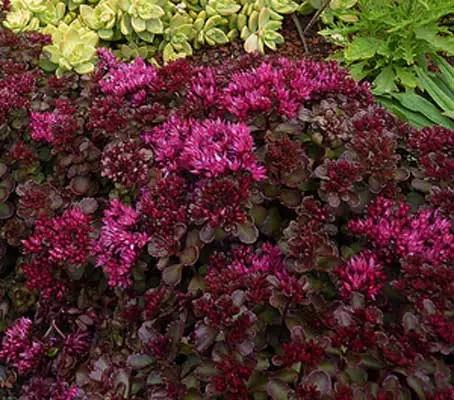
Phedimus spurius
Sedum spurium ‘Voodoo’ is a stunning little perennial groundcover for hot, sunny locations. The intense dark mahogany foliage that provides a stunning contrast to the almost neon, luminous rosy-red flowers which appear June through August.
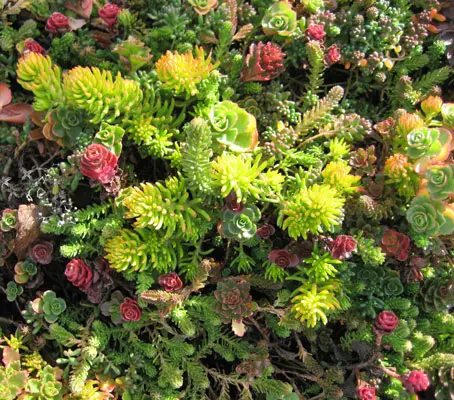
Stonecrop,
A mixture of many attractive low-growing sedum varieties representing a wide range of foliage types and flower colours. Low maintenance, durable and interesting, grow them on walls or banks, as a ground cover or as a green roof. Sedum strut their stuff where many other plants dare not venture!

Stonecrop
Sedum Roof Garden Mix is a formula mixture of many important varieties for roof gardens in full foliage and flowering colour range. Low maintenance, durable and interesting, grow them on walls or banks, as a ground cover or as a green roof. Sedum strut their stuff where many other plants dare not venture!
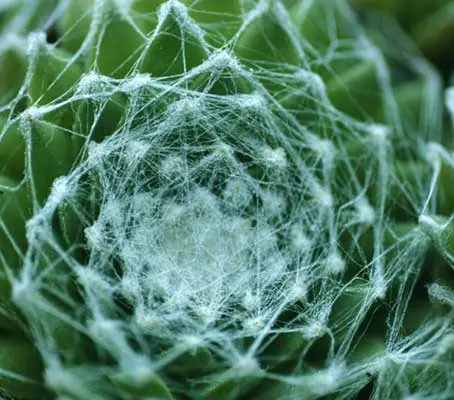
The Cobweb Houseleek
Always an interesting plant, Sempervivum arachnoideum is an exotic and interesting variation which forms small green rosettes of fleshy leaves, the tip of each leaf connected to another by a network of silvery filaments that resemble a spider’s web.
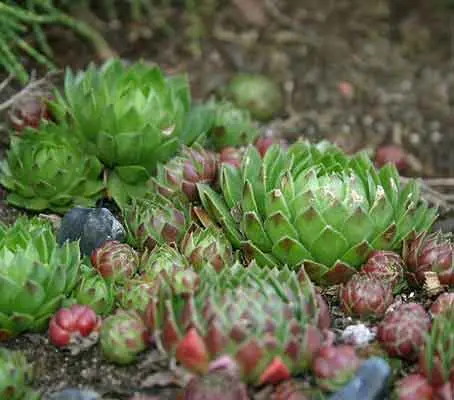
Winter Hardy Varieties. Hens and Chicks or 'Hippy Chicks'
 Whether planted in large numbers or used as a single specimen Sempervivum are both beautiful and enduring. Their rosettes are fascinating, their colour hues are stunning and their tendency to produce offsets makes for easy increase.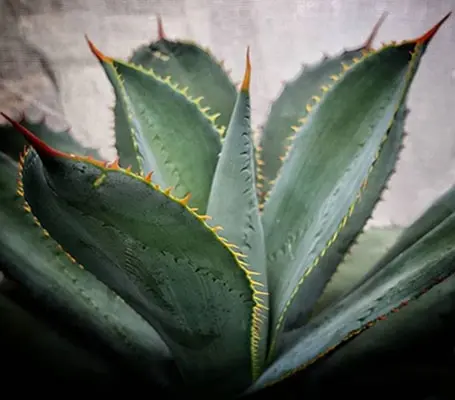
Raicilla Mescal Agave. Maguey Lechuguilla
Agave maximiliana is a rare and captivating species, admired for its large, imposing rosettes formed by wide, fleshy leaves that taper to a sharp point. The leaves often displaying a beautiful bluish-green hue with the impression of the newer leaves on the older leaves. It one of the bedrock agaves used in the distillation of Raicilla, the local Mezcal.
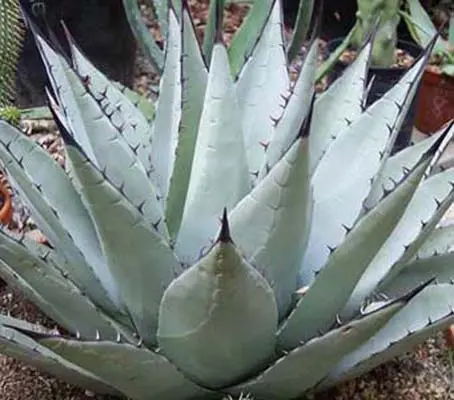
New Mexico Agave, Parry’s Agave or Mescal Agave.
Agave parryi is a dramatic specimen. This native Mexican succulent forms a compact rosette of soft fleshy, bluish green leaves. The foliage is wide and heavily armed with dark tipped spines. With the ability to grow 60cm wide and as tall, it is one of the most cold hardy Agave species.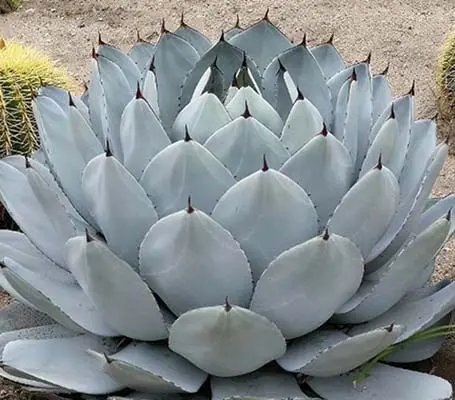
Artichoke Agave
Dense rosettes with almost metallic-looking, powdery blue, perfectly scooped leaves, Agave parryi var. truncata is a structural masterpiece that stays relatively small and compact. It makes a good container plant, and if you should happen to have something like a south facing rock wall in the hot sun, then this Agave really belongs there.
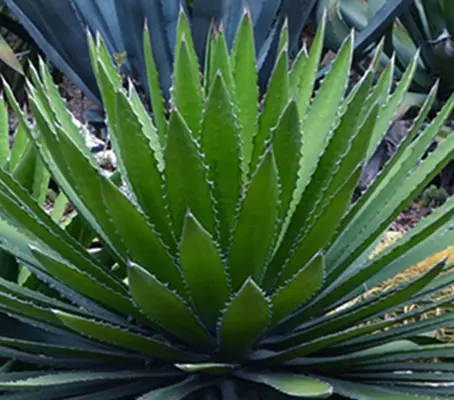
Sharks Tooth Agave, Maguey Diente de Tiburón
Agave xylonacantha ‘Blue’ is the beautiful blue-leafed form. Rare in cultivation, this dramatic specimen is heavily armed with the most bizarre large white teeth of all the family. One of its previous names being Agave carchariodonta, was in reference to the teeth (odonta) of the Great White Shark, Carcharodon carcharias.
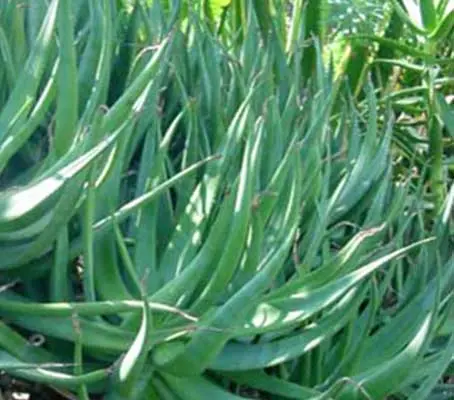
Cat's Tail Aloe
Aloe striata, commonly known as the Coral Aloe is one of the prettiest of all succulents. The smooth blue-green leaves are edged with a pink or red margin and no teeth.
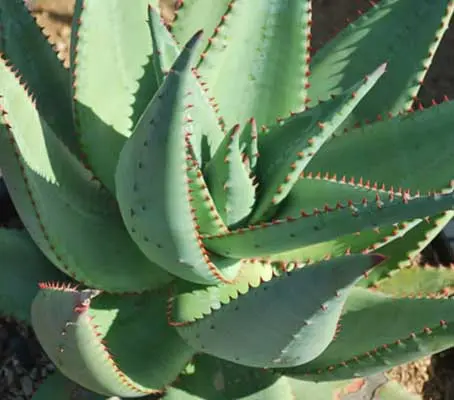
Ferocious Aloe, Cape Aloe
The Cape Aloe is a distinctly handsome plant, with broad, lance-shaped, fleshy leaves and a large candelabra-like flower-head. There are usually between five and eight branches, each carrying a spike-like head of many flowers.
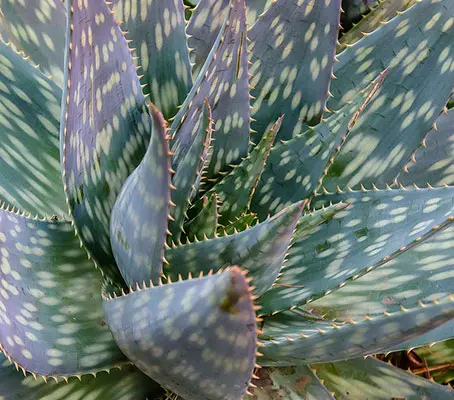
Cape Speckled Aloe
One of the most attractive and floriferous of Aloes of South Africa, Aloe microstigma, forms solitary or small clumps of beautiful rosettes of blue green leaves. The leaves are adorned with conspicuous white spots, which contrast nicely with the reddish teeth along the margins.
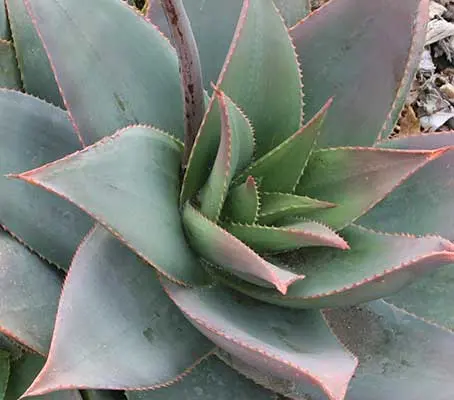
Coral Aloe
Aloe striata, commonly known as the Coral Aloe is one of the prettiest of all succulents. The smooth blue-green leaves are edged with a pink or red margin and no teeth.
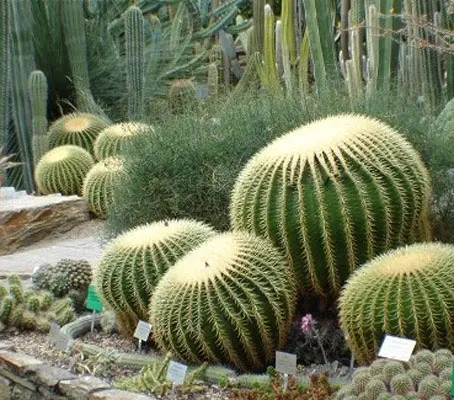
Cactus
Growing cacti is an addictive hobby and be much easier than commonly perceived. This premium cactus seed mix includes a variety various species including the famous and magnificent Saguaro Cactus. They germinate easily, grow slowly, but compared to many plants need relatively little care.
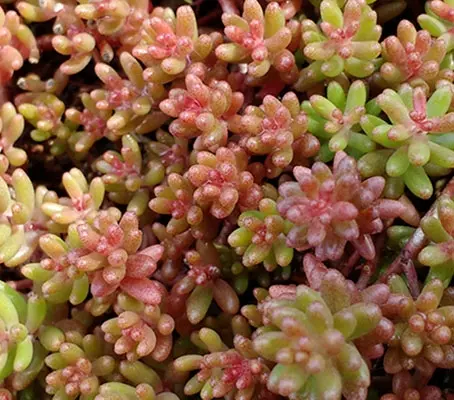
Coral Carpet Sedum
Sedum album is one of the most popular forms of sedum, known for its dense foliage as it changes colour throughout the seasons. The leaves emerge a coral-salmon in spring, change to bright green in summer and then to reddish bronze with the arrival of cooler temperatures. In summer the plants explode in masses of tiny, white star-shaped flowers.
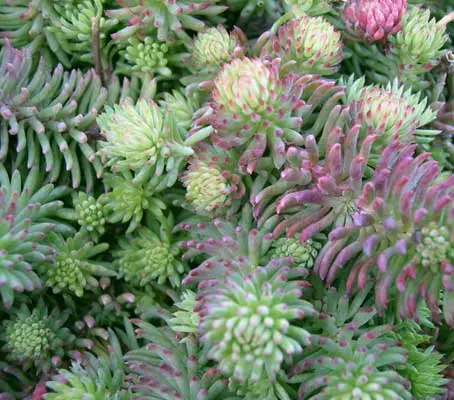
Stonecrop
Sedum forsterianum ‘Silver Stone’ is one of the more unusual textured species, with whorls of silver-green foliage. In late summer bright yellow star shaped flowers appear. This low-growing succulent plant grows to a height of 15 to 20cm, extremely hardy it can cope with temperatures down to minus 34°C.
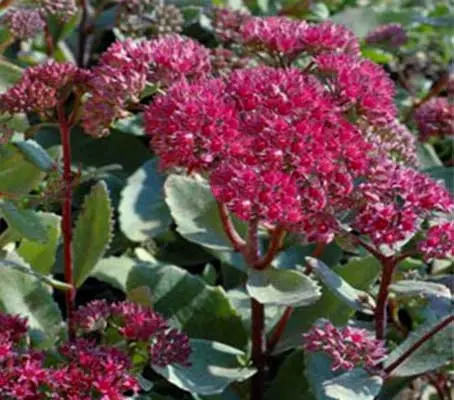
Emperor's Stonecrop
Recently renamed Hylotelephium telephium
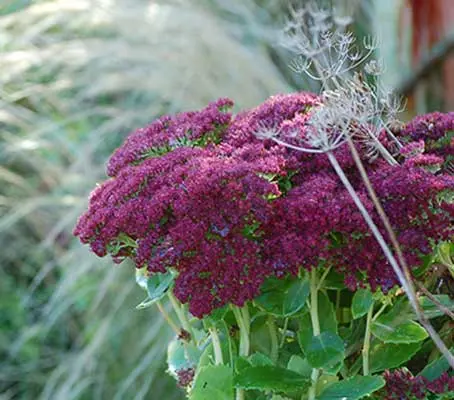
Hugely impressive in any garden, Sedum telephium ‘Emperors Wave’ boasts succulent, blue-green foliage and masses of star-shaped flowers in glorious shades of deep pink and purple. They are popular with late season perennials and ornamental grasses. The extreme contrast in flower shape enhance each other, adding to the textures and colours of the late season garden.
Ussuri River Stonecrop
Recently renamed Hylotelephium ussuriense
Sedum ussuriense is at its best in late summer when the blue-green succulent leaves are followed by glowing carmine-red flower clusters. It even pleases the eye in winter when it turns into a stage for dew drops and ice crystals.
Hens 'n' Chicks, Houseleek
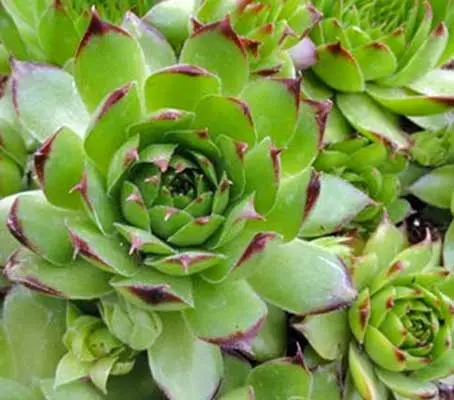
Native to Europe, Sempervivum tectorum is a widely-planted succulent that has been grown in and around human settlements for millennia. Their rosettes are fascinating with their succulent leaves radiating around the centre, their colour hues are stunning and their tendency to produce offsets makes for easy increase.
€2.75
€3.95
€2.25
€2.95
€2.75
€2.35
€2.25
€2.35
€2.45
€2.10
€2.10