 Skip to content
 Sort by:
Sort by:
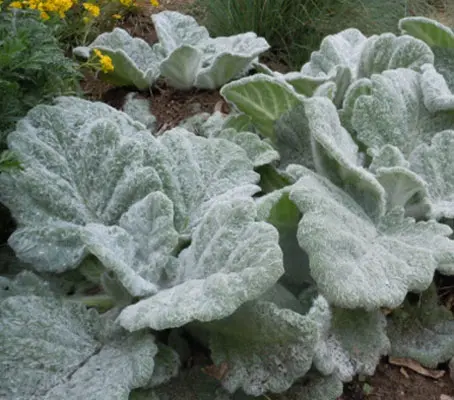
Silver Sage
 Salvia argentea is prized for its spectacular, large, furry silver-grey leaves. The plants form an attractive mound that provide a dramatic background for colourful summer flowers. It complements purple or magenta flowers and looks gorgeous in a ‘white’ garden.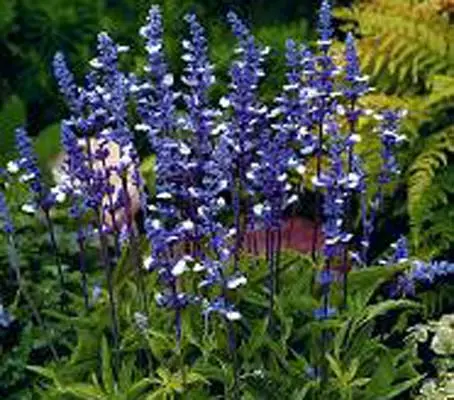
Bi Colour Sage, Flowering Sage
Salvia farinacea ‘Fairy Queen’ is an attractive new variety that bears multiple spikes of bicolour blue and white flowers on dark distinctive flower stems from June to October. With a bushy, compact habit and thick stems. A small white spot on each sapphire blue flower creates the illusion of fairy dust.
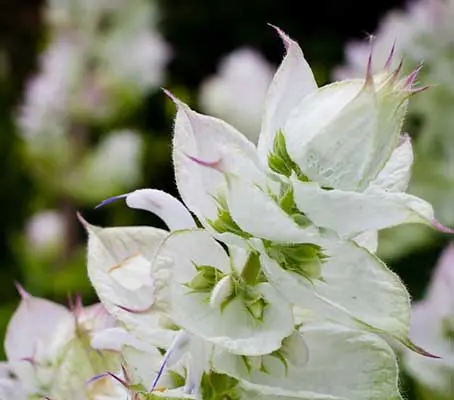
Biennial Clary, Muscatel Sage
Salvia sclarea var. turkestanica ‘Vatican White’ is a choice white cultivar that is not that easy to find. A nobly architectural Sage, each of its branched stems is topped with a profusion of blossoms with brilliant white bracts. The flowers are attractive and are boosted in impact by the large petioles that surround them.
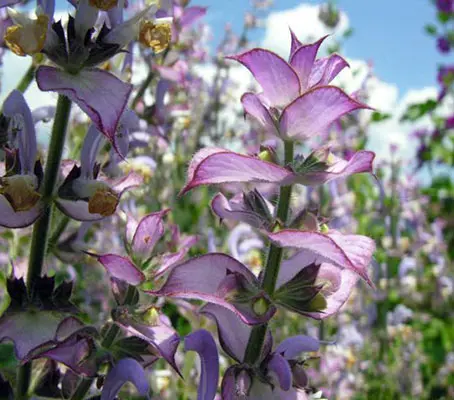
Biennial Clary, Muscatel Sage
This hardy biennial Sage has been grown in almost every botanical sanctuary in human history and has many plus points: it grows well in poor soil resists slugs and other beasties, and doesn’t slump or need staking. It copes well in sun or light shade and the blooms are a magnet for bees and butterflies.
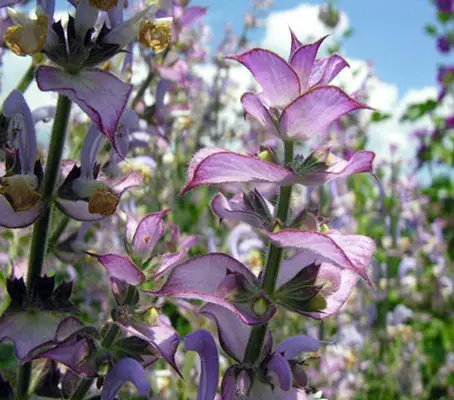
Biennial Clary, Muscatel Sage
 This hardy biennial Sage has been grown in almost every botanical sanctuary in human history. Each stem is topped with a profusion of pale blue blossoms and large pinkish white bracts. A truly architectural plant. Organic Seed.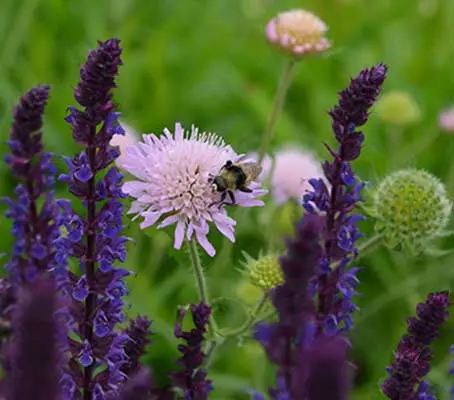
Ornamental Sage
Salvia x superba ‘Blue Queen’ is one of the finest Salvias we know. This plant is a spectacular source of dark, intense colour and narrow, vertical form. Masses of pencil-thin, vibrantly colourful bloom spires, so densely set that they present a solid wall of colour in the border.
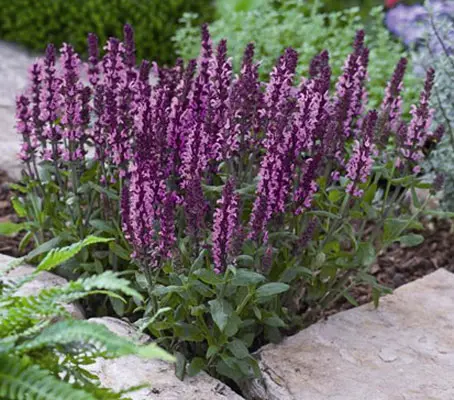
Ornamental Sage
The royal sister of ‘Blue Queen’, ‘Rose Queen’ is a wonderful, long-blooming cultivar with slender spires and beautiful mulberry-rose flowers, which open from dark pink buds in early and mid-summer. This tall, easy-to-grow variety with lance-shaped green leaves possess a pleasant aromatic scent.
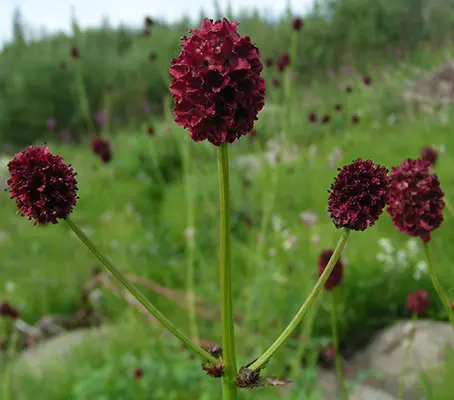
Greater Burnet, Di-Yu
Ancient Herb, WIldflower of Britain and Ireland
Sanguisorba convey a relaxed feel to the garden, indispensable to the modern gardener, but it is the summer when the unusual red flowers top the slender, upright stems that it really becomes a head-turner.
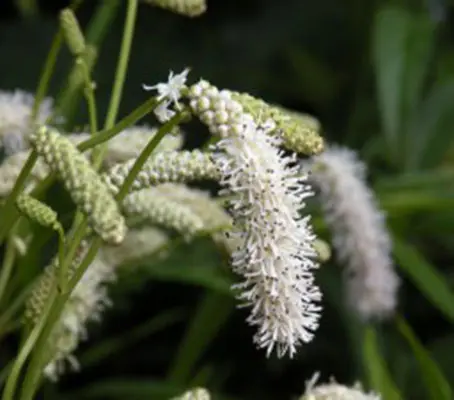
Japanese Burnet, Oriental Burnet
Sanguisorba tenuifolia ‘Alba’ is a Japanese species that has infiltrated our psyche. The most refined of perennials, the highly tactile flowers float like dainty ghosts at the tips of their slender stems.
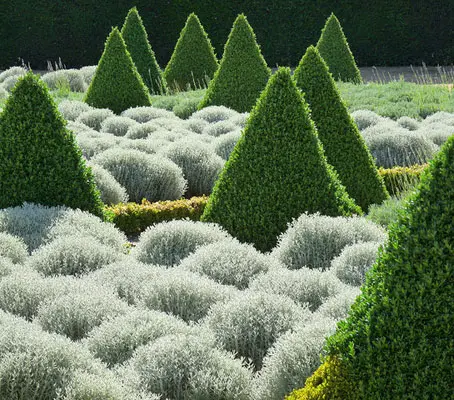
Lavender Cotton
Santolina, commonly known as Lavender Cotton is a small shrub with soft, woolly, finely divided foliage, that make neat, rounded bushes. They are valuable for mass planting, ideal for knot gardens and small hedging around herb gardens etc. It will stand any amount of clipping and shaping – a perfect plant for control freaks.
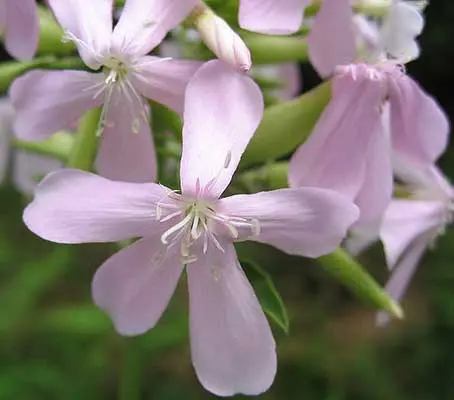
Bouncing Bet, Fuller's Herb
Cleanliness is next to godliness even in history. For centuries Saponaria officinalis has helped keep us clean while providing a little loveliness in our gardens. The flowers are an important nectar source and emit a pleasant and intriguing clove-like scent, seducing both night moths and butterfly species.
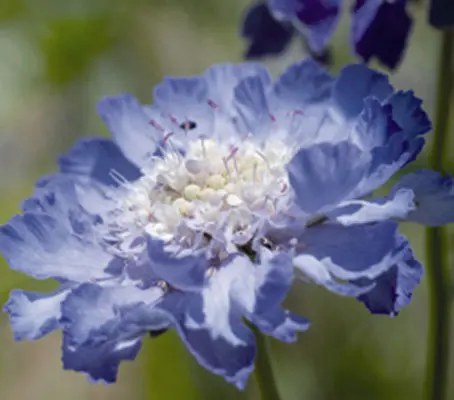
Pin Cushion, Perennial Pin Cushion
‘Fama’ is a most elegant flower. With long stems and intense blue blooms, it is the largest flowering and most uniform strain of the Blue Pincushion. They mature into dense tufts of lance shaped, grey-green leaves from which arise a beautiful display of intense lilac-blue flowers each with a silvery centre.
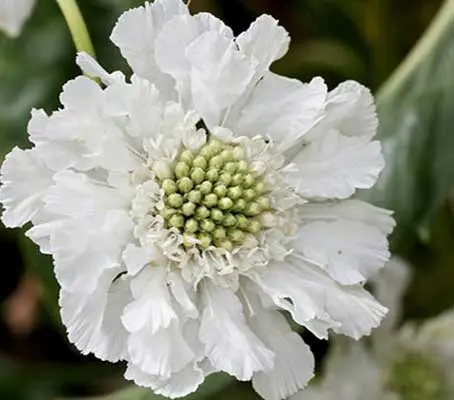
Pin Cushion, Perennial Pin Cushion
Scabiosa caucasica ‘Fama’ is a most elegant flower. With long stems and intense blue blooms. Beloved by flower arrangers, it is the largest flowering and most uniform strain of the perennial blue pincushion.
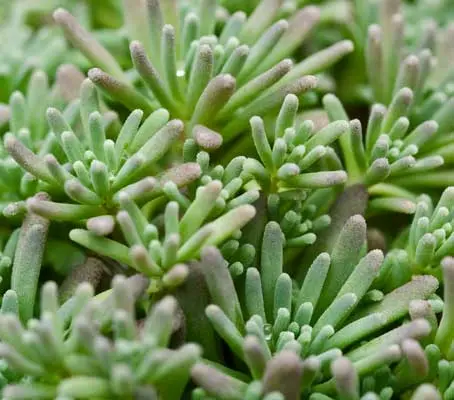
Sedum Ruben’s Lizard is a low-growing sedum that has tight, rosy-green cushion of needles with reddish tips. Throughout the summer the plant is covered with many tiny, star-shaped white flowers. Drought and heat tolerant or low maintenance, whatever you want to call it, ‘Lizard’ takes a lot of abuse.
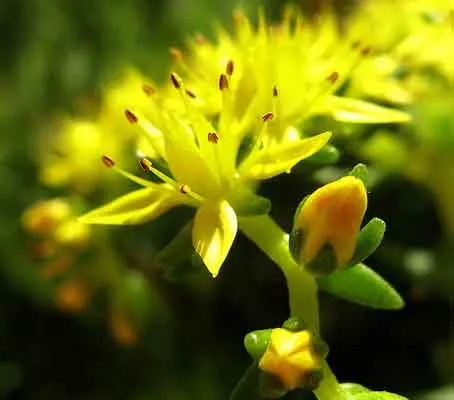
Biting Stonecrop, Wallpepper
Delicate in appearance and yet very cold hardy, Sedum acre is beautiful from the first stirrings of early spring to the twilight of autumn. Hardy and very easy to grow. Started early it will form a nice dense ground cover the very first season. If the weather is favourable it will flower within six months.
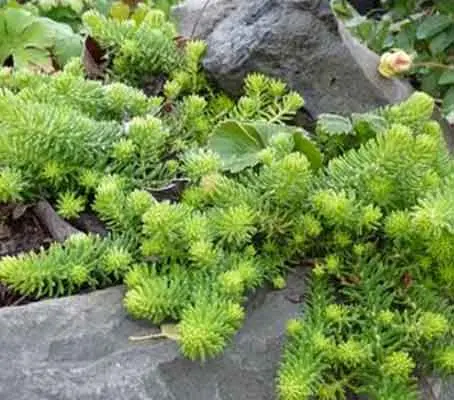
Reflexed Stonecrop, Love Links
If you’re looking for a beautiful plant that thrives with virtual neglect, Sedum reflexum just might fit the bill. The small bushes spread over the ground and the foliage resembles mini spruce branches. They are at their loveliest spilling over edges of walls and rocks to create the illusion of a living waterfall.
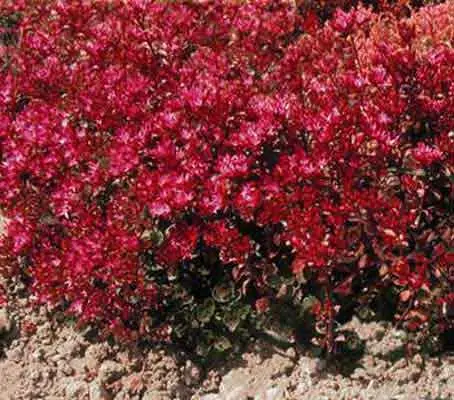
Dragon's Blood, Crimson or Causican Stonecrop
Sedum spurium coccineum is the most robust sedum, with deep crimson blooms and bronze-green leaves. Low maintenance, durable and interesting, they enhance the appearance of green roofs, rockeries and containers. In July, dense clusters of showy crimson blooms smother the evergreen plants.
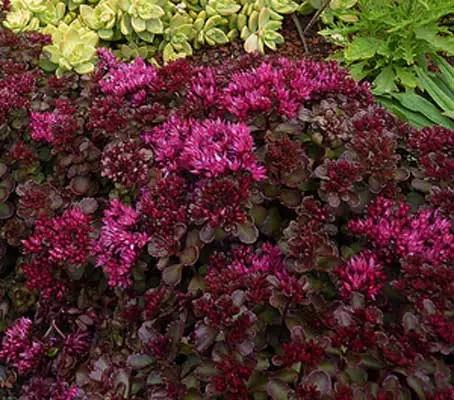
Phedimus spurius
Sedum spurium ‘Voodoo’ is a stunning little perennial groundcover for hot, sunny locations. The intense dark mahogany foliage that provides a stunning contrast to the almost neon, luminous rosy-red flowers which appear June through August.
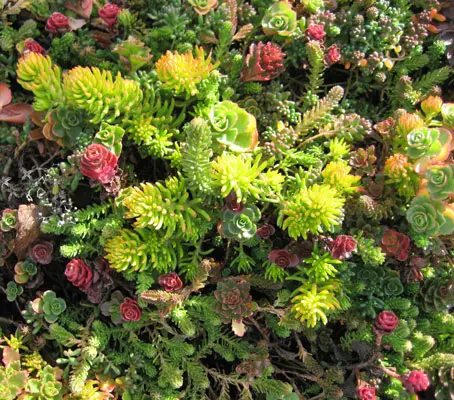
Stonecrop,
A mixture of many attractive low-growing sedum varieties representing a wide range of foliage types and flower colours. Low maintenance, durable and interesting, grow them on walls or banks, as a ground cover or as a green roof. Sedum strut their stuff where many other plants dare not venture!

Stonecrop
Sedum Roof Garden Mix is a formula mixture of many important varieties for roof gardens in full foliage and flowering colour range. Low maintenance, durable and interesting, grow them on walls or banks, as a ground cover or as a green roof. Sedum strut their stuff where many other plants dare not venture!
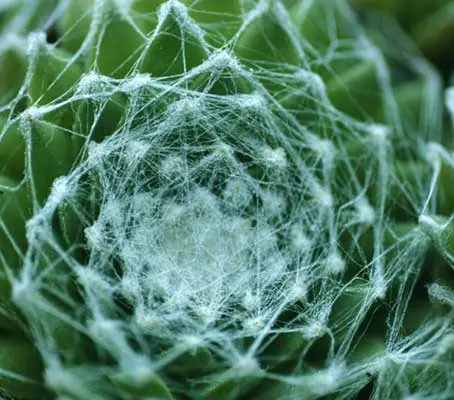
The Cobweb Houseleek
Always an interesting plant, Sempervivum arachnoideum is an exotic and interesting variation which forms small green rosettes of fleshy leaves, the tip of each leaf connected to another by a network of silvery filaments that resemble a spider’s web.
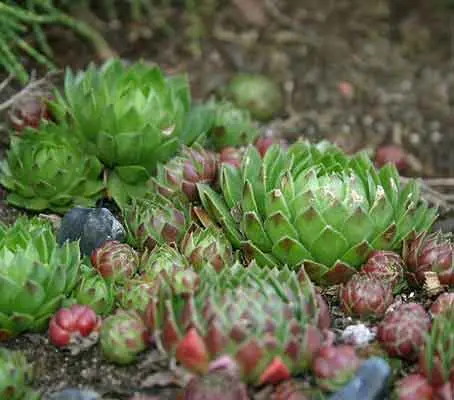
Winter Hardy Varieties. Hens and Chicks or 'Hippy Chicks'
Whether planted in large numbers or used as a single specimen Sempervivum are both beautiful and enduring. Their rosettes are fascinating, their colour hues are stunning and their tendency to produce offsets makes for easy increase.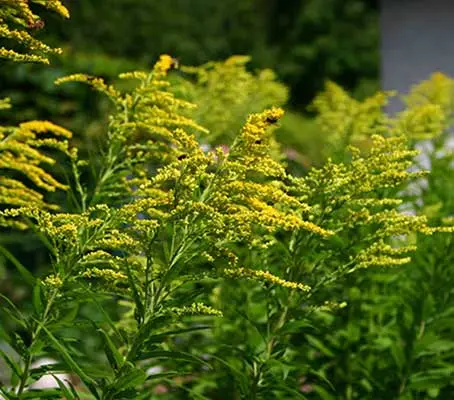
Aka 'Goldkind' and 'Yellow Springs'.
Solidago canadensis ‘Golden Baby’ is an easy to grow hardy perennial that bears flat-topped clusters of golden-yellow plumes. Growing to around 60cm tall they are perfect for borders or containers and provide end-of-season colour. Given an early sowing they will bloom in their first year.
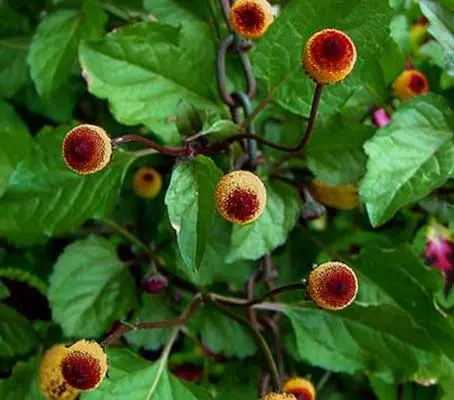
Syn. Acmella oleracea
Toothache Plant, Peek-A-Boo, Electric Daisy
Spilanthes acmella is a unique and versatile plant that will add texture and interest to your garden. Used by herbalists, the pretty yellow and red cone-shaped flowers and leaves have properties similar to Echinacea and has numbing properties when the leaves and flowers are chewed.
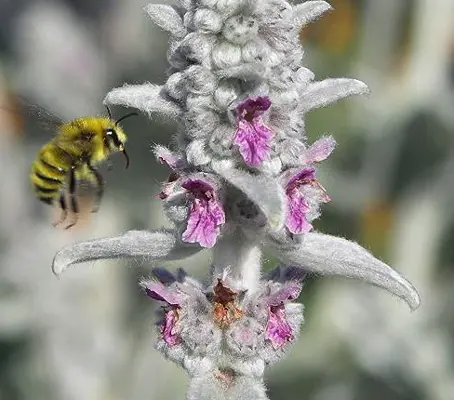
Lambs' ears, Woolly Betony
Also known as Stachys lanata, or olympica
What can I say? Its a plant you can pet!…Bees love it…children love it….and you just have to stoke it on the way past! Lambs’ ears is a well-known ground-covering perennial, popular for its soft, fluffy foliage, plus, it’s a great silver accent in between all the green going on in the garden.
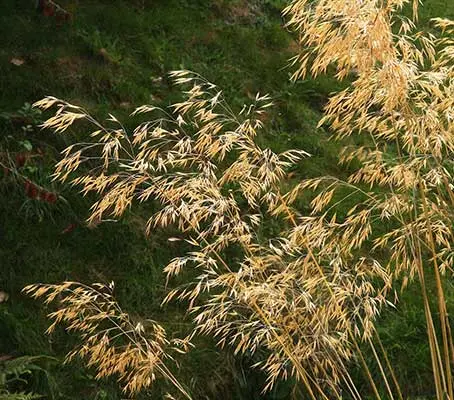
Golden Oats
Stipa gigantea is the most dramatically beautiful of all grasses. It has the wonderful and fashionably transparent quality of providing height without bulk, tall stems of golden oat-like flowers allow glimpses into the garden beyond.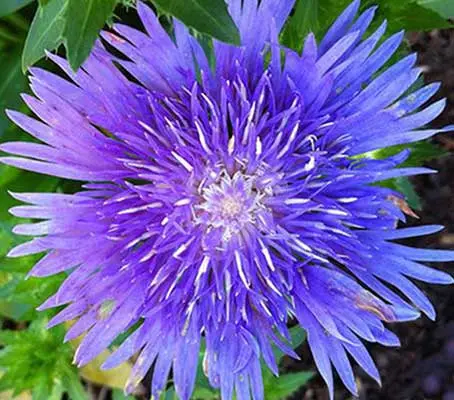
Stokes' Aster
Stokesia laevis is an adaptable and easy to grow perennial. With electric blue fringed petals and shaggy cornflower-like flower heads. It is considered by many as one of the most attractive late-flowering perennials.
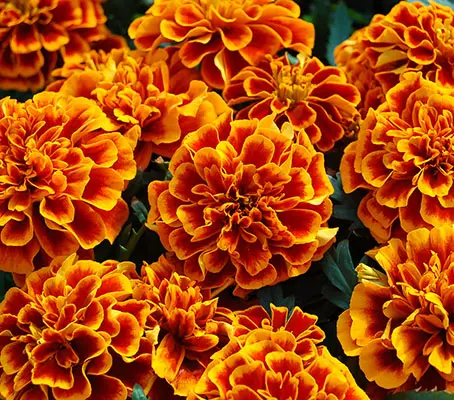
French Marigold
 Tagetes patula ‘Queen Sophia’ is an extremely popular, award winning variety that was introduced in the early 1900’s. Gorgeous to the point of excess, it produces semi-double blooms. Deep orange-to-russet petals that are intricately edged with russet and gold.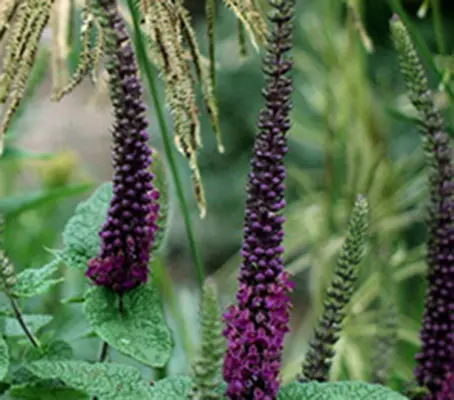
Caucasian Germander
Summer-blooming spiky flowering plants – in garden design parlance ‘the verticals’. We all need some, and there are lots of contenders, but a plant that can go just about anywhere in the garden, cope with almost all situations and bloom with copious plush spikes over several weeks is a very rare treat.
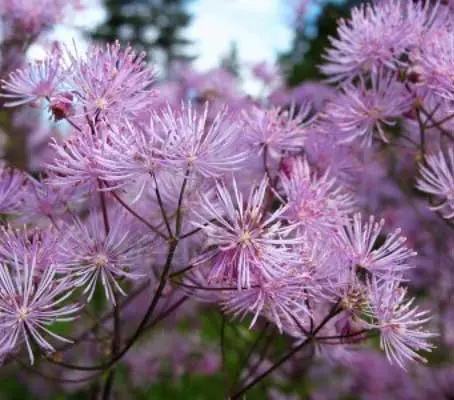
French Meadow-Rue, Greater Meadow Rue.
French Meadow Rue is a superb border plant, a superb array of flower stems which are topped by a hazy, fuzzy show of rose-mauve flowers. They add a marvellous, gentle effect in midsummer which contrasts well with more stately, formal plants. These bushy plants make dramatic accents in any border.
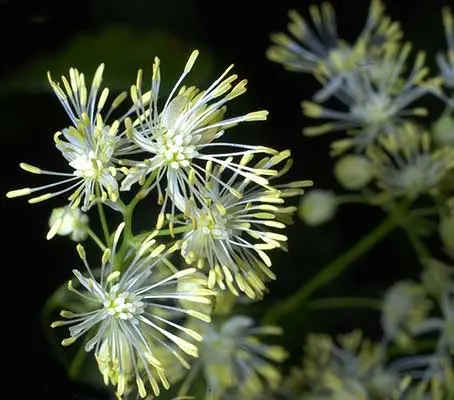
Shining Meadow Rue
Thalictrum lucidum is a less well known species of meadow rue, it sports luscious deep green, fern-like foliage. In mid-summer the plant is festooned with a superb array of fragrant flower stems, topped with airy puffs of soft cream flowers each with bright yellow stamens.
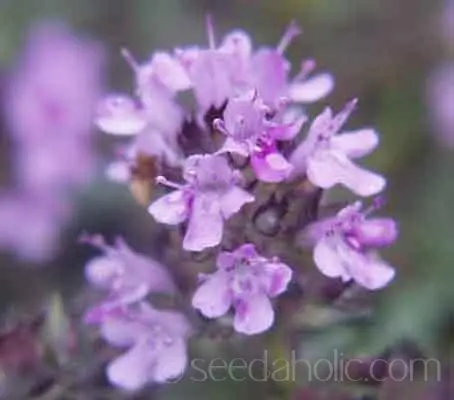
Wild thyme
Thymus serpyllum is one of the most versatile groundcovers. Forming dense evergreen cushions of flowers these low maintenance plants don’t require mowing, watering or care, and can take a lot of abuse. Its leaves can be used as a culinary herb and its uses in the garden are almost unlimited.
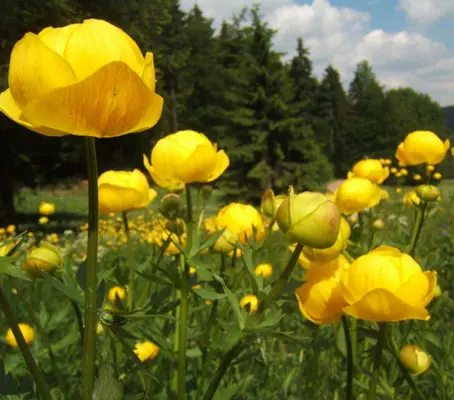
Globeflower, Wildflower of Britain and Ireland
Trollius europaeus is a beautiful native wild flower of Europe and Western Asia. Found in damp ground in shady areas, it is a most attractive plant with dark green, deeply cut leaves and bears flowers, best described as egg-yolk yellow in colour.
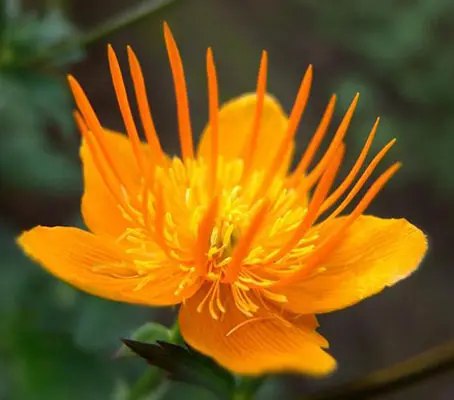
Globeflower, Globe Flower
Trollius ‘Golden Queen’ has strong erect stems, rising up to three feet from out of its clump of serrated foliage. Each stem is topped by the largest brightest tangerine blossoms. Excellent for bouquets and magnets for butterflies and bees.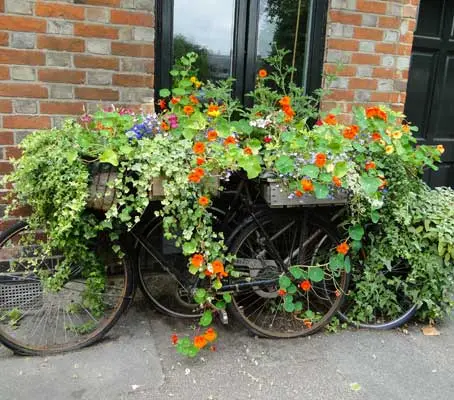
Tall, Climbing or Trailing Nasturtium
Nasturtium ‘Gleam Hybrids’ is a moderate spreading variety and the variety we would recommend for hanging baskets and for containers. They offer a particularly nice colour selection with all the shades you expect, primrose, gold, orange, red and mahogany plus a few surprises.
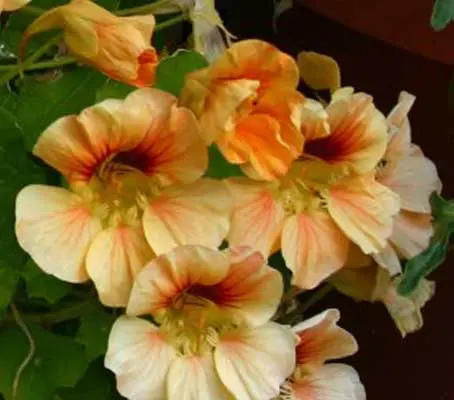
Nasturtium, Compact Type
Nasturtium “Peach Melba Superior” is a gorgeous variety, with bright cream, semi-double flowers with mahogany-red markings in the throat. Uniform and compact in habit, this dwarf plant is good excellent in containers, the beautiful flowers are carried well above the foliage for maximum effect.
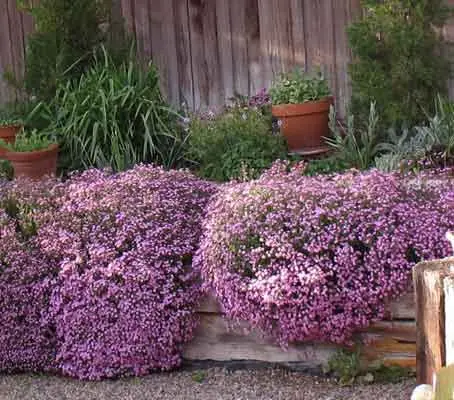
Tumbling Ted, Trailing Rock Soapwort
Saponaria is a pretty little plant that forms a mound of bright-green leaves, smothered by starry bright-pink clusters of flowers. Use as a ground cover, in paving or rock features or allow it to trail over the sides of raised beds and low walls. RHS Award of Garden Merit. 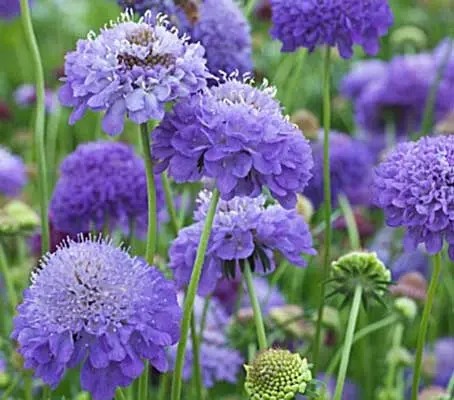
Lavender Blue. Sweet Scabious
Boasting the most desirable of deep blue flowers, Scabiosa ‘Oxford Blue’ is a reselected form that stands out from other varieties. The large, domed, dark centred cushions with contrasting white ‘pins’, bob atop strong stems.
Pin cushion flower
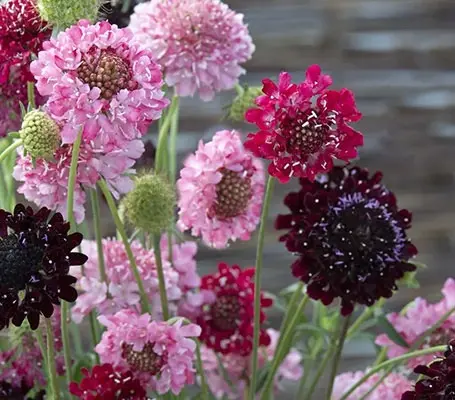
One of the longest-flowering and most glamorous of flowers that you can grow from seed, Scabiosa ‘Summer Fruits’ is a fantastic, fruity blend of delicious colours including raspberry, plum and blackberry. For weekly inclusions in the vase keep the flowers cut to keep the production of flowers right throughout the season.
Sweet Scabious
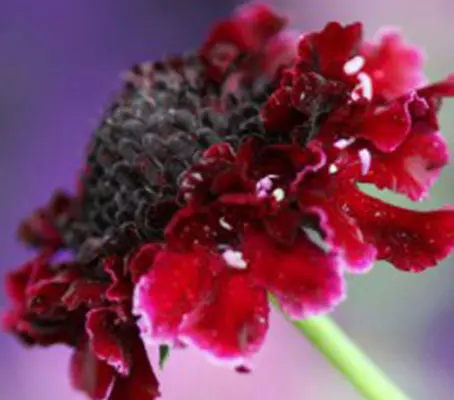
Scabiosa atropurpurea is one of the longest-flowering and most glamorous of flowers that you can grow from seed. Easy to grow and fast to flower, this invaluable plant will attract many butterflies and bees to the garden and the long, straight stems will supply you with cut flowers throughout the season.
Sweet Scabious
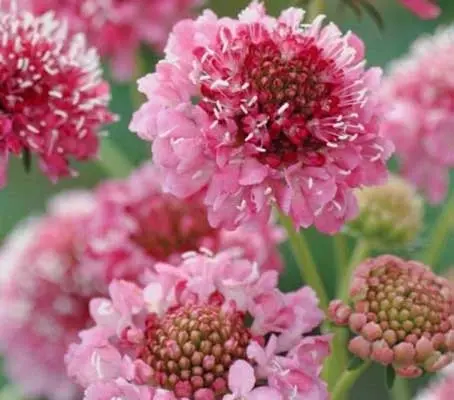
A prodigious bloomer and a tough, hardy garden performer Scabiosa atropurpurea grows quickly and is fast to flower. Rose-pink petals surround a domed, dark centred cushion, this invaluable plant will attract many butterflies and bees to the garden and would look as happy in a wildflower meadow as in a manicured border.
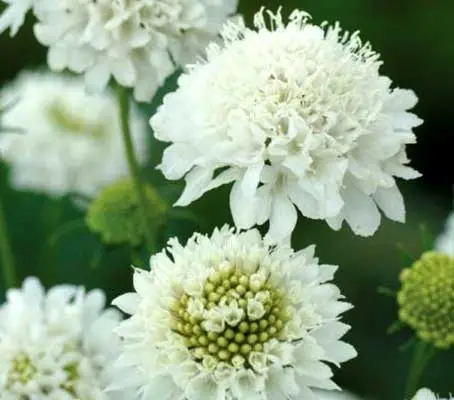
Sweet Scabious
A prodigious bloomer and a tough, hardy garden performer Scabiosa atropurpurea grows quickly and is fast to flower. ‘Tall Double White’ blooms with delicate, pure white blooms. With strong, straight stems, they are valued for the contribution they make in the garden as well as the vase.
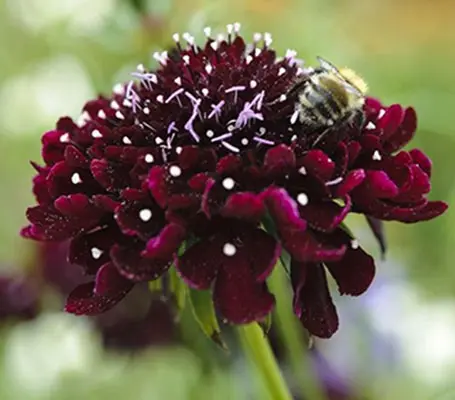
Pin cushion flower, Sweet scabiosa
One of the longest-flowering and most glamorous of flowers that you can grow from seed, Scabiosa ‘Summer Fruits’ is a fantastic, fruity blend of delicious colours including raspberry, plum and blackberry. For weekly inclusions in the vase keep the flowers cut to keep the production of flowers right throughout the season.
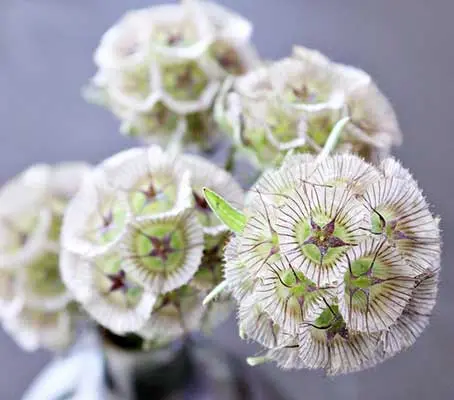
Paper moons, Star-flowers
The papery bracts of Scabiosa stellata is an example of perfect geometry. A delicate geodesic sphere of translucent papery, cone shaped bracts adds a new shape to the garden. The everlasting seed heads make excellent cut flowers and are perfect for dried arrangements.
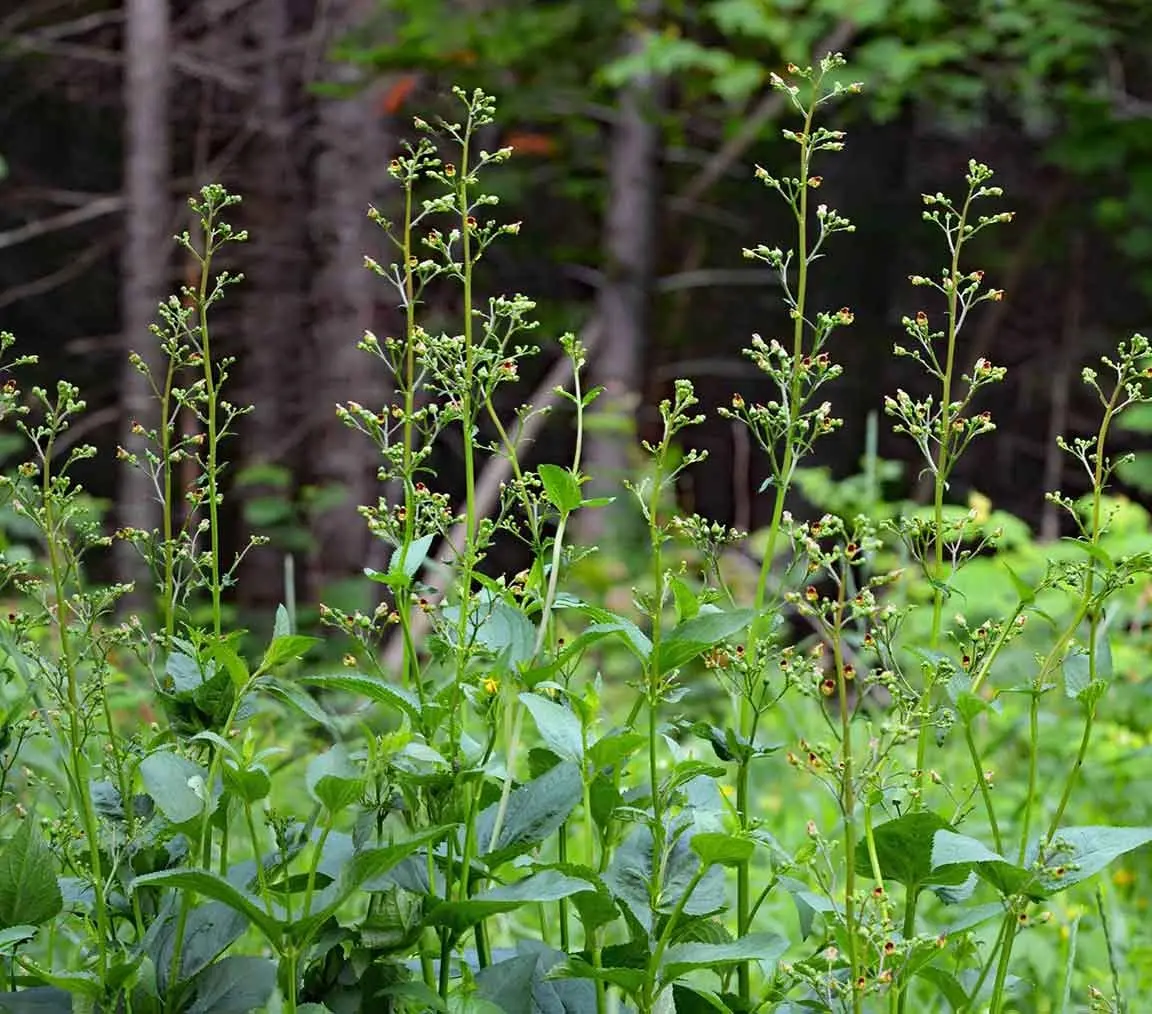
Wildflower of Britain and Ireland
Our native Figwort is one of the most prolific nectar producers in the plant world, the long-lasting flowers attract more pollinators than any other plant around. The flowers, similar to tiny snapdragons ripen into egg-shaped seed pods, which are just the perfect bouquet filler for interest and movement!
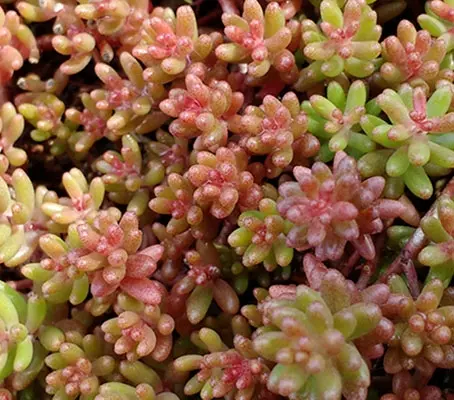
Coral Carpet Sedum
Sedum album is one of the most popular forms of sedum, known for its dense foliage as it changes colour throughout the seasons. The leaves emerge a coral-salmon in spring, change to bright green in summer and then to reddish bronze with the arrival of cooler temperatures. In summer the plants explode in masses of tiny, white star-shaped flowers.
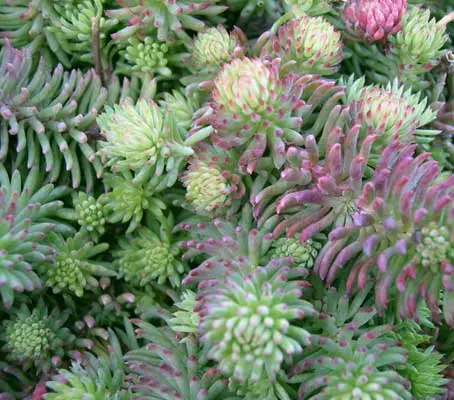
Stonecrop
Sedum forsterianum ‘Silver Stone’ is one of the more unusual textured species, with whorls of silver-green foliage. In late summer bright yellow star shaped flowers appear. This low-growing succulent plant grows to a height of 15 to 20cm, extremely hardy it can cope with temperatures down to minus 34°C.
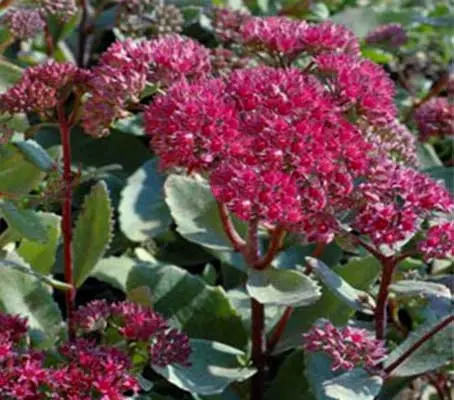
Emperor's Stonecrop
Recently renamed Hylotelephium telephium
Hugely impressive in any garden, Sedum telephium ‘Emperors Wave’ boasts succulent, blue-green foliage and masses of star-shaped flowers in glorious shades of deep pink and purple. They are popular with late season perennials and ornamental grasses. The extreme contrast in flower shape enhance each other, adding to the textures and colours of the late season garden.
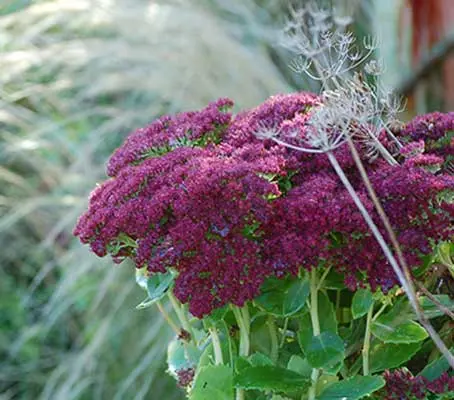
Ussuri River Stonecrop
Recently renamed Hylotelephium ussuriense
Sedum ussuriense is at its best in late summer when the blue-green succulent leaves are followed by glowing carmine-red flower clusters. It even pleases the eye in winter when it turns into a stage for dew drops and ice crystals.
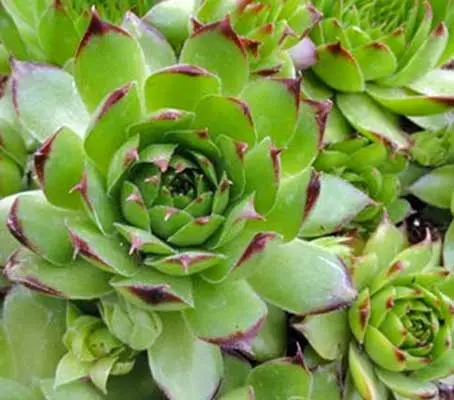
Hens 'n' Chicks, Houseleek
Native to Europe, Sempervivum tectorum is a widely-planted succulent that has been grown in and around human settlements for millennia. Their rosettes are fascinating with their succulent leaves radiating around the centre, their colour hues are stunning and their tendency to produce offsets makes for easy increase.
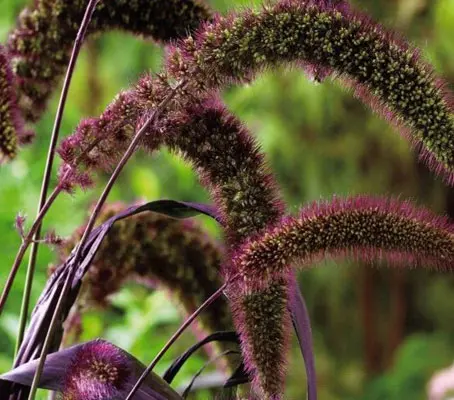
Foxtail Millet, Italian Millet
formerly Panicum italicum
Setaria italica Red Jewel is a rarely-offered variety of annual grass with intensely coloured burgundy red foliage and dramatic foxtail-shaped flower heads. Suitable for growing in the garden or in containers the dark foliage is a great contrast in the garden or the vase.
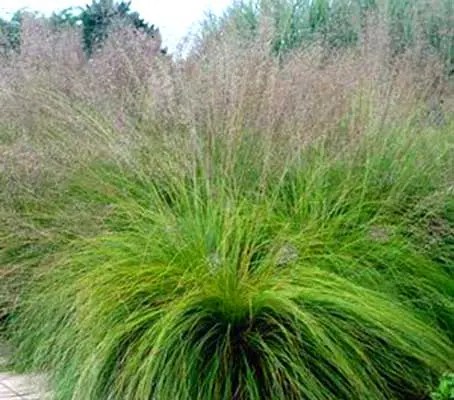
Dropseed, Sacaton Grass
Sporobolus displays a magnificent fountain of fine textured, emerald-green leaves which develop rich shades of reddish-gold or deep orange in the autumn, but the great joy of this plant is that it produces a great cloudy haze of tiny flower heads.
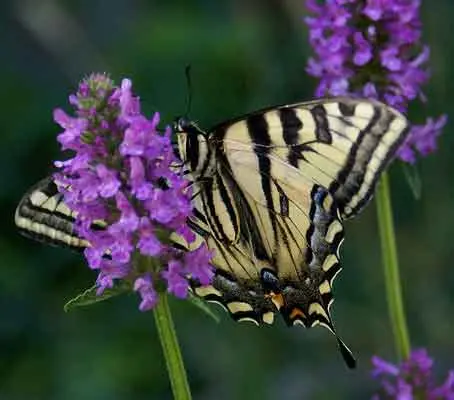
Betonica officinalis, Wood Betony, Bishopswort.
Wildflower of Britain and Ireland
This pretty little wildflower is a slow growing, long-lived plant with attractive spikes of rich pink-mauve flowers that are very attractive to bees and butterflies as a nectar source. The flowers, which rise from dark green crinkly leaves, keep their colour throughout summer and look stunning when growing en-masse.
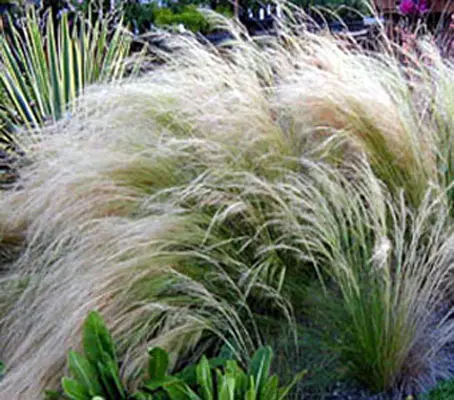
Recently renamed 'Nassella tenuissima'. Mexican Feather Grass
Stipa tenuissima ‘Pony Tails’ is wonderfully impressive. In summer, plants are covered with masses of elegant pale feathery seed-heads which are held a little above the foliage. These can be cut for use in arrangements indoors. Alternatively they make a useful winter food source for finches and other seed-eating birds.
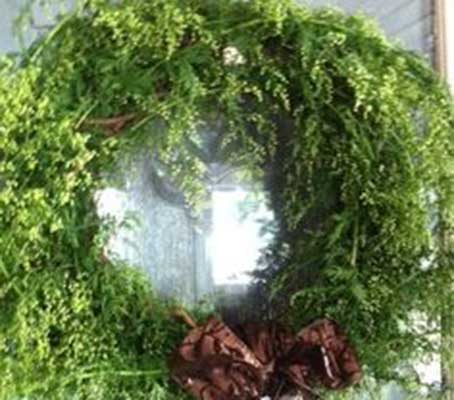
Sweet wormwood, Qing Hao
Artemisia annua, ‘Sweet Annie’ has tall stems with fine bright green, ferny foliage that is sweetly fragrant. This herb has a wide variety of uses but is most often grown for fresh and dried arrangements.
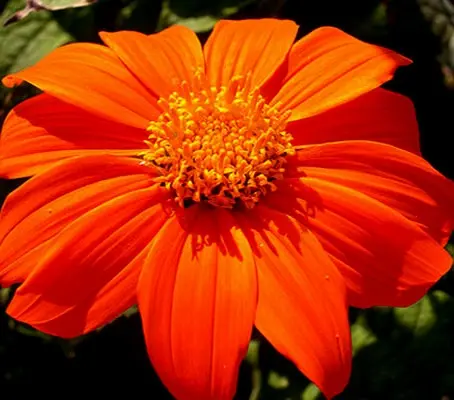
The Mexican Sunflower
Brilliant sizzling, orange-scarlet flowers cover this vibrant ornamental plant, Tithonia produces one of the best flowers for attracting butterflies to the garden. Very easy and rewarding and perfect for new gardeners and children, sow direct in May and June for fast and furious, fabulous flowers.
€3.75
€2.45
€2.75
€3.95
€2.25
€2.95
€2.25
€2.25
€4.25
€2.20
€2.75 – €9.75Price range: €2.75 through €9.75
€2.45
€2.00
€2.95
€2.10
€2.95