 Skip to content
 Sort by:
Sort by:
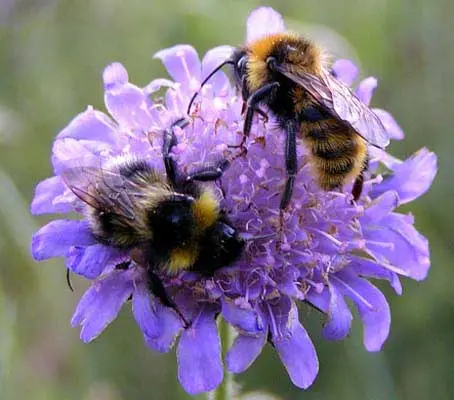
Field Scabious
Wildflower of Britain and Ireland
Knautia arvensis is an attractive native perennial herb of well drained grassland. It can be found throughout Europe in meadows, rough pasture, hedgerows and verges. Though it is by nature a perennial, it will flower and produce seed the first year if grown as an annual, either autumn or spring sown.
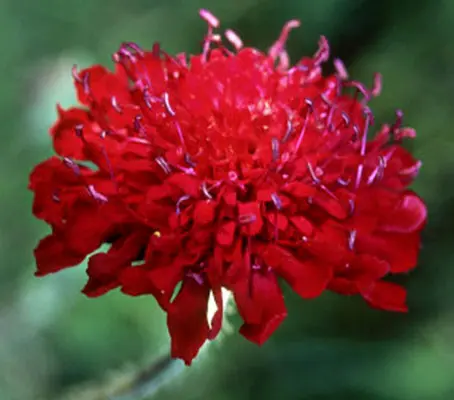
Often marketed as 'Red Knight' or 'Red Cherries'
Knautia macedonica has been hugely fashionable for years and is likely to remain so for many more. This lovely and versatile perennial blooms from late spring to autumn with dark-crimson, richly glamorous pompoms. Established plants produce literally hundreds of blooms in one season.
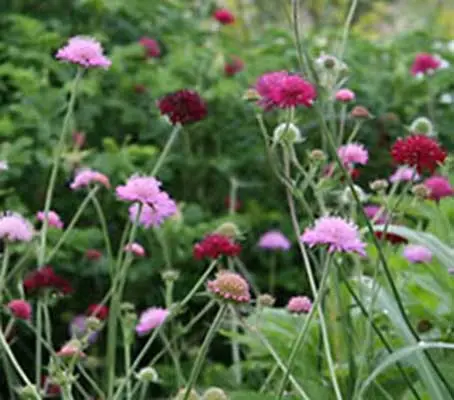
Also marketed as 'Watercolours'. Macedonian scabious
‘Melton Pastels’ is a great border plant, densely flowering plant with strong stalks of pin cushion flowers in shades of shades of pink, cherry red, mauve and purple. The tall stems make excellent cut flowers and are good for the middle of the border, giving a succession of blooms through till autumn.
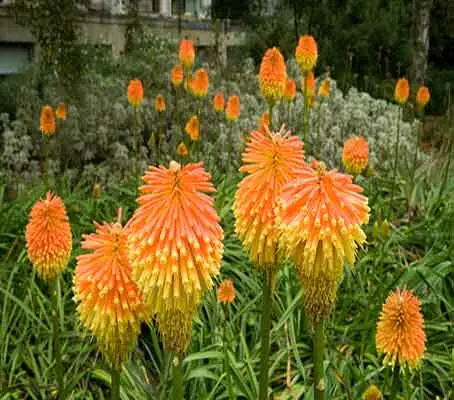
Red Hot Poker, Torch Lily
The Kniphofia hybrids have extended both the flower colour and height range. The usual fiery reds and oranges work particularly well in a planting scheme based on ‘hot’ colours – use them to light up sultry August borders. The cooler yellow, cream, ivory and sometimes green flowers is more restful.
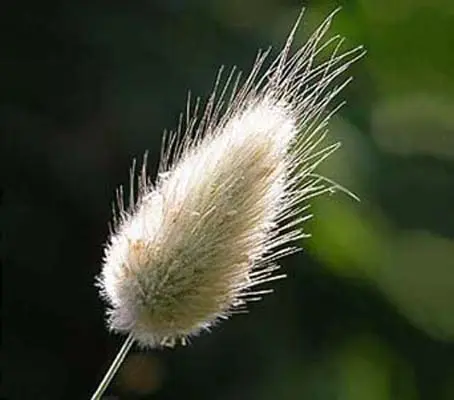
Hares-tail, Bouquet Grass, Ornamental Grass
 Lagurus ovatus is probably the most appealing of all the ornamental grasses. The name ‘Hare’s Tail’ perfectly accurately describes the creamy-white flower heads, which are hare’s tail-shaped, fur-like and soft to the touch!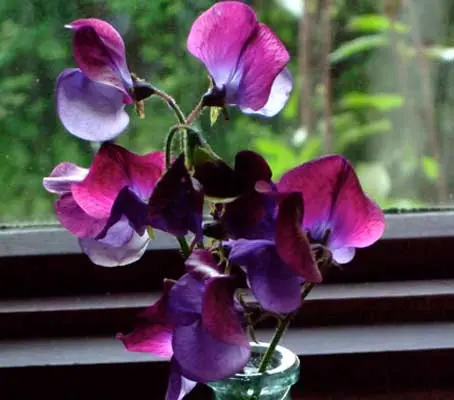
Grandflora Sweet Pea. 1907
‘Matucana’ was first introduced into this country from Sicily in 1699, this delightful heirloom dates back at least three centuries, highly valued for its wonderfully strong, sweet scent as well as its brilliant bicoloured blooms of richest purple and violet .
Early Multiflora Gigantea Sweet Pea
Extra early, extra large blooms are the feature of this award winning sweet pea, an excellent choice for early spring colour and the best strain for producing early cut flowers. If you have never seen this kind of sweet pea on long stems before, and don’t quite understand what all the fuss is all about…they are marvellous …guaranteed to make you fall completely in love with them.
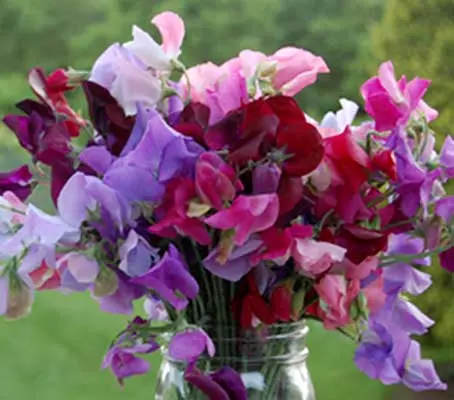
Grandflora Sweet Pea. 1600 to 1800's
The Heirloom Mixture is a wonderful mixture of the Heirloom Grandiflora Sweet Peas. Representing most of the colours of this type and containing varieties that date back to the 16th century. Fabulous flowers in great colours that grow on vigorous plants, each have an intense full bodied perfume.
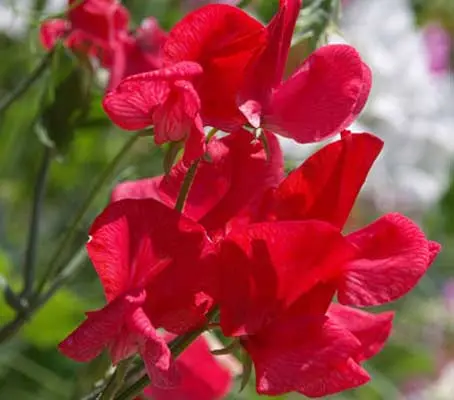
Grandflora Sweet Pea. 1905
A highly scented heirloom sweet pea introduced by Henry Eckford in 1905 and named in honour of Queen Alexandria, wife of King Edward VII. Lathyrus odoratus ‘Queen Alexandria’ has bright scarlet-pink blooms with three flowers per stem. Strongly scented too.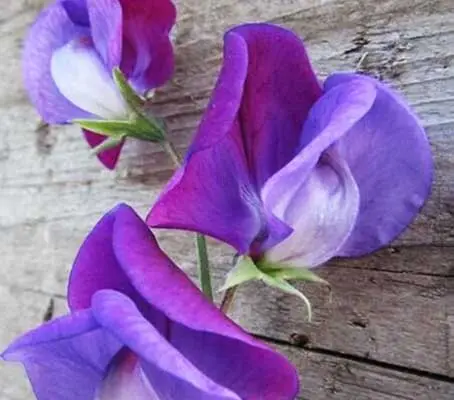
Grandflora Sweet Pea. 1877
Lathyrus odoratus, Sweet Pea, ‘Violet Queen’ was introduced in 1877 by James Carter, an interesting figure in sweet pea development who is associated with early colour milestones. Relatively unknown, it is described as having a deep mauve to maroon standard flanked by violet-blue wings, they have the long, graceful stems and heady perfume that you would expect.
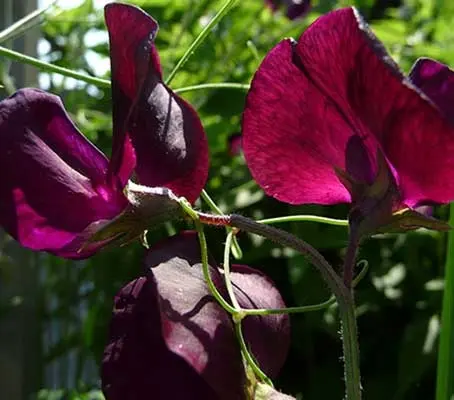
Sweet Pea
“Midnight” is very special variety. Seed of which is seldom available. Beautifully formed scented blooms of dark crimson, almost black. An amazing colour. The flowers are almost twice the size of a regular sweet pea and its stems are almost twice the length and so are perfect for cutting.
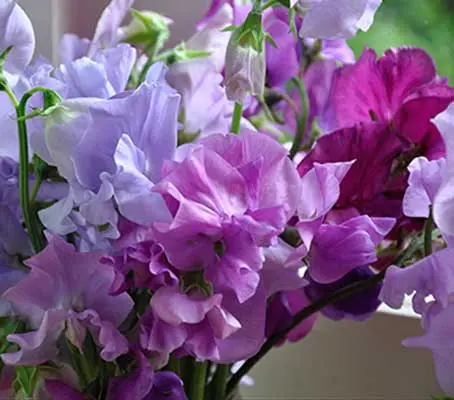
Sweet Pea
A blended mixture of outstanding quality. Composed of over 40 colours and shades of the Spencer Waved sweet peas. Large flowered and fragrant with an excellent colour range – with so many having such a beautiful scent … who could resist?
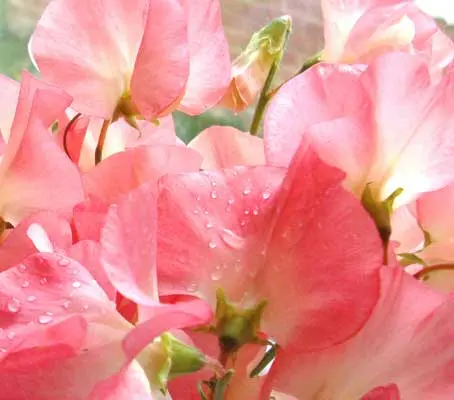
Spencer Traditional Sweet Pea
Sweet Pea ‘Princess Elizabeth’ was first introduced in 1945. It was on display when the Queen first visited Chelsea Flower Show in 1947. In 2008 the Queen was delighted to be presented with a new bouquet and to hear that hear her namesake has been grown continuously for more than 60 years.
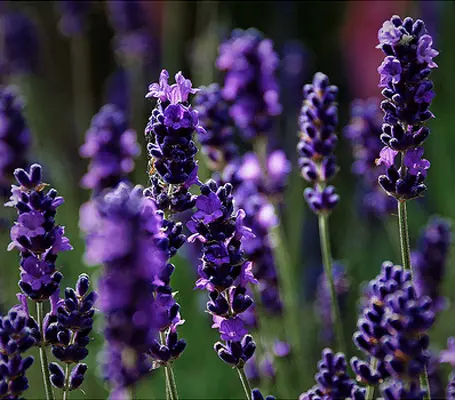
English Lavender
The deepest purple of all and one of the most popular lavenders is ‘Hidcote Blue’. A compact variety, suitable for growing in borders or as dwarf hedging, with dense silver-grey foliage covered in fragrant, dark purple-blue flower spikes in mid-summer.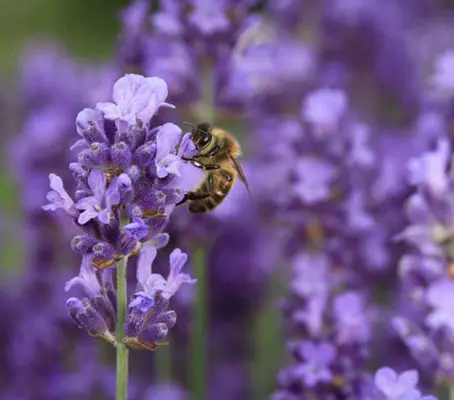
True English Lavender, Old English Lavender
Lavendula angustifolia is an excellent plant for low informal hedging and as a specimen evergreen for borders and formal gardens. Flowering generally begins from mid to late June to early July. The flowers have a rich sweet scent and are highly attractive to bees and other beneficial insects.
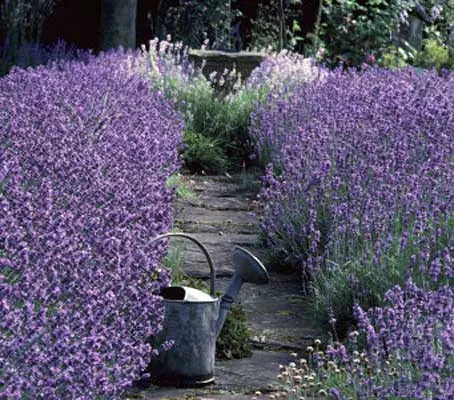
Dwarf English Lavender, Hedge Lavender
Munstead Lavender is a fragrant robust English lavender that, due to its short size and tightly held blooms, makes a great hedge. It flowers profusely in the spring, after which a good pruning will provide an attractive grey bush with highly aromatic leaves.
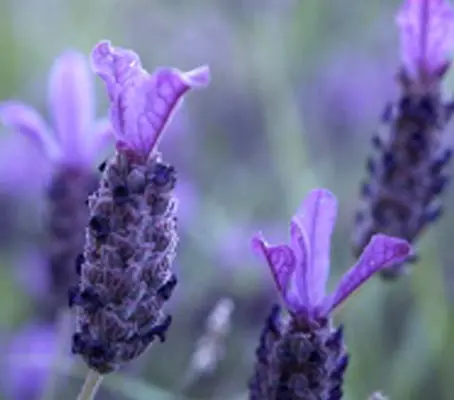
Butterfly Lavender, Spanish Lavender (US)
Lavender stoechas is an old variety, cultivated for more than 400 years, it is a favourite both for its intense fragrance and for the short dense flower spikes. French Lavender blooms from spring to frost and has a good clean scent. 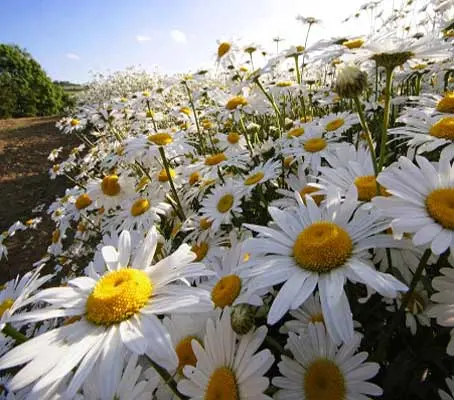
Field Daisy, Marguerite
Wildflower of Britain and Ireland
The Ox-eye Daisy is one of the most familiar of all summer flowers. They can be planted at almost any time of year. When seen naturalised in drifts in a sunny wildflower meadow, adorning roadside and meadows or even in a little corner of the garden they are spectacular.
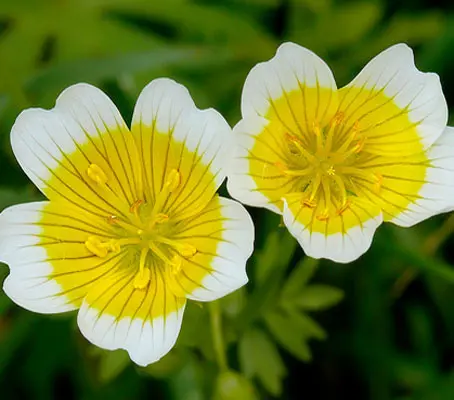
Poached Egg Plant or Fried Egg Plant.
The fragrant, abundant flowers of Limnanthes appear from summer to autumn and attract bees and butterflies for the duration. This lovely plant provides a carpet of fragrant golden and white blooms that will grace the front of the border, rockery or path edging.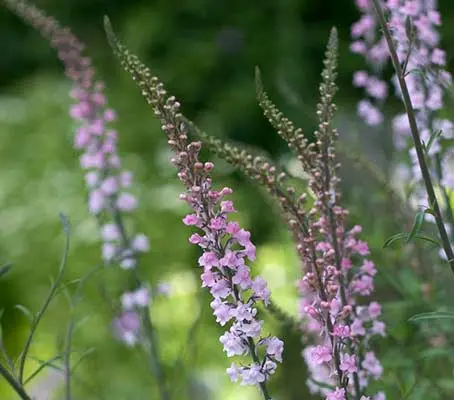
Toadflax
Linaria ‘Canon J Went’ is a delightful plant with tall spikes of pink and mauve tiny flowers. Easy to grow and flowering prolifically in a sunny spot, the delicate plants provide a softening haze in perennial borders.
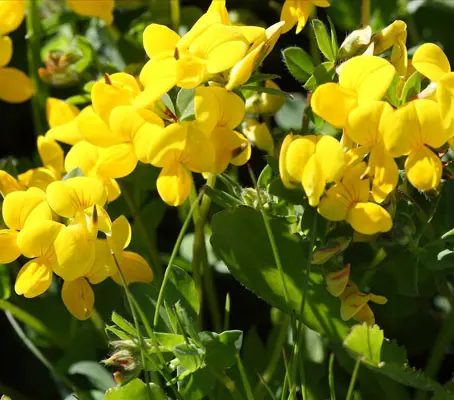
Wildflower of Britain and Ireland
The more I see of this rather attractive little plant, the more I grow to appreciate it. Now I seem to spot it all over the place, in meadows, woodland, road verges and gardens. The bright yellow fragrant flowers can be seen in blossom from the end of April through until mid September.
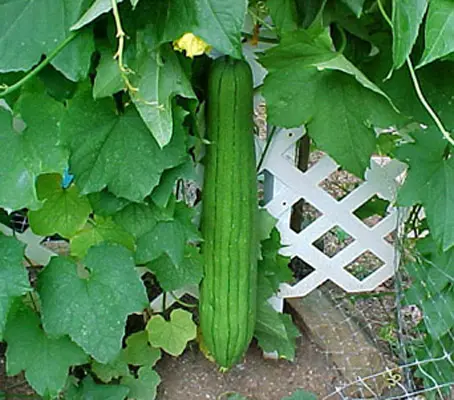
Vegetable Gourd. Aka Loofah or Loofa
Luffa acutangula is a very versatile plant. As a vegetable, the leaves can be eaten in a salad, the very young gourds, known as Chinese Okra they taste like aubergine. The matured dried gourd develops into a fibrous netting. It is an excellent sponge and makes a wonderful exfoliator.
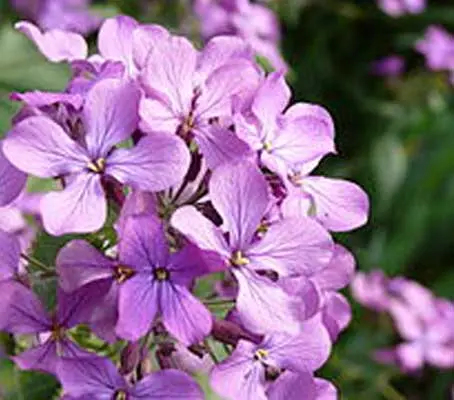
Silver Dollars, Silver Pennies
Honesty is a dual purpose plant, grown partly for its fragrant purple – pink flowers in spring and summer, but also for its unique seed-heads. Oval and translucent, gleaming with an eerie silver light and coveted by flower arrangers. It is a vital nectar plant and therefore popular with bees and butterflies.
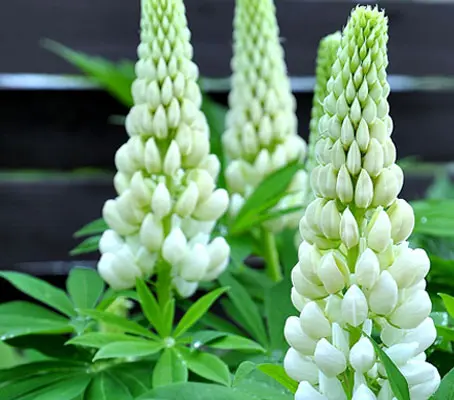
Lupin Russell Hybrids, Aka 'Fraí¼lein'
Lupin ‘Noble Maiden’, occasionally called Fraülein, feature soft ivory white buds that open to pure clean white. The flowers open from the bottom up making for a longer blooming period. Stunning in the border or in a vase.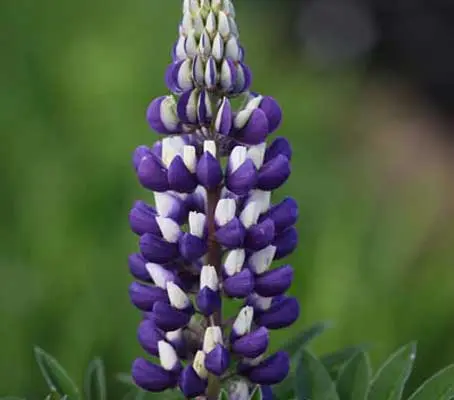
Lupin Russell Hybrids, Aka 'Kastellan'
George Russell developed his Lupins aiming for, and achieving a central stalk or spike totally obscured by colourful flowers. ‘The Governor’ is one of the most popular from the series and features deep ultramarine blue blooms each with white flag. 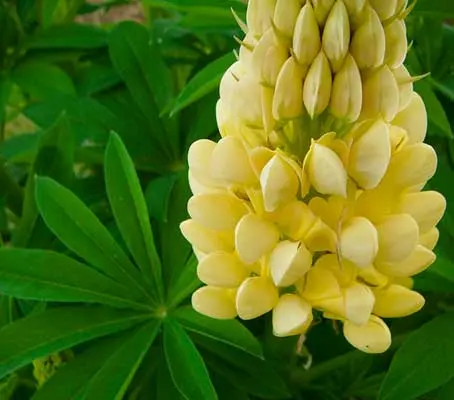
Lupin Russell Hybrids, Aka 'Kronleuchter'
Each small flower of Band of Nobles ‘Chandelier’ is a glorious shade of golden yellow, and the standard (the upper petal) is often a shade or two lighter. They have been bred for a long flowering period and give unbeatable garden performance.
Lupin Russell Hybrids, Aka 'Mein Schloss'
The magnificent vertical stems of Lupin ‘My Castle’ produce vibrant red blooms bringing height and grandeur to summer borders. The intense colour of this robust variety makes a real statement when planted in drifts, or dotted among other perennials.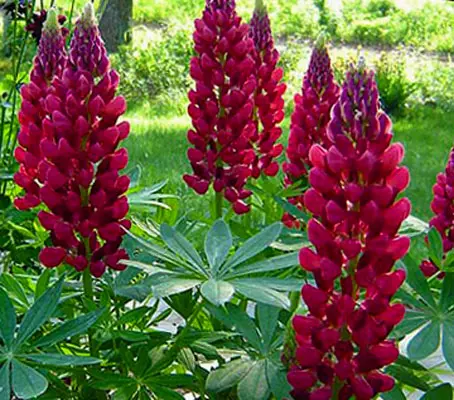
Lupin Russell Hybrids, Aka 'Edelknaben'
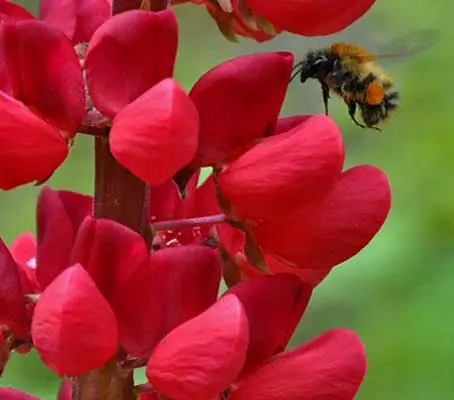
The Russell Hybrids ‘Band of Nobles’ series have exceptionally bright and strong colours. ‘The Pages’ produce magnificent vertical stems of carmine red blooms. These hardy plants will surviving extreme temperatures withstanding frost to at least minus 25°C. 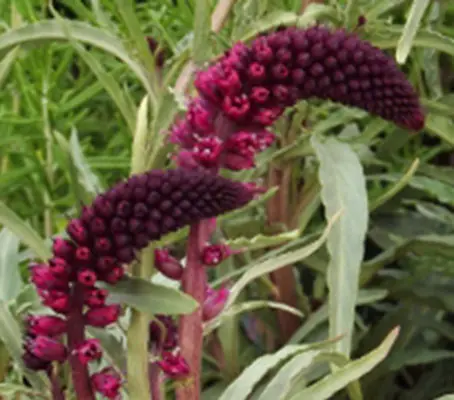
Crimson Loosestrife
Recently introduced to gardens and a hit Chelsea Flower Show, Lysimachia ‘Beaujolais’ feature flower spikes of deep claret which bloom continuously from May to September. The plants give a good effect used in tight drifts through grasses and other perennials. Ideal for cutting, the dark flowers are adorable in bunches.
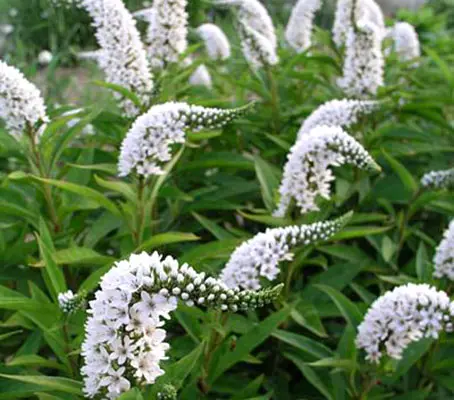
Gooseneck Loosestrife
Lysimachia ‘Lady Jane’ produces spires of white blossoms right above the foliage, they arch over then tip up at the ends and grow in beautiful curvy forms. Absolutely loved by butterflies, an additional feature is the good autumn foliage colour.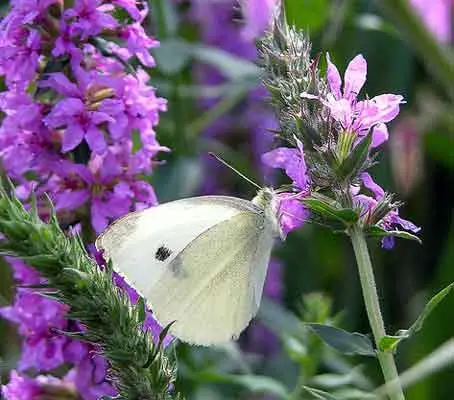
Red Sally, Long Purples
Wildflower of Britain and Ireland
Magnificent and spectacular spikes of rose-purple flowers, which last from June throughout the summer distinguish this tall wetland plant. Purple loosestrife is an easy garden plant, thriving in any soil. It is a beautiful subject for late summer colour in a border, shrubbery, large pond or slow-moving water.
Early Multiflora Gigantea Sweet Pea
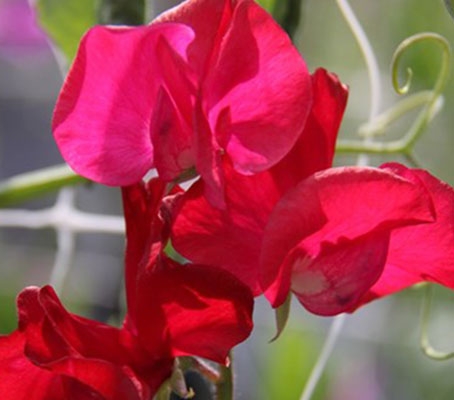
Mammoth Sweet Peas belongs to a type of sweet pea called an ‘Early Multiflora Gigantea’. Marked by the longest stems, and large fragrant blooms, they are very popular with commercial cut flower growers. ‘Mammoth Crimson’ produce large crimson-red flowers that are borne on beautifully long stems.
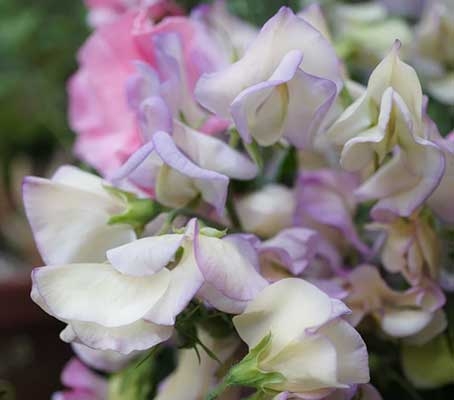
Also marketed as 'Goddess Mix'
‘Mammoth Pastel Mix’ also known as ‘Goddess Mix’ is a dreamy grandiflora blend in blush, shell-pink, cream, peach and lavender, all richly scented. Extra-early with extra-large blooms, the vigorous plants carry long, strong stems packed with fragrant flowers. It’s one of the best strains for producing early cut flowers.
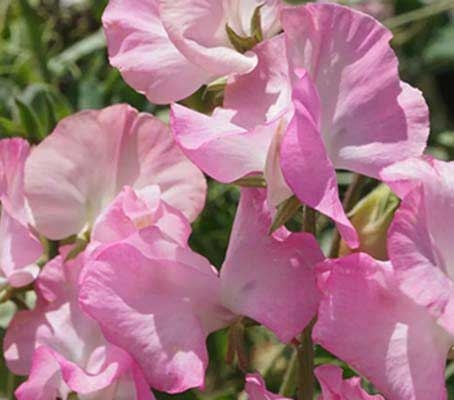
Early Multiflora Gigantea Sweet Pea
‘Mammoth Rose Pink’ produces blooms in a clear, mid rose-pink, fresh and flattering rather than hot or cerise. Buds open a shade deeper, then the petals soften to shell-pink with a faint silvery bloom on the wings. Extra early, extra large blooms and an excellent choice for early spring colour and for producing early cut flowers.
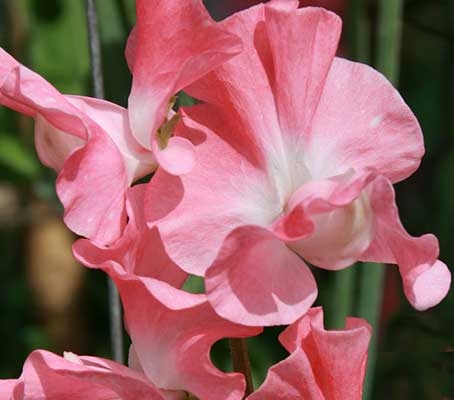
Early Multiflora Gigantea Sweet Pea
Mammoth Sweet Peas belongs to a type of sweet pea called an ‘Early Multiflora Gigantea’. Marked by the longest stems, and large fragrant blooms, they are very popular with commercial cut flower growers. ‘Mammoth Salmon Cream’ produce large crimson-red flowers that are borne on beautifully long stems.
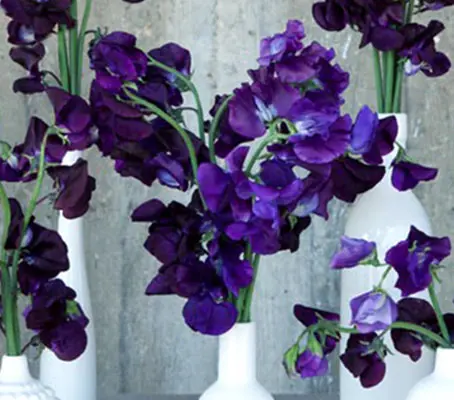
Grandflora Sweet Pea. 1907
Sweet Pea ‘Lord Nelson’ is an old fashioned variety that received an RHS Award of Merit in 1907. With beautiful, rich dark blue flowers and a powerful scent, it combines magnificently with white or with lighter blue shades.
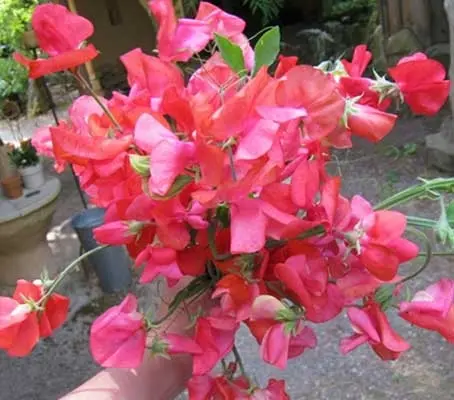
Grandflora Sweet Pea. 1901
A striking heirloom variety that creates a big impact, Sweet Pea ‘Miss Willmott’ dates back to 1901 but remains as attractive as ever, in the garden or as a cut flower. Attractive pale orange and salmon pink, unusual bicoloured flowers have a superb fragrance.
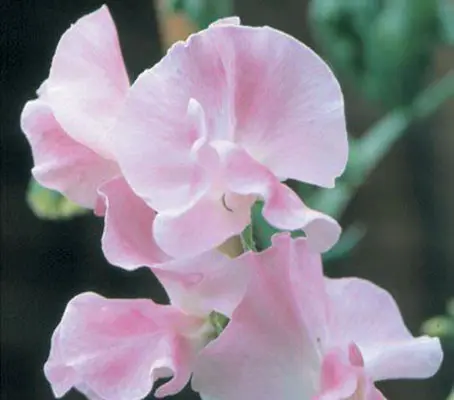
Grandflora Sweet Pea. 1901
Originally bred and introduced by a Mr Viner in 1901, Sweet Pea ‘Nellie Viner’ produces long stemmed blooms that have nicely rounded clear pink flowers and is also blessed with the most superb fragrance and make exceptionally fine cut flowers.
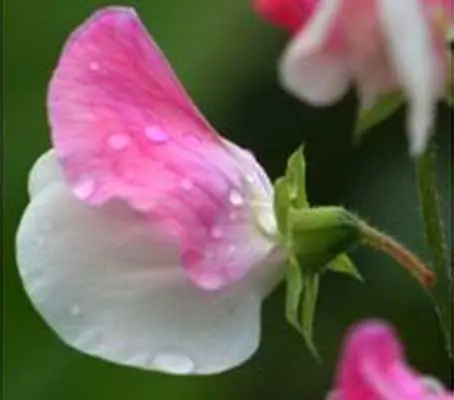
Grandflora Sweet Pea. 1730
The original ‘Painted Lady’ sweet pea arose as a sport from ‘Cupani’ in about 1730. It was the very first named sweet pea cultivar. Recently reselected, this modern form produces larger, more numerous flowers and retains the distinctive colour combination of lotus-pink and white petals with a rich, old-time sweet scent.
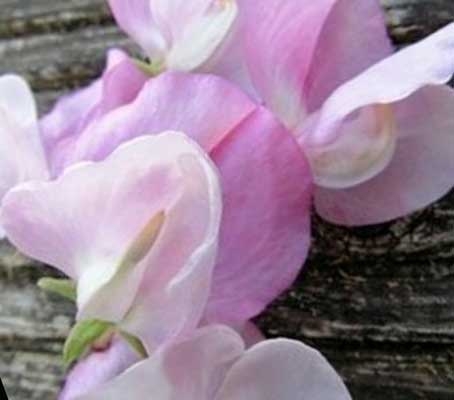
Grandflora Sweet Pea. 1896
Lathyrus odoratus ‘Prima Donna’ is a classic Grandiflora sweet pea introduced by Henry Eckford in 1896, during the golden age of sweet pea breeding. It bears rosy-pink blooms that deepen as they mature, each flower beautifully proportioned and carried two or three to a stem.
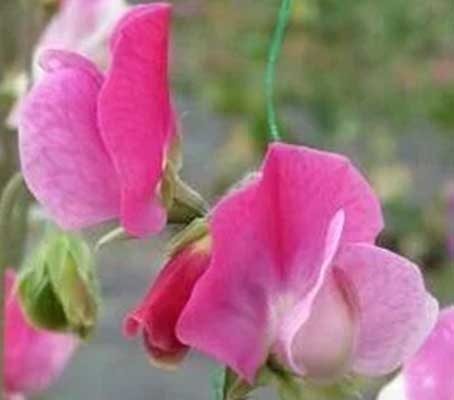
Grandflora Sweet Pea, Aka Sicilian Pink
An elegant Grandiflora sweet pea prized for its refined blooms, long graceful stems and heady perfume, Lathyrus ‘Sicilian Fuchsia’ shows a vivid cerise standard, flanked by paler pink wings, while the keel quietly remains a gentle, soft pink. The colours create a subtle, layered effect.
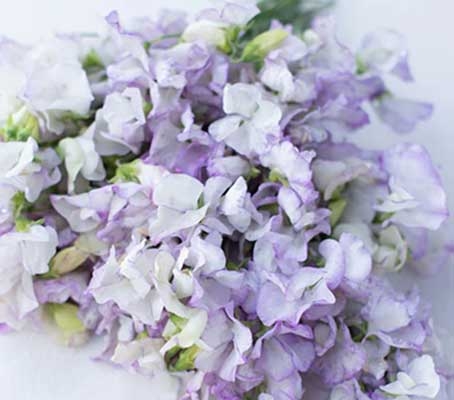
Sweet Pea
A delicate beauty that stands out among the bolder varieties, Lathyrus odoratus ‘Butterfly’ bears pale cream blooms softly flushed and veined with lilac and lavender Superb for cutting and a striking presence in the garden or the vase.
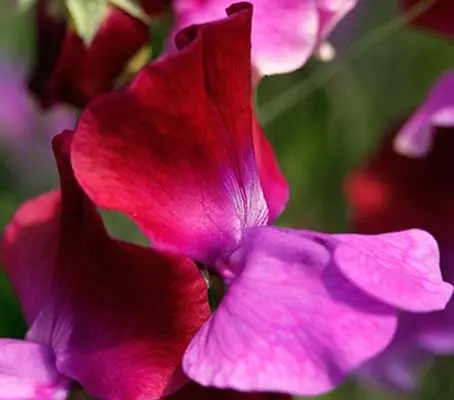
Keith Hammett introductions 2009.
Three varieties - 'North Shore', 'Cocktail' and 'Big Blue'
Dr Keith Hammett has bred many incredible new varieties of Sweet Pea. These new ‘Modern Grandiflora’s’ feature larger petal sizes and longer stem lengths. Importantly, the scent has been retained. ‘Moody Blues’ combines three of the most popular varieties. ‘North Shore’ , ‘Cocktail’, and ‘Big Blue’.
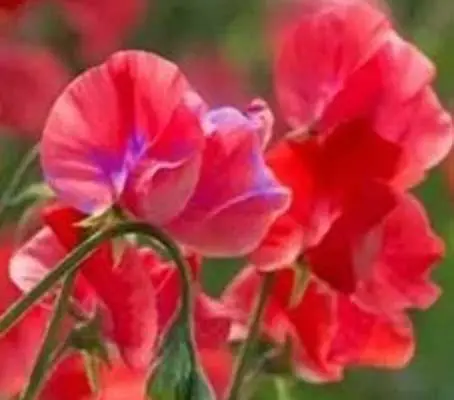
Grandflora Sweet Pea
A modern grandiflora sweet pea, Lathyrus ‘Philip Miller Fleck’ produces soft rose-red, scented blooms, delicately flecked and streaked with violet, giving each flower a painterly charm. It captures the romance of the old-fashioned sweet peas while offering the vigour and reliability of modern breeding.
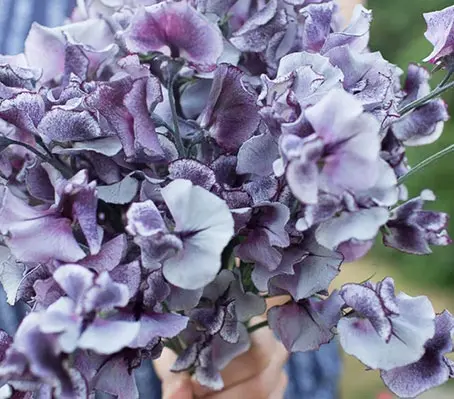
Spencer Modern Sweet Pea, 1996
Among the most sought after flowers, by florists and flower farmers alike is the dramatic Sweet Pea ‘Nimbus’. A spencer type with big, prolific flowers on long stems, Nimbus wears its stormy dark-blue-violet highlights sprayed against a cream background.
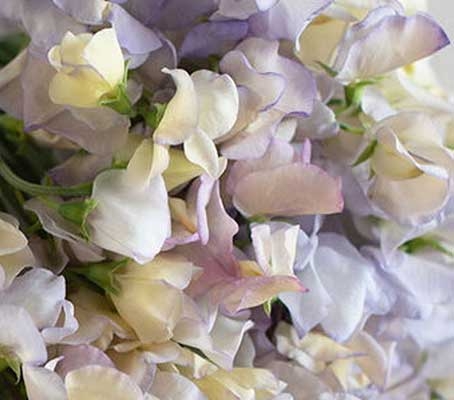
Spencer Modern Sweet Pea, 1976
Created from the resurgence of interest in breeding sweet peas for scent, Exceptionally fragrant, with a vintage look, Lathyrus ‘Old Times’ produce elegant and unusually coloured blooms on long stems. Dreamy, cream-colored blooms with lavender-blue blush and veins – this variety is a must grow.
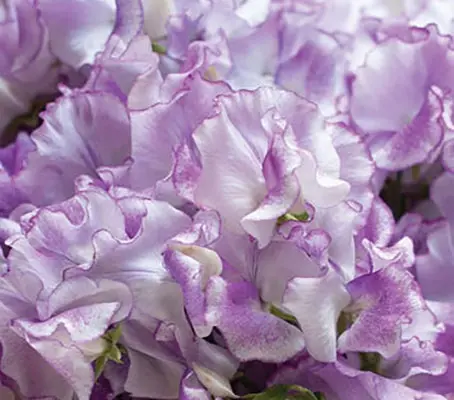
Spencer Modern Sweet Pea 1997
Providing the best of all worlds for the gardener, Spencer Modern sweet peas have exceptional scent, combined with large ruffled petals and long stems. ‘Pulsar’ produces fragrant, ruffled white flowers rippled with delicate lilac stripes and flakes.
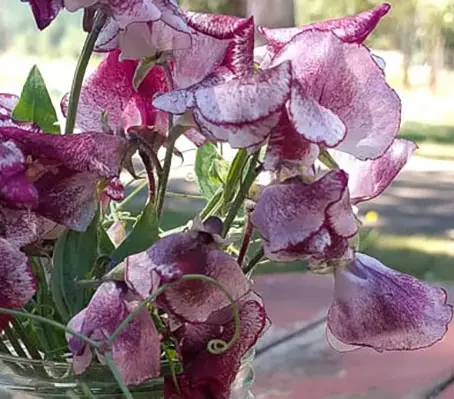
Spencer Modern Sweet Pea, 1983
Wiltshire Ripple is a unique colour combination in the fashionable ripple pattern of claret to chocolate colouring over white scented blooms. Full-size exhibition, Spencer-type, Sweet Pea. Long strong stems. Ideal for cutting, exhibition and garden decoration.
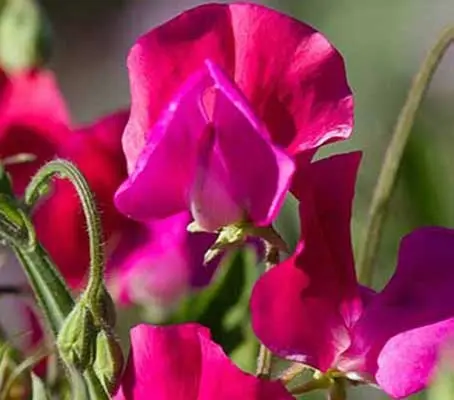
Spencer Modern Sweet Pea, 2000
Created from the resurgence of interest in breeding sweet peas for scent, Spencer Modern sweet peas provide the best of all worlds for the gardener. ‘Zorija Rose’ is a brilliantly bright variety with magenta flowers and excellent fragrance. They make exceptionally fine cut flowers.
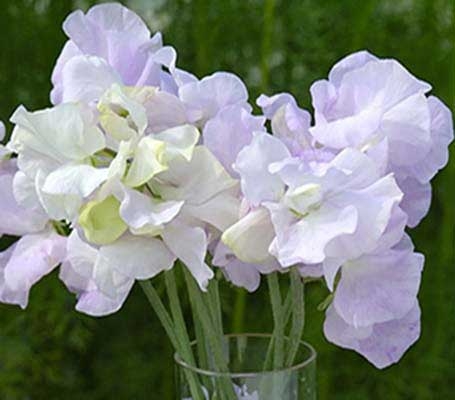
Spencer Traditional Sweet Pea, 1942
Lathyrus odoratus ‘Arthur Hellyer’, produces large undulating flowers in shades of soft lavender, white and light purple. named after the English gardener Arthur Hellyer. Highly fragrant with the classic heady and sweet pea scent, they are absolutely irresistible!
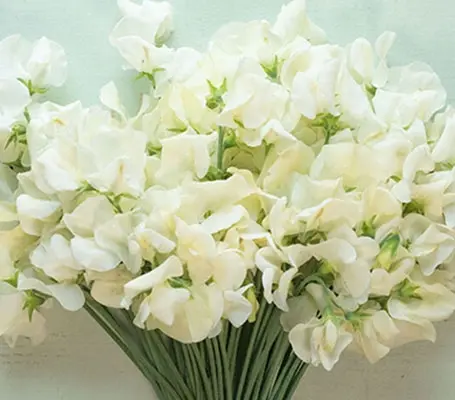
Spencer Traditional Sweet Pea, 1959
Long-stemmed creamy-white with extra-long, thick stems and a wonderful fragrance, Lathyrus ‘Ice-Cream’ is a romantic addition to the garden and perfect for wedding work. Stunningly beautiful, with the most delicious vanilla ice cream coloured large undulating petals.
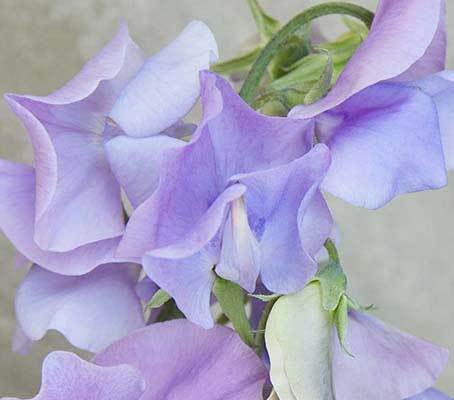
Roger Parsons, Modern Introduction, 2011
Bred by Roger Parsons, ‘Just Julia’ is a modern example of the classic Spencer Sweet Pea. Large, frilled blooms on long, strong stems and distinguished by its glowing pink petals with a lilac undertone. Highly recommended.
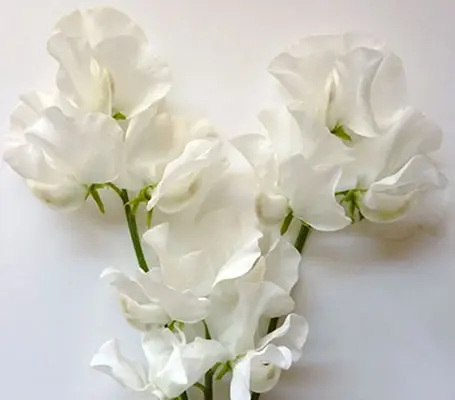
Spencer Traditional Sweet Pea, 1981
Introduced in 1981 in celebration of the wedding of Prince Charles and Lady Diana, Lathyrus ‘Royal Wedding’ produces wonderfully large, slightly ruffled flowers with four to five blooms to a stem. They are of course perfect for wedding work.
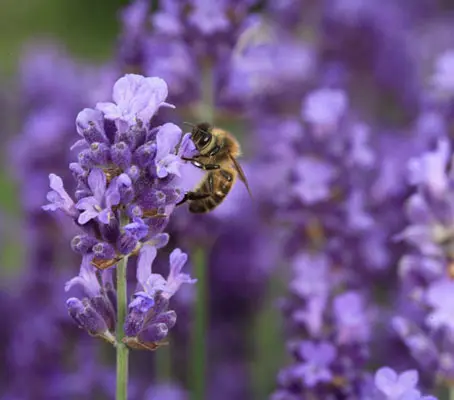
True English Lavender, Old English Lavender
 Lavandula angustifolia, also called Lavender vera is the best Lavender for medicinal and aromatherapy purposes. It is a staple plant for the herb garden, the fragrant flowers have been used in perfumes, poultices and potpourris for centuries. Organic Seed.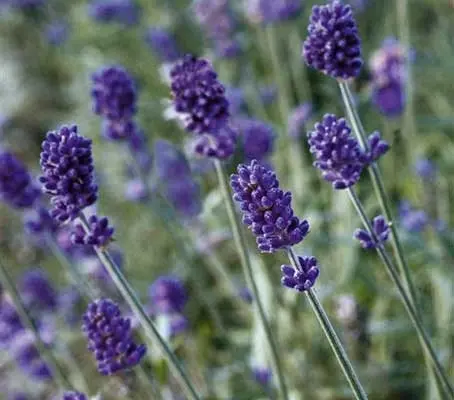
English Lavender
Fragrant, free flowering and heat and drought tolerant. Lavandula angustifolia ‘Vicenza Blue’ bloom the first year from seed. This especially fine lavender has bold clustered flower spikes of deep lavender-blue from mid July to early September.
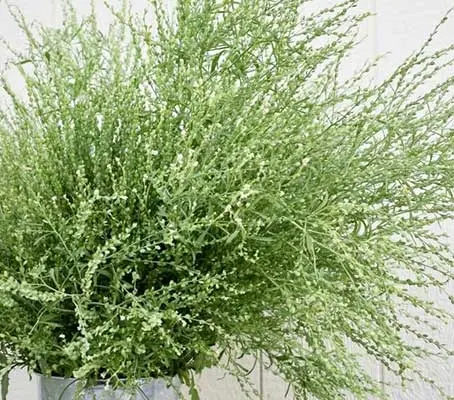
Ornamental Cress
Lepidium sativum, commonly called Persian Cress or Ornamental Cress is a trendy filler green among floral artists and they keep it in regular demand. This easy to grow filler foliage grows upright, sturdy branches decorated with tiny, silvery seed pods by the thousands.
€2.75
€2.25 – €7.95Price range: €2.25 through €7.95
€1.75 – €5.95Price range: €1.75 through €5.95
€2.75
€2.25