...

Sort by:

Sort by:

Sort by:

Sort by:
No. of Varieties: 82
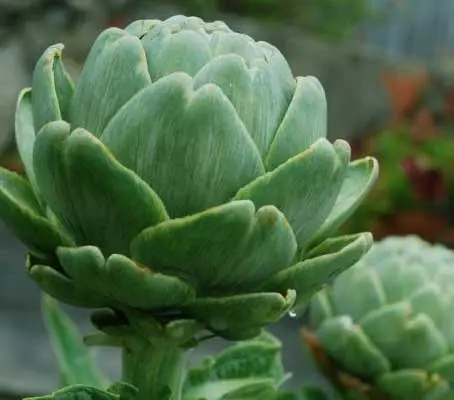
Artichoke (Heritage, pre 1600's)

Large and tasty heads of green buds have made Green Globe one of the most popular varieties of Artichoke. They are perennial plants and will produce more heads with each successive year. This old heirloom variety is a great delicacy, steam or boil and serve with melted lemon butter or hollandaise sauce.

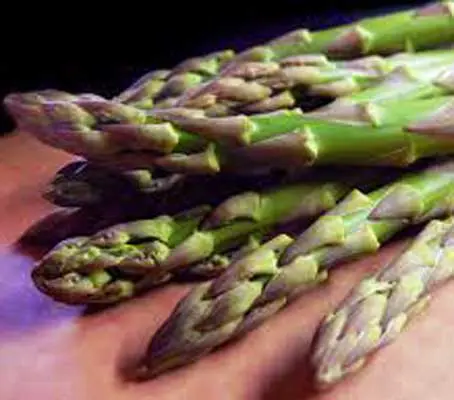
Precoce D'Argentuil,
Heritage (France 1885)

Earlier and hardier than most varieties, Asparagus ‘Precoce D’Argentuil’ is an excellent choice for the impatient gardener. Highly esteemed for its thick, rose-purple spears with tender tips and an excellent flavour. In France it is the traditional variety used to create the popular white asparagus.

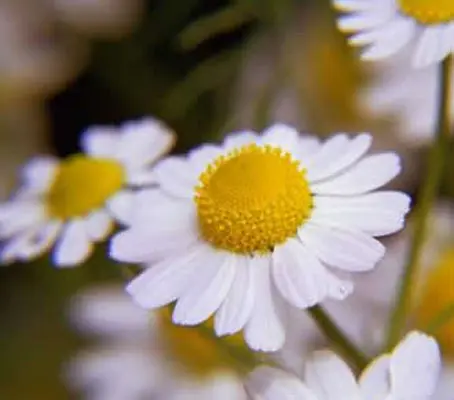
English or Lawn Chamomile
Also spelt Camomile

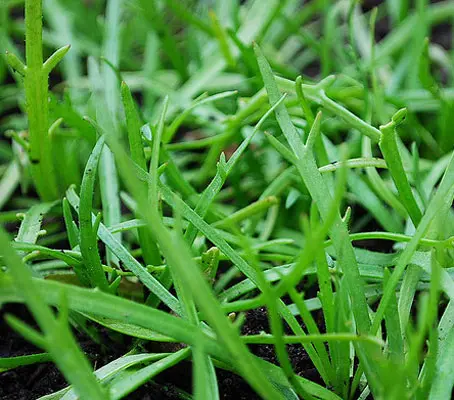
Camomile is a most useful plant. It can be used to make beautiful lawns and raised beds, an infusion of the plant is an ideal family remedy, calming and sedative, perfect for restlessness or travel sickness, while for gardeners the tea is effective as a spray to prevent ‘damping-off’ of seedlings

Price range: €2.65 through €7.95

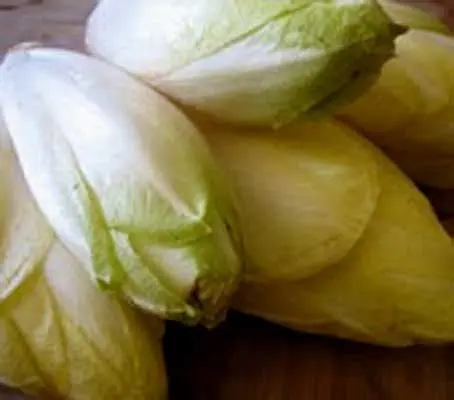
Perle du Nord.
Heritage (Belgium 18th C.)

Famous for the forced, blanched heads or ‘chichons’ that are loved by gourmets Chicory ‘Brussels Witloof’ is the traditional finely-textured variety used for forcing. With a delicious, tangy, unique flavour, it is very easy to grow and produces one of the finest tasting winter vegetables.

Chicory / Radicchio
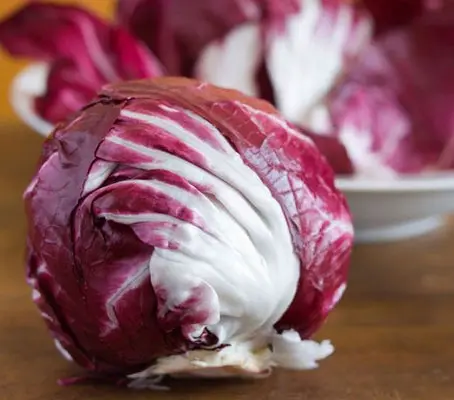
Italian Chicory, or Radicchio ‘Palla Rosso’ from Chioggia in Italy is a reliable radicchio that forms a gorgeous, firm, round, dark-red and white head which appears like a jewel when you pull aside the tattered clump of outside green leaves.
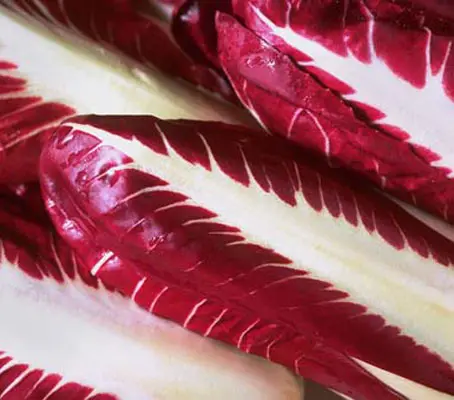
Chicory / Radicchio, Early variety.
Heritage (Italian 18th C.)

The classic tall Italian radicchio. Upright with red and white striped leaves with large pure white stems. Highly prized, this flavoursome early variety is grown in the Treviso area in winter and is eaten, root and all, simply pan fried or grilled. It has high resistance to cold.

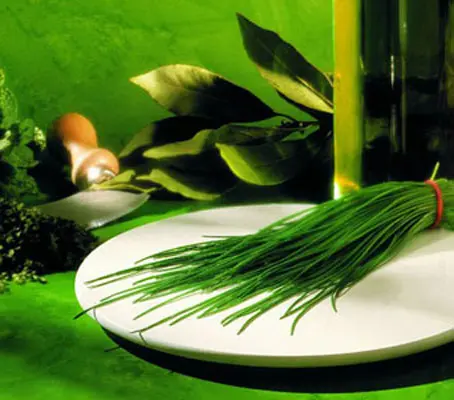
‘Fine-leaved’ chives have a delicious, mild onion flavour. They keep their slender shape and do not get course or tough with age. The narrow linear leaves are snipped and used primarily fresh, stirred into uncooked foods, such as soft cheeses or salads.

Chives

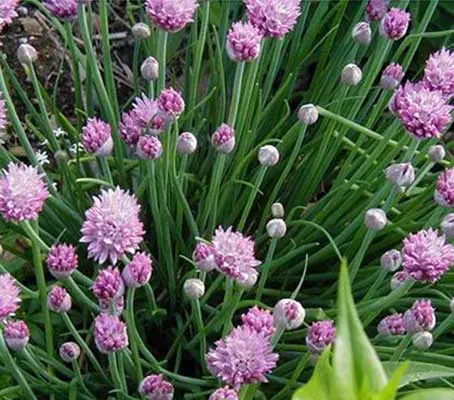
These easy to grow chives are one of the famous fines herbes of French cuisine. Easily raised from seed, they are perennial bulbs that spread to form neat tufted clumps, ideal for edging beds and paths. They are particularly attractive when in flower and are a favourite of bees and other pollinating insects.

Chives
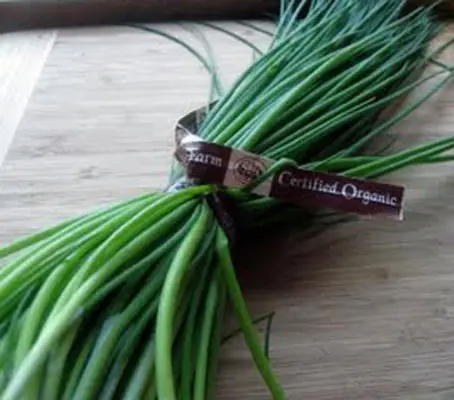
The organic version of the easy to grow chives. These are one of the famous fines herbes of French cuisine. They are a good source of vitamins A and C, and are also said to stimulate the appetite and strengthen the stomach. Organic Seed.
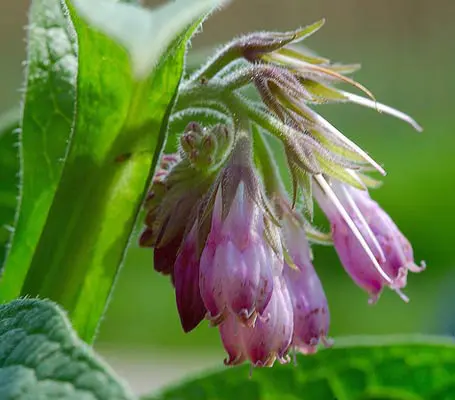
Knitbone, Bruisewort, Healing herb, Miracle herb.

To the organic gardener, Comfrey is invaluable. It’s easy to grow, easy to use and incredibly beneficial to the garden. Used to make organic liquid feed, it is especially valuable on crops that benefit from high doses of potassium. Organic Seed.
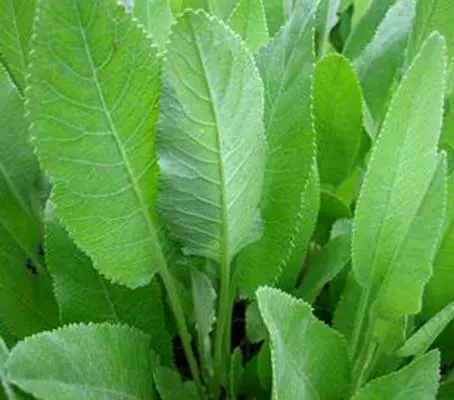
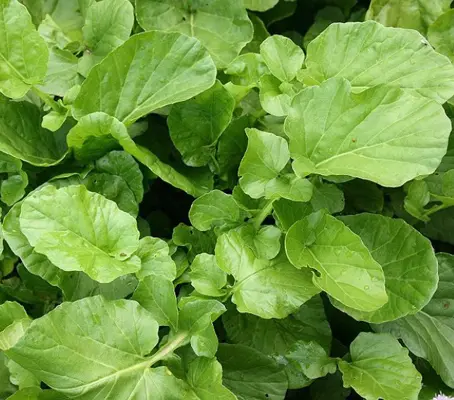
Herbe Sainte-Marie, Alecost

Costmary is one of the most interesting and complex of all herbs. With an aroma which has been described as like garden mint with hints of balsam it can be used for many purposes, culinary, medicinal or ornamental.

American Cress or Upland Cress

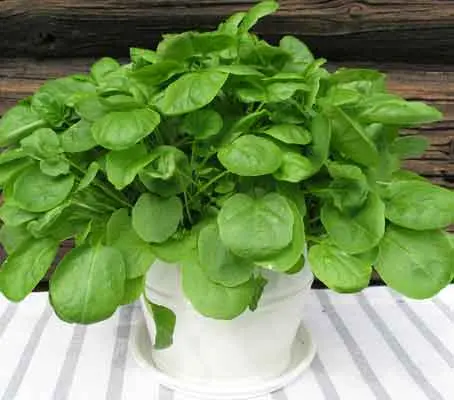
Once very popular for winter salads, Land Cress has the same pungent nip that Watercress does but can be grown directly in the garden. Leaf production is at it’s highest during the summer and autumn, but it will happily carry on growing right through the winter. It deserves to be far more widely grown.

European watercress.

Watercress has recently risen to a starring role in elaborate culinary preparations. This highly nutritious aquatic herb has a lovely mustardy bite most commonly served raw as a garnish or as part of a salad.

Cardoon
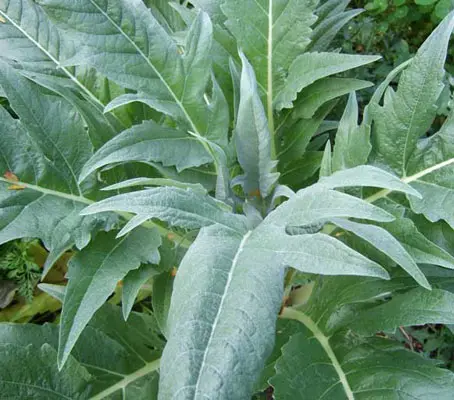
Whether you are into the culinary arts or edible landscapes, you may want to put this plant at the top of your list. Chosen by the RHS as one of the top plants of the last 200 years, Cardoons are aristocrats in both the ornamental and the vegetable world.
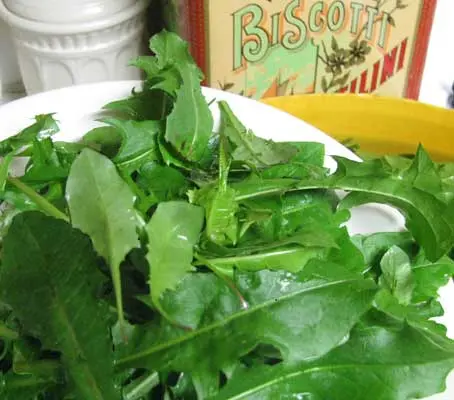
Dandelion, Clockflower, Tell-The-Time, Blowball, Puffball, Priests Crown

Dandelion is reviled by lawn manicurists yet, like Burdock, it is one of the most esteemed herbs in healing, the benefits are endless. The young raw leaves can be used in salads or cooked as a vegetable, the leaves contain more iron than spinach and are a excellent source of vitamins.

Herb Fennel, Bronze Fennel.

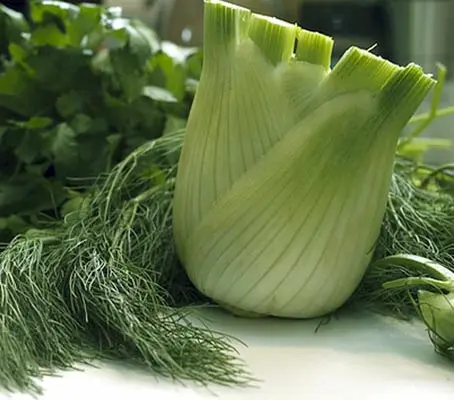
Used in many culinary dishes, the leaves and seeds of Fennel have a sweet aroma and an aniseed flavour. The fine clouds of feathery, bronze-purple leaves are wonderful in the herb garden or among tall perennials and grasses. The foliage acts as a delicate veil through which flower heads of plants can be seen.

Herb, Tea or Sweet Fennel
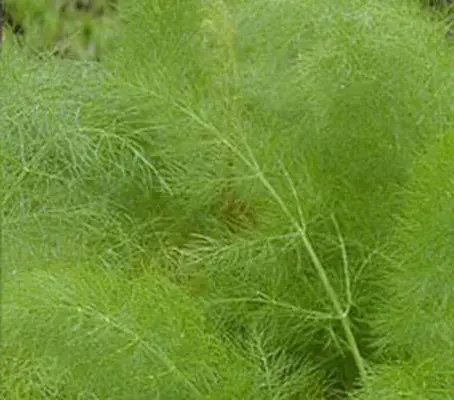
Herb Fennel has a sweet aroma and an aniseed flavour. Both leaves and seeds have a multitude of culinary uses. The magnificent clumps of airy feather foliage are useful in the border or herb garden. And as a bonus, the plants are perennial. Organic Seed.
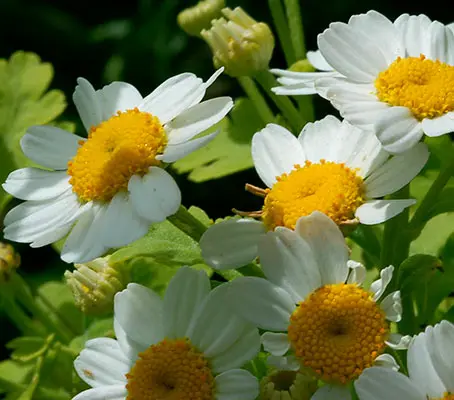
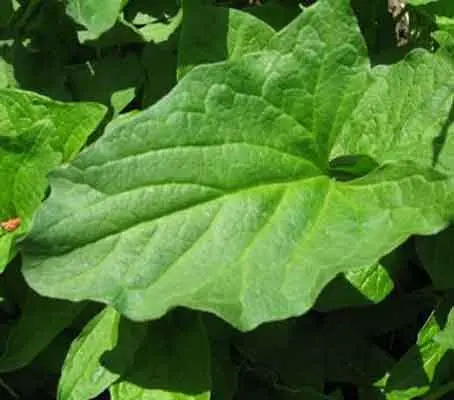
Whether your interest lies in medicinal herbs or simply its decorative qualities, growing Feverfew can be a welcome addition to any garden or allotment. Feverfew is a good companion plant and a natural insect repellent. Ideal for planting around outdoor seating areas and pathways

Chinese leek, Oriental garlic chives, Ku chai, Koo chye or Gau choy

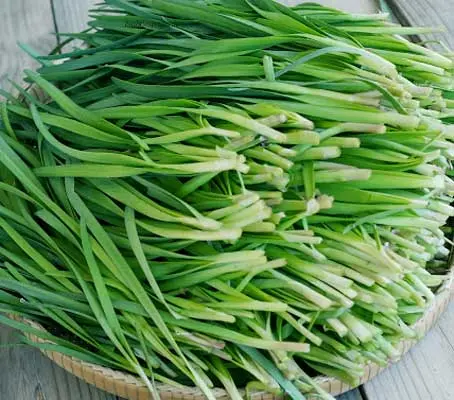
A relatively new vegetable in the English-speaking world but well-known in Asian cuisine, the flavour of garlic chives is more like garlic than chives, though much milder. Both leaves and the stalks of the flowers are used a stir fry ingredient. The flowers may also be used as a spice.

Chenopodium bonus-henricus (An Ancient Crop)
Poor-man's Asparagus, Lincolnshire Spinach.

Good King Henry was once a common sight in every garden. He may have lost his court and become something of a rarity today, but this unique herb has much to offer to the home or cottage gardener. Organic Seed.

True English Lavender, Old English Lavender

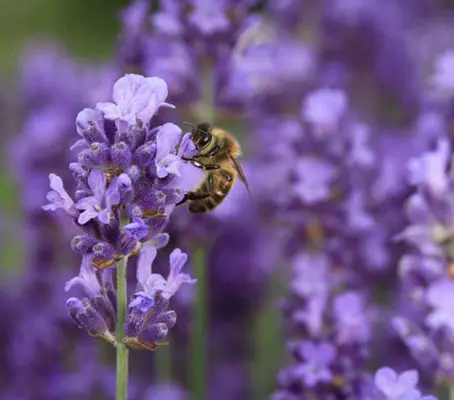
Lavendula angustifolia is an excellent plant for low informal hedging and as a specimen evergreen for borders and formal gardens. Flowering generally begins from mid to late June to early July. The flowers have a rich sweet scent and are highly attractive to bees and other beneficial insects.

Bee Balm Sweet Balm, Balm Mint, Blue Balm.

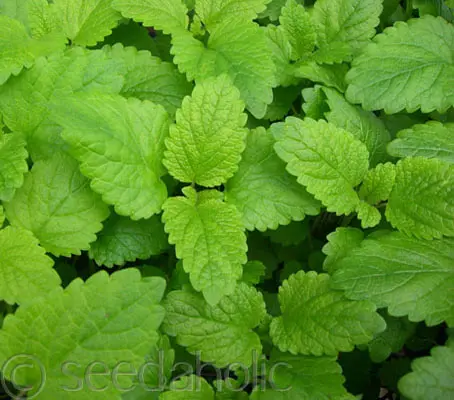
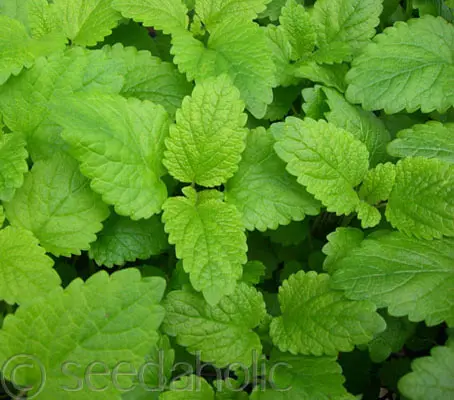
Melissa officinalis or ‘Lemon balm’ is a highly-scented herb, best known for its use in tea, but this very special herb has a number other uses. If you enjoy the liquors Benedictine and Chartreuse you may find the taste familiar as lemon balm is an ingredient in both.

Bee Balm, Sweet Balm, Balm Mint, Blue Balm.
Lemon balm is a very special herb with a number other uses. The leaves have the scent of lemon with a hint of mint. It is refreshing served in summer drinks such as Pimms or lemonade, use to flavour fruit, in sorbets and deserts or with a green salad. Organic Seed.
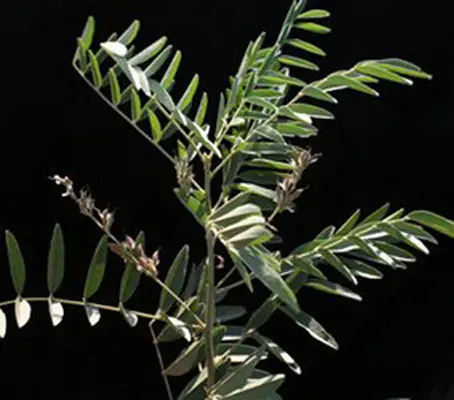
European Liquorice or Licorice (U.S.)
The liquorice plant has a very long history of use both as a medicine and as flavouring. The soft and pliable roots have an aroma strongly reminiscent of anise or fennel. The taste is dominantly sweet, warm and medical. Organic Seed.
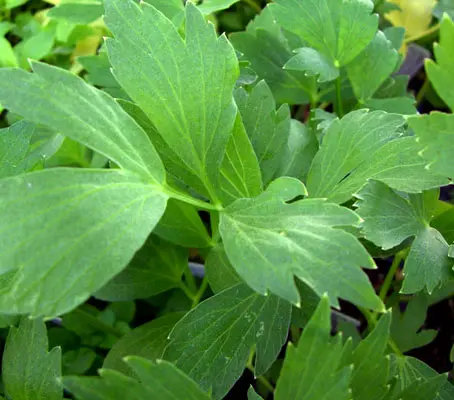
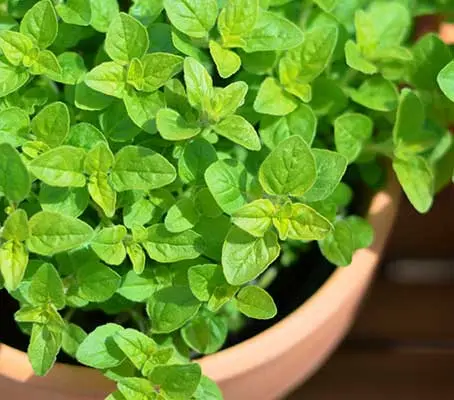
Love Parsley, Mountain Celery

If you haven’t cooked with lovage before then you have missed out on a very flavourful herb. The flavour is distinct and greatly appreciated by food aficionados. Even though some like to compare lovage to celery, it is almost like saying that an apricot tastes like a small peach.

Summer Marjoram
Sweet Marjoram is an essential culinary herb and fresh or dried, no cook should ever be without it. It is wonderfully aromatic with a mild oregano flavour with a hint of balsam. Fresh or dried, it is good with veal, beef, lamb, roast poultry and fish. Organic Seed.
Brandy or Balm mint.

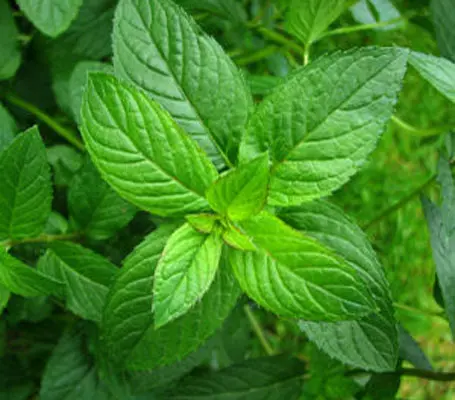
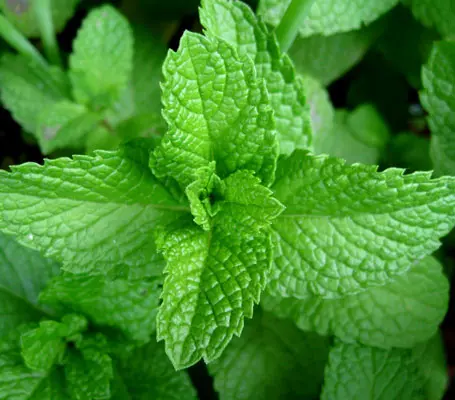
Peppermint is a perennial favorite for many people, it has high menthol content and its refreshing taste is uplifting and cleansing. Popular for infusions and a favourite among herbal tea drinkers, it is one of the easiest herbs to grow yourself. Get creative and include in Schnapps, Mint Juleps or Mojitos!

English, Common, Garden or Green Mint

Who can resist the smell of fresh mint in the garden? Mentha spicata is the best strain grown from seed. It is an exceptionally fragrant and ornamental plant in addition to having many culinary uses, it is also extremely attractive to butterflies and bees, making a wonderful addition to a wildlife garden.

Herba Stella, Bucks Horn

Minutina, also known as Erba Stella is a unique, cold weather salad green prized in Italy for its mild nutty flavour and crunchy texture. This perennial can be grown all winter in temperate climates. With a mild nutty flavour and crunchy texture it is a great addition to salad mixes or for stir-frying.

Bee Balm, Oswego Tea, Horsemint

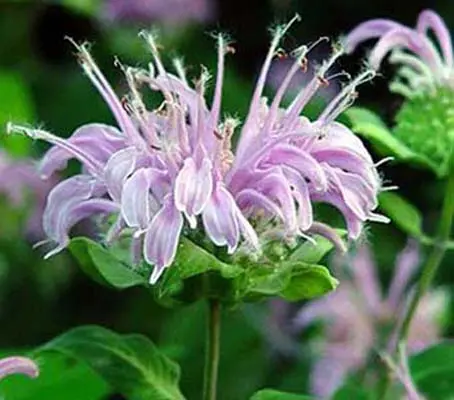
Monarda fistulosa, also known as Bergamot is famed for its medicinal qualities. While in the perennial border these lovely plants produce a mass of mauve-purple blooms (even in their first year from an early sowing) and have uniquely scented foliage. Highly attractive to bees and butterflies.

Catnip, Catmint
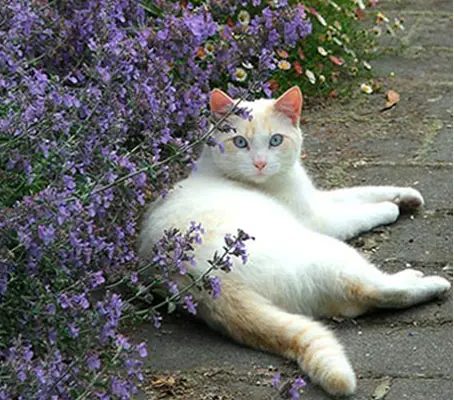
Veteran gardeners are probably already aware of nepeta’s versatility in the garden. From its popular partnering with roses to the softening effect it has on hard edges. Nepeta is an ideal perennial for new gardeners and, of course, cats adore it.
Spring onion, Negi

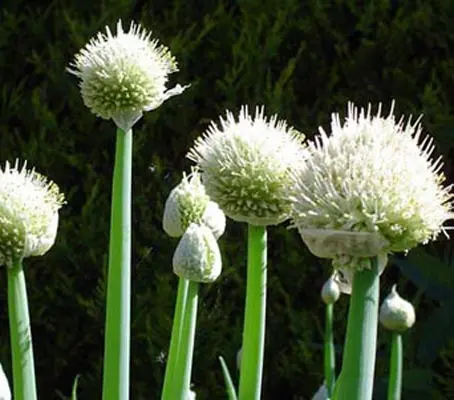
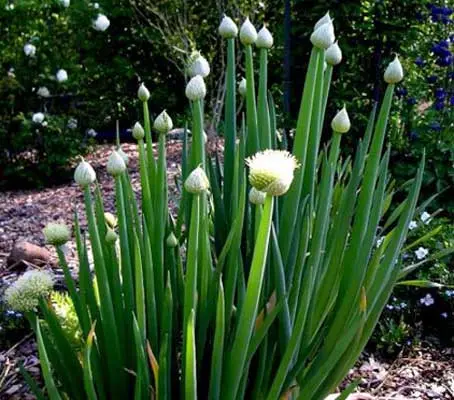
The Welsh onion has a mild, sweet flavour and although the Welsh onion is much more delicate, it is strongly reminiscent of the leek in appearance and taste and is similar to the scallion. It is distinguished from the bulb onion by its round hollow leaves and only slight bulb formation.

Spring onion, Negi
Allium fistulosum is a non-bulbing, leaf onion that produces clumps of tube-like hollow leaves with large creamy white globe shaped flowers. With a mild, sweet flavour it is an important ingredient in Asian cuisine. Organic Seed.
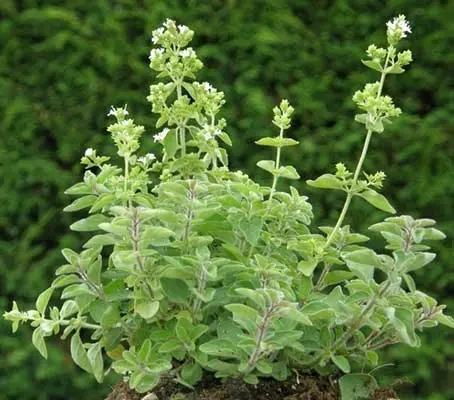
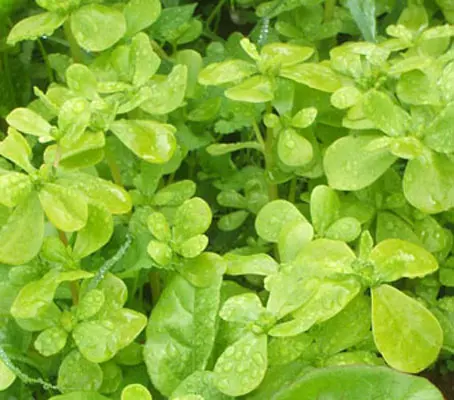
True Oregano

The difference in taste between fresh oregano and the store-bought dried variety is like night and day. Its spicy yet refreshing flavour contributes to Italian, Greek, and Spanish cuisine. Fresh oregano adds a boost of flavour that just can’t be beat. Easy to grow either in the garden or indoors.

Summer Purslane, Garden purslane.
Ancient Crop. In use since the 1600's

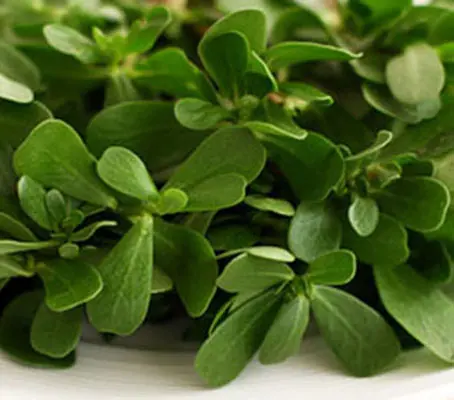
Summer Purslane was highly esteemed and cultivated in Europe as far back as the Middle Ages, but is now cultivated only for specialised connoisseurs.This wonderfully succulent and cooling herb has tangy leaves make a very nice contrast, in texture as well as taste to other salad leaves.

Summer Purslane, Garden purslane.
Ancient Crop. In use since the 1600's

This highly esteemed ancient crop can be used raw in salads, sautéed as a side dish or cooked like spinach. Summer Purslane has a crispy texture you would expect from a succulent and an interesting nutty, peppery flavour. It is salty on the tongue.

Miner's Lettuce, Indian Lettuce

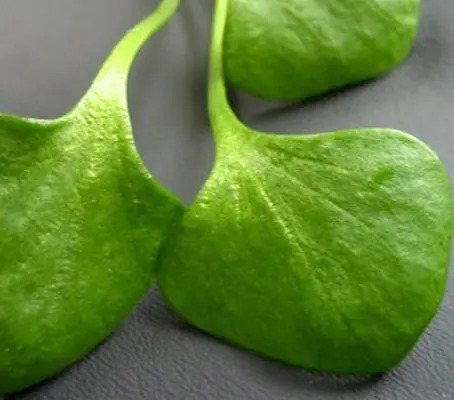
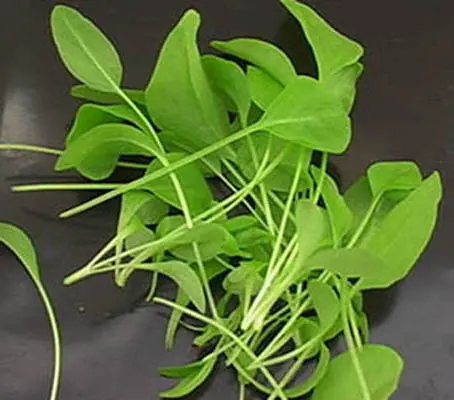
This incredibly succulent, melt-in-your-mouth raw salad green has recently gained popularity in the gourmet greens world, attracting both world class growers and chefs. Best used fresh and tiny, these elegant leaves bring a rich, tart-creaminess to delicate, micro-green salads.

Garden Rhubarb, English Rhubarb.
Heritage variety (English 1920's)

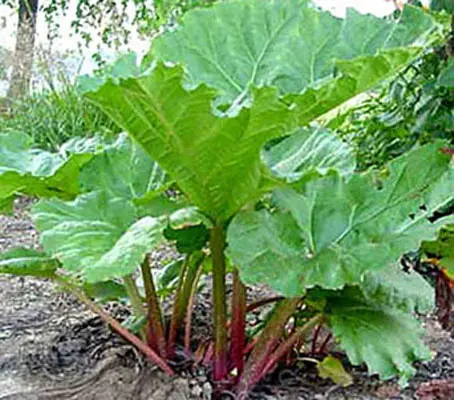
Glaskin’s Perpetual was first raised in Brighton and produces large, long stemmed, bright red stalks which are juicy and hold good flavour. Very reliable and quick to establish, it is the only rhubarb that can be harvested late in the season (hence the “Perpetual”). Excellent for tarts, pies, jam, wine, forcing etc.

English Rhubarb, Garden Rhubarb.
Heritage (English 1837) aka 'Queen Victoria'

Rhubarb Victoria was introduced by Joseph Myatt of Deptford in 1837. It is one of the easiest to raise from seed and can usually start to be harvested one year after sowing. It produces sweet, juicy, medium sized green stalks with green-red leaves. A popular forcing variety being extremely productive for years.

Arugula, Roquette, Rucola, Rugula
Ancient Crop. True Wild Variety

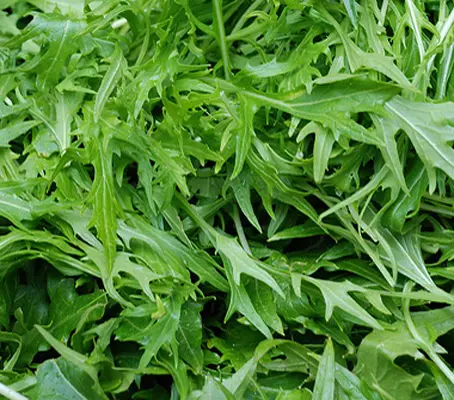
‘Wild’ or ‘Perennial’ rocket is gaining in popularity; it has narrower and more deeply divided, aromatic leaves than the annual variety. With a sharp and clean flavour they hardly need a dressing. For restaurant quality micro-greens or pesto, use wild rocket when only the finest ingredients will do!

Arugula, Roquette, Rucola, Rugula

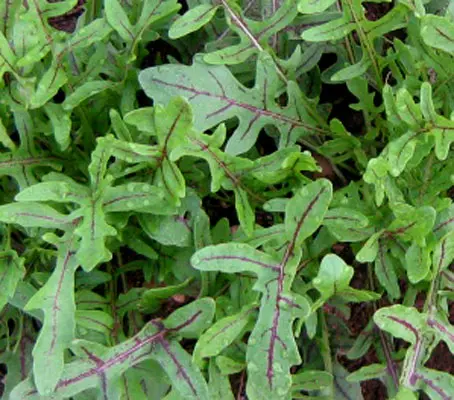
Rocket ‘Dragons Tongue’ is a distinctive wild rocket variety with striking purple-red leaf veins which contrast beautifully with the dark green leaf. It is the essence of a lightly flavoured rocket – honeyed, grassy and only lightly peppery. It is something a bit little bit different for the salad bowl.

Herb Rosemary
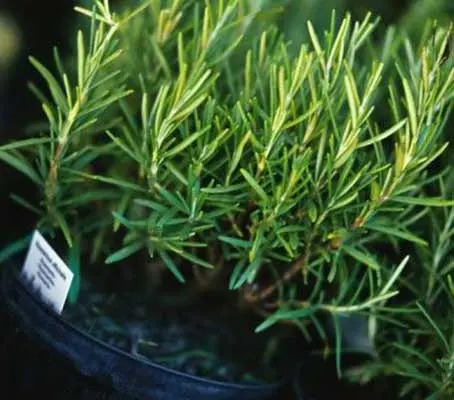
Rosemary leaves are like soft pine needles, finely chopped they can be used to flavour a variety of dishes, especially stuffing. Many cooks simply cut sprigs of rosemary and place with roasted meats, especially lamb and pork with great results. Organic Seed.
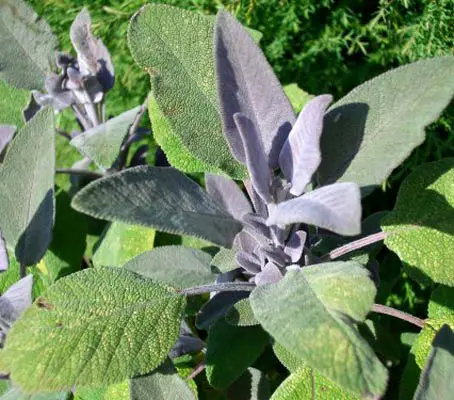
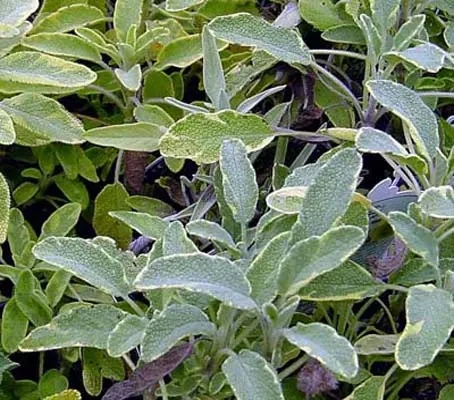
Common, Kitchen, Garden Sage

Salvia officianalis, as the Latin name implies, is the original aromatic foliage used for centuries to flavour stuffing, meats and even make sage tea. Good with cheese and is often combined with thyme and used with beans and in soups, of course, nothing says stuffing like good old Garden Sage.

Common, Kitchen, Garden Sage
Salvia officianalis, as the Latin name implies, is the original aromatic foliage used for centuries to flavour stuffing, meats and even make sage tea. of course, nothing says stuffing like good old Garden Sage. Organic Seed.
Mountain Savory, Garden Savory

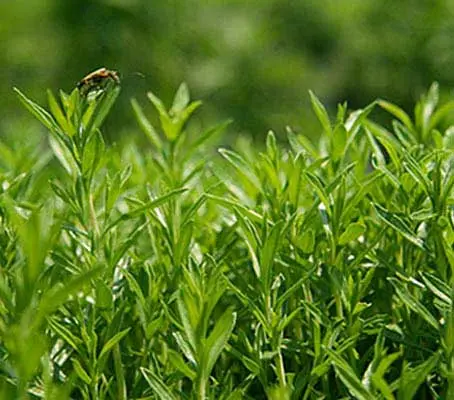
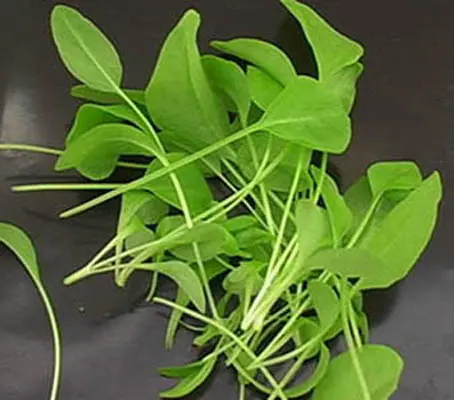
Winter savory, the perennial savory has the same properties as its summer relative Summer savory, although it has a heavier aroma and a sharper pine type flavour. The small perennial shrubs are semi-evergreen, retaining their leaves in all but the coldest gardens and remain useful all year round.

French Sorrel
Heritage (French 1730's)

Sorrel De Belleville is a small French cultivar. It is hardy and well-proven to be productive under almost any conditions with an excellent lemon flavour. One of the earliest green crops and embarrassingly easy to grow, it needs no attention other than when you want to eat it.

French Sorrel
Heritage (French 1730's)
Sorrel De Belleville is a small French cultivar. It is hardy and well-proven to be productive under almost any conditions with an excellent lemon flavour. One of the earliest green crops and embarrassingly easy to grow, it needs no attention other than when you want to eat it. Organic Seed.
True French Sorrel
Ancient Crop

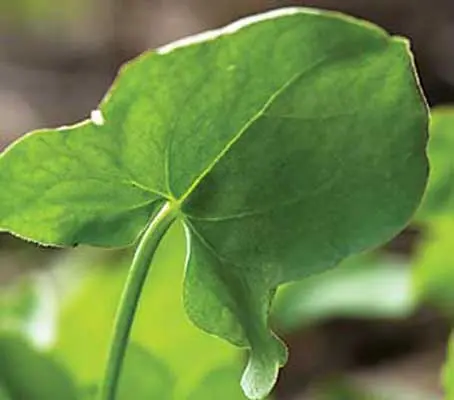
Buckler leaf sorrel is a superb salad crop, with all the best qualities of common sorrel it has the same vibrant, lemony taste but is less sour with a softer texture. Its distinct leaves are shaped like a shield.

Wild Strawberry, European Woodland Strawberry

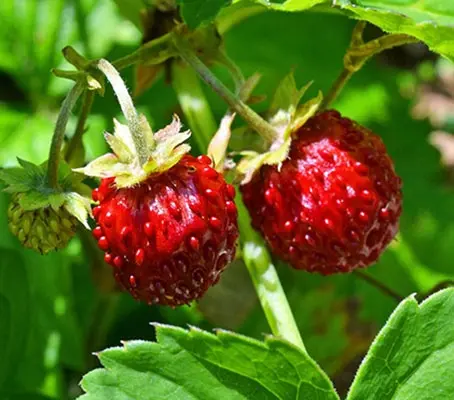
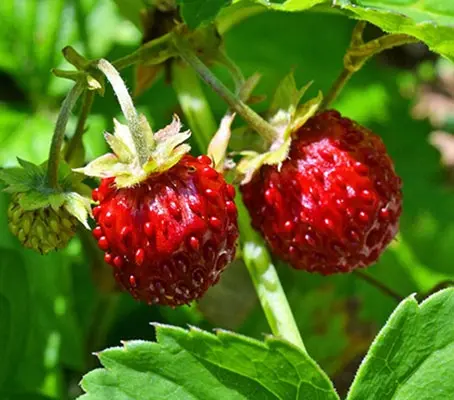
The European woodland strawberry is the old fashioned wild strawberry that was once widely grown in gardens, prior to the introduction of commercial strawberry cultivars. Vigorous compact plants produce few runners and give a good yield of small, intensely sweet little berries.

Wild Strawberry, European Woodland Strawberry
The woodland strawberry is the old fashioned wild strawberry, once widely grown in gardens prior to the introduction of commercial strawberry cultivars. Vigorous compact plants produce few runners and give a good yield of small, intensely sweet little berries. Organic Seed.
Garden Myrh, Anise

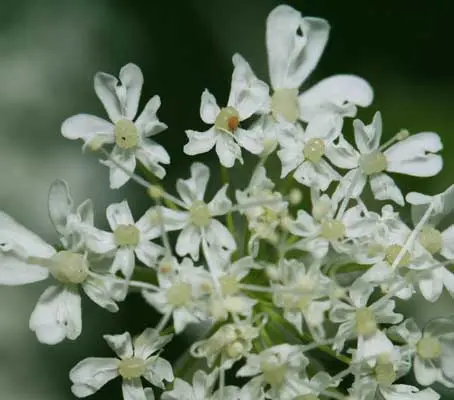
Sweet Cicely is an attractive plant that is a striking component of herb gardens and hedgerows. Growing to around 90cm, umbels of tiny white flowers appear from spring to early summer. Formerly a widely cultivated culinary herb, the fern-like leaves are deeply divided and smell of aniseed when crushed.

English Winter Thyme, Garden Thyme

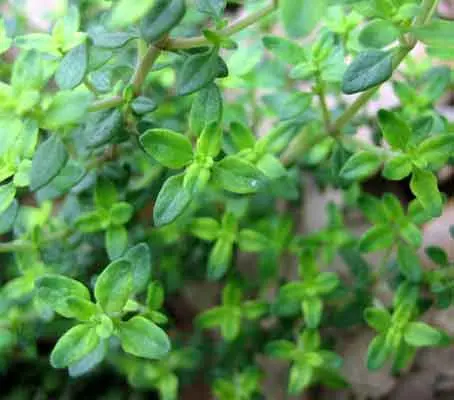
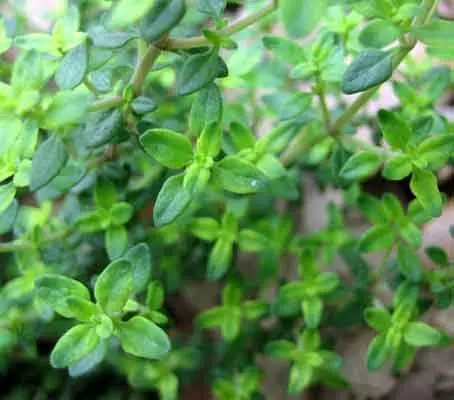
Thymus vulgaris ‘Winter Thyme’ is one of the savory herbs, which are main course herbs used to flavour hardy meals, bone warming soups, and piquant sauces. They blend their essence with other savory herbs like Tarragon and Savory to create some memorable flavours.

Thyme de Provence

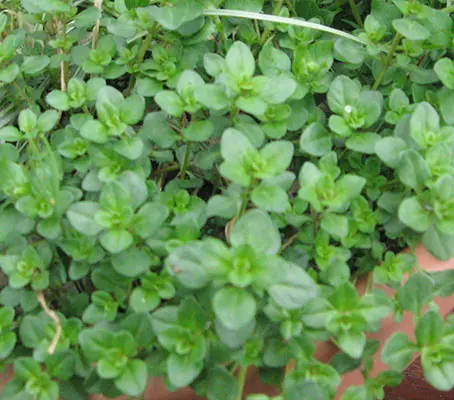
Aromatic French Summer Thyme has more narrow, pointed leaves with a bit of a grey tint. The famed culinary thyme from France, it is higher in essential oil content than other varieties and reputedly the most flavoursome Thyme you can grow with a stronger and sweeter taste.

English Winter Thyme, Garden Thyme
Thyme leaves may be small, but they pack a powerful punch. Thymus vulgaris ‘Winter Thyme’ retains its flavour well in long slow cooking. It is one of the savory herbs, which are main course herbs used to flavour hardy meals, bone warming soups, and piquant sauces. Organic Seed.
Mastic Thyme, White Thyme

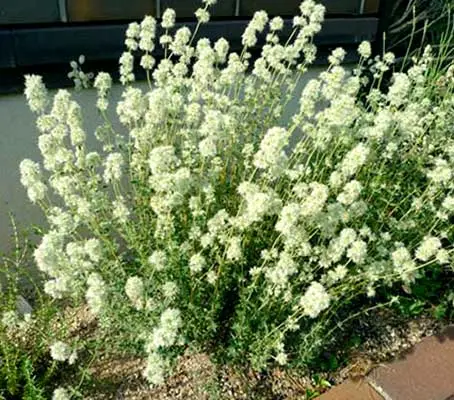
Thymus mastichina is a very special thyme with an intense flavour. Used in Andalucía to season and preserve olives, the leaves have eucalyptus like overtones and are prized for their essential oils. Distinct and intoxicating, the flowers are like fluffy snowballs and are attractive both fresh and dry.

Mother of thyme, Large thyme

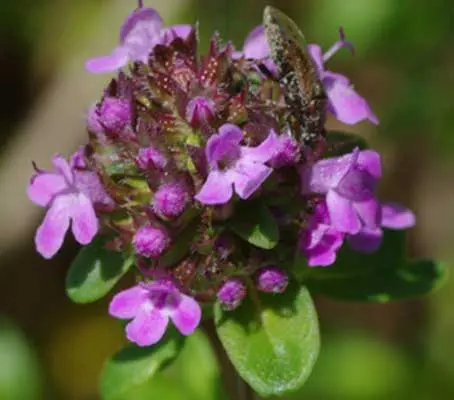
Regarded by many as the ultimate culinary thyme. The aromatic leaves of Broad Leaf Thyme have a stronger flavour and are much easier to use than narrow leaved varieties. Very ornamental, it can be also be useful as a groundcover.

Price range: €2.65 through €7.95