Sort by:

Sort by:

Sort by:

Sort by:
No. of Varieties: 387
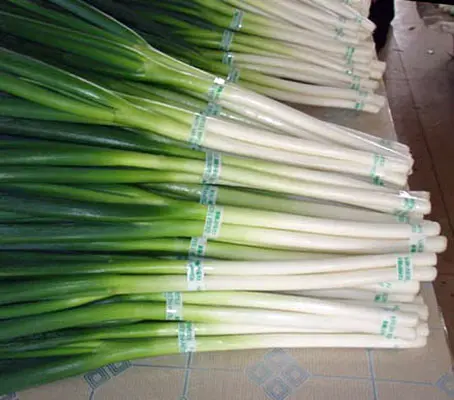
Japanese Bunching Onion, Naga Negi
Bunching onion “Ishikura” is a outstanding variety of that does not bulb but forms long white stalks. It is a perennial variety that is cold hardy, very adaptable to various climates and resistant to pink root and botrytis leaf blight. It is suitable for later crops and for overwintering.
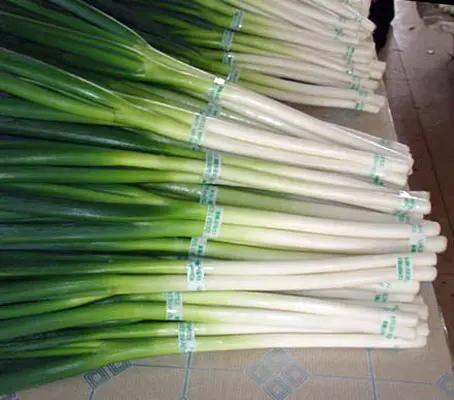
Japanese Bunching Onion, Naga Negi
Bunching onion ‘Ishikura’ is a outstanding variety of that does not bulb but forms long white stalks. It is a perennial variety that is cold hardy, very adaptable to various climates and resistant to pink root and botrytis leaf blight. It is suitable for later crops and for overwintering.
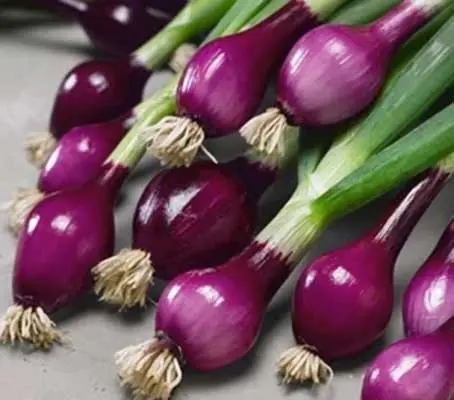
Dual Purpose - Spring Onion that matures to a Bulbing Onion

Onion ‘Lilia’ produce a beautiful shiny intense red, inner core with dark green leaves. Despite their gorgeous appearance this variety has a delicately mild flavour and has the benefit of being able to be grown either as a salad onion or main crop.

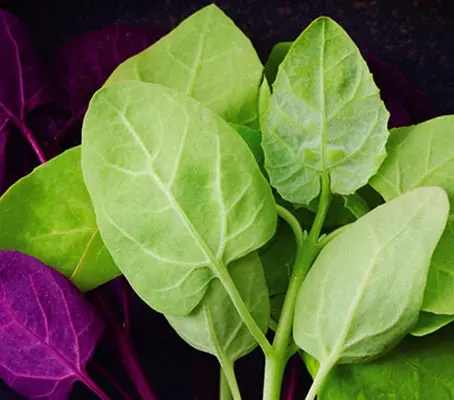
Mountain Spinach
Orach is a heat and cold tolerant green for all seasons, supplying large quantities of mild heart-shaped leaves with a pleasant flavour and texture. It grows quickly early in the year and has a nice citrus touch, great for salads and are a great alternative to spinach. Organic Seed.
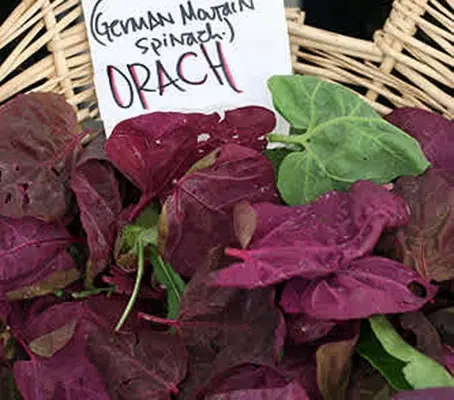
Mountain Spinach
Orach is a heat and cold tolerant green for all seasons. With red-purple leaves that look great in the garden and on the table. Whether using individual leaves in salad mix, cooked like spinach or as a micro-green, the colour is always spectacular. Organic Seed.
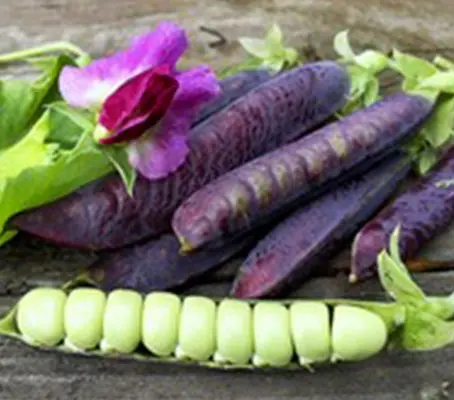
Ezetha's Krombeks Purple Podded Pea
Capucijners. Heritage (Europe 15th C)

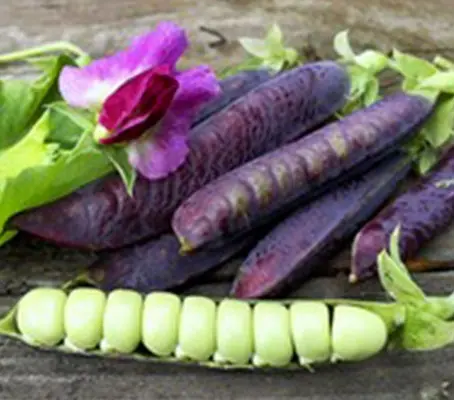
‘Blauwschokker’ produces an abundance of red and violet flowers, followed by gorgeous deep purple pods. Dual purpose, delicious when harvested young as mangetout or can be left to mature to shell the bright green peas.

Ezetha's Krombeks Purple Podded Pea
Capucijners. Heritage (Europe 15th C)

‘Blauwschokker’ produces an abundance of red and violet flowers, followed by gorgeous deep purple pods. Dual purpose, delicious when harvested young as mangetout or can be left to mature to shell the bright green peas. Organic Seeds.

First early, Low-growing variety

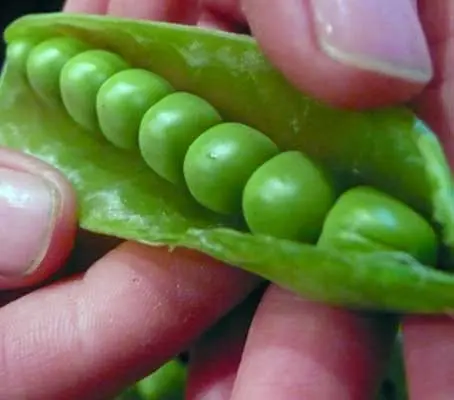
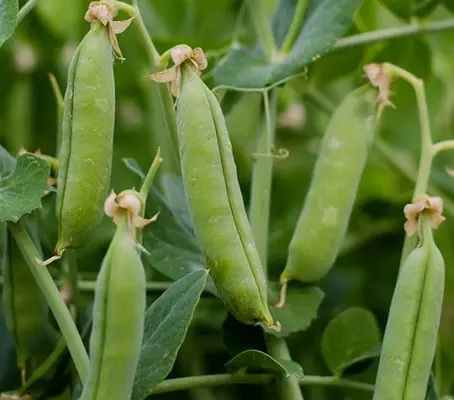
Pea ‘Buddy’ is a popular variety producing excellent yields that mature early in the season. A neat and compact variety that can be grown with minimal supports, the pods are borne in profusion with each straight pod containing 6 to 8 tasty peas. Organic Seeds.

First early, Low-growing variety

Strictly speaking Pea ‘Douce Provence’ is a round seeded first early variety. Normally sown from March to early June. Reliable, extremely versatile and hardy, it can also be grown as an over-winter pea, sown in mid October to November it will produce one of the earliest harvests. Organic Seeds.

Very early, Low-growing Shelling pea

Pea ‘Sienna’ is a superstar variety – an excellent hardy, early variety that is well adapted to cool soils and early spring weather, and produces a very fast crop. Very easy shelling, with excellent sweet flavour – open the medium sized, blunt pods and enjoy the first, sweet, plump, green peas of the season!

Snow pea, Chinese Snow Pea.
Low-growing variety
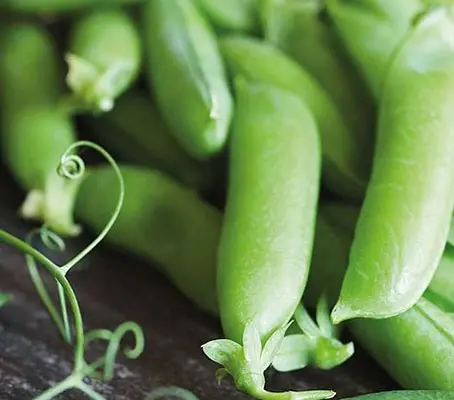
Pea ‘Norli’ is a true French mange tout type pea that produces small, dark green flat pods with good sweet flavour. The pods are entirely stringless and are very heavily produced, perfect for steaming, stir frying, or raw in salads, you will find this little pea absolutely mouth-watering. RHS AGM.
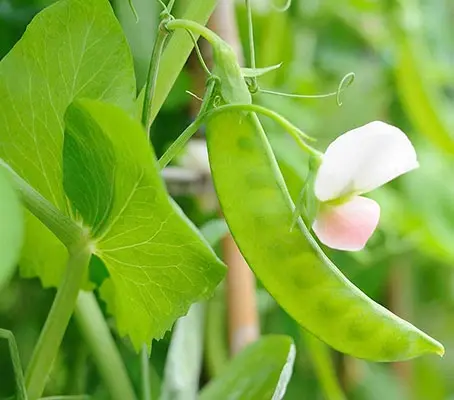
Snow pea, Chinese Snow Pea.
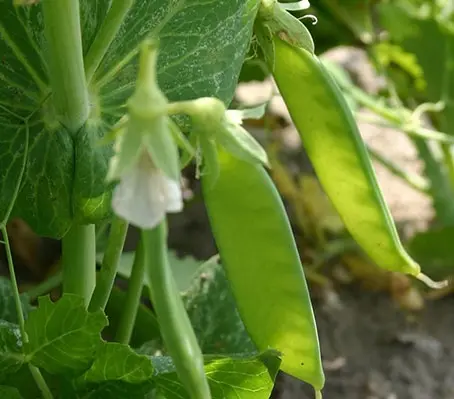
Mangetout Pea ‘Snowflake’ is a medium-strong growing early variety that produces pure white flowers and beautiful wide pods. They can be eaten as a mangetout while the pods are flat, or they can be left to mature and shelled for use as a garden type pea. Organic Seeds.
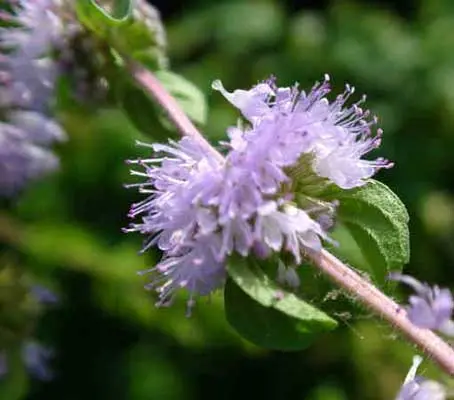
Pudding Grass, Pulegium
Wildflower of Britain and Ireland, Ancient Crop

Pennyroyal is a cottage garden plant of old. This highly aromatic herb has a strong peppermint scent to its dark green leaves, even more so than other mints.With attractive whorls of lilac-blue flowers, it can be used to carpet a shady corner or make a ‘lawn’ smelling deliciously of peppermint.

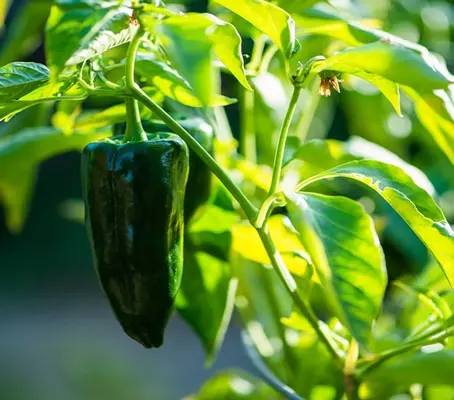
Mild: 600 to 1,500 SHU.

Arguably the most under-rated pepper in the pepper family, Poblanos are one of the most popular peppers grown in Mexico. With a mild chili taste, they are perfect for adding just a touch of zing to spaghetti sauces, sandwiches, steaks and they are excellent stuffed. Very easy to grow and even easier to harvest.

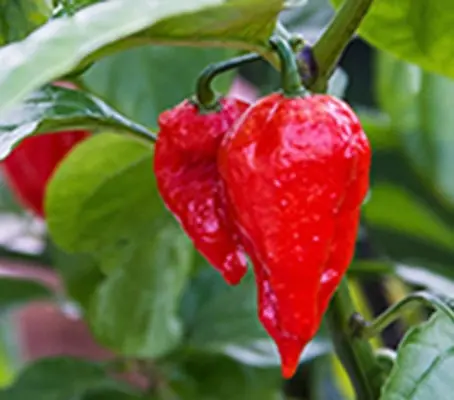
Volcanic - more than 1,000,000 - one million SHUs!

Bhut Jolokia, the Ghost Pepper was officially the worlds hottest Chilli in the Guinness Book of Records in 2007 until 2011. At over 1 millium SHU’s it is still one of the hottest pepper in the world. Each chilli ripens from lime green to orange to red. The flavour tends to have a smoky, earthy taste with a somewhat fruity aftertaste.

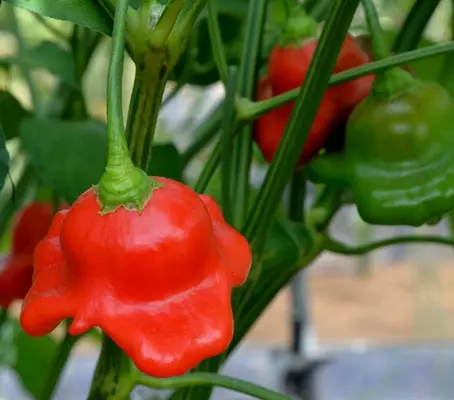
Mild & Fruity, 14,000 SHU

This rare little beauty produces bright red peppers that have a crisp texture, a sweet pleasant flavour with only a mild pungency. Named for its distinct three-sided shape, ‘Bishops Crown’ is great to eat raw as an edible decoration, add to salads or garnish. Genuinely useful in the kitchen rather than just a novelty.

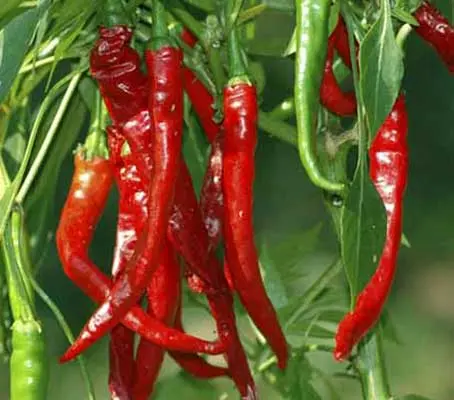
Medium Hot: 30,000 to 50,000 SHU.

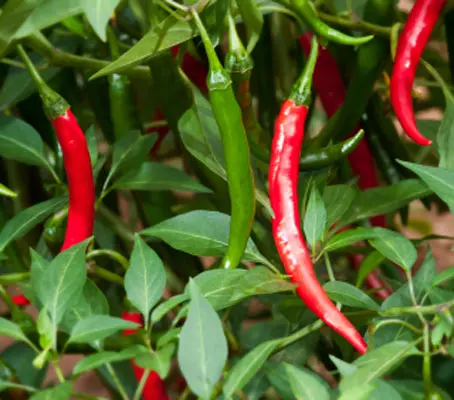
Long Slim Red Cayenne is one of the best known hot chili peppers, it is a good long hot chilli that always performs well. The scarlet red peppers are perfect for adding a kick to a Bloody Mary or to vodka.

Hot: 30,000 to 50,000 SHU
No matter how many rare and unique hot peppers you add to your collection, some of the basics are still the best and the Cayenne pepper still rocks! The flavour and thin skin make it the absolutely the best pepper for drying. Organic Seed.
Medium Hot: 30,000 to 40,000 SHU.
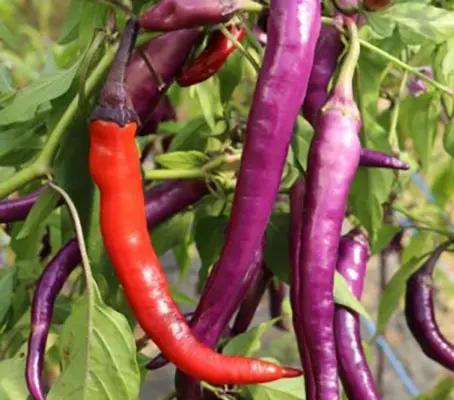
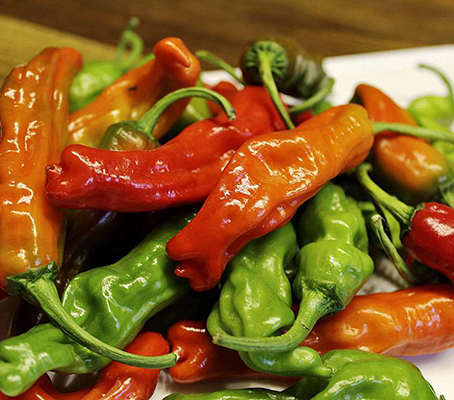
An impressive and rare variety from Austria, chilli ‘Diavoletto’, meaning ‘little devil’, produces fruits are not only visually attractive, but also beautifully spicy. Elongated, fleshy chili fruits ranging in colour from purple to golden brown and finally to deep orange red. Organic Seed.
Very Hot - 200,000 to 300,000 SHU.
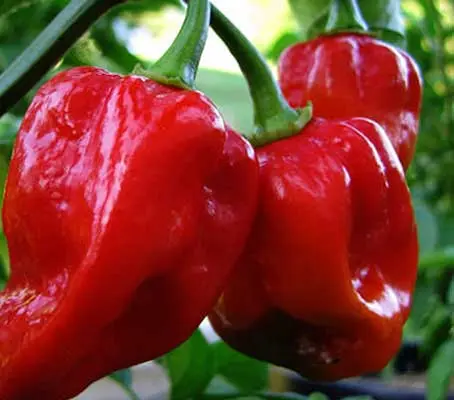
Red Habanero chillies are one happy looking bunch with colourful skins that ripen to red as they mature. They are small, cute, shinny and have waxy skin. But as much as their looks are inviting, they are among the hottest chilli peppers commonly grown in the world.
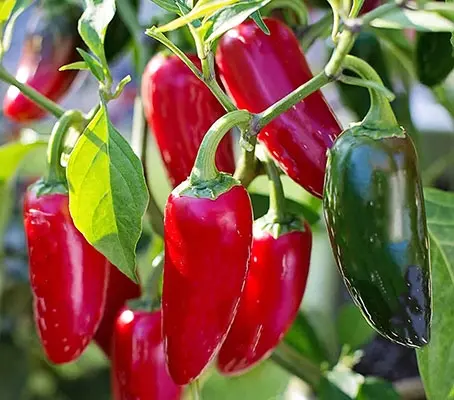
Mild, 2,500 to 5,000 SHU.
Jalapeño ‘Ruben’ is a reliable, mid-heat chili variety. An interesting variant of the classic Jalapeno with slightly longer, thick-fleshed tapered fruits that ripen from dark green to red. Fruity with a pleasant sharpness they are mild enough to use as a vegetable and well adapted for short-season growing. 75 days to harvest. Organic Seed.
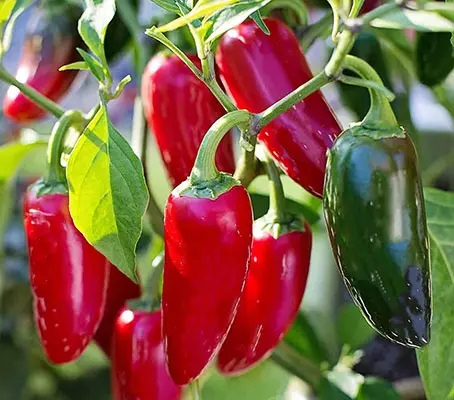
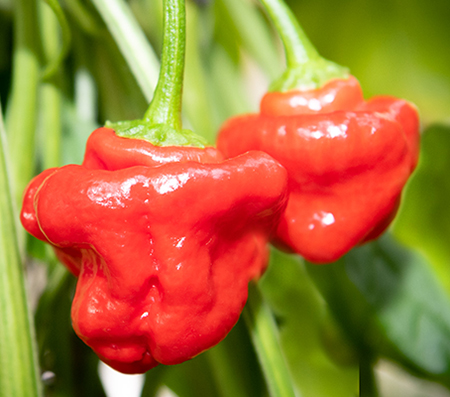
Mild, 2,500 to 5,000 SHU.

Jalapeño peppers are among the most popular and commonly available hot chilli pepper seeds in the world. They are very versatile: hot enough for a good kick, but still mild enough to use as a vegetable. The smooth, dark green fruits which ripen to red have thick walls with a rounded tip.

Hot - 100,000 to 200,000 SHU.

Thepepper ‘Jamaican Hot Red’ aren’t the hottest chillies in the world, but clocking up to 100,000 to 200,000 SHU’s these are probably as hot as one really needs to go. Behind the heat will be found a gorgeous fruity, citrusy flavour. Use in salsas, chutneys soups and sauces, they mix especially well in salsas with fruit.

Fairly Hot: to 20,000 SHU.

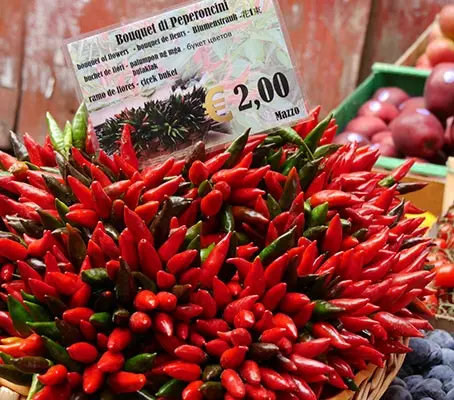
Pepper ‘Picante a Mazzetti’ produces attractive cone shaped, chillies which grow vertically with many fruits per bunch. They mature to a festive, deep scarlet red, and have a multitude of ornamental uses. Sown May to June they will produce fruits in perfect time for Christmas.

Mild 500 to 2,500 SHU.
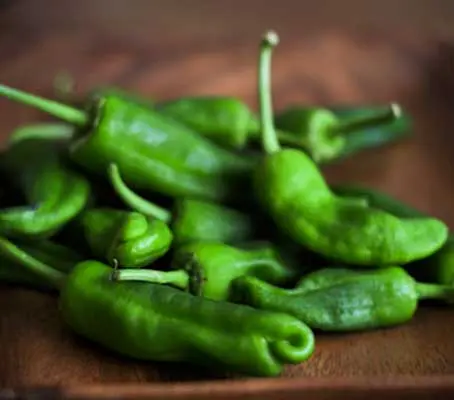
Pimientos de Padrón are amazingly tasty, tiny fresh peppers. The Spanish delicacy often served in Tapas bars, chances are if you have been to Spain you have gobbled up small plates of these in one sitting. Padrón peppers can be harvested as early as mid-May when small and sweet. Organic Seed.
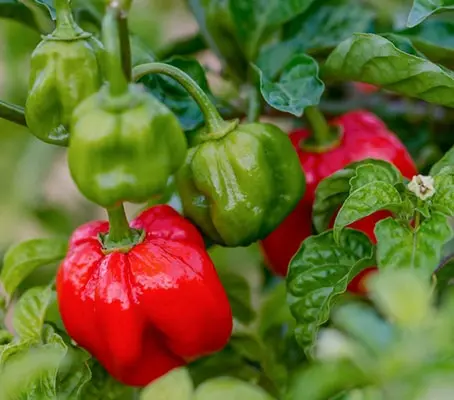
Very Hot: 100,000 to 350,000 SHU. Heritage

The ‘Scotch Bonnet’ was the first Caribbean Hot Pepper to be known by a specific name in the export market. Most commonly found in hot Caribbean dishes, use sparingly, fresh or dried to recipes. Also great for pickling, garnishes, sauces and jerk rubs, it develops a rich, multi-sided, tropical-fruity flavour.

Hot: 10,000 to 23,000 SHU.

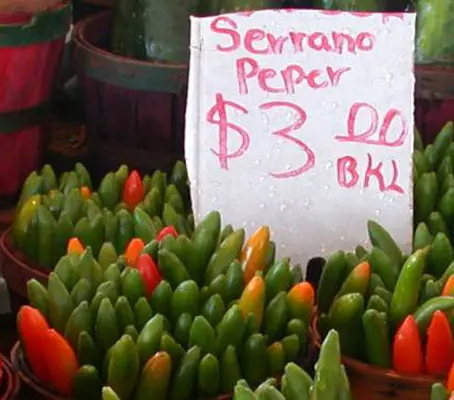
Serrano peppers are fleshy and meaty with the unique flavour so popular in Mexican cuisine. The abundant candle-flame shaped fruit are green, then red at full maturity and are borne on attractive erect, branching plants. They red chilies are often be threaded on string and dried as a colourful ornament.

Very Mild 50 to 250 SHU.

Pimientos de Padrón are amazingly tasty, tiny fresh peppers. The Spanish delicacy often served in Tapas bars, chances are if you have been to Spain you have gobbled up small plates of these in one sitting. Padrón peppers can be harvested as early as mid-May when small and sweet.

Bell Pepper
Heritage (USA, Introduced 1928)

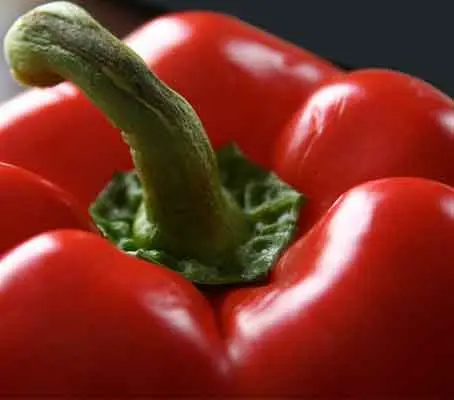
Californian Wonder is the widely adapted standard variety, a favorite with gardeners and for commercial production. It consistently produces large yields of blocky, four-lobed thick-walled fruit that is mild and sweet, tender and flavourful. Perfect for salads, to stir-fries, grilling or stuffing.

‘Horn of the Bull’. Heritage (Italian)
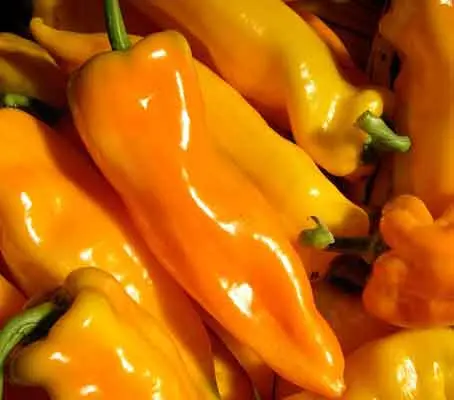
Corno di Toro Giallo peppers have thin skin and thick walls and ripen to a golden-yellow. With a sweet, crisp, full-bodied flavour they are so popular that they have spawned an almost fanatical following.
‘Horn of the Bull’. Heritage (Italian)
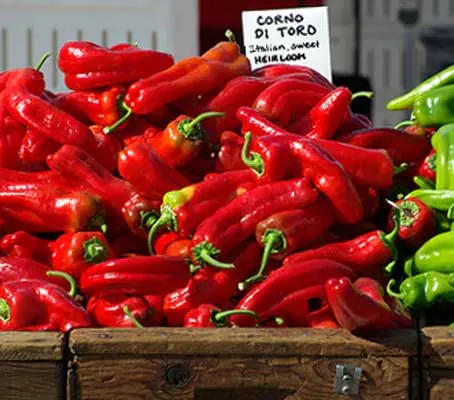
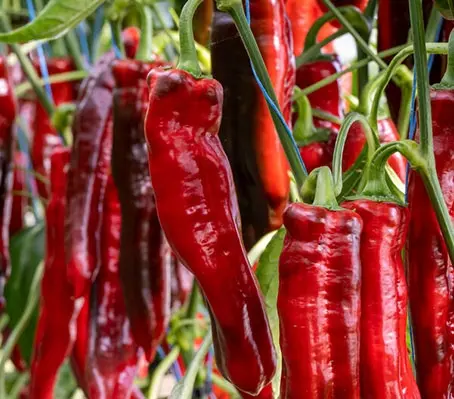
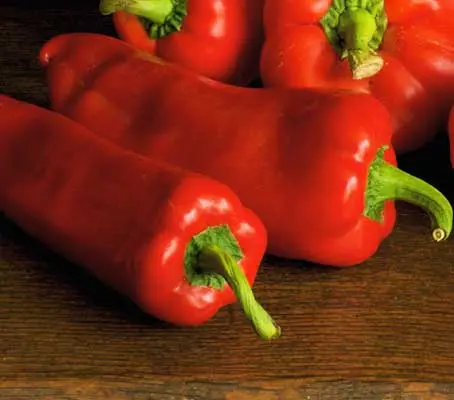
With a sweet, crisp, full-bodied flavour and a full, tapered shape, the gorgeous deep crimson sweet pepper ‘Horn of the Bull’ grow up to 25cm long. These uncommon peppers are a traditional favorite of Italy. Suitable for the greenhouse or outdoors.
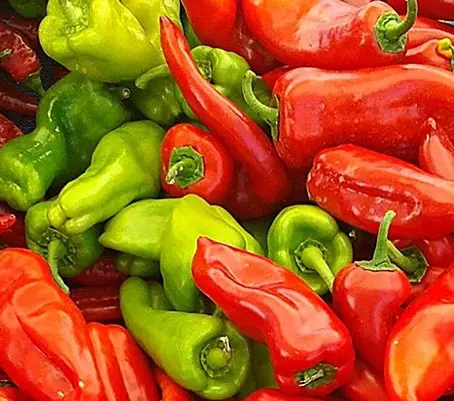
Mild: 500 to 1,000 SHU.
Italian Frying Pepper. Heritage

Think of the Cubanelle like a sweeter, more flavourful bell pepper, and you’ll understand why these peppers are so popular. While stuffing is a possibility, fried with a little olive oil, the Cubanelles mild sweet taste really comes to life. It is perhaps best thought of as providing ‘taste’ rather than ‘heat’.

Sweet Pepper, Italian Frying Pepper
Sweet Pepper ‘Dulce Italiano’ is one of the most aromatic red pepper varieties from Italy, it bears very large fruits that are really very sweet. From mid-season the plants have to be well staked to support the abundant production of beautiful pendulous pods. Often used for roasting and frying but also wonderful when eaten fresh. Organic Seed.
Bell Pepper
Heritage (USA, Introduced 1928)

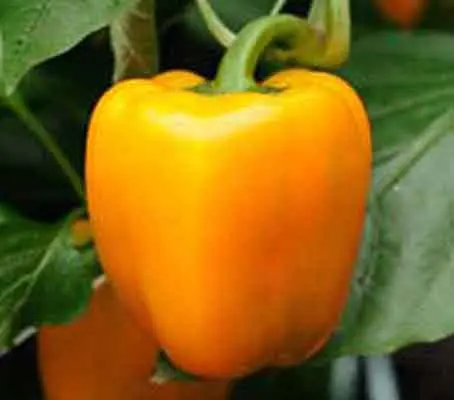
‘Golden Californian Wonder’ is the widely adapted standard variety, a favorite with gardeners and widely used for commercial production. The plant does well in both cool and warm weather. It consistently produces large yields of blocky, four-lobed thick-walled fruit that is mild and sweet, tender and flavourful.

Italian Frying Pepper, Red Horn Pepper

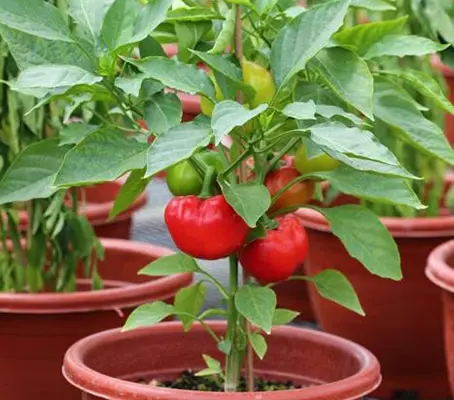
Sweet Pepper ‘Marconi Red’ is an Italian bred variety. Maturing a little later than regular bell peppers, they produce much sweeter and tastier fruits. This variety is often used for roasting and frying but also tastes wonderful when eaten fresh. It grows very well in unheated greenhouses or in pots on a sunny patio.

Italian Frying Pepper, Friariello Di Napoli

Sweet Pepper ‘Marconi Red’ is an Italian bred variety. Maturing a little later than regular bell peppers, they produce much sweeter and tastier fruits. This variety is often used for roasting and frying but also tastes wonderful when eaten fresh. It grows very well in unheated greenhouses or in pots on a sunny patio.

Tomato pepper (European Heirloom C1900's)
Beautifully shiny, red and tomato-shaped, Sweet Pepper ‘Runa’ produces a large harvest of flat-round fruits, use as you would a regular sweet pepper. Their unusual shape make them visually appealing. Suitable for outdoor and greenhouse cultivation the plants grow 60cm tall. Organic Seed.
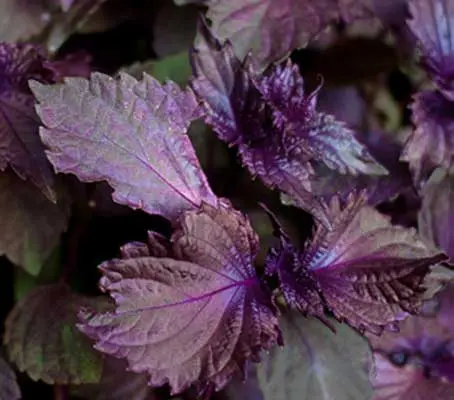
Japanese or Chinese Basil, Purple Mint.

Shiso ‘Akajiso’ the red leaf variety of Perilla is used extensively in Japan to season vegetables, rice, soups, fish, etc. It has a wonderful complex aroma, the taste is almost always said to be quite hard to describe – the words cinnamon, basil, anise, and citrus pop up in the attempts.

Perilla 'Britton' or 'Briton'
Japanese or Chinese Basil

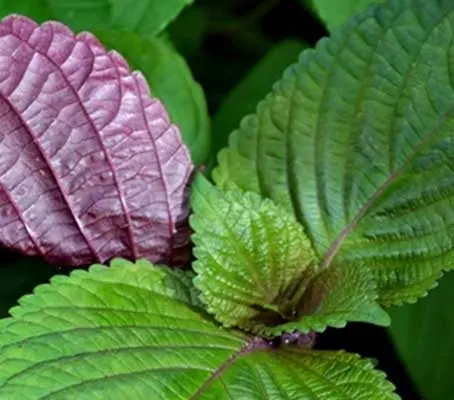
Sometimes referred to as Perilla ‘Britton’ and called ‘Hojiso’ in Japan, this less typical form has beautiful bi-coloured leaves. The serrated, red-veined leaves are green on top and deep purple-red underneath.

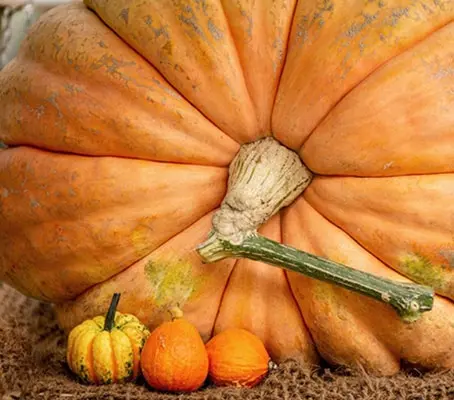
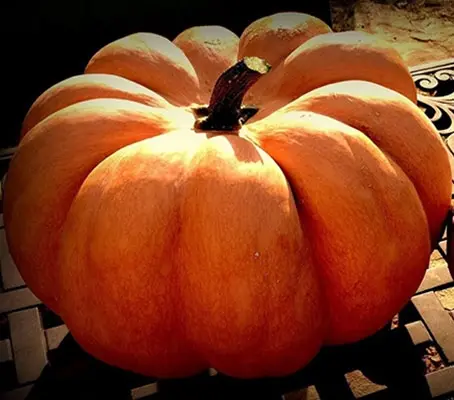
Giant Pumpkin, Competition & Exhibition variety

Imagine, You’re reading the paper and suddenly your eye is drawn to a picture of this giant orange thing about the size of a truck with a guy half its size standing next to it grinning like a lunatic. “I’d like to grow one of those,” you think.

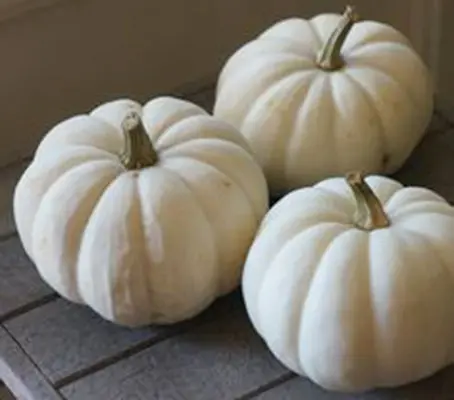
Winter Squash, Minature Pumpkin

‘Baby Boo’ is a charming, all-white, miniature pumpkin that is popularly used for table arrangements for Weddings, for Xmas and for Halloween. They make wonderful Halloween ‘Ghosts’! Sow indoors in pots April to June or sow direct from May to June.

Winter Squash, Cinderella Pumpkin

A little earlier and more productive than other similar varieties ‘Gold Dust F1’ produces beautiful dark orange, distinctively ribbed, Cinderella type pumpkins. The plants grow a little more compactly and will do well even in colder regions. Direct sowing once the soil has warmed from May to end of June.

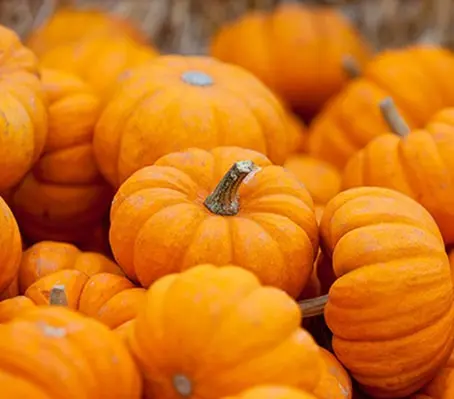
Winter Squash, Minature Pumpkin

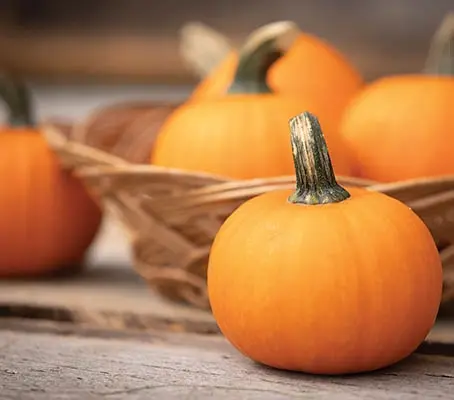
Rated the best miniature pumpkin, ‘Munchkin’ has a bright tangerine-orange colour with deep sutures. The abundant fruits can be used for arrangements and autumn decoration or cooked. Roasted with a drizzle of olive oil, the flesh is reminiscent of sweet chestnut.

Fairy Tale Pumpkin, Winter Squash,
Heritage (French 1800's)

Looking exactly like fairy tale pumpkins in children’s storybooks, Musquée de Provence is a gorgeous French pumpkin that is one of the only pumpkins that is eaten raw. Sweet with a light crunch and typical nutty taste, the very fine-grained flesh is considered by many to be superior to any other.

Winter Squash, Halloween Pumpkin. Heirloom (1966)

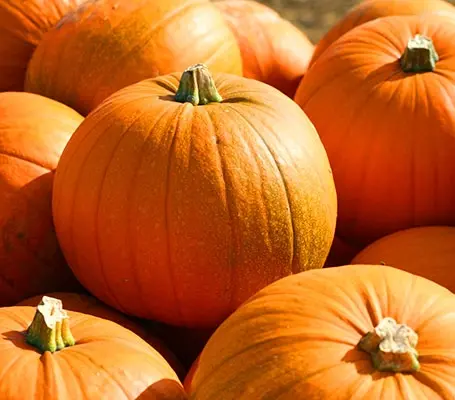
If you have always wanted your very own pumpkin patch then Pumpkin ‘Spooky’ is a great place to start. It is quite simply, the most perfect all-purpose pumpkin. Bright orange, smooth-skinned and globe shaped. The perfect size for use in the kitchen and terrific for Halloween carving.

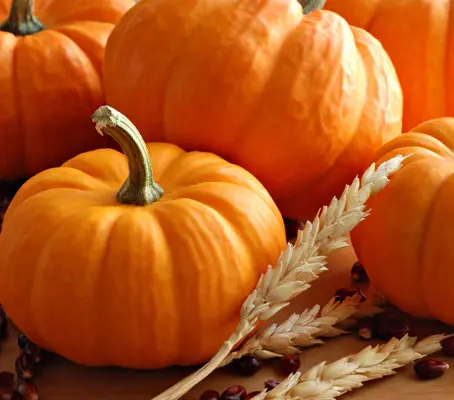
Minature Squash

Pumpkin ‘Wee-Bee-Little’ is a lovely little pumpkin that is very endearing. Remarkably miniature and averaging 8 to 9cm (3 to 3½ in) in diameter, Edible and decorative and the perfect size for children to grow. 12 weeks to harvest, each plant produces an average of 9 fruits per plant

Summer Purslane, Garden purslane.
Ancient Crop. In use since the 1600's

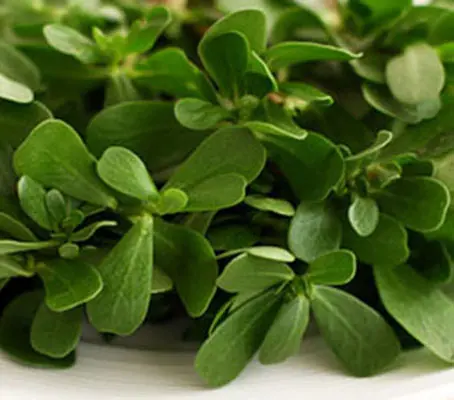
This highly esteemed ancient crop can be used raw in salads, sautéed as a side dish or cooked like spinach. Summer Purslane has a crispy texture you would expect from a succulent and an interesting nutty, peppery flavour. It is salty on the tongue.

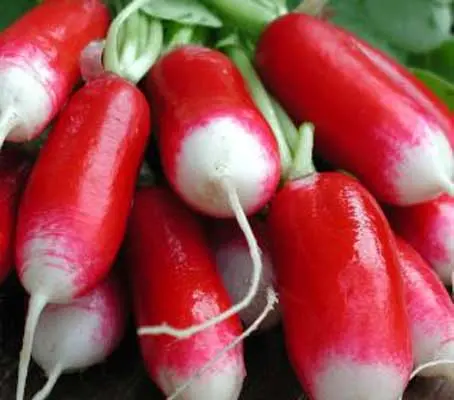
Heritage variety (Introduced before 1885)
French Breakfast 3 is a solid, sweet, cylindrical shaped radish that sports crimson shoulders and a white tip. Quick-growing with crisp, tender roots and a sweet mild flavour. Suitable for planting from spring through to autumn even on the smallest city lot.
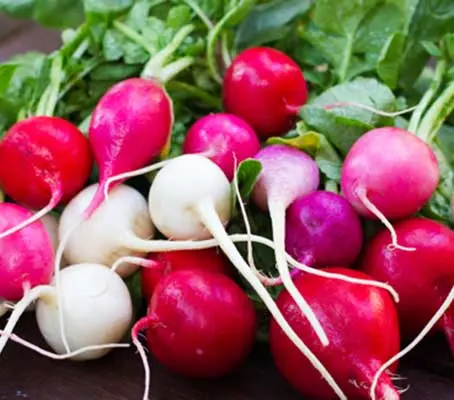
Globe Radish

Quick to grow and beautiful to look at, Radish ‘Rainbow Mixed’ is a visually stunning selection of coloured radishes. A very exciting sight to see when picked and an excellent choice for salads and gourmet dishes.

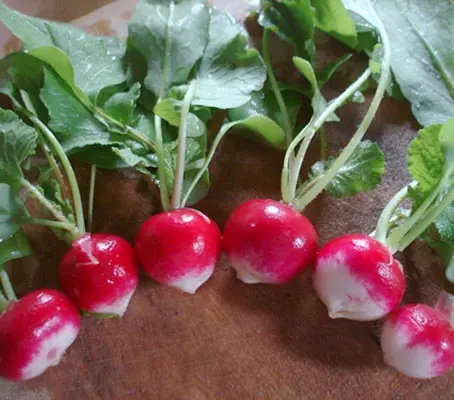
Globe Radish
Full of character but easy on spice, Radish ‘Sparkler’ is an attractive globe variety with shading from the brightest scarlet to pure white, dotted with merry flecks. There’s no beating this delightful little two-tone jewel for quick harvest, mild peppery bite, and terrific plate appeal. RHS AGM.
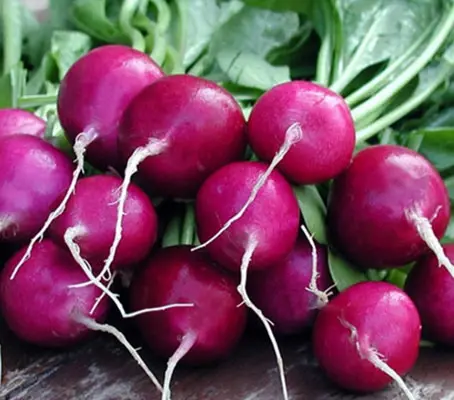
Globe Radish

Not your average radish, Radish ‘Viola’ is one of the jewels of veg patch. This dramatic, magenta-skinned variety is quick to mature and makes a delightful presentation on the plate. High yielding in limited space, they can be grown wherever there is sun and moist, fertile soil, even on the smallest city lot.

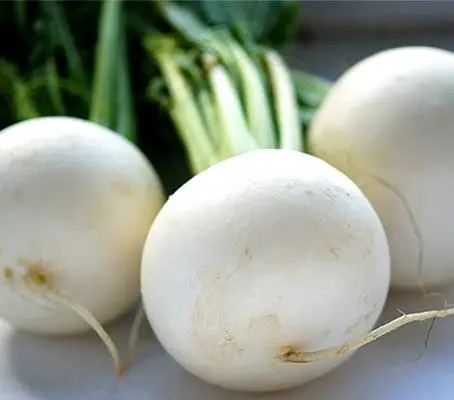
White Globe Radish

Radish ‘White Hailstone’ is a brilliant white, sweet, white globe radish. Especially crisp, tender and with a mild flavour that keeps well once pulled. not too spicy and stay mild even as they grow larger.

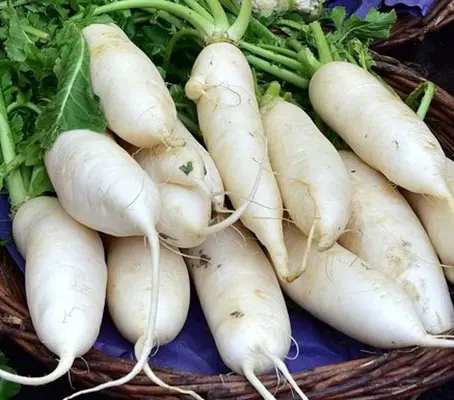
Heritage variety. (European)
Radish ‘Zurich Market’ is a white elongated radish for early summer through to early autumn for bunching or for individual use. Sow from April to August it can be harvested from May to October. If sown under cover, this can be done from early March to April. Organic Seed.
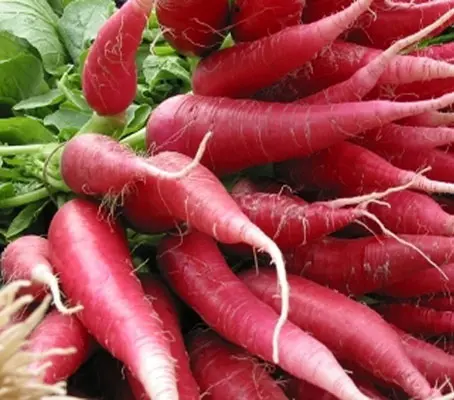
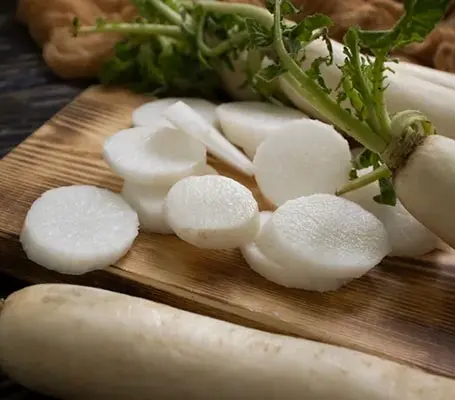
Heritage variety (Germany 1800's)

Radish ‘Ostergruss Rosa’ is a traditional German heirloom, grown almost year-round. Sweet and mild with a satisfying crunch, it is well-suited to open-field or greenhouse production through winter. Easy to bundle, it also stores well.

Mooli, Asiatic or Oriental Radish
A popular Japanese daikon type, winter radish, requiring shortening day length and cool temperatures to form. Sow after mid-summer and harvest during cooler weather until the first mild frosts. They store beautifully and excel in stir-fries and roasts, the flesh is tender, buttery, and mild. Organic Seeds.
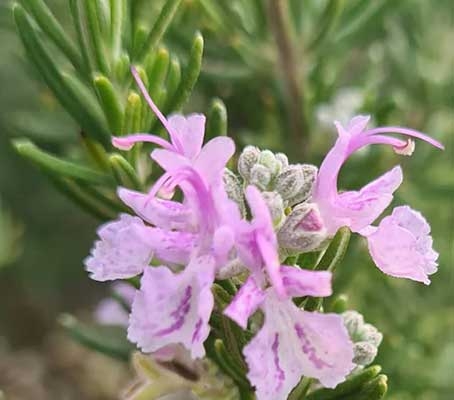
Herb Rosemary

A fresh twist on a classic, Rosemary ‘Rosy’ keeps all the familiar virtues of this herb garden favourite but dresses them in soft pink. Neatly branching plants carry slender, aromatic leaves and, from early spring, are studded with clouds of small rose-pink flowers that hum with bees and other pollinators.