
Sort by:

Sort by:

Sort by:

Sort by:
No. of Varieties: 387
Coral Broccoli, Broccoflower.
Heritage (Northern Italy)

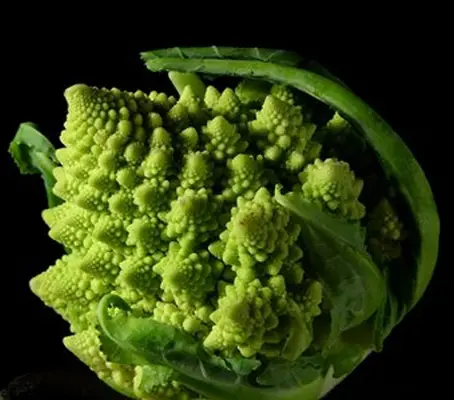
One of the most beautiful vegetables and a true Objet d’Art. Each complex, symmetrical head features whorls of chartreuse green florets, in a complex, bewitching design, an amazing example of phyllotaxis – the fractal patterning that appears in nature.

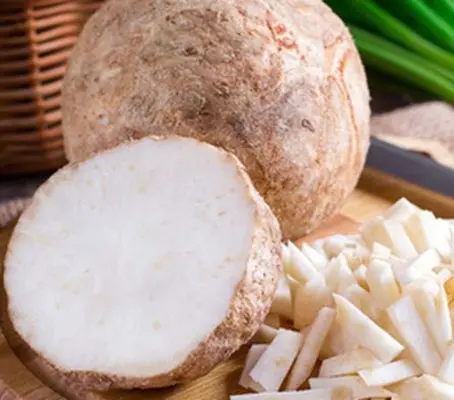
Celery Root, Turnip-Rooted or Knob Celery.
Heritage (1871)

Originally from Northern Italy and named for the fair city of Verona, this heirloom celeriac variety produces large white skinned globes with a sweet yet savory flavour and a creamy texture, similar to a potato. Crisp and delicious, and it keeps all winter, once you’ve grown it you’ll realise that ugly is only skin deep.

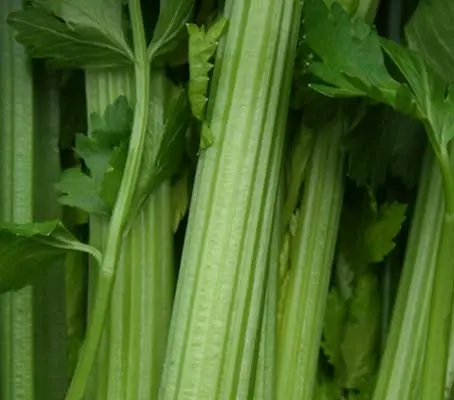
Apio, Quin Cai or Stalk Celery
Celery ‘Tango’ is an excellent quality, self-blanching celery that produces beautiful apple-green stems with good flavour and texture for that all-important celery crunch. ‘Tango’ is suitable for cultivating throughout the growing season, it has good resistance to bolting, and stands well during hot weather. RHS AGM. Organic Seed.
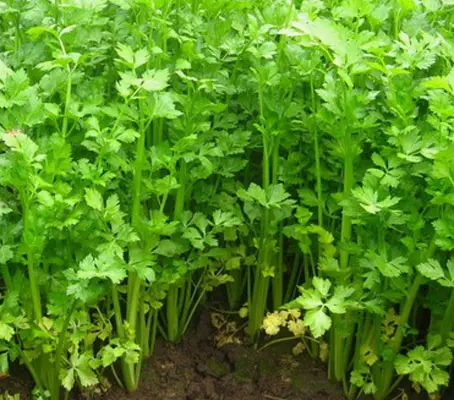
Cutting or Soup Celery. Chinese Kintsai

Cutting celery or Leaf celery is the type that is used in Europe. It looks similar to parsley but tastes like regular stalk celery, but with a slightly stronger, herbier taste. It is a darker green, with thin, rounded, flexible stalks and curly, aromatic leaves; it is much easier to grow than its big brother.

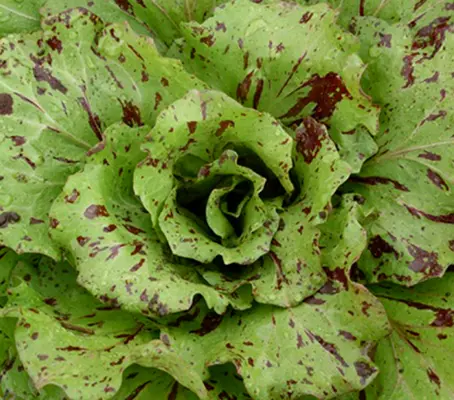
Chicory / Radicchio, Late variety.
Heritage (Italian 18th C.)

Chicory Variegata di Castelfranco has a beautiful form with wavy leaves that are flecked with purple. Incredibly hardy and totally invaluable, this traditional variety is one of the easiest to grow at any time in the year.

Chinese, Mexican or Indian Parsley

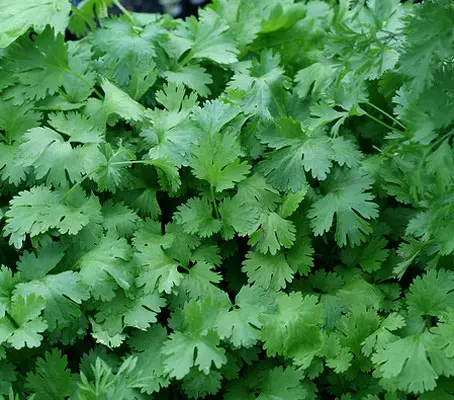
Coriander ‘Slobolt’ is a variety for leaf production that is resistant to bolting and running to seed. It isn’t a hard plant to grow and of course, fresh herbs and spices have far better flavours than dried ones. Home grown herbs are infinitely superior, the difference can be quite startling.

Dwarf Lemon or Zesty Lemon Parsley

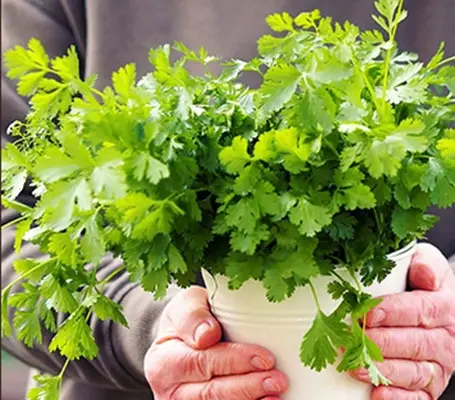
‘Dwarf Lemon’ Coriander is a delightful and refreshing combination that brings together the sharp zest of lemon and the aromatic, citrusy undertone of coriander. This pairing is cherished in a variety of global cuisines for its ability to lift and brighten dishes.

Compact, Slow bolting variety.

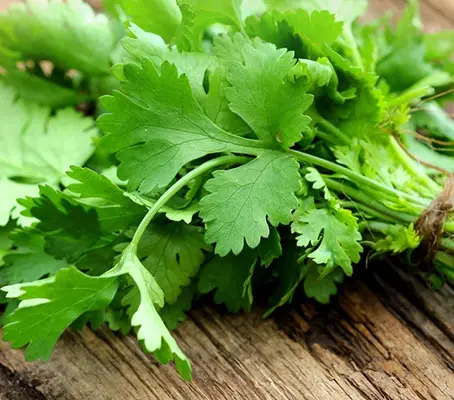
A modern coriander variety, fresh ‘Hacor’ leaves are bright, citrusy and slightly peppery, with a hint of spice and a touch of sweetness. The flavour is clean and full rather than harsh, holding up well in both raw and cooked dishes. The seeds are warm, nutty and aromatic, with a lemony undertone once toasted.

Pop corn or Popping corn

The whole process of growing Popcorn is much the same as growing Sweet corn. Sown in May to June, when the soil has warmed to harvest in August to September. Popcorn ‘Cinema’ has a high starch content and so its glassy kernels pop very well when heated. Perfect for any party or home movie night. Organic Seed.

Pop corn or Popping corn

‘Plomyk’ is a corn variety that is grown for its dried seeds that are later used to make delicious, home-made popcorn. Usually sown in May to June and harvested August to September. Perfect for home made popcorn at a party or movie night!

Courgette, Marrow, Squash, Zucchini
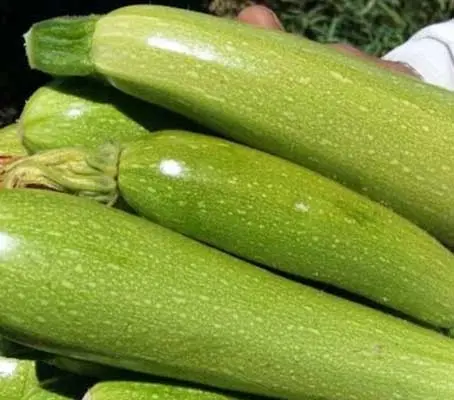
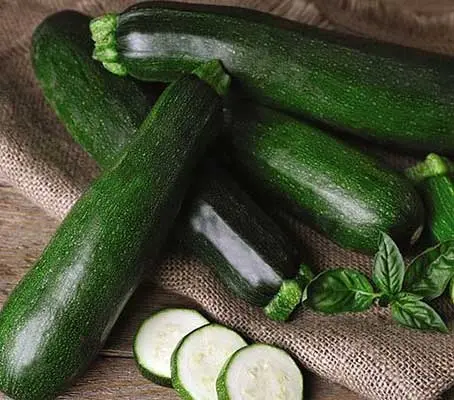
There is a growing interest in the light green courgettes in international markets and Italy has been working hard to meet the demand. Once mainly grown in the south of the country, this courgette has now expanded into new markets. Expect Courgette ‘Alberello’ to produce tasty, green-skinned fruits with beautiful light green flecks. Resistant to a multitude of diseases, reliable and easy to harvest, they will bear fruits in prolific quantities. Organic Seeds
Courgette, Marrow, Squash, Zucchini

Courgette ‘Black Beauty’ is a reliable variety that produces fruits with a very dark green skin, giving it its ‘black’ name. It is a compact, open bush and starts bearing zucchini around 45 to 50 days to maturity, and will produce throughout the season. If continuously harvested, they will bear handsome oblong dark green fruits in prolific quantities.

Costata Romanesco

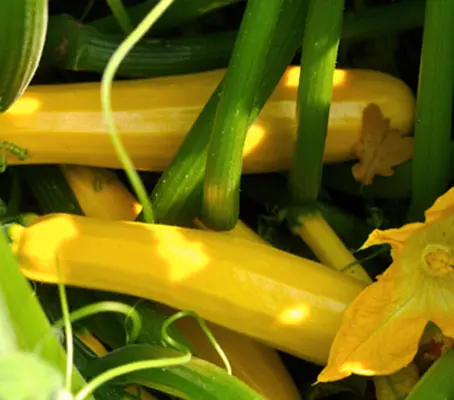
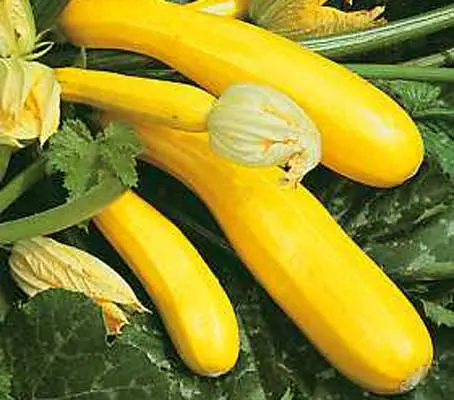
Courgette ‘F1 Atena’ is a heavy cropping, early variety of courgette with tender flesh and an abundance of bright yellow fruits. A semi-compact, non training bush variety, the plants yield prolifically and are ideal for smaller gardens or pots. It produces extremely beautiful fruits with smooth, thin golden-yellow skins and crisp flesh.

Zucchini, Summer Squash, Marrow

Courgette ‘Gold Rush’ is an extremely beautiful variety with smooth, thin yellow skins and crisp flesh. It is an early, rich cropping courgette with tender flesh and an abundance of bright yellow fruits. The compact plants yield prolifically and are ideal for smaller gardens or pots.

Seakale, Wildflower of Britain and Ireland
Ancient Crop.

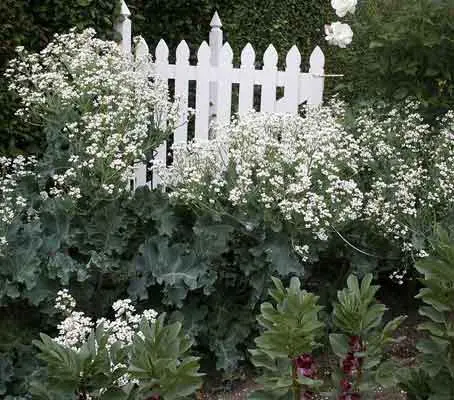
Crambe maritima is a lovely dual purpose plant. This delicacy from the olden days has a unique delicate flavour, forced Seakale is a real delicacy. In the garden, it can be grown as an eye-catching and fragrant border plant. It has perhaps the most beautiful of all large glaucous leaves

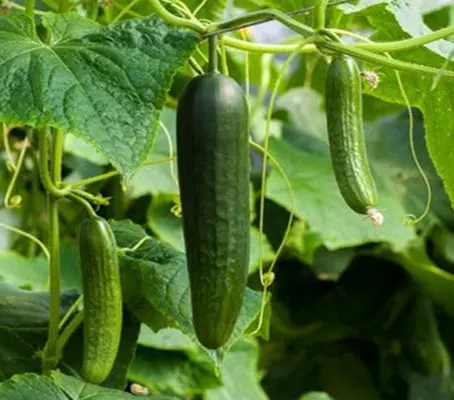
All female. Ridge-cucumber

Akito F1 is a popular all female variety of ridge-cucumber which gives high yields of slender bitter-free fruits. Mildew resistant and suitable for growing outdoors or under-cover, it is an excellent choice for those who want the superior taste of a ridge-cucumber but the vigour of a modern hybrid.

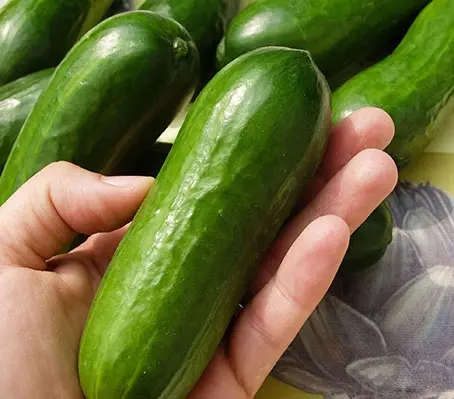
Mini Cucumber, Cocktail or Snack. Parthenocarpic variety

Cucumber ‘F1 Iznik’ is a terrific and very popular cocktail cucumber, 12 to 14cm in length. It is seedless, spineless, smooth, dark green, crisp and perfect for fresh snacking. A parthenocarpic variety with compact growth, suitable for container and greenhouse production as well as open-field.

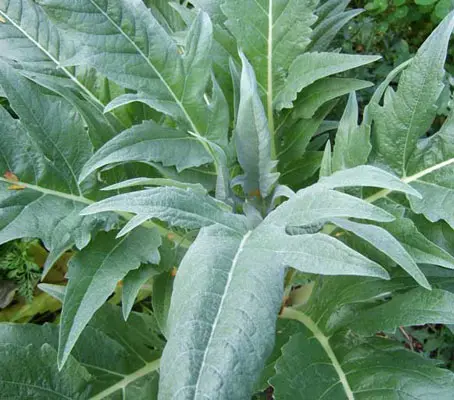
Cardoon
If you’re an adventurous gardener, cook, or gastronome, then you’ll want to grow cardoons. Besides being a dramatic statement in your flower border. it will bring to you a flavour that is truly unique in the vegetable world. Organic Seeds. RHS AGM. Organic Seed.
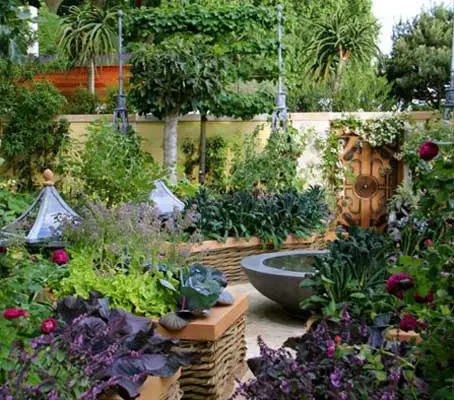
This fabulous range of Edible Flowers and Herbs give decorative petals and leaves for use as garnishes and flavourings. Some are spicy, and some herbaceous, while others are floral and fragrant, the range is surprising. They will bring a stunning finish to the food and drinks you that you love.

Price range: €3.95 through €23.95

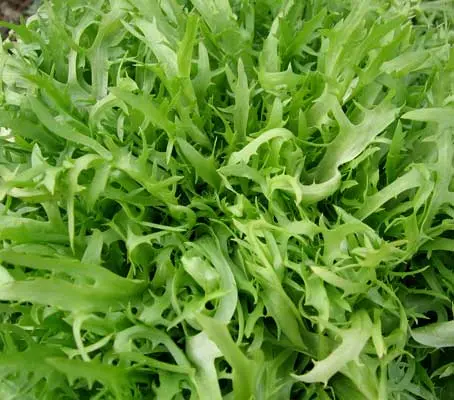
Curly-leaved endive
Italian Frisée Pancalieri resembles a lettuce that has gone horribly awry. With a pale green explosion of frizzy leaves it adds a frisky note to green salads. The large, loose collective head is dark green with a self-bleaching, creamy white interior.
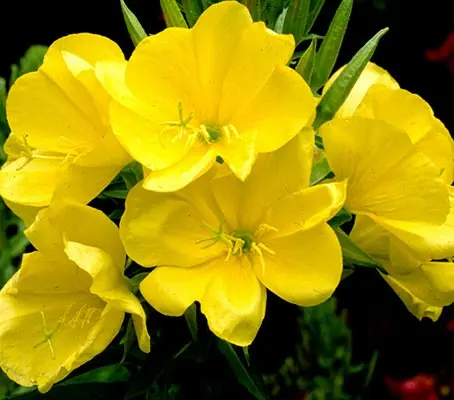
Evening Primrose, Herb Primrose, King's cure-all
Wildflower of Europe
Evening Primrose is a classic plant, with its beautiful yellow flowers is a feast for the eyes as well as the belly. The whole plant is edible: the leaves can be cooked as greens, and the nutty-flavoured roots can be boiled and eaten like parsnips. The flowers make a lovely salad garnish.
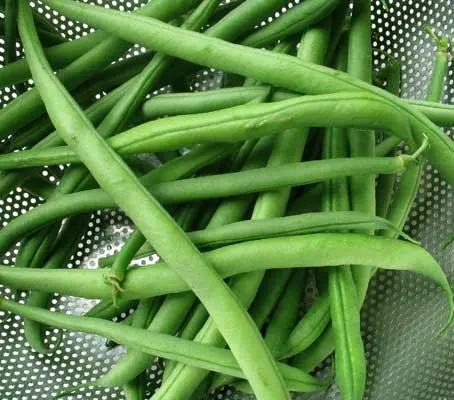
Climbing French Bean, Pole or Tall variety
A prolific cropper, French Bean ‘Cobra’ is a black-seeded variety that produces beans ahead of most other varieties. With lovely pale violet flowers, this vegetable is pretty enough to grow in the ornamental garden, too. RHS AGM. Organic Seed.
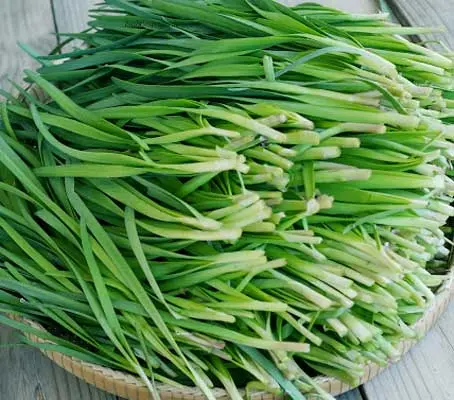
Chinese leek, Oriental garlic chives, Ku chai, Koo chye or Gau choy

A relatively new vegetable in the English-speaking world but well-known in Asian cuisine, the flavour of garlic chives is more like garlic than chives, though much milder. Both leaves and the stalks of the flowers are used a stir fry ingredient. The flowers may also be used as a spice.

Sacred Basil, Purple or Red Holy Basil

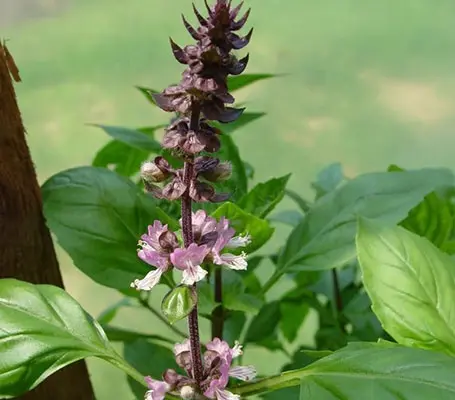
Holy basil, also called Tulsi or Sacred Basil has highly aromatic, narrow oval leaves and pink flowers with a perfumed fragrance. This reddish-purple tinted plant exudes a delicious, sweet, clove-like aroma. The hotter the summer, the deeper the purple.

Sacred Basil, White or Green Holy Basil

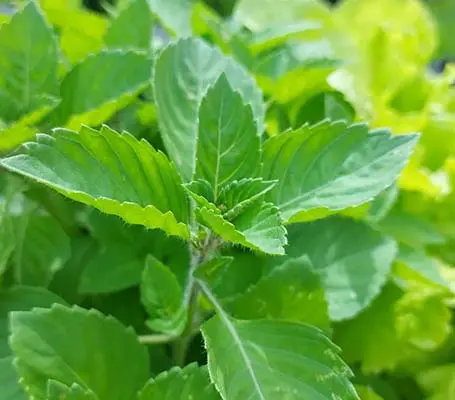
Regarded as one of the most important plants used in Ayurvedic medicine, the ‘Light’ or ‘Rama Tulsi’ produces lots of flower spikes very early in the season, making it a nice ornamental plant as well as edible. The sweet aroma is very strong, even walking past it you can clearly smell its delicious scent.

Blue Hyssop
Wildflower of Britain and Ireland
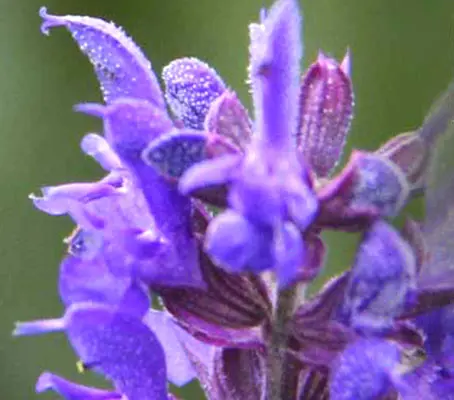
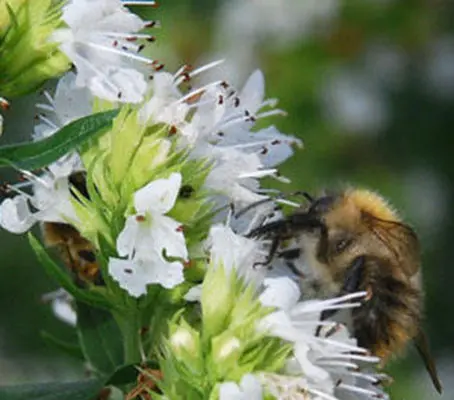
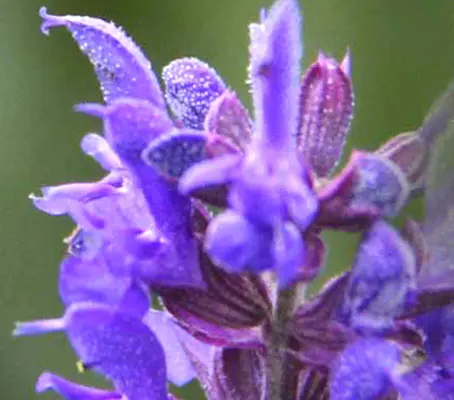
Hyssop famously attracts bees, hover-flies and butterflies. It makes excellent honey and is a must for any wildflower garden. Some beekeepers rub the hive with it to encourage the bees to keep to their home. In cooking, use the same way you would Rosemary. Organic Seed.
Pink Hyssop

Hyssopus officinalis ‘Alba’ is a much less well known variety of hyssop. Also known as ‘White Hyssop’ the plants sport bright white flowers from July to October. Widely used as a ‘taste enhancing’ herb or wildlife plant, the plants are a dark, vibrant green with a spiky, upright habit and narrow tongue-like leaves which have a peppery scent when stroked.

Blue Hyssop
Wildflower of Britain and Ireland

Hyssop is a strong-flavoured aromatic herb which is enjoying a revival with home gardeners. An ideal plant for use in containers or as a low hedge or border within the herb garden. Highly attractive to bees, it makes excellent honey and is a must for any wildflower garden.

Beet Root or Leaf, Spinach Beet

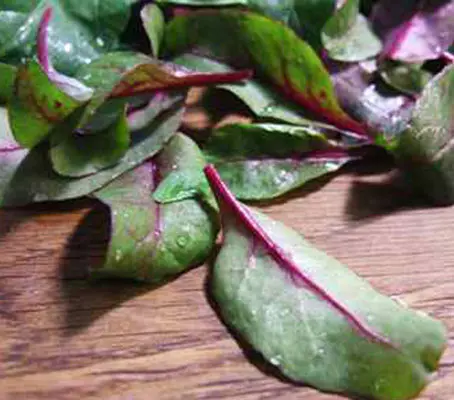
Bulls Blood ‘Atlanta Red’ is a heat tolerant, summer variety which holds its red colour in high temperatures, used by commercial growers for both baby leaf and mixed salad leaves. Harvest at any stage of growth, use in mixed salads or steamed like spinach, or the roots can be left to grow like any other beetroot.

Spinach Beet, Seakale Beet, Wild Spinach

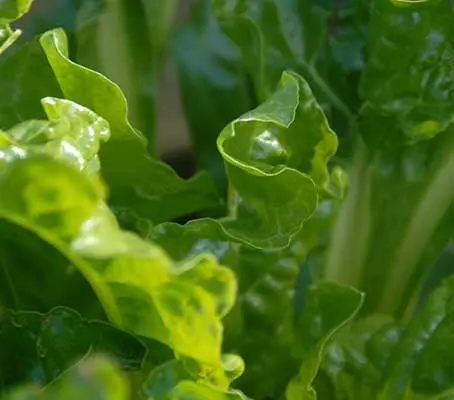
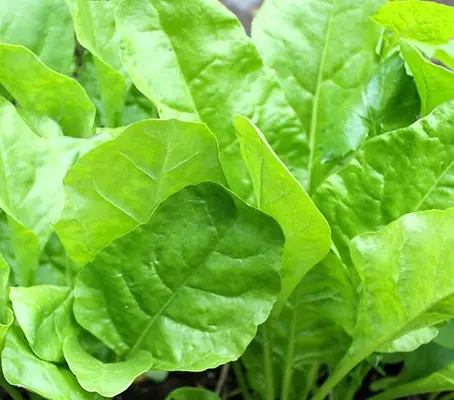
Perpetual Spinach ‘Everglade’ is a modern selection with an upright habit and dark green compact leaves. It responds well to repeat cutting and is one of the easiest and most productive vegetables for a small space.

Spinach Beet, Seakale Beet, Wild Spinach
Heritage variety (In use in 1790)
‘Perpetual Spinach is one of the easiest and most productive vegetables for a small space. Extremely resistant to bolting, it responds particularly well to repeat cutting. With just one sowing you can feast on the succulent leaves the entire summer and through to winter.
Oakleaf Lettuce

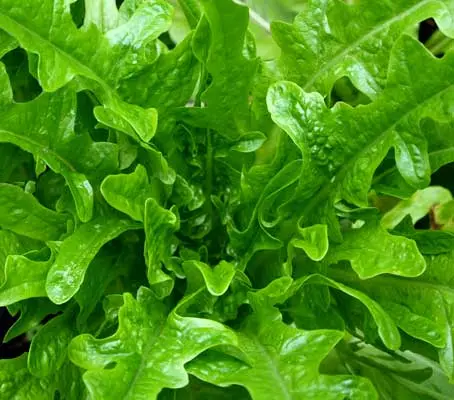
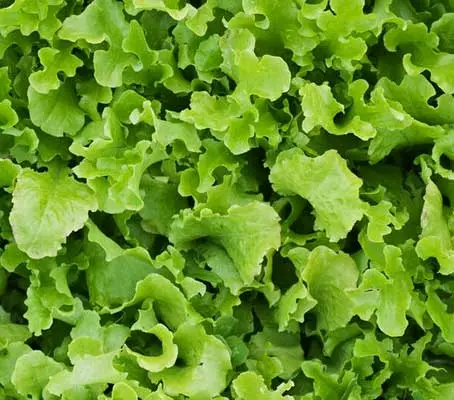
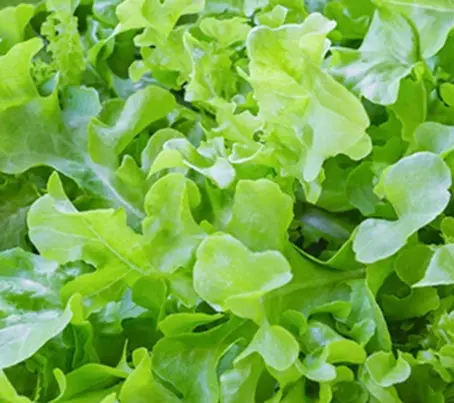
Extremely attractive in the salad bowl, Lettuce ‘Baby Oak Leaf’ is a bolt-resistant variety with a long harvest period, recommended for the planting period from March to the beginning of May. The leaves have a buttery texture and an mellow, sweet flavour, which rarely becomes bitter, even in hotter climates.

Loose Leaf, Oakleaf Lettuce
A highly ornamental oakleaf lettuce which produces masses of deeply lobed leaves. With good flavour and texture, the compact plants will grow easily in a pot or in the garden. This variety tolerates heat very well, but also excels in cooler climates.
Oakleaf Lettuce
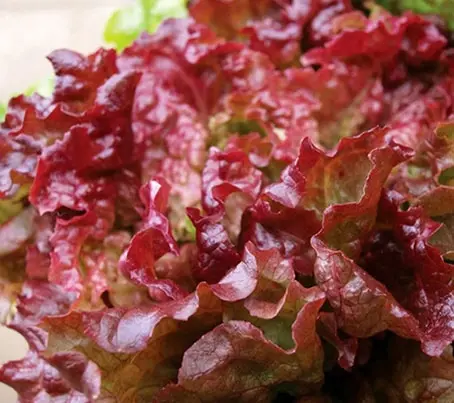
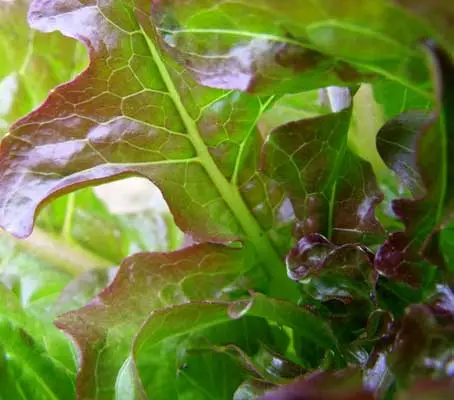
Lettuce Cocarde is a beautiful oak leaf type lettuce. Very adaptable, it can be grown in most climates and seasons and can be picked as required. The smooth deeply lobed, red leaves have a sweet taste and delicate melt-in-your-mouth texture. RHS AGM
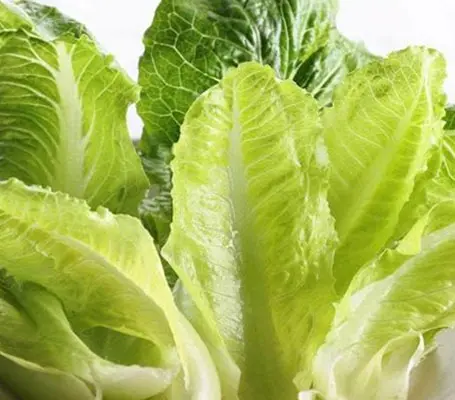
Romaine or Cos
Heritage

Heirloom Lettuce ‘Crisp Mint’ produces sturdy crops that are heat tolerant and very adaptable. A particular shade of mint green, the slightly ruffled leaves surround a crystal white heart. They retain their crispness and are delicious eaten fresh in salads.

Lettuce
Dark red with a high bolting and weather tolerance. Lettuce ‘New Red Fire’ is a popular choice amongst growers for its excellent colour and taste. The attractive frilly-edged, open leaves are crisp and sweet. Light green at the base and deeply flushed in wine red. RHS AGM
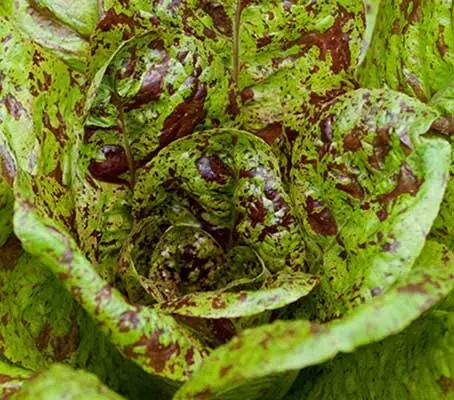
Romaine, Cos Lettuce
Aka Freckles or Speckled Lettuce

Lettuce ‘Forellenschluss’ is an Austrian heirloom, a romaine type that has the delicate taste and texture of a butterhead. While being extremely attractive it is the taste that really should be emphasised – Slightly sweet, very soft and fine in structure, it is absolutely gorgeous.

Loose Leaf Lettuce
Heritage variety (Introduced in 1952)
Salad Bowl lettuce are amply named, one plant fills a salad bowl with no need to add other lettuces. ‘Green Salad Bowl’ is an award winning variety that produces large, slow bolting, non-heading plants with sweet, succulent green leaves. N.I.A.B and RHS AGM.
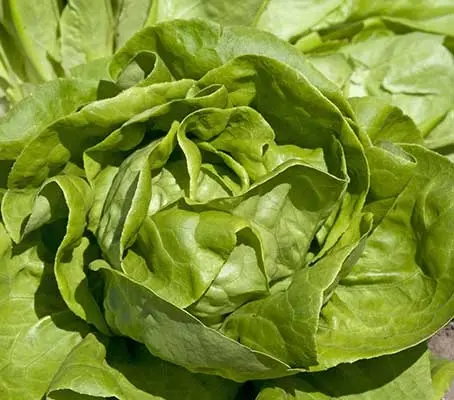
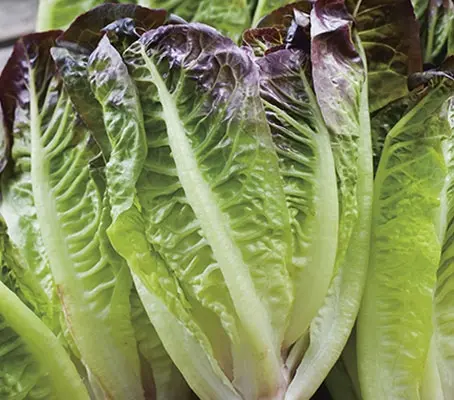
Butterhead Lettuce.
Heritage variety (1960's)

Lettuce ‘Gustav’s Salad’ is an heirloom variety that is compact and silky soft with a a delicious melt-in-the-mouth flavour. Upright, small and compact this sweet and buttery lettuce is reliable and perfect for growing where space might be limited. A new staple in the salad garden, the eating quality is of the next level.

Red Romaine, Cos, Semi-Cos
Crisp and light, and very pretty in the salad bowl. ‘Little Leprechaun’ is a compact variety of Cos lettuce that has a very nice appearance and is very easy to grow. The high standing green leaves are tinged with red, almost bronze. Organic Seed.
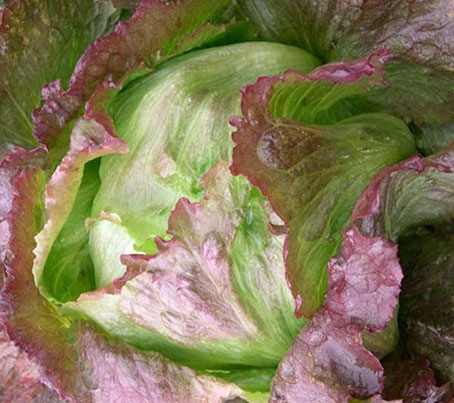
Lettuce

Lettuce ‘Red Iceberg’ is a colourful take on the classic crisphead, forming tight heads with pale green hearts wrapped in outer leaves flushed red to burgundy. Wonderfully crisp and juicy, with a mild, sweet flavour that stands up well in salads, wedges and burgers without turning limp. 50 days.

Butterhead Lettuce. Summer Lettuce variety

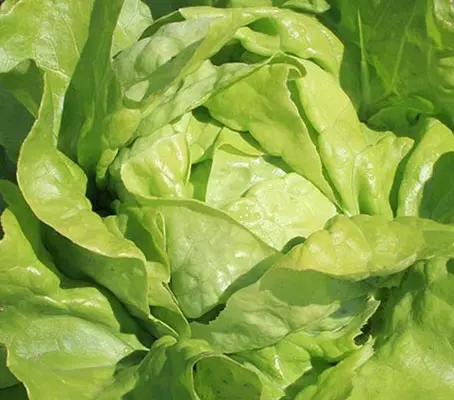
As its name suggests, this classic butterhead lettuce can be the basis of fresh daily salads throughout the year. This is no ‘supermarket’ variety, but rather a proper lettuce with an exquisite flavour unavailable from anywhere but from your own vegetable patch.

Chinese spinach, Saan choy, Pui shak

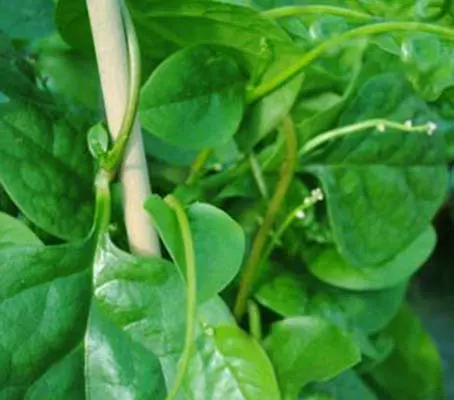
Malabar Spinach, is a vining type of plant that thrives in hot temperatures, it is a discovery that is a boon for those of us that love our greens but find the warm days of summer a bit too hot for good growth. It can be grown throughout the summer and can even cope when the heat exceeds 32°C (90°F).

Chinese spinach, Saan choy, Pui shak

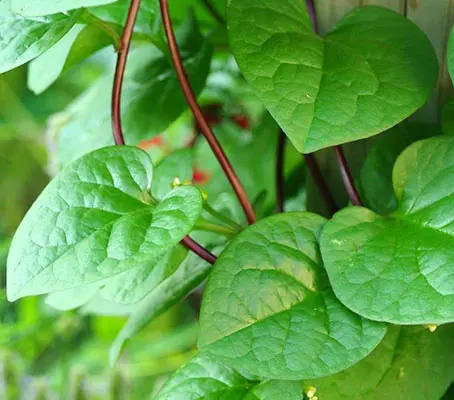
Malabar Spinach is valued for the brilliant fuchsia-purplish colour of its leaf stems and veins as well as its mild flavour. Juicy and crisp, the flavours of citrus and pepper accompany the succulent leaves.

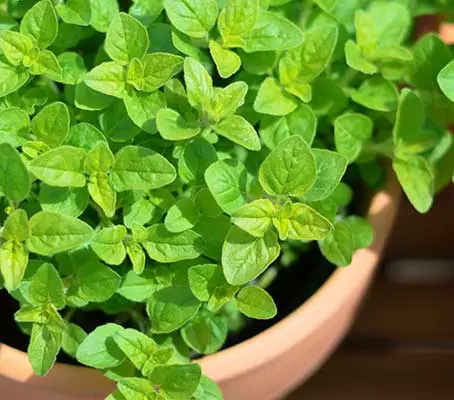
Summer Marjoram

Members of the oregano family are an essential plant for a well-stocked, sunny herb garden. Fragrant and very decorative, Sweet Marjoram is an essential culinary herb, good with veal, beef, lamb, roast poultry and fish. The leaves are best used fresh, as their flavour is sweeter and milder.

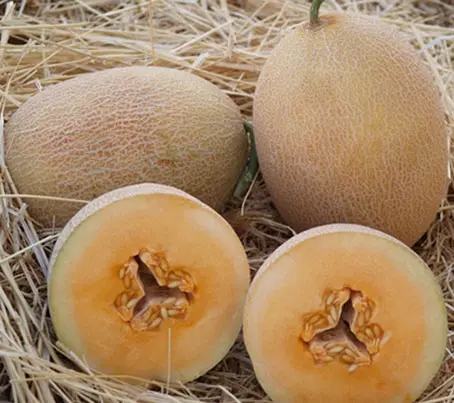
Pineapple Melon, Sharlyn Melon (Heritage France 1824)

Today Ananas melons are grown for specialty markets and are somewhat rare to find. Extremely juicy, with tropical flavours followed by a faint, caramel-like aftertaste. Well worth growing at home. Sow February to May, harvest July to September.

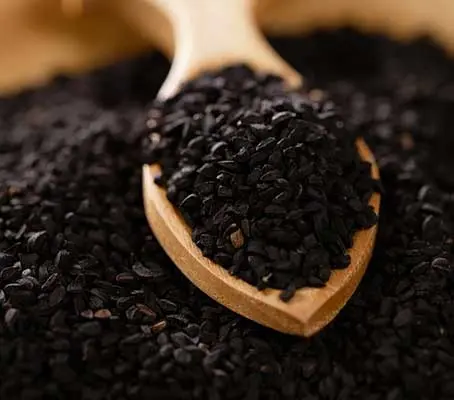
Black caraway, Fennel flower
Nigella sativa flowers are very similar to the popular Nigella ‘Love in a Mist’, they are well suited to the border as well as the herb garden. The seeds have a spicy, nutty flavour, they can be harvested and stored for use throughout the year. Organic Seed.
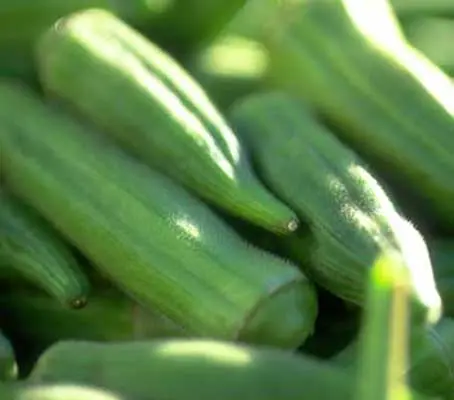
Lady's Fingers. Heritage (1939 USA)

Originally developed Clemson University, Okra ‘Clemson Spineless’ produces compact, strong plants that produce exceptional yields of tender, less fibrous pods over a longer season. This spineless variety is still the market standard today.

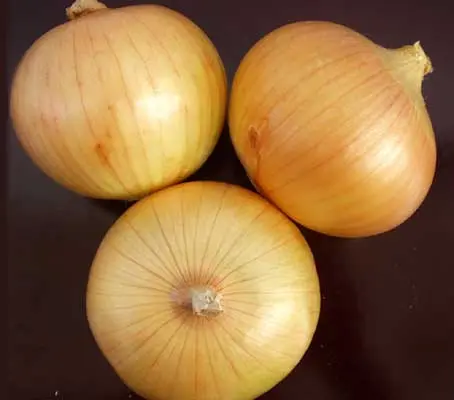
White Bulbing, Exhibition Onion.
Heritage (English 1887)

With outstanding quality and excellent keeping qualities, Onion ‘Ailsa Craig’ Prizewinner is much loved by both home gardeners and exhibitors producing weighty onions perfect for the kitchen or show bench. A heritage variety and great all-rounder, it still takes some beating.

White Bulbing, Exhibition Onion.
Heritage (English 1887)

Often called ‘Ailsa Craig Prizewinner’, this is a popular exhibition variety onion. A reliable favourite that produces large, globe-shaped onion with golden, straw coloured skin pure white flesh with a mild flavour. Much loved by both home gardeners and exhibitors producing weighty onions perfect for the kitchen or show bench. Organic Seed.
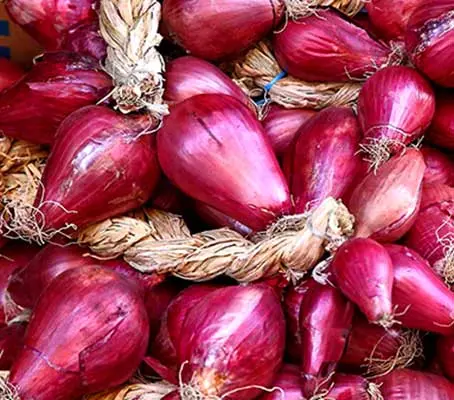
Maincrop, Red Onion
Heritage (Italian 1500's)

Italy boasts many varieties of onion, but perhaps the most famous is Cipolla di Tropea. It can be sown in either autumn, September to October or in spring, late February to early April. The shape of its bulbs, the deep purple colour, its extraordinary sweetness, and its refined taste, make it one of the most interesting products in the entire Italian agriculture.

Maincrop, Continental Red Onion
Rossa Lunga di Firenze, Heritage (Italian 1800's)
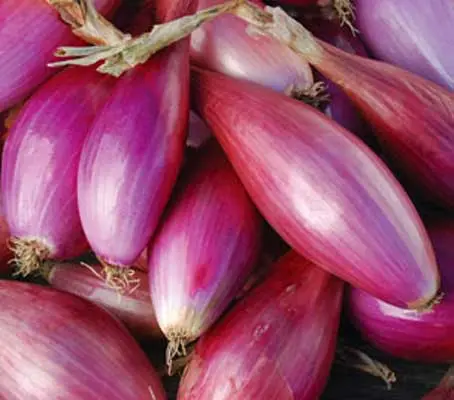
A splendid carmine-red onion Long de Florence Simane is an old continental variety that is very popular in Europe. Elongated in shape, this maincrop variety can be picked still small and used raw sliced into salads or grown to maturity, they can be baked or roasted on skewers to retain their unusual ‘bottle’ shape.
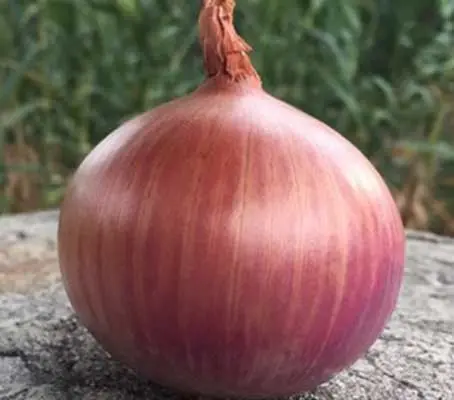
The Large Red/Bronze Onion of Amposta
Heritage (Spanish 1800's)

‘Morada de Amposta’ is a large sweet onion named after the small Spanish town of Amposta. A heritage variety that produces attractive red-bronze onions, not too hot, with a pleasant, exceptional sweetness typical of Spanish onions.

Red Bulbing Onion
Heritage (USA 1850's)

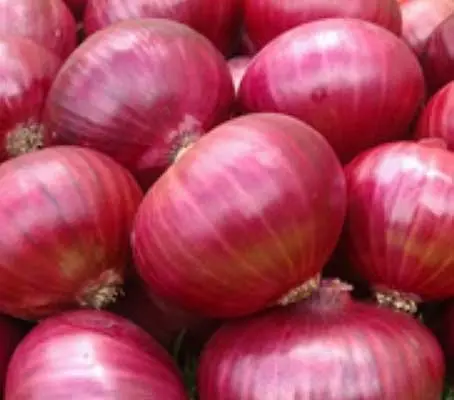
Well adapted and very widely planted. ‘Red Creole’ is a medium maturing, open-pollinated short day red onion. It has a clear, spicy-sweet flavour of medium heat and develops a sweet, mellow flavour when caramelised. Drought tolerant, disease resistant and especially hardy, it is considered by many to be the ideal onion.

Maincrop, White Bulbing Onion
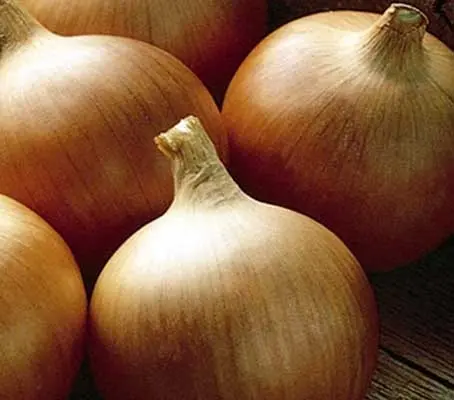
Onion ‘Rijnsburger’ is an excellent Dutch variety with uniform sized, large globe-shaped bulbs with thin necks. They have a beautiful firm straw coloured skin, pure white flesh and a good flavour. As a standard maincrop it offers excellent quality, high yields and a very good storage life. Organic Seeds
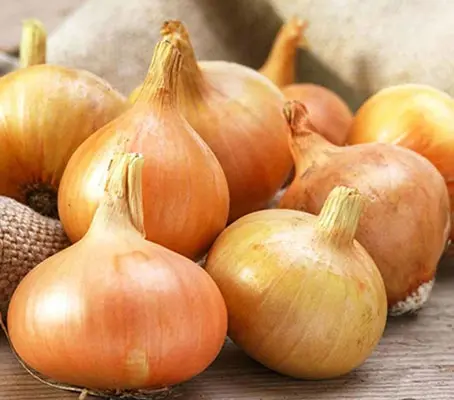
White or Yellow Bulbing Onion
This well-known heirloom variety is traditionally the most popular variety for the home gardener. Loved by Chefs, Onion ‘Stuttgart’ bulbs are large and beautifully round with a slightly flattened shape, the skins dry to a vibrant golden-bronze colour. Organic Seed.

Price range: €3.95 through €23.95