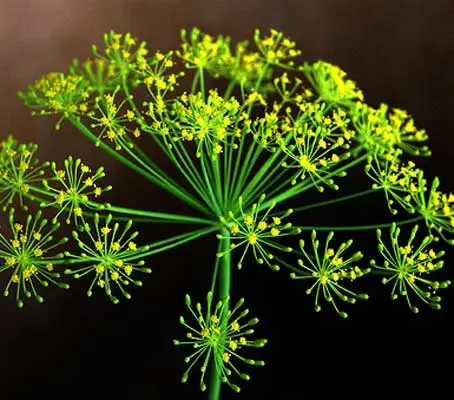
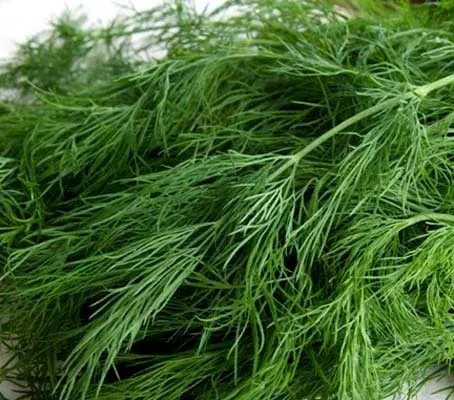
 Dill ‘Diana’ is a very upright and stable selection. Especially robust against bolting, it is very leafy with an attractive dark green colour. The plants have a compact growth habit and are suitable for windowsill or container use. Organic Seed.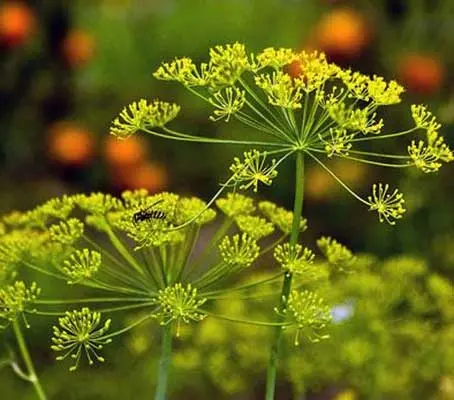
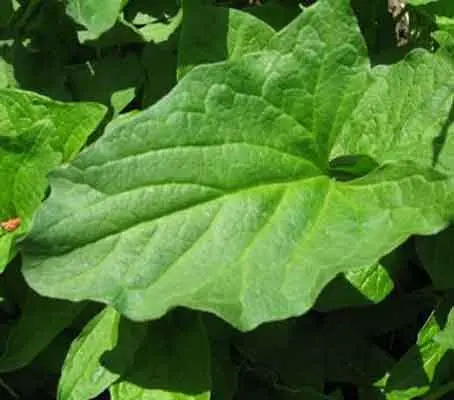
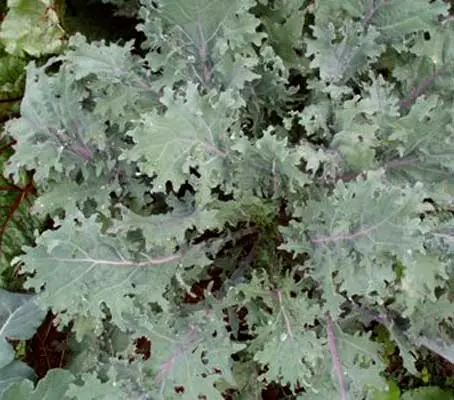
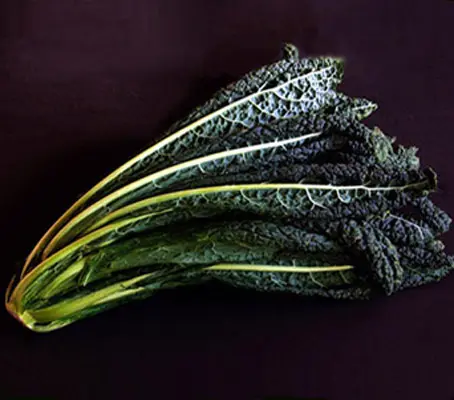
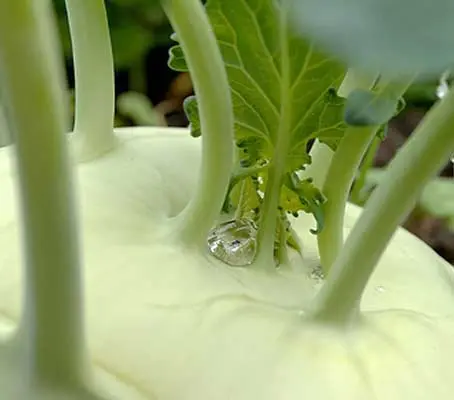
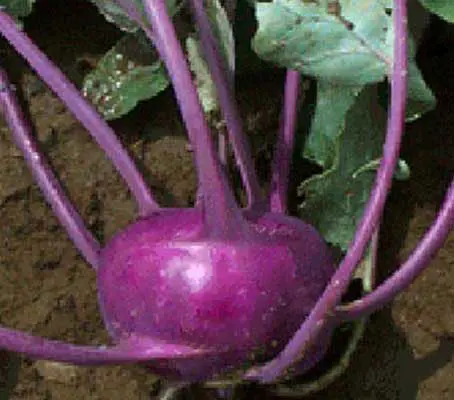 ‘Azure Star’ is a highly regarded purple kohlrabi from Europe, considered to be one of the finest. It is the earliest blue-leaved, purple Kohlrabi and is also the most delicious. Raw or cooked, it is superb eating, Azure Star sets a new standard for excellence. Organic Seed.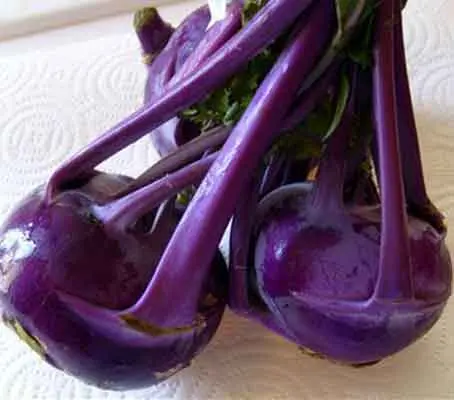
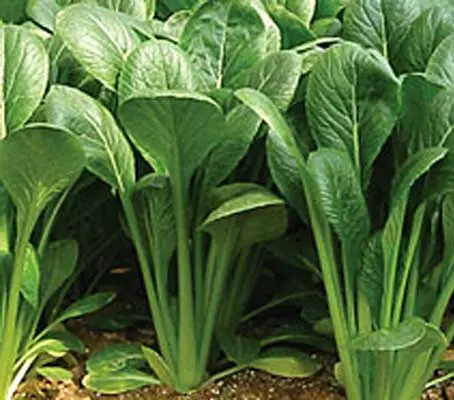
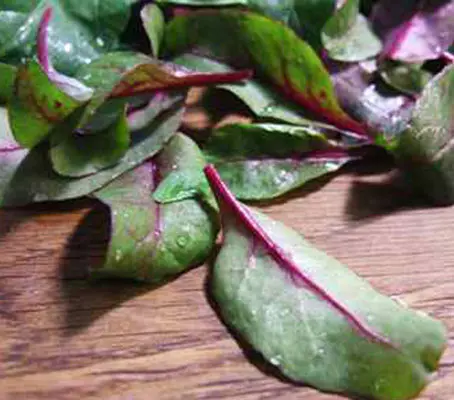 Bull’s Blood is the variety used by the commercial growers for both baby leaf and mixed salad leaves. The leaves are broader than other beetroot varieties, more flavourful than other red accent crops, they can be harvested for baby leaf salads in as little as 35 days. Organic Seed.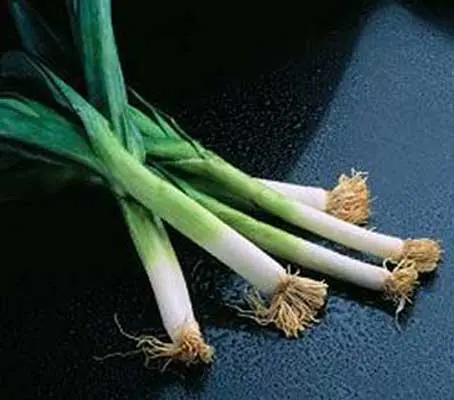
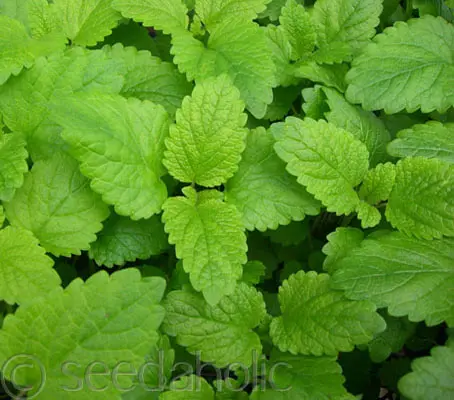
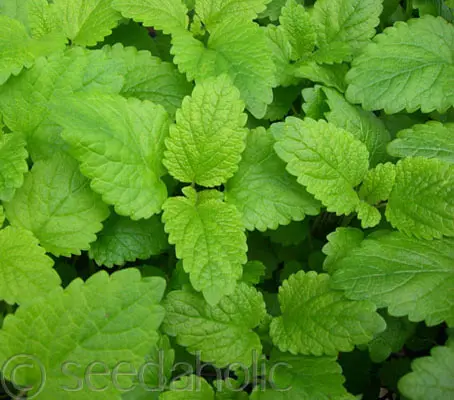 Lemon balm is a very special herb with a number other uses. The leaves have the scent of lemon with a hint of mint. It is refreshing served in summer drinks such as Pimms or lemonade, use to flavour fruit, in sorbets and deserts or with a green salad. Organic Seed.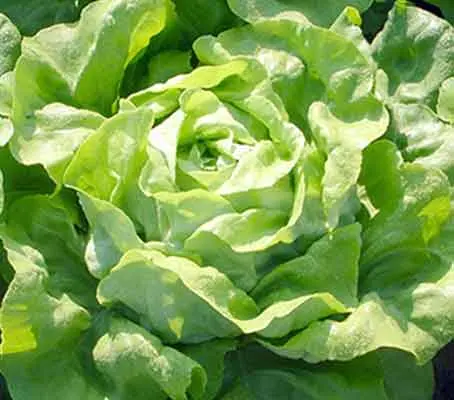
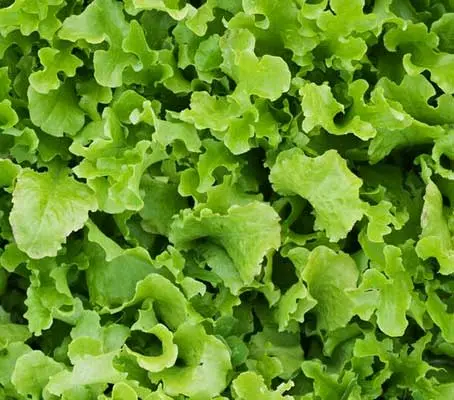
 Salad Bowl lettuce are amply named, one plant fills a salad bowl with no need to add other lettuces. “Green Salad Bowl” is an award winning variety that produces large, slow bolting, non-heading plants with sweet, succulent green leaves. N.I.A.B and RHS AGM. Organic Seed.
 Little Gem is a popular choice, and no wonder! It produces sweet crisp, small-sized hearts with few outside leaves. Quick to mature, dwarf and compact. It will tolerate hot weather and resists bolting and root aphid. NIAB Accreditation and RHS AGM.
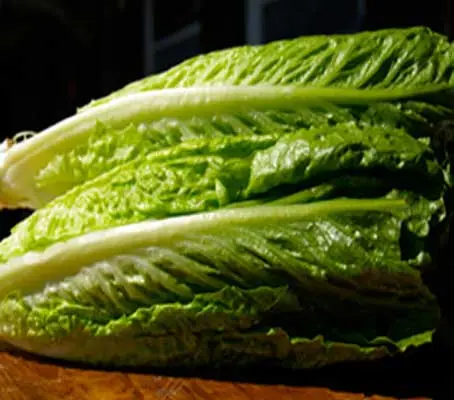 ‘Lobjoits Green Cos’ is considered by many to be the best lettuce that you can grow or eat. It can be grown year round and is renowned for its reluctance to bolt in summer. Home-grown, it will astonish you with its freshness and sweet taste, the the crispness is unrivaled
 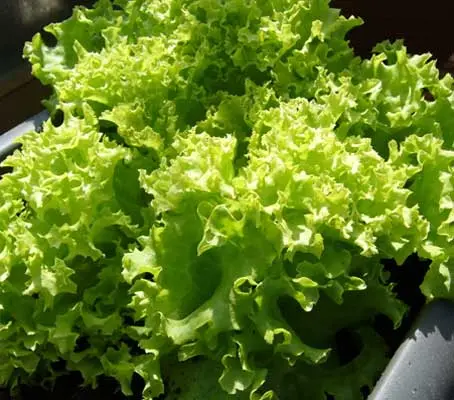 Lollo Bionda lettuce forms a beautiful round mound of pale green, crisp frilled edged leaves. Appreciated for its unique shape and refreshing taste, it holds well in summer heat and in the cold. It makes an attractive complement to Lollo Rossa.
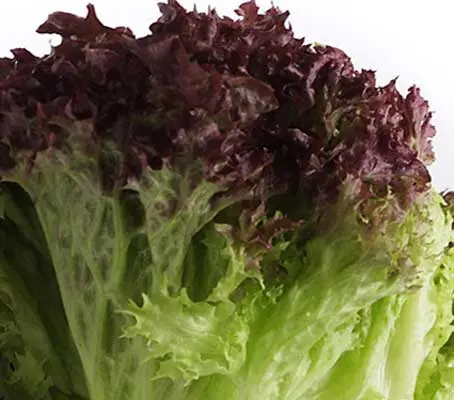 Lollo Rosso, for which you pay premium prices for in the supermarket is one of the easiest, trouble free lettuces you can grow. It’s a cut-and-come-again variety and produce leaves for three months or more. RHS AGM. Organic Seed.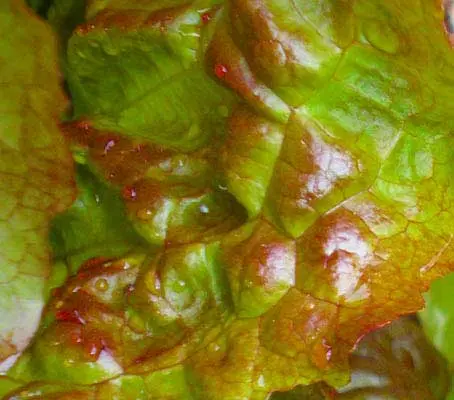
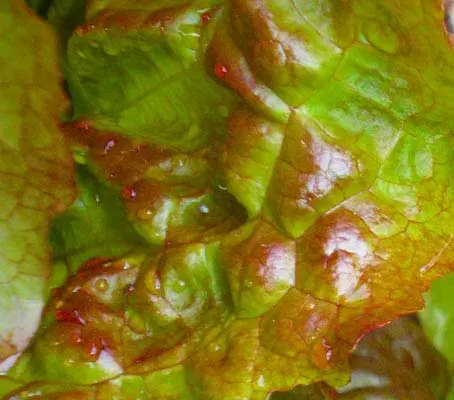 Also known as Merveille des Quatre Saisons this is a butter-head lettuce that is a true delight. With ruby toned leaves that encompass tightly folded green hearts it is as tasty as it is beautiful, and it is a truly beautiful lettuce. Organic Seed.
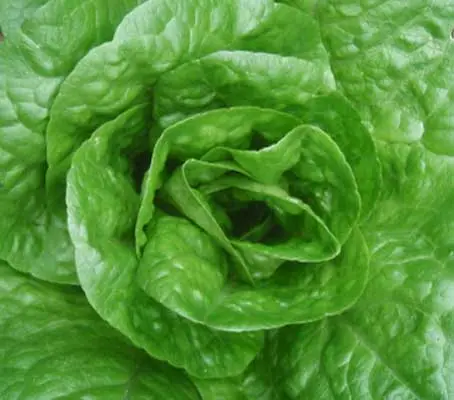 Parris Island produces an upright head of strong leaves with a distinctive crisp white midrib. Heat tolerant with fair bolt resistance, you can grow successive crops in spring and autumn and in mild coastal areas it can be grown year-round.
 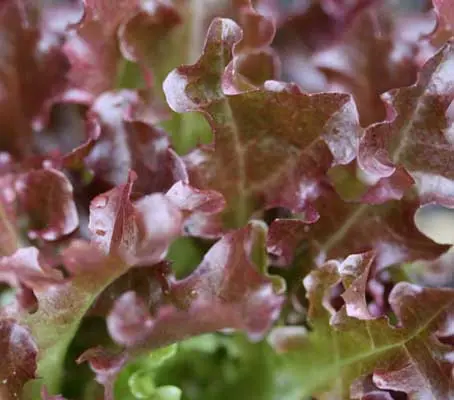 “Red Salad Bowl” is a large fast growing rosette lettuce with very pretty burgundy green crimped leaves.This award winning variety produces large, slow bolting, non-heading plants with sweet, succulent red leaves. N.I.A.B and RHS AGM.
 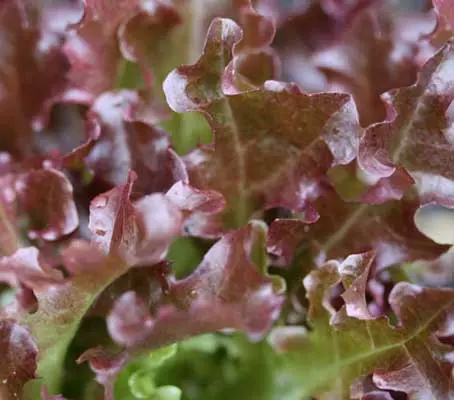 “Red Salad Bowl” is a large fast growing rosette lettuce with very pretty leaves.This award winning variety produces large, slow bolting, non-heading plants with sweet, succulent red leaves. N.I.A.B and RHS AGM. Organic Seed.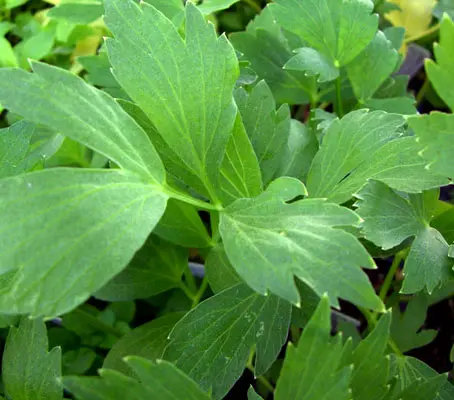
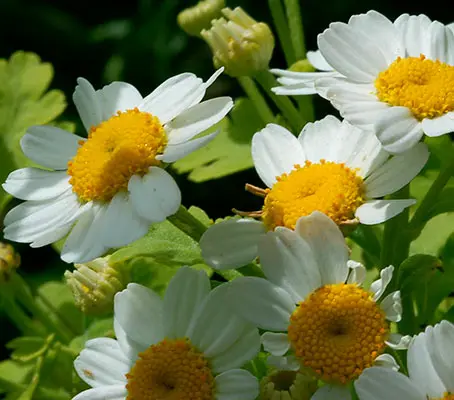
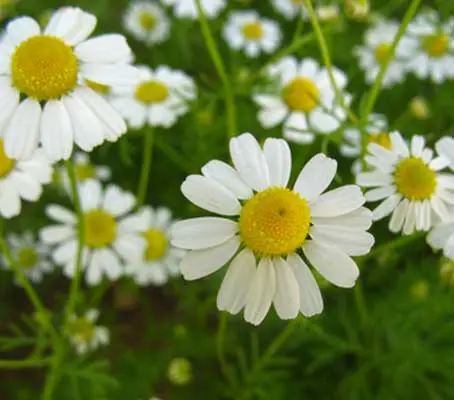 Chamomile has been used for centuries. In the realm of simple herbs, for the treatment of common ailments by the common people, few herbs have garnered such a reputation for success as the lowly chamomile. Organic Seed.
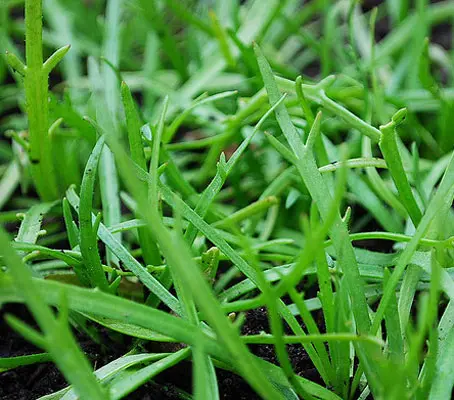
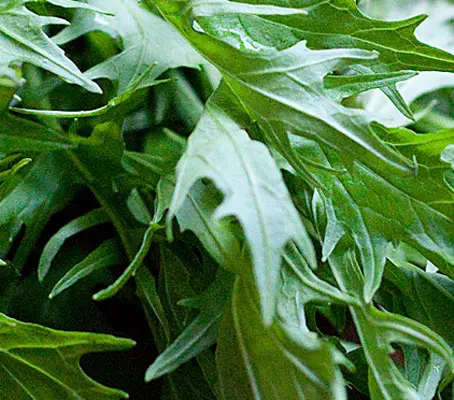
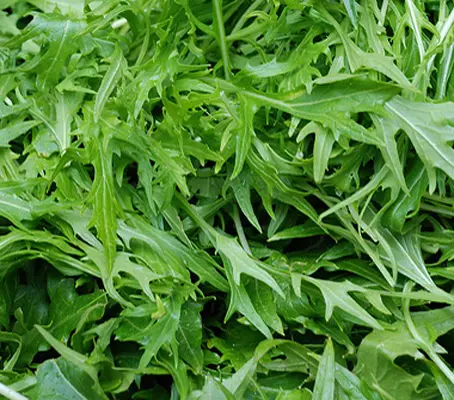
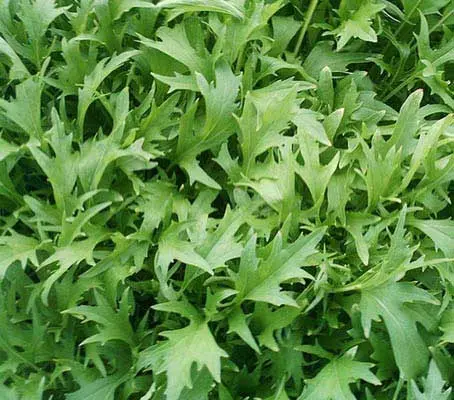 The marvelous Mizuna is an oriental wonder! It grows as a large rosette of finely serrated, feathery leaves, which are dark, glossy green, similar to rocket leaves. A very hardy plant and very easy to grow. Organic Seed.
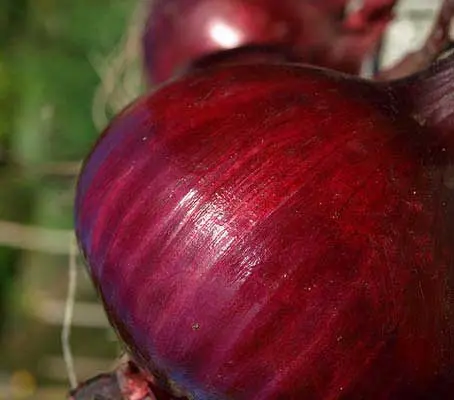 Onion ‘Red Baron’ is a well known and very popular mid to late maturing variety. Easy to grow, an excellent cropper and good for over-winter storage, it produces beautiful globe shaped, firm, well flavoured bulbs with good skins and thin necks.
 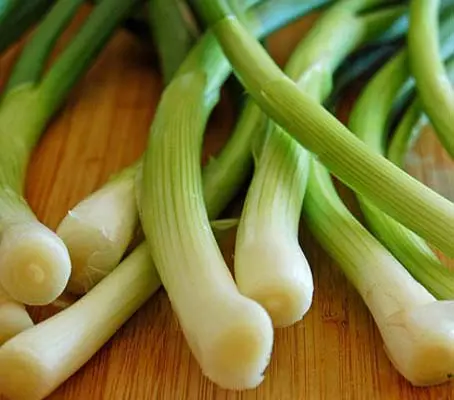 White Lisbon is an old favorite and ever popular Spring Onion. It is a hardy and reliable variety which features long white stems with bright green tops. It is quick and easy to grow, sow in autumn or spring, Cropping in 60 days. NIAB Accreditation and RHS AGM.
 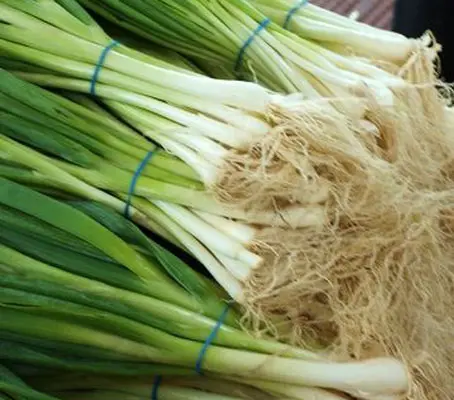 White Lisbon is traditionally the most popular spring onion for successional sowings from March to September, it can also be sown in autumn and over wintered for early spring harvests. Matures in 60 days. NIAB accreditation and RHS AGM. Organic seed.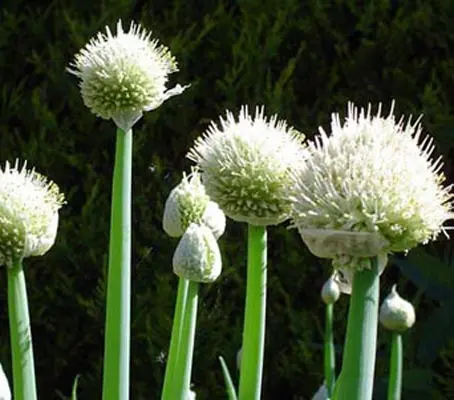
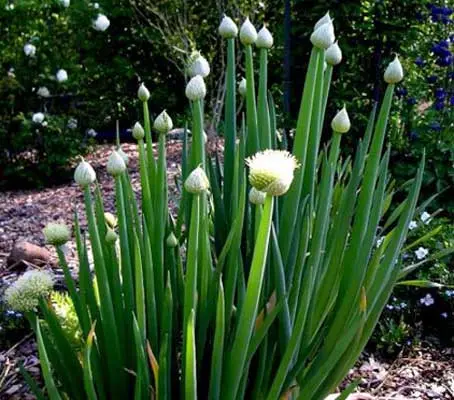 Allium fistulosum is a non-bulbing, leaf onion that produces clumps of tube-like hollow leaves with large creamy white globe shaped flowers. With a mild, sweet flavour it is an important ingredient in Asian cuisine. Organic Seed.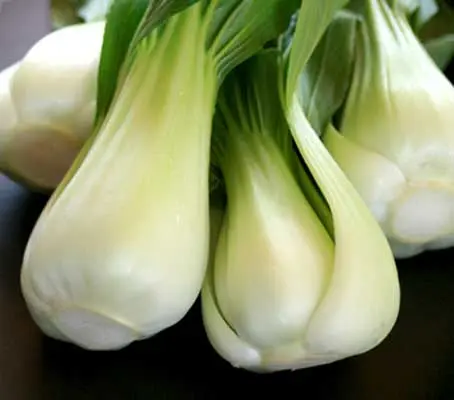
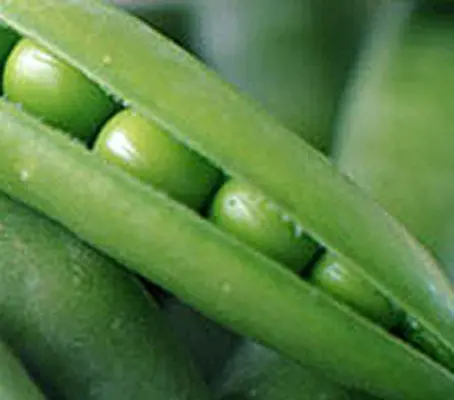 Pea ‘Early Onward’ is a widely grown, long-standing favourite. A wrinkle-seeded variety with blunt well filled, dark green pods. It is short jointed with vigorous growth. Heavy cropping it yields of 6 to 8 peas per pod of sweet tasting fine flavoured peas.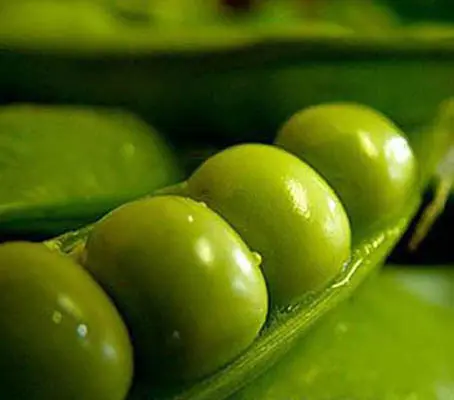

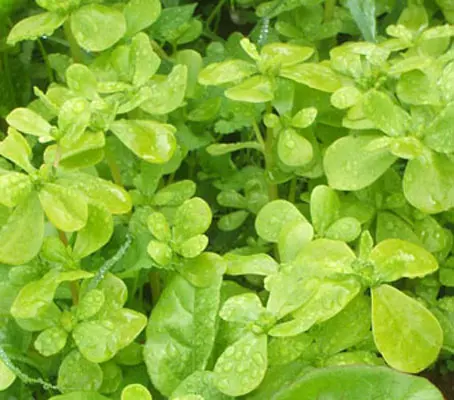
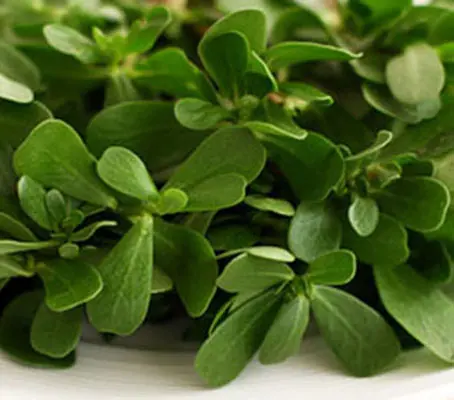
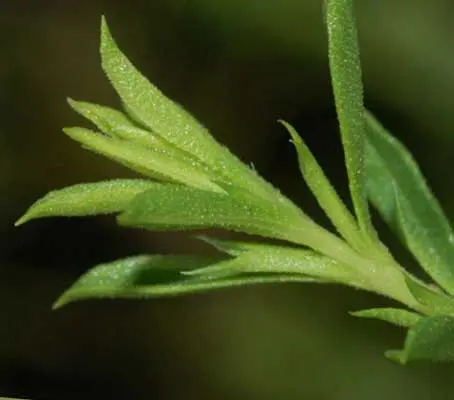
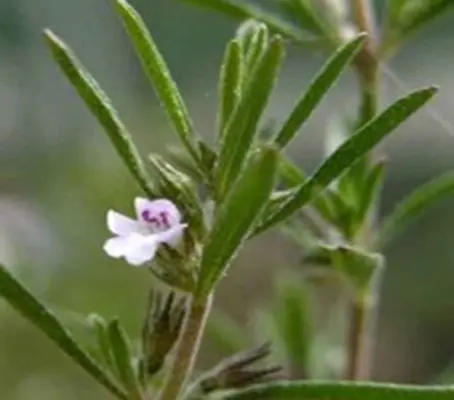
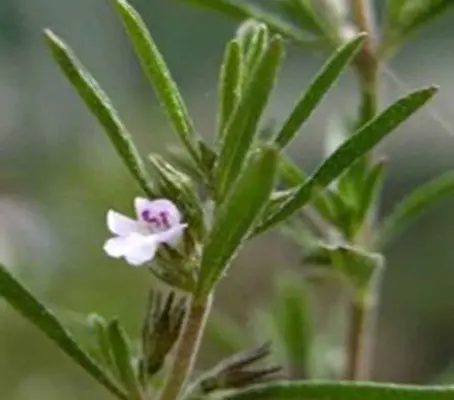 The leaves of Summer savory are so tender that they can be added fresh to salads or used as a garnish. Used in herb combinations it brings out the best in stews and vegetable dishes, and shines as a seasoning for roasting meats, fowl, and fish. Organic Seed.