 Skip to content
 Sort by:
Sort by:
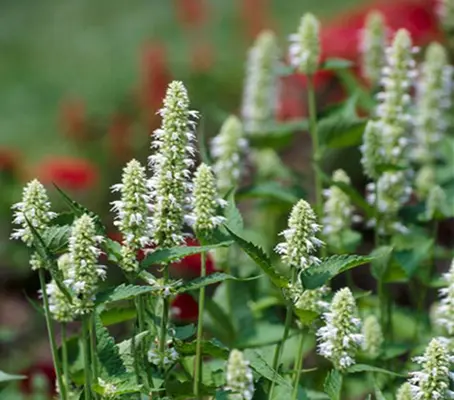
Korean Mint, Huo Xiang
Agastache ‘Liquorice White’ has tall spikes of white lipped flowers and like all Agastache produces copious amounts of nectar for bees and butterflies to feast upon. Flowering late in the season, it is a boon for building up bees’ honey reserves before winter and will produce a honey surplus where drifts are grown.
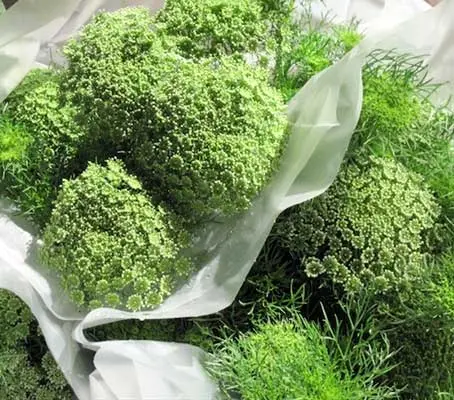
Queen Anne's Lace, (Syn Visnaga daucoides)
Ammi visnaga ‘Green Mist’ is a new variety of Queen Annes Lace, with larger, darker green and more mounded umbels than its cousin Ammi majus. It flowers from June to September the blooms are initially flattened and lime green, turning white. The textured flower heads are a flower arrangers dream.
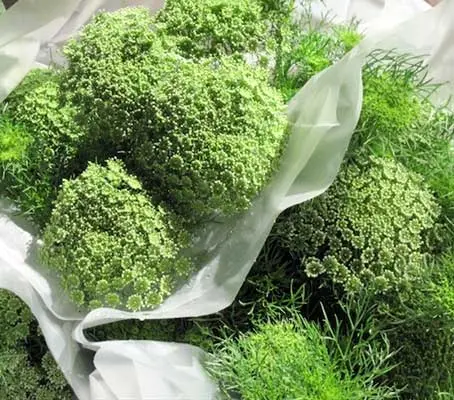
Queen Anne's Lace, (Syn Visnaga daucoides)
 Ammi lends a delicate airiness to any border and is often used to create a cohesive flower bed. It associates well with both annuals and perennials and makes an excellent addition to wildlife gardens, luring bees and butterflies to the nectar rich flowers. Organic Seed.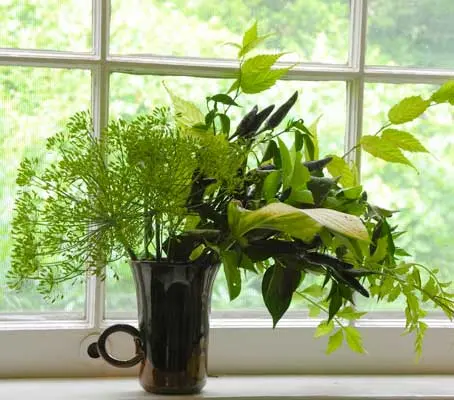
Florists Dill or Compact Dill
‘Mariska’ is a little known compact variety of Dill often referred to as ‘Florist’s Dill’. With starry bright yellow flower heads and abundant foliage it is an excellent variety for use as a cut flower, yet is still a great variety for the kitchen.
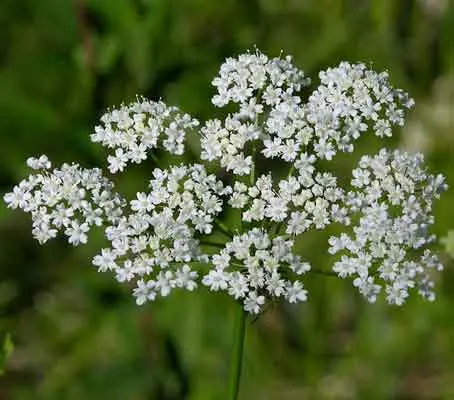
Anís, Aniseed
Anise, Pimpinella anisum is one of the oldest known herbs, famous for its liquorice flavour it has assumed a popular stature for both its culinary uses and in herbal medicine. Use seeds for flavouring cookies, pastries, and confections and the leaves fresh in salads and soups.
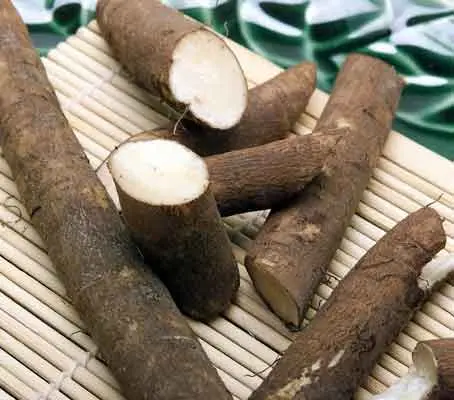
Burdock Root, Gobo
Regarded as both a nutritious vegetable and curative medicinal, the Burdock root is widely used in all sorts of cuisines from the classic English summer drink to the classic Japanese ‘Kinpira’. Seeds can be also sprouted like bean sprouts; nothing goes to waste with this plant.
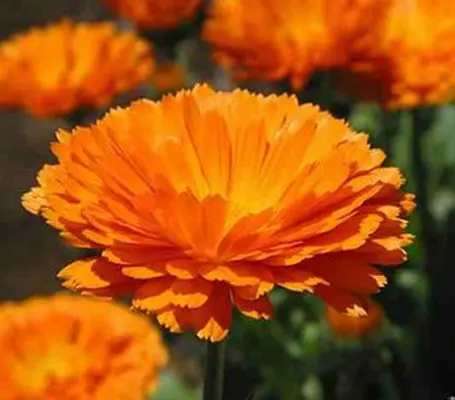
Pot Marigold, English Marigold. Herb Marigold
Cheerful and bright, use Calendula in beds, borders or containers. Calendula is prolific and durable, and like most hardy annuals it is easy to grow, simply sow where it is to flower. It is currently one of the top herbs used for medicinal use. Sprinkle salads and decorate cakes with the edible tangy petals.
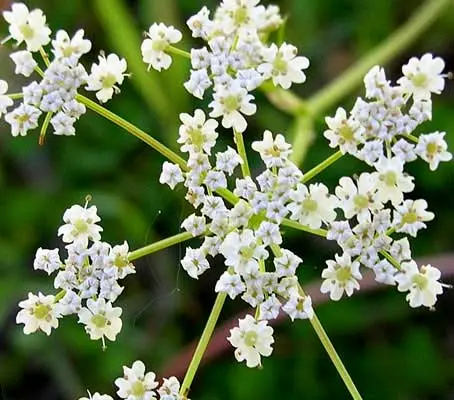
Meridian Fennel or Persian Cumin
Caraway is an incredibly useful plant. The seeds are used as a culinary spice and for medicinal purposes, the leaves can be eaten in salads and the roots cooked as a root vegetable. With feathery, delicate foliage the plant is lovely in the garden border and is a very useful companion plant in the vegetable garden.
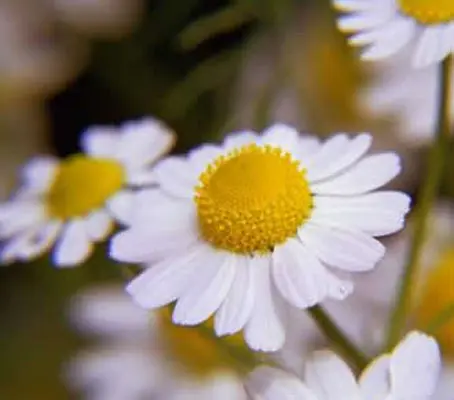
English or Lawn Chamomile
Also spelt Camomile
Camomile is a most useful plant. It can be used to make beautiful lawns and raised beds, an infusion of the plant is an ideal family remedy, calming and sedative, perfect for restlessness or travel sickness, while for gardeners the tea is effective as a spray to prevent ‘damping-off’ of seedlings
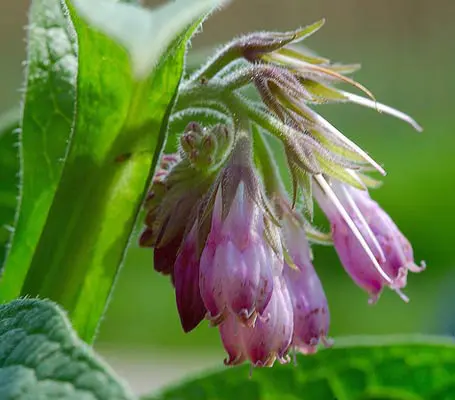
Knitbone, Bruisewort, Healing herb, Miracle herb.
To the organic gardener, Comfrey is invaluable. It’s easy to grow, easy to use and incredibly beneficial to the garden. Used to make organic liquid feed, it is especially valuable on crops that benefit from high doses of potassium. Organic Seed.
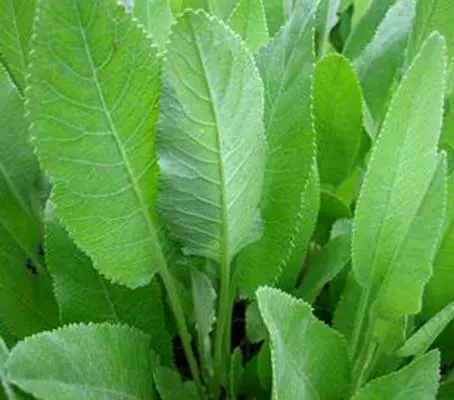
Herbe Sainte-Marie, Alecost
Costmary is one of the most interesting and complex of all herbs. With an aroma which has been described as like garden mint with hints of balsam it can be used for many purposes, culinary, medicinal or ornamental.
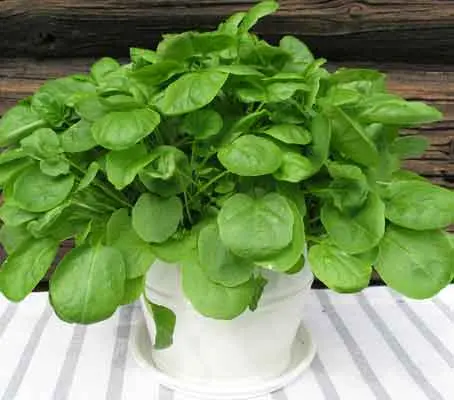
European watercress.
Watercress has recently risen to a starring role in elaborate culinary preparations. This highly nutritious aquatic herb has a lovely mustardy bite most commonly served raw as a garnish or as part of a salad.
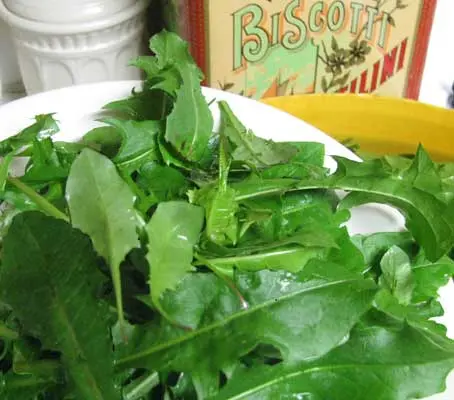
Dandelion, Clockflower, Tell-The-Time, Blowball, Puffball, Priests Crown
Dandelion is reviled by lawn manicurists yet, like Burdock, it is one of the most esteemed herbs in healing, the benefits are endless. The young raw leaves can be used in salads or cooked as a vegetable, the leaves contain more iron than spinach and are a excellent source of vitamins.
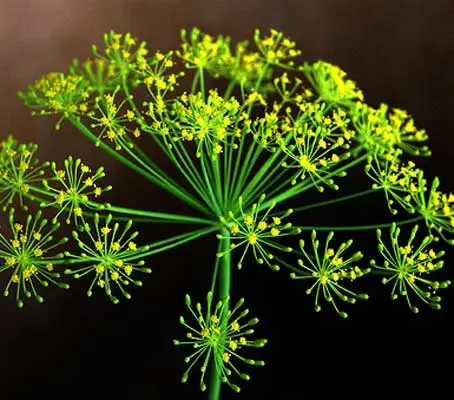
Dill Weed, Baby Dill, Dill Seed, Dill Fruit
Dill Bouquet is a popular variety with gardeners. It is an early bloomer that sports large seedheads and dark blue-green foliage. With good flavour it is the best cultivar for seed production. Sweet and aromatic, the flavour is intermediate between anise and caraway.
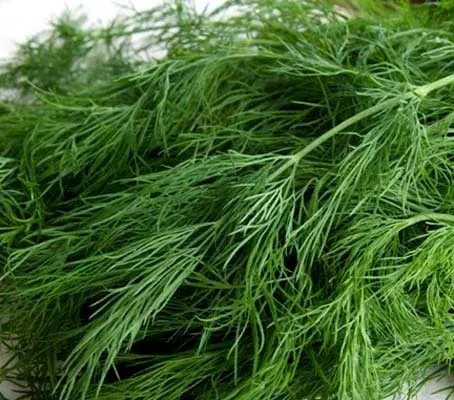
Dill Seed, Dill Weed
Dill ‘Diana’ is a very upright and stable selection. Especially robust against bolting, it is very leafy with an attractive dark green colour. The plants have a compact growth habit and are suitable for windowsill or container use. Organic Seed.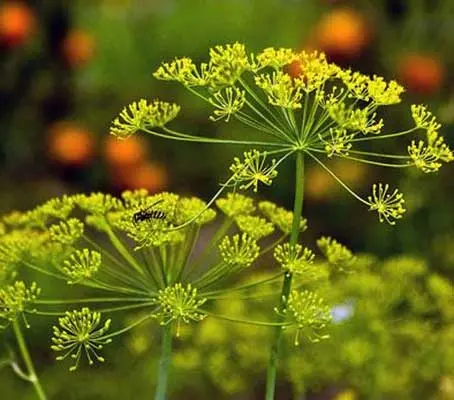
Baby Dill, Dill Seed, Dill Fruit
Dill Dukat is grown primarily for its abundant foliage, producing much more foliage before forming seed than most varieties. It is one of the best for fresh leaf production. Dill is certainly delectable. If ever the term “best if home-grown” were to apply to an item in the kitchen, dill would be it!
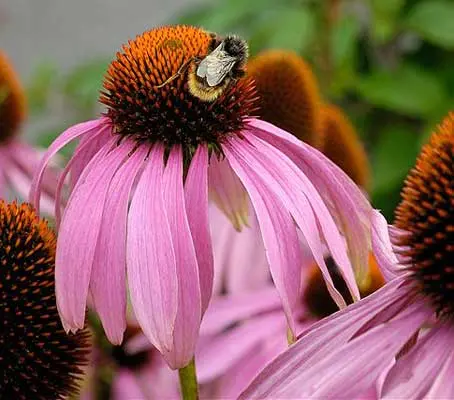
Western Coneflower, Narrow Leaf Coneflower Medicinal Herb
Native to the central and south-eastern parts of the United States, Echinacea angustifolia is valued as a short-term stimulant to the immune system. This classic purple flower is easy to grow and continues to be a favorite in home and public gardens, a ‘tried and true’ classic sure to please any home gardener.
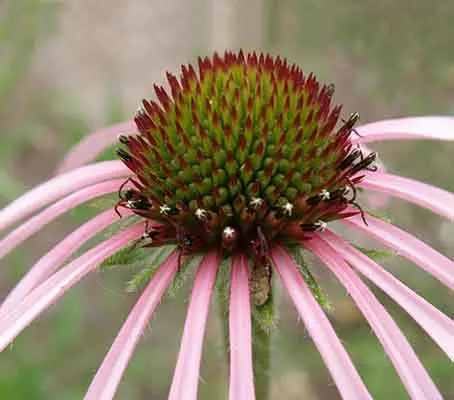
Pale Purple Coneflower
Echinacea pallida is one of the more rare members of the Echinacea family. They have much longer, ray flowers than those of the more familiar purple coneflower, the plants bloom earlier and continue to bloom sporadically through the autumn months.
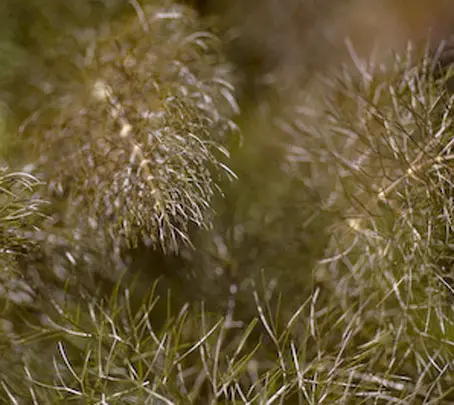
Herb Fennel, Bronze Fennel.
Used in many culinary dishes, the leaves and seeds of Fennel have a sweet aroma and an aniseed flavour. The fine clouds of feathery, bronze-purple leaves are wonderful in the herb garden or among tall perennials and grasses. The foliage acts as a delicate veil through which flower heads of plants can be seen.
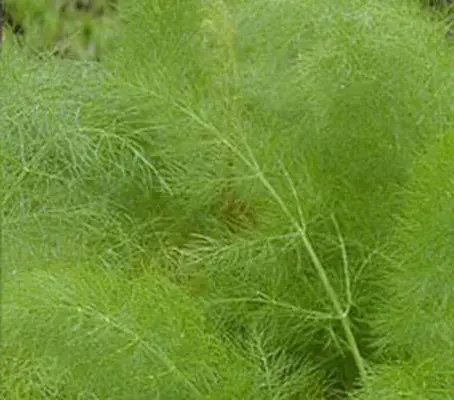
Herb, Tea or Sweet Fennel
Herb Fennel has a sweet aroma and an aniseed flavour. Both leaves and seeds have a multitude of culinary uses. The magnificent clumps of airy feather foliage are useful in the border or herb garden. And as a bonus, the plants are perennial. Organic Seed.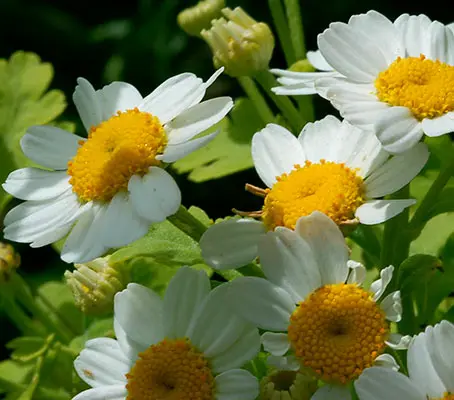
Whether your interest lies in medicinal herbs or simply its decorative qualities, growing Feverfew can be a welcome addition to any garden or allotment. Feverfew is a good companion plant and a natural insect repellent. Ideal for planting around outdoor seating areas and pathways
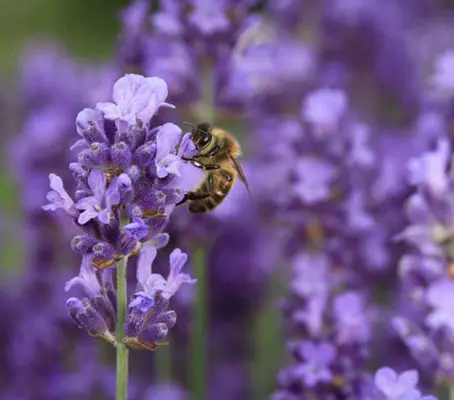
True English Lavender, Old English Lavender
Lavendula angustifolia is an excellent plant for low informal hedging and as a specimen evergreen for borders and formal gardens. Flowering generally begins from mid to late June to early July. The flowers have a rich sweet scent and are highly attractive to bees and other beneficial insects.
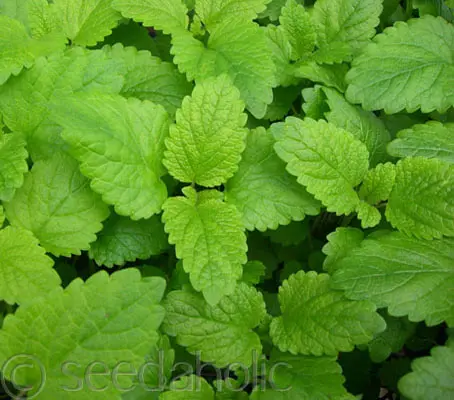
Bee Balm Sweet Balm, Balm Mint, Blue Balm.
Melissa officinalis or ‘Lemon balm’ is a highly-scented herb, best known for its use in tea, but this very special herb has a number other uses. If you enjoy the liquors Benedictine and Chartreuse you may find the taste familiar as lemon balm is an ingredient in both.
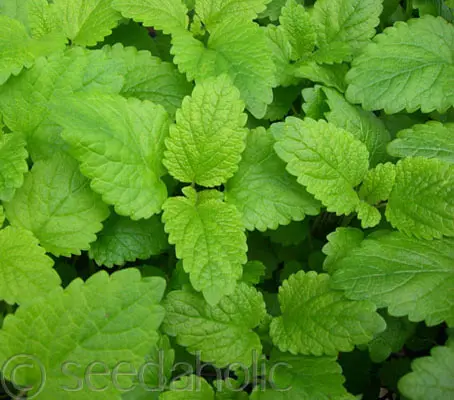
Bee Balm, Sweet Balm, Balm Mint, Blue Balm.
Lemon balm is a very special herb with a number other uses. The leaves have the scent of lemon with a hint of mint. It is refreshing served in summer drinks such as Pimms or lemonade, use to flavour fruit, in sorbets and deserts or with a green salad. Organic Seed.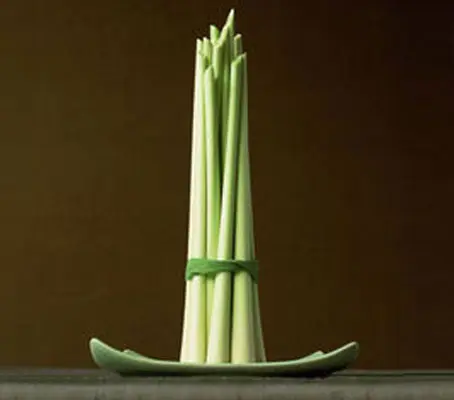
Lemon Grass, Cochin Grass or Malabar Grass
Lemon grass is widely used as a herb in Asian and Caribbean cooking. It has a citrus flavour and can be dried and powdered, or used fresh. It is commonly used in teas, soups, and curries and is also suitable for poultry, fish, and seafood.
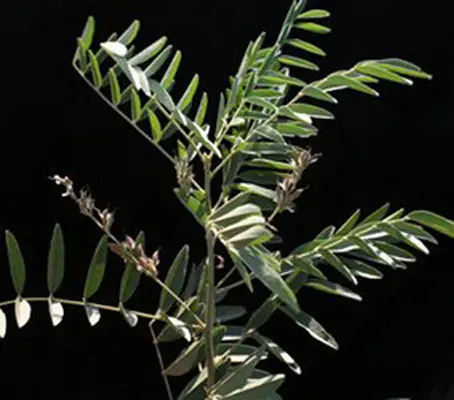
European Liquorice or Licorice (U.S.)
The liquorice plant has a very long history of use both as a medicine and as flavouring. The soft and pliable roots have an aroma strongly reminiscent of anise or fennel. The taste is dominantly sweet, warm and medical. Organic Seed.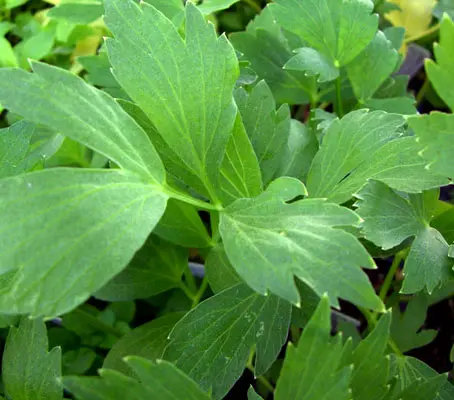
Love Parsley, Mountain Celery
If you haven’t cooked with lovage before then you have missed out on a very flavourful herb. The flavour is distinct and greatly appreciated by food aficionados. Even though some like to compare lovage to celery, it is almost like saying that an apricot tastes like a small peach.
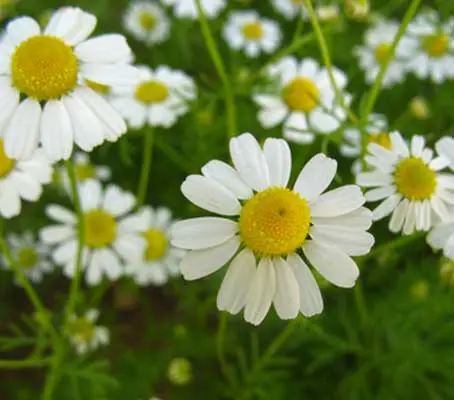
Camomile Tea, Syn. Matricaria recutita
Chamomile has been used for centuries. In the realm of simple herbs, for the treatment of common ailments by the common people, few herbs have garnered such a reputation for success as the lowly chamomile. Organic Seed.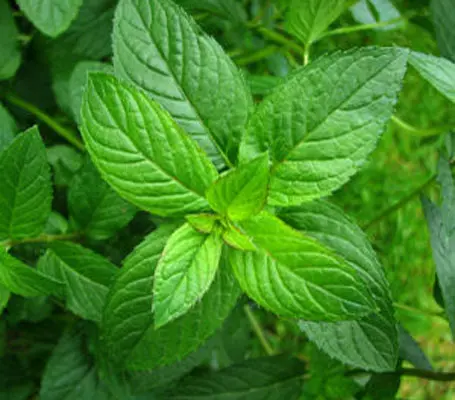
Brandy or Balm mint.
Peppermint is a perennial favorite for many people, it has high menthol content and its refreshing taste is uplifting and cleansing. Popular for infusions and a favourite among herbal tea drinkers, it is one of the easiest herbs to grow yourself. Get creative and include in Schnapps, Mint Juleps or Mojitos!
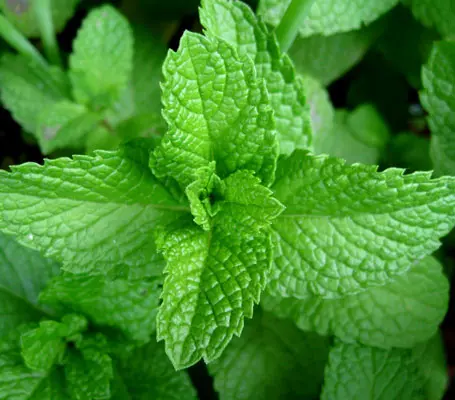
English, Common, Garden or Green Mint
Who can resist the smell of fresh mint in the garden? Mentha spicata is the best strain grown from seed. It is an exceptionally fragrant and ornamental plant in addition to having many culinary uses, it is also extremely attractive to butterflies and bees, making a wonderful addition to a wildlife garden.
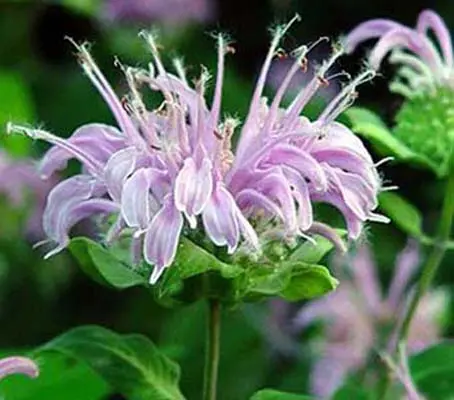
Bee Balm, Oswego Tea, Horsemint
Monarda fistulosa, also known as Bergamot is famed for its medicinal qualities. While in the perennial border these lovely plants produce a mass of mauve-purple blooms (even in their first year from an early sowing) and have uniquely scented foliage. Highly attractive to bees and butterflies.
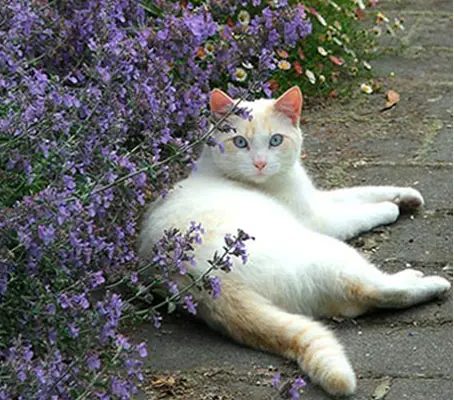
Catnip, Catmint
 Veteran gardeners are probably already aware of nepeta’s versatility in the garden. From its popular partnering with roses to the softening effect it has on hard edges. Nepeta is an ideal perennial for new gardeners and, of course, cats adore it.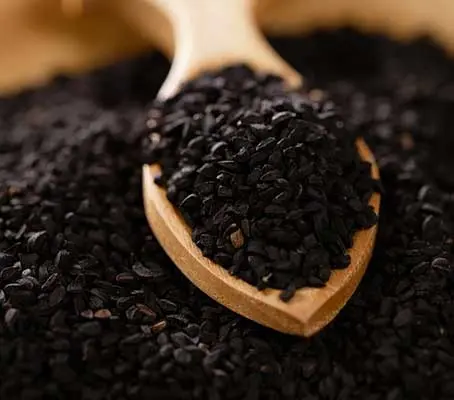
Black caraway, Fennel flower
We have all heard of Nigella Lawson, the British cooking show goddess who advocates the importance of a well-stocked pantry. But the seeds had the name first. Nigella sativa have a spicy, nutty flavour with a crunchy texture, they may be used whole or ground, and develop their flavour best after short toasting.
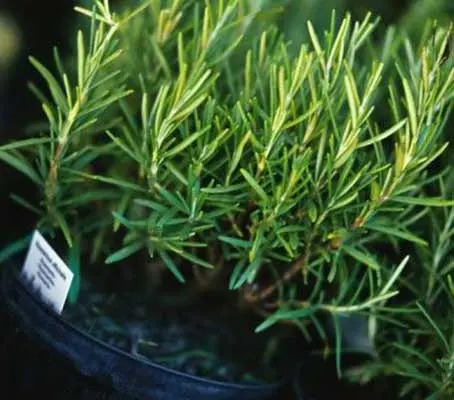
Herb Rosemary
Rosemary leaves are like soft pine needles, finely chopped they can be used to flavour a variety of dishes, especially stuffing. Many cooks simply cut sprigs of rosemary and place with roasted meats, especially lamb and pork with great results. Organic Seed.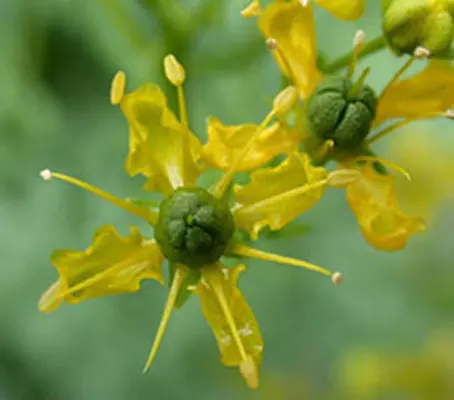
Garden Rue, Herb of Grace, Herb Rue
Rue, as an herb has for centuries been used by herbalists to treat almost every ailment known to man. It is ornamental with pretty evergreen foliage. It is easy to grow from seed and easy to maintain. It is especially good in knot gardens because it can be pruned into a neat hedge.
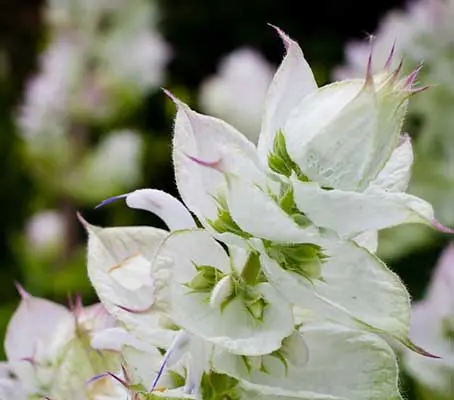
Biennial Clary, Muscatel Sage
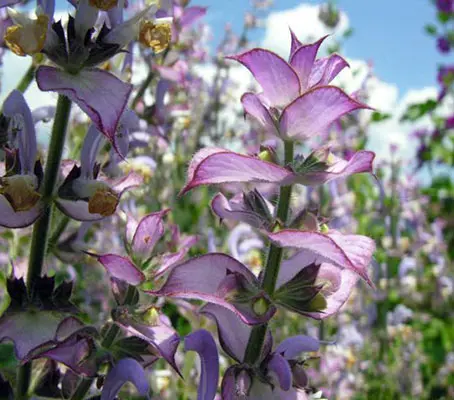
Salvia sclarea var. turkestanica ‘Vatican White’ is a choice white cultivar that is not that easy to find. A nobly architectural Sage, each of its branched stems is topped with a profusion of blossoms with brilliant white bracts. The flowers are attractive and are boosted in impact by the large petioles that surround them.
Biennial Clary, Muscatel Sage
This hardy biennial Sage has been grown in almost every botanical sanctuary in human history and has many plus points: it grows well in poor soil resists slugs and other beasties, and doesn’t slump or need staking. It copes well in sun or light shade and the blooms are a magnet for bees and butterflies.
Biennial Clary, Muscatel Sage
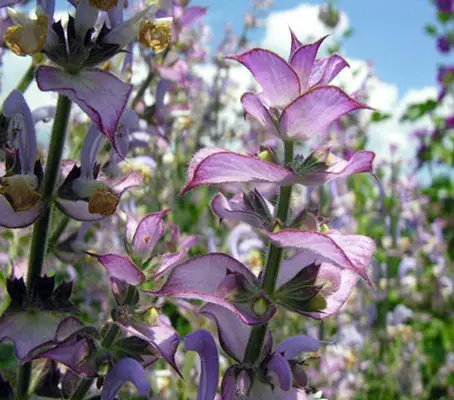
This hardy biennial Sage has been grown in almost every botanical sanctuary in human history. Each stem is topped with a profusion of pale blue blossoms and large pinkish white bracts. A truly architectural plant. Organic Seed.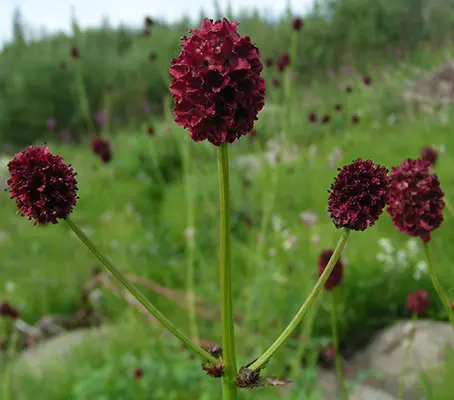
Greater Burnet, Di-Yu
Ancient Herb, WIldflower of Britain and Ireland
Sanguisorba convey a relaxed feel to the garden, indispensable to the modern gardener, but it is the summer when the unusual red flowers top the slender, upright stems that it really becomes a head-turner.
Bouncing Bet, Fuller's Herb
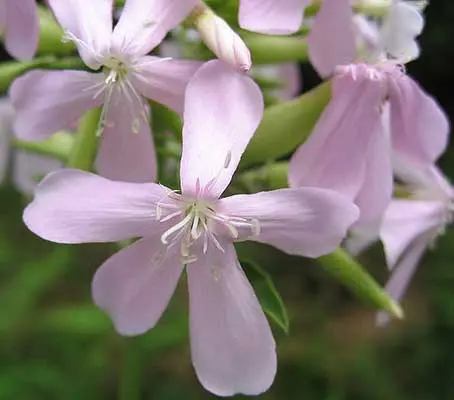
Cleanliness is next to godliness even in history. For centuries Saponaria officinalis has helped keep us clean while providing a little loveliness in our gardens. The flowers are an important nectar source and emit a pleasant and intriguing clove-like scent, seducing both night moths and butterfly species.
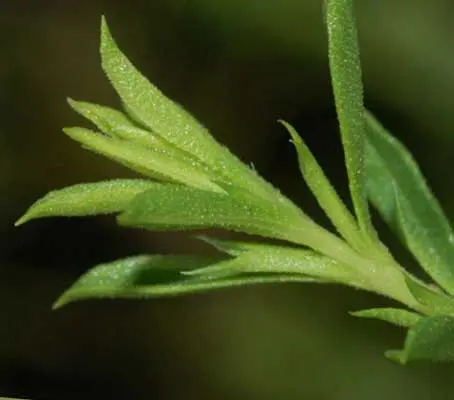
Mountain Savory, Garden Savory
Satureia montana ssp. citriodora is a lemon-scented variety of Winter Savory. Semi-evergreen, they retain their aromatic, lemon scented leaves in all but the coldest gardens and remain useful all year round.
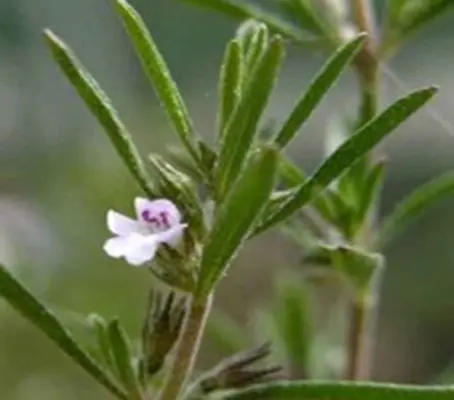
Summer Savory, Garden Savory
‘Midget’ is an excellent compact variety of Summer savory. This fast-growing annual provides an abundant supply of leaves that are so tender they can be added fresh to salads. It shines as a seasoning for roasting meats, fowl and fish.
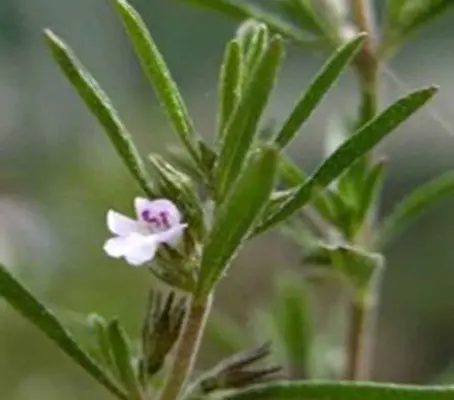
Summer Savory, Garden Savory
The leaves of Summer savory are so tender that they can be added fresh to salads or used as a garnish. Used in herb combinations it brings out the best in stews and vegetable dishes, and shines as a seasoning for roasting meats, fowl, and fish. Organic Seed.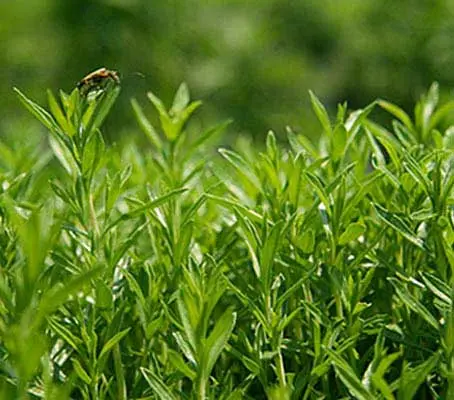
Mountain Savory, Garden Savory
Winter savory, the perennial savory has the same properties as its summer relative Summer savory, although it has a heavier aroma and a sharper pine type flavour. The small perennial shrubs are semi-evergreen, retaining their leaves in all but the coldest gardens and remain useful all year round.
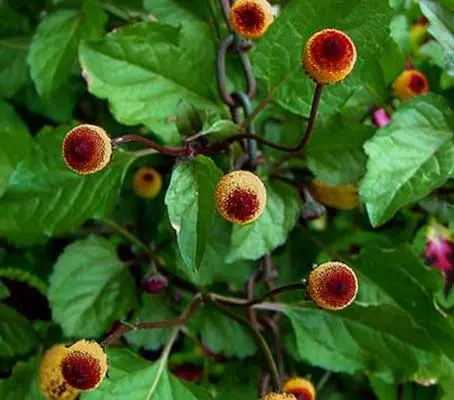
Syn. Acmella oleracea
Toothache Plant, Peek-A-Boo, Electric Daisy
Spilanthes acmella is a unique and versatile plant that will add texture and interest to your garden. Used by herbalists, the pretty yellow and red cone-shaped flowers and leaves have properties similar to Echinacea and has numbing properties when the leaves and flowers are chewed.
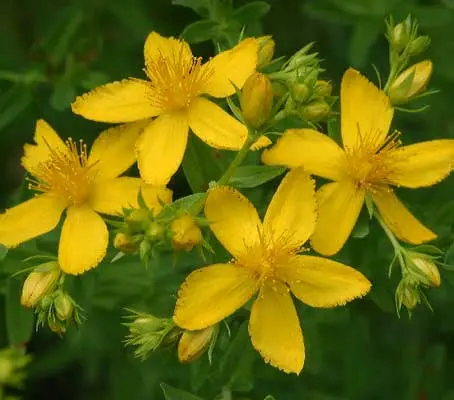
Wildflower of Britain and Ireland
St. John’s Wort, Hypericum perforatum is native to Europe and Asia and has a long history of herbal use. The most notable feature is the presence of wide bright yellow flowers. The flowers consist of five petals surrounding a dense tuft of protruding yellow stamens that resemble an old fashioned shaving brush.
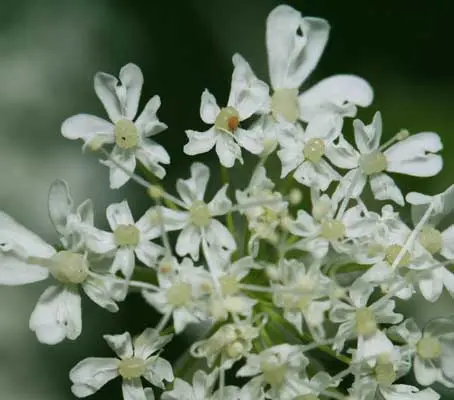
Garden Myrh, Anise
Sweet Cicely is an attractive plant that is a striking component of herb gardens and hedgerows. Growing to around 90cm, umbels of tiny white flowers appear from spring to early summer. Formerly a widely cultivated culinary herb, the fern-like leaves are deeply divided and smell of aniseed when crushed.
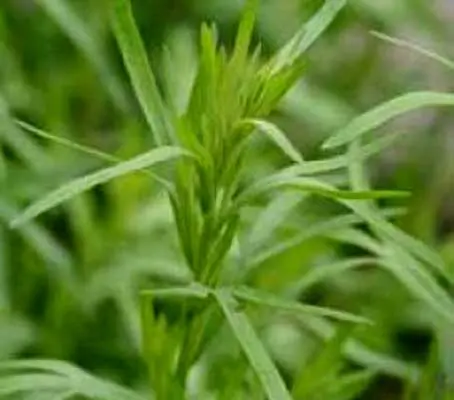
Russian Tarragon, False tarragon
The flavour of Russian Tarragon may not be so pronounced as its French counterpart but is it is a much more hardy plant that prefers poor soils and can cope with a bit of neglect. It produces lots of leaves, which can be used for a milder flavour.
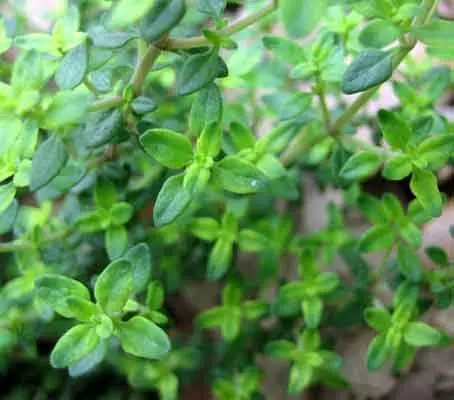
English Winter Thyme, Garden Thyme
Thymus vulgaris ‘Winter Thyme’ is one of the savory herbs, which are main course herbs used to flavour hardy meals, bone warming soups, and piquant sauces. They blend their essence with other savory herbs like Tarragon and Savory to create some memorable flavours.
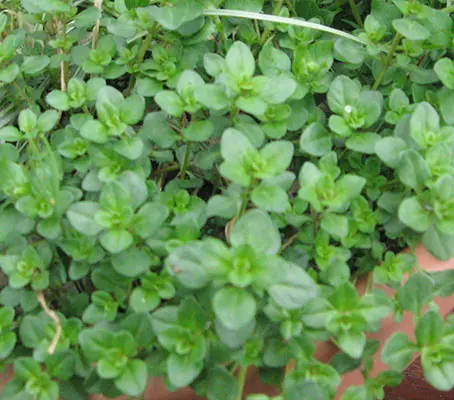
Thyme de Provence
Aromatic French Summer Thyme has more narrow, pointed leaves with a bit of a grey tint. The famed culinary thyme from France, it is higher in essential oil content than other varieties and reputedly the most flavoursome Thyme you can grow with a stronger and sweeter taste.
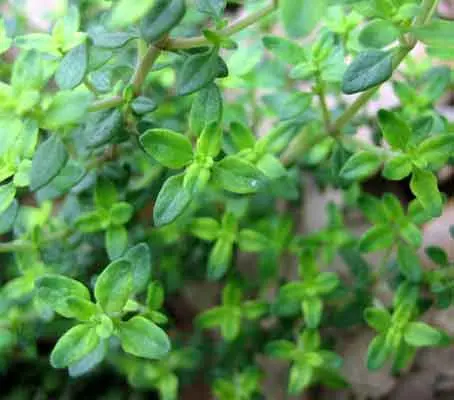
English Winter Thyme, Garden Thyme
Thyme leaves may be small, but they pack a powerful punch. Thymus vulgaris ‘Winter Thyme’ retains its flavour well in long slow cooking. It is one of the savory herbs, which are main course herbs used to flavour hardy meals, bone warming soups, and piquant sauces. Organic Seed.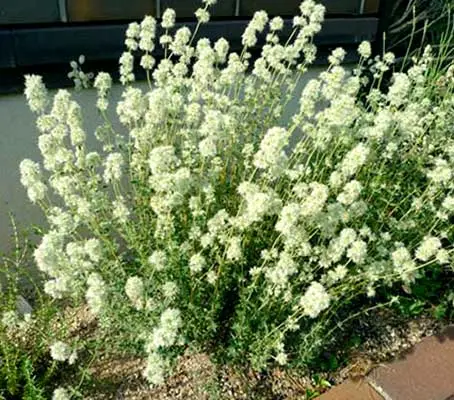
Mastic Thyme, White Thyme
Thymus mastichina is a very special thyme with an intense flavour. Used in Andalucía to season and preserve olives, the leaves have eucalyptus like overtones and are prized for their essential oils. Distinct and intoxicating, the flowers are like fluffy snowballs and are attractive both fresh and dry.
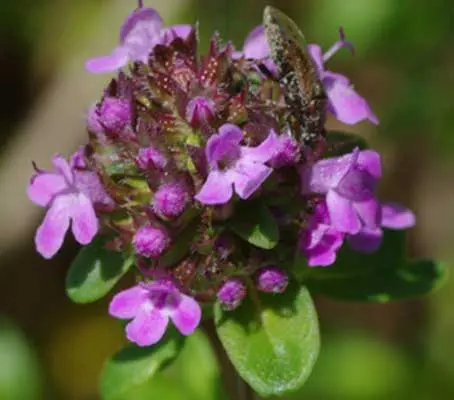
Mother of thyme, Large thyme
Regarded by many as the ultimate culinary thyme. The aromatic leaves of Broad Leaf Thyme have a stronger flavour and are much easier to use than narrow leaved varieties. Very ornamental, it can be also be useful as a groundcover.
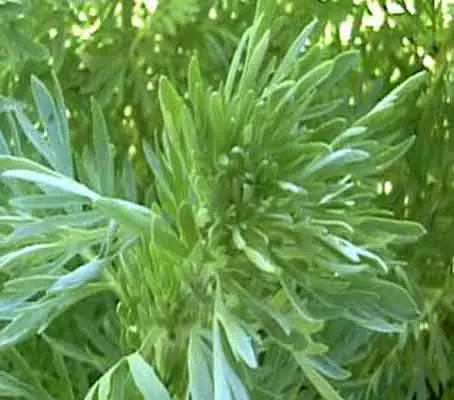
Absinthium, Absinthe Wormwood
Wormwood is best known as the primary ingredient in absinthe, but is also an exceptionally versatile herb. As well as being an attractive plant to look at, this ancient crop has been used for centuries as a moth repellent, general pesticide and as a spray to repel slugs and snails.
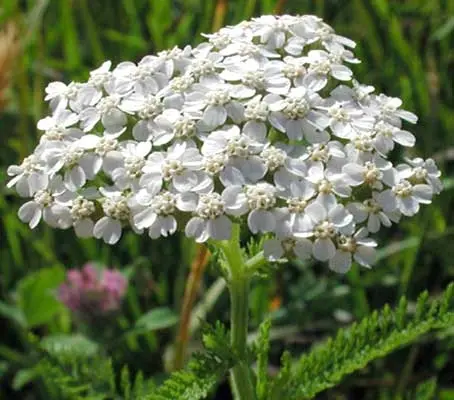
Wildflower of Britain and Ireland
These native wildflowers have clustered flower heads of tiny white flowers that from a distance look like little patches of snow resting on the grass. This famous herb is terrific as a wildflower clump in a blooming meadow, they are also a favourite for cut and dried flower arrangements.
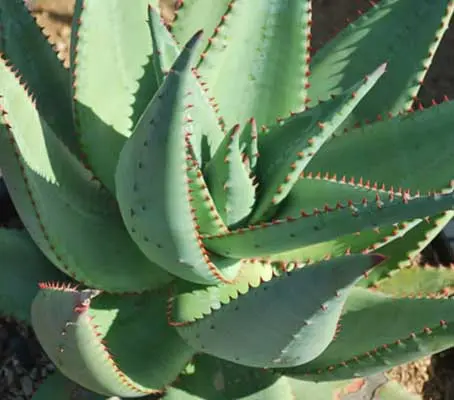
Ferocious Aloe, Cape Aloe
The Cape Aloe is a distinctly handsome plant, with broad, lance-shaped, fleshy leaves and a large candelabra-like flower-head. There are usually between five and eight branches, each carrying a spike-like head of many flowers.
€2.95
€1.95
€2.25 – €7.95Price range: €2.25 through €7.95
€1.55
€2.65 – €7.95Price range: €2.65 through €7.95
€1.75
€1.75
€2.25
€1.75
€2.95
€2.45
€2.25
€1.95
€1.75
€2.10
€2.45
€1.85
€1.85
€2.25
€1.95
€1.95
€2.25