Sort by:

Sort by:
No. of Varieties: 157
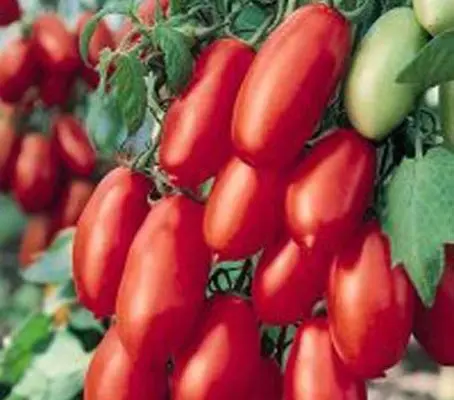
Plum Tomato, Heritage (Italian 1770)
Vine / Cordon (Indeterminate)

‘San Marzano’ is a classic plum/paste type of tomato from Italy, it produces clusters of delicious, elongated fruit.. This variety is a compact and prolific producer and performs best if staked. This heritage tomato is one of the jewels in Campania’s crown.

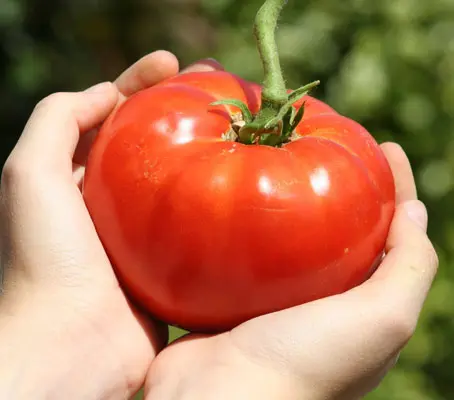
Beefsteak Tomato. Heritage (French 1900's)
Semi-Bush (Semi-Determinate).

This French heritage variety is famous throughout Europe, Marmande is the favourite large-fruited tomato of Provence. A classic beefsteak variety, ‘Super Marmande’ is large, juicy, well flavoured fruit and a great improvement over an already excellent variety.

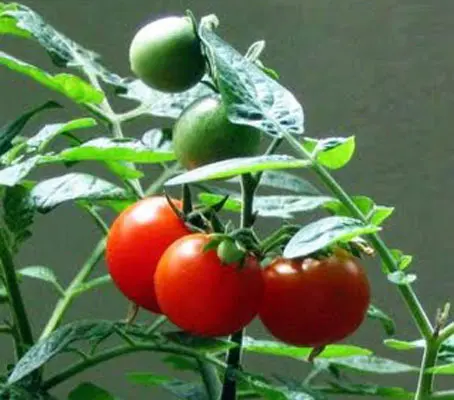
Dwarf Cherry Tomato, Heritage (English 1945)
Bush (Determinate)

Tiny Tim is a surprisingly tiny plant, growing to only 30cm (12in) tall. It can be grown as a potted plant any time of the year and doesn’t need support. Perfect for wherever garden space is limited and outstanding for growing in containers. It looks beautiful in hanging baskets or window boxes.

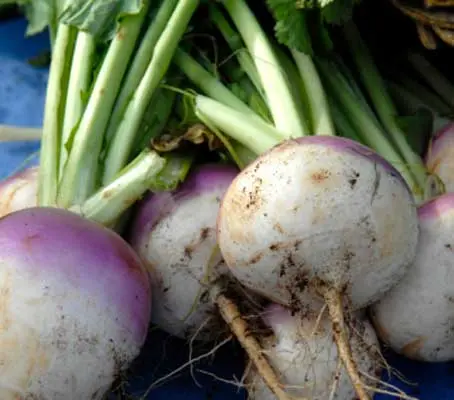
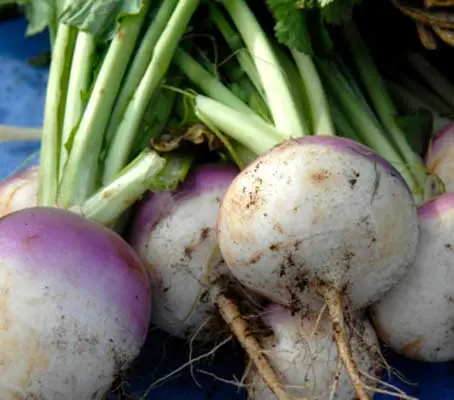
Red Top Turnip. Heritage (Italy pre 1888).

Purple Top Milan is a classic Italian heirloom variety and is still as popular as ever. Highly ornamental, it has smooth creamy-white flat roots with bright purple shoulders and pure white flesh. A strap-leaved variety, quick to mature and early cropping, it is an ideal ‘catch crop’ between slower growing vegetables.

Red Top Turnip. Heritage (Italy pre 1888).
Introduced before 1888 Purple Top Milan has smooth creamy-white flat roots with bright purple shoulders and pure white flesh of choice quality. Quick to mature and early cropping, it is an ideal ‘catch crop’ between slower growing vegetables. Organic Seed.
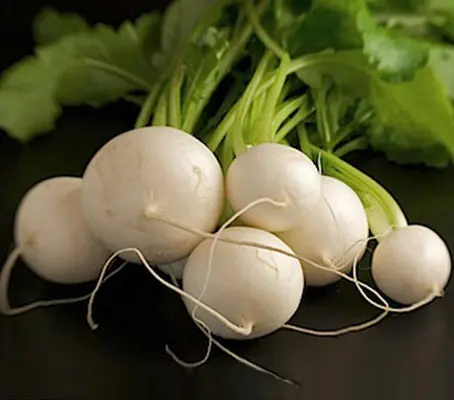
Japanese Type. Heritage (Pre 1885)

Turnip ‘Snowball’ is a very popular first-class, globe variety with solid flesh and a juicy, sweet, mild flavour. They are a fast crop, being ready in just five to eight weeks from sowing. With pure white flesh as its name suggests, Snowball is superb for both table and exhibition and is recommended by the N.I.A.B

Eggplant, Heritage (Italian)
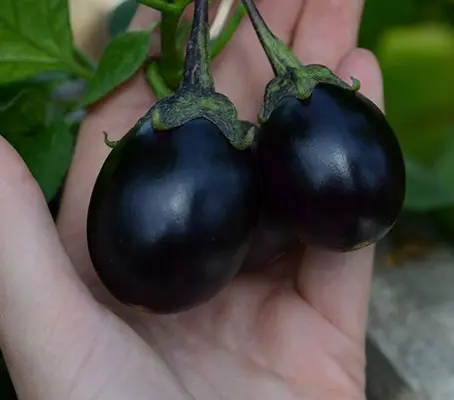
Aubergine ‘Bambino’ is an early dwarf variety ideal for growing in pots or small vegetable patches. The plants grow to a height of around 40cm tall with a stocky habit. The purple flowers are followed by multiple small purple cocktail type fruits. Ideal for making skewers, they are delicious baked, roasted or sautéed. Organic Seed.
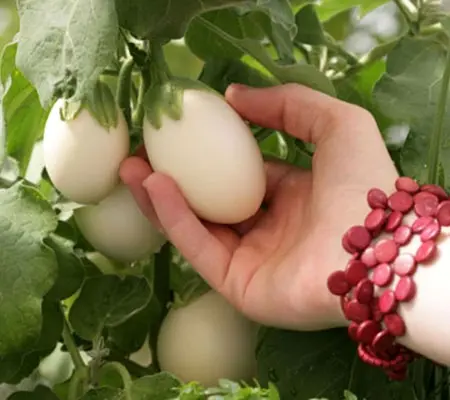
Goose Egg, Eggplant
Historically, White Aubergines were some of the first types to be found in cultivation in Asia. Today they are still relatively rare, but they are experiencing a wave of popularity as more chefs and home cooks search for diversity in their produce. Organic Seed.
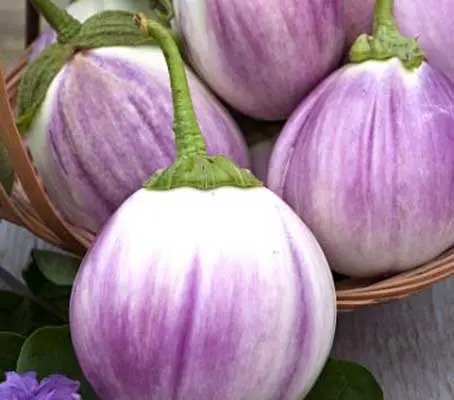
Eggplant. Heritage (Italian)

Considered one of the best by gourmets and gardeners alike, Aubergine ‘Rosa Bianca’ is a gorgeous variety with a delicate, mild flavour, creamy consistency. The fruits are produced in abundance, have a meaty flesh and a delicate flavour. They are both lovely to look at and lovely to eat.

Broad Beans, Fava beans or Horse Beans.

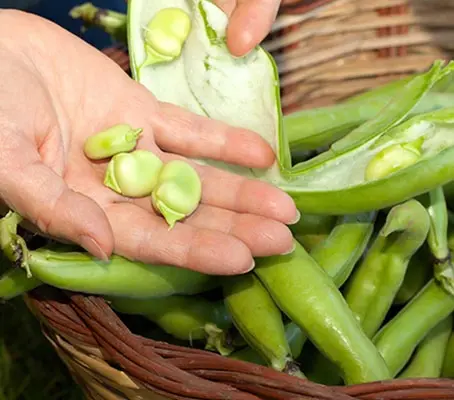
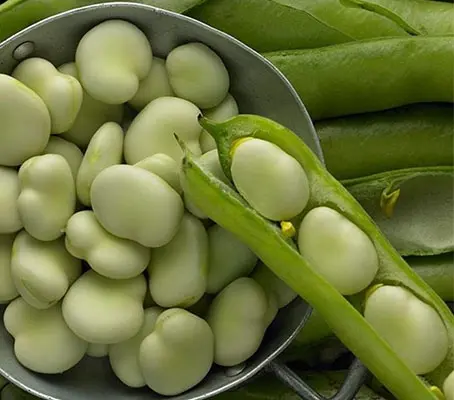
Broad Bean ‘Eleonora’ is a new improved selection of the popular Express variety. The fast growing plants are not too tall and produce long pods that are well packed with white beans. But it is the beans’ great flavour that makes ‘Eleonora’ stand out. Organic Seed.

Broad Beans, Fava beans or Horse Beans.

Broad Bean ‘Ratio’ is a very high-yielding variety. It produces fairly short plants that have a multi-branched habit, producing several stems which increases yield. It is suited to standard and late sowings and can be sown from February and as late as May. Organic Seed.

Climbing French Bean, Pole or Tall variety
Heritage (German 1800's)

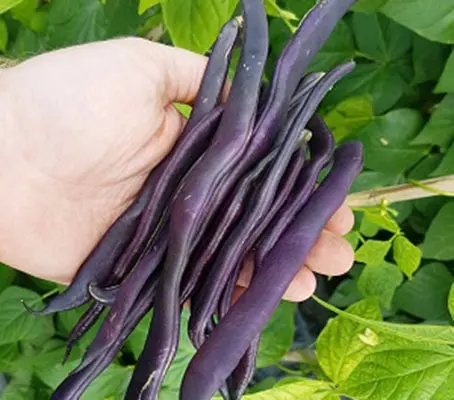
French Bean ‘Blauhilde’ well known German heritage variety that produces attractive purple-skinned pods that have excellent flavour. The entire plant is pretty, purple flowers and purple stems, they produce myriads of flowers from which large, long 20 to 25cm (8 to 10in), fleshy and stringless pods develop.

Climbing French Bean, Pole or Tall variety
Heritage (German 1800's)
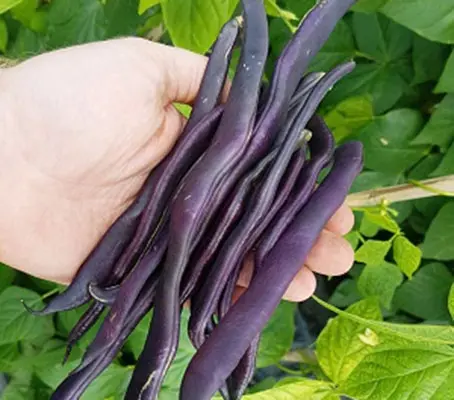
French Bean ‘Blauhilde’ is a reliable, attractive and extremely purple-skinned climbing French bean. Sown from April to July, They can be harvested continuously over a long period through to late autumn. Organic Seed.
Dwarf French Bean, Bush variety

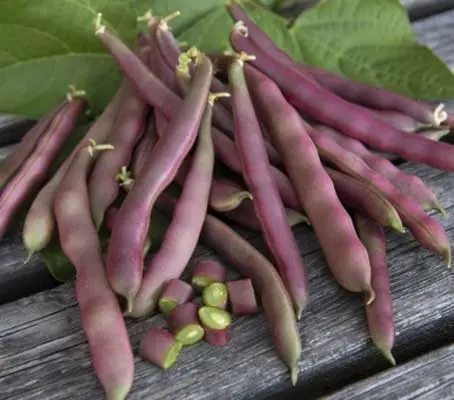
French Bean ‘Red Swan’ is an heirloom stringless bean with burgundy red pods. The plants grow up to around 50cm tall and are highly productive, with good flavour the beans mature in just 50 to 60 days. For a regular and steady supply of beautiful beans, sow a few seeds every couple of weeks, from April to July.

Climbing French Bean, Pole or Tall variety
Heritage (Land race from Switzerland)


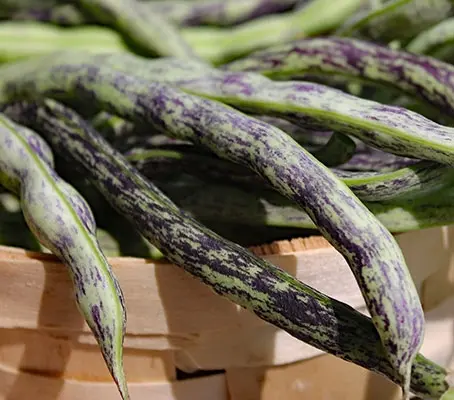
‘Weinländerin La Vigneronne’ pole beans are a classic from Switzerland, cultivated and preserved by the country women and known as ‘Wine country beans’ the distinctive pods are marbled and speckled with purple, as if stained by drops of wine. Organic Seed.
Runner Bean

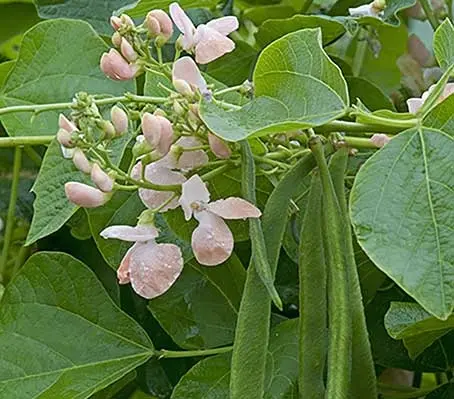
Runner beans are all attractive enough for flower gardens or patios, but the ‘Sunset Runner Bean’ is in a class by itself. The luminous peach to shell-pink blossoms are absolutely beautiful and will look equally at home in your vegetable plot or your flower borders. The pods are fleshy, straight, smooth, and almost stringless when young.

Early Purple Sprouting Broccoli

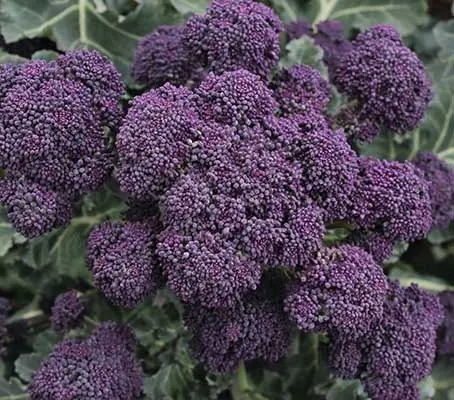
If you’re one of those gardeners who like to push the envelope, don’t forget to add purple sprouting broccoli to your overwintering repertoire. ‘F1 Rioja’ is a compact, very productive plant with a bushy habit, which produces very high quality, brightly-coloured spears.

York or Sweetheart Cabbage

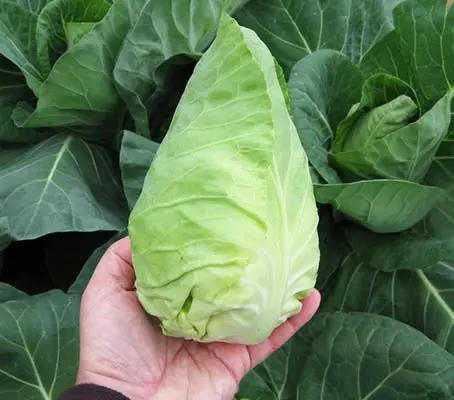
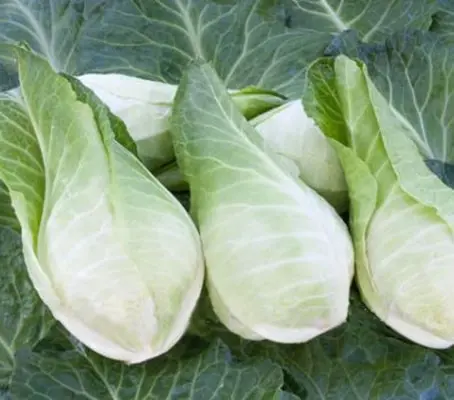
Cabbage ‘Cape Horn F1’ is an excellent pointed cabbage variety that produces exemplary heads and begins and ends the cabbage season. Not commonly available, it has been developed for cultivation during spring, summer and early autumn. RHS AGM.

York or Sweetheart Cabbage

When every little sprout and leaf seemingly has its 15 minutes in the spotlight, the possibility that cabbage is being recognised for its deliciousness, instead of its health benefits or affordability, is unexpected, to say the least. Exceptionally sweet and tender. Cabbage ‘Caraflex F1’ is unique.

Early Autumn. Sweetheart Cabbage ‘Ox Heart’
Heritage (Italian)

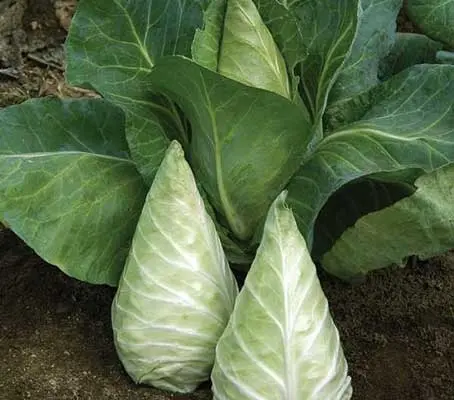
Not all cabbages have the round shape that we usually find on the market. Cuor di Bue Grosso, literally translated means ‘Large Heart of the Ox’, a cultivar with a beautiful conical shape, large, firm, pointed hearts and sweet compact heart, and looking at its glorious shape ‘Ox Heart’ is the perfect name for it

Pointed Headed Cabbage
Heritage (German circa 1700's)
Cabbage ‘Filderkraut’ it is a medium-late pointed cabbage. The point is coreless, making it very easy to cut fine shreds and it has a smooth and somewhat sweeter taste in comparison to other varieties, making it one of the very best sauerkraut or coleslaw cabbages there is. Organic Seeds.
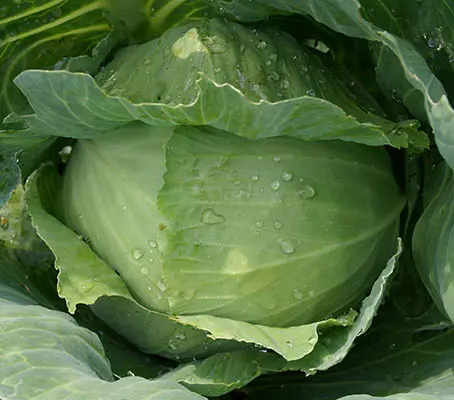
Autumn / Winter Cabbage
Heritage (Dutch, bred in 1899)

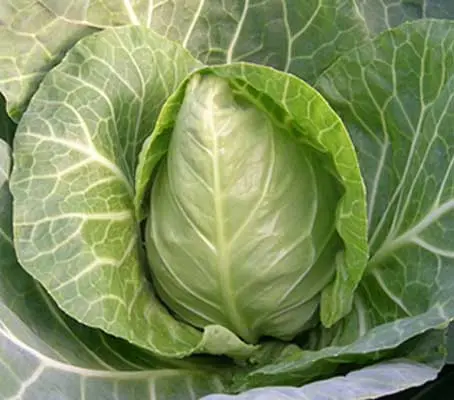
A traditional autumn maturity variety, Cabbage ‘Glory of Enkhuizen’ is an excellent variety that was originally bred in 1899. The medium-large, hard round heads are light green in colour, used in slaws, salads, soups and stir fries, it is a good keeper, ideal for storage, and for kraut.

Late Summer to Autumn

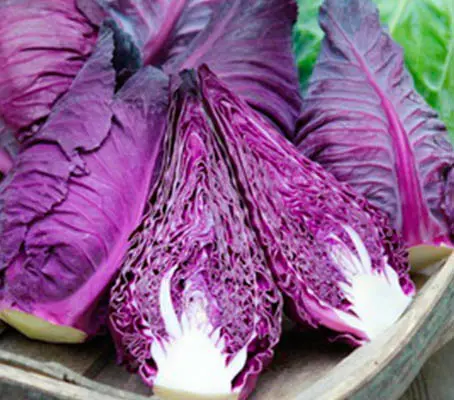
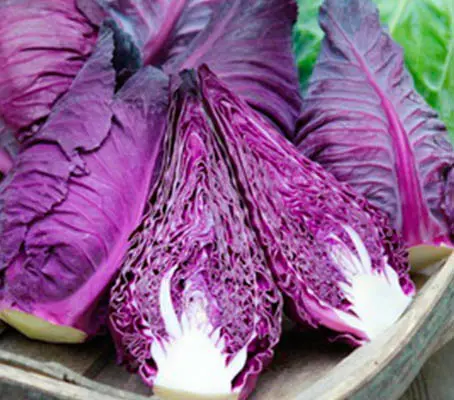
Cabbage ‘Kalibos’ is a pointed cabbage variety with distinctive red leaves. For late summer and autumn cutting. A delicious cabbage that has a high sugar content, making it the perfect variety for shredding raw into salads for superb sweetness, crunch and colour.

Late Summer to Autumn

Cabbage ‘Kalibos’ is a pointed cabbage variety with distinctive red leaves. For late summer and autumn cutting. A delicious cabbage that has a high sugar content, making it the perfect variety for shredding raw into salads for superb sweetness, crunch and colour. Organic Seeds

Savoy Cabbage, Winter Savoy

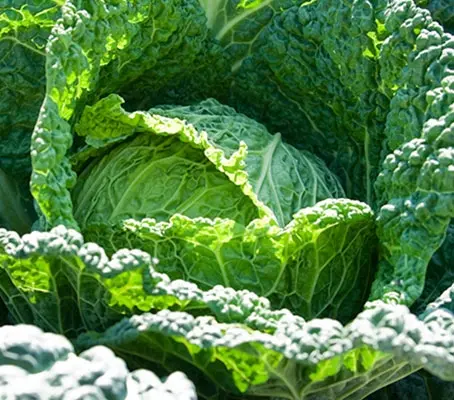
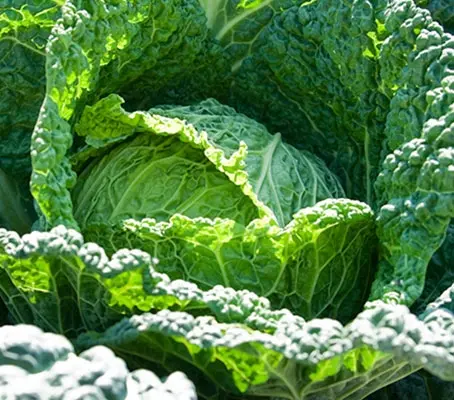
Savoy cabbage ‘Vertus’ produces heads of finely blistered, dark green ruffled leaves that have a sweet, subtle flavour. This mid-late, frost hardy variety produces cabbages that have the ability to withstand even severe cold weather. Sow April to early June, harvest October to February.

Savoy Cabbage, Winter Savoy

Savoy cabbage ‘Vertus’ produces heads of finely blistered, dark green ruffled leaves that have a sweet, subtle flavour. This mid-late, frost hardy variety produces cabbages that have the ability to withstand even severe cold weather. Sown from April to early June and harvest October until February.

Maincrop & Successional
Heritage (France mid 1800's)
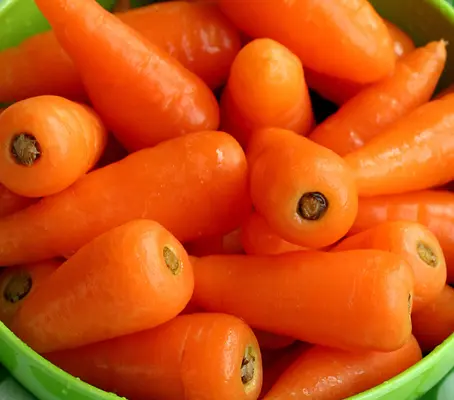
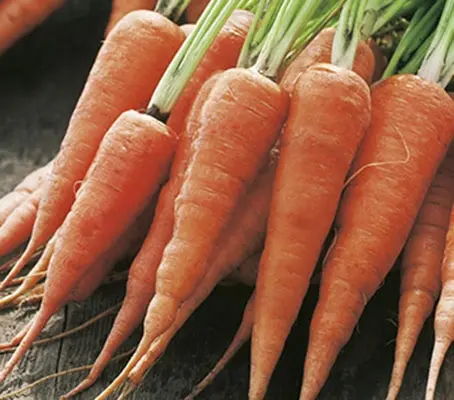
Originating from the Chantenay region of France. Carrot ‘Chantenay 2’ is deservedly well known, a popular small variety of carrot with orange-red flesh and a fine crisp texture. Particularly popular with children because of their sweet crunchiness and small size, one carrot is perfectly designed to fit snugly into the hand of a small child. Organic Seed.
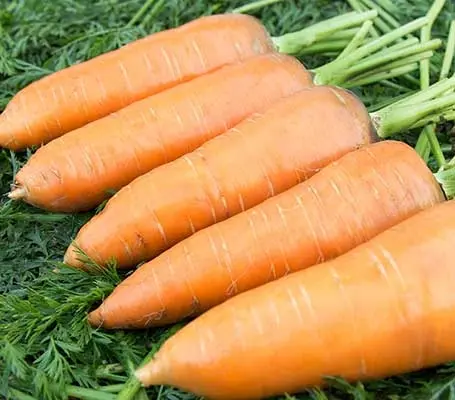
Late Season, European Heirloom (C 1900's)
‘Giants of Colmar’ is a late-season carrot that reliably produces magnificently large roots with juicy, sweet flesh. Sow from May onwards, they are ideal for winter harvests and renowned for their excellent storage properties. Organic Seeds.
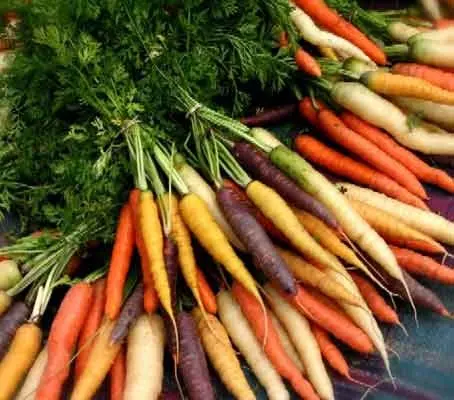

Four Colourful Varieties
With their compelling health benefits and a thumbs-up from taste testers, colourful varieties of carrots have quickly established themselves to be de rigueur for both home growers and market gardeners. This season we are offering a mix of four rare and unusual, heirloom varieties. Organic Seeds.
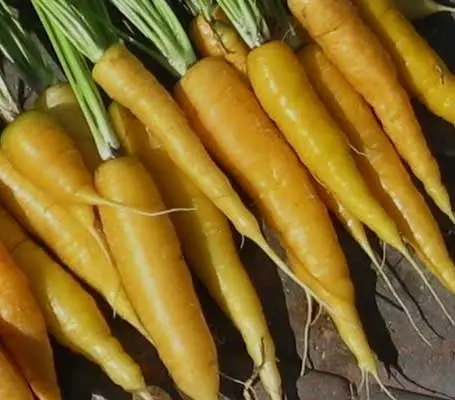
Heirloom French Variety
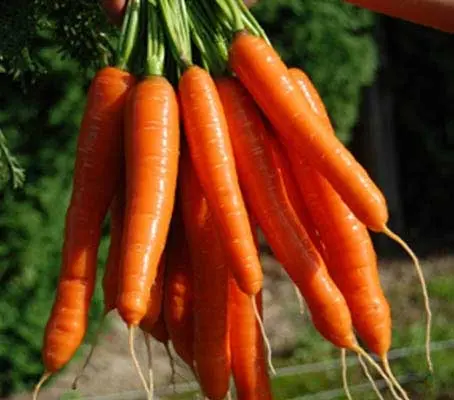
Carrot ‘Jaune du Doubs’ is a beautiful old French gourmet variety that produces cylindrical roots 20 to 25cm (8 to 10in) in length with a rounded tip, a smooth surface and thick foliage. Suitable for fresh consumption, it is recognised throughout France as having a good sweet flavour. Organic Seeds.
Maincrop & Successional
Heritage (Japan 1950's)

Carrot ‘Kuroda’ is a refined Chantenay strain that is widely adaptable, suitable for growth almost everywhere. Producing high quality, uniform roots of great flavour, it is highly tolerant to heat and thrives in even the poorest of soils, use as a main crop for enormous yields that mature late in the season, Kuroda keeps well in cold storage and is an awesome juicer.

Second Early & Maincrop
Heritage (1927)

Carrot ‘Nantes 2’ is an excellent variety for early and successional crops producing uniform blunt-ended cylindrical roots. With good carrot fly resistance, it matures in 110 days in a warm climate and reaches an average size of 15cm. Sow February to August, for harvesting June to October.

Successional vareity. Heritage (English)

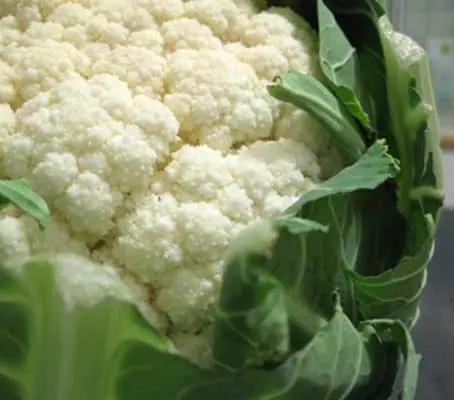
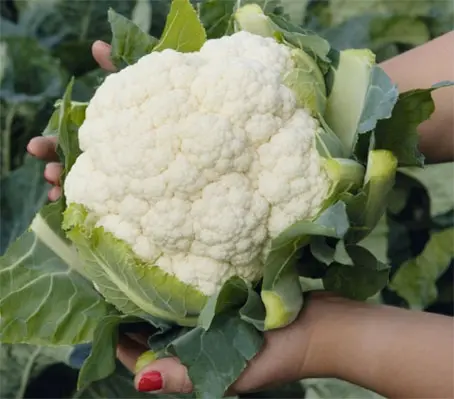
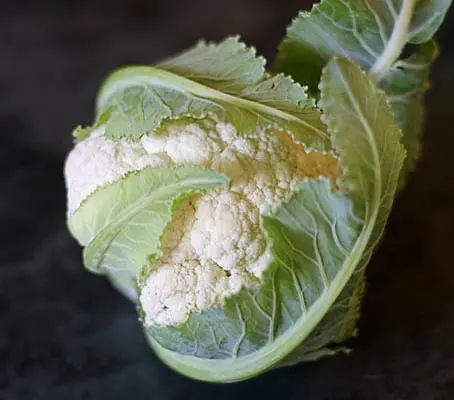
It is very uplifting to go to the garden on a cold December day to harvest a perfect, intricately woven, beautiful white head of cauliflower. “All Year Round” produces good quality white heads and is an excellent all-purpose variety for successional sowing.

Napoletano Gennarese
Heritage (Italy 1890's)

The ‘Gennarese Giant of Naples’ cauliflower is a popular open-pollinated heirloom, a typical variety from the South of Italy. The plants produce nice attractive, good tasting white heads that are medium sized with a hemispherical shape. If left to mature they can weigh 1.6 to 1.8 kg.

Coral Broccoli, Broccoflower.
Heritage (Northern Italy)

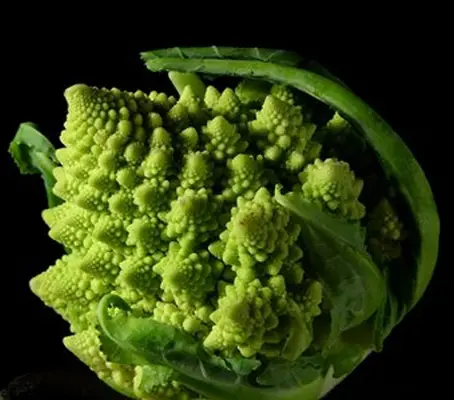
One of the most beautiful vegetables and a true Objet d’Art. Each complex, symmetrical head features whorls of chartreuse green florets, in a complex, bewitching design, an amazing example of phyllotaxis – the fractal patterning that appears in nature.

Early Cauliflower.
Heritage (1890's)

Cauliflower Snowball is a superb heritage variety from the 1890’s, this regular favourite has certainly stood the test of time. This easy maintenance variety is very suitable for the home gardener, the pure white, snowball-sized heads can be harvested when small or left to mature.

Celery Root, Turnip-Rooted or Knob Celery.
Heritage (1871)

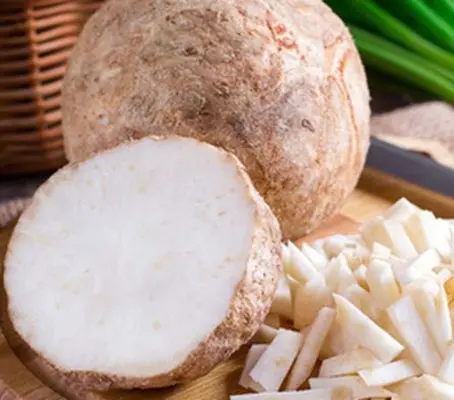
Originally from Northern Italy and named for the fair city of Verona, this heirloom celeriac variety produces large white skinned globes with a sweet yet savory flavour and a creamy texture, similar to a potato. Crisp and delicious, and it keeps all winter, once you’ve grown it you’ll realise that ugly is only skin deep.

Cutting or Soup Celery. Chinese Kintsai

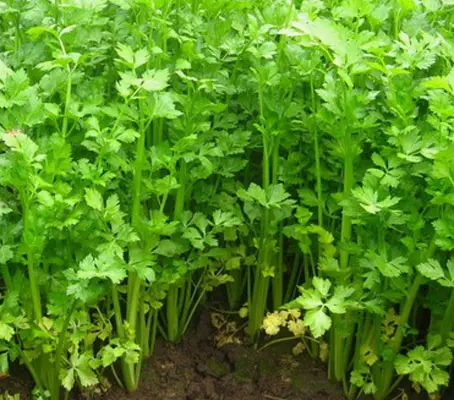
Cutting celery or Leaf celery is the type that is used in Europe. It looks similar to parsley but tastes like regular stalk celery, but with a slightly stronger, herbier taste. It is a darker green, with thin, rounded, flexible stalks and curly, aromatic leaves; it is much easier to grow than its big brother.

Chicory / Radicchio, Late variety.
Heritage (Italian 18th C.)

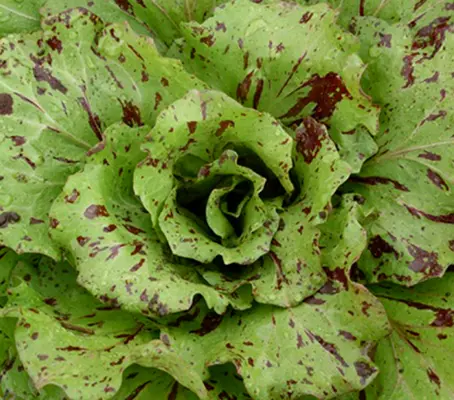
Chicory Variegata di Castelfranco has a beautiful form with wavy leaves that are flecked with purple. Incredibly hardy and totally invaluable, this traditional variety is one of the easiest to grow at any time in the year.

Sacred Basil, Purple or Red Holy Basil

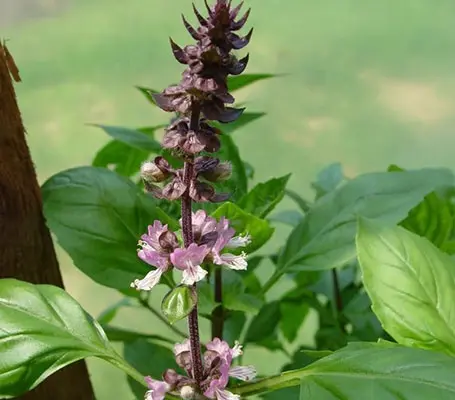
Holy basil, also called Tulsi or Sacred Basil has highly aromatic, narrow oval leaves and pink flowers with a perfumed fragrance. This reddish-purple tinted plant exudes a delicious, sweet, clove-like aroma. The hotter the summer, the deeper the purple.

Sacred Basil, White or Green Holy Basil

Regarded as one of the most important plants used in Ayurvedic medicine, the ‘Light’ or ‘Rama Tulsi’ produces lots of flower spikes very early in the season, making it a nice ornamental plant as well as edible. The sweet aroma is very strong, even walking past it you can clearly smell its delicious scent.

Russian or Siberian Kale, Ragged Jack
Heritage variety (Pre 1885, reintroduced 1977)
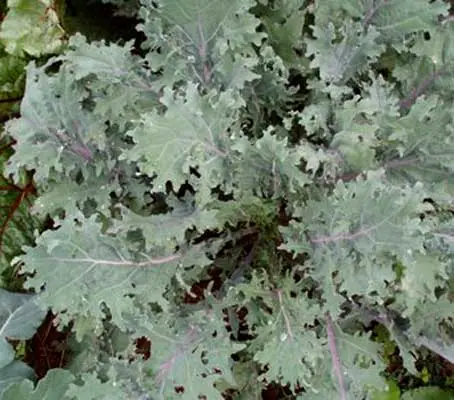
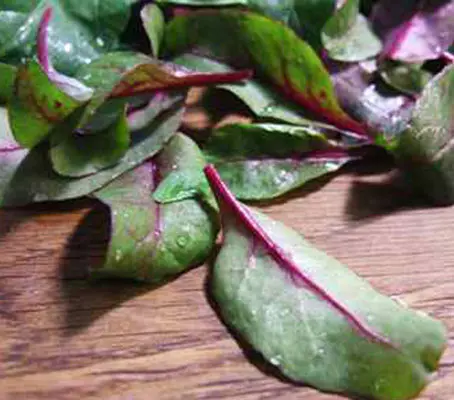
One of the tenderest kales available, with a sweeter taste than most traditional varieties, ‘Red Russian’ is delicious raw in salads and excellent used in stir-frying. It will grow to baby leaf in only 25 days, just add to lettuce to make your own mesclun mix. Organic Seeds.
Black Cabbage, Tuscan Kale, Borecole
Heritage (Italian pre 1879)

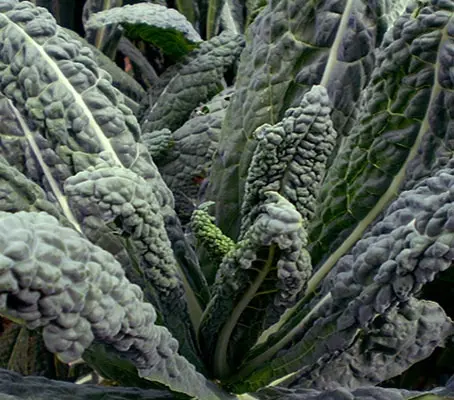
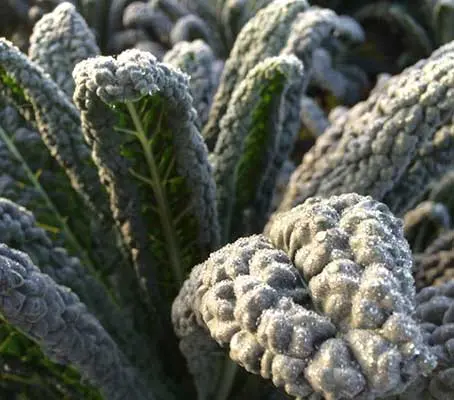
‘Black Magic’ is an improved Italian Black Kale, more cold tolerant, vigorous and slower-to-bolt than other Italian kales. They form an easy-to-harvest rosette of very dark, savoyed leaves with a flavour that is rich and mild.

Black Cabbage, Tuscan Kale, Borecole
Heritage (Italian pre 1879)

Simply adored, especially in the north of Italy, Cavolo Nero is an extremely cold hardy kale that will tolerate conditions that would make most brassicas keel over. Thank heavens we have finally managed to locate Organic Seeds!

Beet Root or Leaf, Spinach Beet

Bulls Blood ‘Atlanta Red’ is a heat tolerant, summer variety which holds its red colour in high temperatures, used by commercial growers for both baby leaf and mixed salad leaves. Harvest at any stage of growth, use in mixed salads or steamed like spinach, or the roots can be left to grow like any other beetroot.

Spinach Beet, Seakale Beet, Wild Spinach
Heritage variety (In use in 1790)
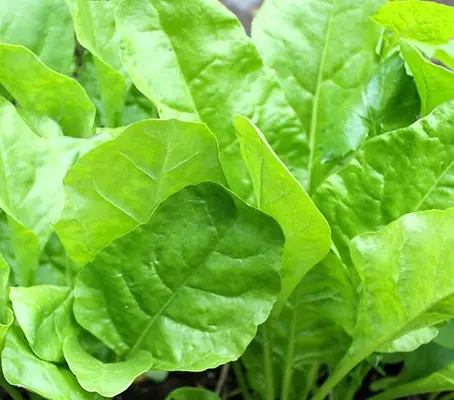
‘Perpetual Spinach is one of the easiest and most productive vegetables for a small space. Extremely resistant to bolting, it responds particularly well to repeat cutting. With just one sowing you can feast on the succulent leaves the entire summer and through to winter.
Oakleaf Lettuce

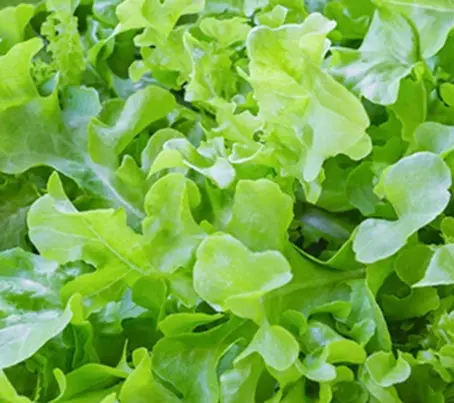
Extremely attractive in the salad bowl, Lettuce ‘Baby Oak Leaf’ is a bolt-resistant variety with a long harvest period, recommended for the planting period from March to the beginning of May. The leaves have a buttery texture and an mellow, sweet flavour, which rarely becomes bitter, even in hotter climates.

Oakleaf Lettuce
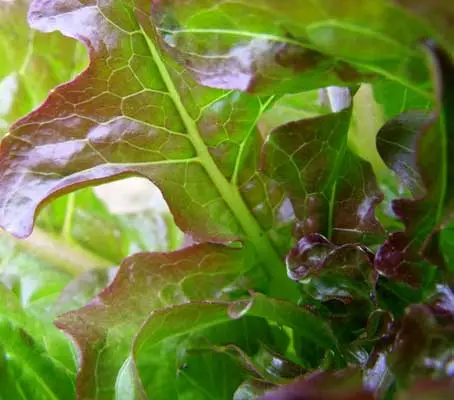
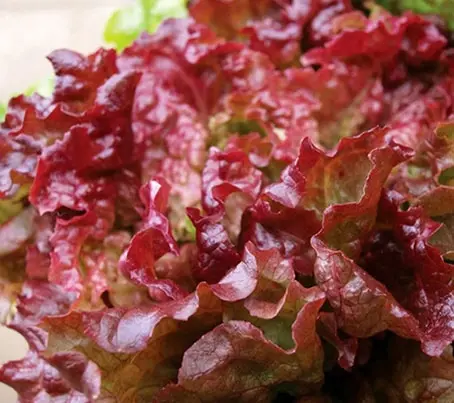
Lettuce Cocarde is a beautiful oak leaf type lettuce. Very adaptable, it can be grown in most climates and seasons and can be picked as required. The smooth deeply lobed, red leaves have a sweet taste and delicate melt-in-your-mouth texture. RHS AGM
Romaine or Cos
Heritage

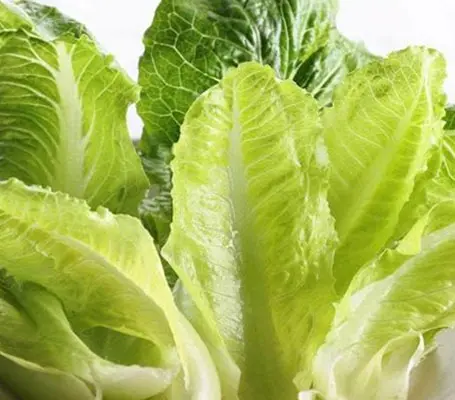
Heirloom Lettuce ‘Crisp Mint’ produces sturdy crops that are heat tolerant and very adaptable. A particular shade of mint green, the slightly ruffled leaves surround a crystal white heart. They retain their crispness and are delicious eaten fresh in salads.

Lettuce
Dark red with a high bolting and weather tolerance. Lettuce ‘New Red Fire’ is a popular choice amongst growers for its excellent colour and taste. The attractive frilly-edged, open leaves are crisp and sweet. Light green at the base and deeply flushed in wine red. RHS AGM
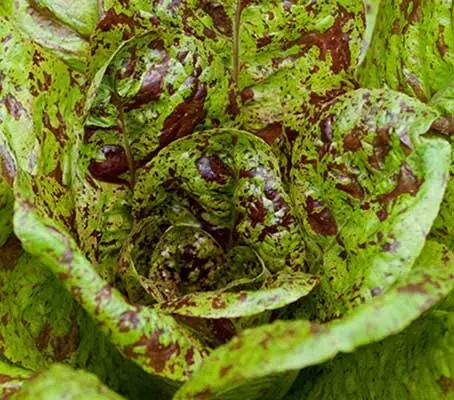
Romaine, Cos Lettuce
Aka Freckles or Speckled Lettuce

Lettuce ‘Forellenschluss’ is an Austrian heirloom, a romaine type that has the delicate taste and texture of a butterhead. While being extremely attractive it is the taste that really should be emphasised – Slightly sweet, very soft and fine in structure, it is absolutely gorgeous.

Loose Leaf Lettuce
Heritage variety (Introduced in 1952)
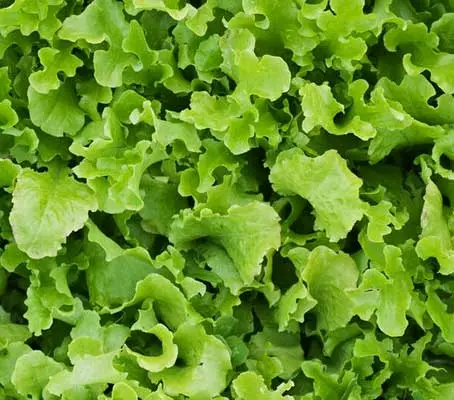
Salad Bowl lettuce are amply named, one plant fills a salad bowl with no need to add other lettuces. ‘Green Salad Bowl’ is an award winning variety that produces large, slow bolting, non-heading plants with sweet, succulent green leaves. N.I.A.B and RHS AGM.
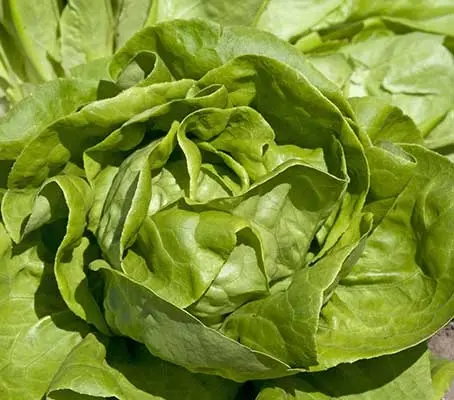
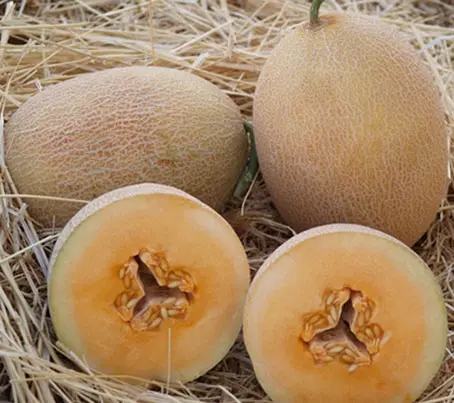
Butterhead Lettuce.
Heritage variety (1960's)

Lettuce ‘Gustav’s Salad’ is an heirloom variety that is compact and silky soft with a a delicious melt-in-the-mouth flavour. Upright, small and compact this sweet and buttery lettuce is reliable and perfect for growing where space might be limited. A new staple in the salad garden, the eating quality is of the next level.

Pineapple Melon, Sharlyn Melon (Heritage France 1824)

Today Ananas melons are grown for specialty markets and are somewhat rare to find. Extremely juicy, with tropical flavours followed by a faint, caramel-like aftertaste. Well worth growing at home. Sow February to May, harvest July to September.

Lady's Fingers. Heritage (1939 USA)

Originally developed Clemson University, Okra ‘Clemson Spineless’ produces compact, strong plants that produce exceptional yields of tender, less fibrous pods over a longer season. This spineless variety is still the market standard today.

White Bulbing, Exhibition Onion.
Heritage (English 1887)

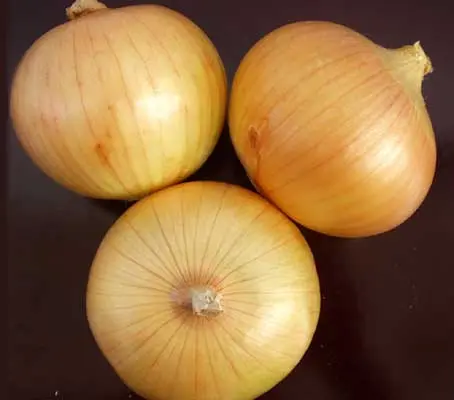
With outstanding quality and excellent keeping qualities, Onion ‘Ailsa Craig’ Prizewinner is much loved by both home gardeners and exhibitors producing weighty onions perfect for the kitchen or show bench. A heritage variety and great all-rounder, it still takes some beating.