Sort by:

Sort by:

Sort by:

Sort by:
No. of Varieties: 139
Chinese spinach, Saan choy, Pui shak

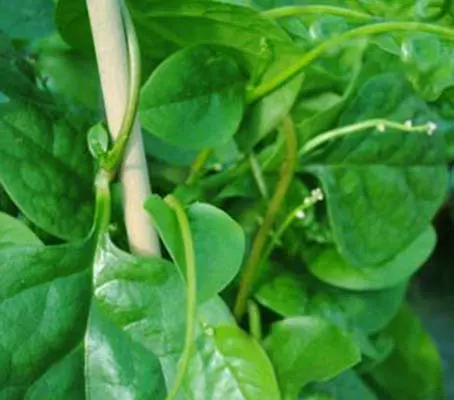
Malabar Spinach, is a vining type of plant that thrives in hot temperatures, it is a discovery that is a boon for those of us that love our greens but find the warm days of summer a bit too hot for good growth. It can be grown throughout the summer and can even cope when the heat exceeds 32°C (90°F).

Chinese spinach, Saan choy, Pui shak

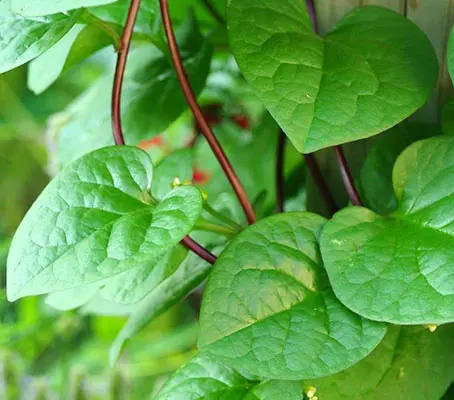
Malabar Spinach is valued for the brilliant fuchsia-purplish colour of its leaf stems and veins as well as its mild flavour. Juicy and crisp, the flavours of citrus and pepper accompany the succulent leaves.

Pineapple Melon, Sharlyn Melon (Heritage France 1824)

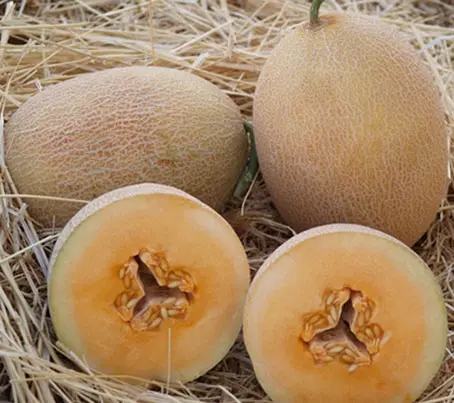
Today Ananas melons are grown for specialty markets and are somewhat rare to find. Extremely juicy, with tropical flavours followed by a faint, caramel-like aftertaste. Well worth growing at home. Sow February to May, harvest July to September.

Oriental or Leaf Mustard

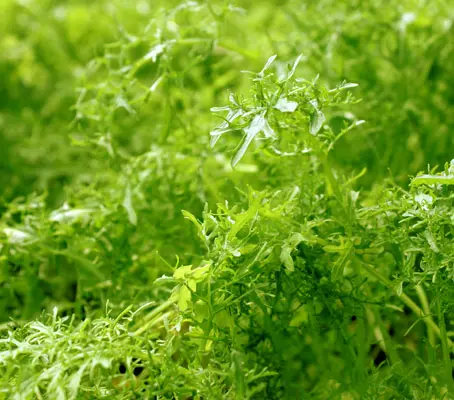
Mustard ‘Green Frills’ has attractive and sweet leaves that are fringed and finely serrated with the tangy flavour of gourmet mustard. Use it with other salad leaves to create your own bistro salad to suit your tastes. They are fantastic when lightly steamed, stir-fried or sautéed.

Oriental or Leaf Mustard
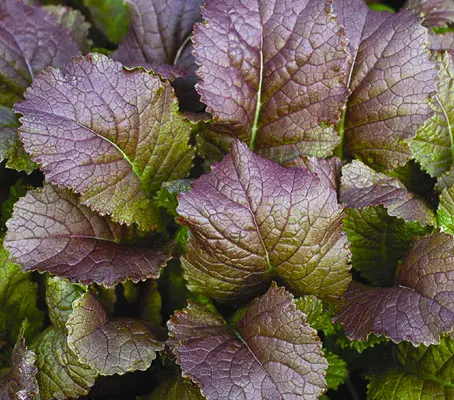
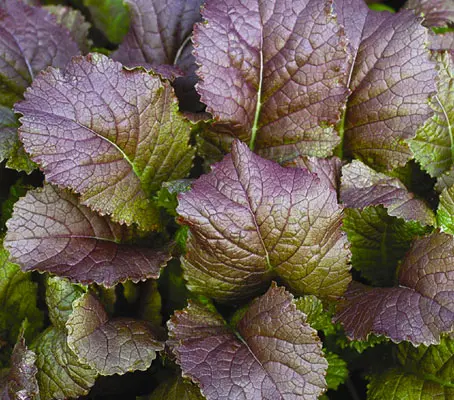
Easy to grow, Mustard Purple Frills is a good-looking plant, the large, red-tinged leaves intensifying to deep burgundy purple in cold weather. It is both ‘cold and bolt’ tolerant and often to be found in the ornamental garden or the potager. Organic Seeds
Oriental or Leaf Mustard
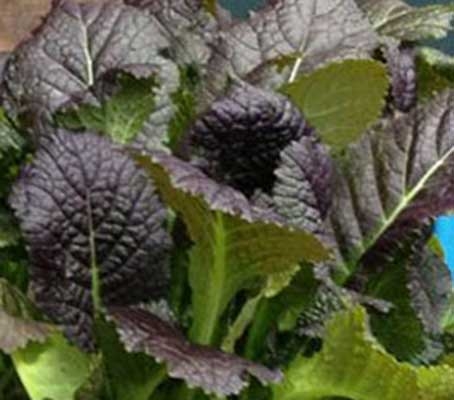
Mustard ‘Purple Osaka’ is a handsome Japanese mustard with broad, slightly crinkled leaves washed deep plum-purple with green undersides and pale midribs. Pleasantly mustardy with a gentle wasabi heat: mild and tender at baby leaf, fuller and warmer at mature size. Organic seed.
Oriental or Leaf Mustard

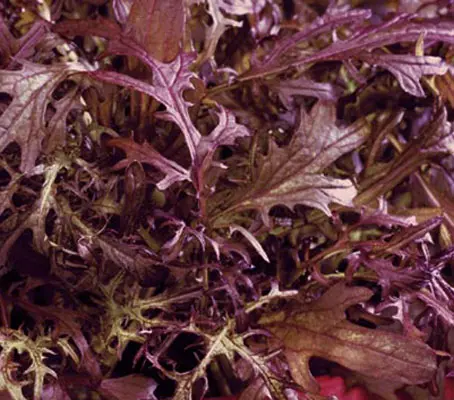
Leaf mustard comes in an array of shapes and sizes, but if you want colour, choose the beautiful Mustard ‘Red Frills’. True to its name, the attractive and sweet leaves are finely serrated. The fringed burgundy-red leaves add the taste of mustard and horseradish to salads, stir fries and sandwiches.

Oriental or Leaf Mustard

Boasting magnificent, savoyed, purple-red leaves edged and veined pale green. Mustard ‘Red Giant’ is a vigorous growing broad leaf variety. Commonly found in mesclun mixes, the leaves are slightly textured and the mild mustard flavour is fresh and zesty.

Oriental or Leaf Mustard
Mustard ‘Red Giant ‘ is a good-looking plant, the large, red-tinged leaves intensifying to deep burgundy purple in cold weather. Both ‘cold and bolt’ tolerant and often found in the ornamental garden, it adds colour from autumn right through to spring. Organic seed.
Oriental or Leaf Mustard
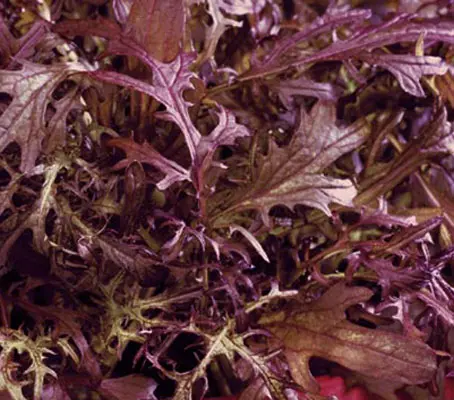
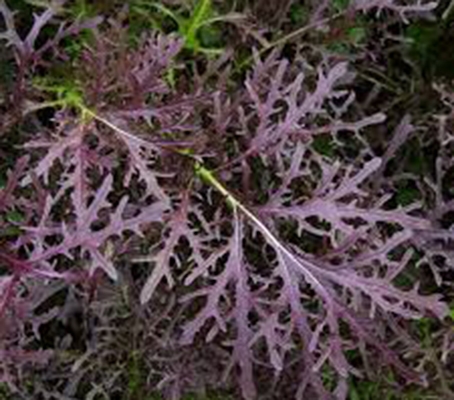
Mustard ‘Rouge Métis’ is a striking red-leaved variety grown for its finely frilled foliage and mild, peppery flavour. The leaves are a rich burgundy to wine-red, often with flashes of green near the base, and bring both colour and texture to salad mixes. Organic Seeds
Lady's Fingers. Heritage (1939 USA)

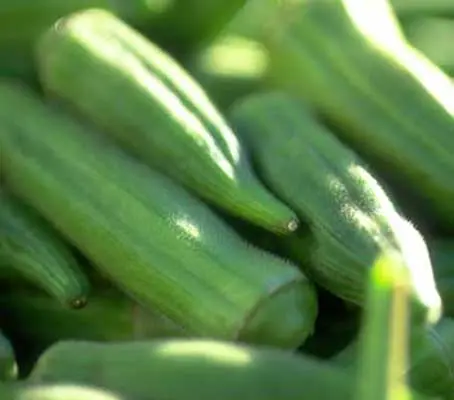
Originally developed Clemson University, Okra ‘Clemson Spineless’ produces compact, strong plants that produce exceptional yields of tender, less fibrous pods over a longer season. This spineless variety is still the market standard today.

Maincrop, White Bulbing Onion
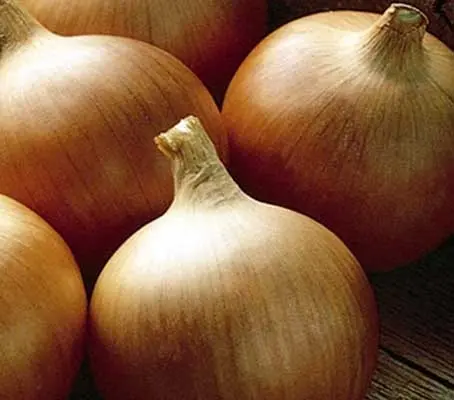
Onion ‘Rijnsburger’ is an excellent Dutch variety with uniform sized, large globe-shaped bulbs with thin necks. They have a beautiful firm straw coloured skin, pure white flesh and a good flavour. As a standard maincrop it offers excellent quality, high yields and a very good storage life. Organic Seeds
Mild: 600 to 1,500 SHU.

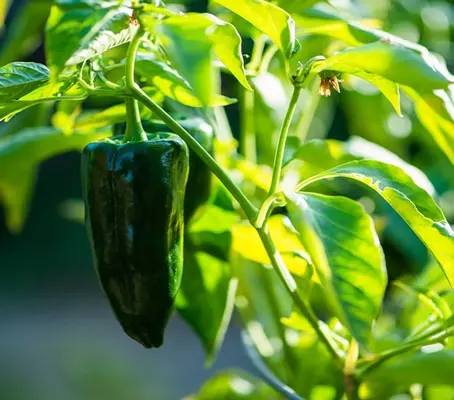
Arguably the most under-rated pepper in the pepper family, Poblanos are one of the most popular peppers grown in Mexico. With a mild chili taste, they are perfect for adding just a touch of zing to spaghetti sauces, sandwiches, steaks and they are excellent stuffed. Very easy to grow and even easier to harvest.

Volcanic - more than 1,000,000 - one million SHUs!

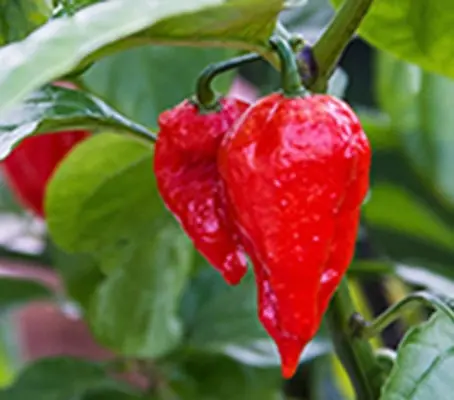
Bhut Jolokia, the Ghost Pepper was officially the worlds hottest Chilli in the Guinness Book of Records in 2007 until 2011. At over 1 millium SHU’s it is still one of the hottest pepper in the world. Each chilli ripens from lime green to orange to red. The flavour tends to have a smoky, earthy taste with a somewhat fruity aftertaste.

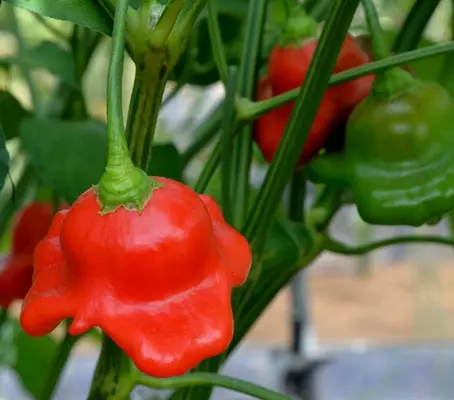
Mild & Fruity, 14,000 SHU

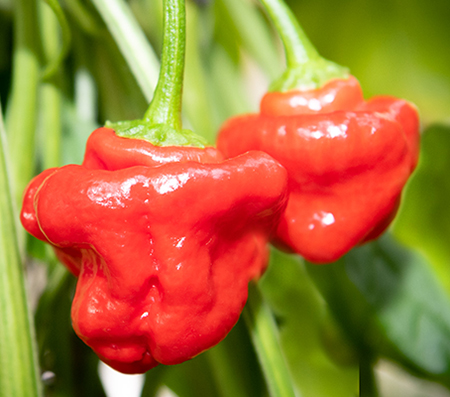
This rare little beauty produces bright red peppers that have a crisp texture, a sweet pleasant flavour with only a mild pungency. Named for its distinct three-sided shape, ‘Bishops Crown’ is great to eat raw as an edible decoration, add to salads or garnish. Genuinely useful in the kitchen rather than just a novelty.

Medium Hot: 30,000 to 50,000 SHU.

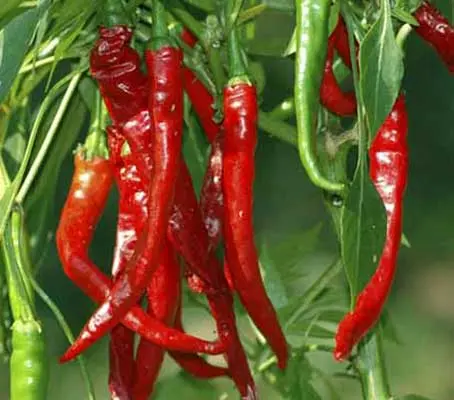
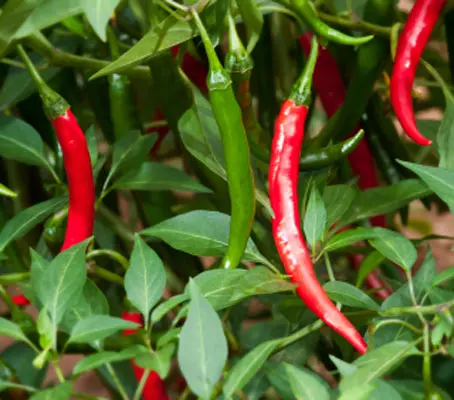
Long Slim Red Cayenne is one of the best known hot chili peppers, it is a good long hot chilli that always performs well. The scarlet red peppers are perfect for adding a kick to a Bloody Mary or to vodka.

Hot: 30,000 to 50,000 SHU
No matter how many rare and unique hot peppers you add to your collection, some of the basics are still the best and the Cayenne pepper still rocks! The flavour and thin skin make it the absolutely the best pepper for drying. Organic Seed.
Medium Hot: 30,000 to 40,000 SHU.
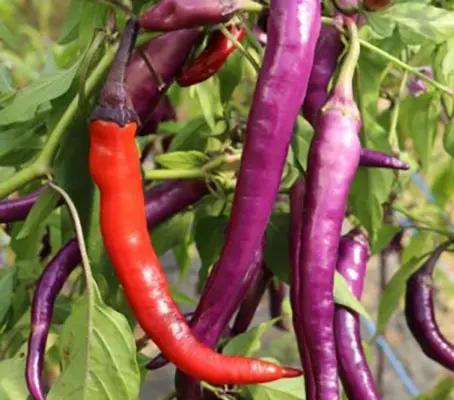
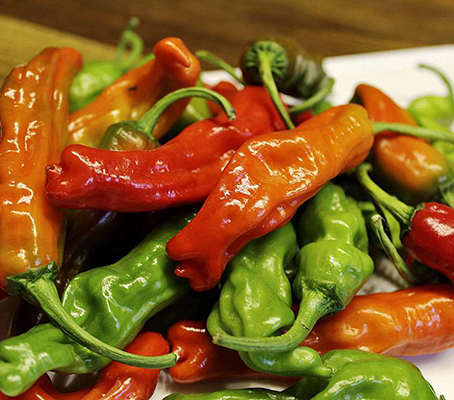
An impressive and rare variety from Austria, chilli ‘Diavoletto’, meaning ‘little devil’, produces fruits are not only visually attractive, but also beautifully spicy. Elongated, fleshy chili fruits ranging in colour from purple to golden brown and finally to deep orange red. Organic Seed.
Very Hot - 200,000 to 300,000 SHU.
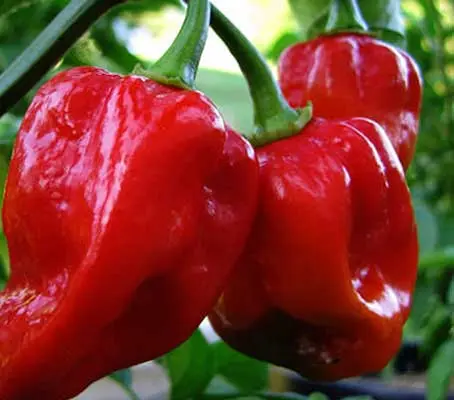
Red Habanero chillies are one happy looking bunch with colourful skins that ripen to red as they mature. They are small, cute, shinny and have waxy skin. But as much as their looks are inviting, they are among the hottest chilli peppers commonly grown in the world.
Mild, 2,500 to 5,000 SHU.
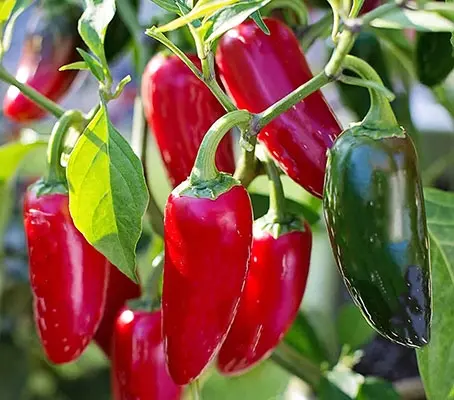
Jalapeño ‘Ruben’ is a reliable, mid-heat chili variety. An interesting variant of the classic Jalapeno with slightly longer, thick-fleshed tapered fruits that ripen from dark green to red. Fruity with a pleasant sharpness they are mild enough to use as a vegetable and well adapted for short-season growing. 75 days to harvest. Organic Seed.
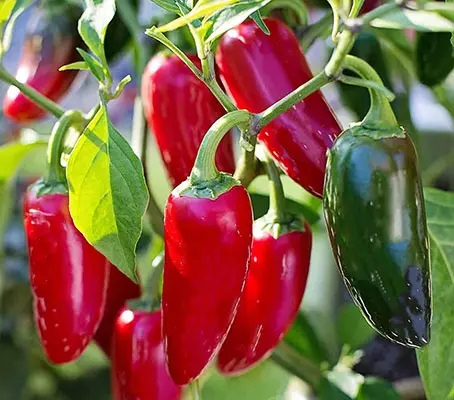
Mild, 2,500 to 5,000 SHU.

Jalapeño peppers are among the most popular and commonly available hot chilli pepper seeds in the world. They are very versatile: hot enough for a good kick, but still mild enough to use as a vegetable. The smooth, dark green fruits which ripen to red have thick walls with a rounded tip.

Hot - 100,000 to 200,000 SHU.

Thepepper ‘Jamaican Hot Red’ aren’t the hottest chillies in the world, but clocking up to 100,000 to 200,000 SHU’s these are probably as hot as one really needs to go. Behind the heat will be found a gorgeous fruity, citrusy flavour. Use in salsas, chutneys soups and sauces, they mix especially well in salsas with fruit.

Fairly Hot: to 20,000 SHU.

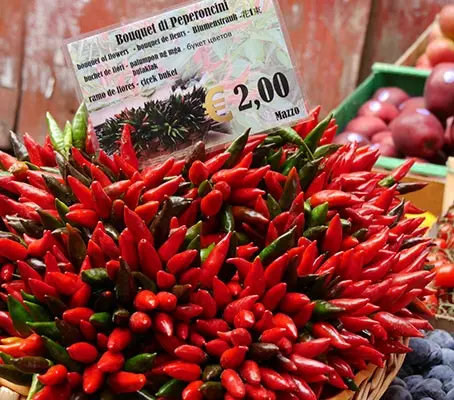
Pepper ‘Picante a Mazzetti’ produces attractive cone shaped, chillies which grow vertically with many fruits per bunch. They mature to a festive, deep scarlet red, and have a multitude of ornamental uses. Sown May to June they will produce fruits in perfect time for Christmas.

Mild 500 to 2,500 SHU.
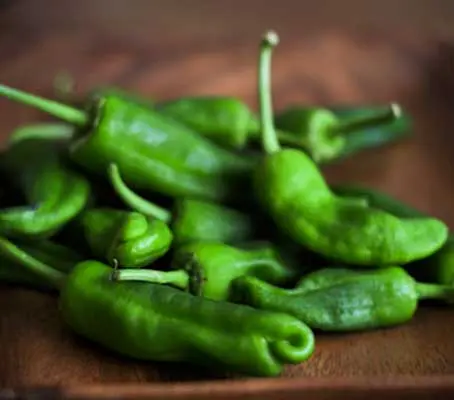
Pimientos de Padrón are amazingly tasty, tiny fresh peppers. The Spanish delicacy often served in Tapas bars, chances are if you have been to Spain you have gobbled up small plates of these in one sitting. Padrón peppers can be harvested as early as mid-May when small and sweet. Organic Seed.
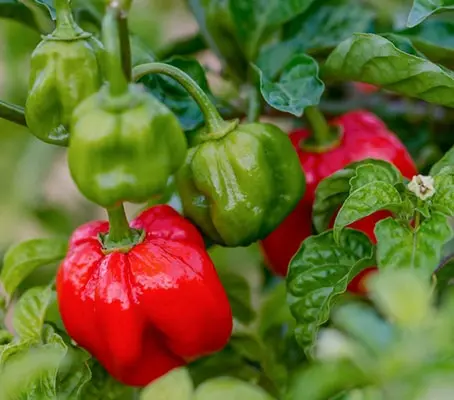
Very Hot: 100,000 to 350,000 SHU. Heritage

The ‘Scotch Bonnet’ was the first Caribbean Hot Pepper to be known by a specific name in the export market. Most commonly found in hot Caribbean dishes, use sparingly, fresh or dried to recipes. Also great for pickling, garnishes, sauces and jerk rubs, it develops a rich, multi-sided, tropical-fruity flavour.

Hot: 10,000 to 23,000 SHU.

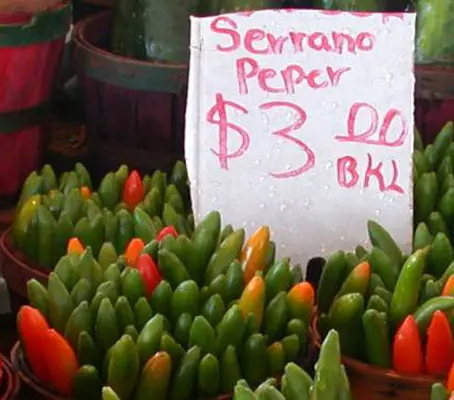
Serrano peppers are fleshy and meaty with the unique flavour so popular in Mexican cuisine. The abundant candle-flame shaped fruit are green, then red at full maturity and are borne on attractive erect, branching plants. They red chilies are often be threaded on string and dried as a colourful ornament.

Very Mild 50 to 250 SHU.

Pimientos de Padrón are amazingly tasty, tiny fresh peppers. The Spanish delicacy often served in Tapas bars, chances are if you have been to Spain you have gobbled up small plates of these in one sitting. Padrón peppers can be harvested as early as mid-May when small and sweet.

Bell Pepper
Heritage (USA, Introduced 1928)

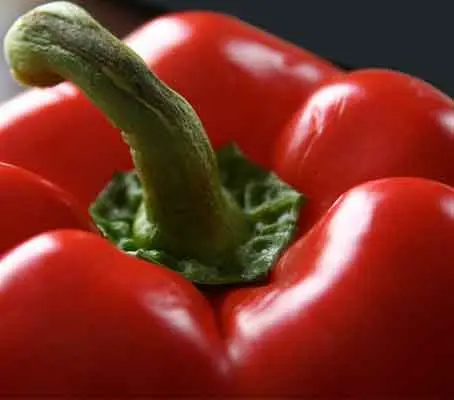
Californian Wonder is the widely adapted standard variety, a favorite with gardeners and for commercial production. It consistently produces large yields of blocky, four-lobed thick-walled fruit that is mild and sweet, tender and flavourful. Perfect for salads, to stir-fries, grilling or stuffing.

‘Horn of the Bull’. Heritage (Italian)
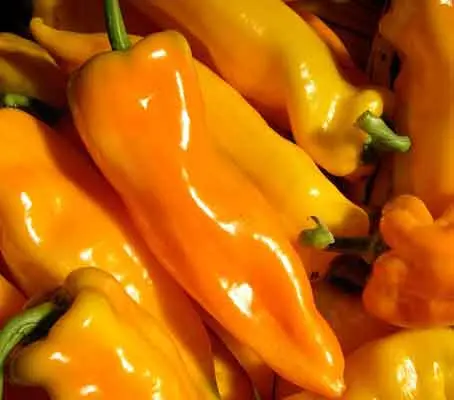
Corno di Toro Giallo peppers have thin skin and thick walls and ripen to a golden-yellow. With a sweet, crisp, full-bodied flavour they are so popular that they have spawned an almost fanatical following.
‘Horn of the Bull’. Heritage (Italian)
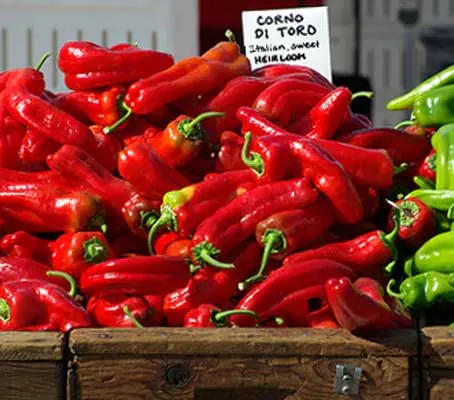
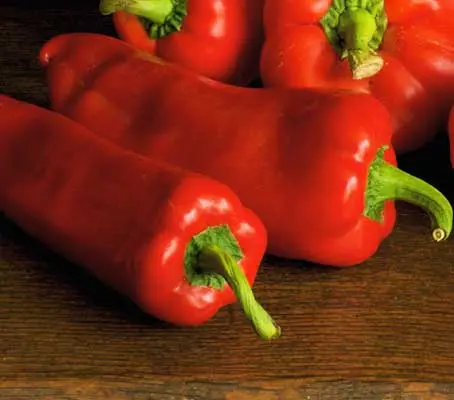
With a sweet, crisp, full-bodied flavour and a full, tapered shape, the gorgeous deep crimson sweet pepper ‘Horn of the Bull’ grow up to 25cm long. These uncommon peppers are a traditional favorite of Italy. Suitable for the greenhouse or outdoors.
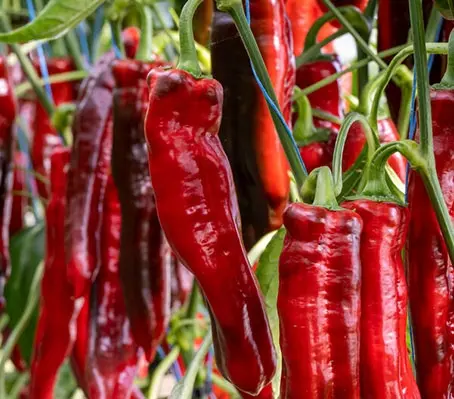
Sweet Pepper, Italian Frying Pepper
Sweet Pepper ‘Dulce Italiano’ is one of the most aromatic red pepper varieties from Italy, it bears very large fruits that are really very sweet. From mid-season the plants have to be well staked to support the abundant production of beautiful pendulous pods. Often used for roasting and frying but also wonderful when eaten fresh. Organic Seed.
Bell Pepper
Heritage (USA, Introduced 1928)

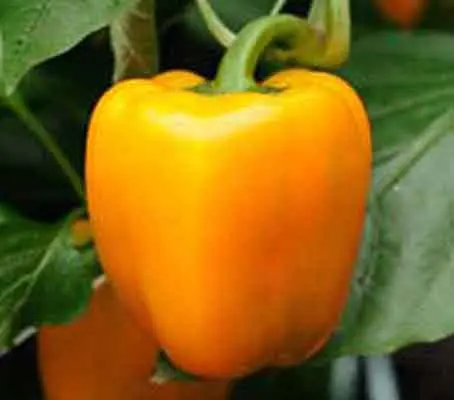
‘Golden Californian Wonder’ is the widely adapted standard variety, a favorite with gardeners and widely used for commercial production. The plant does well in both cool and warm weather. It consistently produces large yields of blocky, four-lobed thick-walled fruit that is mild and sweet, tender and flavourful.

Italian Frying Pepper, Red Horn Pepper

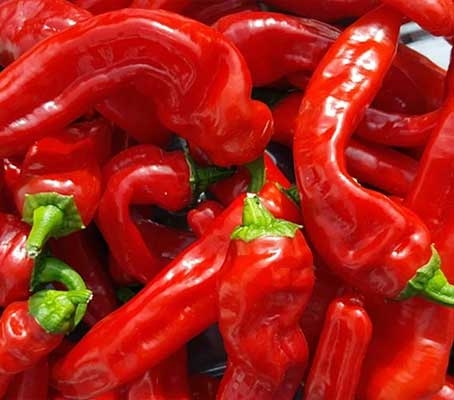
Sweet Pepper ‘Marconi Red’ is an Italian bred variety. Maturing a little later than regular bell peppers, they produce much sweeter and tastier fruits. This variety is often used for roasting and frying but also tastes wonderful when eaten fresh. It grows very well in unheated greenhouses or in pots on a sunny patio.

Italian Frying Pepper, Friariello Di Napoli

Sweet Pepper ‘Marconi Red’ is an Italian bred variety. Maturing a little later than regular bell peppers, they produce much sweeter and tastier fruits. This variety is often used for roasting and frying but also tastes wonderful when eaten fresh. It grows very well in unheated greenhouses or in pots on a sunny patio.

Tomato pepper (European Heirloom C1900's)
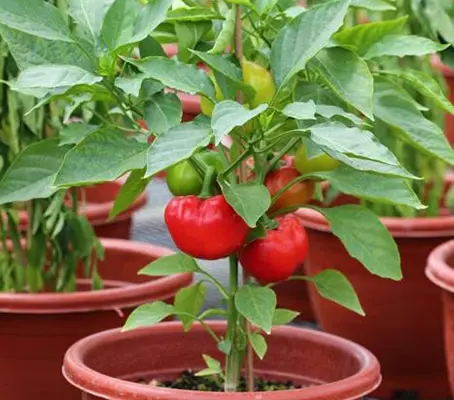
Beautifully shiny, red and tomato-shaped, Sweet Pepper ‘Runa’ produces a large harvest of flat-round fruits, use as you would a regular sweet pepper. Their unusual shape make them visually appealing. Suitable for outdoor and greenhouse cultivation the plants grow 60cm tall. Organic Seed.
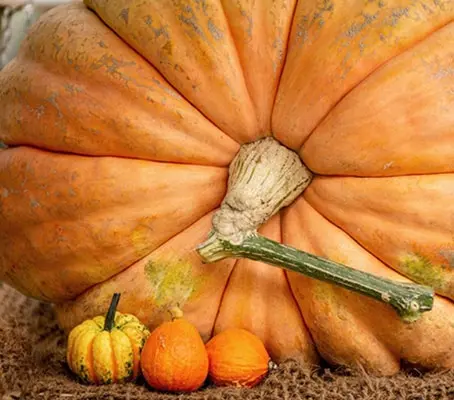
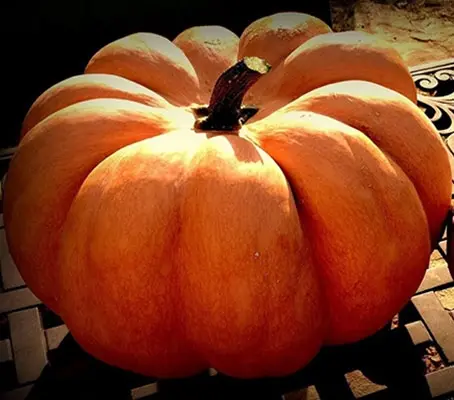
Giant Pumpkin, Competition & Exhibition variety

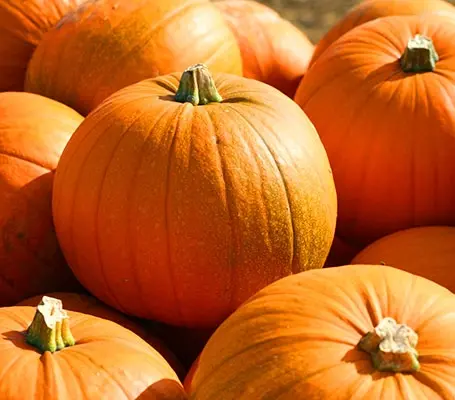
Imagine, You’re reading the paper and suddenly your eye is drawn to a picture of this giant orange thing about the size of a truck with a guy half its size standing next to it grinning like a lunatic. “I’d like to grow one of those,” you think.

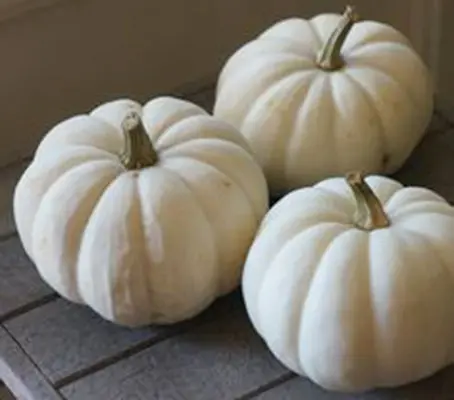
Winter Squash, Minature Pumpkin

‘Baby Boo’ is a charming, all-white, miniature pumpkin that is popularly used for table arrangements for Weddings, for Xmas and for Halloween. They make wonderful Halloween ‘Ghosts’! Sow indoors in pots April to June or sow direct from May to June.

Winter Squash, Cinderella Pumpkin

A little earlier and more productive than other similar varieties ‘Gold Dust F1’ produces beautiful dark orange, distinctively ribbed, Cinderella type pumpkins. The plants grow a little more compactly and will do well even in colder regions. Direct sowing once the soil has warmed from May to end of June.

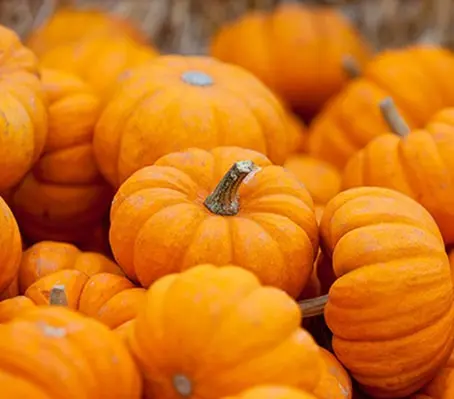
Winter Squash, Minature Pumpkin

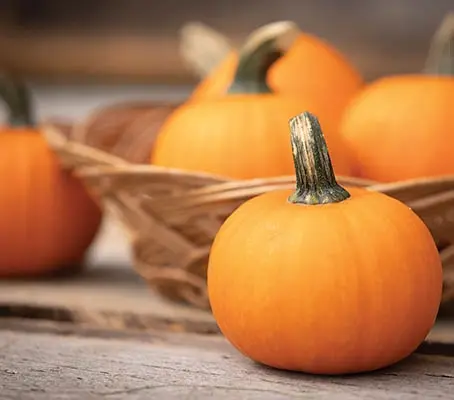
Rated the best miniature pumpkin, ‘Munchkin’ has a bright tangerine-orange colour with deep sutures. The abundant fruits can be used for arrangements and autumn decoration or cooked. Roasted with a drizzle of olive oil, the flesh is reminiscent of sweet chestnut.

Fairy Tale Pumpkin, Winter Squash,
Heritage (French 1800's)

Looking exactly like fairy tale pumpkins in children’s storybooks, Musquée de Provence is a gorgeous French pumpkin that is one of the only pumpkins that is eaten raw. Sweet with a light crunch and typical nutty taste, the very fine-grained flesh is considered by many to be superior to any other.

Winter Squash, Halloween Pumpkin. Heirloom (1966)

If you have always wanted your very own pumpkin patch then Pumpkin ‘Spooky’ is a great place to start. It is quite simply, the most perfect all-purpose pumpkin. Bright orange, smooth-skinned and globe shaped. The perfect size for use in the kitchen and terrific for Halloween carving.

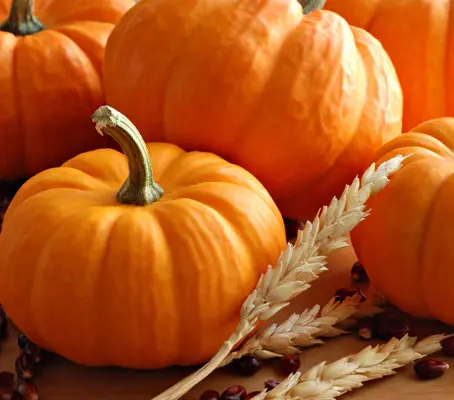
Minature Squash

Pumpkin ‘Wee-Bee-Little’ is a lovely little pumpkin that is very endearing. Remarkably miniature and averaging 8 to 9cm (3 to 3½ in) in diameter, Edible and decorative and the perfect size for children to grow. 12 weeks to harvest, each plant produces an average of 9 fruits per plant

Japanese kabocha-type squash, Blue Hokkaido

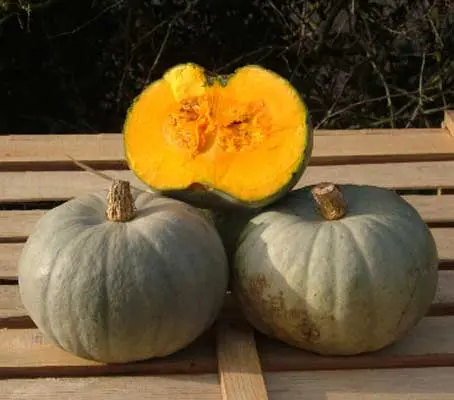
‘Blue Kuri’ is a traditional open pollinated Japanese squash that has lovely blue-green skin. This beautiful sweet, versatile squash matures in 95 to 110 days to a convenient 15 to 20cm in diameter. Rich, sweet and nutty, the contrast between blue rind and orange flesh looks great on the plate.

Japanese kabocha-type squash

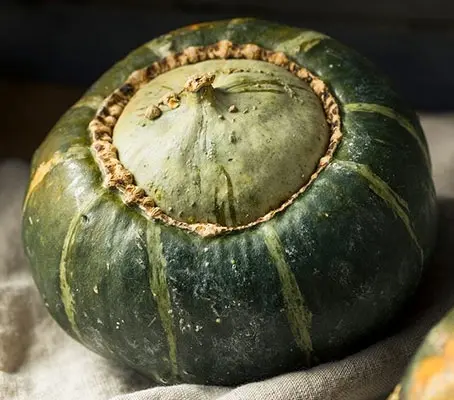
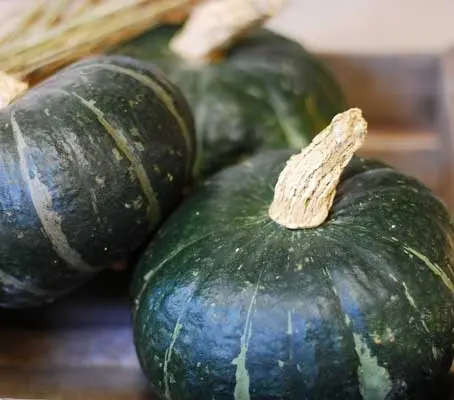
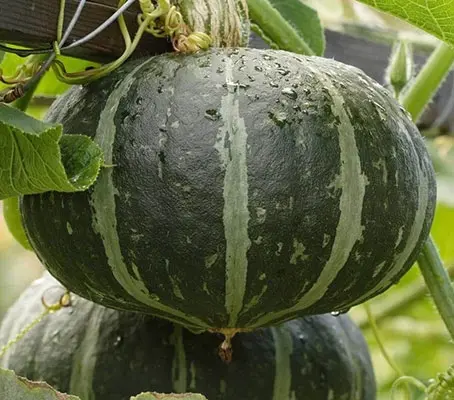
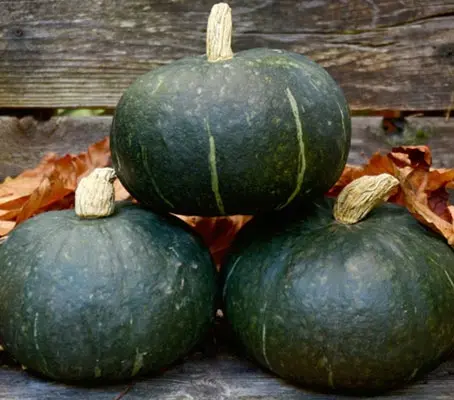
‘Burgess Buttercup’ sets the standard for buttercup squash. It is considered the sweetest of squash and is smaller and faster to mature than many other winter squashes. The dark green fruits feature a distinctive grey button on the blossom end.

Winter Squash

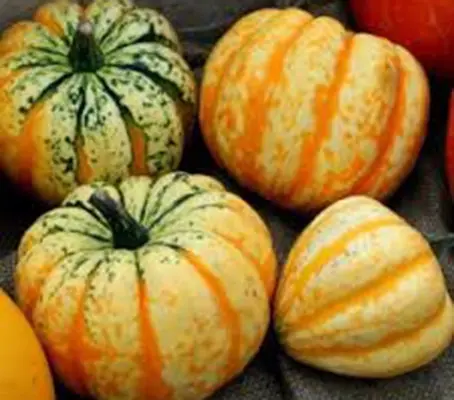
A newer squash to the commercial marketplace, Squash ‘Carnival’ is uniquely flecked with shades of green, gold and yellow; each one is different. The perfect single serving size and ideal for cooking whole, roasted or stuffed, it can be harvested as summer squash or left for autumn. They can also be used to decorate the home in autumn.

Winter Squash

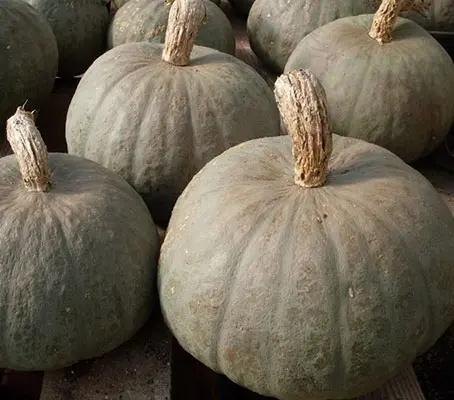
Widely considered to be one of the best flavoured squashes ‘F1 Crown Prince’ has an impressive appearance with steel grey skin and sweet orange flesh. Much prized, very reliable and productive, it is also renowned for its long storage properties.

Japanese kabocha type squash, Aka ‘Ebisu’
Heritage (Japan 1964's)

Adaptable to many growing and soil conditions, Squash ‘Delica F1’ performs best in moderate temperatures. It consistently produces high quality, dark green striped fruit with a bright orange, creamy interior.

Winter Squash, Acorn Squash

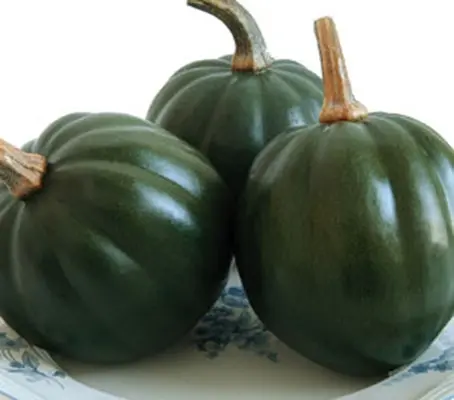
Winter Squash ‘F1 Honey Bear’ is a high sugar Acorn type squash. Mini-acorn fruits are just the right size halved for single servings. The compact plants have a semi-bush habit, are early to mature and high yielding. The sweet golden-orange flesh has a flavour that hints of hazelnuts and pepper.

Winter Squash, Butternut
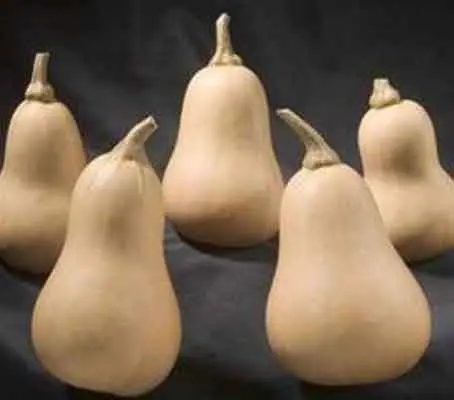
Butternut Squash ‘F1 Hunter’ has been bred in the U.K and specifically developed to give consistent results in our unreliable climate. Easy to grow and maturing up to four weeks earlier than other varieties. Each plant should produce 6 or 7 fruits of around 1kg.
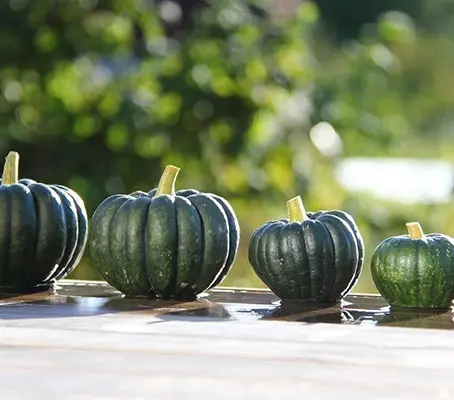
Black Futsu Winter Squash,
Heritage (Japan 1800's)

Blocky, deeply ribbed and extremely bumpy, for most of the season Squash ‘Futtsu Black Early’ are a gorgeous dark green to charcoal black, but in autumn they mature to a grey-bloomed dusty orange. With orange flesh and a flavour crossed between a pumpkin and a chestnut — sweet, buttery, and slightly nutty.

Japanese kabocha-type squash, Green Hokkaido
Heirloom (Japan 1500's)
Squash ‘Groene Hokkaido’ also known as ‘Green Kabocha’ is a traditional open pollinated Japanese kabocha-type squash that has globe-shaped fruit with lovely dark green skin. This beautiful sweet, versatile squash with dark yellow to orange flesh, thick, firm and fine-grained. It is sweet with a delicate taste of chestnut.
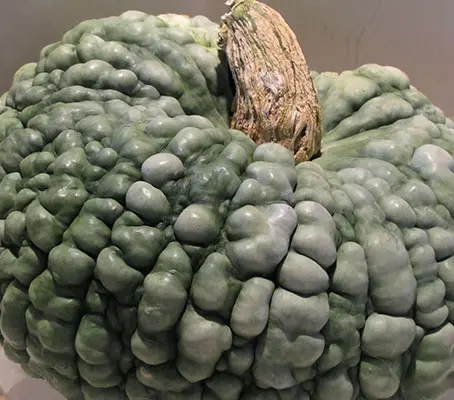
Winter Squash, Zucca Barucca, Zucca Santa
Heritage (Italian 1600's)

Looking exactly like fairy tale pumpkins in children’s storybooks, Musquée de Provence is a gorgeous French pumpkin that is one of the only pumpkins that is eaten raw. Sweet with a light crunch and typical nutty taste, the very fine-grained flesh is considered by many to be superior to any other.

Mini Red, Winter Squash

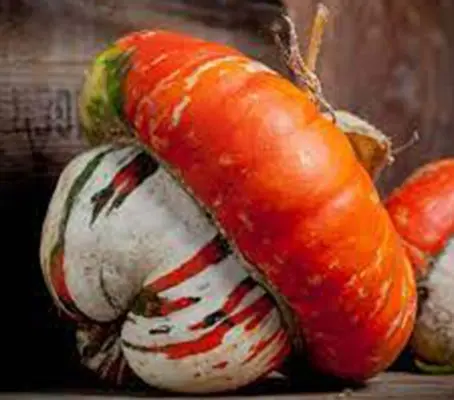
Squash ‘Turkish Turban’ produces decorative fruits that are brightly colourful and striped. ‘Mini Red Turban’ is a small-sized bicolour variety with red cap and white turban. Perfect for baking or for use as decoration in autumn, the taste is nutty and sweet and reminiscent of hazelnuts.

Winter Squash

‘Spaghetti squash’ is a unique variety whose flesh separates into spaghetti-like strands once cooked. Mild, sweet and nutty it is delicious roasted. Sow May to July and harvest up to first frosts, it is a healthy gluten free alternative to pasta or use instead of rice noodles in Asian-style dishes.

Winter Squash, Patidou

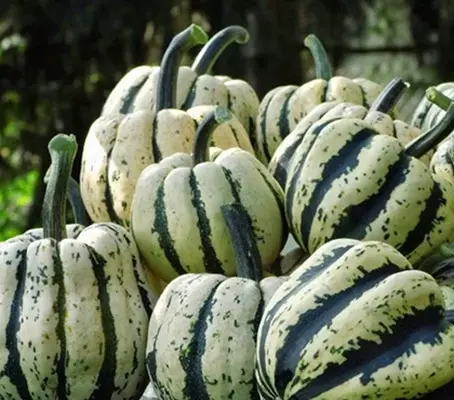
‘Sweet Dumpling’ also known as ‘Patidou’ is a lovely winter squash that is not only decorative but is also excellent tasting. Flat topped and single serving size it is ideal for cooking whole, roasted or stuffed. They store well and can also be used to decorate the home in autumn.

Japanese kabocha type squash.

‘Sweet Mama F1’ is a superior squash that produces a space-saving, single vine. This award winning variety reliably produces squash with a flattened globe shape, 20cm wide by 10cm tall. They have excellent dark yellow flesh that has a sweet and nutty flavour.