 Skip to content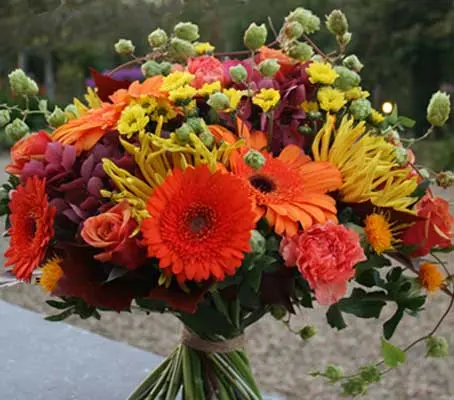
Annual Semi-Tall Flowers Mix. – 100gms
Queen Anne's Lace, Bishop's Flower
€19.50
Packet Size:1 gram
Ave. Contents:1,200 Seeds
Packet Size:1 gram
Ave. Contents:1,200 Seeds
Out of stock
Semi-Tall Cut Flowers, Annual Mix
Hardy annuals mixes are fast fashion for the garden. Flowering just 10 to 12 weeks from sowing, these fast-growing plants provide an easy and cost-effective way to give naturalistic planting, plug gaps and fill the border with a summer full of colour.
Perfect for a small area of sunny garden you don’t know what to do with, a patch which has always been dull. They are a great way to experiment and have some fun.
Incredibly easy to grow, the seeds can be sown straight into the soil so indoor growing space and propagation equipment aren’t needed and you won’t have to spend time on jobs such as transplanting and hardening off.
As well as being ornamental, some species will provide nectar and pollen for bees, butterflies and other insects from early in the year to late in the season. In addition, those with attractive seedheads can provide a valuable food source for birds.
This Cut Flower, Tall Annuals Mix is a richly flowering mixture that produces large quantities of flowers for cutting. This must surely be the quickest and easiest way to create bright, colourful beds and borders in the garden and in the vase.
This mix is composed of a finely balanced selection designed to provide a long succession of flower. It is suitable to use for all areas from planters and front gardens to field scale planting offering instant impact and a definite wow factor.
General Height: 60cm (24in)
Sow: March to June
Mix of hardy and half – hardy annuals
Seeds: 10 grams to cover 4 square metres
Flowers 10 to 12 weeks after sowing
Major components include:
Ammi, Callistephus, Centaurea, Chrysanthemum, Coreopsis, Cosmos, Delphinium, Godetia, Gypsophila, Impatiens, Nigella, Oenothera, Salvia, Saponaria and Zinnia
Timing: Sow in Spring or in Autumn.
Sowing can begin from late March to early June as the soil begins to warm up (often indicated by the emergence of weed seedlings). It may begin earlier in milder gardens of the south and west; in colder northern gardens sowing may be later.
Seeds can also be sown in the autumn so they flower earlier the following year. A spring sowing differs from an autumn sowing in that it tends to produce a later flowering display. It should be noted that although these plants usually withstand frosty conditions without protection, some hardy annuals would benefit with a covering with horticultural fleece or a cloche when a heavy prolonged frost is forecast.
Sowing:
Weed the bed, level the soil with a rake and tread lightly before sowing. Mixing the seeds with dry sand will ensure a more even distribution of seeds. You can easily see where seeds have fallen and any bare patches can be covered.
Sowing the seeds can be done either by broadcast sowing or by sowing in drills.
Broadcasting sowing is quick and easy, the seeds are simply scattered evenly over the surface of the soil. The main disadvantage of broadcasting is that you cannot easily tell weed seedlings apart from your sowings.
Alternatively, the seeds can be sown in drills (shallow grooves) 30cm (12in) apart, to produce drifts of flower for a natural appearance. Although this takes a little more time it is time well spent as the flowers appear in rows and can be told from any weed seedlings easily.
Maintenance:
At the end of the flowering season you can either leave the seed heads for the birds to eat or cut the flowers down. To get the best results we recommend you cultivate your plot afresh each year and re-sow with new seeds rather than trying to use any seeds harvested from previous seasons flowers.
Garden uses:
Beds and borders, City, Cottage/Informal, Flower Arranging, Low Maintenance, Mediterranean, Wildflower, Wildlife
| Common Name | Queen Anne's Lace, Bishop's Flower |
| Botanical Name | Annual Semi-Tall Flowers Mix. - 100gms |
| Average Seed Count | 1,200 Seeds |
| Family | Apiaceae |
| Genus | Ammi |
| Cultivar | Wildflower of the British Isles |
| Species | majus |
| Flowers | White umbels |
| Spacing | 40 to 45cm (15 to 18 in) |
| Height | 90 to 120cm (36 to 48in) |
| Spread | 40 to 45cm (15 to 18 in) |
| Hardiness | Hardy Annual |
| Soil | Moist, well-drained, fertile soil is best. |
| Position | Full sun or partial shade |