 Skip to content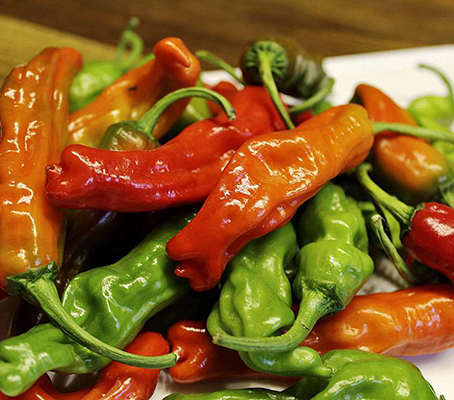
Pepper, Chili Pepper ‘Shishito’
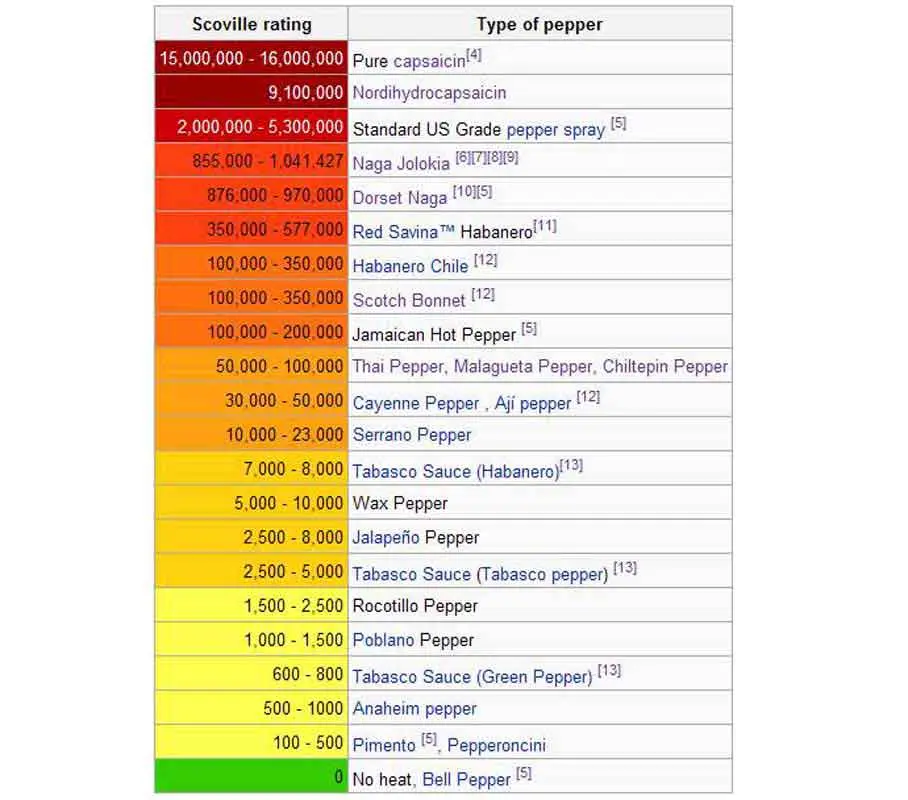
Very Mild 50 to 250 SHU.
€3.35
Packet Size:15 Seeds
Packet Size:15 Seeds
A Japanese favourite now firmly on the radar of chefs and food lovers worldwide, Pepper ‘Shishito’ is a small, thin-walled frying pepper with a mild, slightly sweet flavour and a playful twist: about one in ten pods carries a mild, surprising kick. The wrinkled, finger-like fruits grow to around 7 to 10cm (3 to 4in) long and are traditionally harvested and eaten green, though they ripen to red if left on the plant.
The flavour is sweet and citrusy with a hint of smokiness, more interesting than a bell pepper and far milder than most chillies. At 50 to 200 SHU, even the occasional hotter one is unlikely to alarm anyone. Shishito is highly versatile in the kitchen: blister them whole in a hot pan with oil and sea salt, skewer for the grill, or slice into salads and stir-fries. The thin skin cooks in minutes, delivering tender, juicy peppers every time.
A Japanese heirloom that is commonly called the Japanese Lion’s Head Pepper, Shishito probably traces back to the Padrón pepper of Spain, likely introduced to Japan via Portuguese traders in the 16th century. Over generations of selection for mild fruits, Japanese growers gradually developed the variety into what it is today. The name derives from shishi meaning ‘Lion’ refers to the creased tip of the fruit, said to resemble a lion’s head.
Plants are compact, productive, and well suited to containers as well as the open garden, cropping reliably over a long season. Shishito needs warmth and is not a reliable outdoor crop so a polytunnel or greenhouse will give considerably better results. Robust plants typically grow 45 to 60cm (18 to 24in) tall and wide, with dense foliage and a reliably strong fruit set from self-fertile white flowers. Green peppers are ready to harvest about 60 days from transplanting; picking regularly encourages continuous cropping, while leaving fruits to ripen red produces sweeter peppers at a slightly lower yield.
Sowing: Sow indoors from mid February to the end of March
Peppers require a long growing season to produce fruits. They can be sown February to April but are best sown before the end of March. They flourish in a sunny, sheltered position on a south facing wall, in fertile, well-drained soil or grown in a green-house, in pots or in the ground.
Fill small cells or trays with a good sterile seed compost and sow the seeds on the surface. “Just cover” with a fine sprinkling of sieved compost or vermiculite. Keep the compost moist – don’t let the top of the compost dry out (a common cause of germination failure) If you wish, spray the surface with a dilute copper-based fungicide.
Cover the pot or tray with plastic or place in a heated propagator, south facing window or a warm greenhouse. The ideal temperature is around 22°C (72°F). They can be slow to germinate from 21 to 28 days. Remove the cover as soon as seedlings appear.
Transplanting:
When the seedlings have produced their first pair of true leaves and are about 5cm (2in) tall they can be transplanted to individual 9cm (4in) pots. Use good quality potting compost and mix in some organic slow release fertiliser. Pot the seedlings on again into 2 litre pots before they become root-bound.
Water the seedlings regularly, but don’t let them become waterlogged as this encourages rot. Don’t let them dry out as they rarely recover at this stage. Water the soil, not the foliage. Once the plants have established, it is better to water heavy and infrequently, allow the top or the compost to dry out in between watering.
Seedlings should be grown in good light, but should not be exposed to direct sunlight from late spring to early autumn. Weaker sunlight from autumn to spring is unlikely to do them harm. Once seedlings have put on some growth they need lots of light. Growing them under a grow-light produces excellent stocky plants, as will a warm sunny windowsill. Adult plants need lots of light. However, more than 4 hours or so in hot direct sunlight will dry them out quickly.
In May to June transplant to greenhouse border, growbags or large pots. Wait until June for plants that are to be grown outdoors in the ground or in 4 to 5 litre pots
Acclimatise to outdoor conditions for 2 to 3 weeks before they are moved permanently outside. Plant them into rich moist soil. Flowers do not form and fruit will not set if the temperature is much below 17°C (62°F) for most of the day, so wait until June for best results with outdoor planting.
Cultivation:
The plants can be left to grow as cordons with supports and just pinch out the top when they reach the greenhouse roof. But the best method is to pinch out the growing tip and produce a smaller bushier plant that will only need a little staking and produce earlier fruits which should ripen easier.
After the first flowers appear, feed every one or two weeks with a half-strength liquid tomato feed. You could also add some Seaweed extract to the water once a week.
Pollinating Flowers: (optional)
The plants are self fertile and will generally pollinate themselves. However, if you want to give them a helping hand to ensure that lots of fruit are set indoors, use a cotton wool bud or paintbrush to gently sweep the inside of the flowers, going from one flower to the next, transferring the pollen. The flower’s petals will drop off as the green middle part of the flower starts to swell slightly. This is the pepper beginning to grow.
Harvesting: May to October.
The peppers will take a few weeks to develop and a further couple weeks to ripen. You may pick them off the plant any time after they are fully developed but do not leave them on for too long, as delaying after the pepper is ready for harvest will result in a decline of further yields.
Culinary Uses:
The classic preparation is also the best one: toss whole fruits in oil, blister in a very hot pan or on a griddle for a few minutes until charred and tender, finish with flaky sea salt. The flavour is slightly sweet and citrusy with a smoky note and the thin skin means they cook in minutes. They work equally well tempura-battered, stir-fried, or pickled. Harvest regularly to keep the plant producing, and if any individual fruit looks noticeably larger than the others, that’s probably your one in ten.
Storage:
Store in a plastic bag in the fridge for several days, or chop and freeze for up to six months.
They can be dried by putting them into a mesh bag, hang the bag up in a dry, airy, but not sunny spot.
Companion Planting:
Good Companions: Tomatoes, geraniums, and, petunias.
Bad Companions: Avoid beans, kale, cabbage, and brussels sprouts.
Nomenclature:
The name ‘Shishito’ derives from shishi, meaning ‘lion’ in Japanese, a reference to the creased tip of the fruit, said to resemble a lion’s head
In Korea, the same pepper is known as kkwari-gochu, or groundcherry pepper, for its wrinkled surface.
| Common Name | Very Mild 50 to 250 SHU. |
| Other Common Names | Japanese Lion’s Head Pepper |
| Botanical Name | Capsicum annum 'Shishito' |
| Family | Solanaceae |
| Genus | Capsicum |
| Cultivar | Shishito Pepper |
| Species | annum |
| Height | Grows to around 150cm (48in) tall |
| Fruit | Ripens from green to red |
| Hardiness | Tender Perennial often used as an Annual |
| Harvest | Pick them off the plant any time after they are fully developed |
| Soil | Rich moist soil. |
| Position | Grown in good light, but should not be exposed to direct sunlight |
| Time to Harvest | 60 days to harvest |
| Time to Sow | Sow from mid February to mid June |
| Other Language Names | USA: Pimento Pepper |